Also in Theaters:Marty Supreme, which continues its runs at Cinemapolis and the Regal, remains the best new movie now playing Ithaca that I’ve already seen. I also enjoyed Father Mother Sister Brother, a perfect date movie for couples just starting to get serious, and Hamnet, a perfect date movie for couples with children, both of which are at Cinemapolis. This week’s special events highlight is the free screening of What’s Up, Doc? at Cinemapolis on Sunday. Finally, other noteworthy repertory options include screenings of Brick, Reservoir Dogs, and Lady Bird at the Regal today, tomorrow, and Wednesday respectively. You can also see Lord of the Rings: The Fellowship of the Ring, The Two Towers, and The Return of the King there on Friday, Saturday, and Sunday respectively.
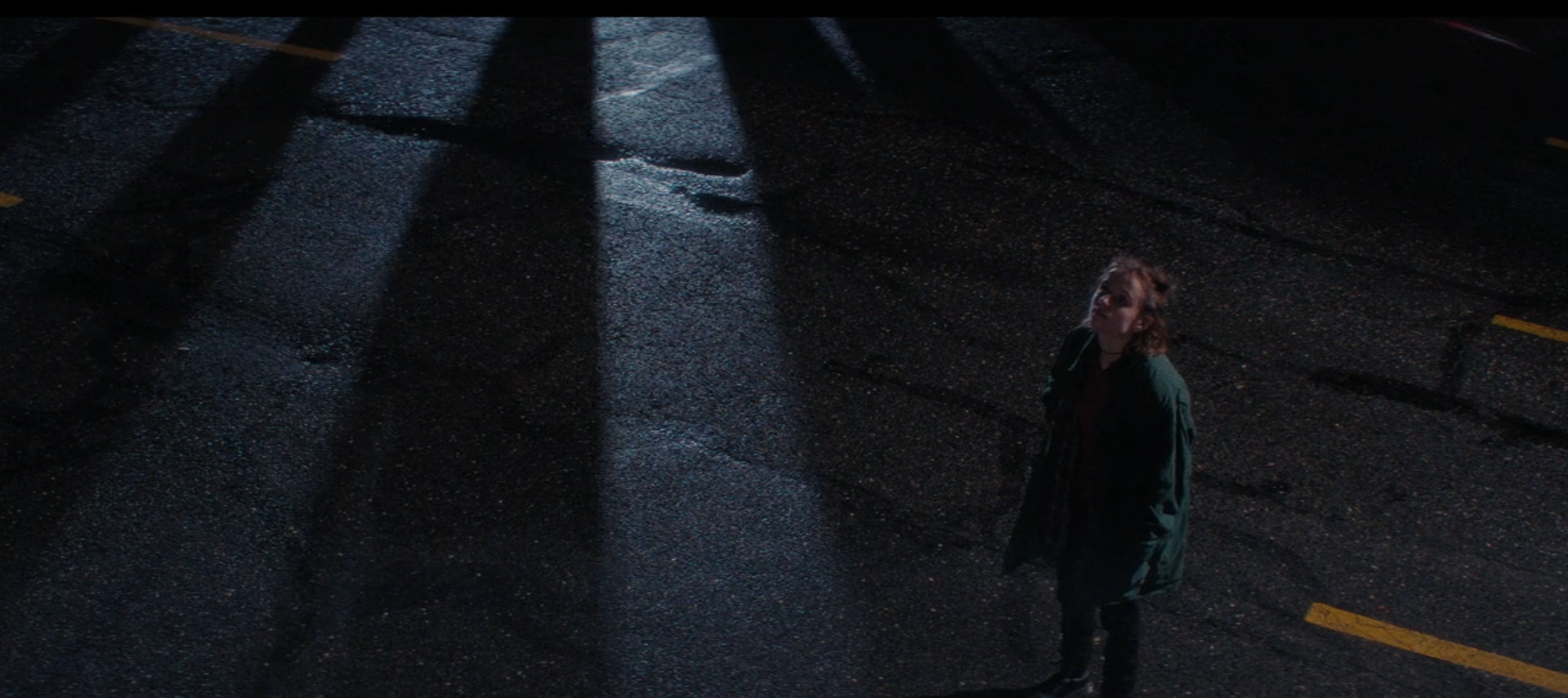
Home Video Recommendation: As I mentioned in this space last week while recommending The Baltimorons, Movie Year 2025 came complete with not one, but two new additions to my holiday rotation. The other is Christmas Eve in Miller’s Point, which landed on a number of 2024 top ten lists, but never played theatrically in Ithaca and didn’t debut on a streaming service I subscribe to until after Oscar night, and therefore retains “rookie eligibility” in my book. It features absolutely stunning camera work by Eephus director Carson Lund, a non-seasonal soundtrack that pairs oldies music evocative of the idea of nostalgia paired with ghosts of Christmas past (red and green M&Ms! The same tree topper my grandmother had!) that I’m nostalgic for, and my favorite cut of the year, from this shot of Matilda Fleming’s Emily looking up at the suburban night sky:
To this one of her mother (Maria Dizzia) looking down on a winter “scene” like the one we put up every December:
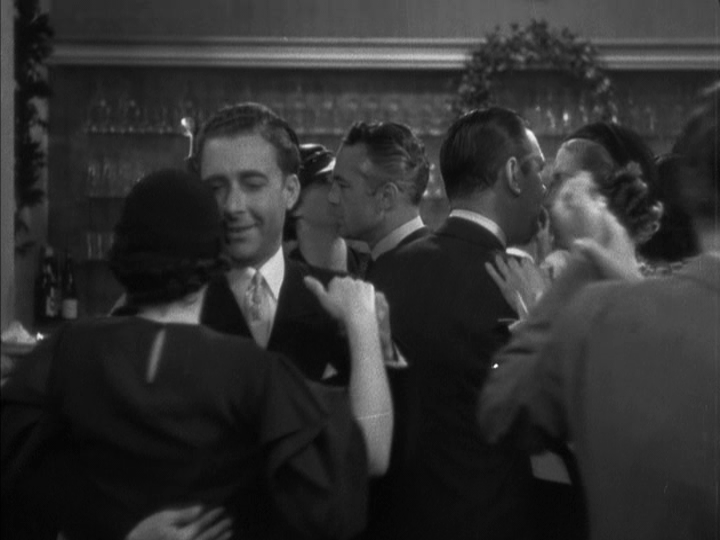
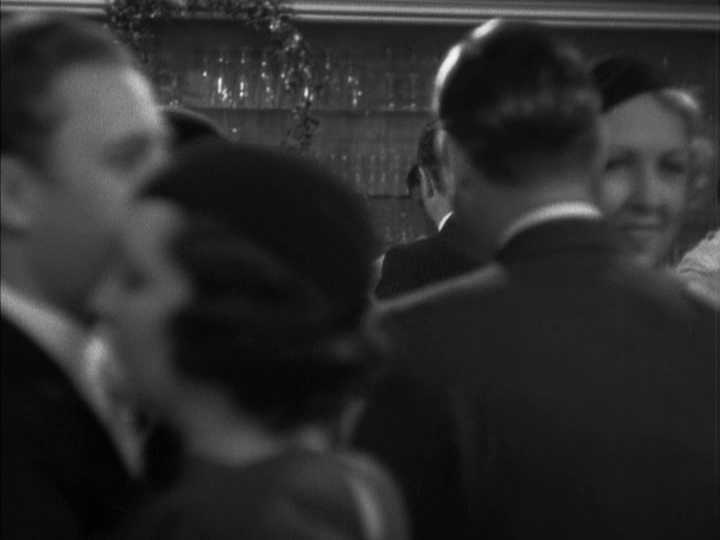
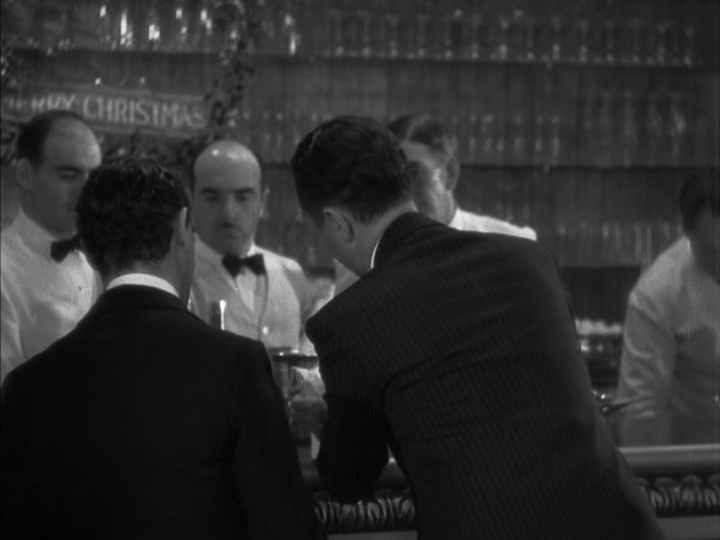
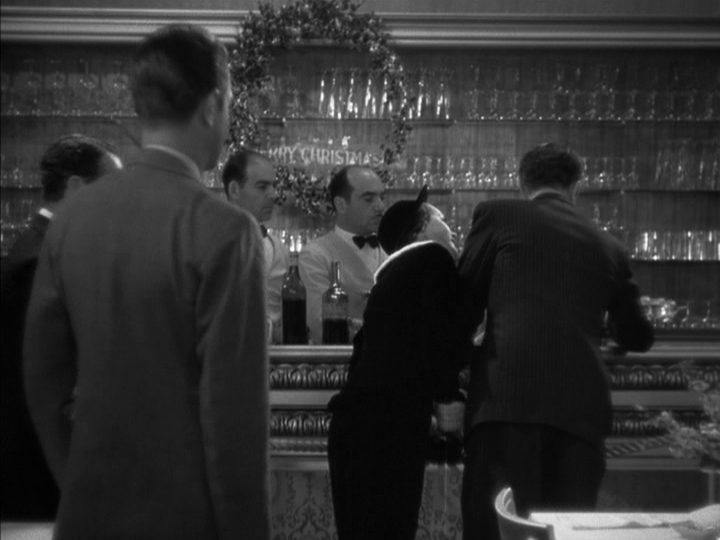
I started this series four years ago as a way to get back into the habit of regular writing. It proved to be so effective that by July I had made up my mind to keep it going through 2025 and supplement it with enough “bonus” posts to give me the equivalent of a year-long weekly film series. Eventually it occurred to me that if I added one more, I could edit everything into a self-published book complete with an introduction, and when I created a two-column landing page a 54th became inevitable. But now after 95,940 words and 1,746 screengrabs, we have finally reached the finish line! We end as we must with the most canonical drink I haven’t yet written about, the Martini. I’m pairing it with The Thin Man and the screen couple who may well be responsible for James Bond’s outdated impression that it’s supposed to be shaken instead of stirred, Nick (William Powell) and Nora (Myrna Loy) Charles. After all, that’s how Nick is preparing one when we first meet him at the end of a 50-second-long tracking shot that makes its way through a crowded dance floor before coming to rest on our hero:
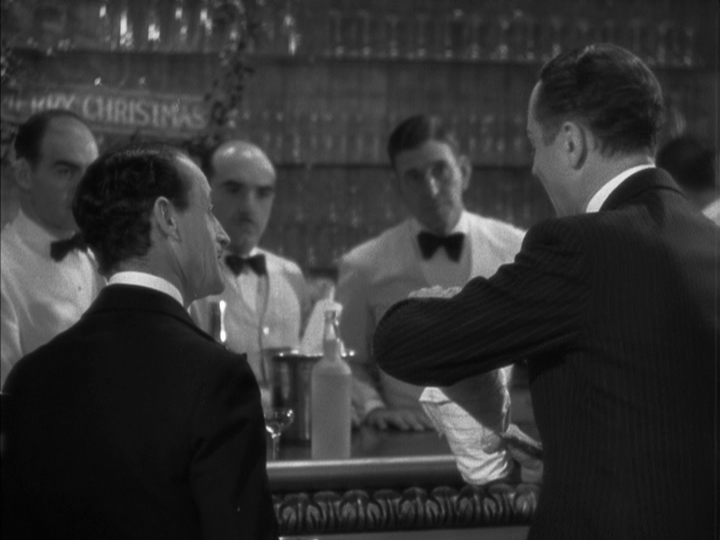
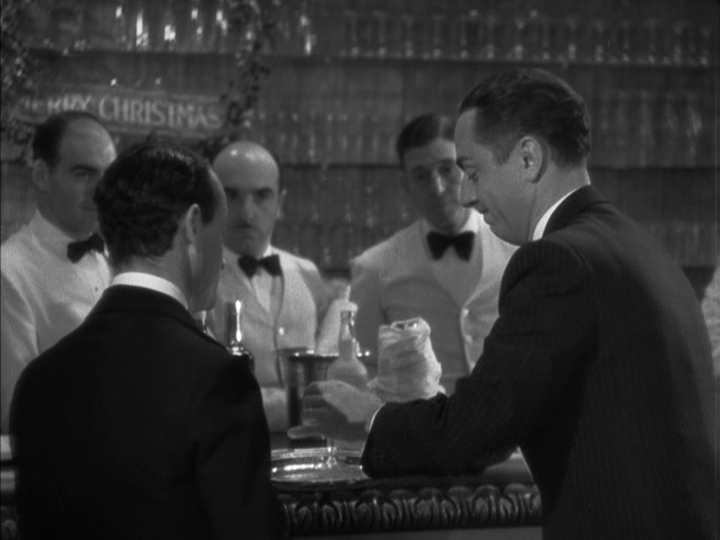
“You should always have rhythm in your shaking,” he tells the bartenders who watch him, rapt. “Now, a Manhattan you shake to foxtrot time.” He begins to strain the concoction into a glass:
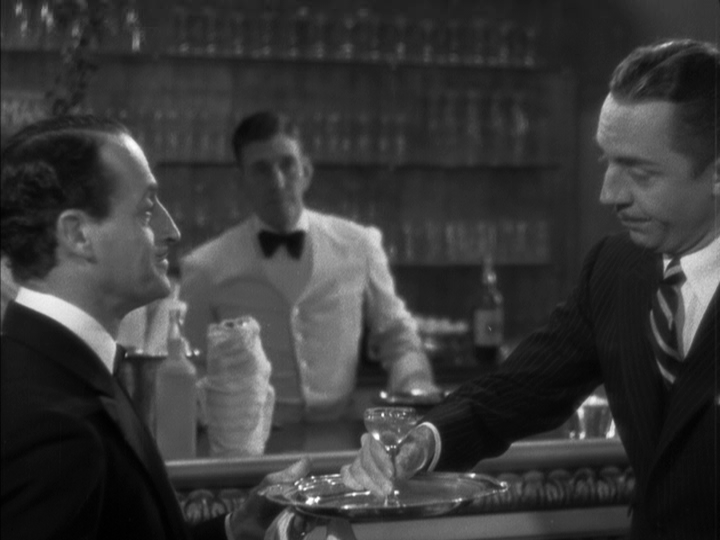
“A Bronx to two-step time,” he continues, placing the drink on a tray:
“The dry Martini you always shake to waltz time,” he concludes. Which: this *would* guarantee that the shaking is done gently, limiting aeration and dilution to acceptable levels, and I don’t think a barspoon is capable of anywhere near the same degree of bespoke sophistication, so maybe the technique is overdue for a revival! The Martini proportions in The PDT Cocktail Book are perfect as far as I’m concerned, but in a nod to the Christmas season (which is when The Thin Man takes place) we’ve been making ours with a dash of an extra ingredient and a festive garnish. Here’s how:
Stir all ingredients with ice and strain into a chilled Nick & Nora (of course!) glass. Garnish with three fermented Christmas cranberries on a cocktail pick.
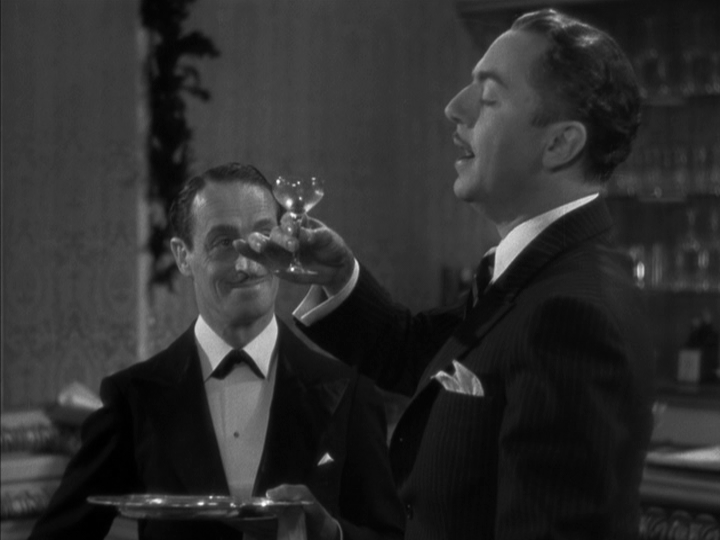
Élixir Végétal de la Grande-Chartreuse is the original product that its more famous descendants green and yellow Chartreuse are based on and a little goes a very long way. Here it contributes distinctive herbal notes to the nose and sip and, just as important for our purposes, a pale but pronounced green color that contrasts beautifully with the brick red garnish. The cranberries, in turn, provide just the slightest bit of effervescence, which accentuate the citrus notes of the Plymouth, but fear not: everyone we’ve served this to agrees that the little surprises we’ve added know their place and that our version has the classic finish of the one Nick proceeds to serve himself:
And savor:
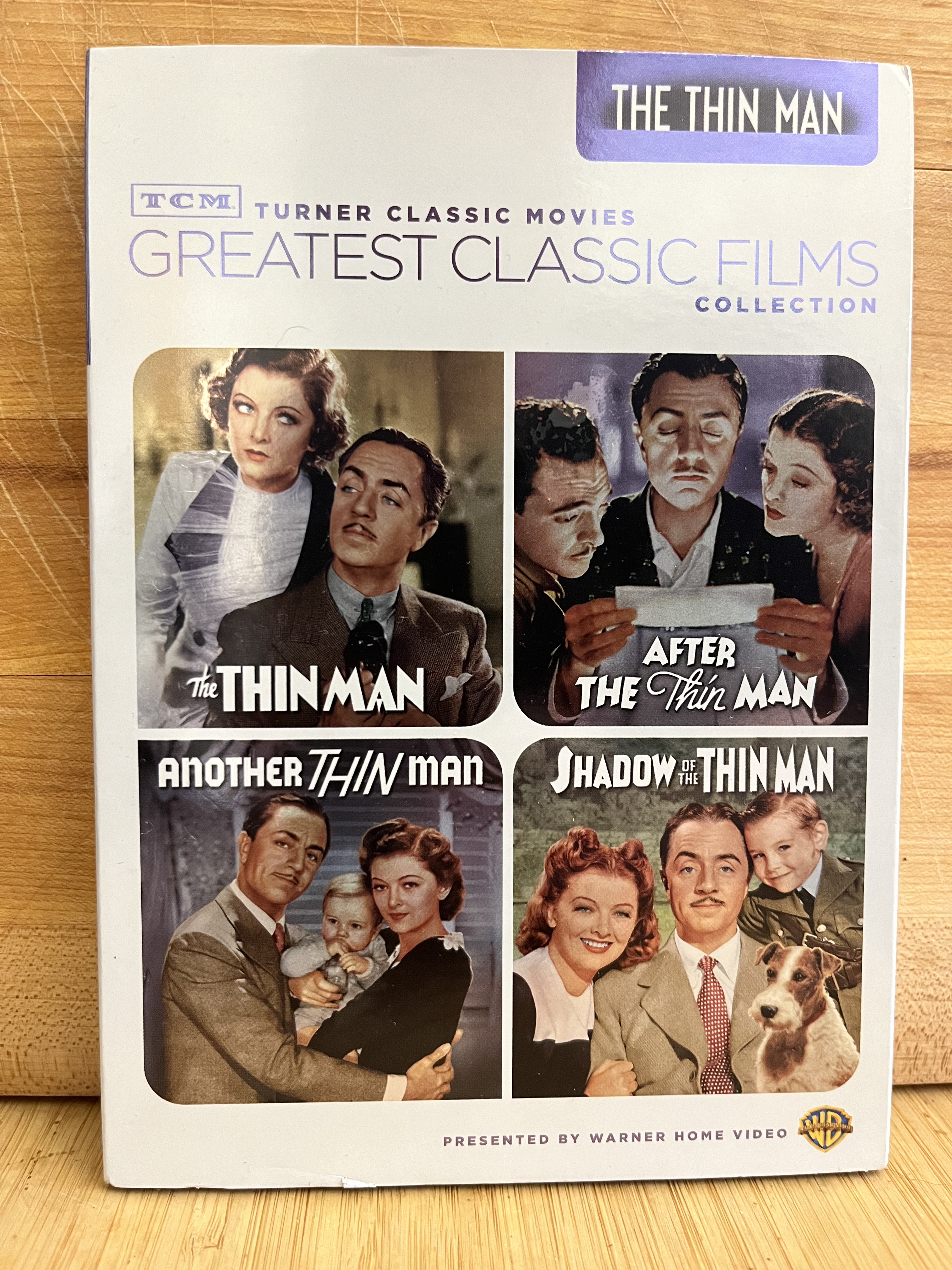
The images in this post all come from my TCM Greatest Classic Films Collection box set which includes the first three Thin Man sequels, too:
The original can also be streamed on Tubi for free if you don’t mind commercial breaks or rented and purchased from a variety of platforms if you do.
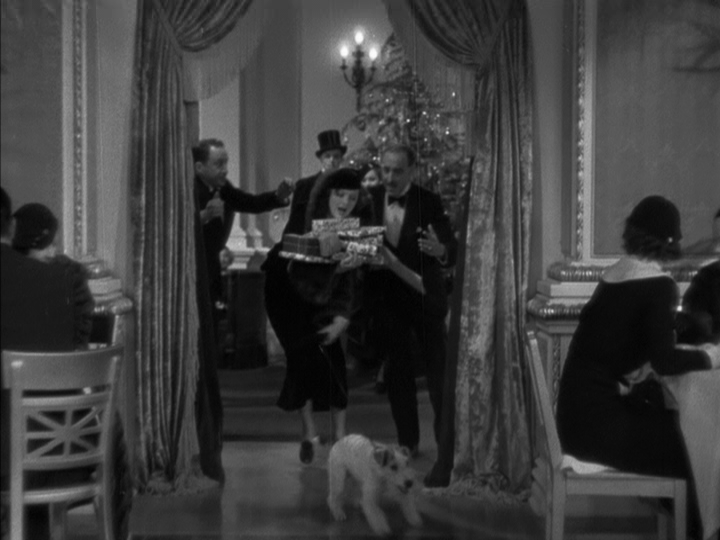
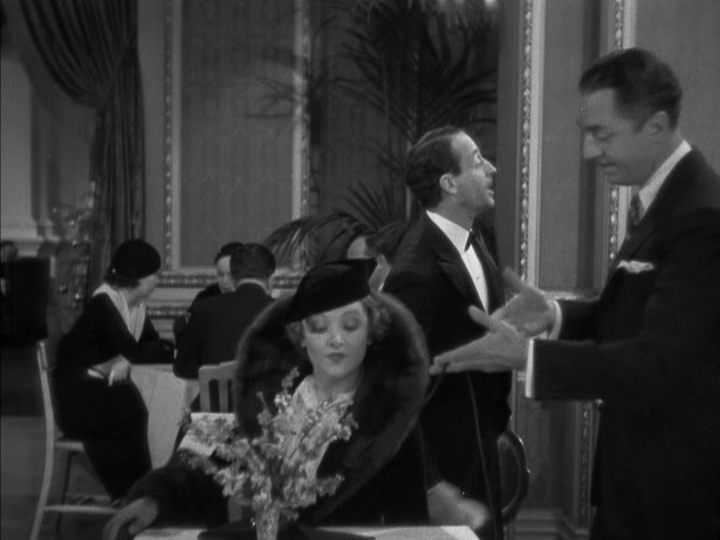
Martha Nochimson argues in her book Screen Couple Chemistry: The Power of 2that The Thin Man “is not structured by Hollywood’s familiar gender formula: woman/body–man/mind.” She submits as evidence the fact that both Nick and Nora first appear from behind, him in the mixing ritual depicted above which “requires an atypical male absorption in his body,” while her entrance behind their dog Asta “uses the cliche of female closeness to animality and body to make a joke of Hollywood’s traditional images of female glamour”:
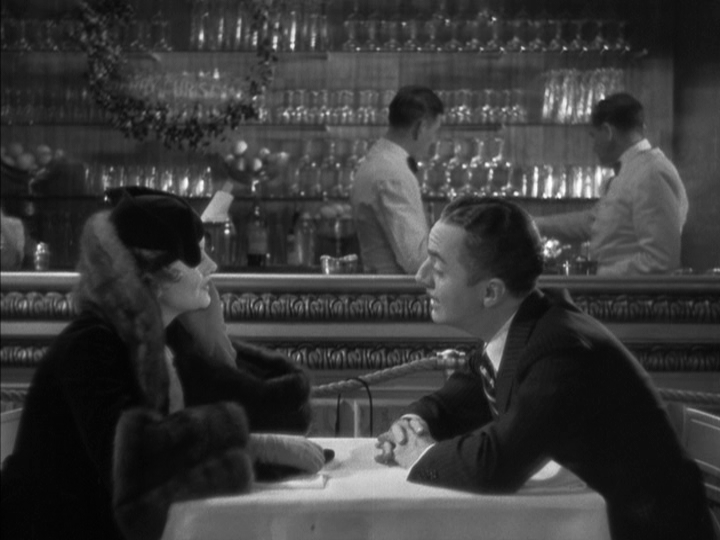
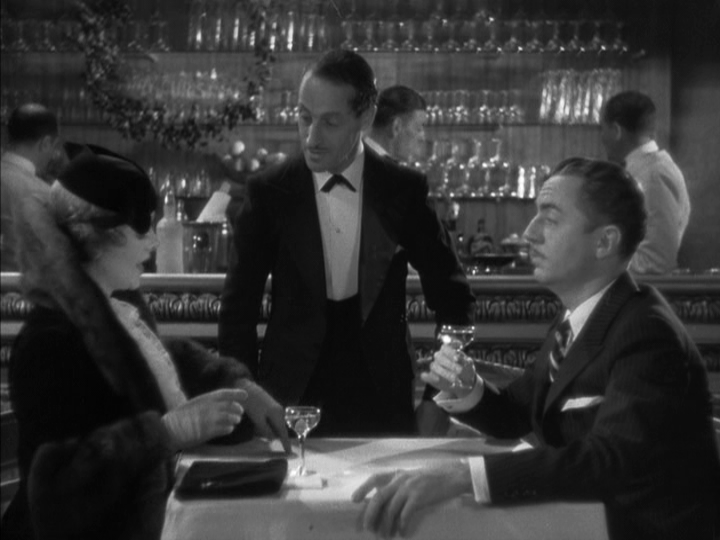
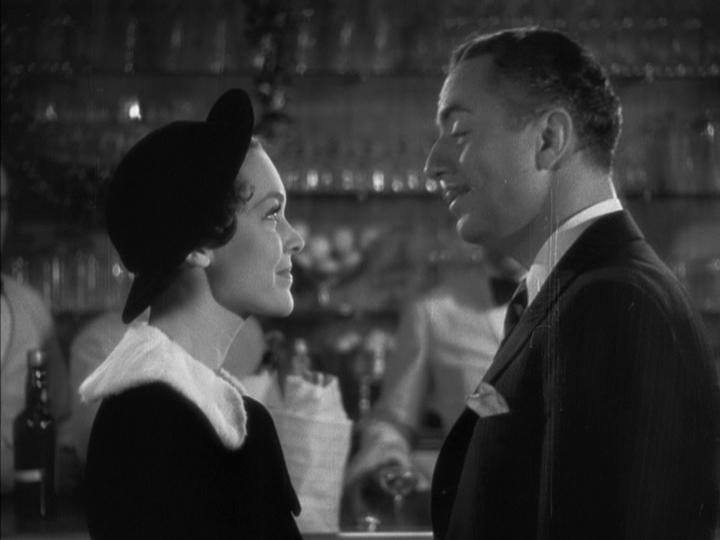
As Rob Kozlowski describes it in his book Becoming Nick and Nora, their first conversation “takes place over the course of a single, forty-seven-second shot” that has nothing to do with the murder mystery that the film is ostensibly about “but everything to do with showing us this marvelous relationship.” It is preceded by Nick, who is visibly but amiably tipsy throughout this scene and much of the movie, forgetting the word “cocktail” but still managing to make himself understood to a waiter as he invites Nora to sit down and join him in one:
The long take which follows is, per Kozlowski, “very economical,” but also “absolutely the correct approach from a narrative standpoint”:
Because:
By holding both Nick and Nora in the frame, we’re able to see them both speaking, and both listening, at the same time. Nora, adorned in a fur coat with her chin resting in her hand, perpetually amused by the sight of her besotted and blotto husband, has her focus entirely on him. Nick, with his arms resting on the table, his hands inches away from hers, has his focus entirely on her.”
The scene ends with Nora asking Nick how many he has had. “Six martinis,” he replies. Her response is to immediately order five more to catch up, which to Kozlowski captures the essence of what makes theirs “the friendliest, most fun marriage ever captured on screen.”
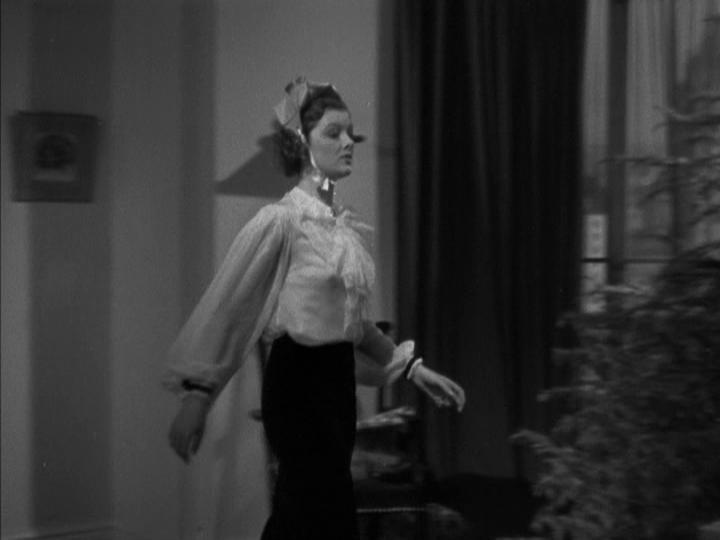
“They’re almost always playing,” he explains, “and they’re equals on top of it all.” Nochimson agrees with him about this sequence, which she calls paradoxically “both archly witty and genuinely earthy,” but also notes that while “time has veiled Nick and Nora in sentimental nostalgia,” upon closer inspection “their abrasive qualities burst off the screen.” In a not-quite-but-almost-acknowledgement of the darker side of drinking, the latter wakes up the following morning with a hangover (instead of alcohol poisoning, which might be more realistic), but rather than make her more relatable, the ice bag she wears like an elegant hat only serves to reinforce Nochimson’s description of her as “tall, slim, condescending, and always appareled in stunning, regal, intricately designed and infuriating (for those in the audience who will never be able to afford such things) ‘outfits'” who “stands with that ramrod carriage that summons images of young girls schooled relentlessly in balancing books on their heads”:
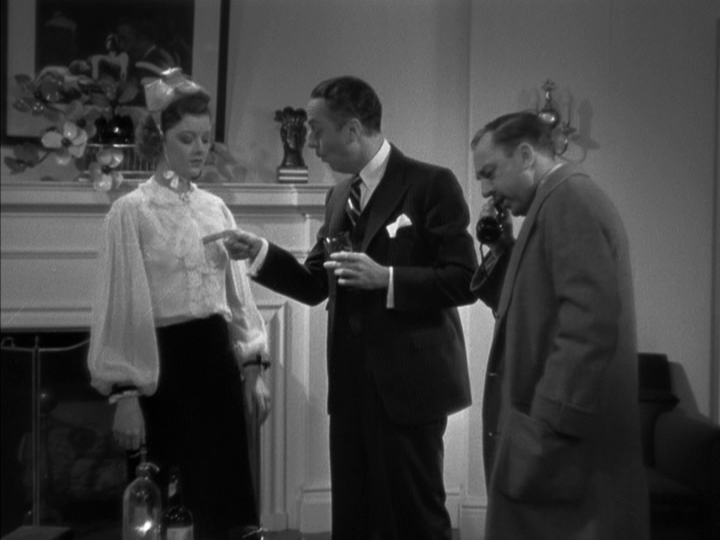
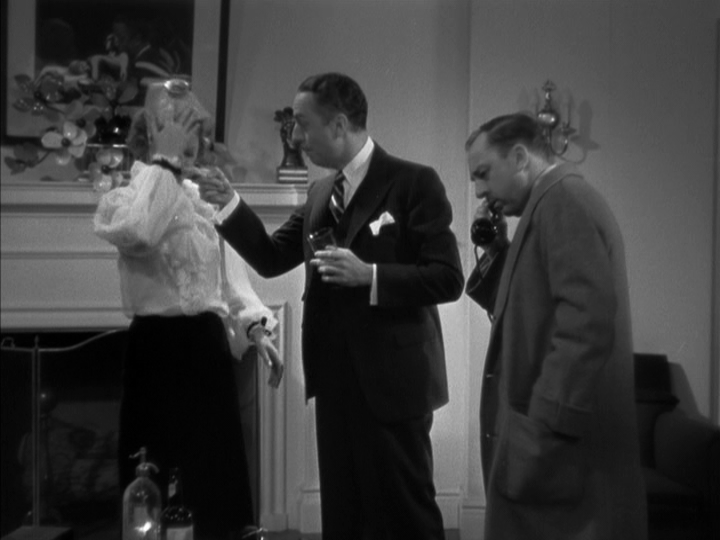
Meanwhile Nick, whose speech is already beginning to slur from what appears to be a breakfast of Scotch and soda, does indeed have “the loose-jointed bearing of a man just about to fall into a heap” as he first flicks her nose:
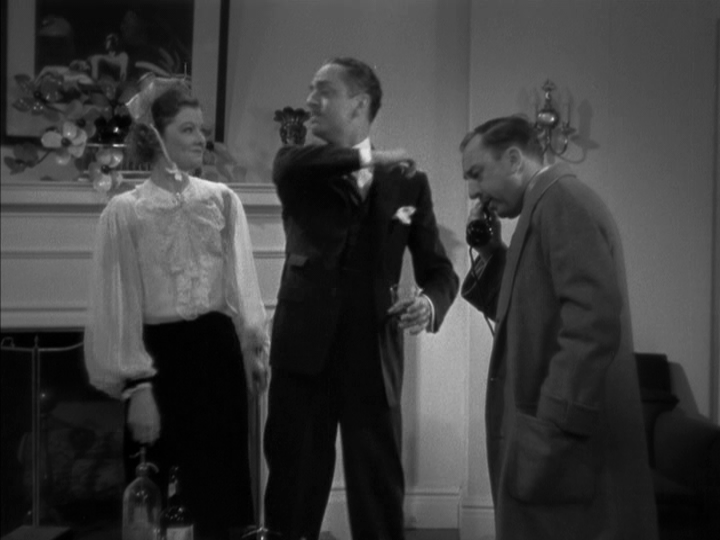
Then pantomimes smacking her in retribution for a well-deserved slap on the back of the head:
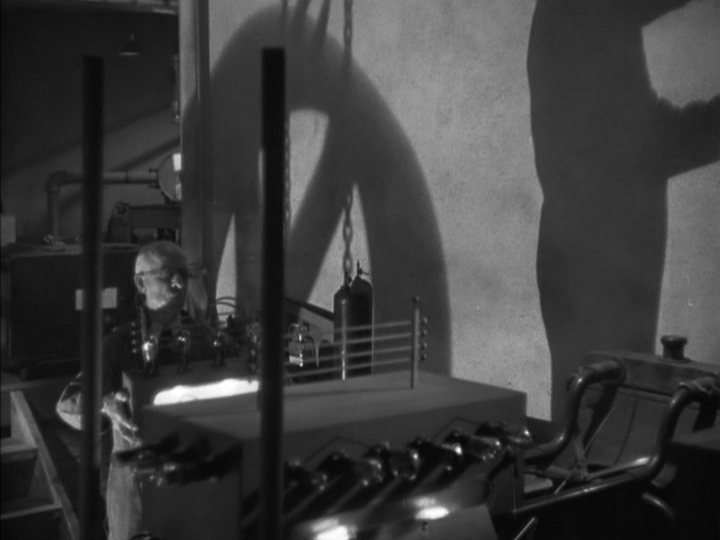
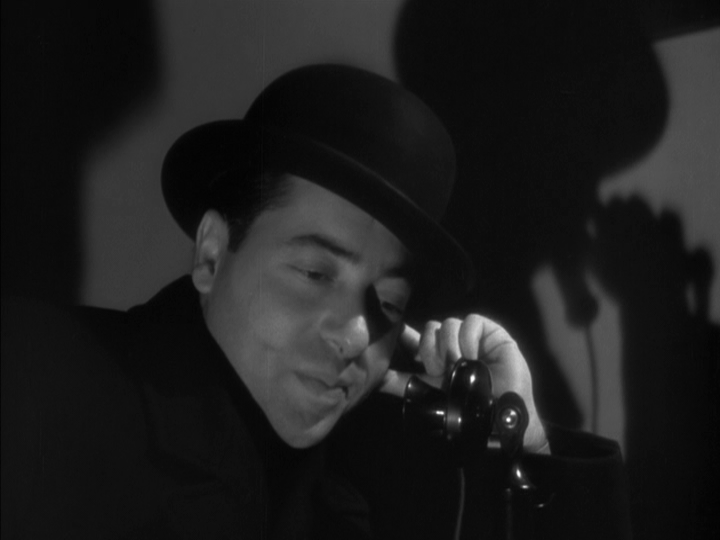
The man on the phone in the foreground is Herbert MacCaulay (Porter Hall), lawyer to inventor Clyde Wynant (Edward Ellis), who we see here working in his laboratory:
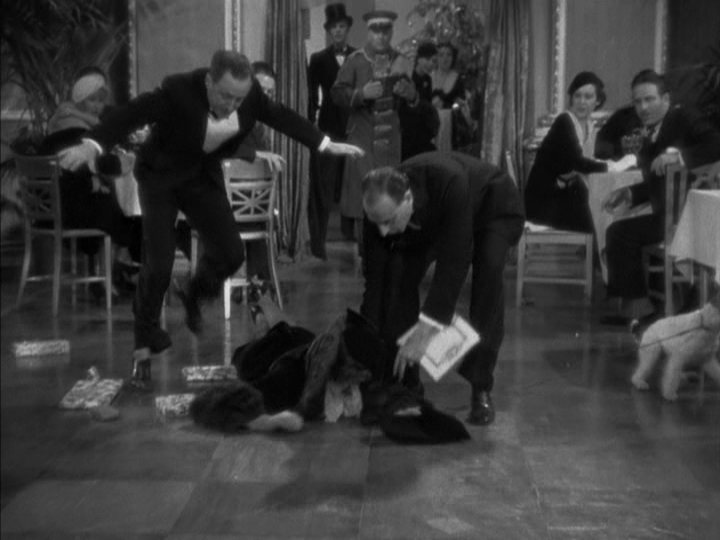
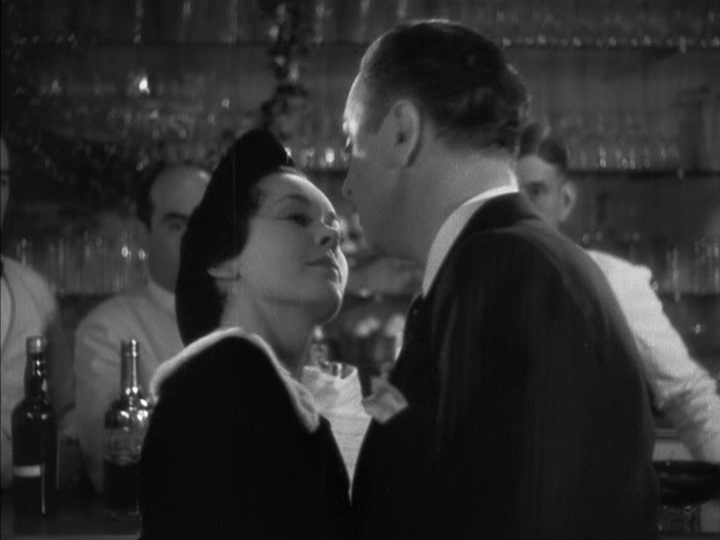
And the mixology lesson we started this post with was interrupted by Wynant’s daughter Dorothy (Maureen O’Sullivan), who remembers Nick, a former private detective, from a case he worked on for her father in her youth:
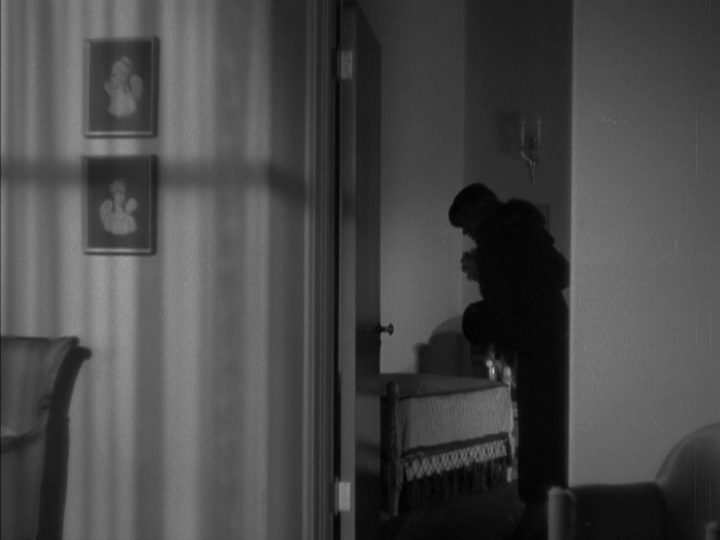
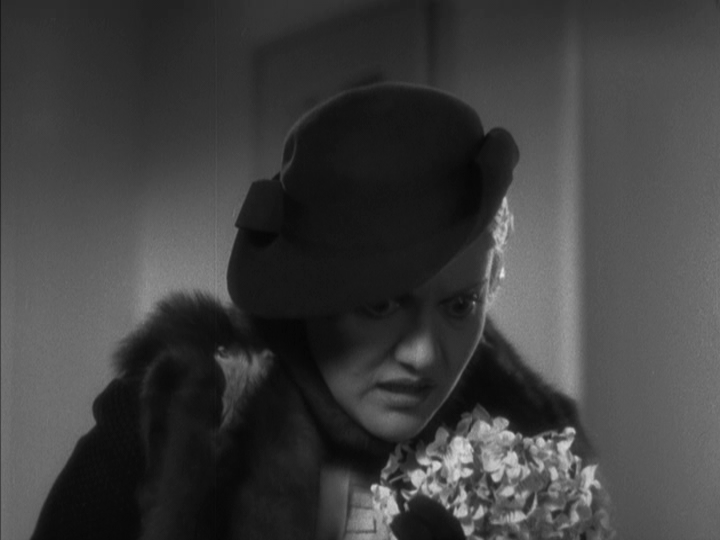
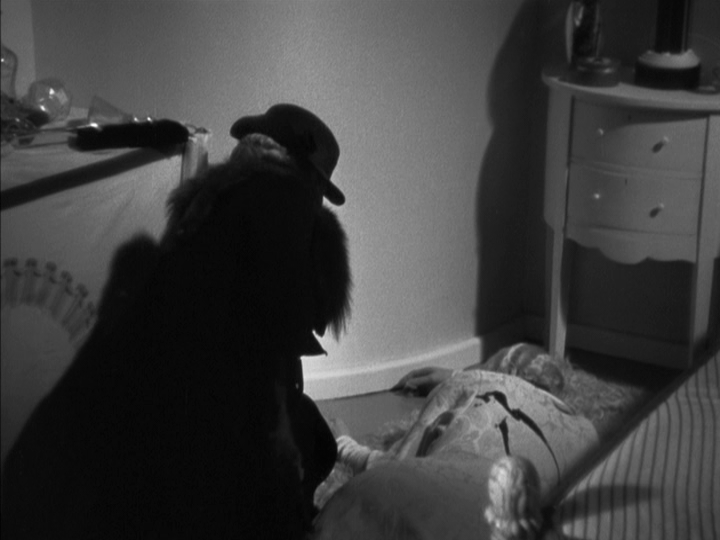
You see, Clyde has disappeared. Or maybe he hasn’t: the phone call MacCaulay takes informs him that Wynant is back in town and wants to meet. Except that Wynant doesn’t show, and in the meantime his secretary-cum-mistress Julia Wolf (Natalie Moorhead) turns up dead. Coincidentally, she had just agreed to meet Wynant’s ex-wife Mimi Jorgenson (Minna Gombell), Dorothy’s mother, who upon discovering the body first screams:
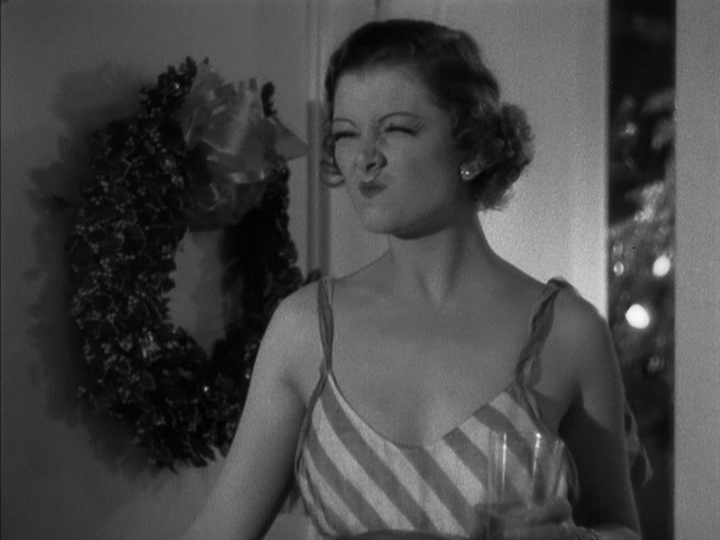
But then makes a face and leans forward to remove something from the crime scene:
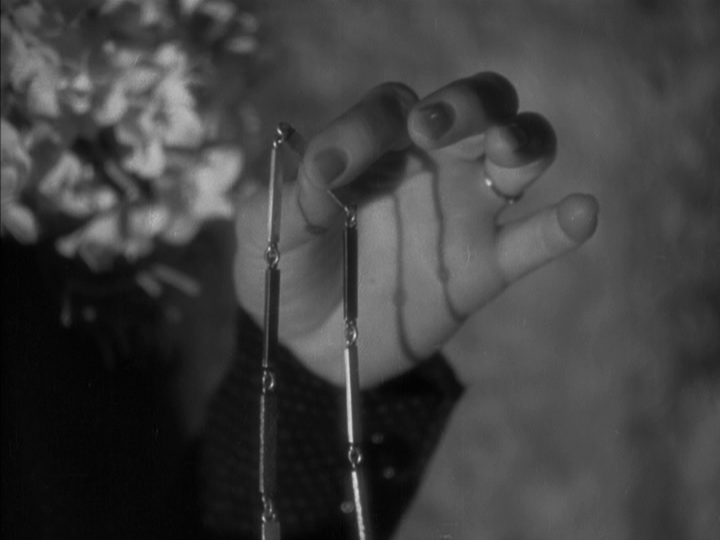
Upon revealing to Dorothy, who suspects her mother of robbing Wolf, that what she took was a metal chain known to belong to Wynant:
They and Dorothy’s brother Gilbert (William Henry) all descend on a Christmas party that Nick and Nora are hosting in their apartment for an eclectic collection of colorful figures from Nick’s former life. During the festivities a shady figure named Nunheim (Harold Huber) calls in with information related to the case:
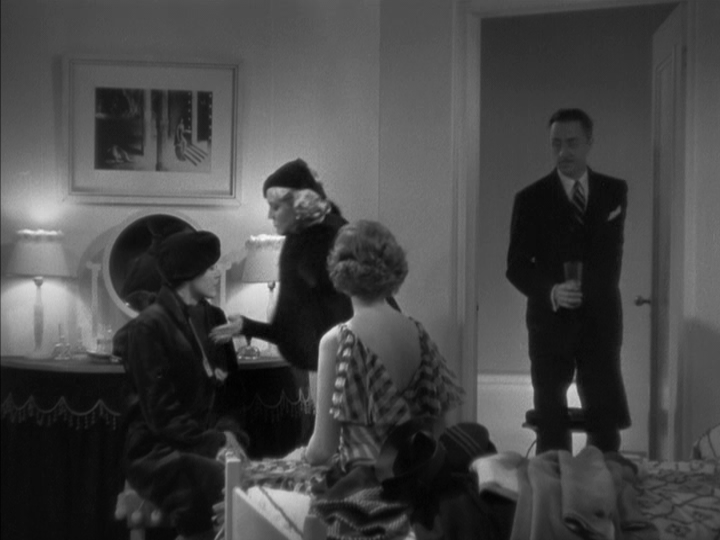
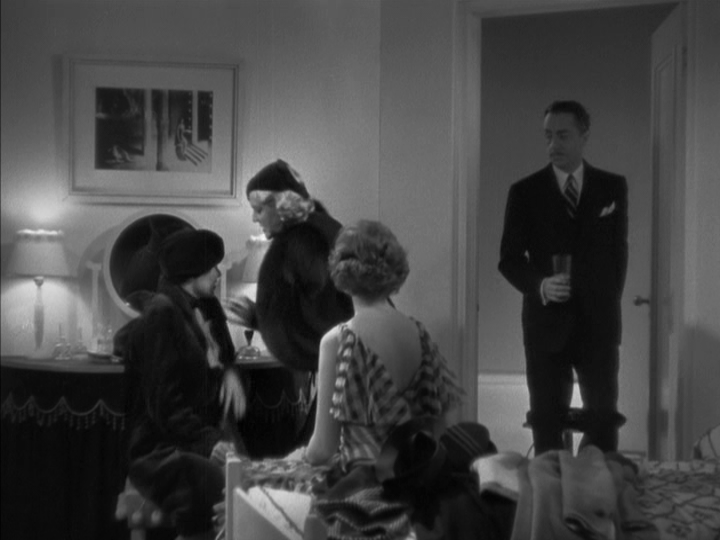
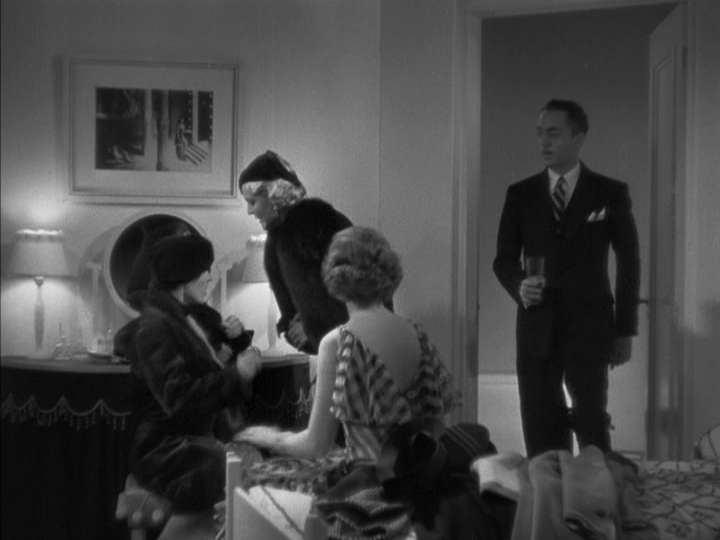
As described by Fran Mason in his book Hollywood’s Detectives, the result of all of this is to “disorder Nick’s world, most obviously when Mimi slaps Dorothy in front of Nick and Nora because she believes that Dorothy has revealed information that thwarts her plan to blackmail Wynant on his expected reappearance”:
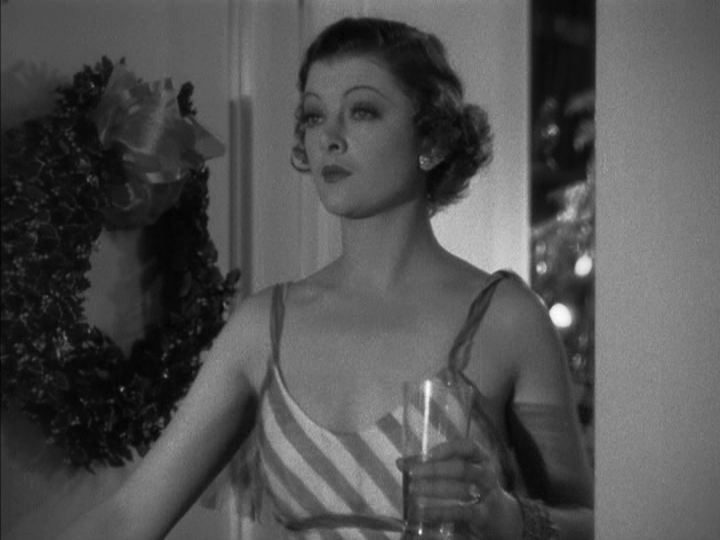
And although it isn’t until after they leave that the party “degenerates into an anarchy of tuneless singing, drunken disagreements and maudlin sentimentality,” Mason argues that “it is implied that they cause the disorder by bringing their world of crime, venal desire and pathologies to the hotel room to disturb the small world of Nick and Nora.” Thus when Nora sighs, “oh Nicky, I love you because you know such lovely people” at the end of the evening:
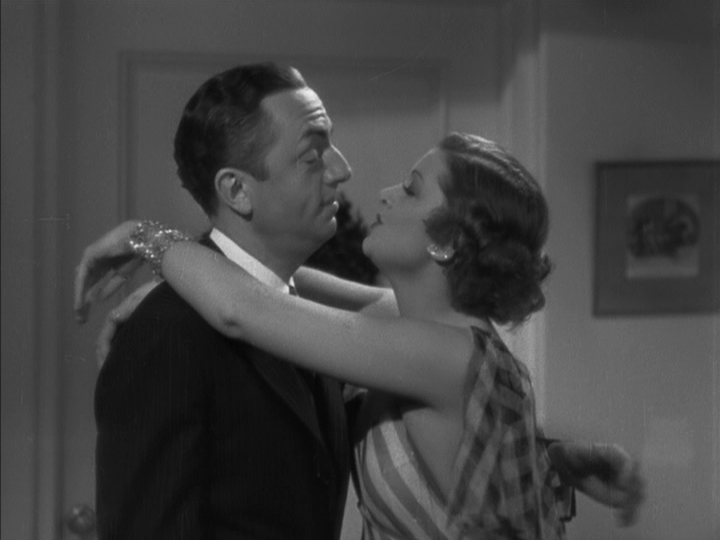
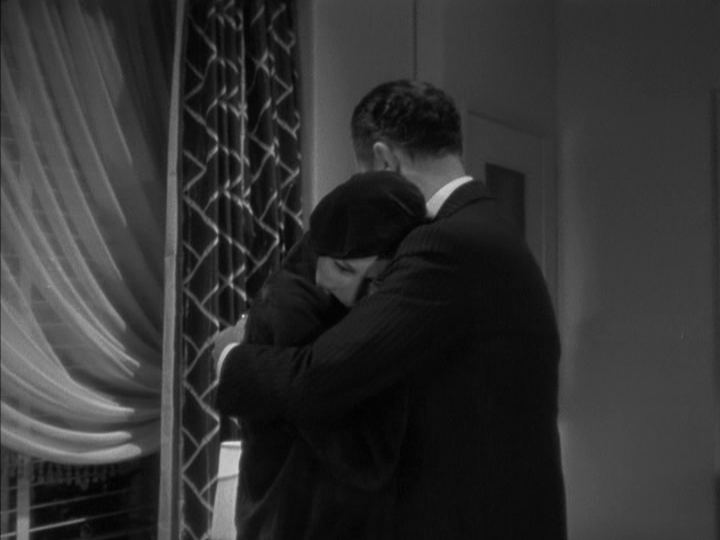
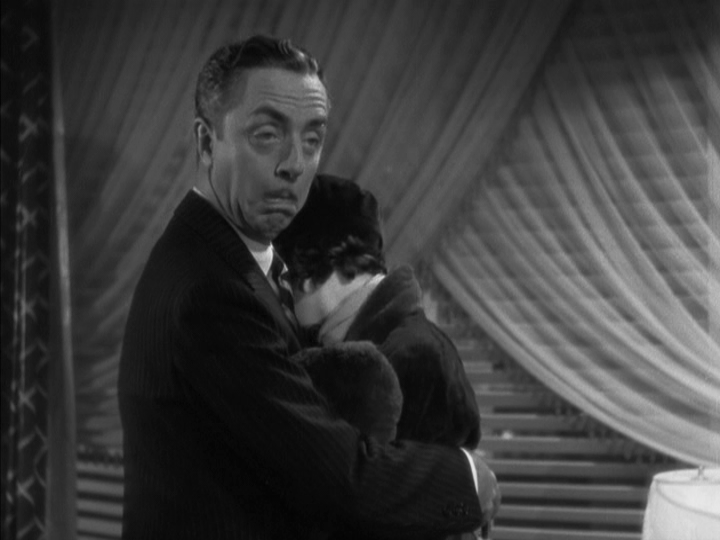
The line “applies as much to the Jorgensens and people like them as it does to the working class and underworld figures from among Nick’s acquaintances who are still present.” This sequence also again showcases the strong bond between the central couple when Nora walks in on Dorothy embracing Nick, which Kozlowski notes director W.S. Van Dyke “stages as if it would become one of those dramatic incident in which a wife sees her husband with another woman in her arms”:
He follows it with two quick pans, though, one to Nick making a face at his wife:
And then one of her crinkling her nose at him in return:
“By panning between the embrace and Nora’s reaction rather than cutting between them,” Kozlowski observes, “again we have Nick and Nora as one unit rather than being edited apart from each other, and we establish again that this married couple trusts each other completely.” That night Nick saves Nora’s life by knocking her out before the man who has broken into their apartment (Edward Brophy) can shoot her:
Now well and truly implicated in the case, Nick proves his mettle by solving it in relatively short order with an assist from Asta, who locates a body in Wynant’s factory when Nick decides to visit it on a hunch:
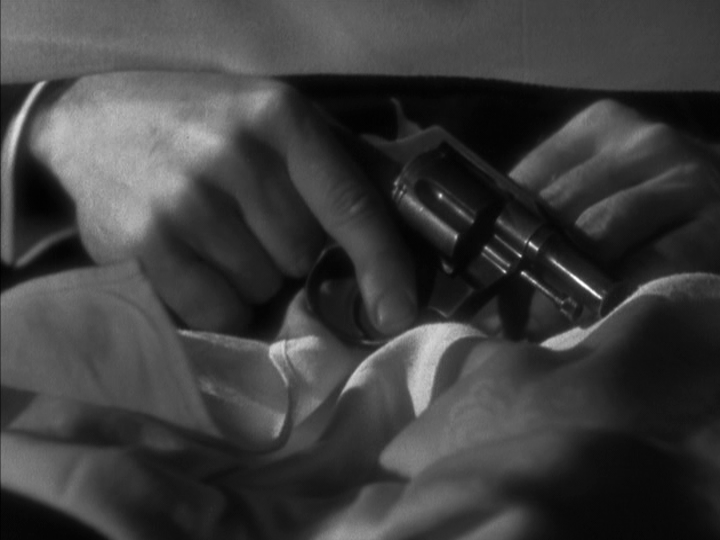
The police fall for the false clues buried with it and conclude that they’ve found someone else who was killed by Wynant, who at this point is their number one suspect, but Nick recognizes a piece of shrapnel visible in fluoroscopy:
And in classic murder mystery style organizes an elaborate dinner party to reveal who *did* do it, but not before he asks if Nora has a “nice evening gown” to wear to it, which per Nochimson confirms that he shares her “forthright understanding of glamour as armor and costume that the two of them manipulate.”
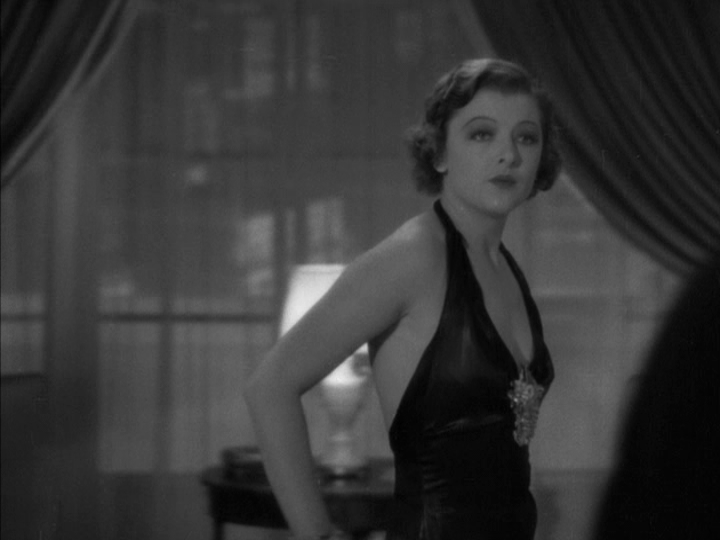
She does, and it is indeed “a lulu”:
After sadistically torturing nearly every guest by suggesting that they are the guilty party, Nick provokes the real killer into incriminating themself before the main course is even served:
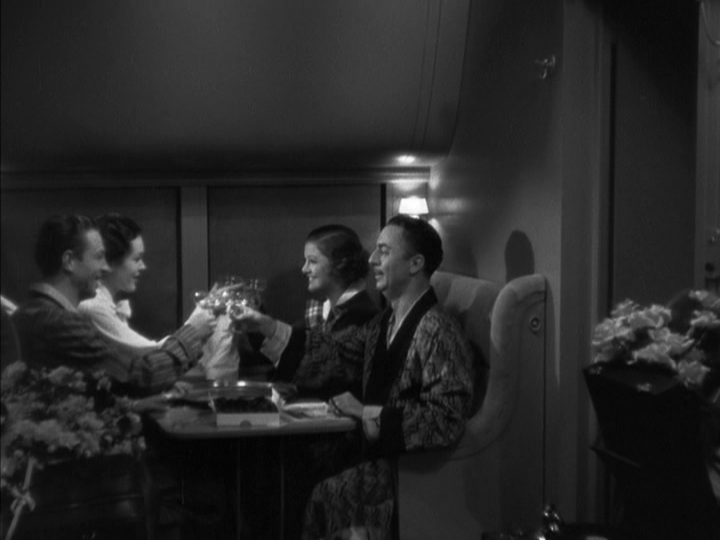
And the movie’s penultimate scene finds Nick and Nora in the sleeping car of a cross-country train toasting their success with Dorothy and her new husband Tommy (Henry Wadsworth) in an off-center composition by cinematographer James Wong Howe that makes it clear the Charles’s have overstayed their welcome by including the door:
Hopefully the honeymooners have been paying attention, because their elders have been giving them and us a master class on the art of a happy marriage. As summarized by Elizabeth Kraft in her book Restoration Stage Comedies and Hollywood Remarriage Films, the central theme is that “it is a supremely adult activity and requires both maturity and common sense, along with the opposite ability, that is, the childlike ability to play and invent and enjoy.” Which come to think of it reminds me of my description of Drink & a Movie #1 The Tamarind Seed as “a thoroughly grown-up film to enjoy with your adult beverage”! I’m not sure whether or not there’s an overarching theme there, but it strikes me as a fine place to leave off regardless. As mentioned above I’m planning to turn these posts into a book, which I think will involve a lot of cutting. A graphic designer friend has offered to help me, and I’m optimistic that the end result will make for an attractive and useful Christmas present for family and friends, so with any luck I’ll be done before next New Year’s Eve. I’ll order a few extra and sell them at cost from this site, so stay tuned if you’re interested! In the meantime, my liver has earned a good, long rest for services rendered, and I’m planning to abstain from alcohol for the duration of 2026–after all, even Nick Charles himself eventually confined himself to cider for the entire runtime of The Thin Man Goes Home! This means no cocktail commentary for awhile, but I do intend to keep up my pace of one illustrated long-form post about movies per month on average. It isn’t midnight yet, though, so I have time for one last Martini before then. Here’s to you for reading!
Cheers!
All original photographs in this post are by Marion Penning, aka My Loving Wife.Links to all of the entries in this series can be found here.
What I’m Seeing This Week: My Loving Wife’s side of the family is in town until Saturday, then we’re off to Virginia to spend second Christmas with mine, but I’m hoping to catch Marty Supreme at the Regal Harrisonburg during our travels or at either Cinemapolis or the Regal Ithaca Mall after we get back. I might try to see Song Sung Blue at one of those theaters as well.
Also in Theaters: I’m still processing The Secret Agent, but it’s definitely my favorite of the new releases now playing Ithaca that I’ve already seen. I also enjoyed Hamnet and Wake Up Dead Men: A Knives Out Mystery. All three of these films continue their runs at Cinemapolis. At this point I’m pretty sure we’re waiting for Now You See Me: Now You Don’t, Wicked: For Good, and Zootopia 2 to become available via streaming video, and while director James Cameron presumably wants you to see Avatar: Fire and Ash on the biggest screen possible, the best thing about it is Oona Chaplin’s performance, so I think it’s safe to wait on that one as well. I am still hoping to see The Housemaid before it closes, though. All five of these films are at the Regal. There understandably isn’t much happening this week on the special events front, but noteworthy repertory options include personal holiday favorites It’s a Wonderful Life, Gremlins, and Daddy’s Home 2 at the Regal today, tomorrow, and Monday respectively.
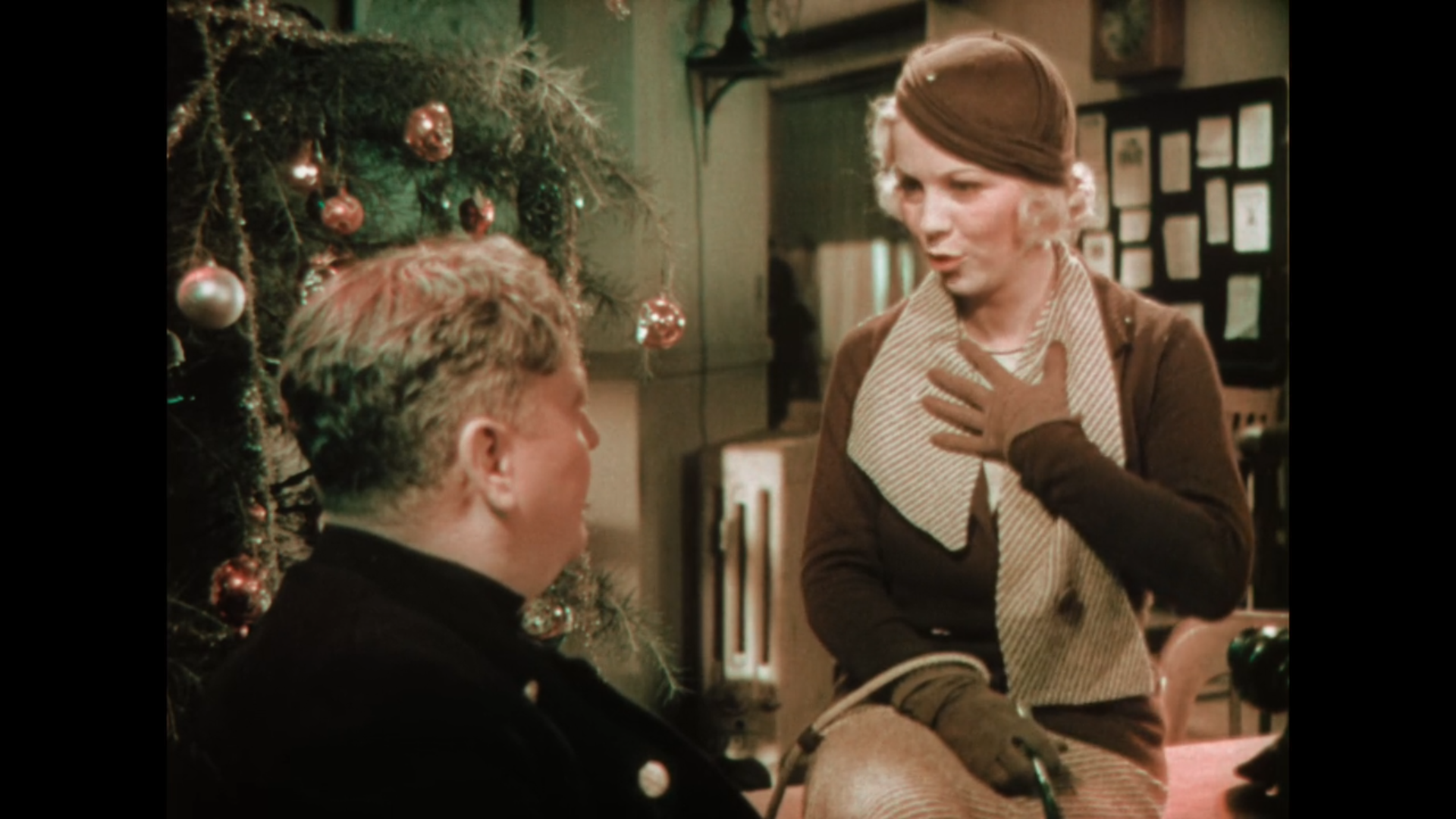
Home Video Recommendation: I was planning to wait until New Year’s Day to talk about Mystery of the Wax Museumbecause that’s when a lot of the main action takes place, but I’m moving it up a week because it it disappears fromHBO Max on Wednesday. There is a green and red Christmas tree that shows off the color separations of two-strip Technicolor:
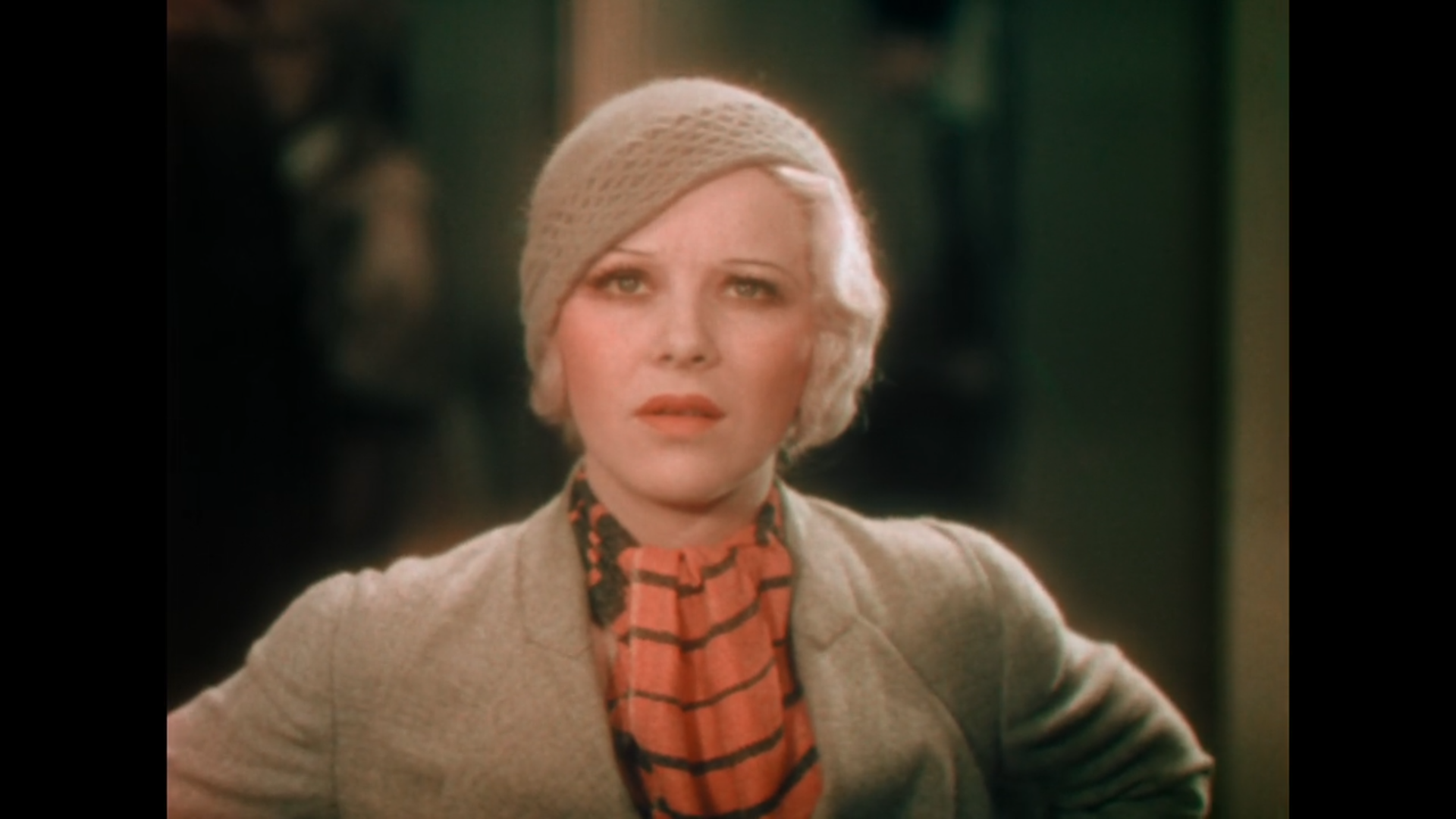
Which are admittedly done greater justice by the wardrobes of Glenda Farrell and Fay Wray:
But while the post-holiday hungover world of this movie is positively drenched in these hues, here they represent envy and embalming fluid, not holly and mistletoe. It’s the ending that really fascinates me, though, as I recently noted on Letterboxd. That review contains spoilers, so I won’t copy-and-paste it into this post, but leave me a comment if you do decide to watch Mystery of the WaxMuseum on my recommendation and let me know what you think!
Previous “Ithaca Film Journal” posts canbe found here.A running list ofall of my “Home Video” recommendations can be found here.
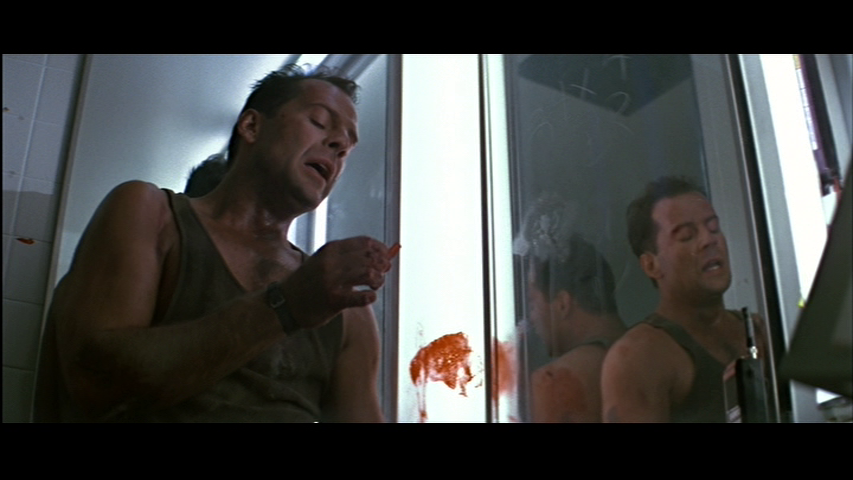
Fear not: this is not yet another polemic weirdly way too invested in convincing you that Die Hard is a Christmas movie! It *is* part of our household’s regular holiday rotation, though, so I’ve been saving a December slot for it and the Chain Smoker from Sother Teague’s I’m Just Here for the Drinks. The pairing is, of course, inspired by Bruce Willis’s John McClane, who quaintly lights a cigarette immediately after disembarking at Los Angeles International Airport approximately two minutes into the film:
Then proceeds to consume at least a full pack before the end credits roll. Here’s how you make it:
Stir all ingredients with ice and chain into a chilled rocks glass. Garnish with a flamed orange twist.
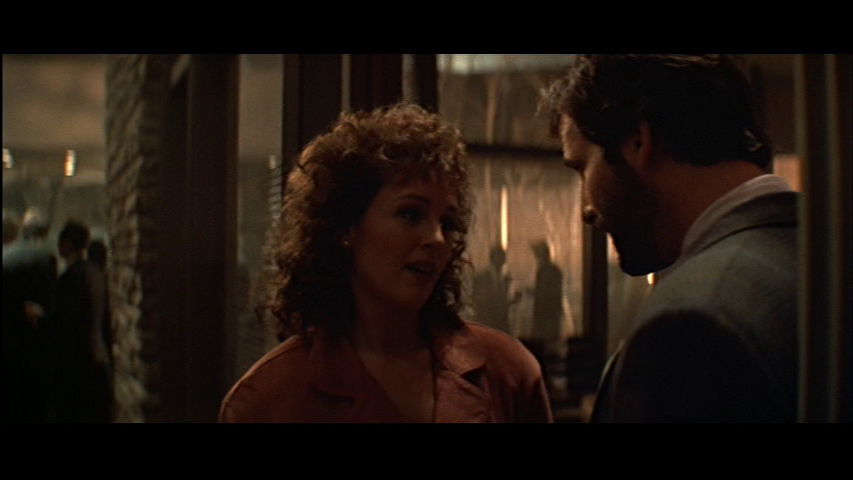
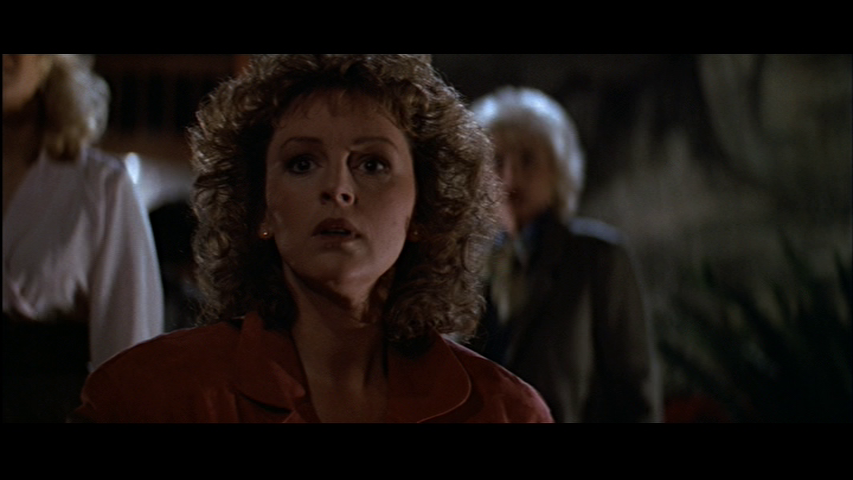
Teague describes the Chain Smoker as “basically a smoky mezcal Manhattan augmented with Zucca, an Italian aperitif, which has a natural smoky flavor from the dried Chinese rhubarb that serves as its base ingredient.” He notes that “the bitters add a subtle citrus note as well as another layer of smoke,” which is what dominates the nose. Flamed twists have always struck me as being more about theater than flavor or aroma, but both Teague and Frederic Yarm swear the burnt oils are a factor here as well. Regardless, agave and grape on the sip give way to a dry finish with roaring fireplace vibes, suggesting that Hart Bochner’s Harry Ellis could serve it with the “nice aged brie” he mentions while clumsily hitting on McClane’s wife Holly (Bonnie Bedelia):
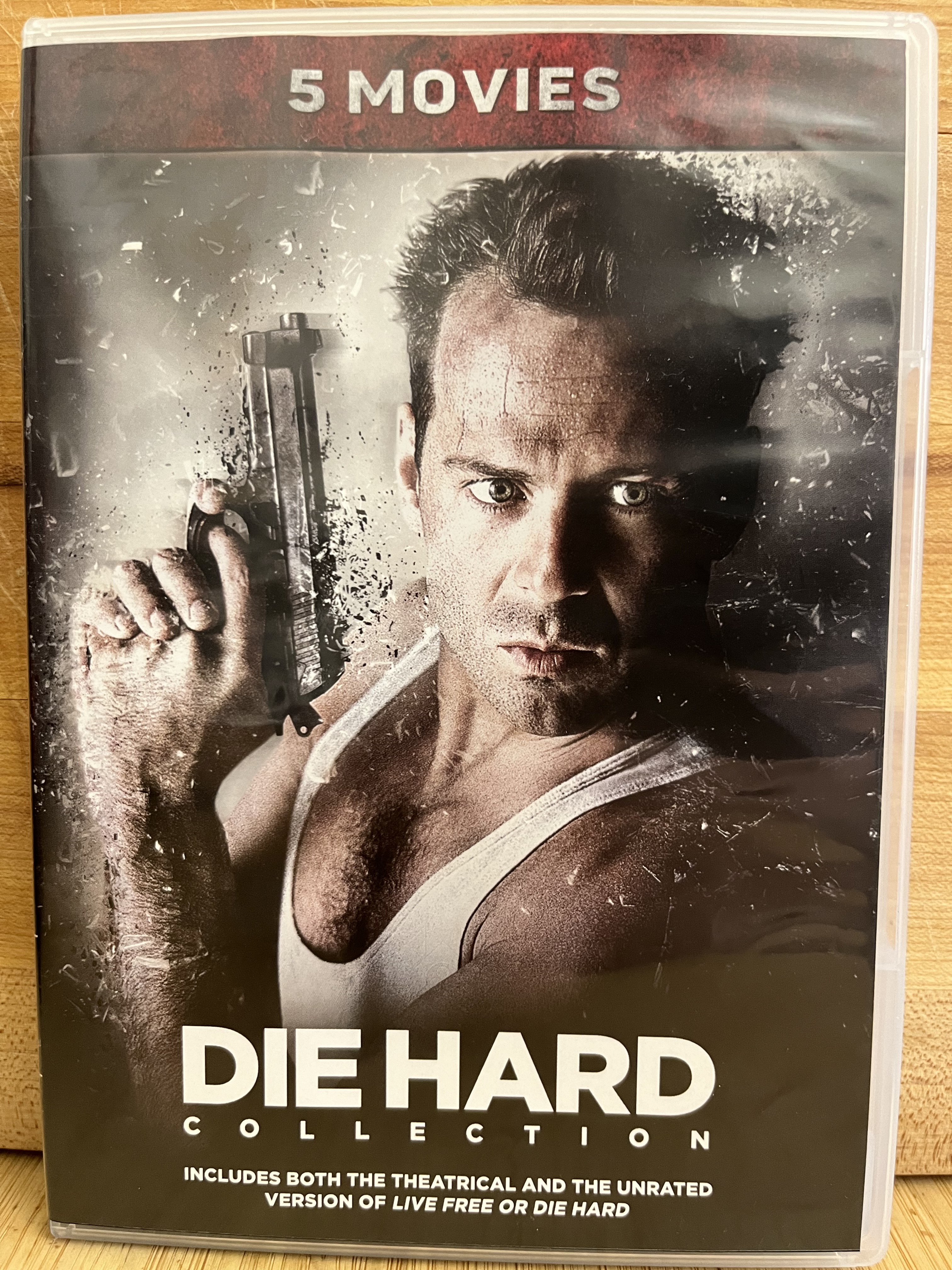
The image above and those which follow all come from my Sony Pictures Home Entertainment Die Hard Collection DVD set:
It’s also available on Hulu and Prime Video with a subscription.
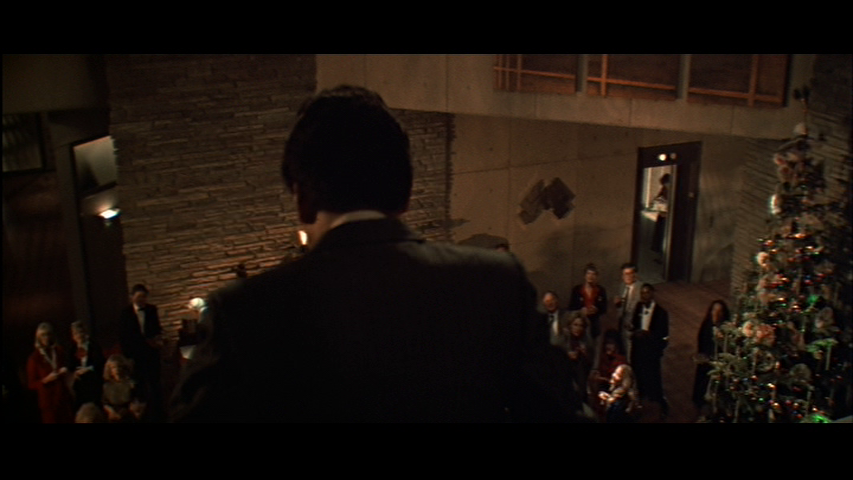
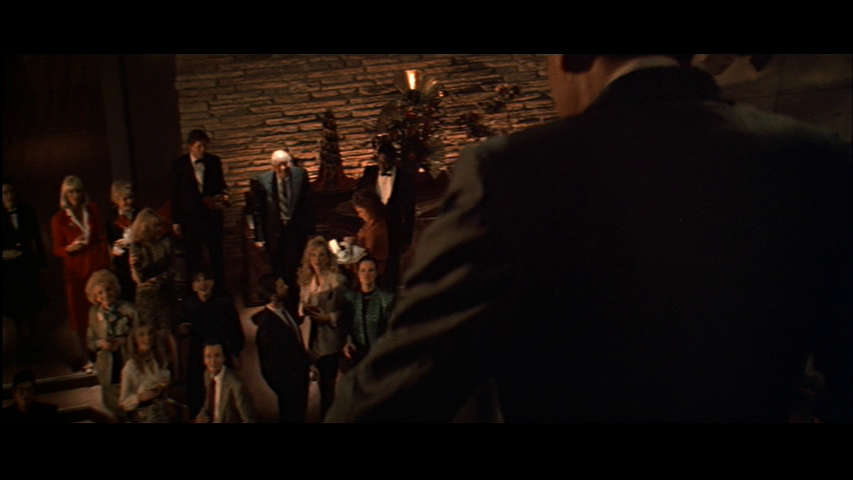
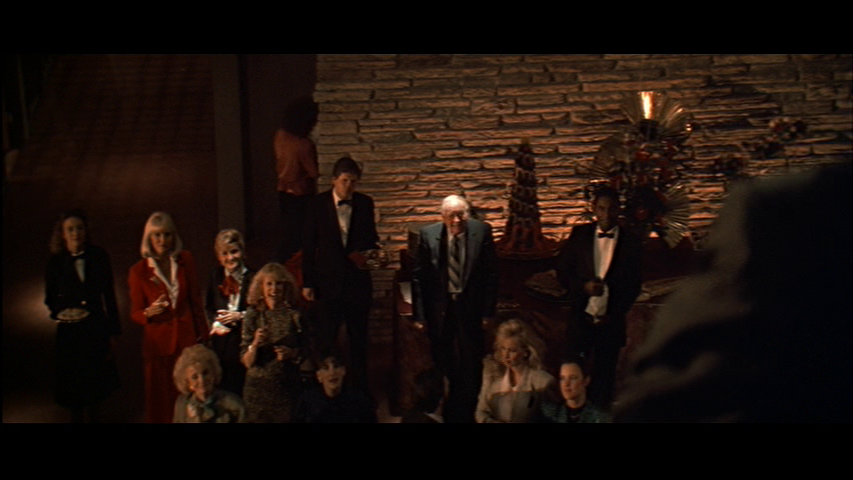
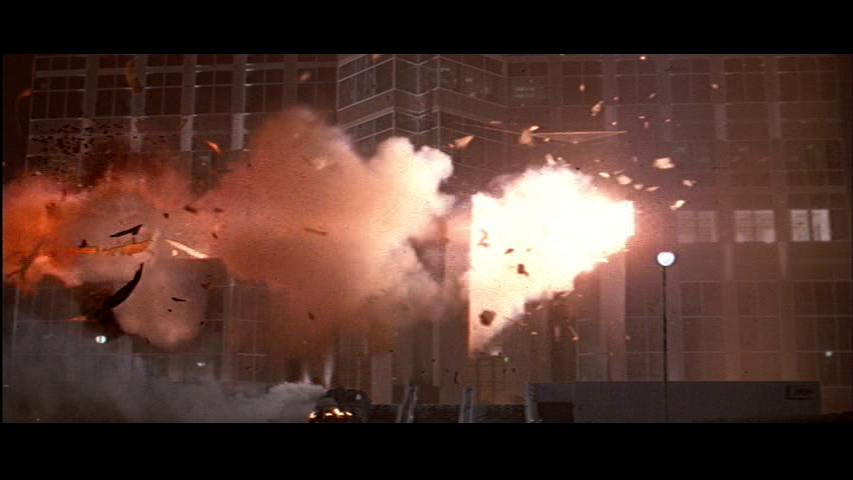
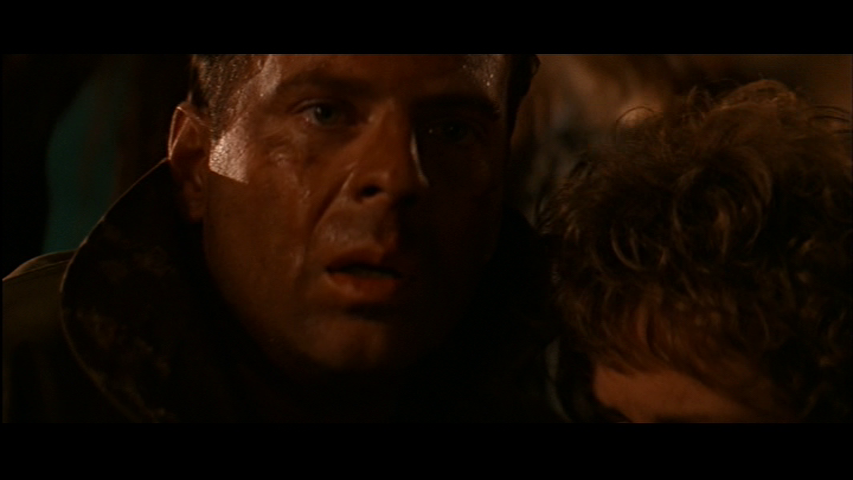
The late, great David Bordwell suggested in 2019 that Die Hard “changed ideas of just how well-wrought an action picture could be.” One way it did this was through the “ingenious ways” it finds to “let the audience’s eye go with you” in its widescreen format, which begins with the scene that immediately follows the image that begins this blog post: Holly’s boss Joseph Yoshinobu Takagi (James Shigeta), president of Nakatomi Trading, addresses the company holiday party, but with his back to the camera because we’re meant to follow Holly as she wends her way through the crowd from the elevator (in its first of many appearances) at the right side of the frame at the start of the shot:
To the hallway at the left, which is where Ellis ambushes her with his offer of old cheese and flames:
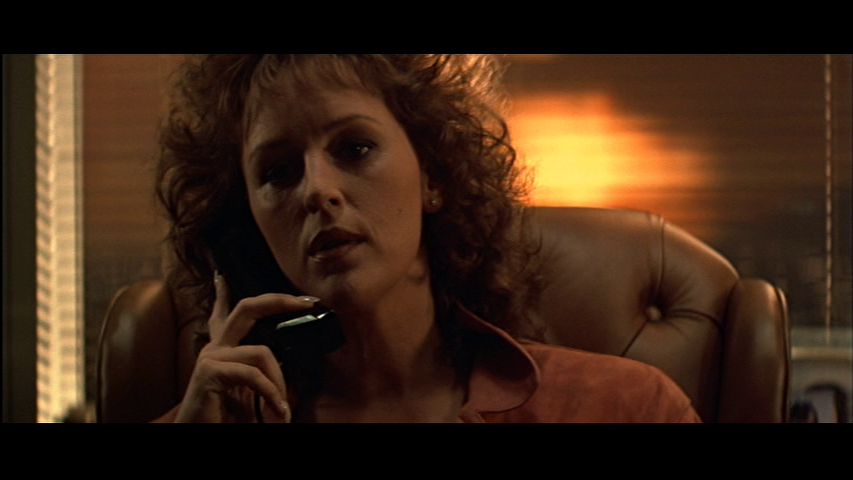
Bordwell also lauds Die Hard as “one of the great rack-focus movies,” and that technique makes an early appearance as well during a telephone call when Holly’s daughter Lucy (Taylor Fry) asks, “is Daddy coming home with you?”
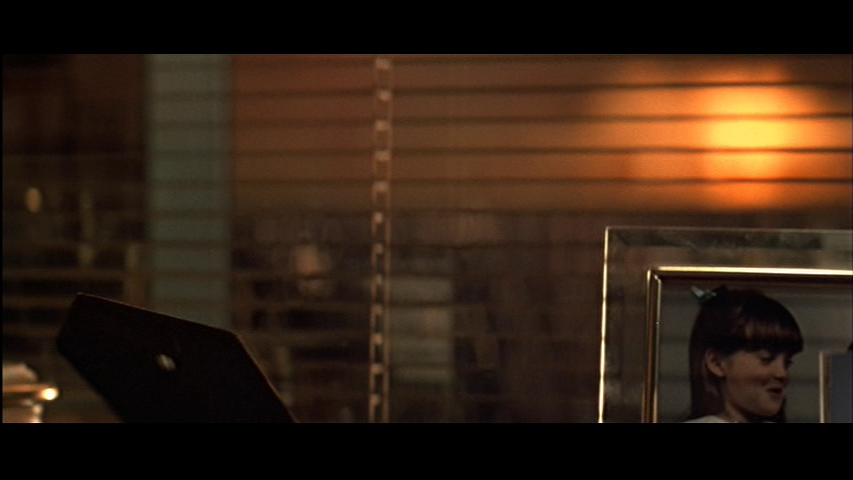
“We’ll see what Santa and Mommy can do,” Holly replies. The maneuver is reversed after she hangs up:
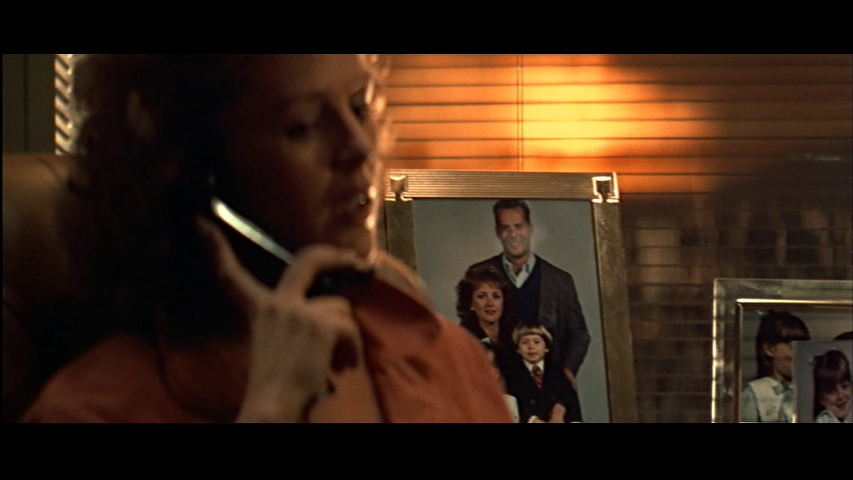
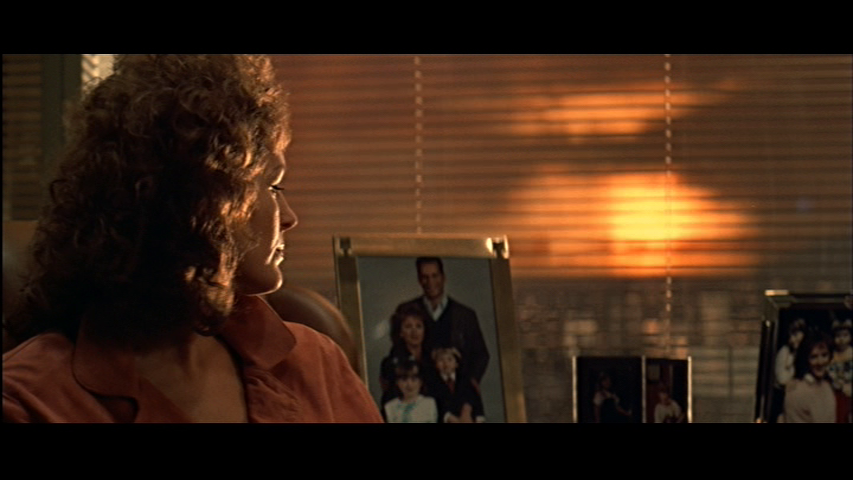
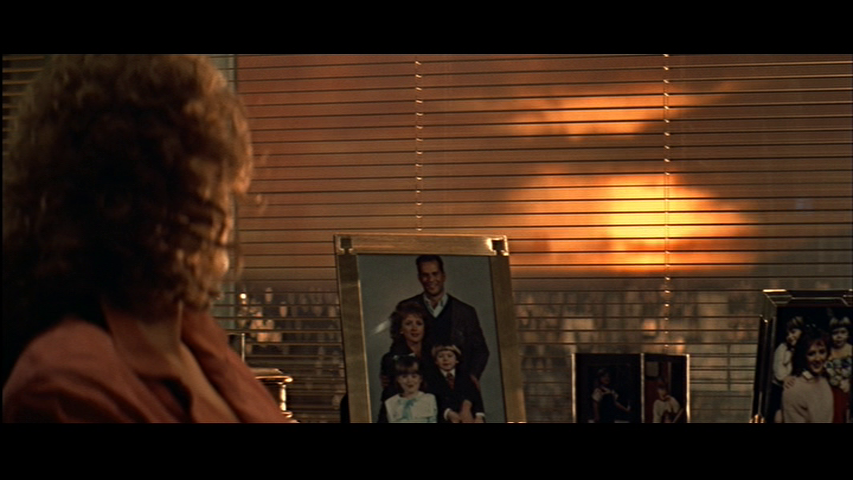
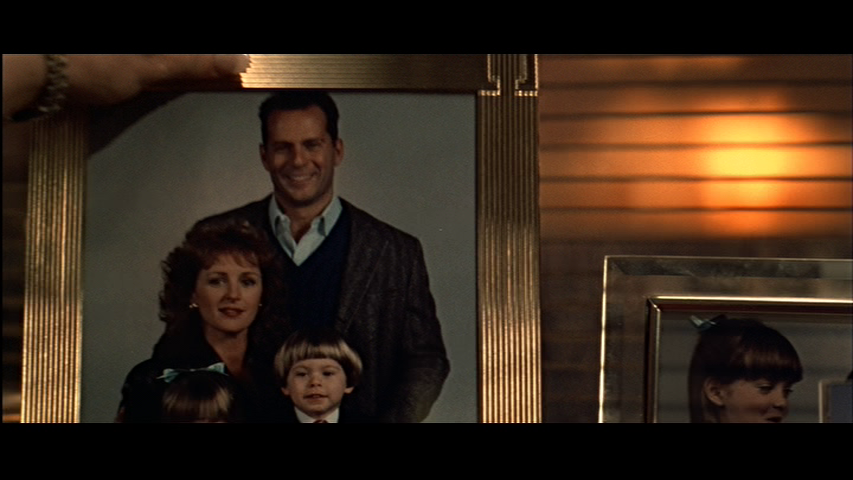
And followed by a cut to a close-up of a family portrait upon which Holly takes out her frustration with her husband, who hasn’t communicated his travel plans to her, by slamming it down:
The photo will reappear nearly exactly one hour later, making it perhaps the most prominent example of what Bordwell calls “felicities” which mark Die Hard as a “hyperclassical film” that “spills out all these links and echoes in a fever of virtuosity.” But I’m getting ahead of myself! First McClane rides in a limo for the first time and is introduced to the holiday classic “Christmas in Hollis” by his driver Argyle (De’voreaux White), who being new to the job also doesn’t realize that it’s customary for passengers to sit in the back:
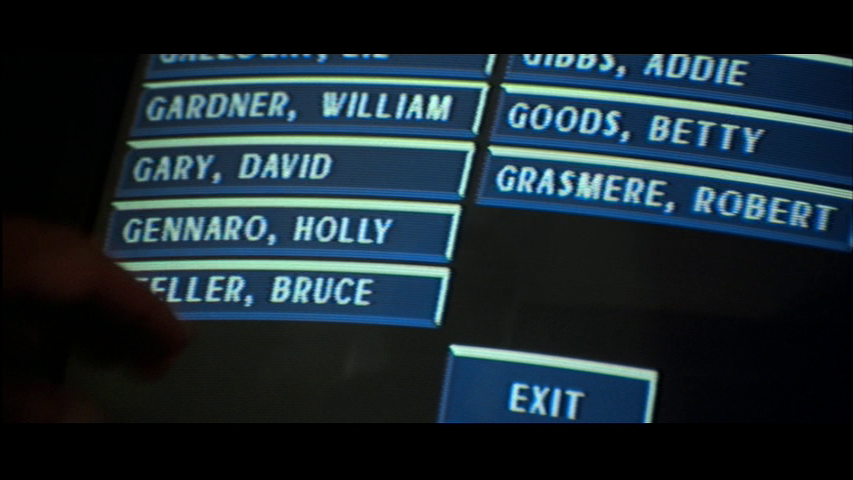
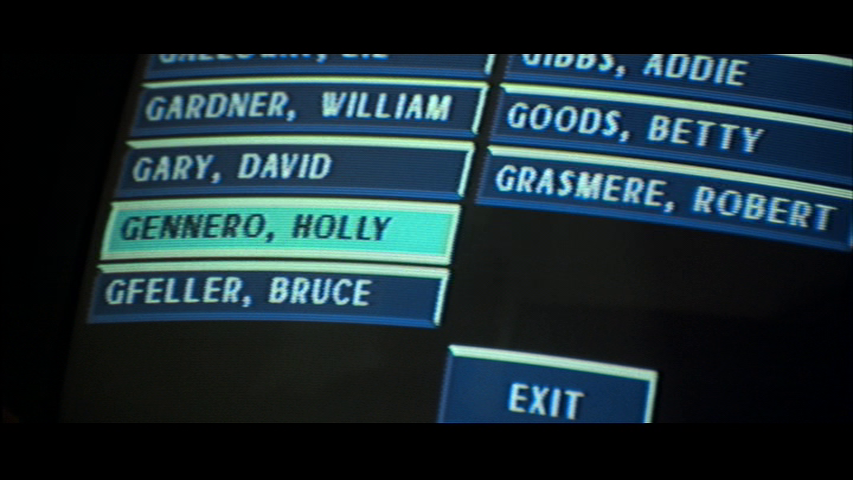
Upon arrival at Nakatomi Plaza he discovers that Holly has started going by her maiden name again when he looks her up on a computer system that may be so advanced that “if you have to take a leak, it will help you find your zipper,” but isn’t much of a consistent speller:
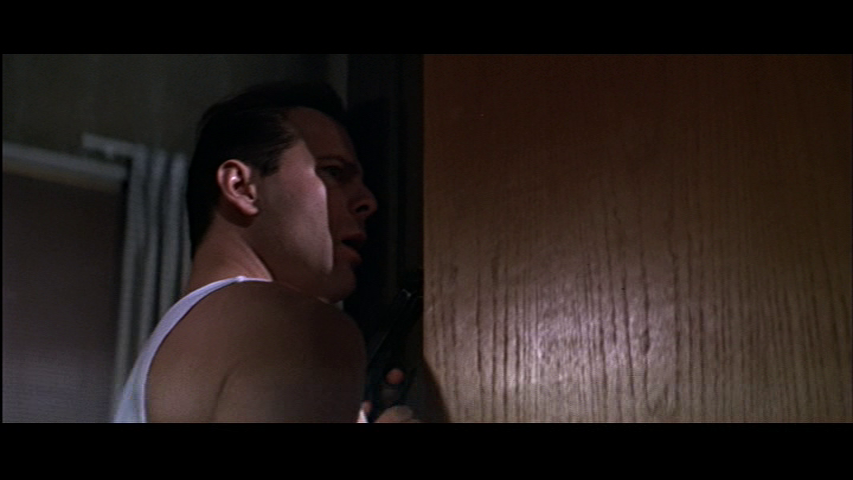
And is in Holly’s office “making fists with his toes” with his shoes off to dispel his jetlag per the advice of the “Babbit [sic] clone” (per the screenplay) he’s sitting next to in the film’s opening scenes when suddenly gunshots ring out. Grabbing his sidearm and rushing to the door, McClane ascertains that a hostage situation is underway:
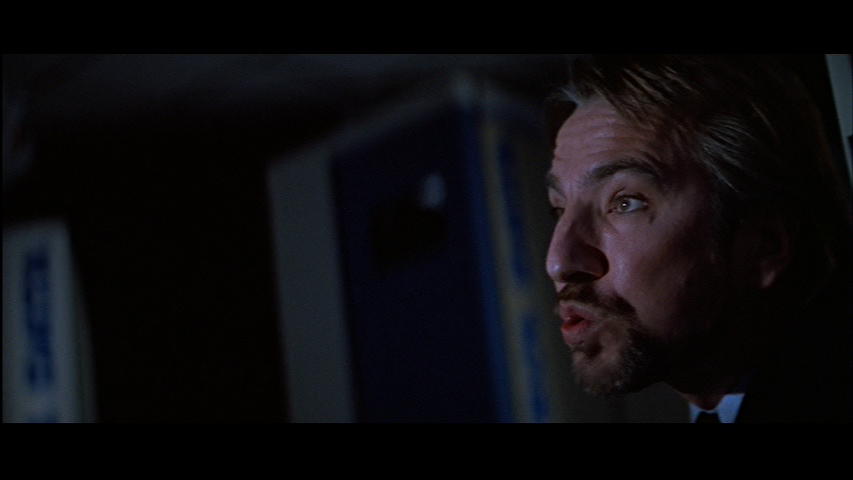
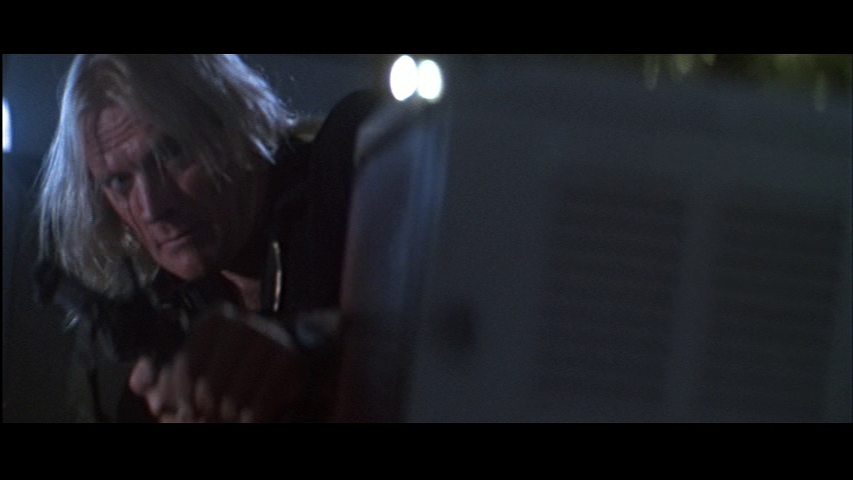
Then takes advantage of the distraction afforded by a topless partygoer to escape into what according to James Mottram and David S. Cohen’s Die Hard: The Ultimate Visual History production designer Jackson De Govia saw as the “steel jungle” of the not-yet-complete Nakatomi building’s stairwells, thus setting in motion what he calls “a survival drama in the context of architecture that’s under construction.” As criminal mastermind Hans Gruber (Alan Rickman) carefully lays his plans, which include wiring the roof with plastic explosives so that he and the members of his team (all of whom, as Nick Guzan details in a terrific blog post ranking their wardrobes, “have distinctive roles, attitudes, and aesthetics”) can eventually fake their own deaths:
And convincing the FBI that he’s a terrorist by way of manipulating them into cutting the power to the building and automatically releasing the last, otherwise unbreakable, lock guarding the company’s vault:
McClane adapts to his new environment. He uses an elevator as a duck blind to scout his foes without being seen:
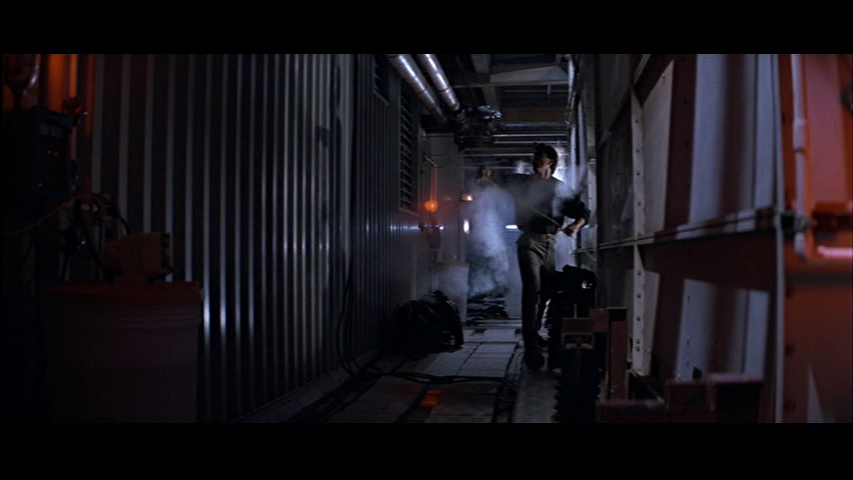
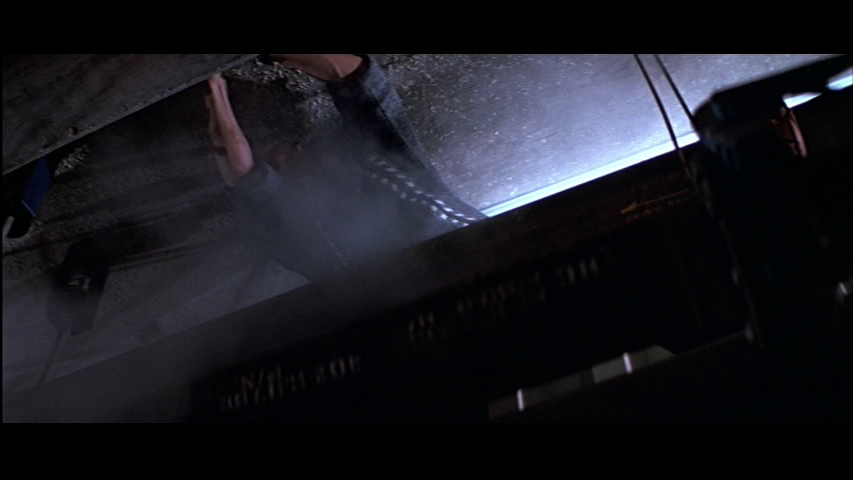
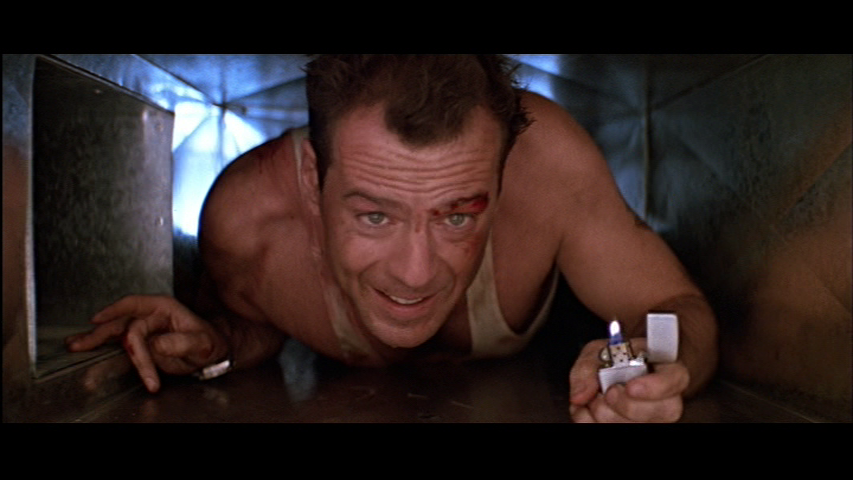
Hides in the cave-like vents that inspired this month’s drink photo:
Sets traps:
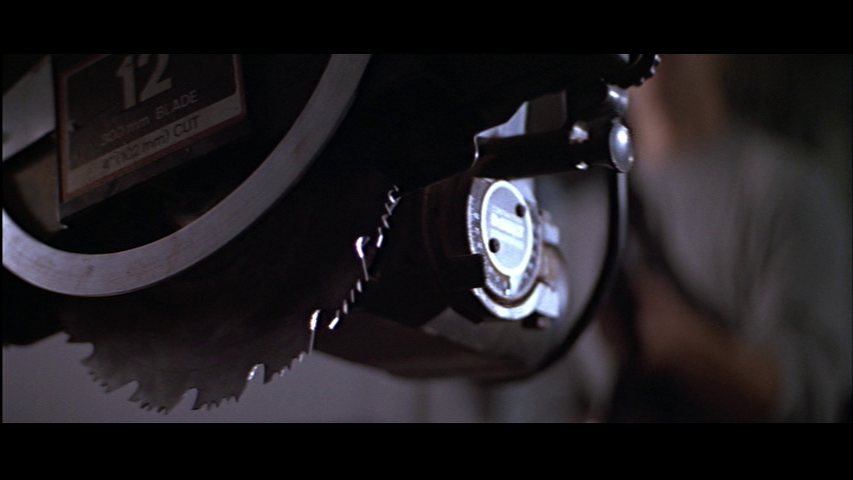
And successfully navigates a shootout through a conference table that De Govia chose for the way it “moves like a river”:
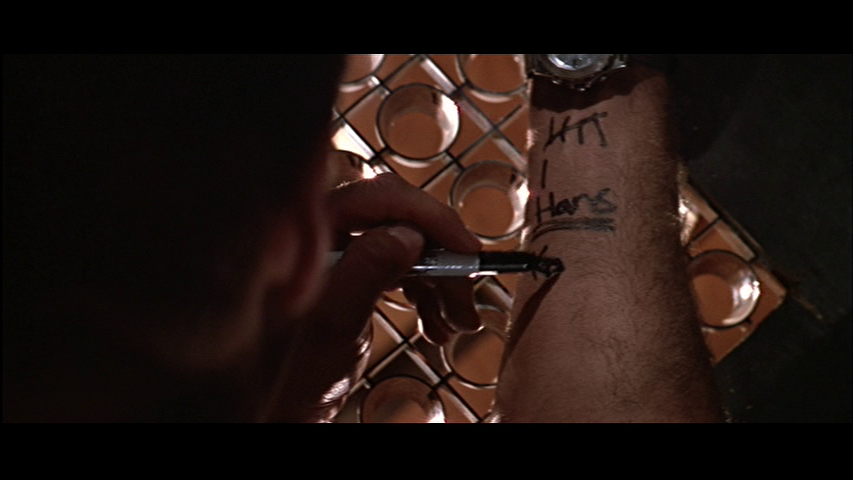
That altercation ends with McClane taking a bag of explosives off the body of one of his fallen adversaries while he identifies himself to Gruber over a walkie-talkie as “just the fly in the ointment, Hans, the monkey in the wrench.”
From this point forward they oppose each other more directly. First McClane retaliates against Gruber for firing a second anti-tank at an already disabled police vehicle just to make a point by strapping a bomb to a chair and dropping it down an elevator shaft, taking out two of Gruber’s men:
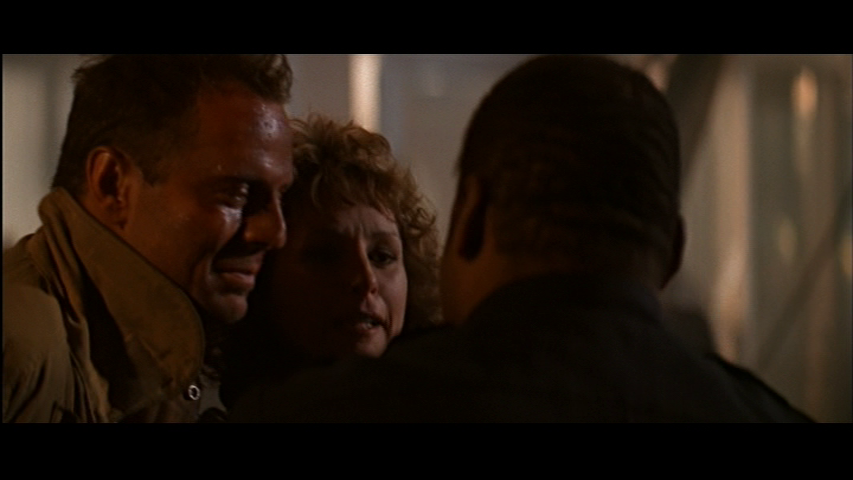
Then Gruber shoots Ellis, who not understanding what he’s up against, foolishly tries to convince McClane to turn himself in:
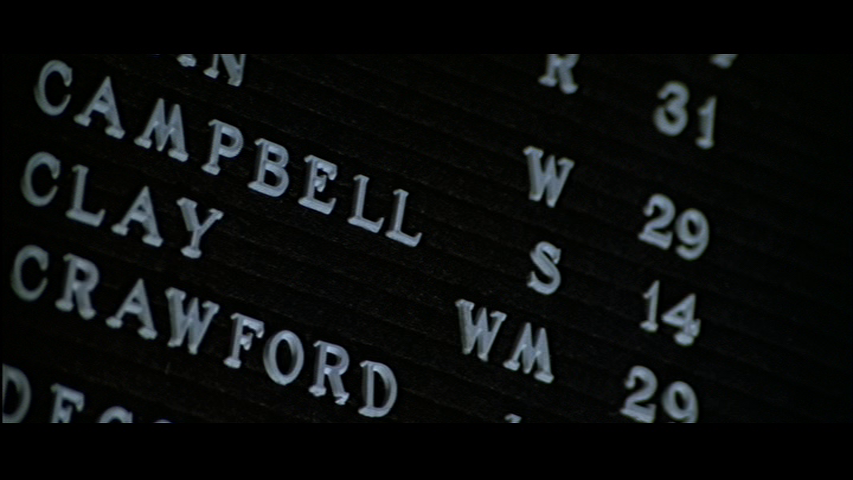
McClane meets Gruber face to face in a scene replete with unsettling canted angles when the latter goes to check on the explosives on the roof, but initially fails to recognize him when Gruber cleverly clocks a floor directory and pretends to be a hostage named Bill Clay:
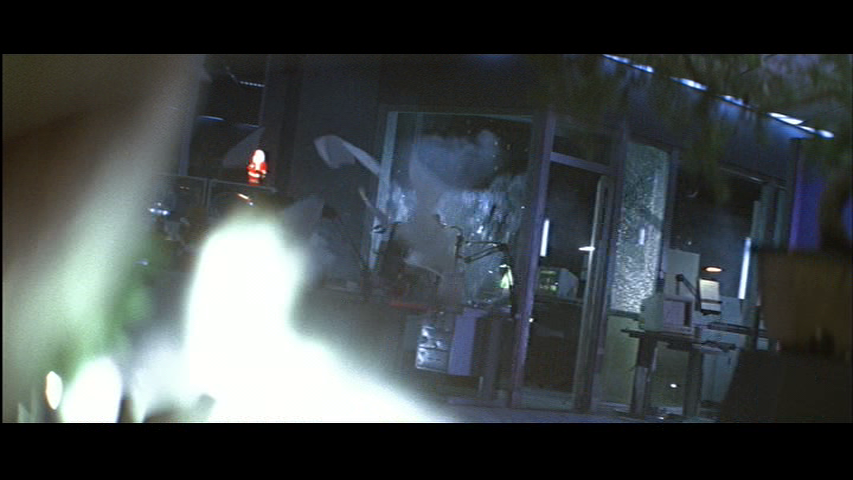
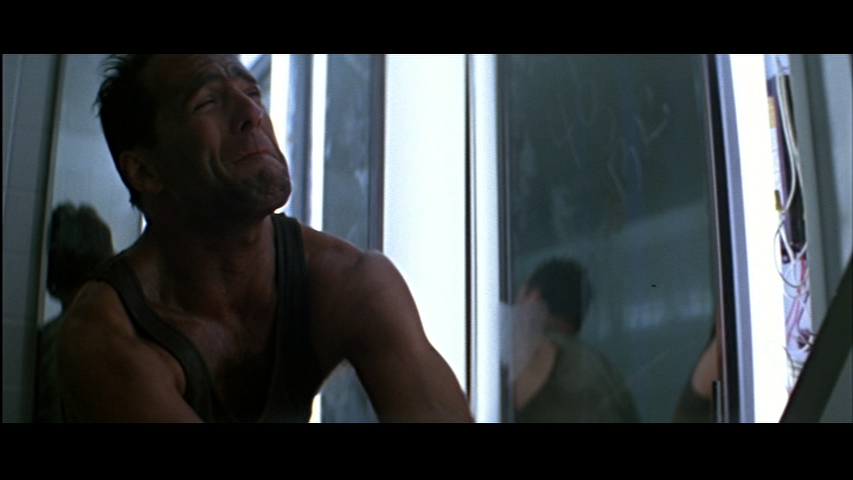
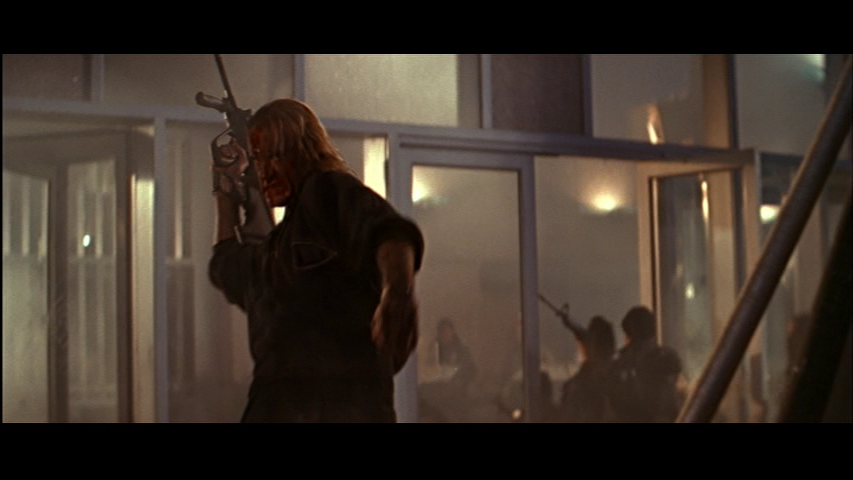
Gruber also notices that McClane is shoeless and is able to hobble him by summoning his henchman Karl (Alexander Godunov) and ordering him to “shoot the glass”:
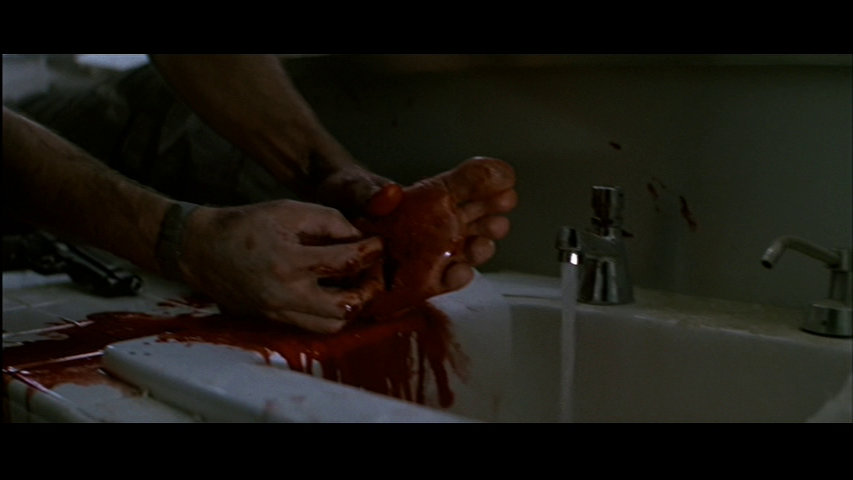
While McClane tends to some of the most painful-looking wounds in cinema history:
Gruber takes advantage of his absence to achieve his goal of gaining access to the $640 million worth of bearer bonds in Nakatomi Trading’s vault in a scene that Robynn J. Stilwell argues in a 1997 Music & Letters article “clearly constructs [him] as a sympathetic, heroic figure as aural and visual cinematic cues and narrative drive come together,” including the “rhythmic speech” of hacker Theo (Clarence Gilyard Jr.) building with the music toward a full-throated statement of Gruber’s Beethoven-based theme, a shot from a “low, powerful angle” of him rising “slowly, awestruck, to his feet, a little breeze ruffling his hair in the halo of the brilliant emergency light”:
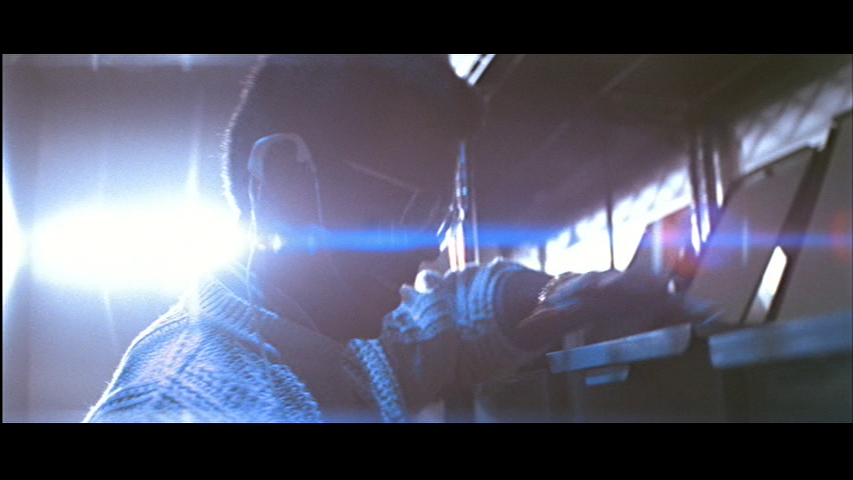
Theo whispering “Merry Christmas” in another striking low-angle composition which dramatically sets him and his white sweater off against the pitch black of the rest of the frame:
And a euphoric tour of the vault’s contents that follows a shot of FBI agents Johnson (Robert Davi) and Johnson (Grand L. Bush) foolishly gloating that “those bastards are probably pissing their pants right now”:
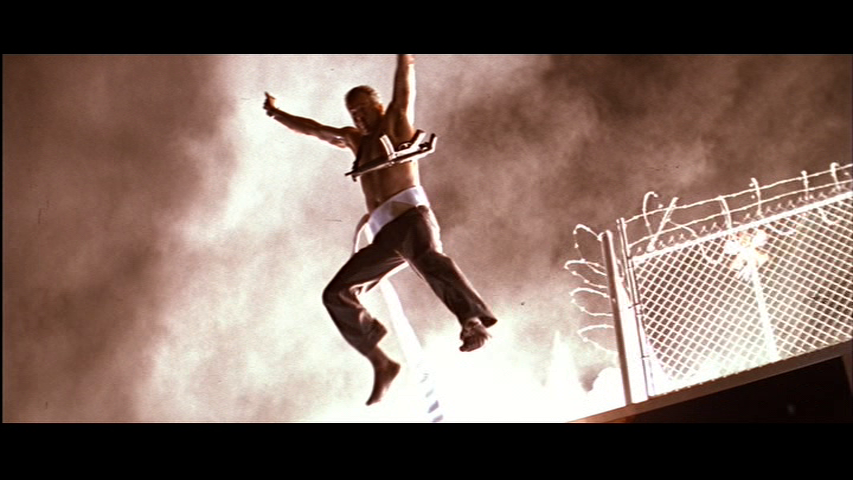
Which makes sense when you remember that, as screenwriter Steven E. De Souza told Dan Frazier in an interview, “if you’re doing genre, the protagonist is the villain.” But while we may be “given every possible opportunity to read Hans as the hero of a caper film,” as Stilwell puts it, “classic Hollywood closure […] demands two things: that Hans die, and that Holly and John McClane are reconciled.” And so Die Hard doesn’t end here. Instead, McClane puts all the pieces together and heads back upstairs, where he battles Karl to the death, saves the hostages from being blown to smithereens, and leaps off the roof of Nakatomi Plaza:
Meanwhile, Gruber solves a puzzle himself when he discovers the picture we talked about earlier and finally figures out how a New York City cop came to be in position to interfere with his California heist:
“Mrs. McClane, how nice to make your acquaintance,” he says, setting the stage for a final showdown.
In his introduction to Mottram and Cohen’s book, director John McTiernan reveals that the inspiration for Die Hard came from a surprising source:
In this case, it was easy. It was right in Shakespeare. He wrote a bunch of plays he called comedies. They weren’t funny ha-ha the way we mean it. They were fun. Basically, fun adventures. And I was pretty sure that one of them fit.
It was about a festival night on which something crazy happens–and for everybody involved, the world is turned upside down. The princes become asses, and the asses become princes, and in the morning the world is put back right and the lovers are reunited.
Now the plot of A Midsummer Night’s Dream is way more complicated than that, but don’t look at that. Look at the totality. It was right there: Tell the story not of the cop and the terrorists but of the people who are part of the event. Let the audience sit back and watch the craziness as a whole. Let them enjoy it.
To Matt Zoller Seitz, writing on the occasion of the film’s 25th anniversary, this sense of fun is what makes the Die Hard great. Citing this shot of a S.W.A.T. team member pricking himself on a thorn as a particularly memorable example:
Zoller Seitz notes that “there’s a strain of satire coursing through the picture” and that “more often than not, what’s being made fun of is machismo itself.” He observes that “McClane is mostly spared this sort of scrutiny, but not always,” which to me is crucial to understanding its ending. First, there’s the specific manner of Gruber’s demise: he plumets to his death only after McClane unclasps a Rolex watch that Holly was given by her employer, which Roderick Heath describes as “a symbolic wedding ring to the new age of rootless money-worship” in a turn of phrase that reminds me of last month’s Drink & a Movie selection.
Afterward McClane spots the beat cop Sergeant Al Powell (Reginald VelJohnson) who supported him throughout his ordeal across a crowded courtyard:
He introduces Holly as “my wife Holly . . . Holly Gennaro,” but she corrects him with a line that understandably rubs a lot of people the wrong way: “Holly McClane“:
In this moment they both clearly think they’ve changed, sure, but why should *we* believe it? After all, as Stilwell points out, “despite the ‘happy ending’ in this film, Holly is still not back ‘in her place’ in the sequels,” evidence perhaps that McClane has more John Wayne in him than Roy Rogers after all. Maybe, to paraphrase Puck’s final speech in A Midsummer Night’s Dream, we should instead think but this, so all is mended, that we have but slumber’d here while these last few visions did appear. Certainly that would make Karl’s subsequent improbable reappearance easier to stomach!
If you’ve been following this series from the start, it is no doubt obvious to you by now that when it comes to both drinks and movies, there’s nothing I prize more than thoughtful twists on familiar templates. I’ve been keeping one of my very favorites in reserve, but with fall in full swing it’s finally time to raise a glass to the Normandy Cocktail invented by novelist and famous tippler Kingsley Amis as a cheaper apple-based alternative to the classic Champagne Cocktail. As he says in his book Everyday Drinking, “Calvados is a few bob dearer than a three-star cognac, but the classiest cider is a fraction of the cost of the commonest champagne.” Amis originally penned those words in England in the early 1980s, and while they may not still be true today, his description of his creation as “a delicious concoction, deceptively mild in the mouth” absolutely is. Here’s how we make it using ingredients from closer to home:
Stir the brandy, bitters, and syrup with ice and strain into a chilled champagne coupe. Add the sparkling cider and garnish with an apple slice.
The Normandy has an apple candy nose, but champagne flavors from the cider, which South Hill’s website accurately describes as “bone dry,” dominate on the way down. This includes toasty notes that I like a lot. The finish is all tart apple (“like a MacIntosh,” said My Loving Wife), though, reminding you what you’re drinking and of the season. The Cornelius Applejack I featured in my September, 2022 Drink & a Movie post is an even more local option for upstate New Yorkers, but I like the extra oomph you get from the higher ABV of the Laird’s; it does, however, result in a quite boozy cocktail that as Amis writes “tends to go down rather faster than its strength calls for,” so be careful lest you too end up with “heads in the soup when offering it as an apéritif”!
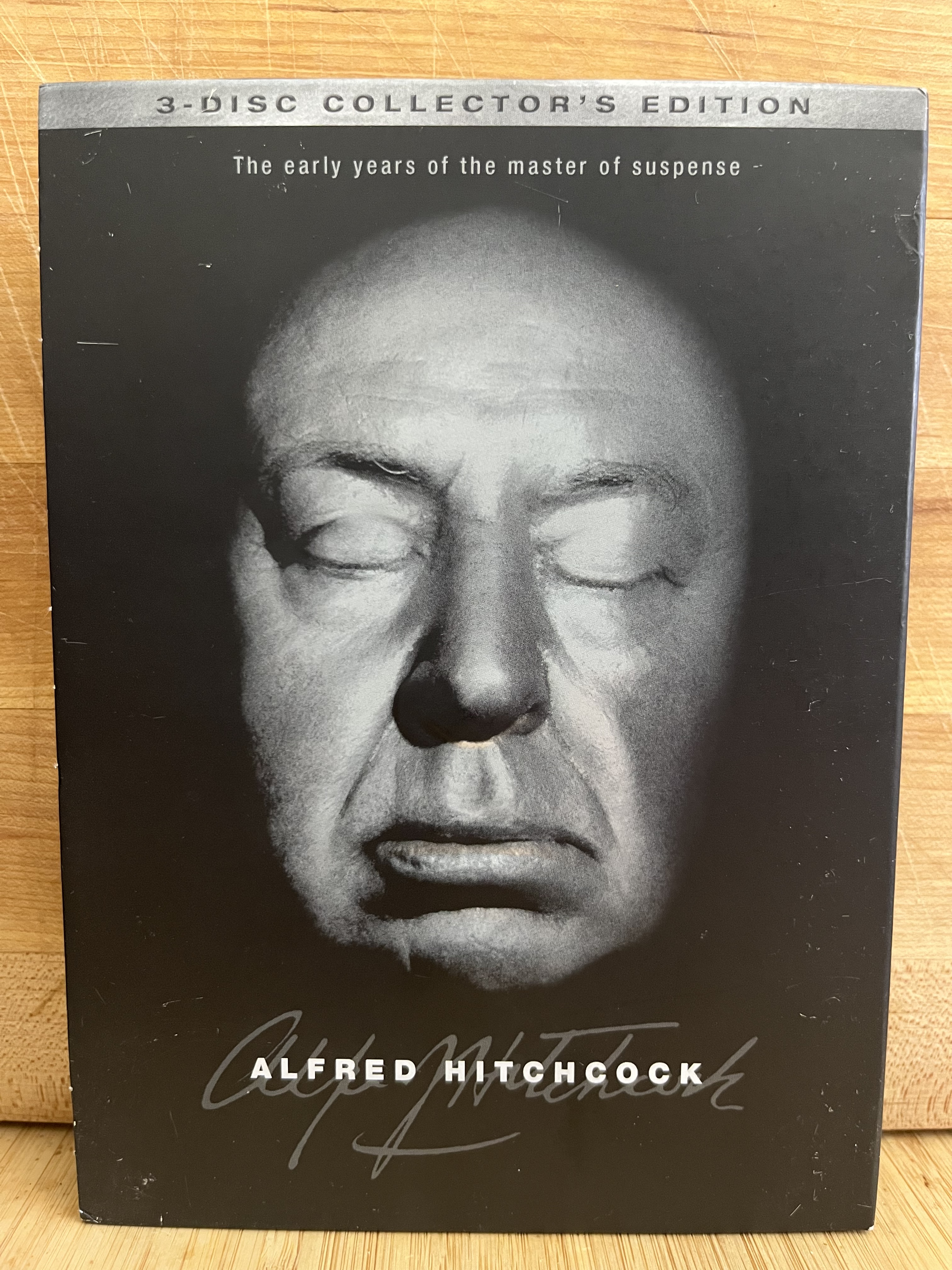
The movie I’m pairing it with also has an English provenance and is positively drenched in bubbly. Here’s a picture of my “Alfred Hitchcock: 3-Disc Collector’s Edition” DVD box set by Lions Gate which includes The Ring:
It is also streaming on Tubi and a variety of other free platforms, albeit not as many as I would have expected considering that it entered the public domain in the United States a few years ago.
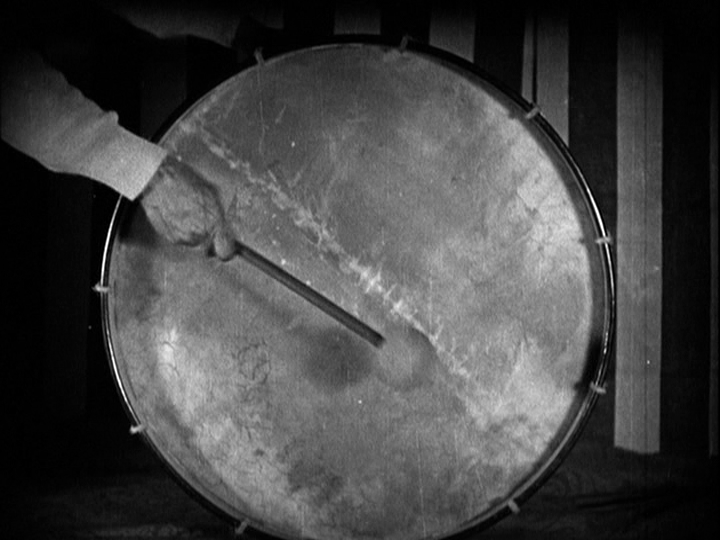
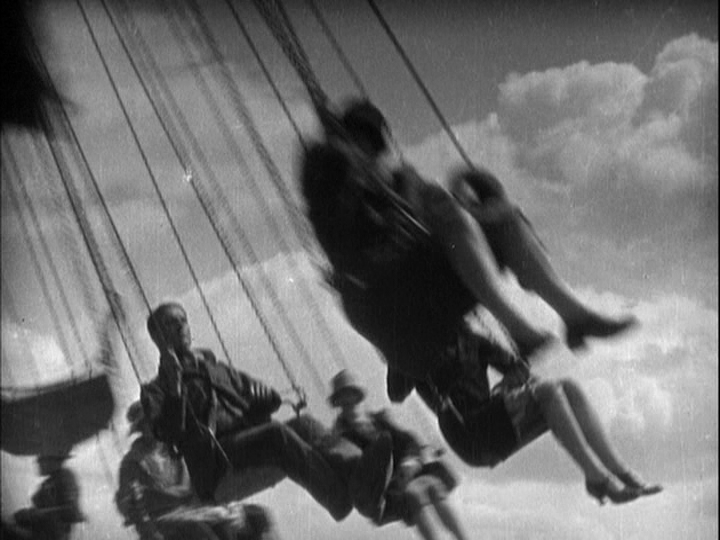
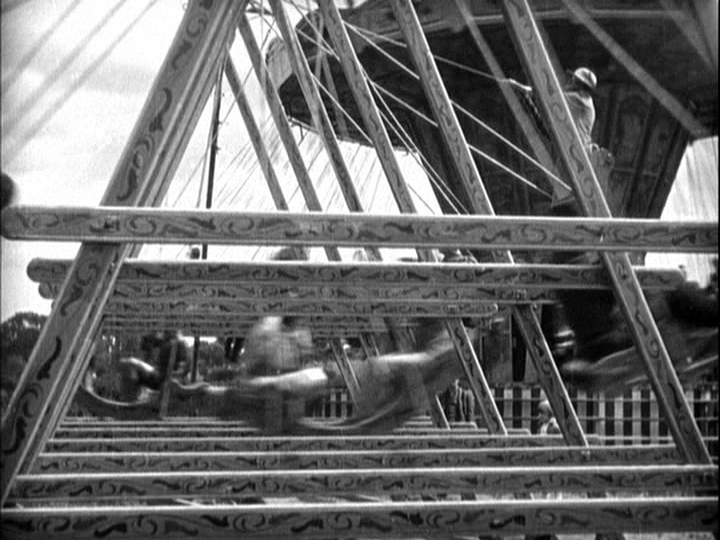
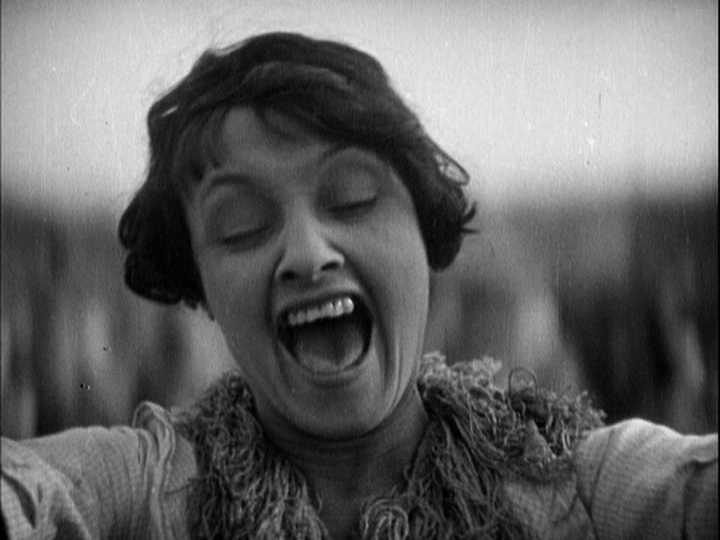
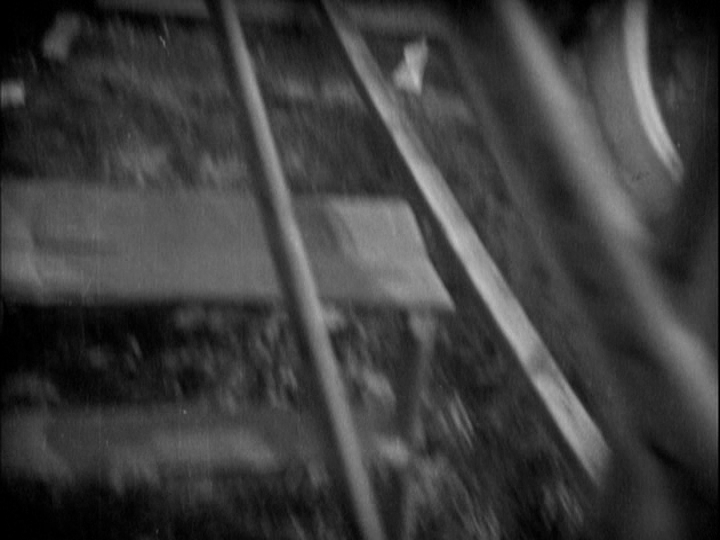
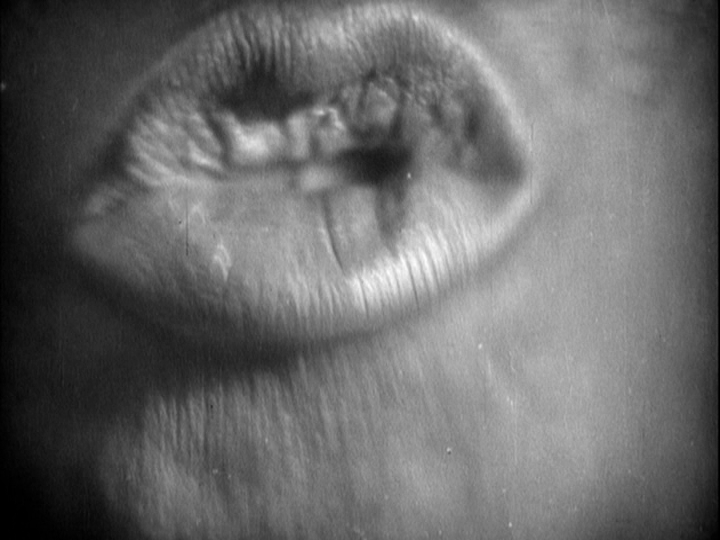
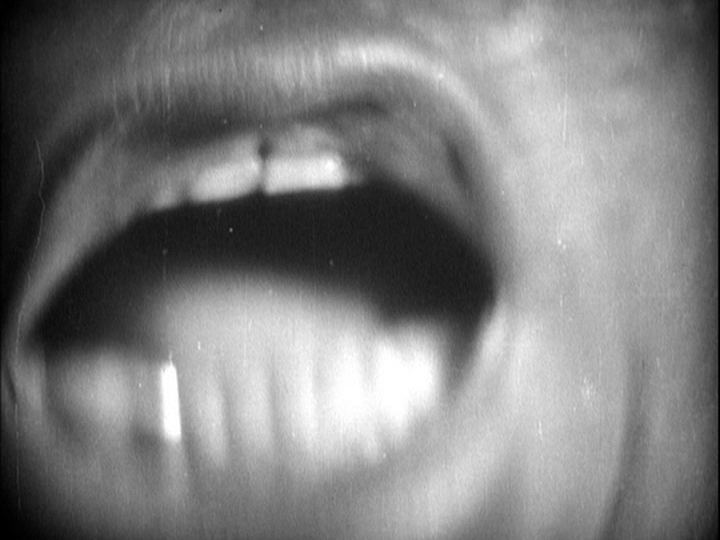
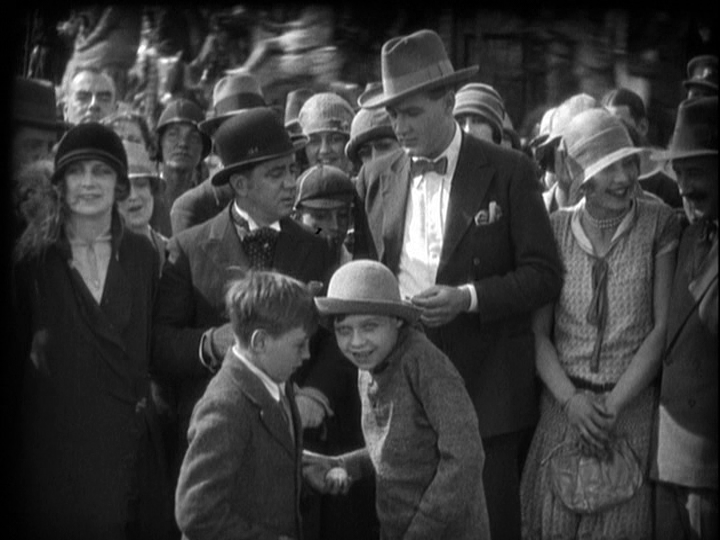
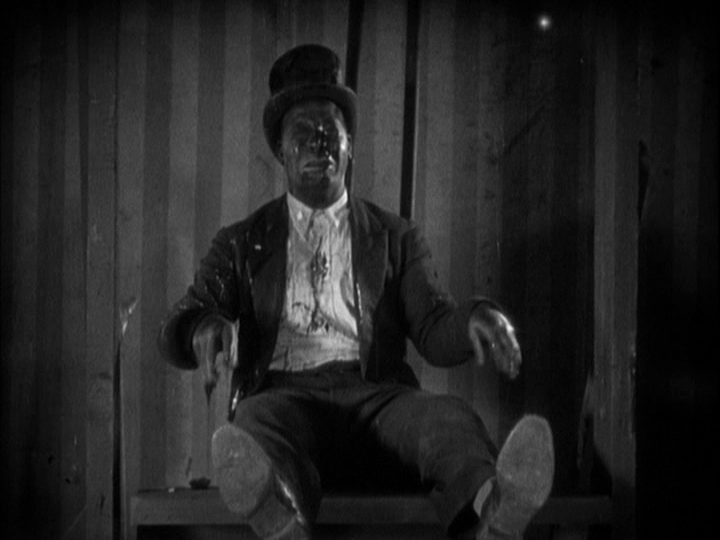
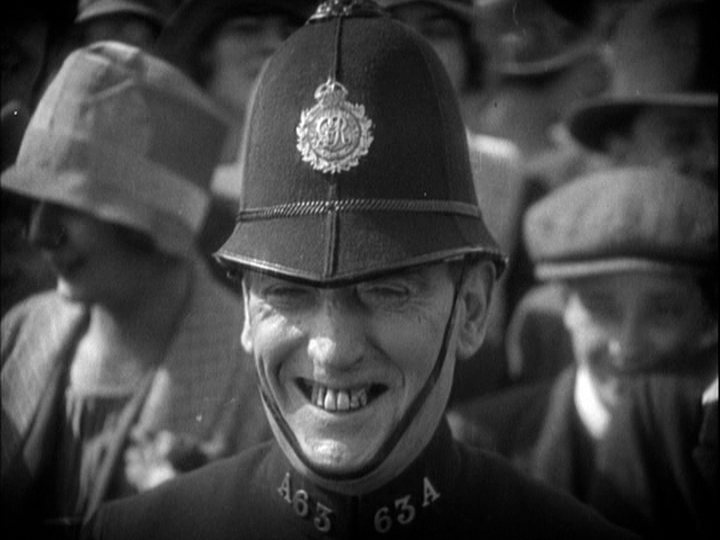
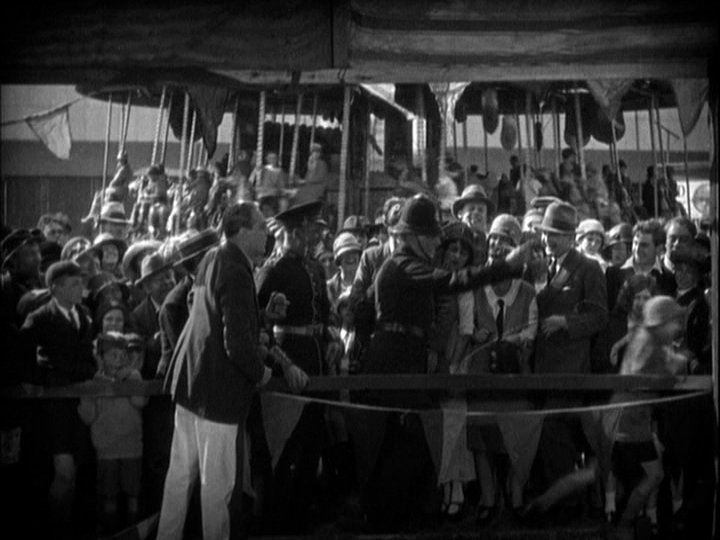
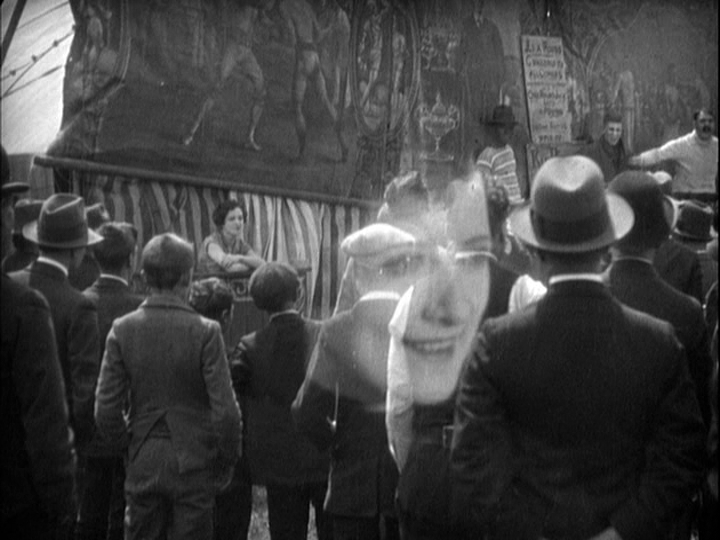
Director Alfred Hitchcock famously referred to The Ring in François Truffaut’s book-length interview with him Hitchock/Truffaut as “the next Hitchcock picture” after The Lodger; as nearly everyone who writes about it inevitably notes, it’s also the only one in his long career that he ever directed from his own original screenplay (although most sources agree that his wife Alma Reville contributed to it as well). It begins with a series of images from a carnival that Christopher D. Morris characterizes as “a vertiginous multiplication of circles, of frantic and enforced gaity” in his book The Hanging Figure: On Suspense and the Films of Alfred Hitchcock that includes an opening close-up of a drum followed by a shot of children on a swing ride:
A point-of-view shot from the perspective of a woman on a gondola ride:
A grotesque extreme close-up of a barker’s mouth:
And two sadistic little boys throwing rotten eggs at a Black man in a dunk tank under the eye of a police officer that only becomes watchful when a higher, disapproving authority figure appears:
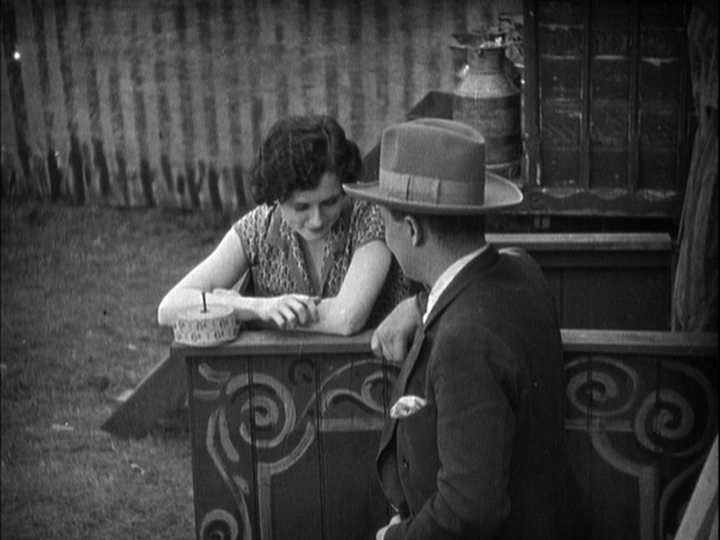
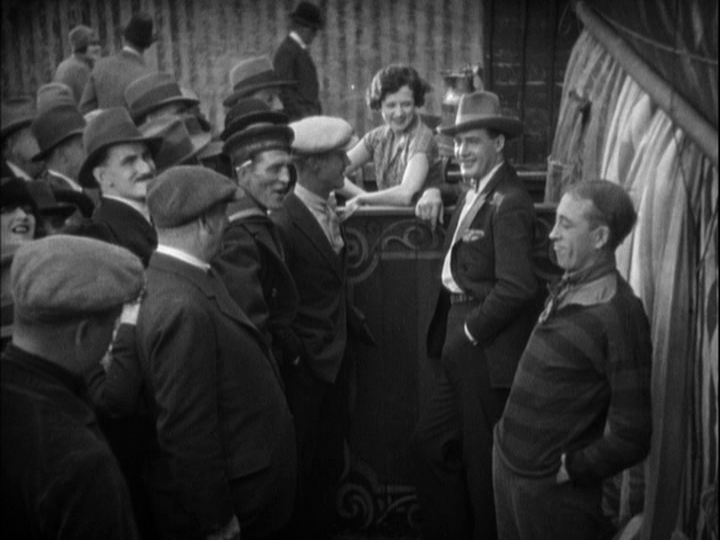
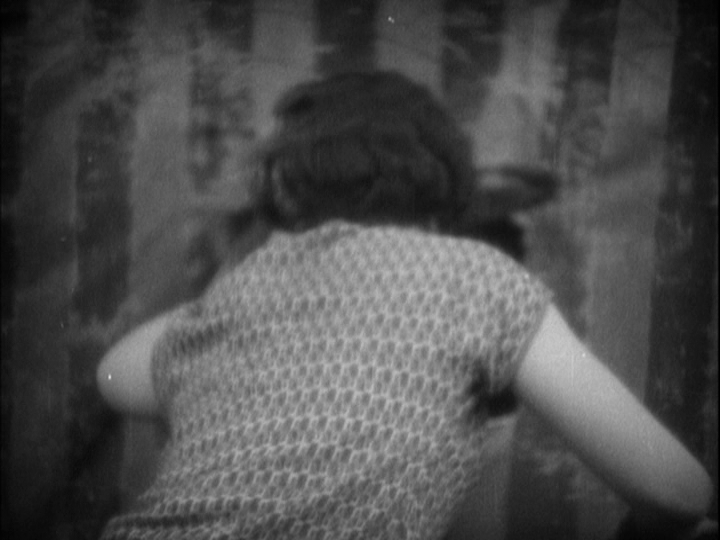
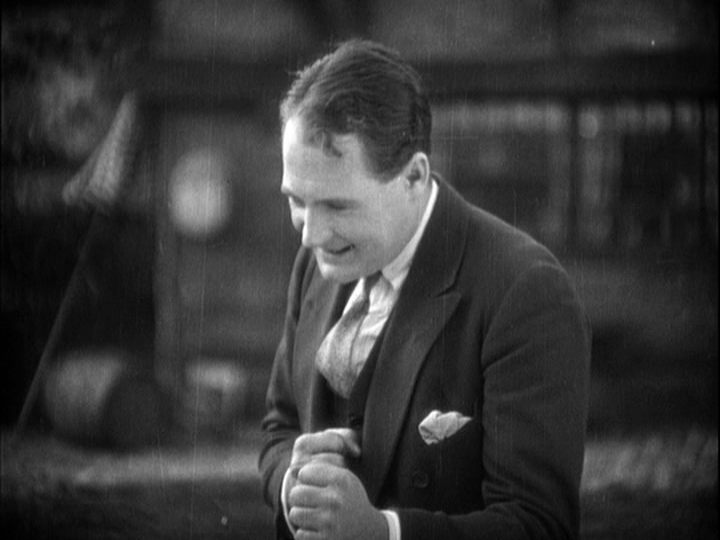
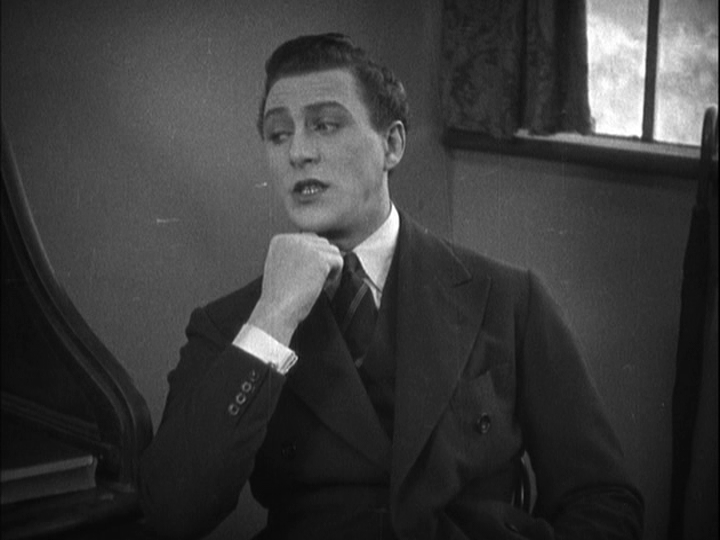
It becomes obvious in the very next scene that the fellow standing behind the two hooligans in the first image above, who we will eventually learn is named Bob Corby (Ian Hunter), is one of our main characters. He spots a woman through the crowd whom a title card identifies only as The Girl (Lillian Hall-Davis), but who a telegram will later reveal is named Mabel:
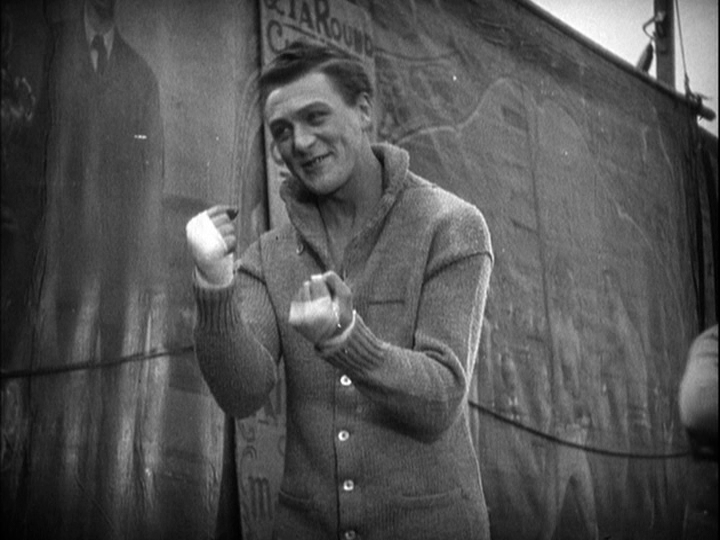
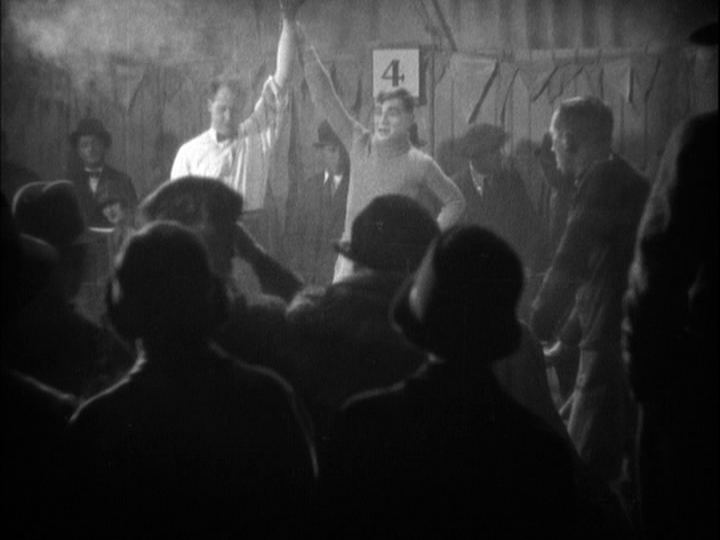
Alas for him, she’s romantically attached to her co-worker “One-Round” Jack Sander (Carl Brisson), who takes on all comers with the promise that if they can last just a single round in the ring with him, they’ll win a pound:
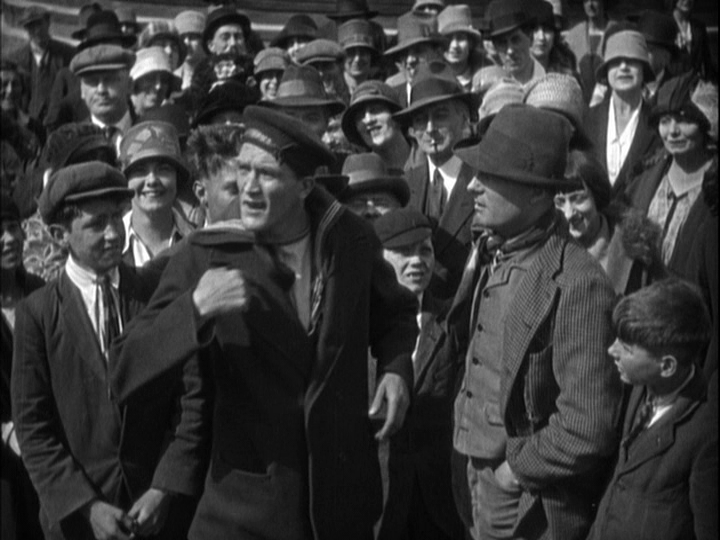
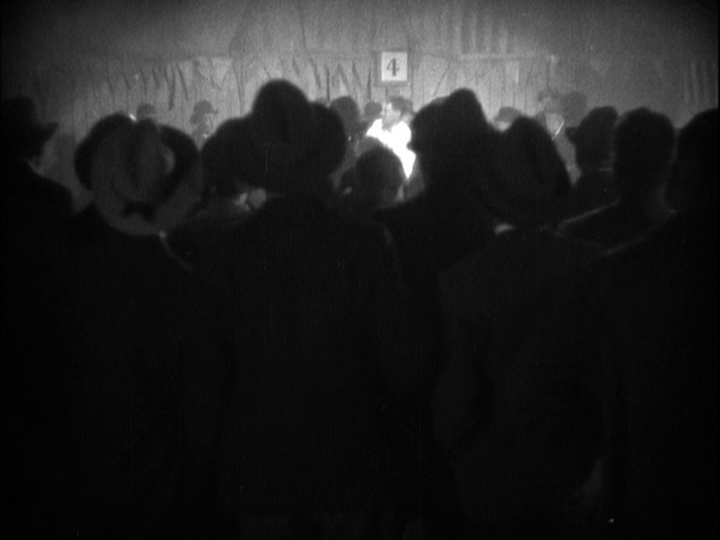
In a scene that Raymond Durgnat praises in his book The Strange Case of Alfred Hitchcock for the way it “picks out the variety of types who make a crowd; none, in themselves, highly original or individual; but the whole is more than the sum of its parts,” a number of men either confidently step forward to fight Jack like this burly sailor:
Or reluctantly allow themselves be cajoled into do like this henpecked husband:
Corby appears to be a variation on that theme, given that he seemingly only throws his hat in the ring after Sander goads him into it when he spots him flirting with Mabel:
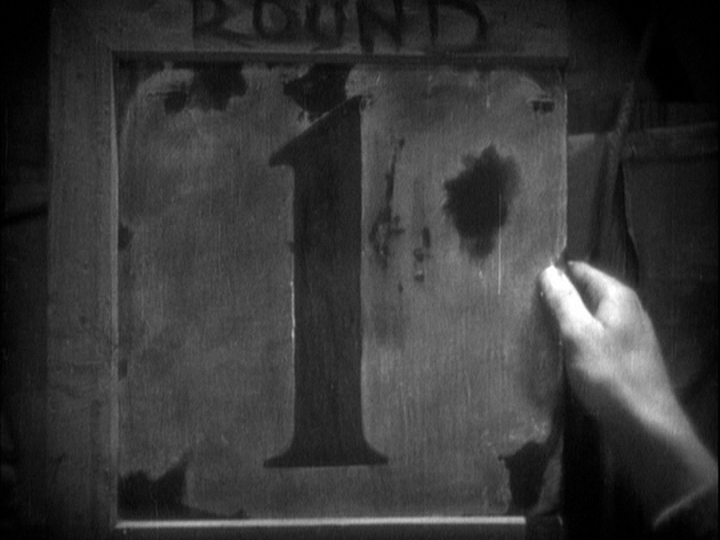
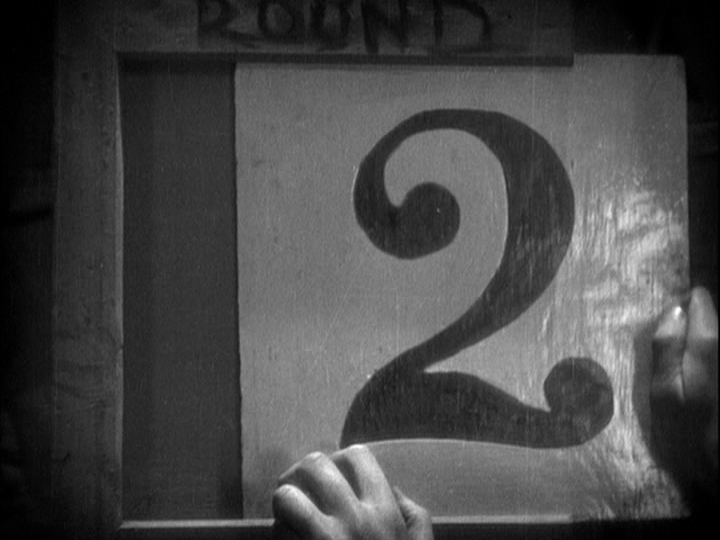
But we soon realize that he’s a different animal entirely from his fellow challengers through a device that Hitchcock (“winningly,” per Durgnat) sounds quite proud of when describing it to Truffaut: “at the end of the first round the barker took out the card indicating the round number, which was old and shabby, and they put up number two. It was brand-new! One-Round Jack was so good that they’d never got around to using it before!”
Much of the fight is shown from Mabel’s perspective, which means we don’t actually see much since she’s watching from her post at the ticket booth:
But we do cut to an interior medium long shot for its final moments:
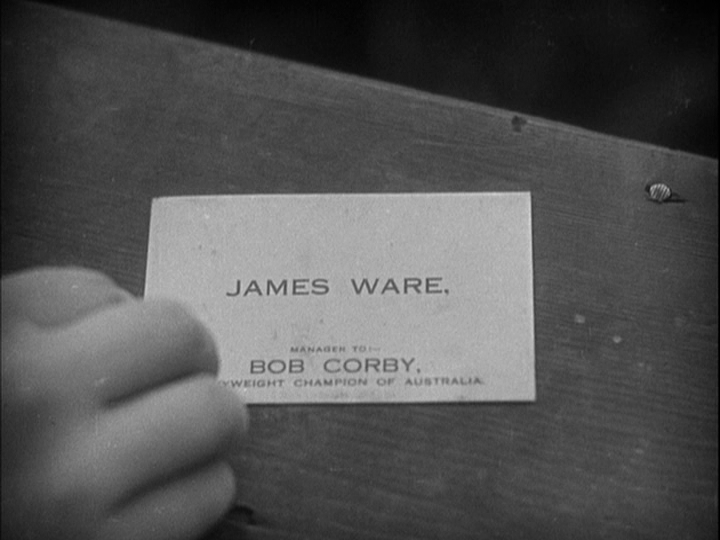
Mabel is initially pretty displeased at the result. “We were hoping to get married, and now you’ve probably lost him his job!” she tells the victorious Corby and his companion (Forrester Harvey):
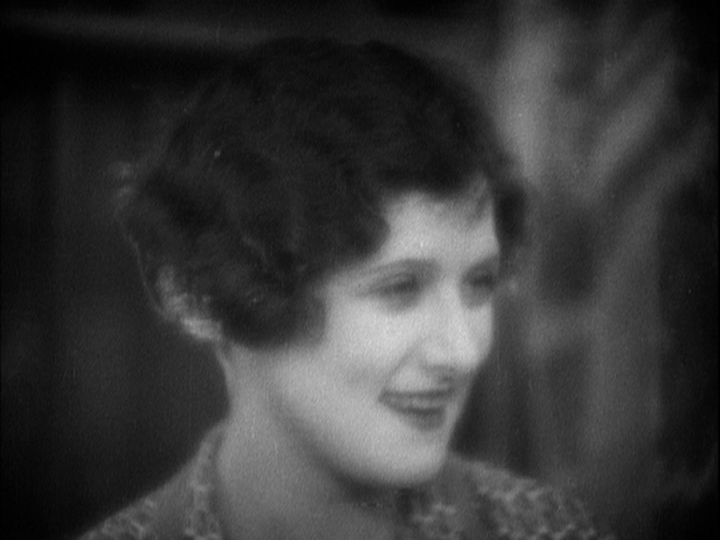
But is all soft-focus smiles when they reveal who they are:
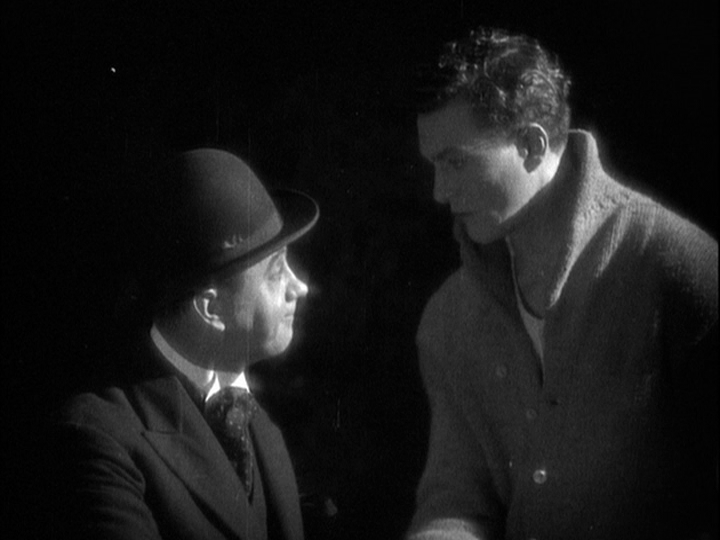
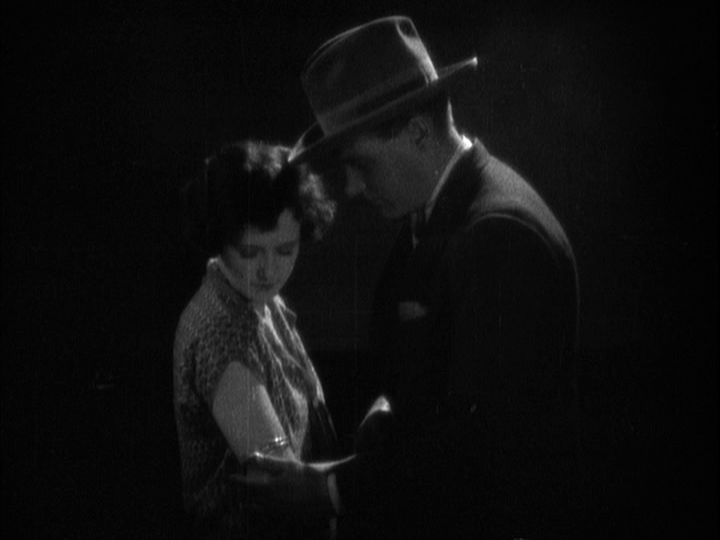
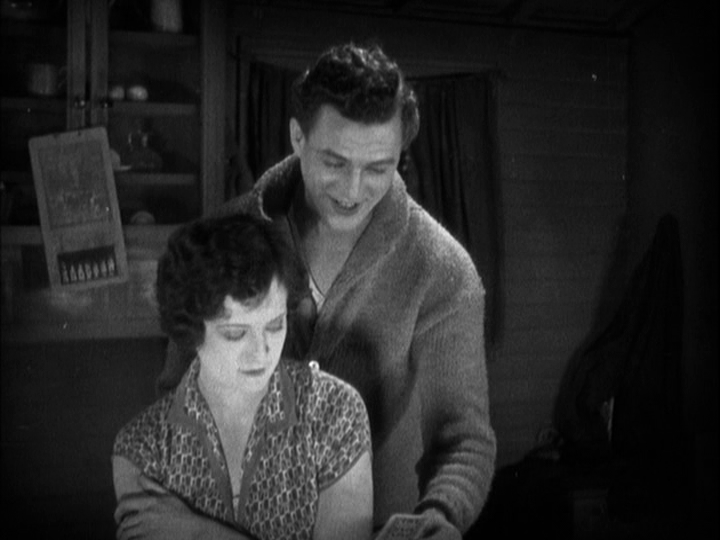
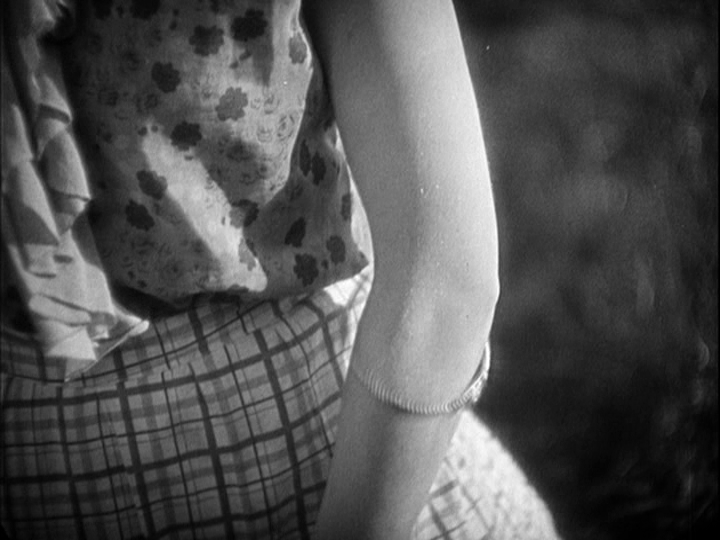
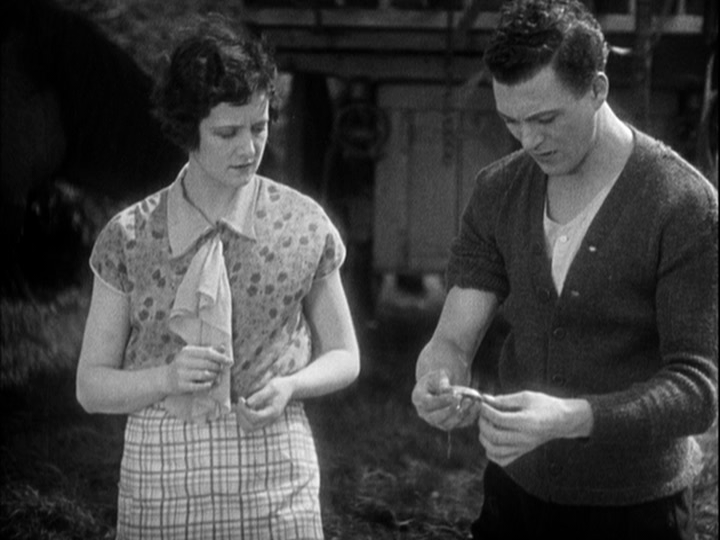
When they return that evening to offer Sander a job as Corby’s sparring partner, the latter presents Mabel with an armlet, which Hitchcock cleverly portrays as being part of a single devil’s bargain:
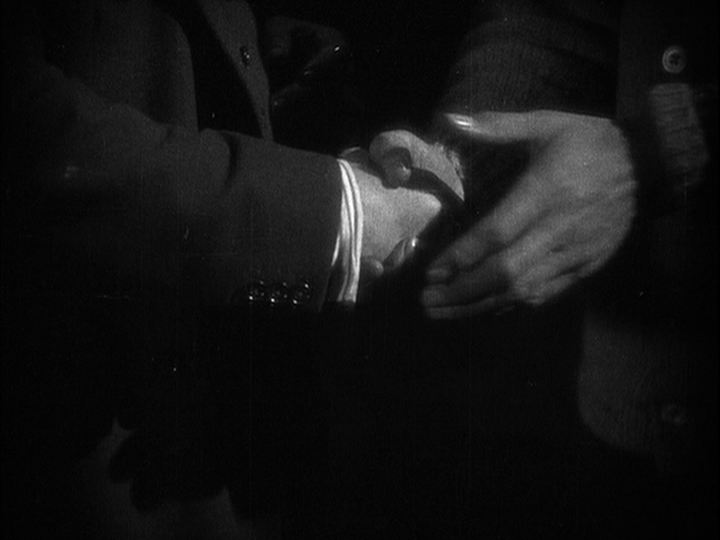
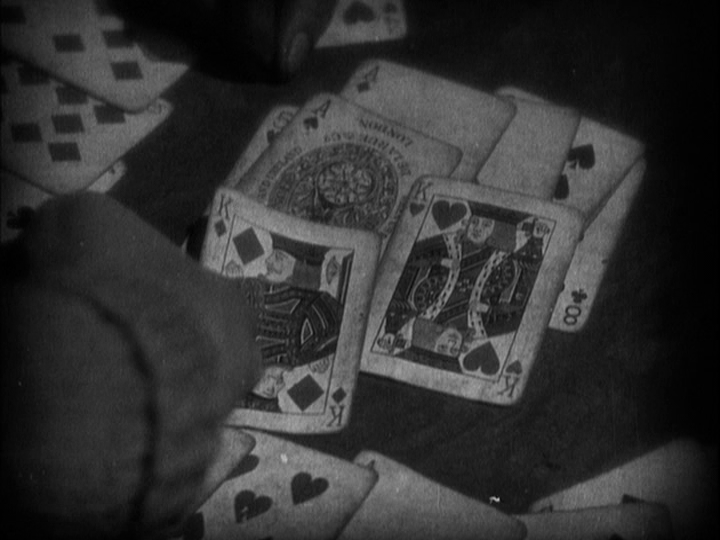
A fortune teller (Clare Greet) sees the whole thing and tries to warn Mabel (to paraphrase Don Henley and Glenn Frey) not to draw the king of diamonds, girl, because the king of hearts is always her best bet, but Sander blunders in and declares, “that’s me. Diamonds–I’m going to make real money now.”
He remains oblivious through the armlet falling into a pond right in front of him when Mabel explains that because Corby purchased it with money he won from fighting Sander, “it was really you who gave it to me”:
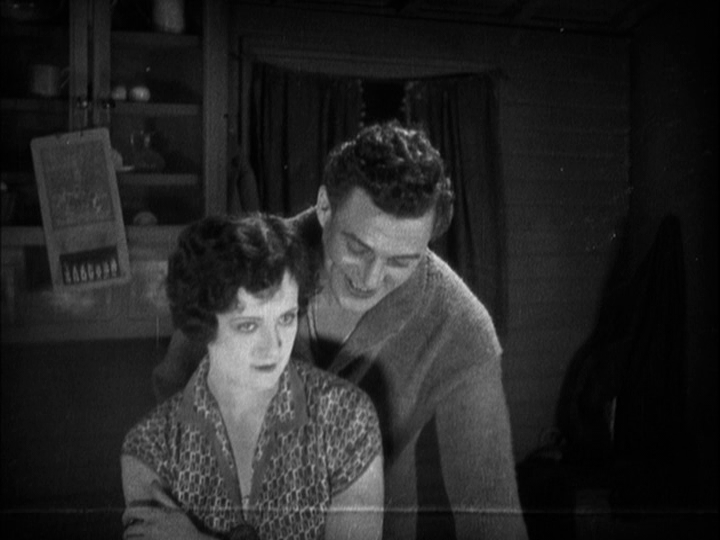
And the boorish toast Corby makes after Sander and Mabel finally wed: “I think the prize at the booth should have been this charming bride; anyway, now he’s my sparring partner I shall take my revenge”:
But it isn’t until the film’s near-exact halfway point that he finally gets wise and acknowledges that, “it seems as though I shall have to fight for my wife, after all”:
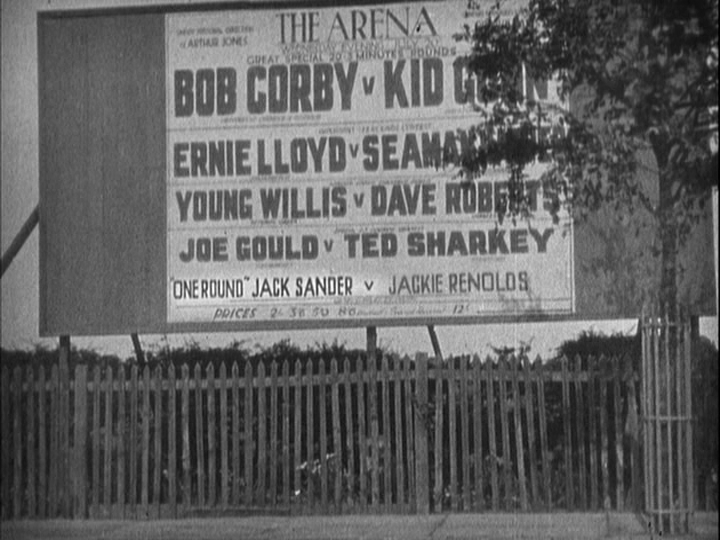
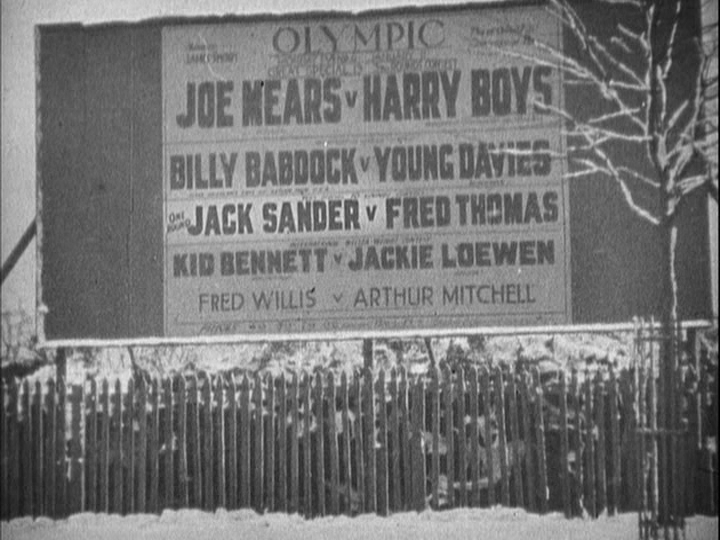
This is followed by another montage technique that Hitchcock claims credit for inventing in his interview with Truffaut: “to show the progress of a prize fighter’s career, we showed large posters on the street, with his name on the bottom. We show different seasons–summer, autumn, winter–and the name is printed in bigger and bigger letters on each of the posters. I took great care to illustrate the changing seasons: blossoming trees for the spring, snow for the winter, and so on.”
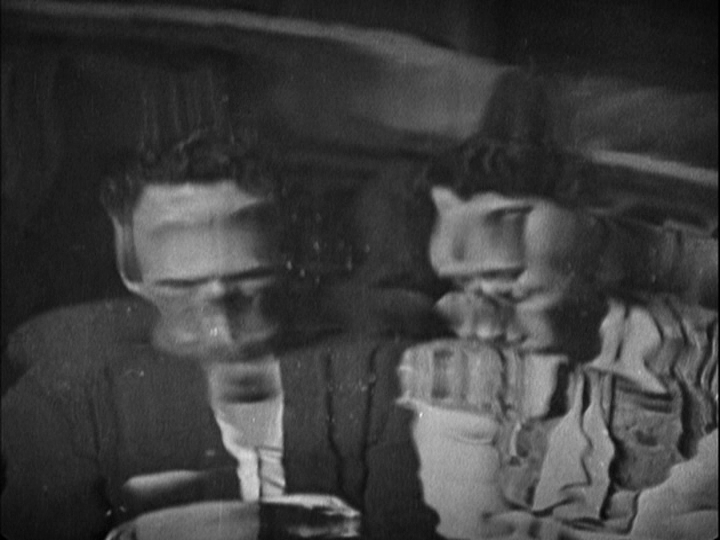
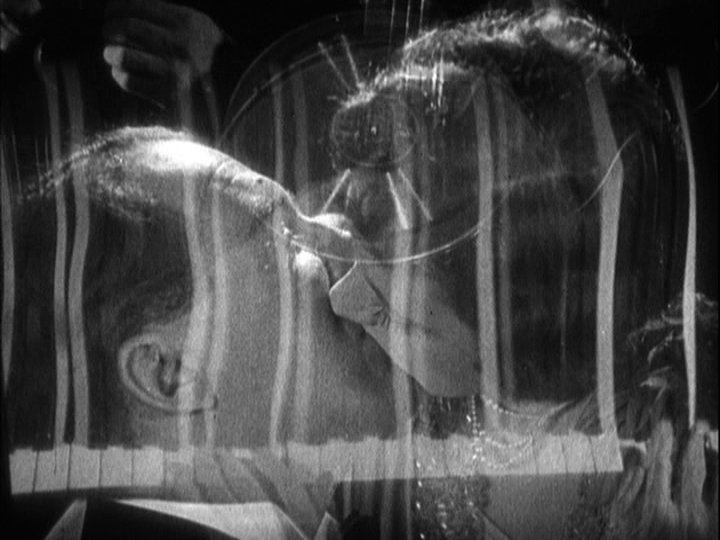
Sander is by now plagued by surrealistic nightmare visions of adultery:
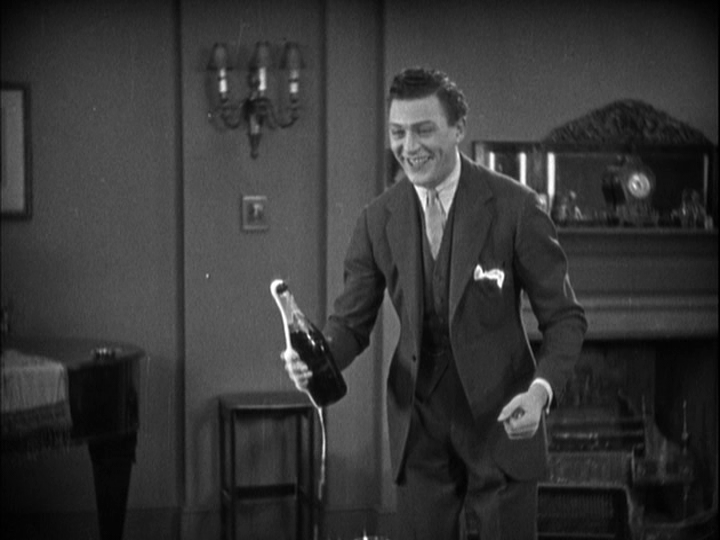
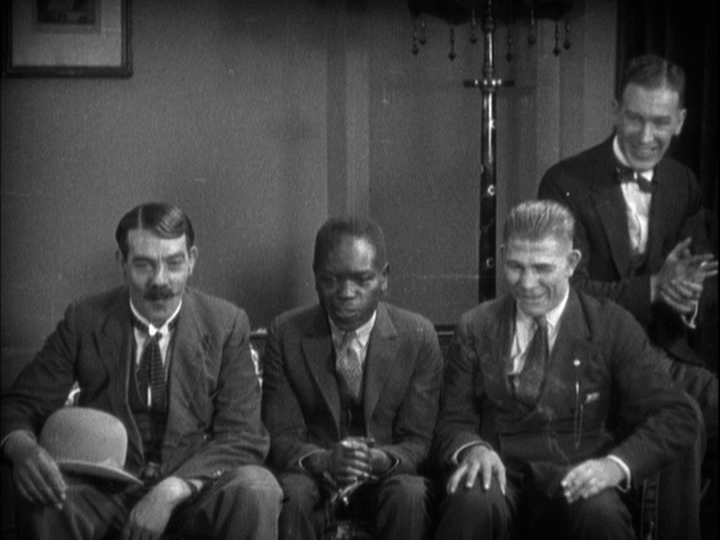
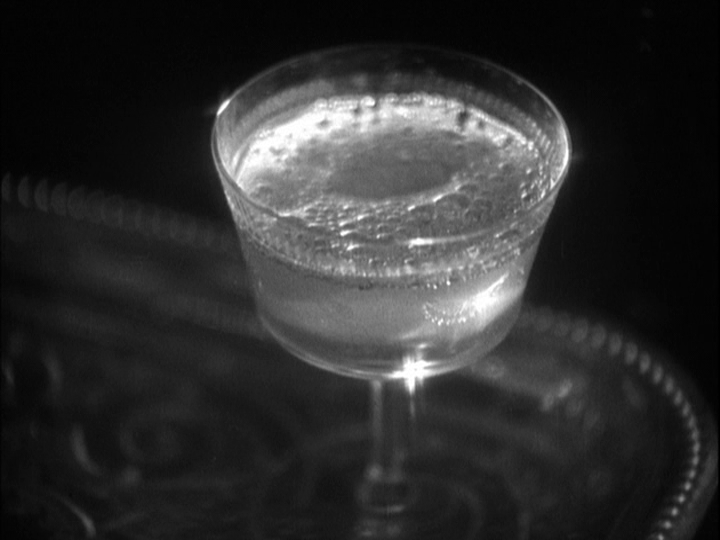
But nonetheless manages to win his next fight, securing him a title bout with Corby. Mabel isn’t there when he arrives home to celebrate, though. He pours champagne for his friends, who stare at it as intently as starving men ogling the first food they’ve seen in weeks:
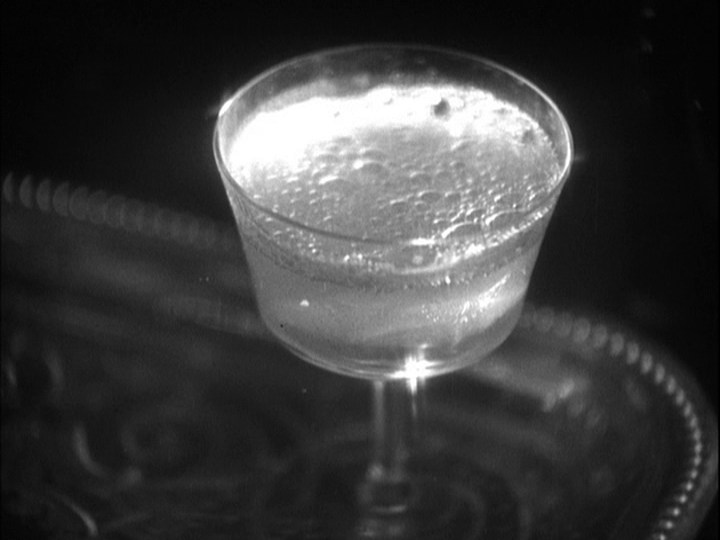
But expecting her arrival any minute, he insists that they wait. “And so,” as Hitchcock tells Truffaut, “the champagne goes flat”:
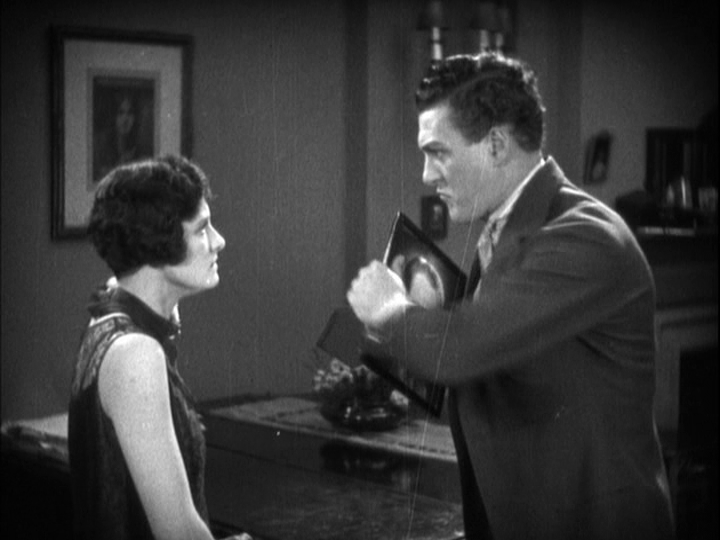
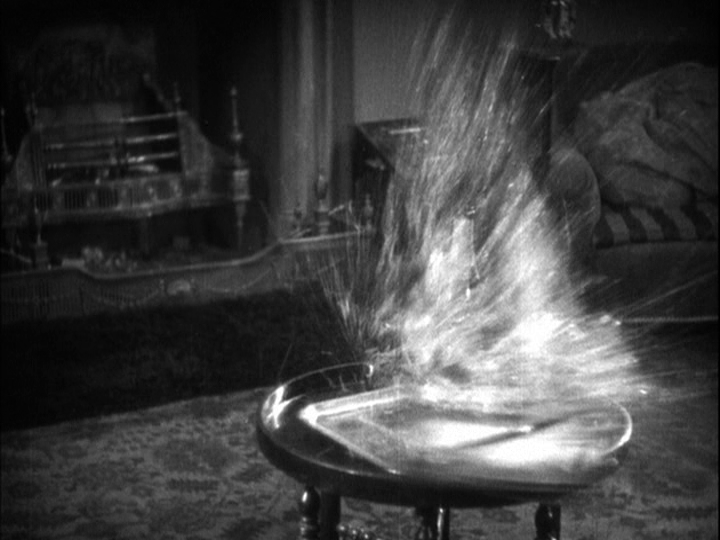
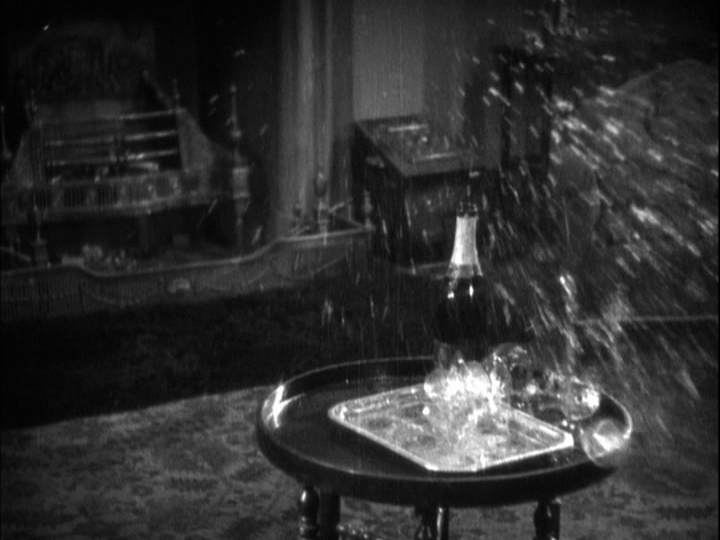
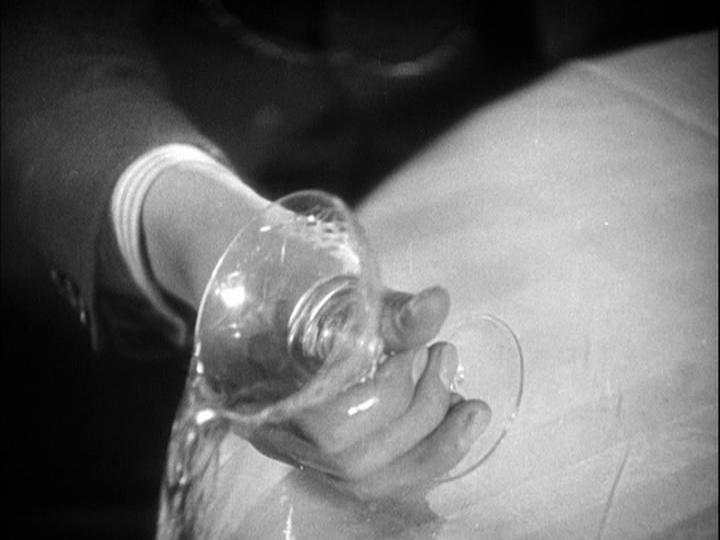
Not content with merely wasting their contents, an enraged Sander finishes off the glasses themselves when Mabel finally gets home by throwing a framed photo of Corby at them:
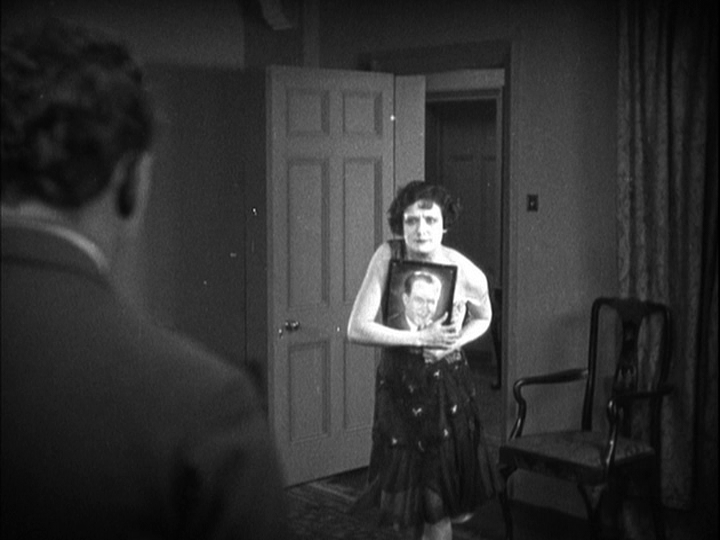
She uses the photo as a shield after he rips her dress a few seconds later and flees:
Sander goes looking for Corby and upon finding him continues his vendetta against sparkling wine by way of rejecting a peace offering:
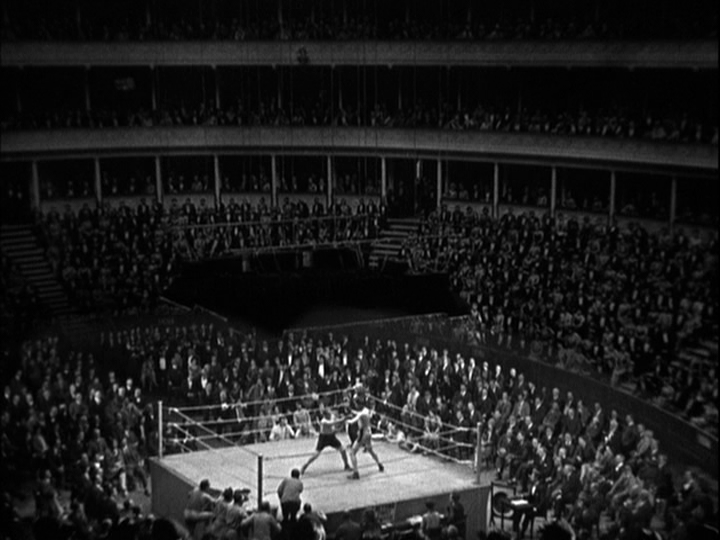
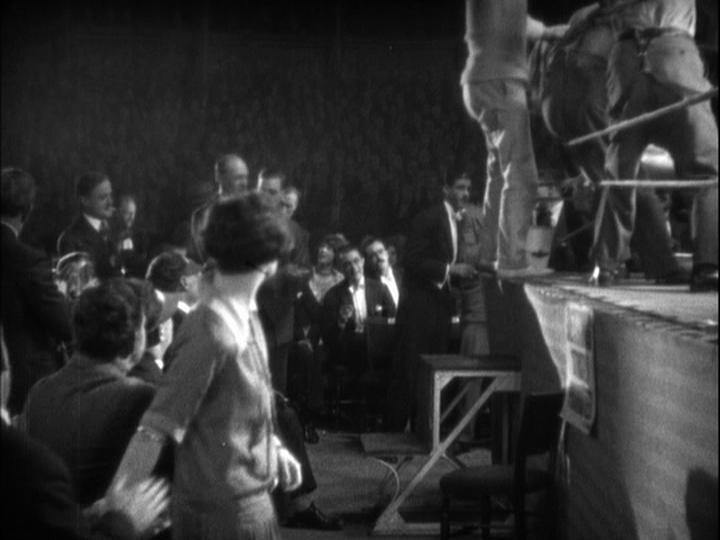
They basically decide to settle things in the ring, and that’s where most of rest of the film takes place. In his monograph on Hitchcock, Patrick McGilligan calls this sequence, which is set in Albert Hall, “a triumph of illusion, indebted to the recently invented Schüfftan process, first exploited by Fritz Lang in Metropolis, and which Hitchcock had brought home from Germany as his most valuable souvenir.” Per McGilligan, this technique allowed the director “to stage scenes in public places, without the expense (or permission) of actually filming there, by blending live action in the foreground against miniatures, photographs, or painted scenery.”
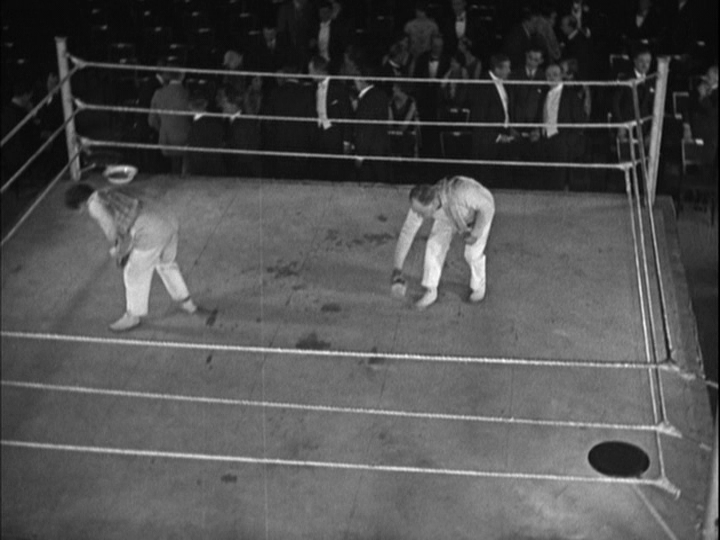
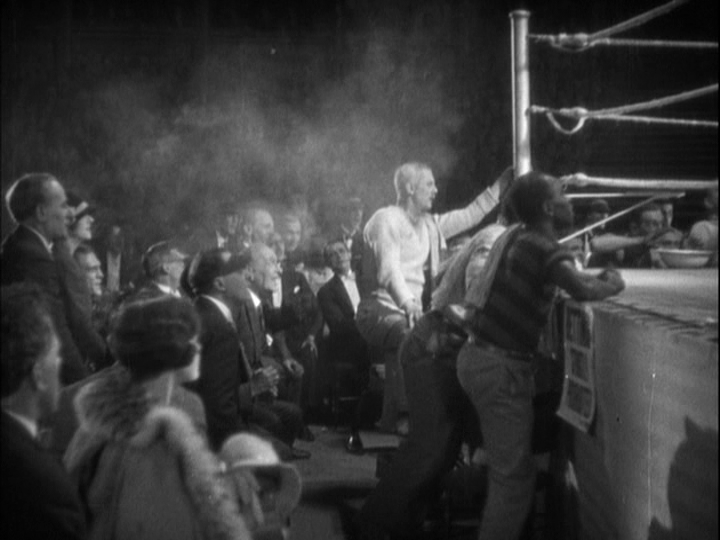
The fight is also noteworthy for Hitchcock’s documentarian eye for things like canvas preparation:
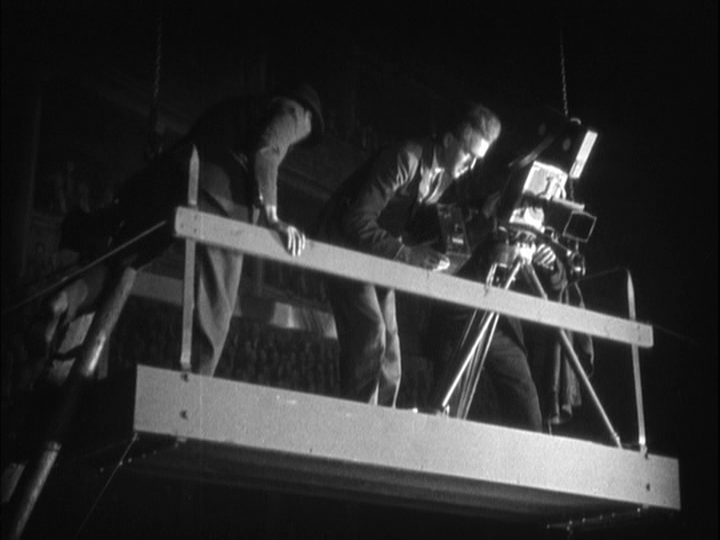
And a film crew getting ready to record it:
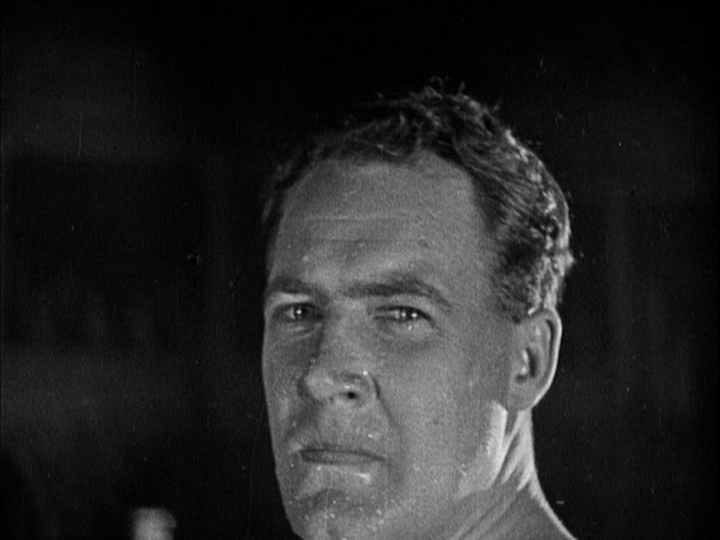
The judicious use of first-person shots to heighten the drama of big hits like this one:
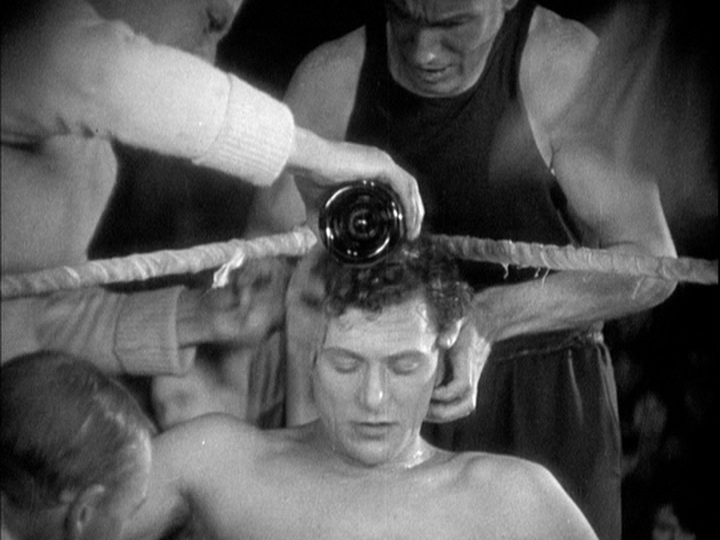
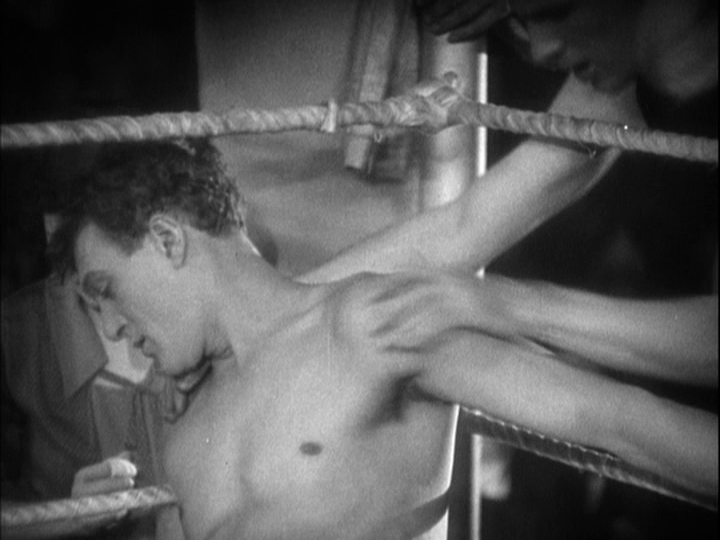
And another bubbly being opened and dumped on Sander’s head to revive him ahead of the penultimate round:
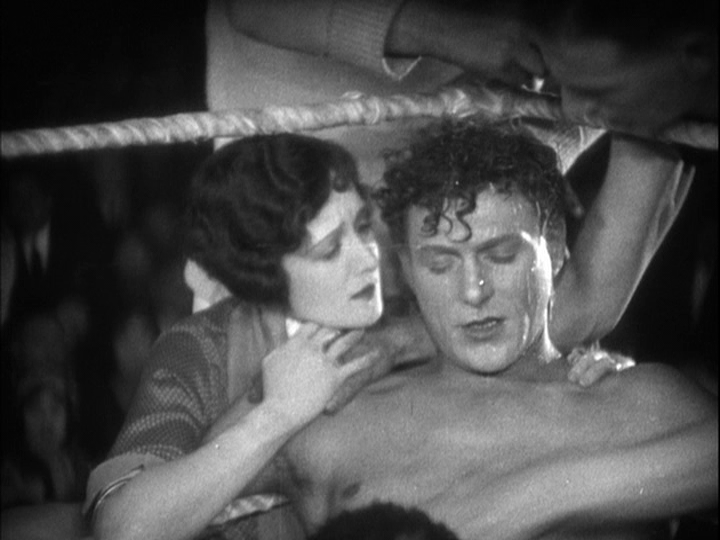
At this point it looks like our hero is on his way to another loss, but the tide turns when Mabel discards the fur coat Corby gave her and goes to Sander before the final bell:
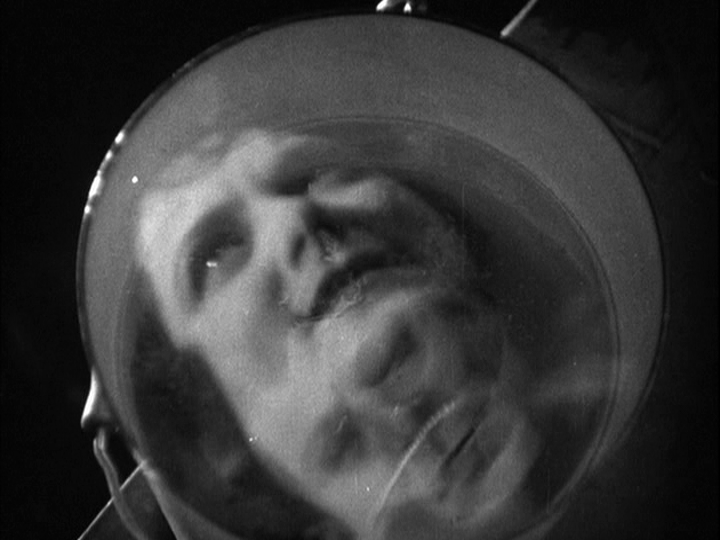
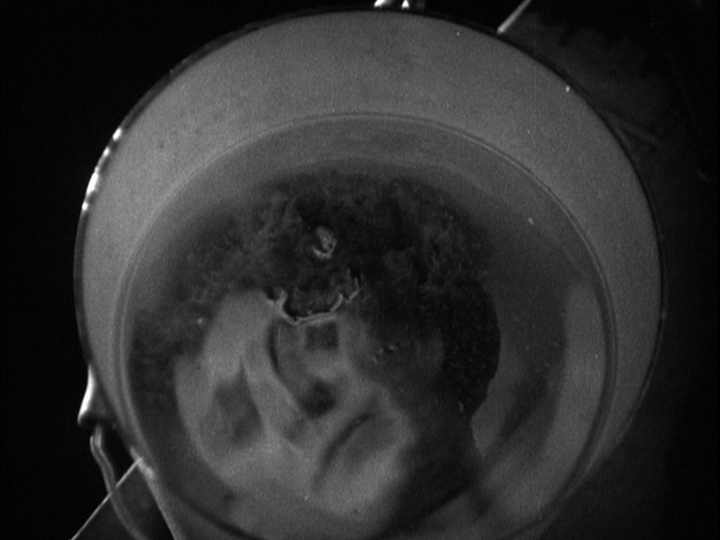
“I’m with you . . . in your corner,” she tells him. What’s interesting is how he becomes aware of her presence. Here’s how Michael Walker describes it in his book Hitchcock’s Motifs:
By now, Jack is too dazed to realise she is beside him, reassuring him that she’s back, but as he looks down at his pail of water, he sees her reflection. In fact, Hitchcock films this subjective image ambiguously: since Mabel’s image in the water dissolves into a reflection of Jack looking at himself, it is not certain that her reflection really is there or whether Jack has conjured it up from hearing her voice.
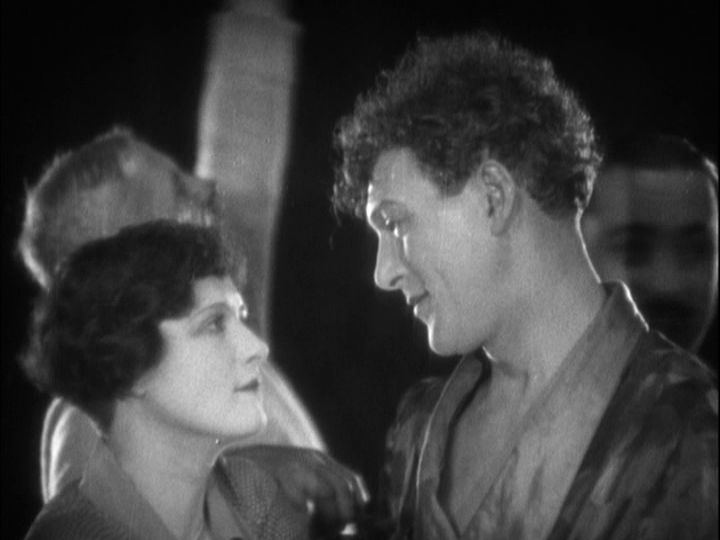
This is, perhaps, why the tender look Mabel and Sander exchange after he knocks Corby out doesn’t seem to presage a happily ever after.
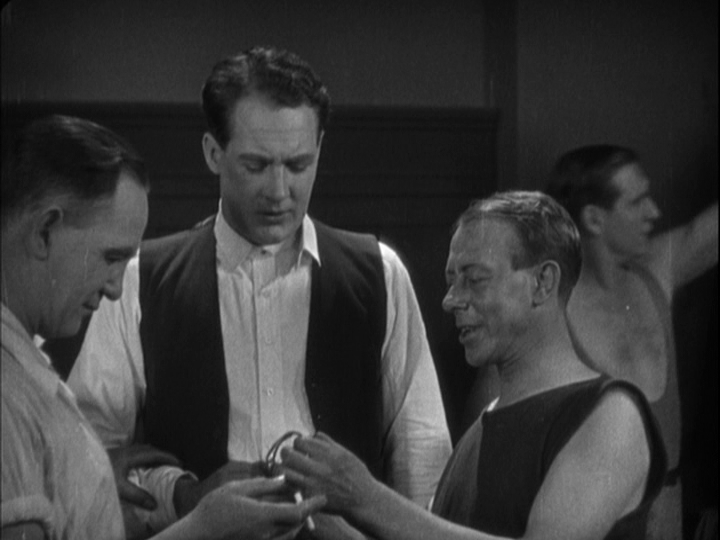
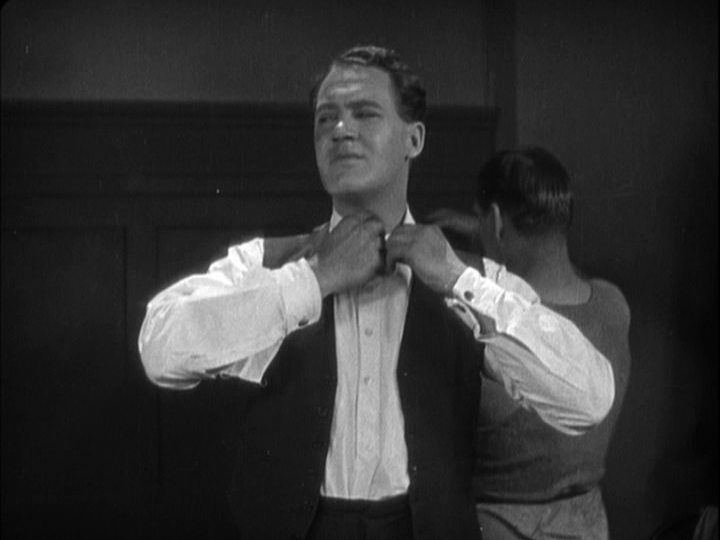
As Walker says, “the connection between Mabel and water suggests her elusiveness: she becomes as difficult to hold on to as her reflection.” Of course, although we fade to black, this isn’t the movie’s final shot! Hitchcock instead chooses to end with Corby in his changing room. “Look what I found at the ring-side, Guv’nor,” says a member of his team, holding up the armlet he gave Mabel:
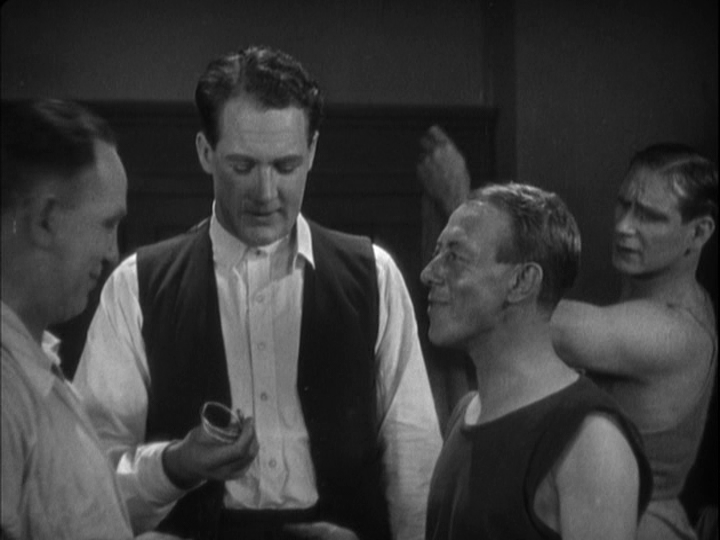
Corby contemplates it for a single beat:
Then flips it back to the person who found it and resumes adjusting his collar:
“It’s this lazy, sharp, sensible, apathetic gesture which, retrospectively, gives the film its asperity,” Durgnat says. “Since the affair didn’t matter much to him, it shouldn’t have mattered much to anybody.” Jack E. Cox’s fight cinematography is decades ahead of its time; ending a sports movie with an athlete utterly unconcerned about his defeat either literally in the ring or symbolically in the game of love would be a remarkable decision even today. Which also describes Kingsley Amis’s inspired substitution of apple spirits for grape ones in The Normandy and is the very definition of “timeless,” is it not?
Cheers!
All original photographs in this post are by Marion Penning, aka My Loving Wife.Links to all of the entries in this series can be found here.
Starship Troopers was released on November 7, 1997. Three days later I turned 16. I don’t remember exactly how long after that it took me to earn my driver’s license, but there couldn’t have been much of a pause, because my friends and I saw it four times during its initial theatrical run. And so it was that this special effects extravaganza about an interstellar war against “the Bugs” became forever linked in my mind to both autumn and my childhood home of Lancaster, Pennsylvania. This month’s drink, the Witch’s Kiss cocktail from [Jim] Meehan’s Bartender Manual, honors that connection to the past through the saffron in Liquore Strega–it’s grown in southeastern PA, believe it or not–and updates it to the present via apple butter that I make with fruit from the tree in our backyard prepared à la Simply Recipes. Here’s what else is in the cocktail:
2 ozs. Cinnamon-infused reposado tequila (Espolòn) 3/4 oz. Lemon juice 1/2 oz. Strega 1/2 tsp. Agave syrup 1/2 tsp. Apple butter
To infuse the tequila, add a four-inch cinnamon stick to a one liter bottle and let stand for twenty-four hours, then remove. Shake all ingredients with ice, then fine-strain into a chilled cocktail glass. Garnish with a lemon twist.
Per Meehan, “while tequila shines brightest in a summer Margarita, the aged bottlings mix beautifully with fall fruits and vegetables.” The Witch’s Kiss is case in point. The first impression is all apple-cinnamon with a touch of minerality from the Strega, but the Margarita vibes come through loud and clear on the finish: it’s autumn in a glass, but *early* autumn specifically. I’m not going to pretend that the drink has anything more than a purely associational connection to Starship Troopers, so here’s a picture of my Columbia Tristar DVD copy of the movie, which is still going strong after more than 25 years:
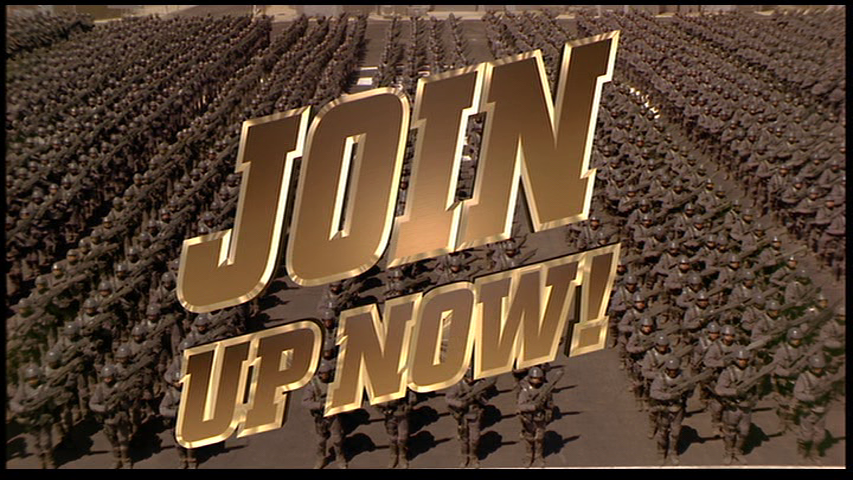
Starship Troopers begins with its most iconic recurring motif, a series of “Federal Network” newsreel-style vignettes which first implore the viewer to “do their part” and enlist:
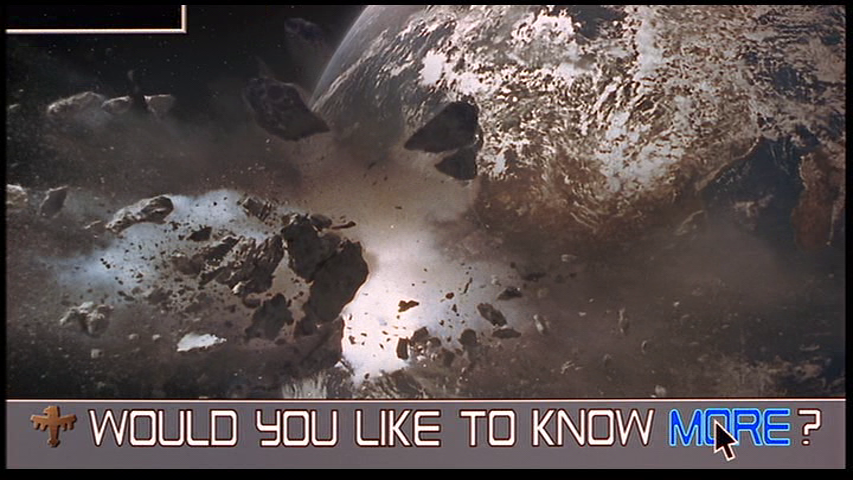
Then celebrate new planetary defenses against “Bug meteors,” which are described in slightly greater depth when “we” use our cursor to answer the question “do you want to know more?” in the affirmative:
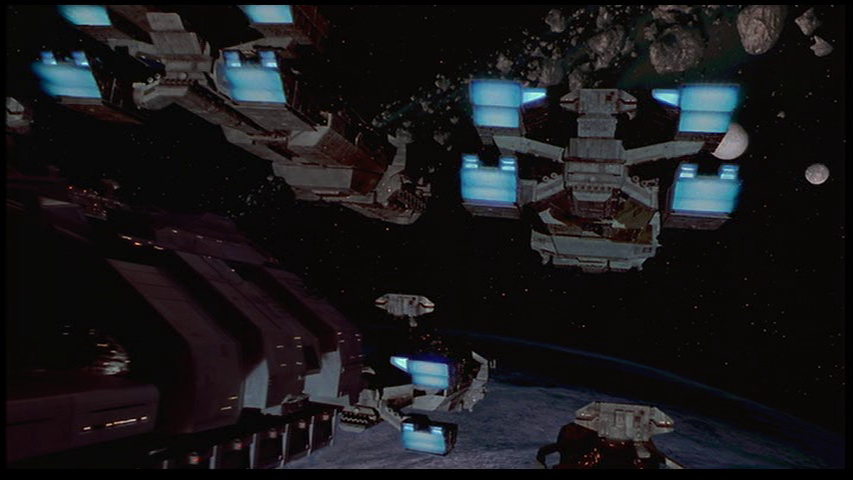
Before finally “breaking Net” to take us live to our adversary’s home planet of Klendathu, where an invasion is underway:
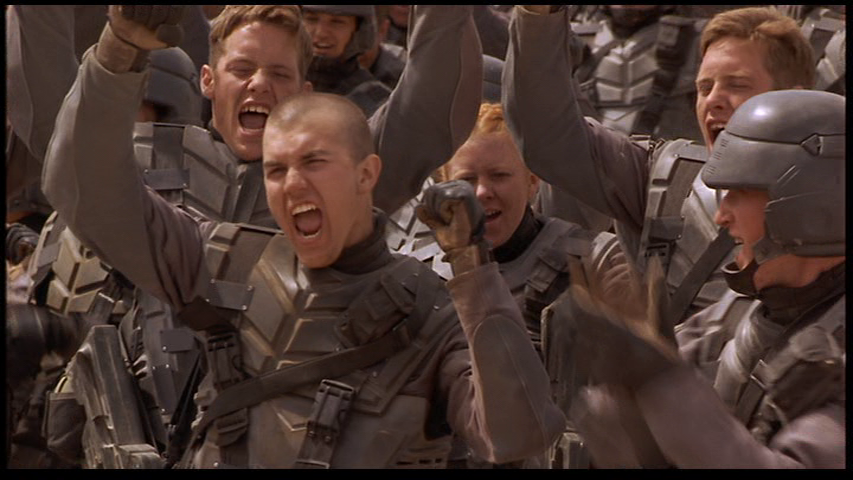
We cut to a reporter (Greg Travis) on the surface who soon gets ripped in half by a Bug warrior:
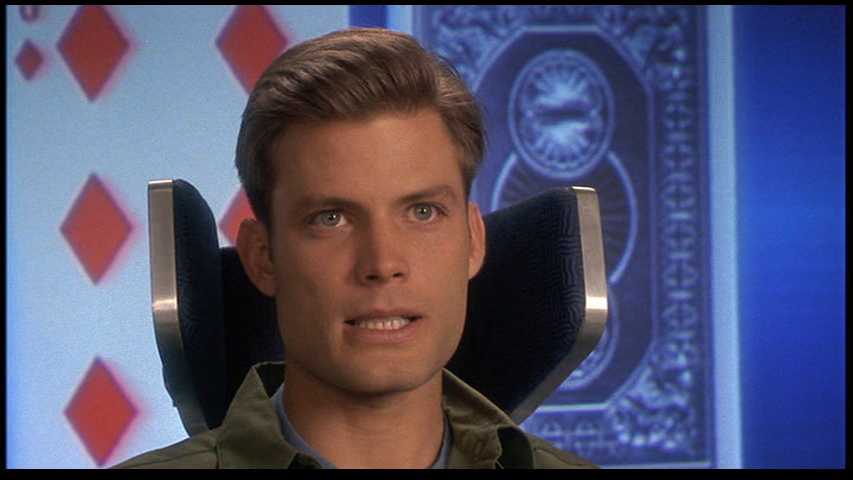
After which a human soldier named Johnny Rico (Casper Van Dien) addresses the camera and tells the person holding it to “get out of here now”:
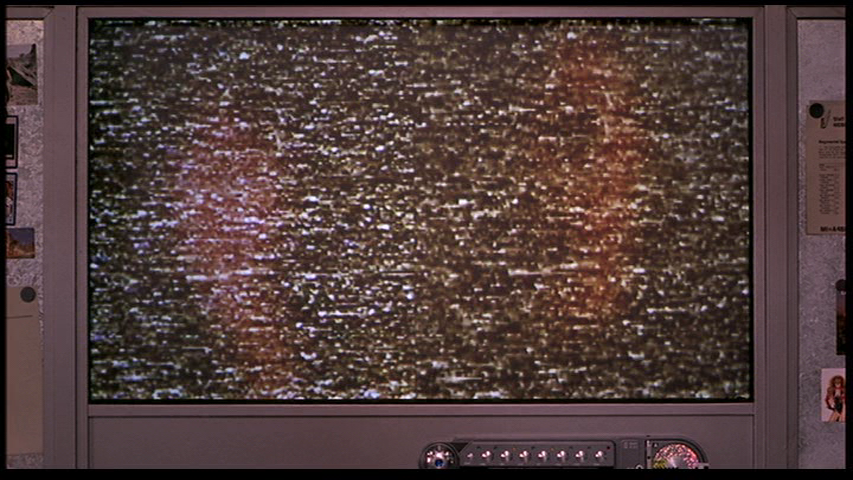
Then himself appears to die in combat:
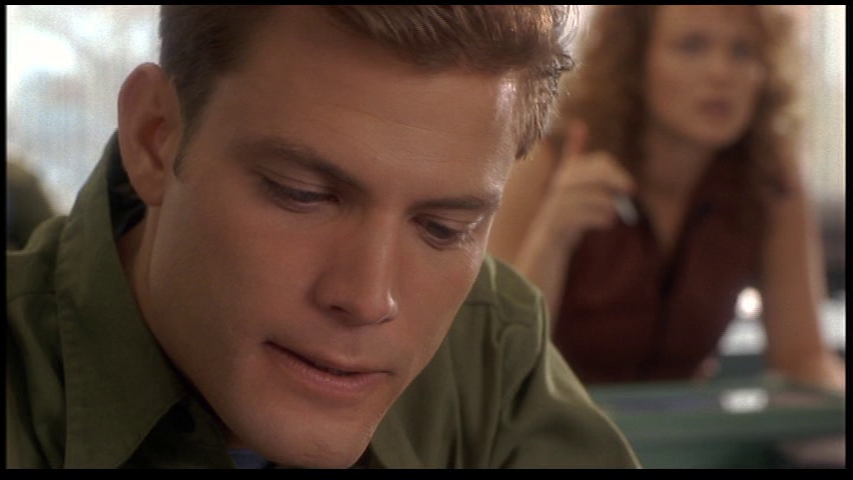
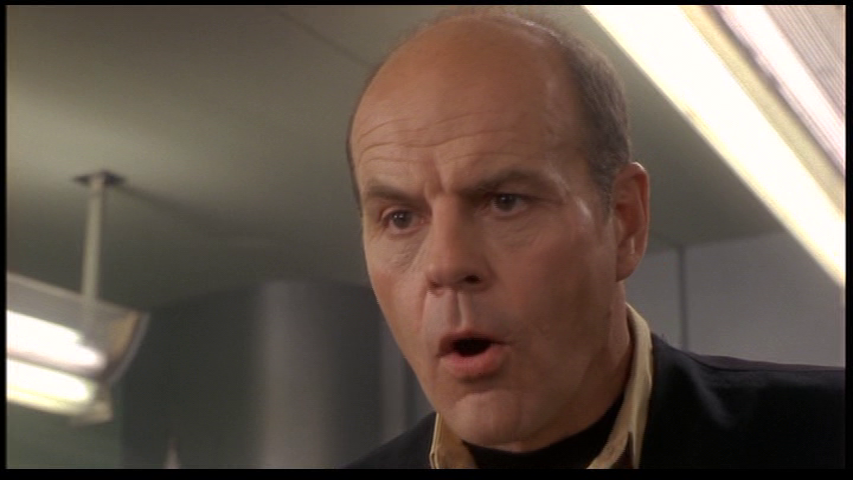
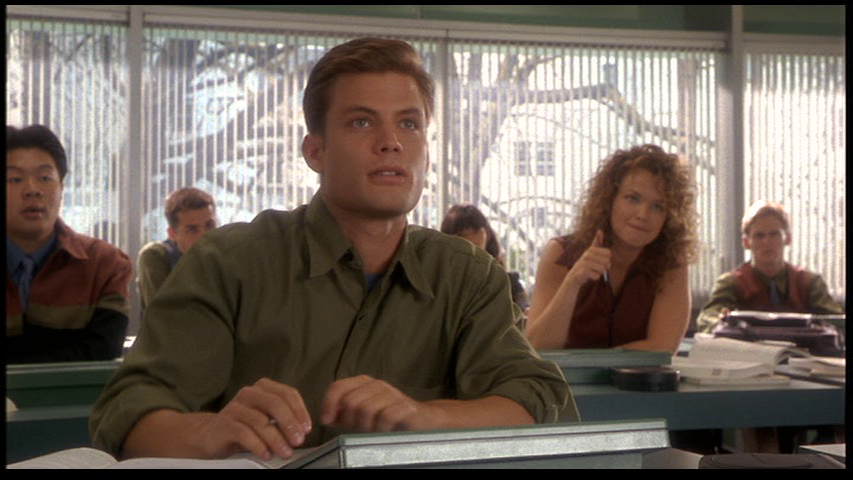
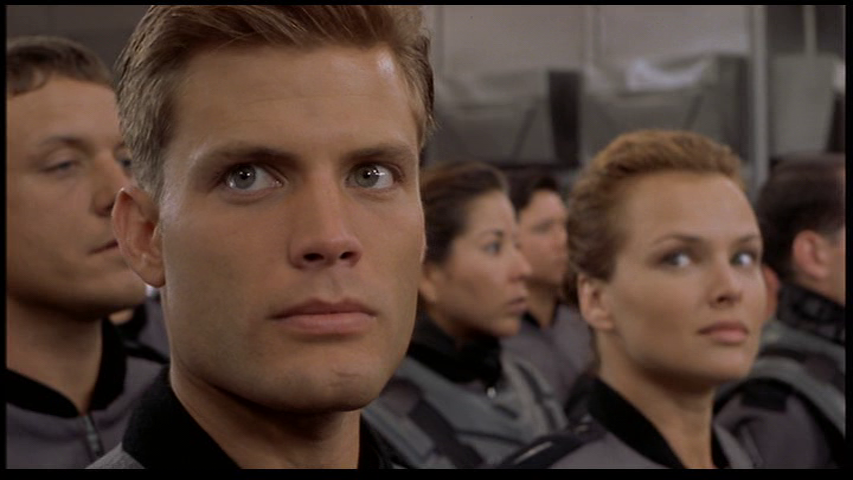
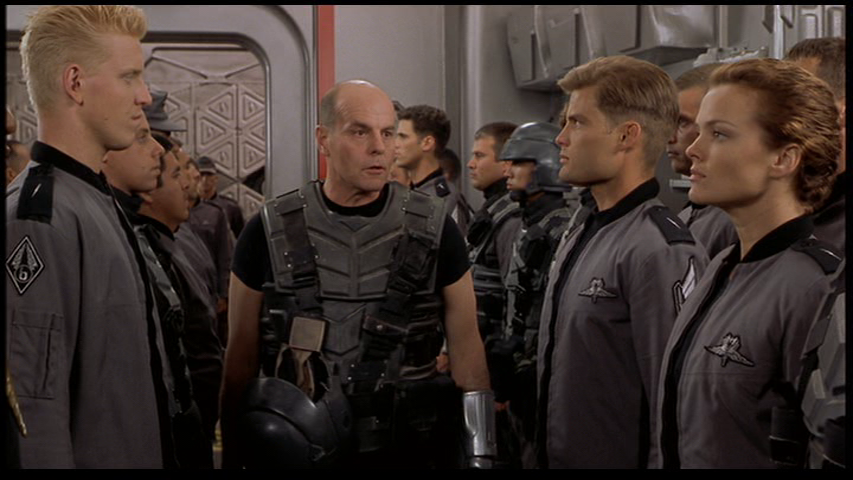
Static gives way to a title card reading “one year earlier,” which yields in turn to a shot of Johnny in school in Buenos Aires, where a teacher named Rasczak (Michael Ironside) redirects his attention from amorous doodles:
To a lecture summarizing the main points of the History and Moral Philosophy class which is about to conclude in a scene that Todd Berliner argues in his book Hollywood Aesthetic: Pleasure in American Cinema “contains perverse elements that complicate its genre identity and garble its ideological position.” As he explicates further:
The ideological perversity of the scene results from the fact that Rasczak is lecturing his students about the failure of democracy. He says that the present governing state, which separates people into “civilians” and “citizens,” has restored peace after years of strife caused by “social scientists of the 21st century.” He is describing, in short, a fascist utopia, a military state that affords citizenship only to those who serve in the armed forces.
No straightforward ideological proposition can make sense of the classroom scene because genre cues point in two opposing directions–making Rasczak look alternately like a liberal educator or a fascist ideologue.
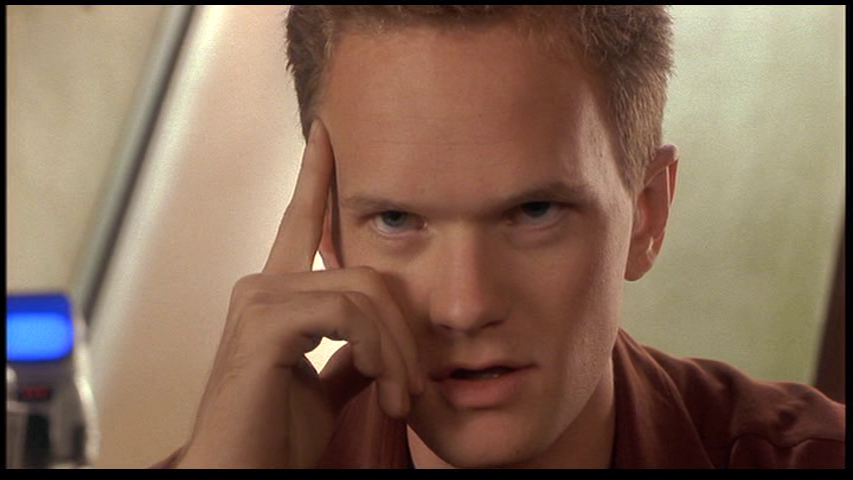
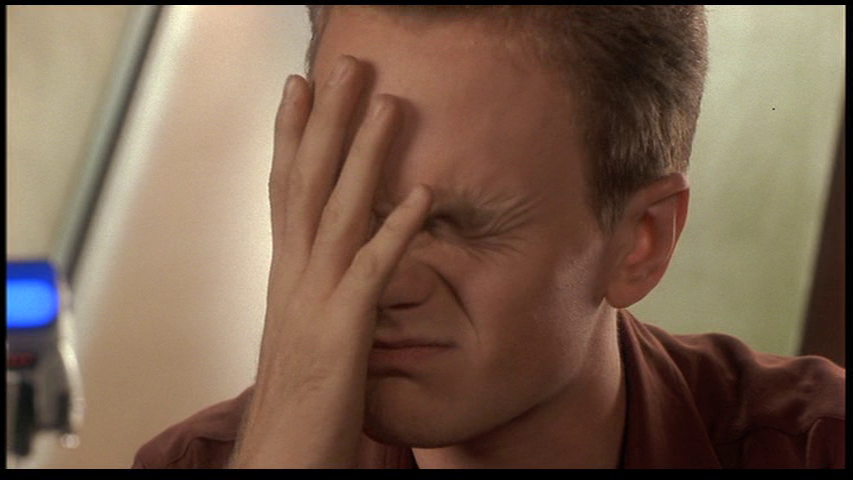
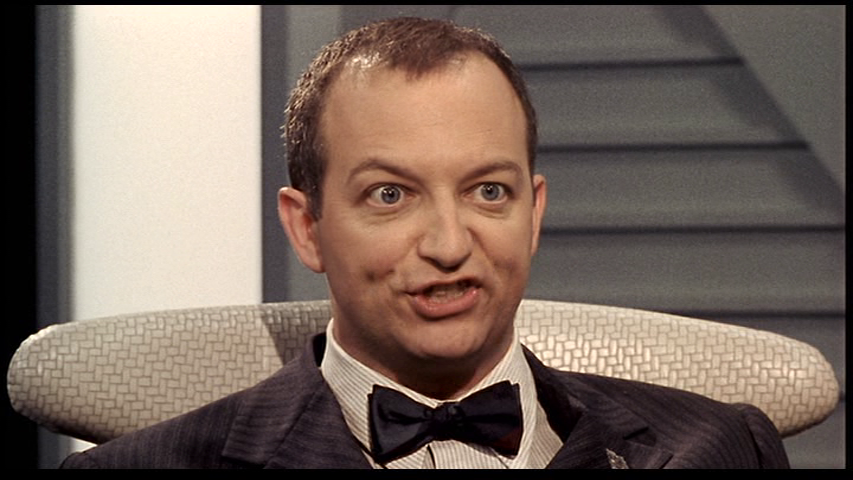
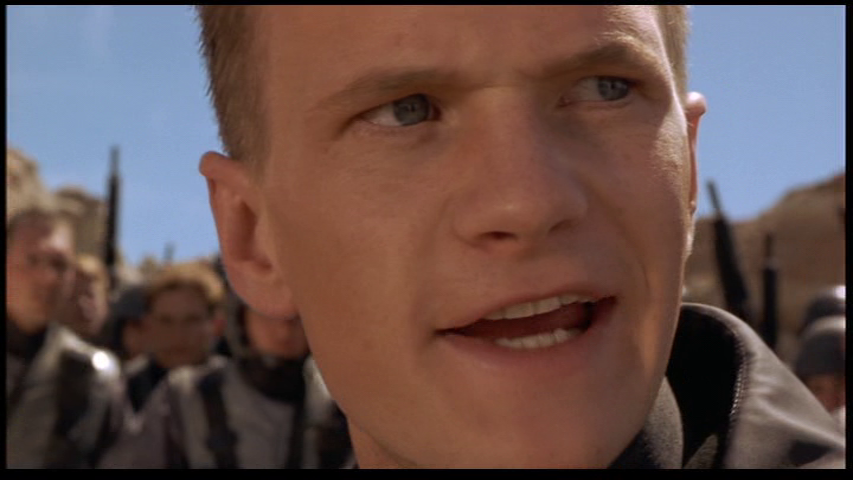
After the final bell rings, Johnny participates in a federally-funded research study testing for psychic abilities conducted by his best friend Carl (Neil Patrick Harris):
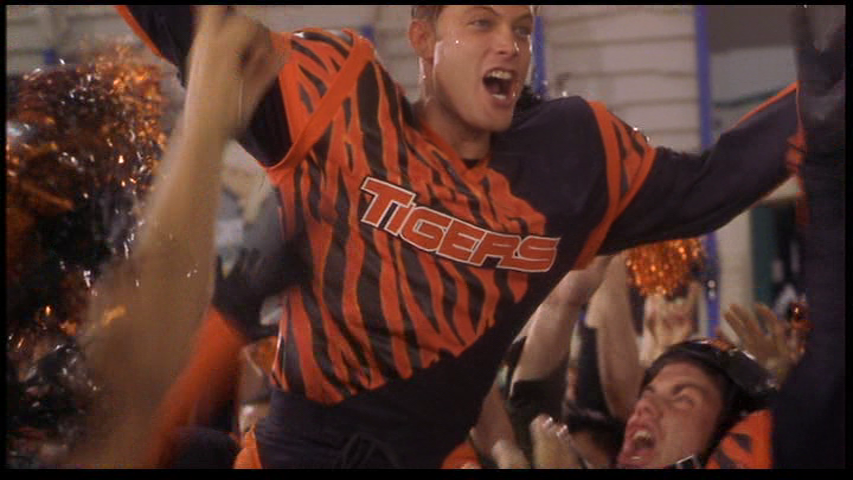
Wins the big game with this teammate Dizzy Flores (Dina Meyer), who has a crush on him:
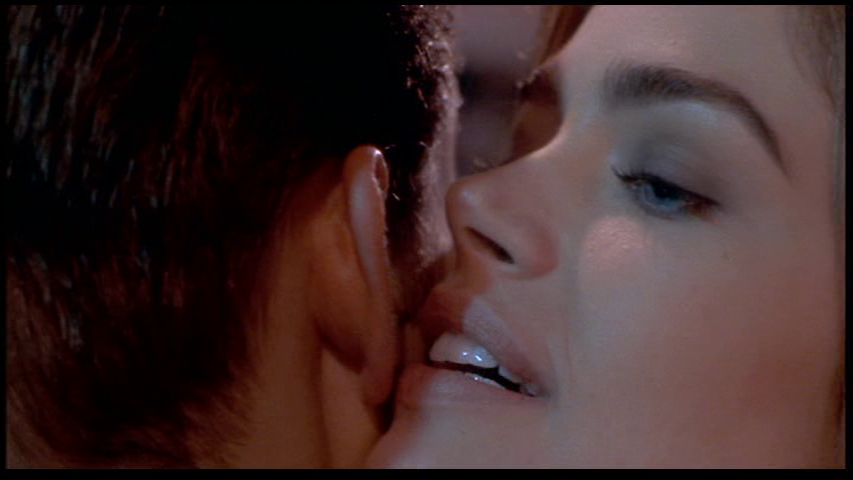
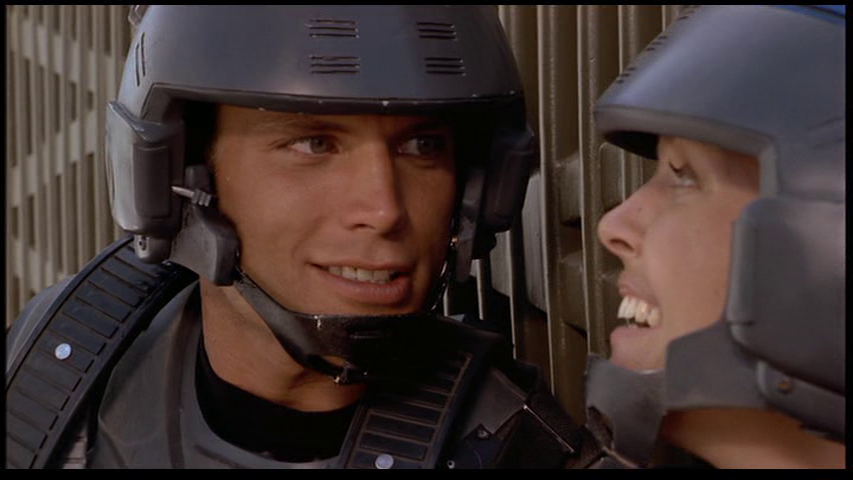
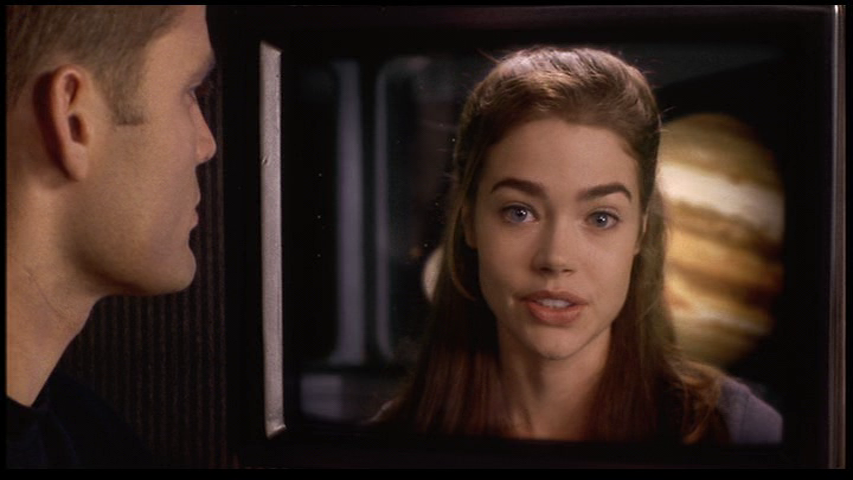
And goes to the prom with his girlfriend Carmen Ibanez (Denise Richards), an aspiring pilot who responds to him telling her that he, too, has decided to enlist even though it means his wealthy family will disown him by whispering “my father’s not home tonight” in his ear:
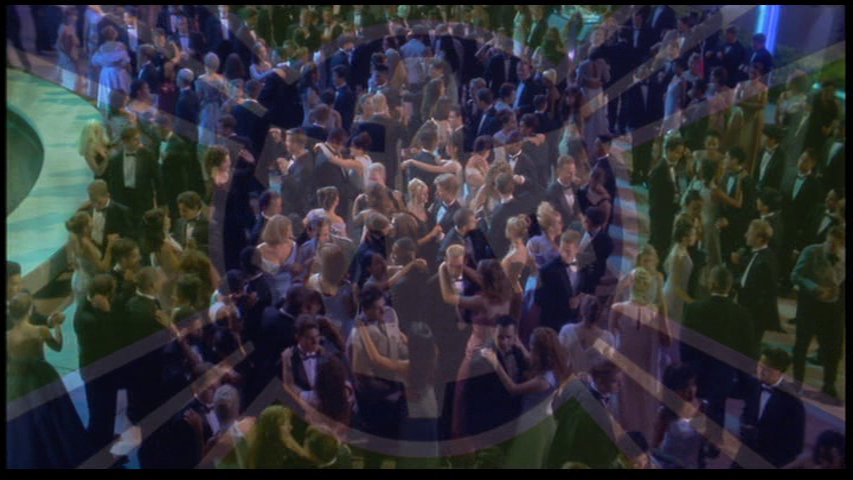
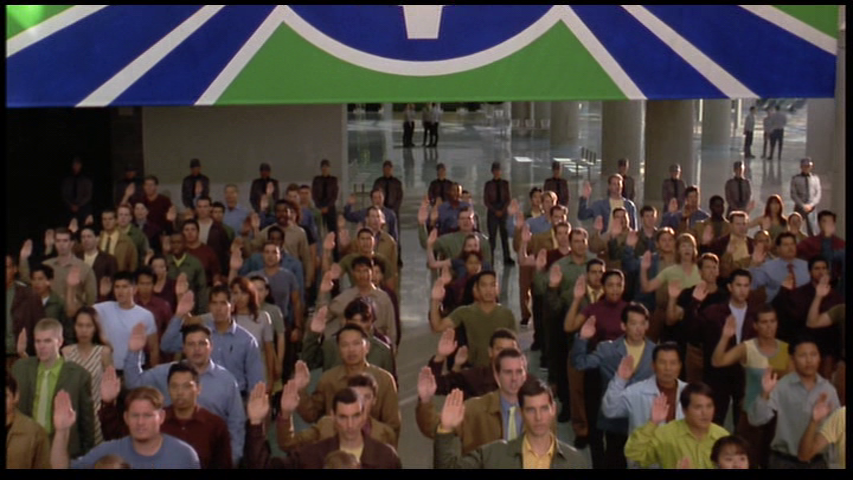
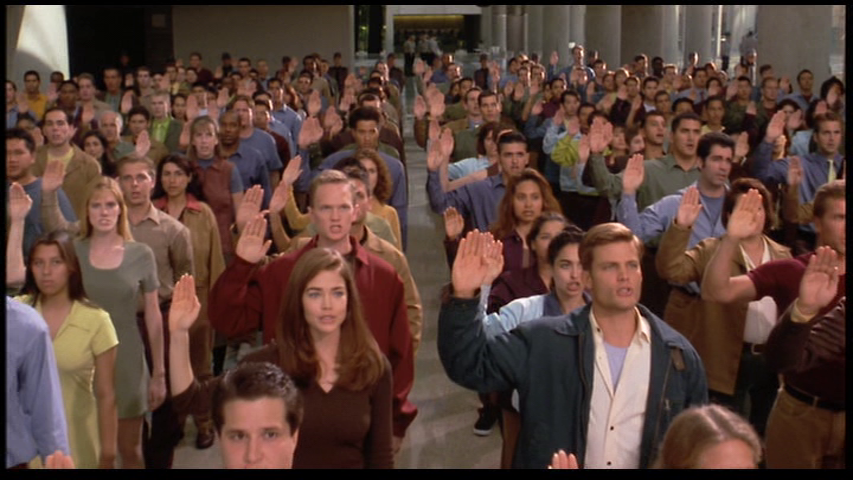
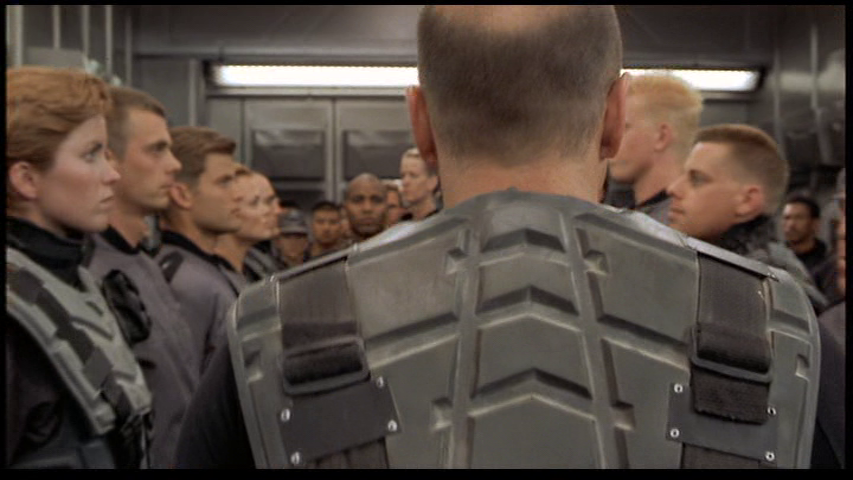
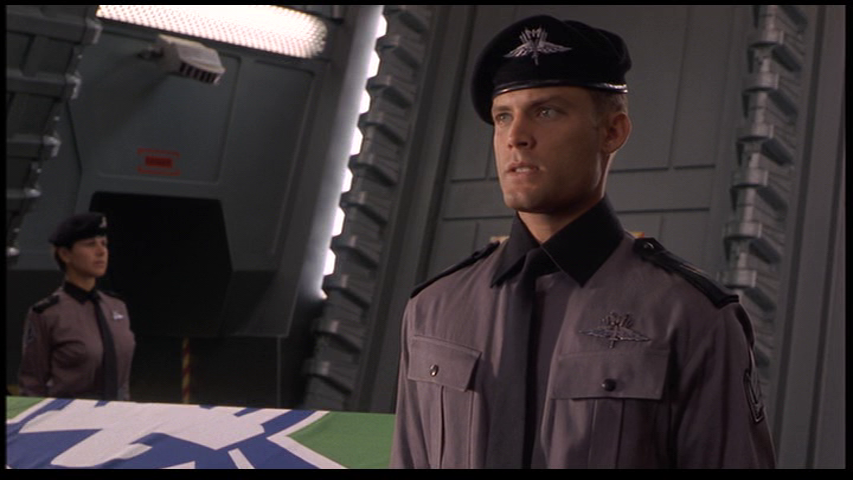
A long shot of them kissing during the last dance dissolves into a close-up of the flag of the Terran Federation, then the camera tilts down to show Johnny, Carl, and Carmen taking an oath:
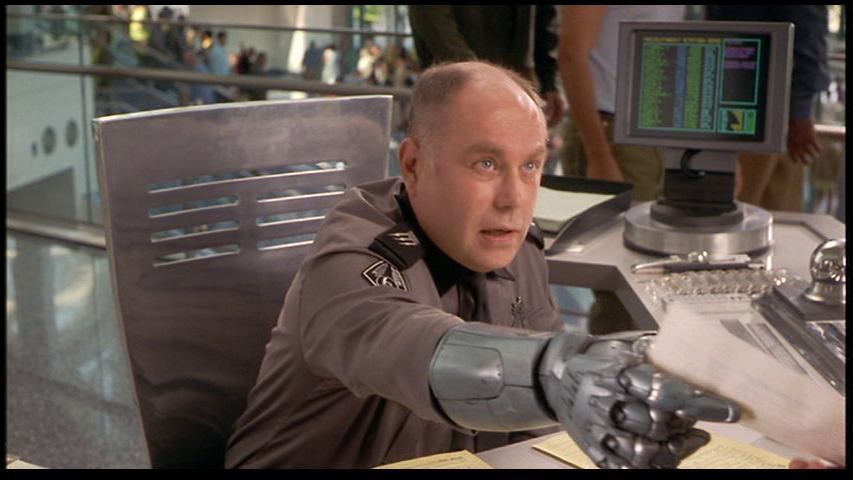
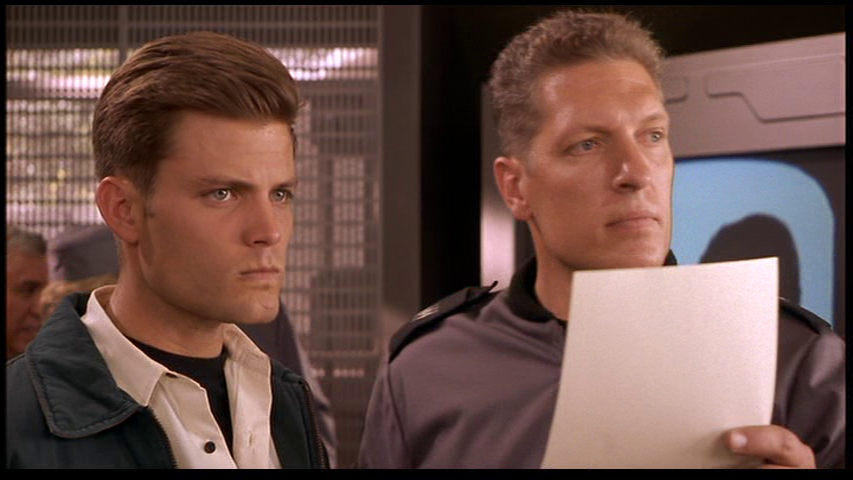
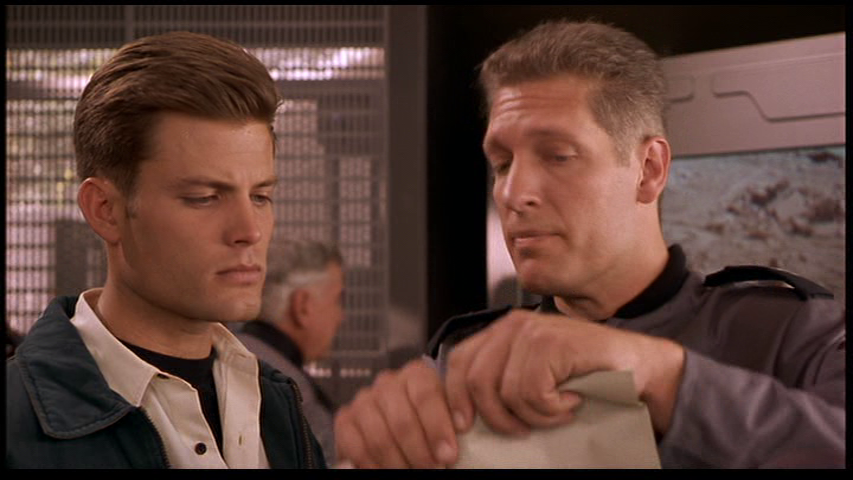
When a recruiting sergeant (Robert David Hall) with a robotic arm asks for their orders, we learn that Carmen has been assigned to Fleet like she hoped. Carl says he has been selected for Games & Theory aka military intelligence, to which the officer says, “next time we meet, I’ll probably have to salute you!”
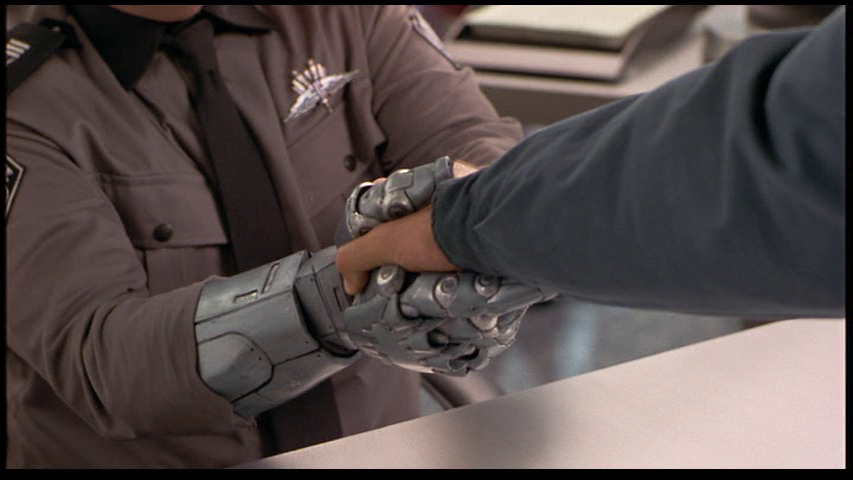
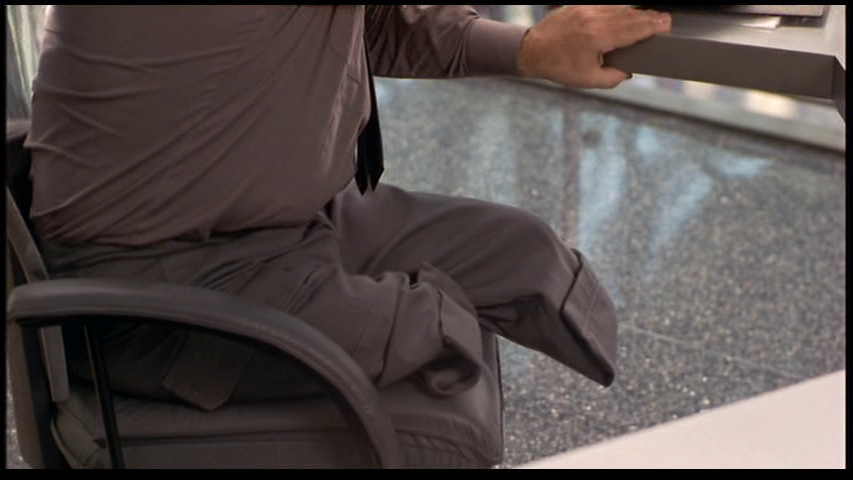
However, he reserves his strongest reaction for Johnny. “Good for you!” he exclaims when he finds out what branch Johnny will be going into, gripping his hand. “Mobile Infantry made me the man I am today.” Then he pushes his chair back to reveal that he’s also missing both of his legs.
Dizzy winds up at the same boot camp as Johnny and helps him earn the coveted title of squad leader by suggesting that they run one of their old football plays in a scene screenwriter Ed Neumeier identifies as an homage to The Dirty Dozen (which also featured war games between a blue team and a red team) on his DVD commentary track with director Paul Verhoeven:
But Carmen dumps him in a video Dear Johnny (!) letter in the very next scene because she has decided to “go career”:
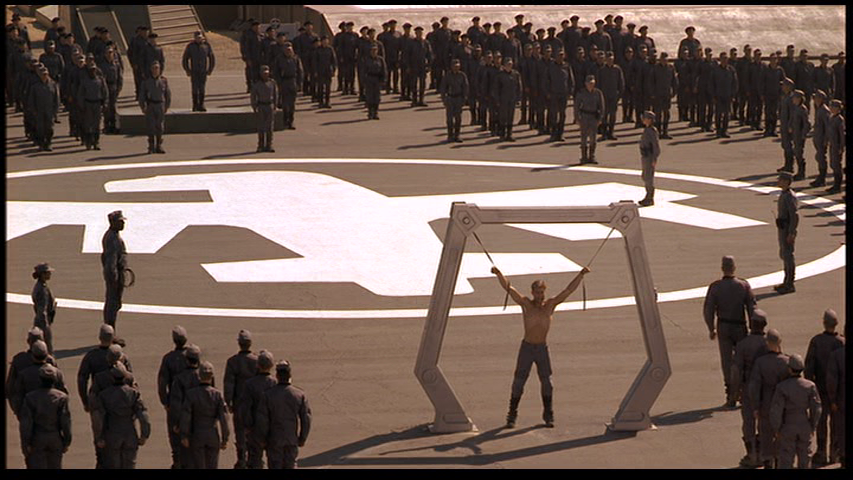
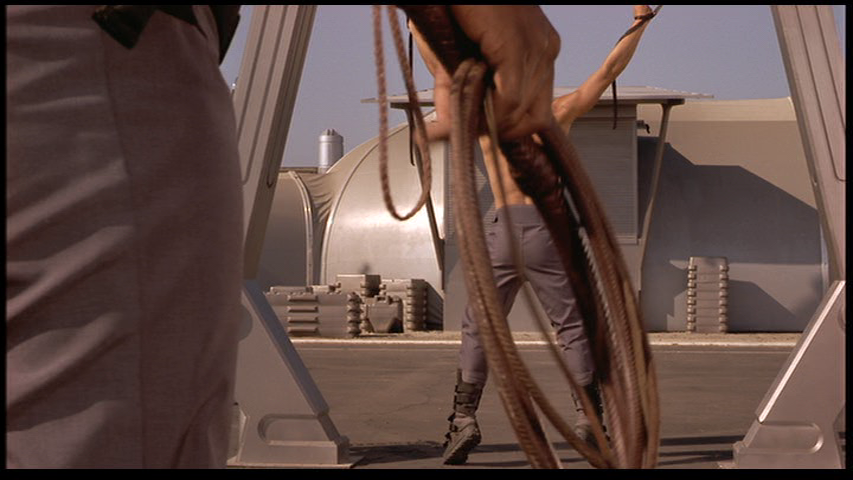
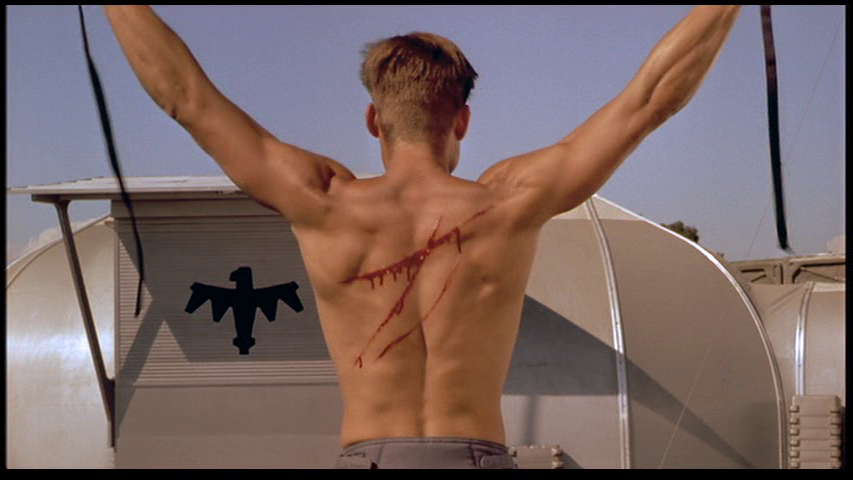
Then he is relieved of command of his squad following the death of a team member in a training accident and sentenced to “administrative punishment”:
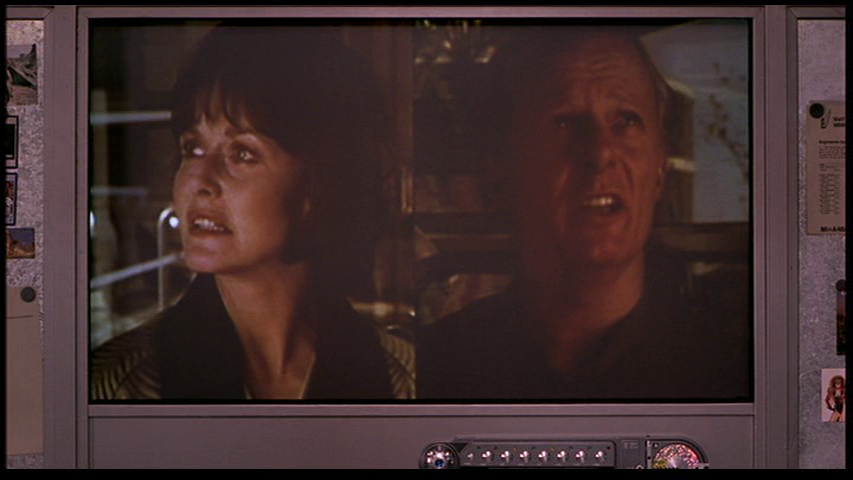
After which he resolves to quit despite Dizzy telling him that it only proves he doesn’t “have what it takes to be a citizen.” His phone call home to deliver the good (from their perspective) news to his parents (Lenore Kasdorf & Christopher Curry) gets disconnected, though:
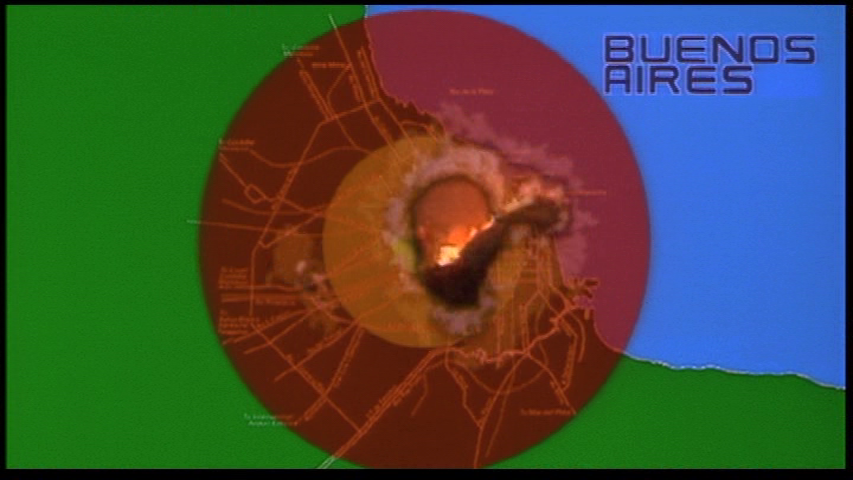
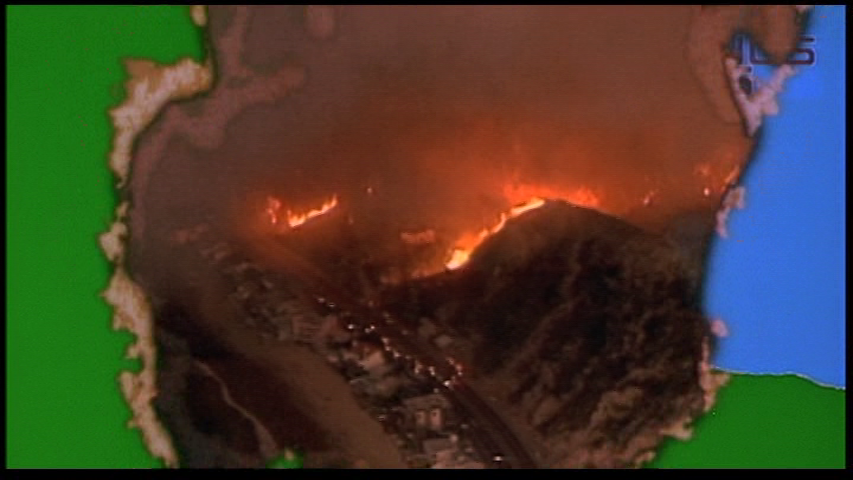
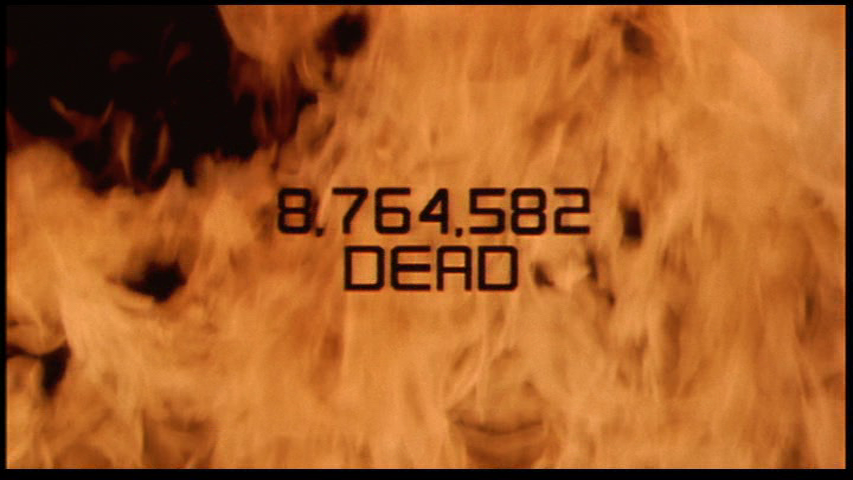
Moments later he learns why: Buenos Aires has been destroyed by one of those meteors we heard about earlier and the Federation is going to war.
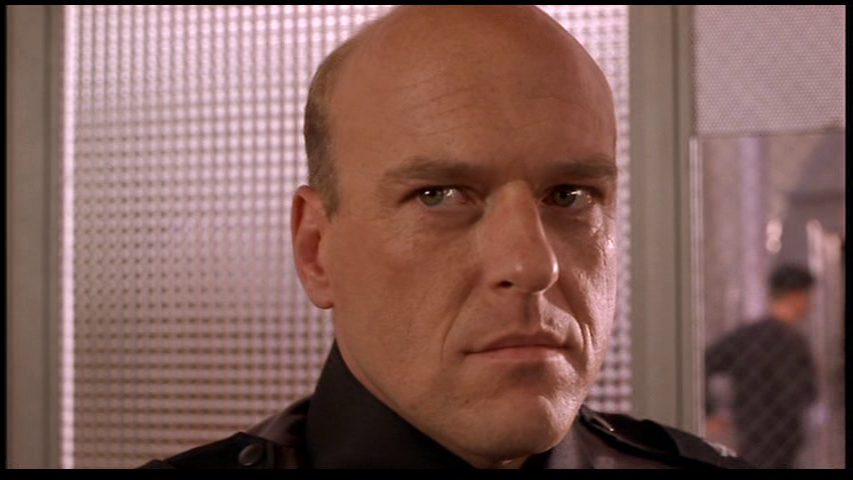
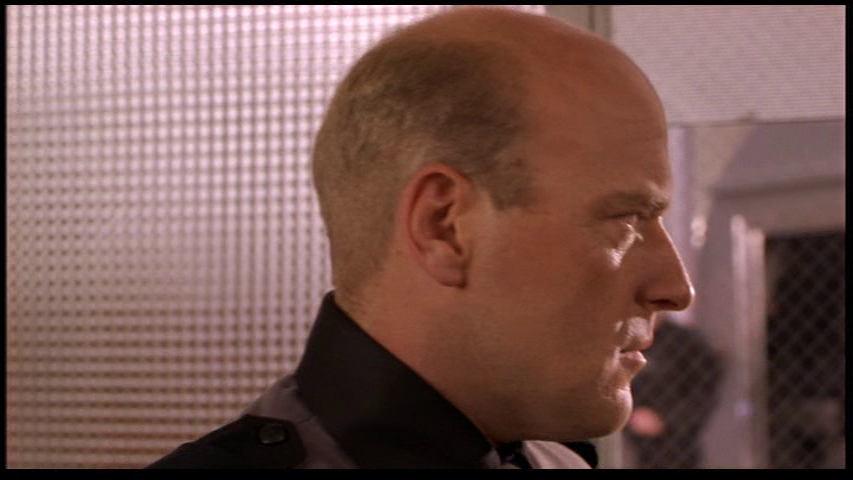
Johnny’s commanding officer (Dean Norris) looks the other way as his drill instructor Sergeant Zim (Clancy Brown) tears up his letter of resignation:
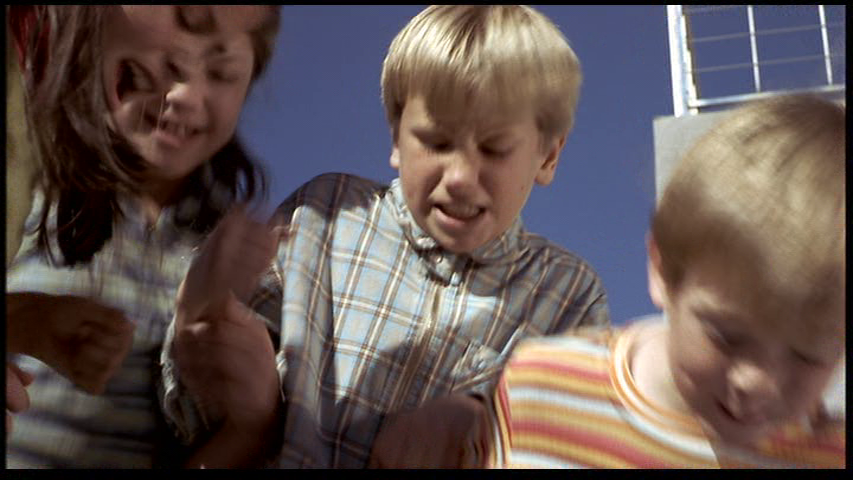
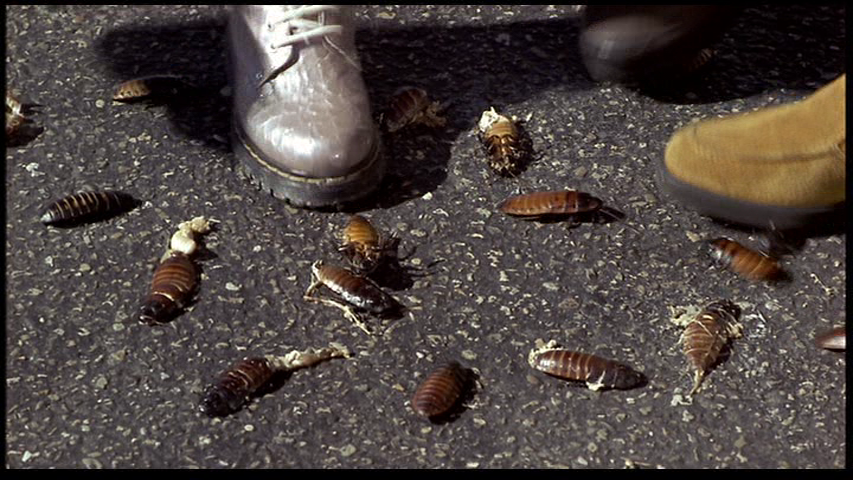
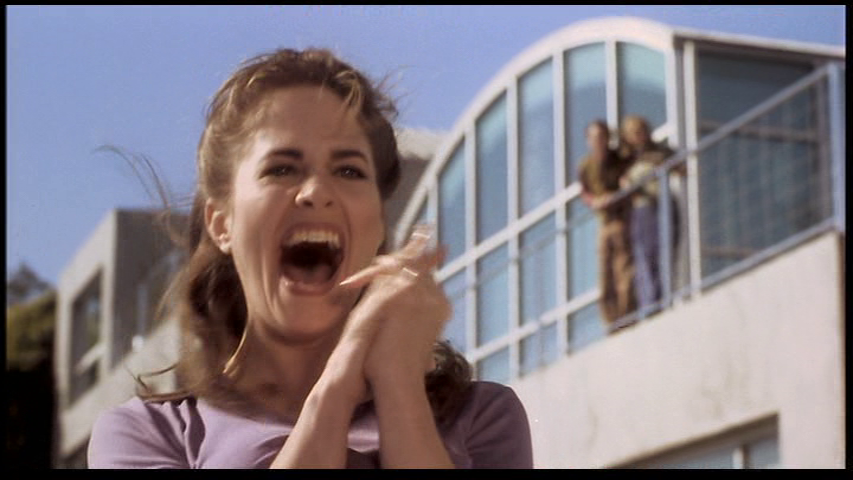
And following a FedNet sequence featuring a woman giddily clapping her hands and cheering as a group of children “do their part” by stomping on a bunch of presumably innocent insects:
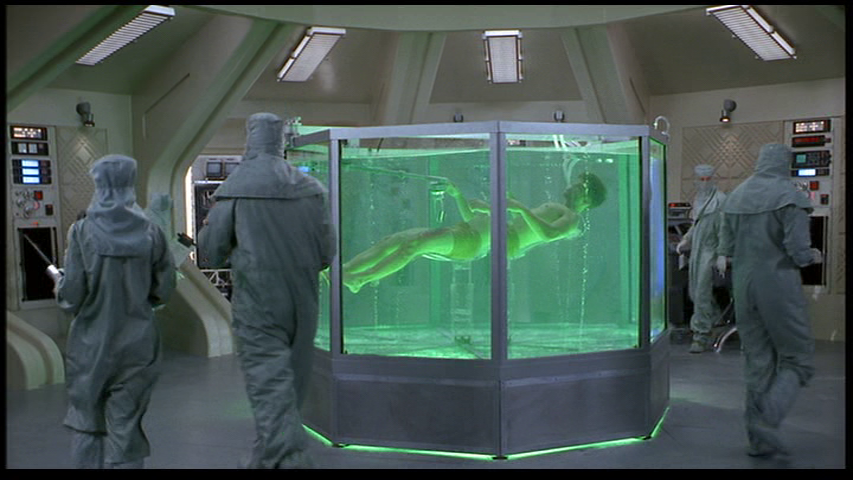
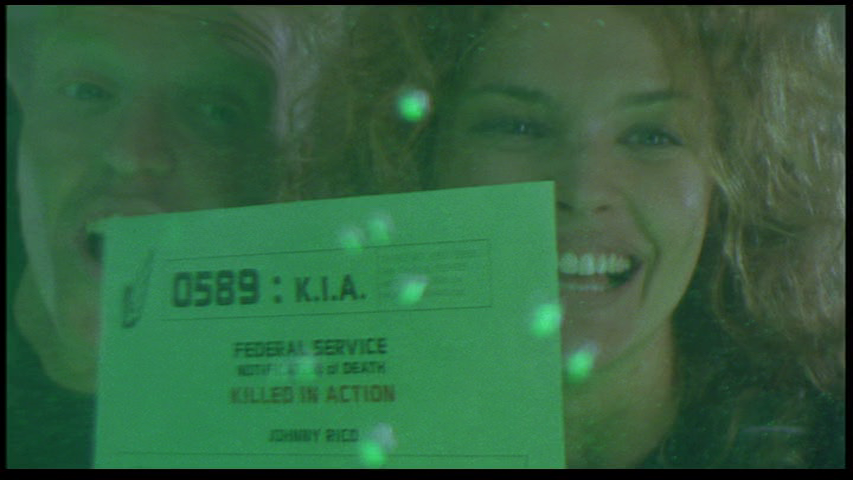
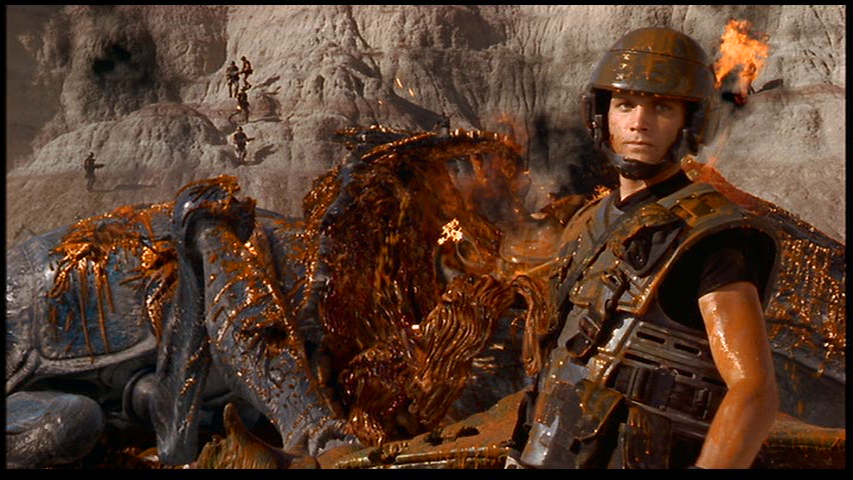
We find ourselves on “Fleet Battle Station Ticonderoga, deep inside the Arachnid Quarantine Zone,” where the men and women of the Federal Armed Services prepare to attack.” This is where we came in, as the fella says. Johnny survives, of course, even though official records list him as killed in action:
And the second half of the film chronicles the completion of his and his former classmates’ transformation from teen magazine idols into something harder and, especially in the case of Carl, who we last see decked out in garb that would clearly identify him as one of the bad guys if this was a World War II movie, verging on sinister.
In a chapter in the book The Literature/Film Reader: Issues of Adaptation, J. P. Telotte contends that a key difference between Starship Troopers the movie and the novel by Robert Heinlein it’s based on is that while the latter “is a first-person narrative told from Johnny Rico’s vantage point, Verhoeven’s film unfolds, not from the perspective of any individual, but rather from the point of view offered by the audiovisual culture itself,” which enables it to “establish a rather different authoritarian voice, and indeed a subtly tyrannical power, one that is the real heart of its satiric vision.” Andrew O’Hehir said something very similar in his remarkably astute contemporaneous review for Sight & Sound, noting that while Heinlein’s “fascist-flavored Utopia” was “a deadly earnest prescription,” in Verhoeven’s hands “it becomes an aesthetic and ideological field of play.” They’re thinking not just about the FedNet sidebars which explicitly reference historical propaganda pieces:
And are also, as Neumeier explains in his DVD commentary, “meant to evoke CNN coverage of the Gulf War,” but the rest of the film as well. I think it only really works if you sincerely enjoy it on its own merits for the amazingly undated special effects in scenes like the wreck of Carmen’s ship the Rodger Young:
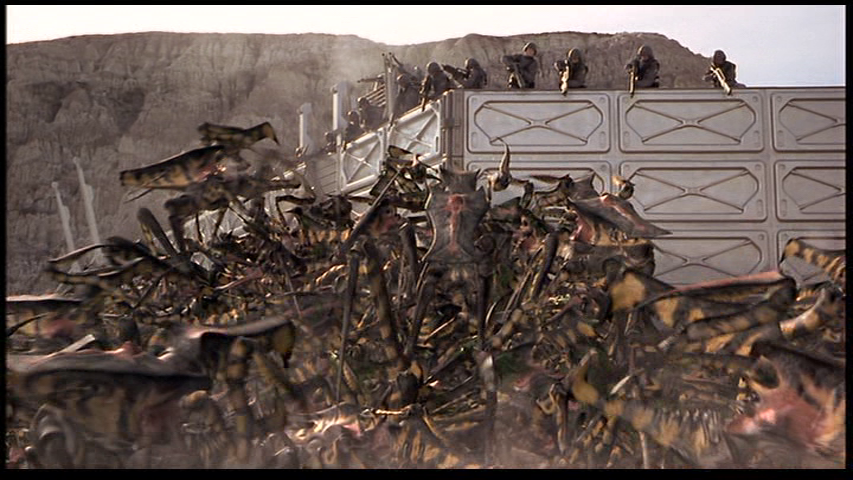
And the attack on Planet P which surely must have been inspired by the movie Zulu:
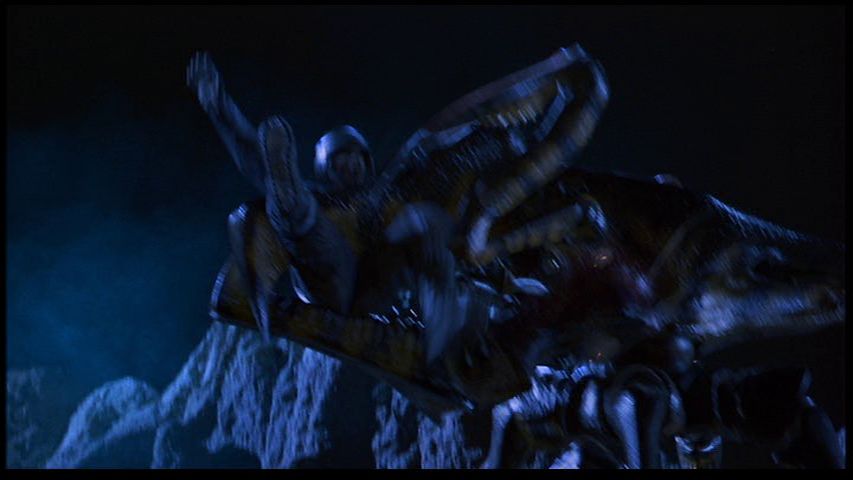
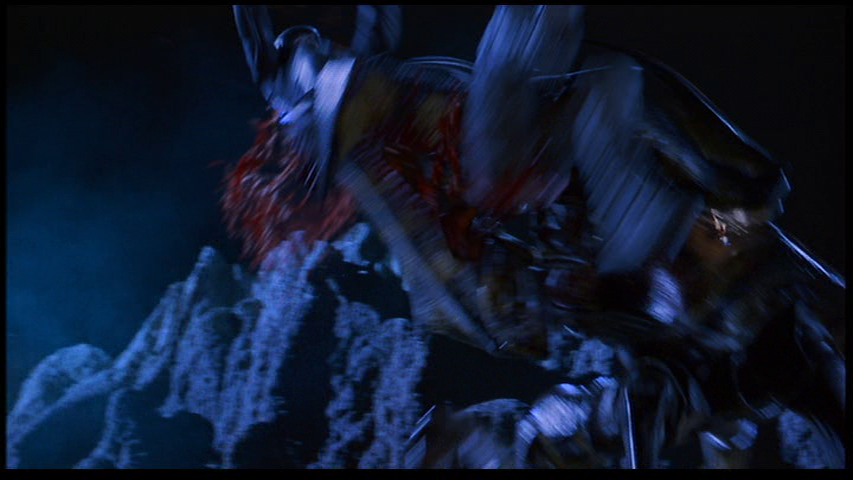
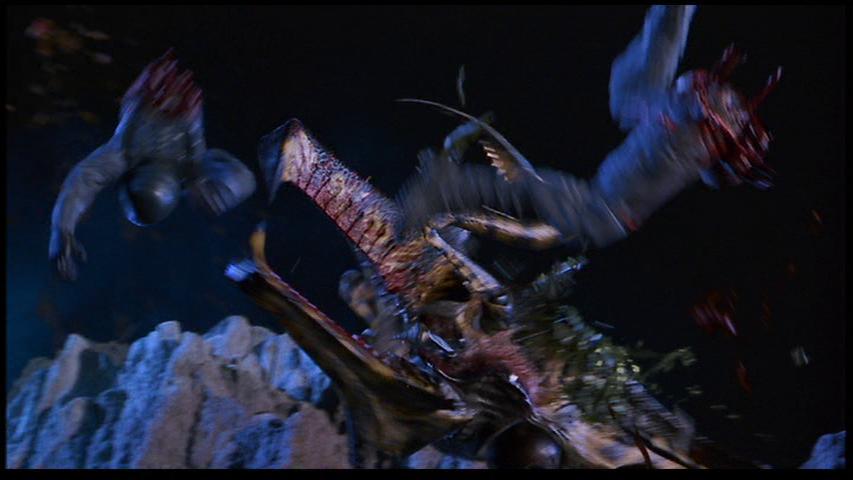
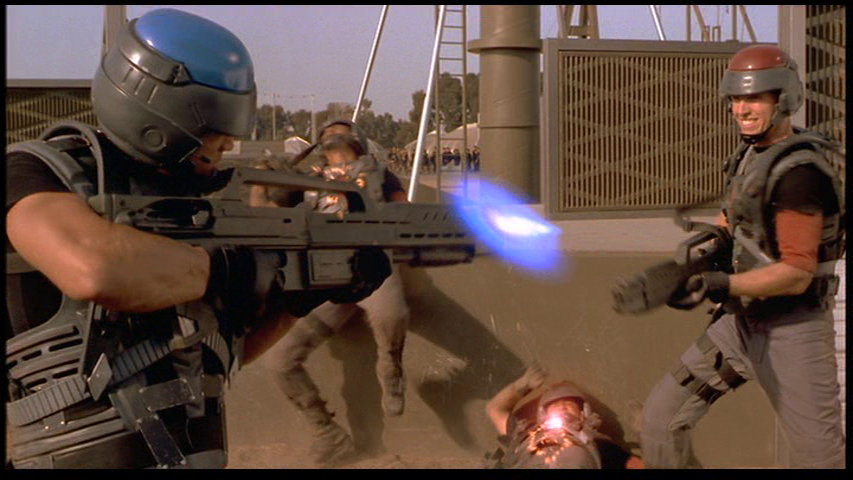
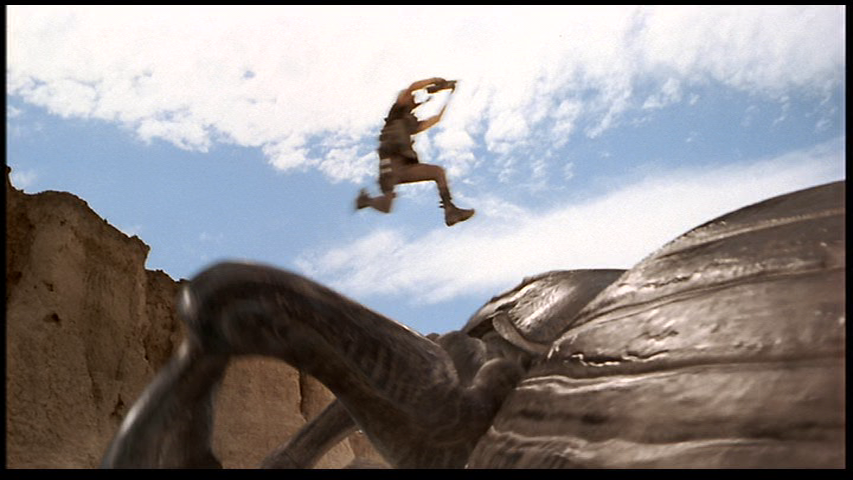
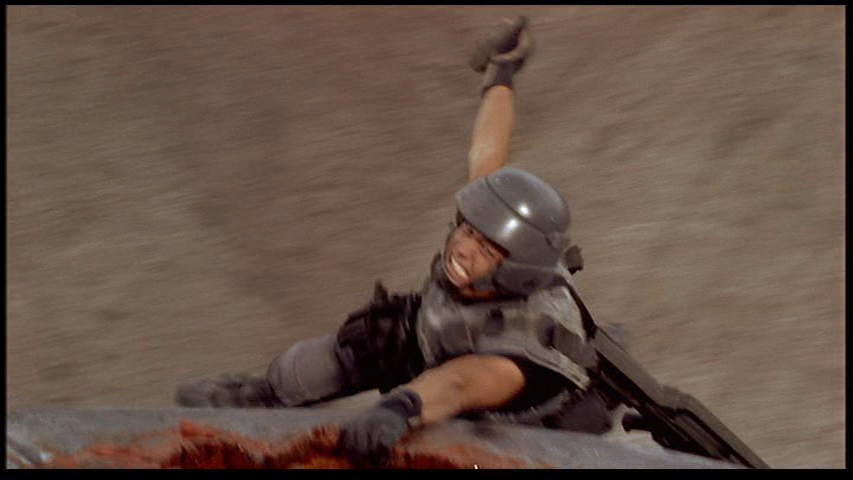
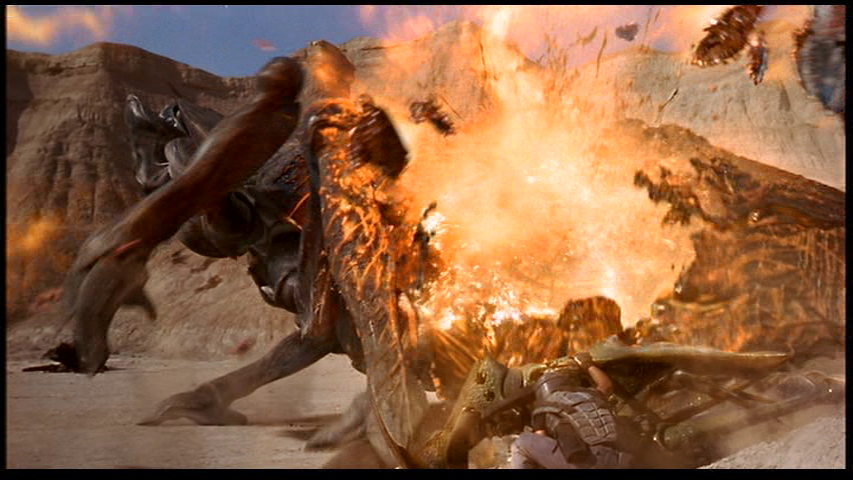
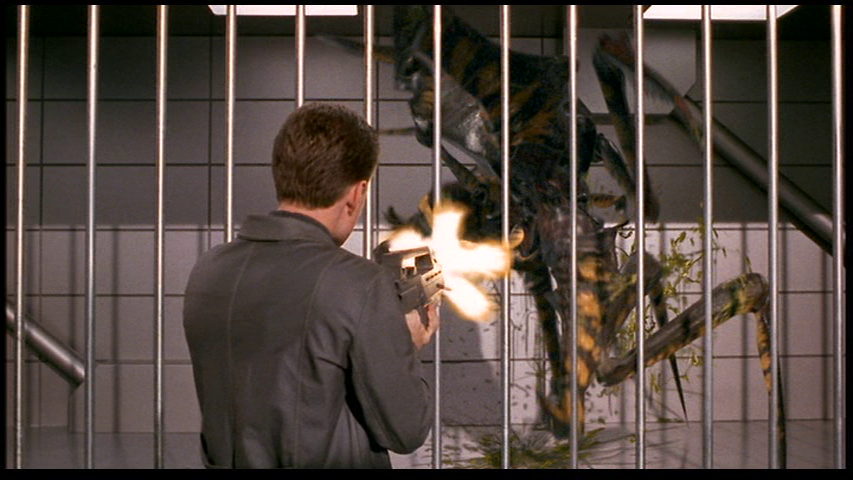
Action sequences like Johnny single-handedly taking out a giant “Tanker” Bug with a grenade:
And endlessly-quotable lines like a panelist on a Crossfire-like program (Timothy McNeil) declaring, “frankly I find the idea of a bug that thinks offensive”:
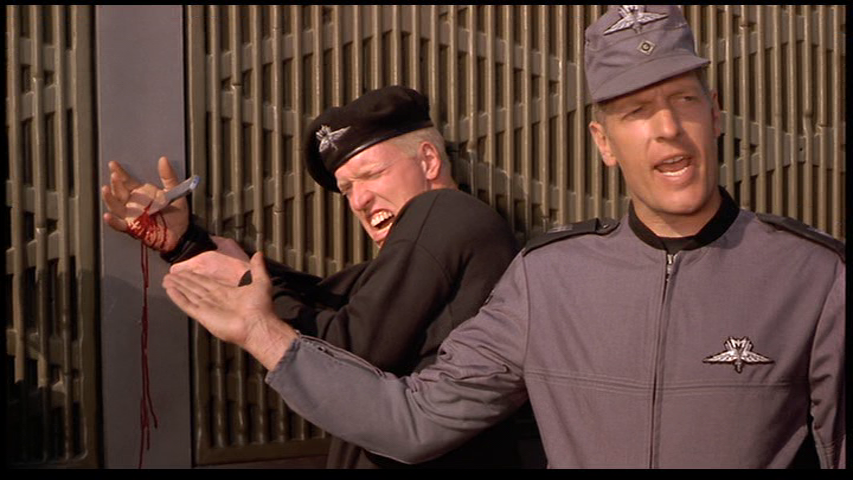
And Sergeant Zim answering a question from Johnny’s skeptical fellow trooper Ace Levy (Jake Busey), about the utility of hand-to-hand combat in an age of nuclear weapons by pinning his hand to a wall with an expertly-thrown knife and declaring, “if you disable the enemy’s hand, he cannot push a button!”
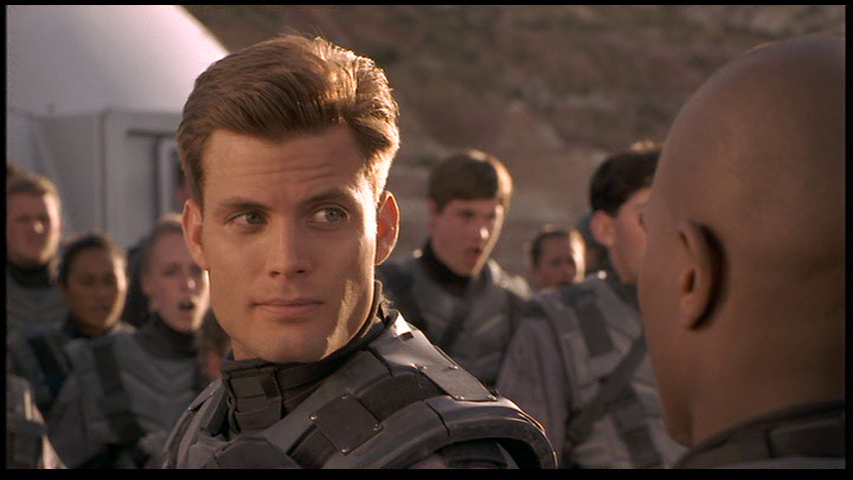
I do, obviously, and that’s why, like Jamelle Bouie, I’m able to read it as an artifact “made by the human government of the film to rally the populace in a losing war against the Bugs” (which a footnote in this 2001 journal article by Lene Hansen indicates was supported by the film’s no-longer-extant late-90s website) or, as O’Hehir suggests, a fable from an alternate universe in which Hitler won. I am genuinely moved by Johnny and Dizzy’s surprise when they discover that their new Lieutenant is their old teacher:
Johnny’s eulogy for Dizzy after she dies in his arms:
And his reaction to hearing his unit described as “Rico’s Roughnecks” for the first time after he assumes command when Rasczak also dies in combat:
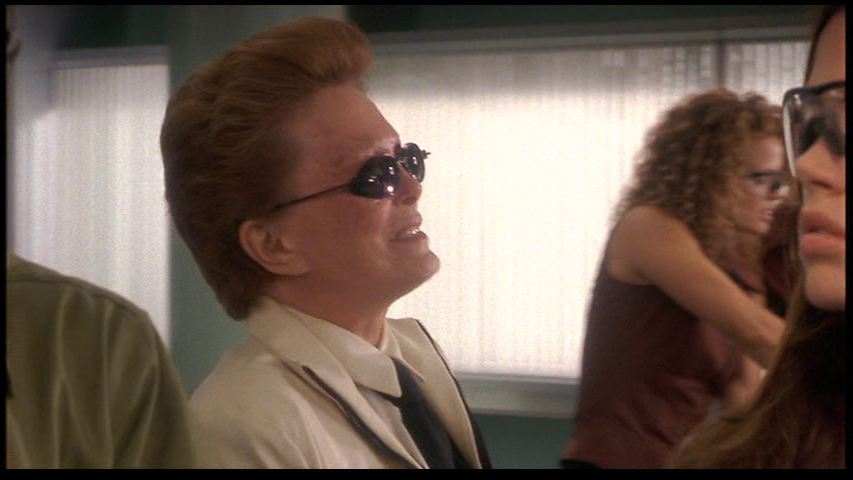
Because I am moved, I am also disturbed; because I am disturbed, I am on my guard against being manipulated by these same techniques in other contexts.
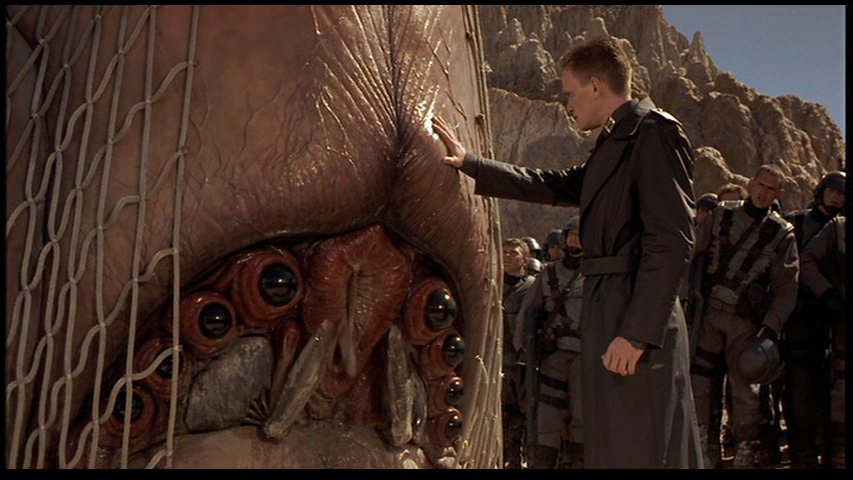
Telotte notes that for all its deviations from the book it’s adapted from, “the film still follows the Heinlein pattern of youthful education, in large part because, the movie implies, we have all become very much like juveniles in the process of being molded by today’s media culture.” This strikes me as similar to Neumeier’s commentary track observation that “Carl has become like an insect here” when the image above of him placing his hand on the “Brain Bug” Sergeant Zim has captured to read its mind appears on the screen. Early in the film, Carmen pushes back against a teacher’s (Rue McClanahan) statement that insects are superior to us in many ways on the grounds that “humans have created art, mathematics, and interstellar travel.”
The rebuttal focuses just on the third item on this list, but as O’Hehir points out, “for all the movie’s humans know, there are arachnid poets greater than Milton.” This is where Starship Troopers *really* starts to get interesting for me. While also still in school, Carl refers to his psychic abilities as “a new stage in human evolution,” which reminds me of two of my previous Drink & a Movie selections: Crimes of the Future, which regards such a possibility in a positive light, and Stalker, which is more circumspect. Neumeier means to criticize Carl by comparing him to an insect, but as Ed Howard observes in a 2009 blog post, his director “focuses equally on the casualties of humans and aliens alike” and “keeps subtly reminding his audience that the aliens are not simply expendable cannon fodder,” for instance in this scene where “Verhoeven’s composition deliberately recalls popular representations of the Pearl Harbor attack and of American napalm bombing raids in Vietnam”:
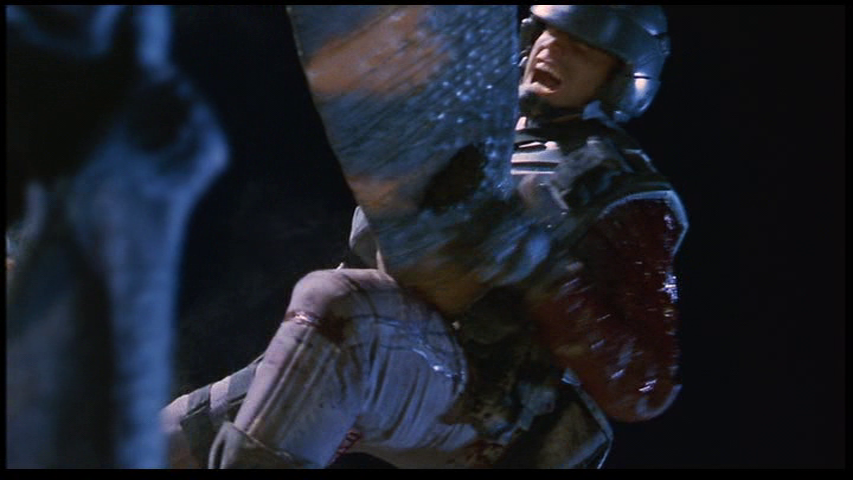
Similarly, although O’Hehir is right that “of course, we’ll root for the human race against a teeming hive of insects,” scenes like this:
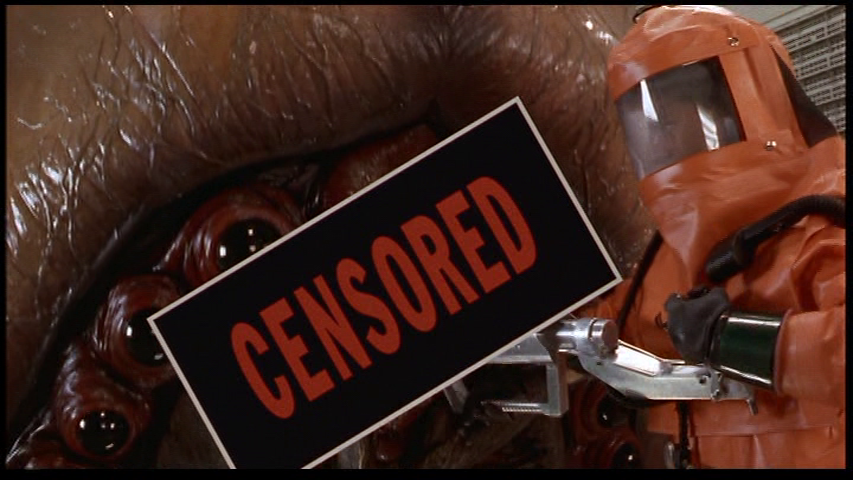
And this:
Nonetheless inarguably constitute torturing prisoners of war, and our species’ reaction to Carl’s triumphant announcement that the captured Brain Bug is afraid is also shameful:
Heinlein obviously intends insect society as a metaphor for America’s Cold War Communist enemies; Neumeier and Verhoeven flip this around and equate the Bugs with fascism. More important than specific ideologies, though, is the universal truth that the harder you try to vilify a supposed enemy, the likelier it is that you will come to embody their “worst” tendencies yourself. Or to quote another movie I saw in high school, 8MM, “if you dance with the devil, the devil don’t change–the devil changes you.”
Cheers!
All original photographs in this post are by Marion Penning, aka My Loving Wife.Links to all of the entries in this series can be found here.

















































 The Prodigal Cinephile