Also in Theaters: In addition to the titles above, I’m also going to try to catch Honey Don’t! at Cinemapolis and The Roses there or at the Regal before they close. The best new movie now playing Ithaca that I’ve already seen remains Highest 2 Lowest, which continues its run at Cinemapolis. I also enjoyed Weapons, which is there and at the Regal; The Fantastic Four: First Steps, The Naked Gun, and Superman, all of which are just at the Regal; and Sorry, Baby, which plays Cornell Cinema (welcome back!) on Friday. Local screenings of 35mm films are sadly become quite rare, so the presentation of a new restoration print of Donnie Darko at Cornell Cinema on Saturday definitely qualifies as a “special events” highlight! Finally, your best bets for repertory fare are the 50th anniversary screenings of Jaws at Cinemapolis and the Regal all week, It Happened One Night at Cornell Cinema on Sunday, and The Dark Knight at the Regal on Tuesday.
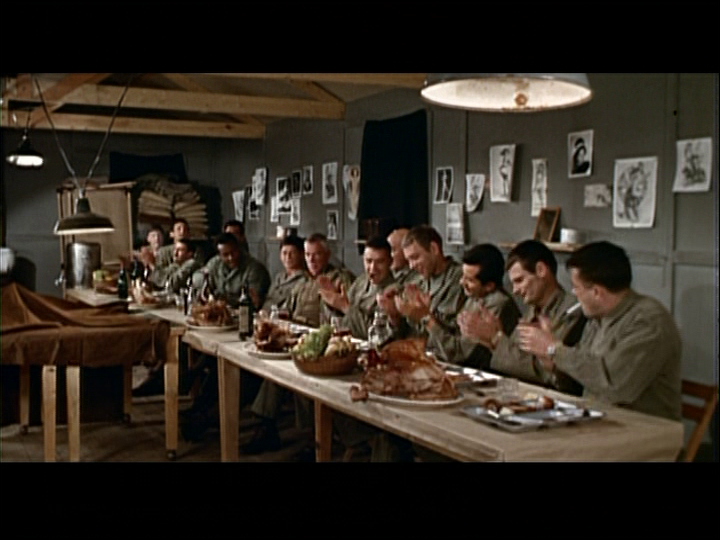
Home Video: If you are drafting a fantasy football team this weekend, consider unwinding afterward the way we did with The Dirty Dozen, which is available on Watch TCM until September 15! I had completely forgotten that I briefly broke down this Last Supper reference back in 2006 until we got to it:
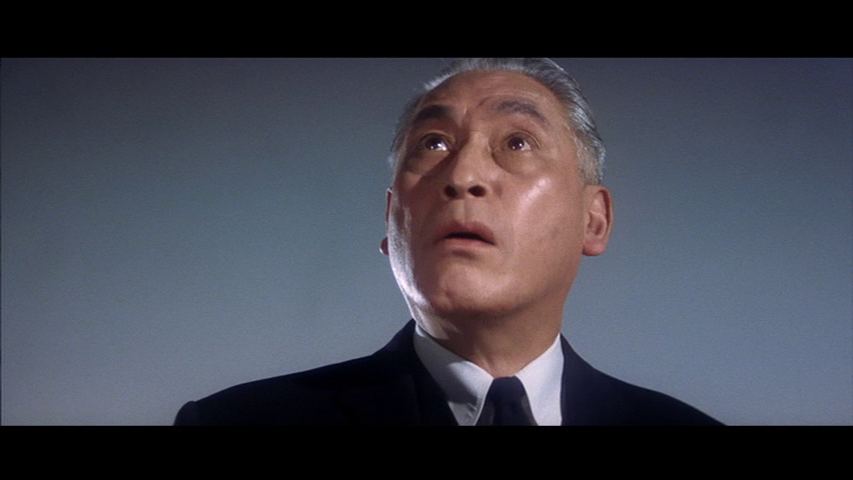
But was glad to be reminded, because although I question my overreliance on reading this as a nod to the mural by Leonardo da Vinci specifically, I think it still contains some good thoughts. First off, the original screengrab is lost to time, but I believe this must be the “joke” I refer to:
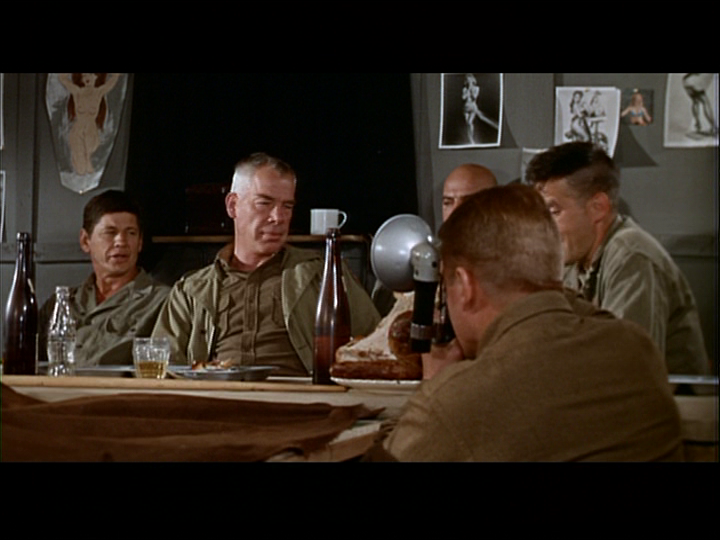
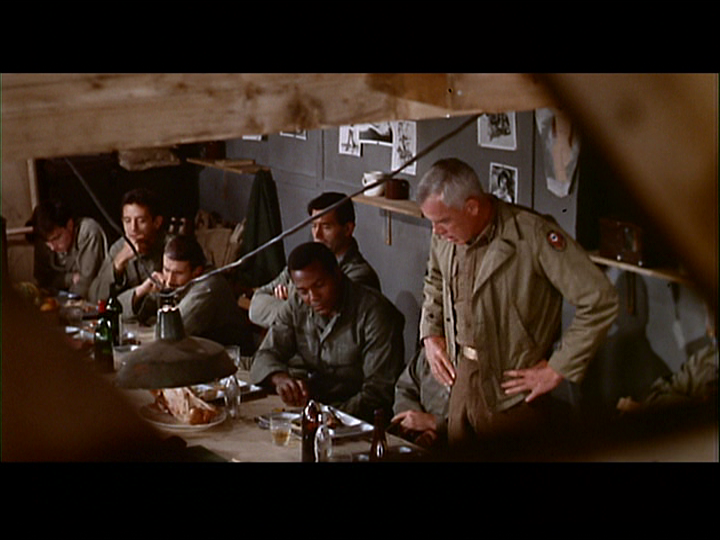
The bit about Telly Savalas’s Maggot not being in the position of Judas is nonsense, but I do like my suggestion that the overhead shots may represent the filmmakers inserting themselves into the scene, especially in the context of an observation in one of my loving wife’s old art history textbooks about Tintoretto’s Last Supper, which like Robert Aldrich’s sets the table at a diagonal, that it “used two internal light sources: one real, the other supernatural.” I wonder if this is meant to make us conscious of the presence of studio lights:
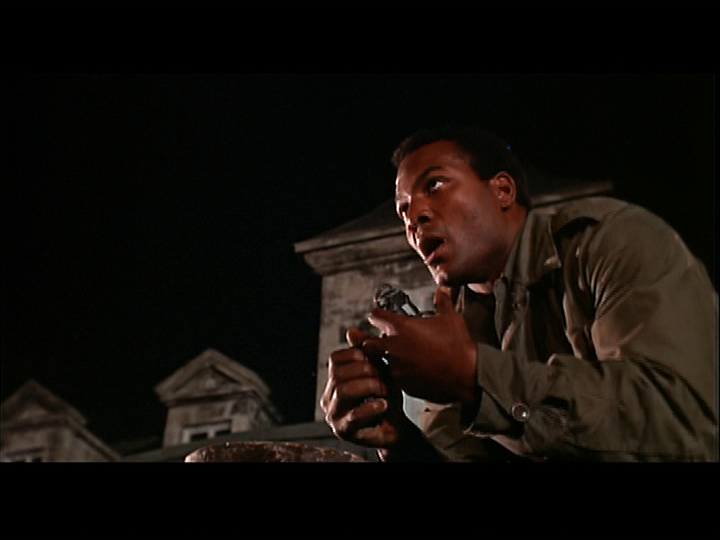
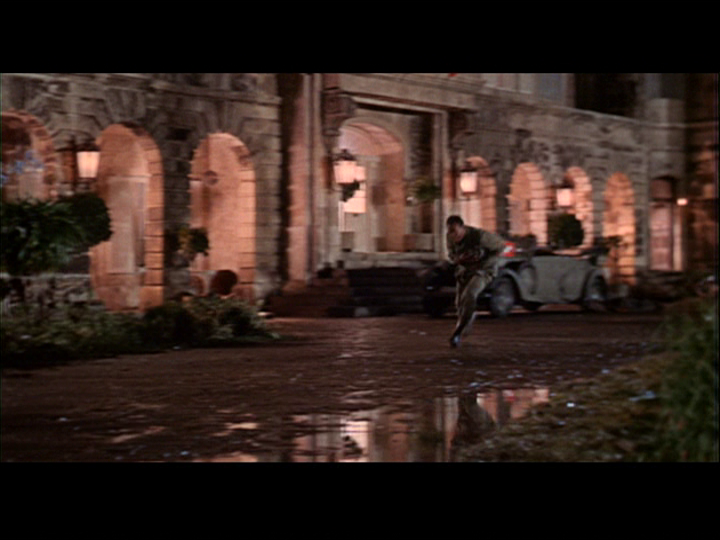
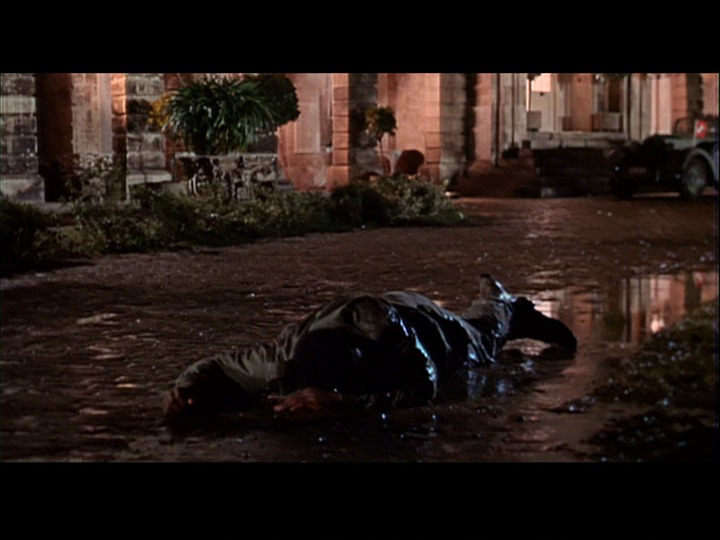
I could write a whole post on the results-oriented leadership style of Lee Marvin’s Major John Reisman in the face of orders from a “someone up there” (another possible reading of the previous image) who is “a raving lunatic,” but it might get me in trouble at work if misinterpreted, so instead I’ll note that the film’s position on capital punishment echoes those of the texts I wrote about in my July, 2025 Drink & a Movie blog post. And, right: football! The connection there is of course running back-cum-actor Jim Brown’s dramatic death scene at the end a heroic first down-length dash through enemy gunfire:
I concede that I may have overstated my case a tiny bit by calling it “the rare World War II film not afraid to acknowledge the sins that we the victors conveniently leave out of most of the rest of our official histories” on Letterboxd, considering that it’s obviously really about Vietnam, but this absolutely is still one of my favorite examples of that genre.
Previous “Ithaca Film Journal” posts canbe found here.A running list ofall of my “Home Video” recommendations can be found here.
We planted red shiso in our herb garden a couple of years ago as a novelty. It unexpectedly came back the following spring and basically took over, which we soon discovered poses a bit of a challenge because it has such a distinctive color and flavor that most recipes you find it in use only a small quantity, so it’s hard to dispatch in bulk. Luckily, although it still pops up all over our yard, the amount competing for space with other edible plants is now more or less under control and it has returned to being a valued occasional guest on our summer meal plans in dishes like Marc Matsumoto’s twist on capellini pomodoro and as one of the “fresh tender herbs” in our house salad dressing, Food & Wine magazine’s whole lemon vinaigrette.
Like the mint we also grow, though, the place it really shines is a drink component and garnish. Our favorite such beverage is the Shady Lane from Brad Thomas Parsons’ Bitters book, which has long been part of our home mixology library but somehow hasn’t yet made an appearance on this blog. Here’s how to make it:
1 1/2 ozs. Gin (Roku) 3/4 oz. Lillet Rouge 1/2 oz. Blackberry-lime syrup 1/2 oz. Lime juice 2 dashes Scrappy’s Lime bitters 3 Blackberries, plus more for a garnish 3 Shiso leaves, plus more for a garnish Club soda
Make the blackberry-lime syrup by combining one cup of blackberries with one cup each of sugar and water and the zest of two limes and bring to a simmer, stirring occasionally and mashing the berries with a wooden spoon. Remove from heat, cool completely, and strain, reserving the solids. To make the cocktail, muddle the blackberries and shiso leaves in the bottom of a shaker with the syrup. Add ice and all of the other ingredients except the club soda and shake, then strain into a chilled rocks glass. Top with club soda and garnish with additional blackberries and a shiso leaf.
First off, despite what Parsons says, DO NOT DISCARD THE SOLIDS AFTER MAKING THE SYRUP: hey are absolutely delicious with yogurt and granola! Shiso is a difficult flavor to describe to people not already familiar with it. Writing for the New York Times in 1995, Mark Bittman went with “it has a mysterious, bright taste that reminds people of mint, basil, tarragon, cilantro, cinnamon, anise or the smell of a mountain meadow after a rainstorm,” which, sure, I guess, but the quote by Jean-Georges Vongerichten four paragraphs later also gets the job done: “I like it a lot.” Whichever way you want it, that’s what dominates the first sip of a Shady Lane, but this immediately slides gracefully into dark fruit, lime zest, and juniper. The drink’s balance is absolutely perfect–it doesn’t register as particularly sweet or tart–and the effervescence from the club soda and spiciness of the Japanese gin make it a great summer sipper. Parsons explains that he named this concoction after the classic Pavement song, so it would be a great choice to pair with the film about them that recently debuted on Mubi, but its brilliant purple hue reminded me of the garish colors of Tokyo Drifter, so that’s what we’re going with. Here’s a picture of my Criterion Collection DVD copy:
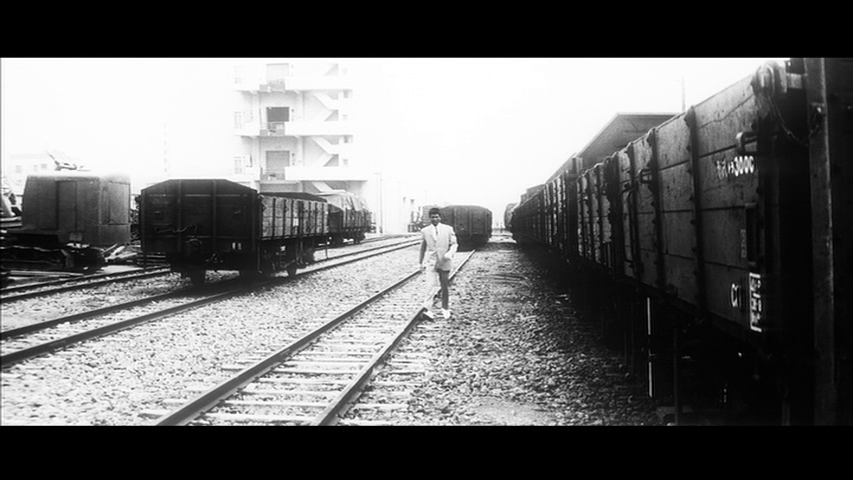
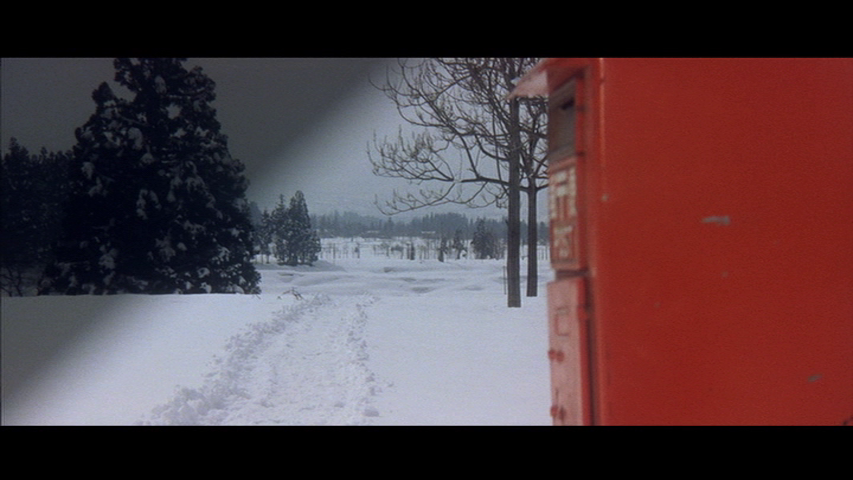
As Tom Vick writes in his book Time and Place are Nonsense: The Films of Seijun Suzuki, “Tokyo Drifter begins with a gesture more at home in experimental than commercial cinema: grainy, high-contrast, black-and-white opening scenes that were shot on expired film stock.” A man wearing a light-colored suit with white shoes and gloves walks toward the camera along a railroad track:
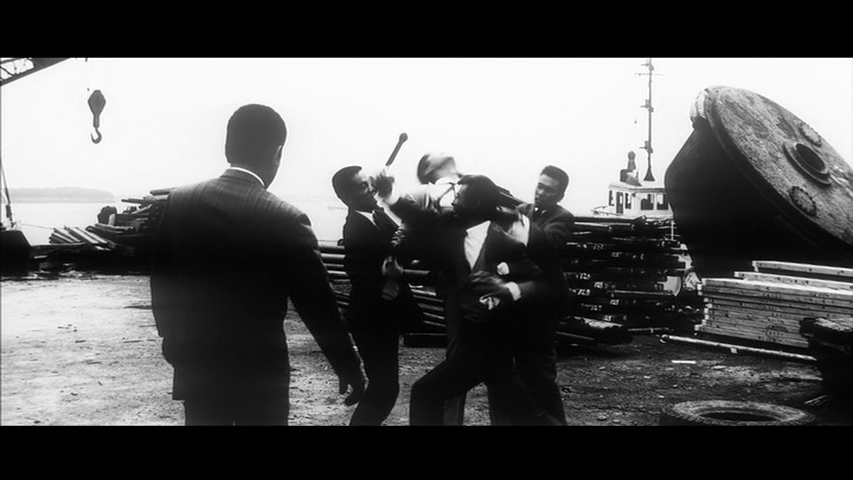
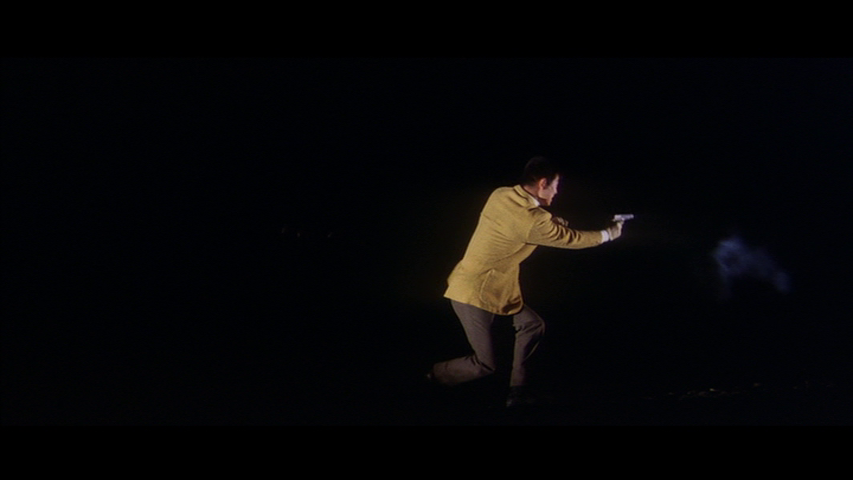
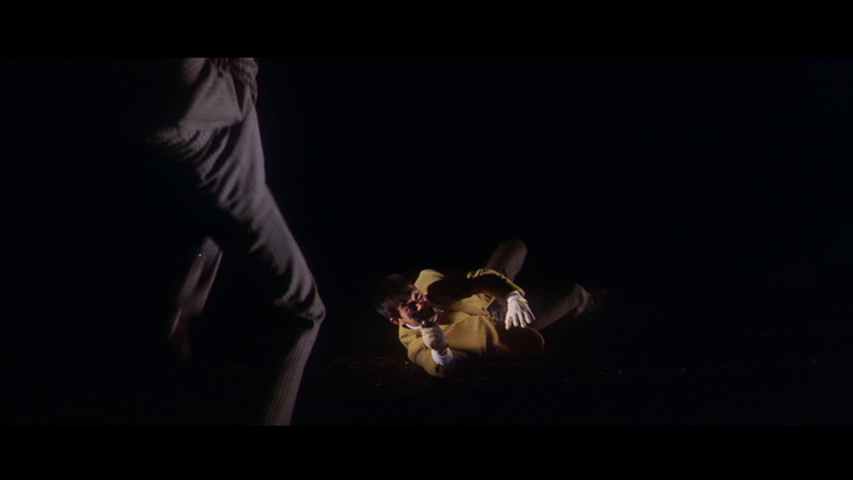
He is “Phoenix” Tetsu (Tetsuya Watari) and until recently none dared mess with him or his yakuza boss Kurata (Ryûji Kita). They’ve gone straight, though, and Kurata’s rival Otsuka (Eimei Esumi) has decided to test Tetsu’s resolve by ambushing him:
Otsuka watches from a nearby car:
And predicts that Tetsu will “get knocked down three times, then rise up like a hurricane” in a voiceover that accompanies the brief color fantasy sequence that Criterion chose as the basis for their cover art:
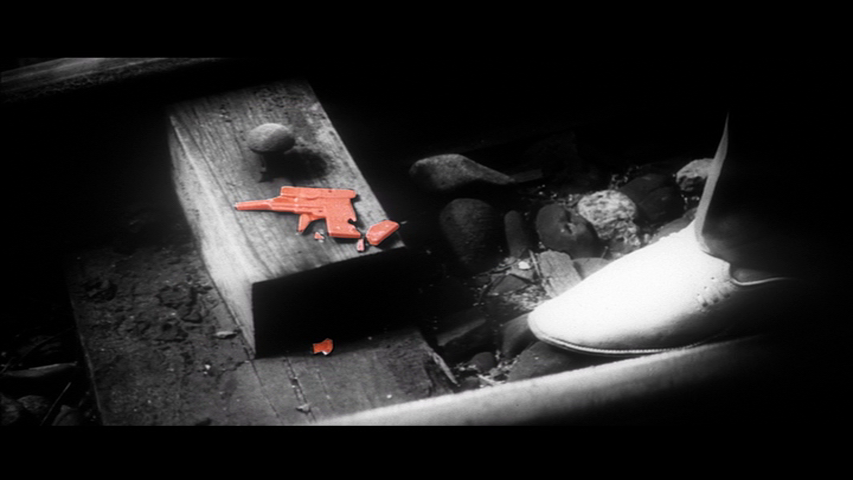
But when Tetsu stubbornly refuses to fight back he says, “I see. So we can do anything we want.” The sequence ends with another splash of color when Tetsu, having staggered to his feet after his beating, looks down and spies a broken gun which is obviously a prop and glows red against a monochrome background:
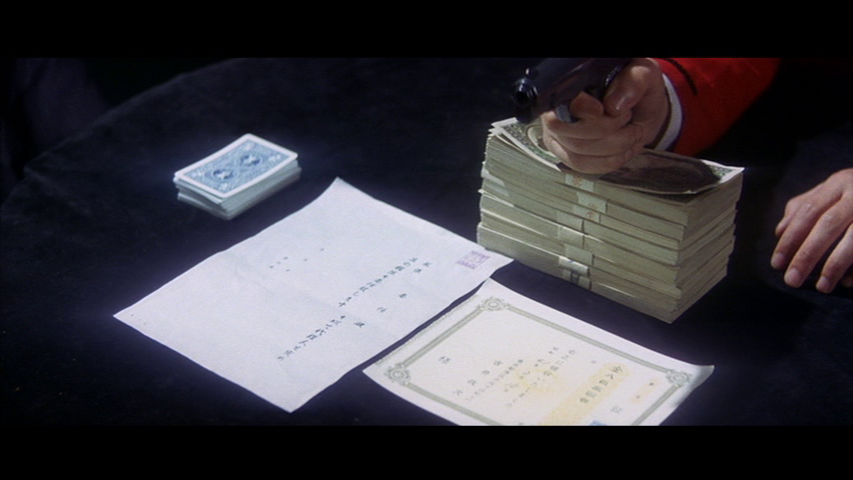
Which Peter Yacavone contends “promotes a consciousness of cliché” in his book Negative, Nonsensical, and Non-Conformist: The Films of Suzuki Seijun. Whatever Otsuka wants turns out to be stealing a building from Kurata by forcing his business partner Yoshii (Michio Hino) to sign a sizeable debt over to him at gunpoint:
Then shooting him:
Tetsu arrives moments too late to help:
And is knocked out in the skirmish that follows:
He revives in time to save Kurata from signing over the building to Otsuka:
But not before Kurata accidentally kills Yoshii’s secretary Mutsuko (Tomoko Hamakawa) while trying to shoot Otsuka:
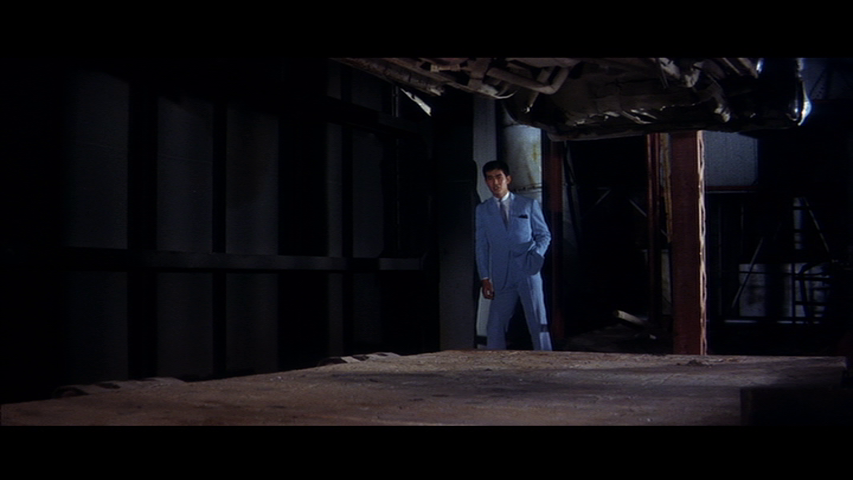
Tetsu confronts Otsuka’s henchman Tatsu “the Viper” (Tamio Kawachi) in a junkyard sequence that includes a largely gratuitous depiction of a car being demolished:
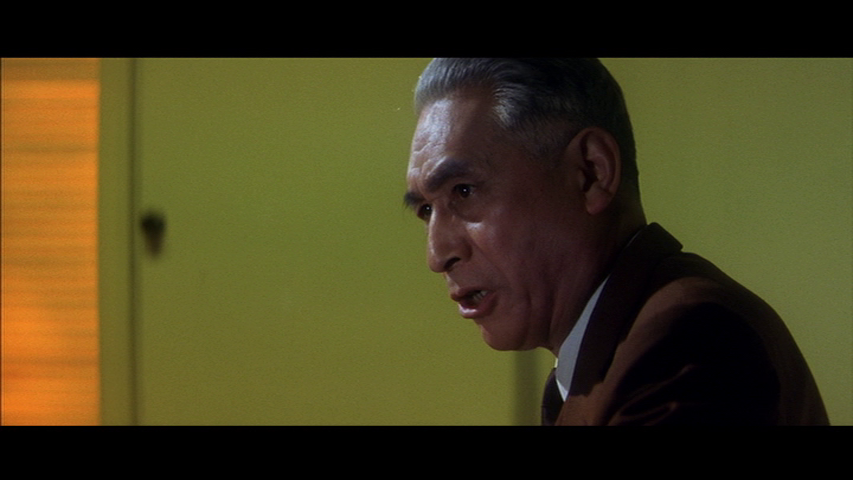
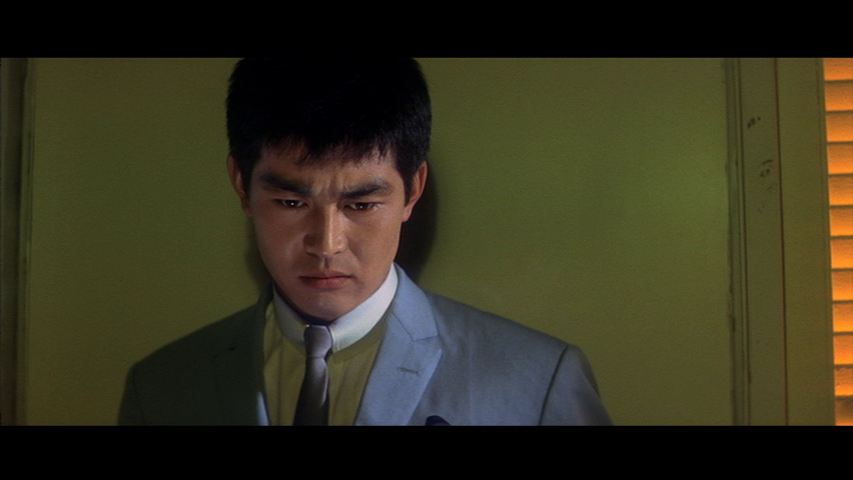
Tetsu informs Tatsu that he intends to take the rap for Mutsuko’s murder should Otsuka attempt to finger his boss, and that if he is arrested he’ll let the police know who killed Yoshii. Otsuka responds by sending an emissary to Kurata to propose a trade: if he hands over Tetsu, they’ll return the deed to his building. He refuses:
And moved by his gesture, Tetsu, who overheard the conversation, decides to leave town:
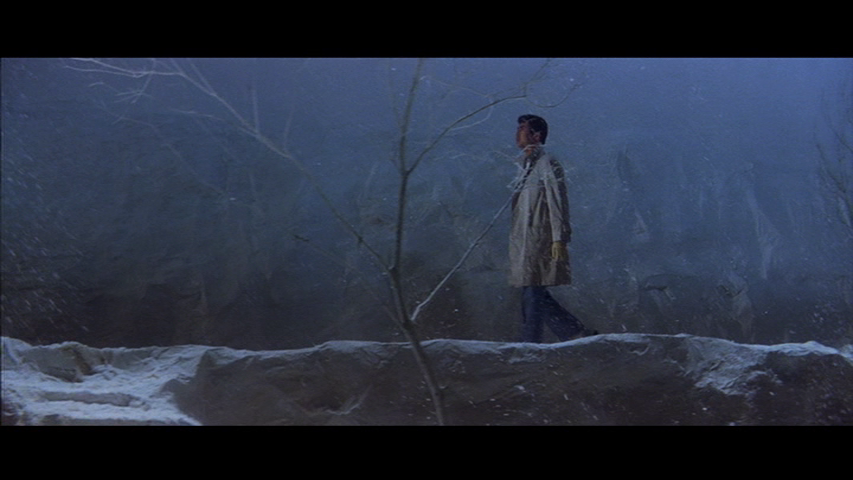
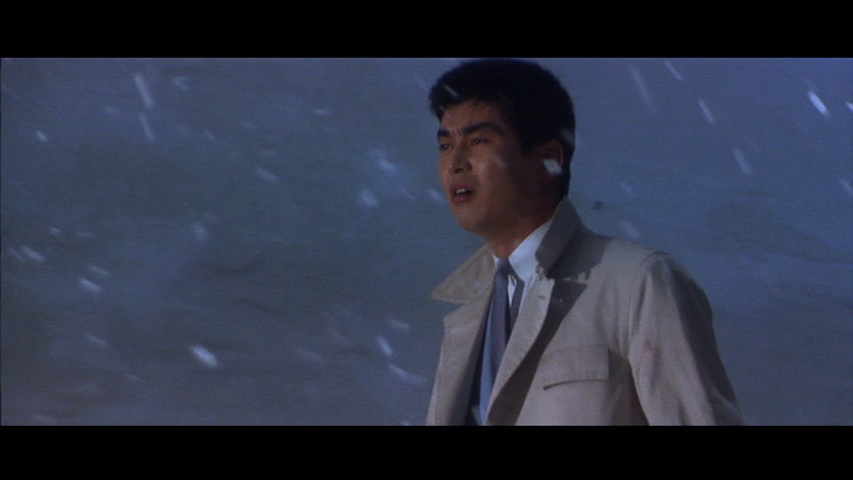
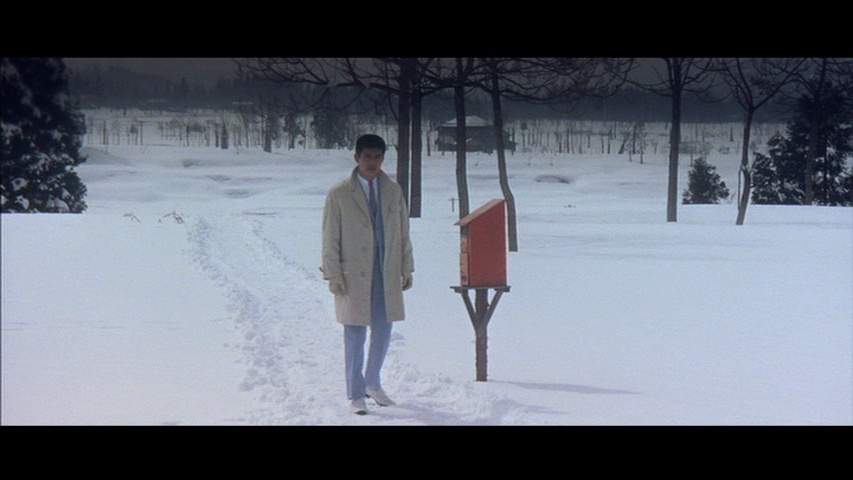
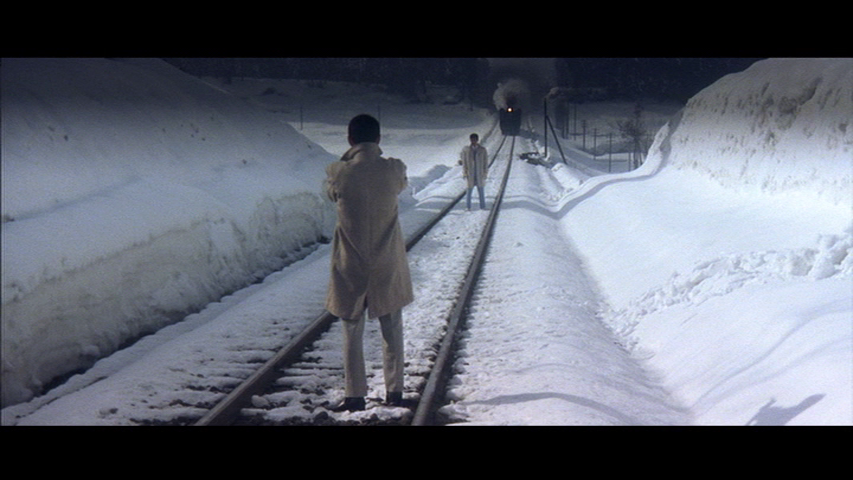
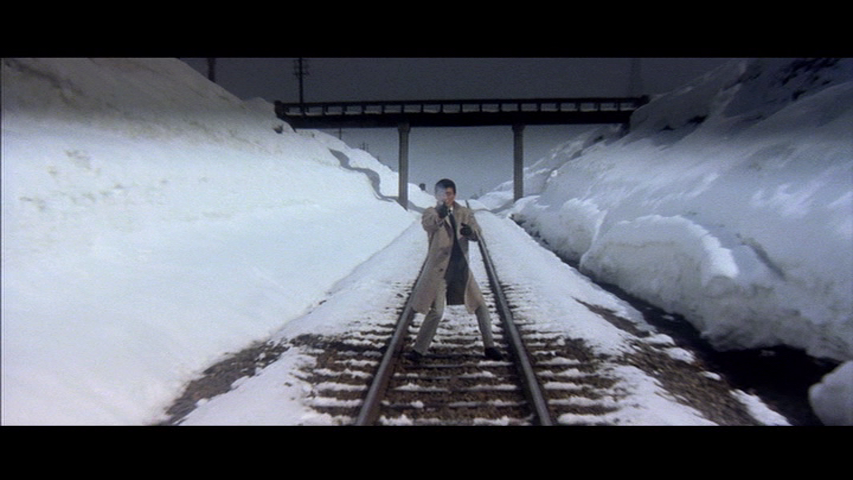
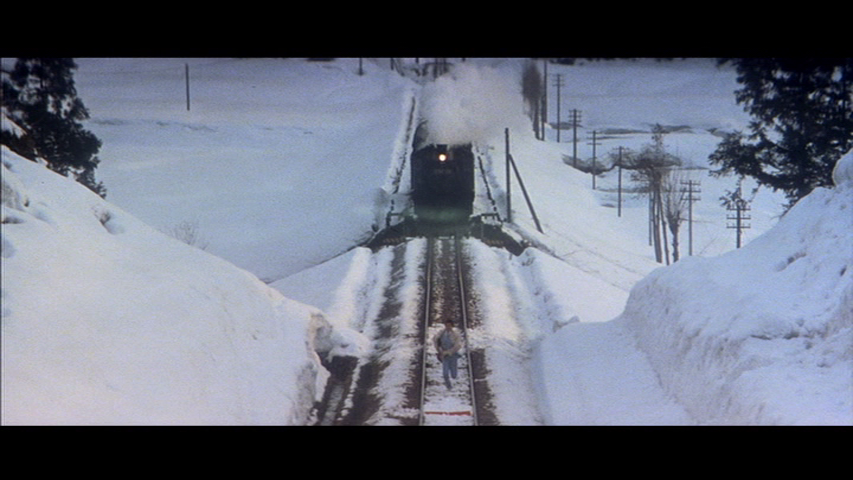
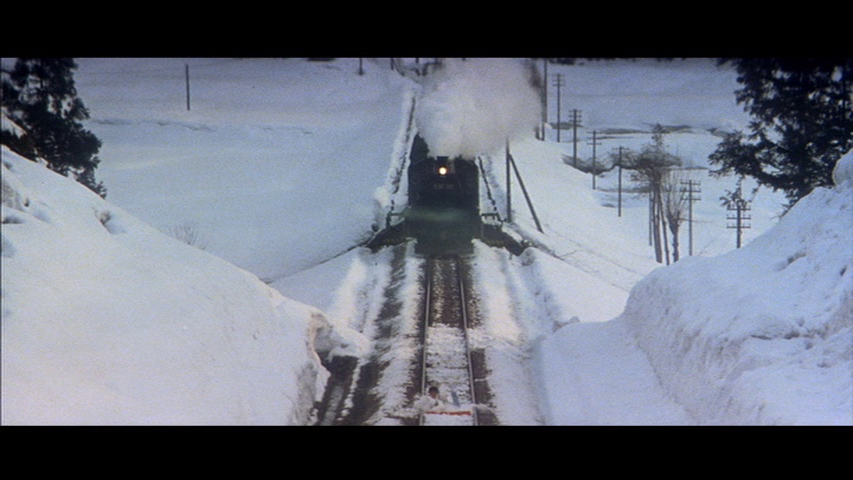
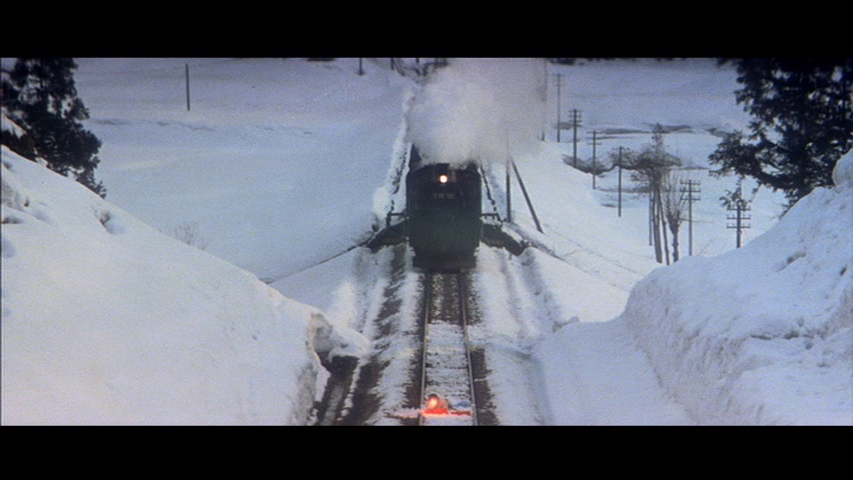
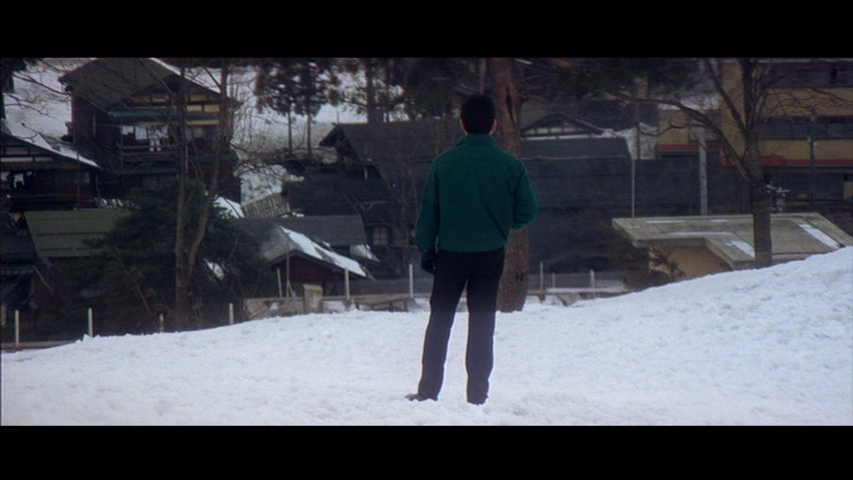
Tony Rayns, writing in the book Branded to Thrill: The Delirious Cinema of Suzuki Seijun, argues that “the ultimate fascination of Tokyo Drifter is that despite the apparently wilful ‘deconstruction’ of the genre, it none the less works as a thriller.” One great example of both parts of this proposition is a duel fought in front of a train speeding down on the combatants shortly after Tetsu arrives in Shonai, home of one of Kurata’s allies, with Otsuka’s men hot on his heels. When they attack he signals his presence by again singing the film’s theme song as he walks through the snow:
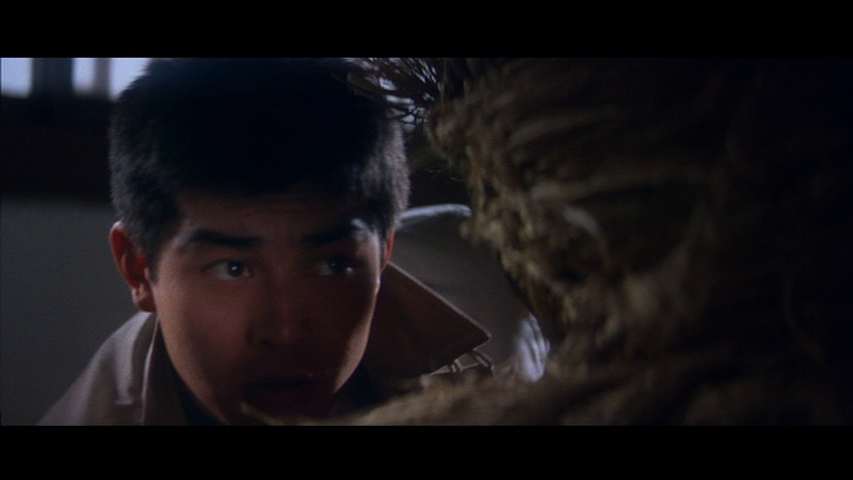
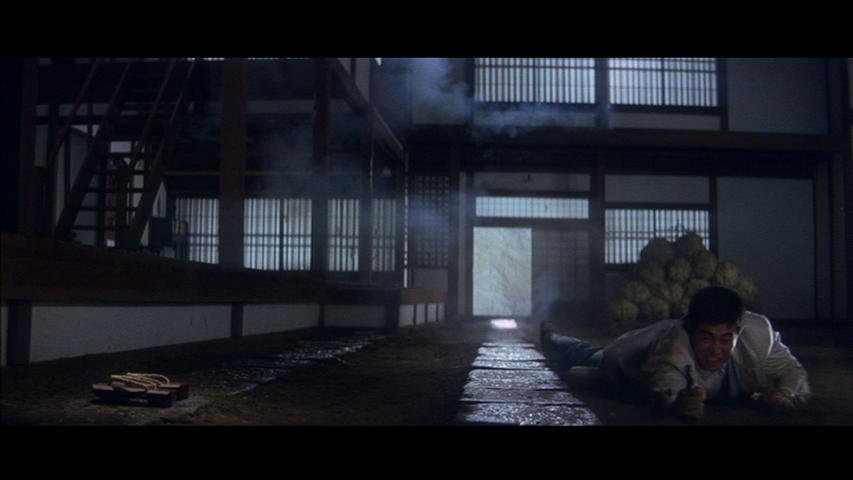
Then joins the fray. As he takes cover behind some bales of hay, voiceover narration signals his thoughts: “my range is under ten yards.”
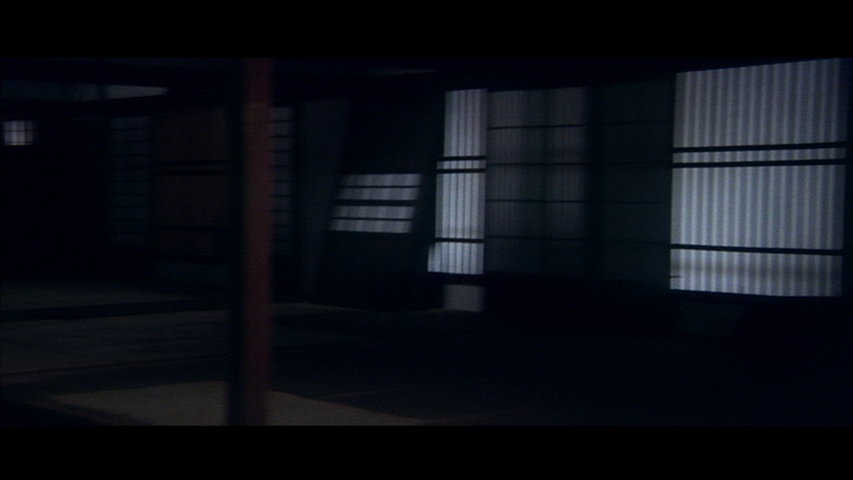
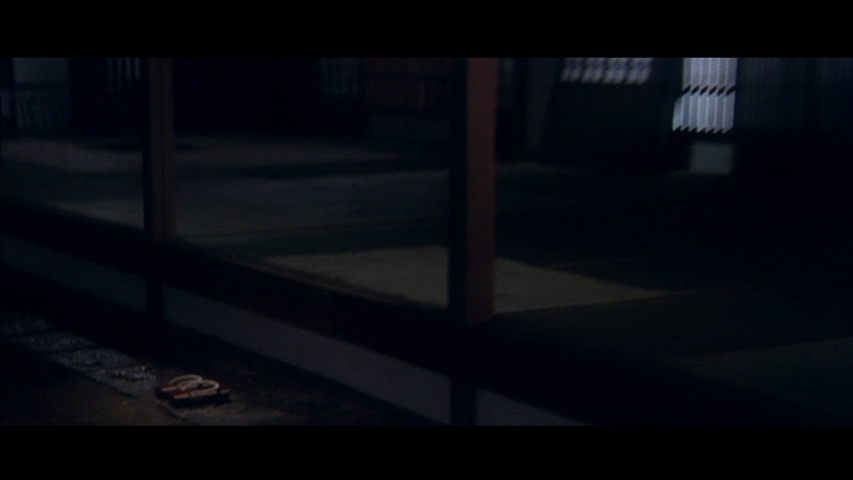
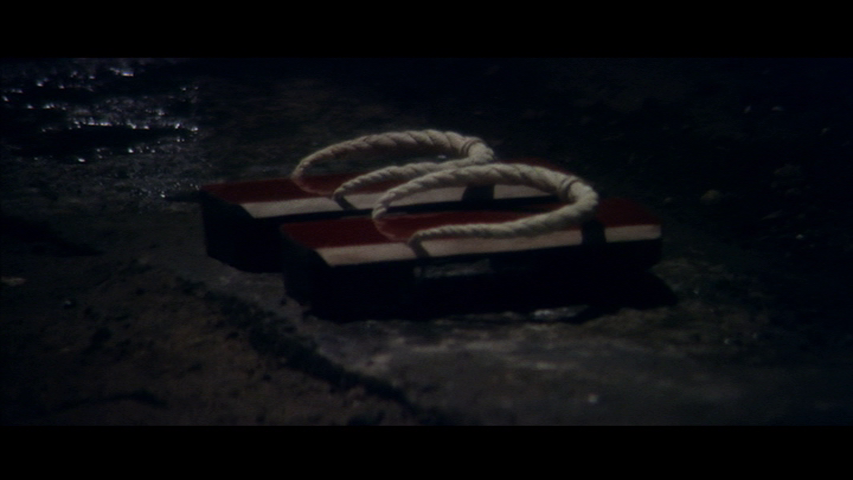
Suddenly, he spots a pair of geta in a shaky cam POV shot:
The idea, of course, is that they are ten yards away from Tetsu’s enemies, which explains why he leaps toward them moments later:
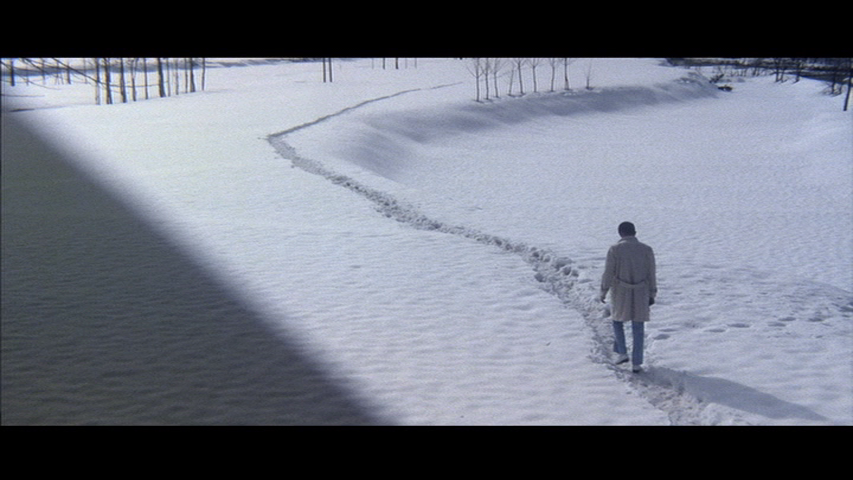
Fast forward to the next scene. It begins with Tetsu trudging through a field covered in snow, which cinematographer Shigeyoshi Mine and production designer Takeo Kimura identify as the movie’s true protagonist in a delightful anecdote about an alcohol-fueled creative session by director Seijun Suzuki that I’m grateful to Vick for including in Time and Place are Nonsense:
Kimura has confidence in Mine’s talent, with whom he is able to create an image like a sumi-e [a traditional ink-wash painting]. But the characters of the two men do not harmonize well. Mine is impulsive, Kimura is complex. One trait they have in common is that they are both egotists. … When they are drinking sake, their ego emerges with greater force. …They discuss the photography of [Tokyo Drifter], in which the snow is the protagonist of the story. I’m being canny. I wait until they stop arguing. Sometimes they turn to me, but I don’t respond, because for me it is enough to decide at the time when the camera has to be set up. The snow already has provoked something in these men, whichever image of the snow will eventually transpire.
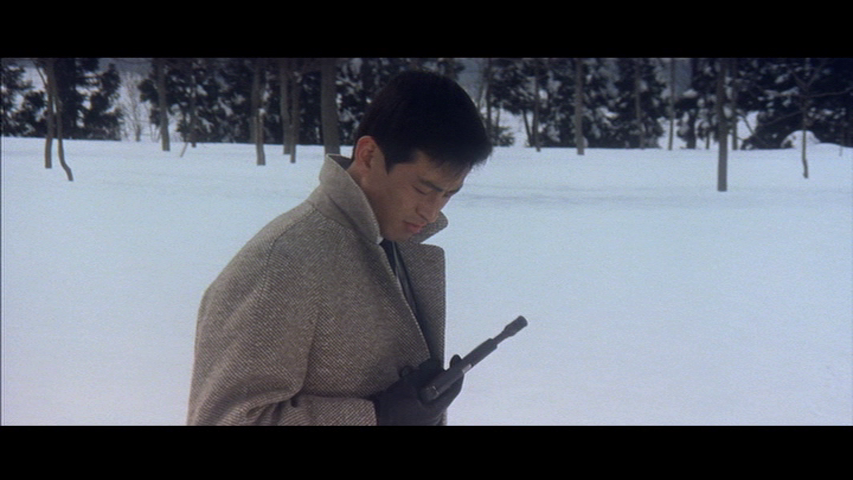
Anyway, as Tetsu walks he realizes he’s being followed:
No explanation is offered for either the way he vanishes from his pursuer Tatsu’s sight in between shots or the apparently nondiegetic triangular shadow that appears at the same time:
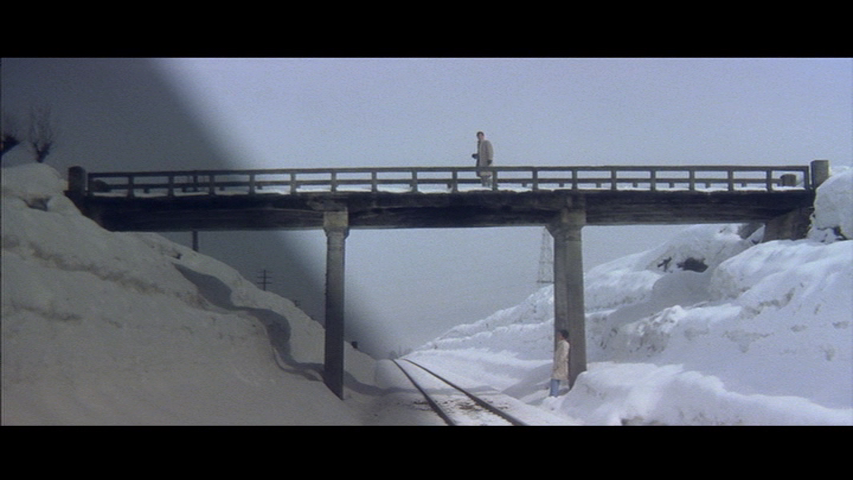
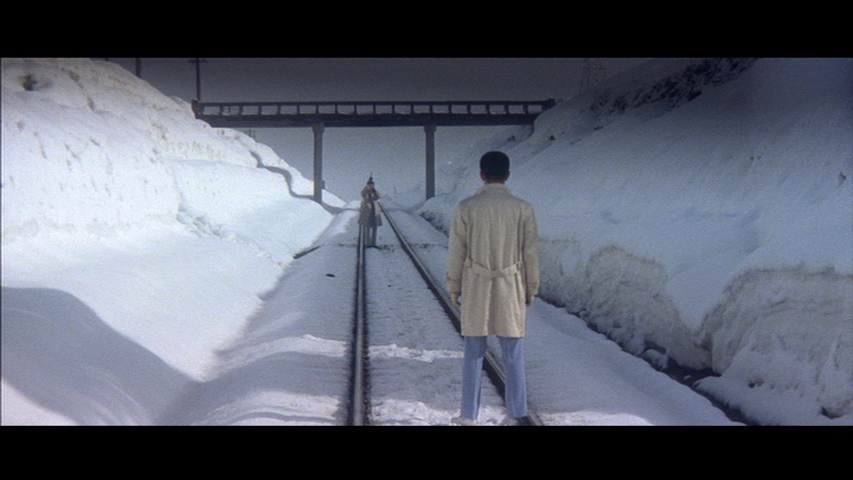
But the next thing we know Tetsu has gone from prey to predator and awaits Tatsu under a bridge:
There’s a close-up of Tatsu standing in front of a railway signal:
Followed by one of a train:
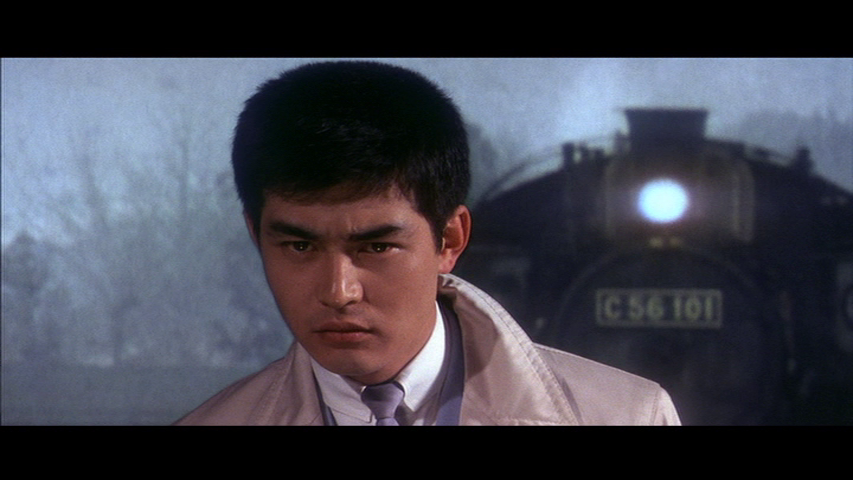
And suddenly the Viper is aiming his gun at the Phoenix:
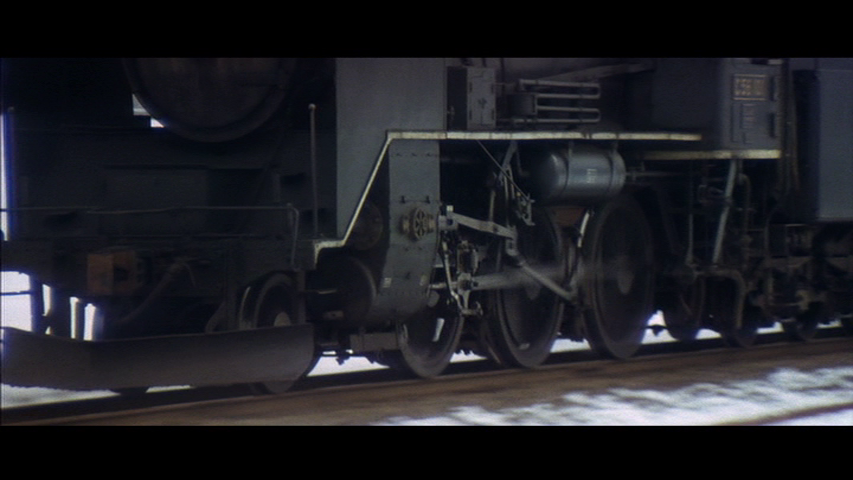
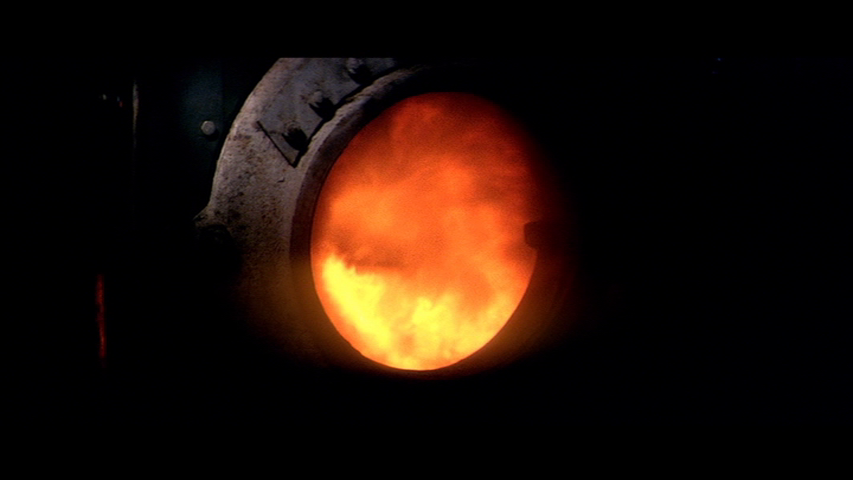
In quick succession there’s a close-up of Tatsu, followed by one of Tetsu, followed by a shot of a steam engine’s boiler:
Still Tatsu waits:
As the train continues to draw closer to Tetsu, Suzuki switches to wonderfully artificial-looking back projection:
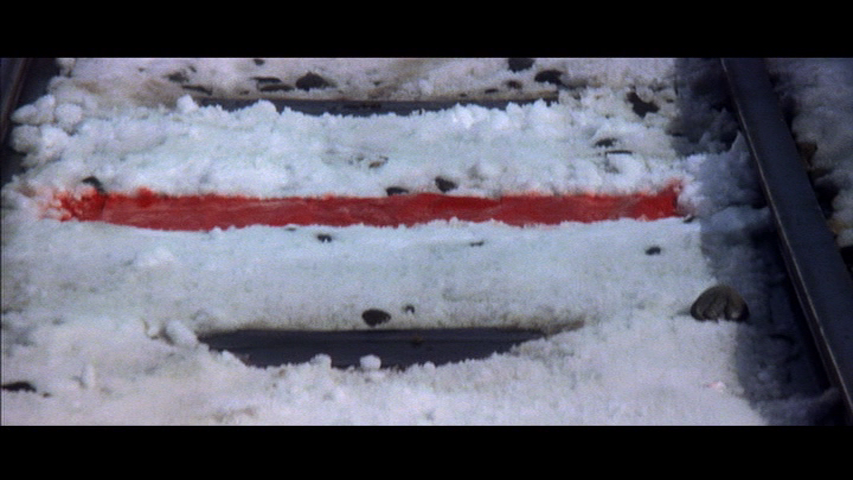
Cut to a POV shot from Tetsu’s perspective as he counts railway ties: “15 yards, 14, 13, 12 . . . 10.” The end of the list is marked by a red line in the snow defining what we learned earlier is the limit of his range:
As Tetsu makes his move, Tatsu finally starts to fire:
Tetsu runs toward him and dives to the ground, shooting back:
Cut first to close-up of the train, then to a long shot of Tetsu walking away, apparently having won:
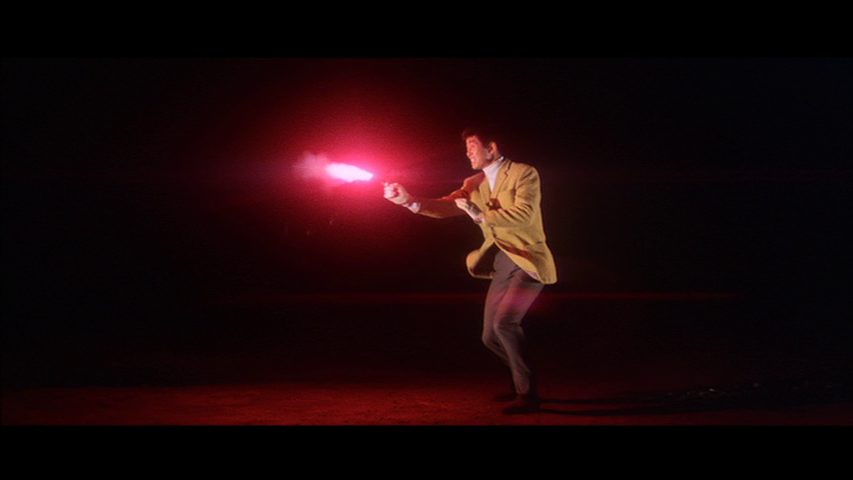
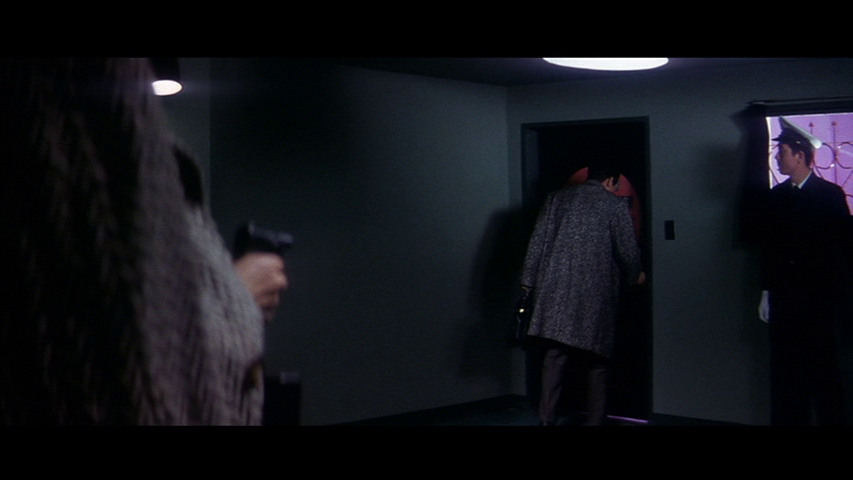
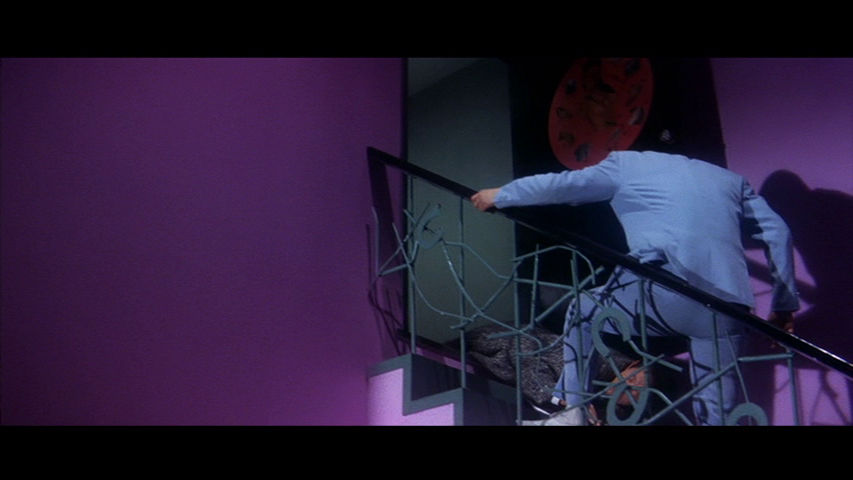
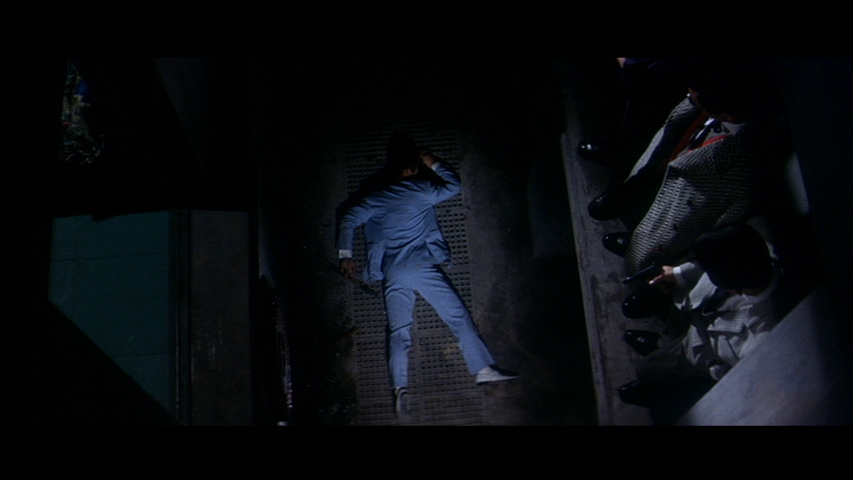
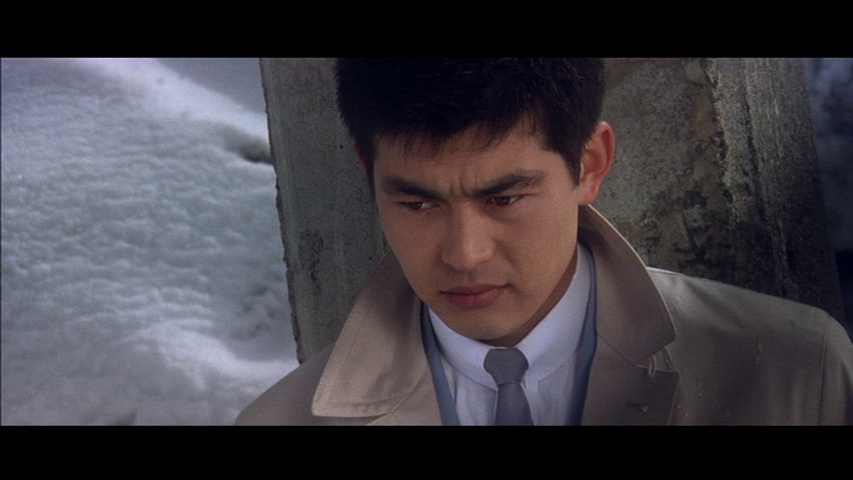
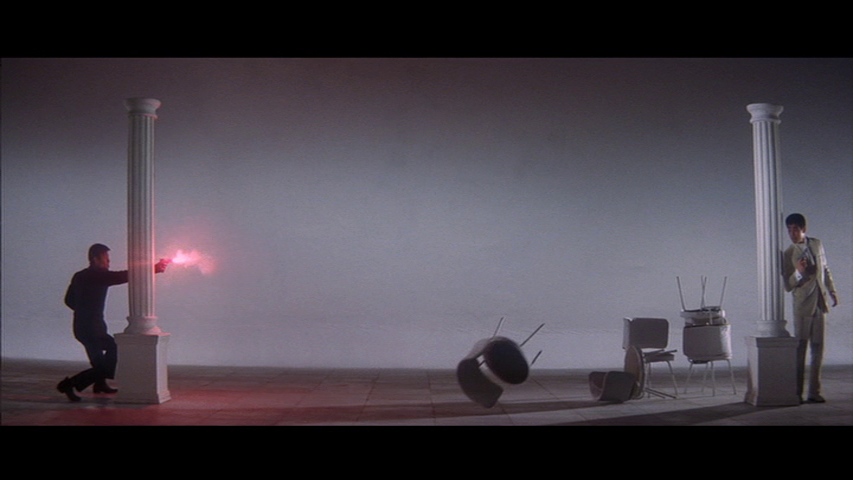
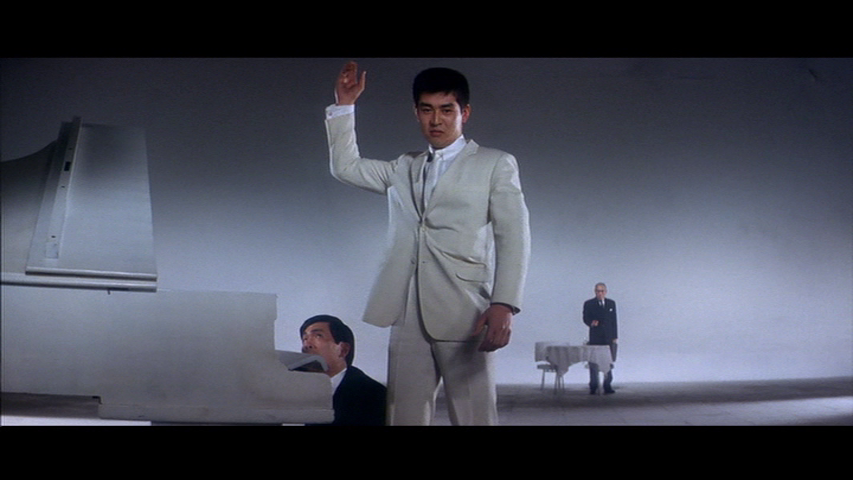
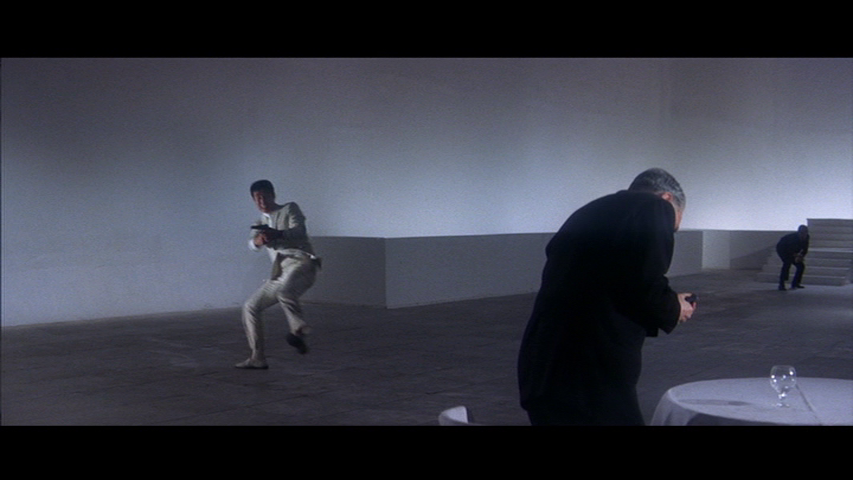
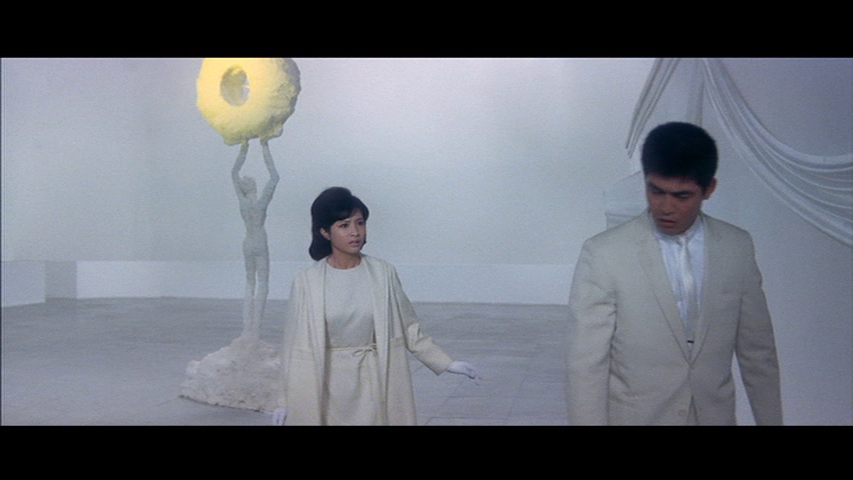
Yacavone writes that this all “plays like deliberately orchestrated nonsense,” but also concedes that it’s “exciting on its own terms,” which I think is basically the same thing Rayns is saying and goes double for Tokyo Drifter‘s highly-stylized climactic shootout. It follows Kurata betraying Tetsu in the scene that most directly inspired this month’s drink photo:
And features the latter first taking cover behind a slim column:
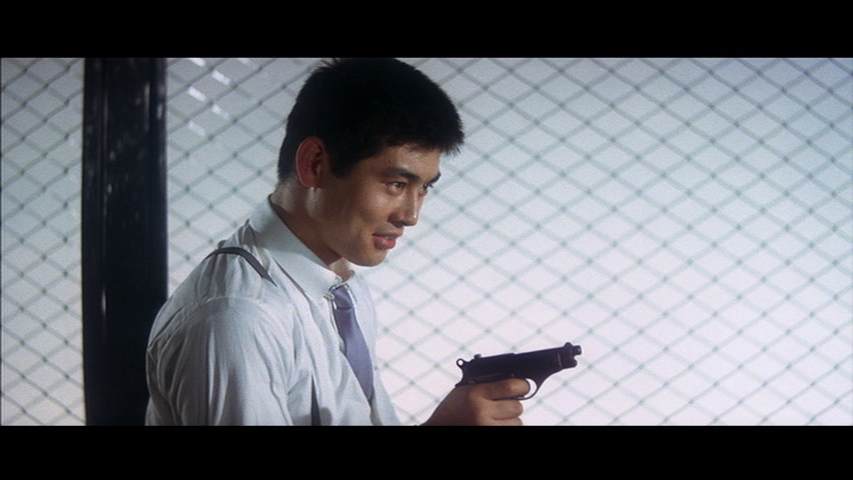
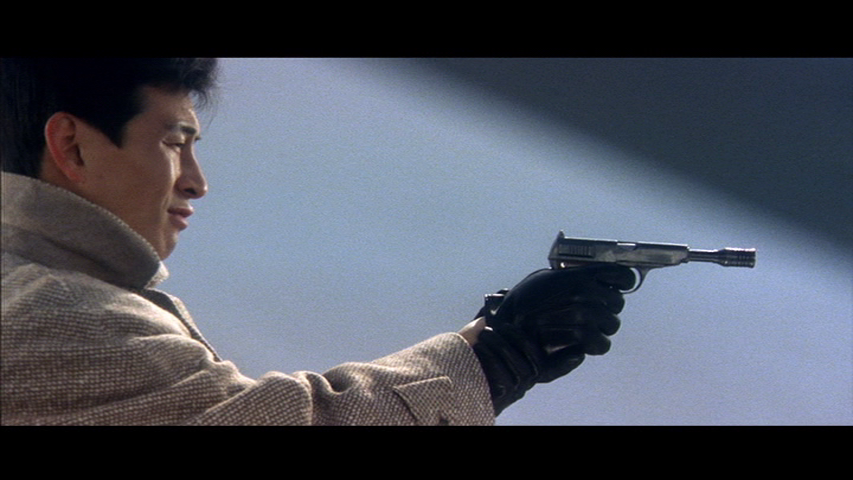
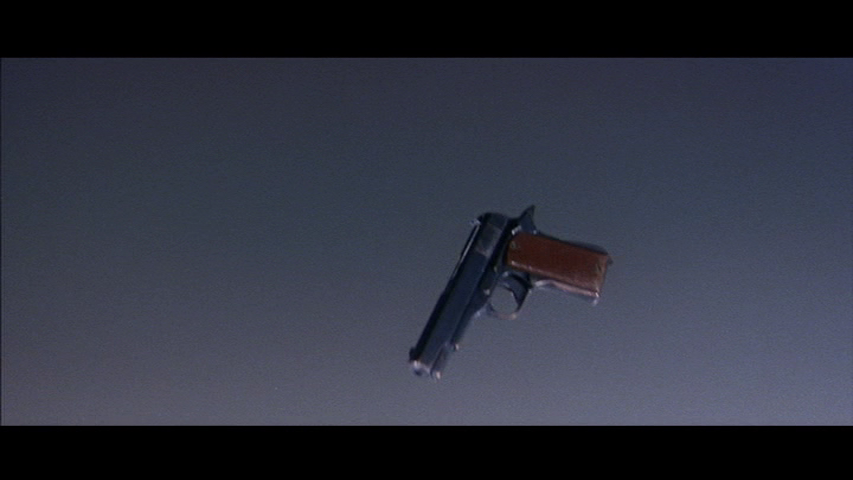
Then throwing his gun into the air, catching it, and shooting the man who sold him out in one smooth motion:
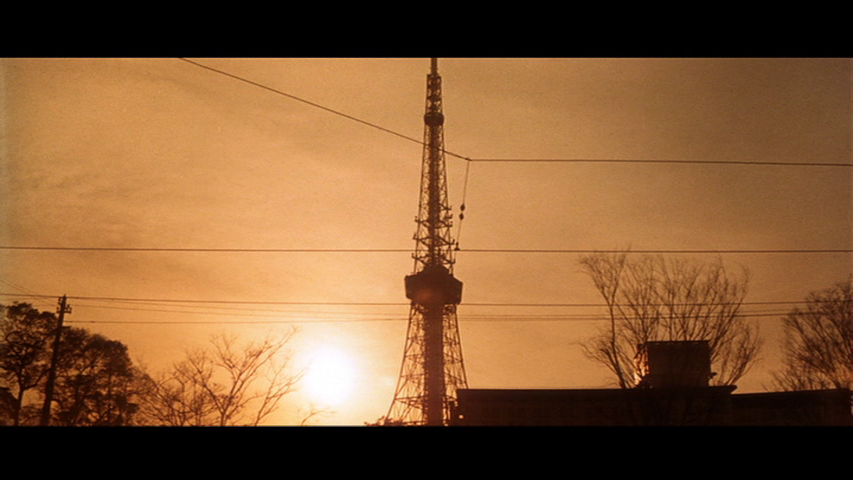
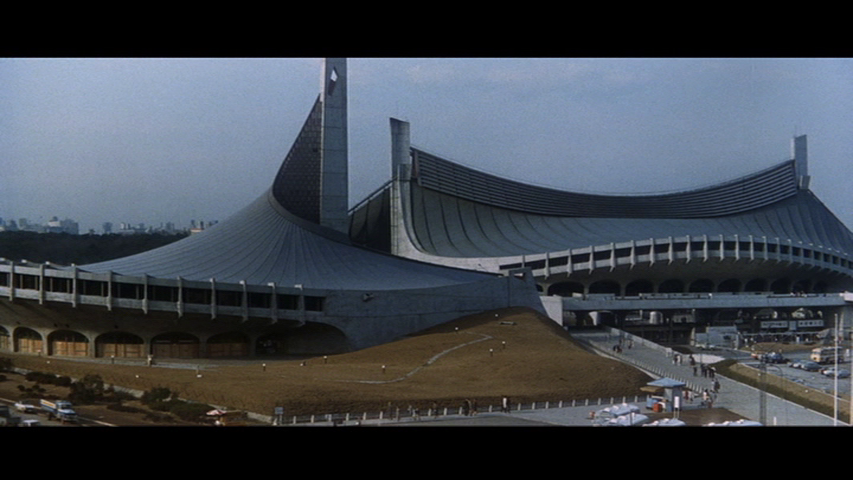
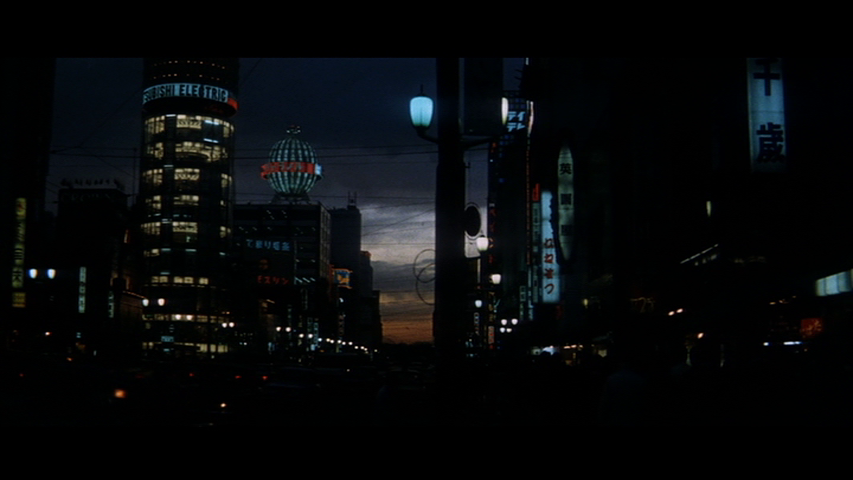
I appreciate Yacavone’s writing on this film because he draws attention to details I suspect I might have missed otherwise, such as the absence of any “visual trace of prewar central Tokyo” from the title sequence featuring a montage of tourist attractions built in preparation for the 1964 Summer Olympics:
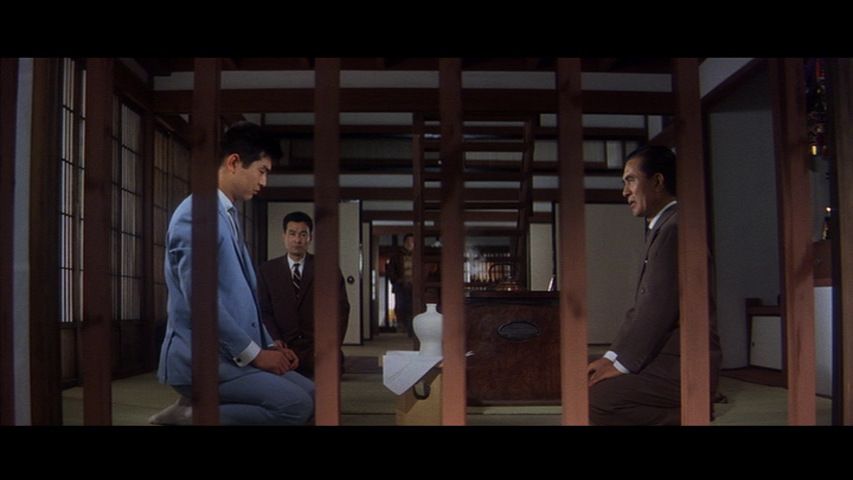
The way it “exploits the recessed paneling of Tokugawa architecture to suggest an infinite depth that is equated with tradition” and “suggest that in its own way Yamagata, reminiscent of an age of duty, aristocracy, and self-sacrifice, is just as deathly and alienating as Tokyo”:
Or even just the simple fact that Hideaki Nitani’s character Shooting Star has the same initials as Suzuki.
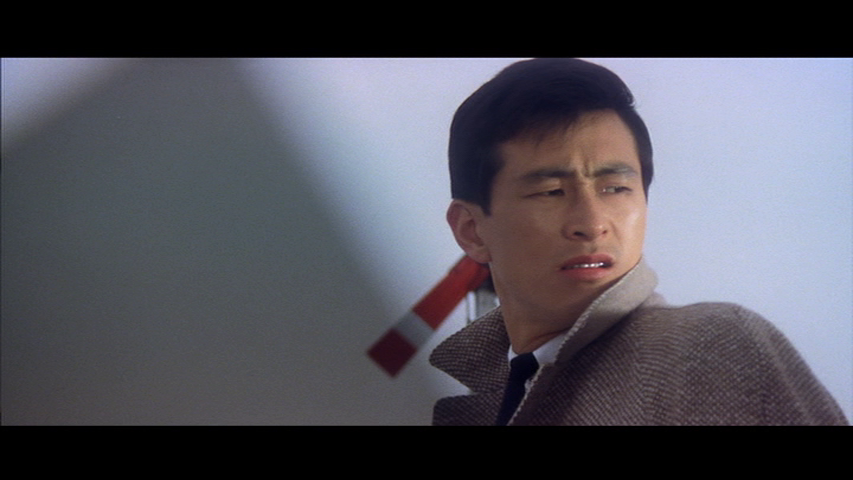
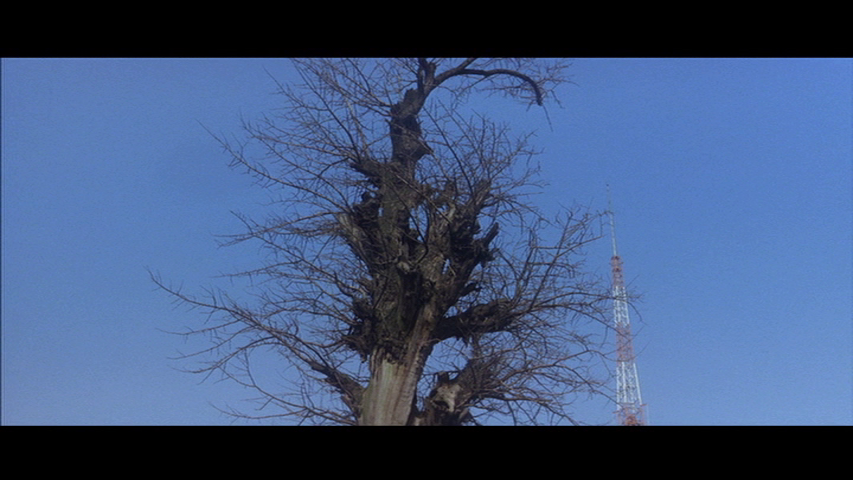
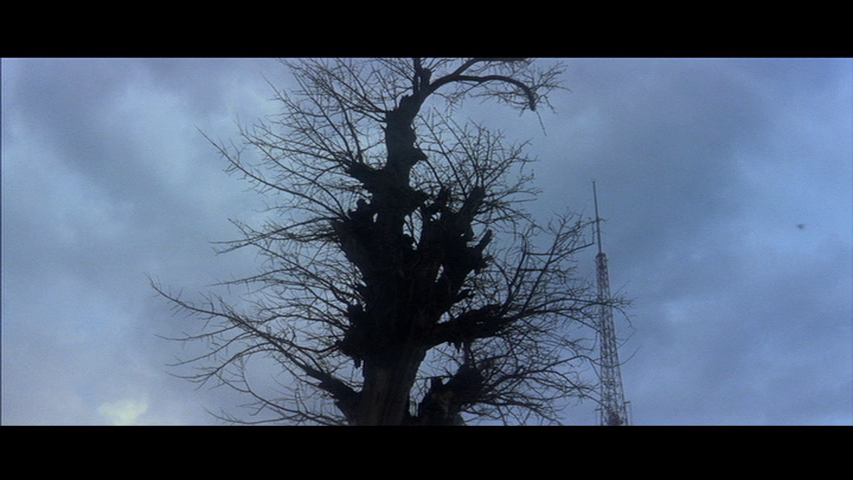
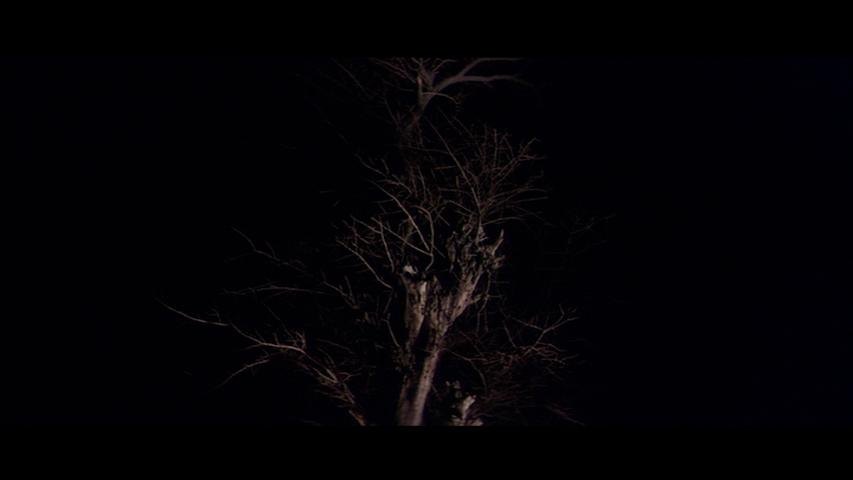
But the overall contours of Tetsu’s journey are easily discernible even to the uninitiated through universal devices like a low-angle shot of a tree in front of a darkening sky that charts his withering loyalty to Kurata:
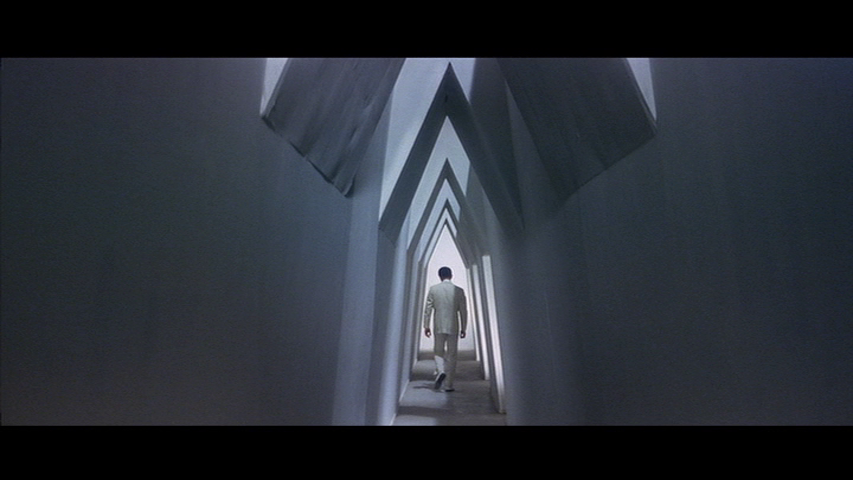
And when the final showdown ends with Tetsu rejecting the woman who loves him (Chieko Matsubara) on the grounds that he “can’t walk with a woman at [his] side” and exiting through a vaginal hallway, we understand that he has been reborn into the world as a truly independent Tokyo drifter:
Which strikes me as representing a level of meta complexity worthy of Pavement’s immortal lyrics “you’ve been chosen as an extra in the movie adaptation of the sequel to your life.”
Cheers!
All original photographs in this post are by Marion Penning, aka my loving wife.Links to all of the entries in this series can be found here.
Also in Theaters: My favorite new release now playing Ithaca that I’ve already seen is Sorry, Baby, a strong debut feature by director Eva Victor (who also stars) which does wonderful things with windows, especially its variations on the postcard-perfect cozy yellow glow of lit rooms as seen from outside on a cold night and which continues its run at Cinemapolis. I also enjoyed Eddington, which you can see there as well; The Final Four: First Steps, which is at the Regal; and Superman, which is at both. As someone who was born in 1981 and grew up watching the original The Naked Gun at sleepovers, I’m definitely intrigued by the reboot with the same name which opens at the Regal today, but also kind of terrified. It’s garnering strong reviews, though, so I’m going to try to see it before it closes. This week’s special events highlight is the free Continuum Film Showcase for local filmmakers at Cinemapolis on Sunday, which I unfortunately won’t be able to attend, but you should! There’s also a free screening of the documentary Counted Out there on Saturday. Finally, your best bets for repertory fare are Spirited Away, which I would have included on *my* Best Movies of the 21st Century ballot and which plays Cinemapolis on Wednesday as part of their “Food on Film” August Staff Picks series, and Sunset Boulevard, which celebrates its 75th birthday with screenings at the Regal on Sunday and Monday.
His notable traits are his gentleness, his quiet conviction in doing what’s right and his willingness to listen to things others would dismiss, including his strange, mystic friend Fiver. Yet still, the others trust him and choose him to lead. Why? He isn’t the best fighter (Bigwig), the fastest (Dandelion), the best storyteller (Dandelion again), the cleverest (Blackberry), the farthest seeing (Fiver), or the most authoritative (Holly). But he has several tremendous gifts, first and foremost his humility. Like Socrates, he knows what he doesn’t know. When Blackberry figures out how to float the rabbits across the river, Hazel scarcely understands what’s happening, but he has the ability to see that Blackberry understands–and gives the order to go forward.
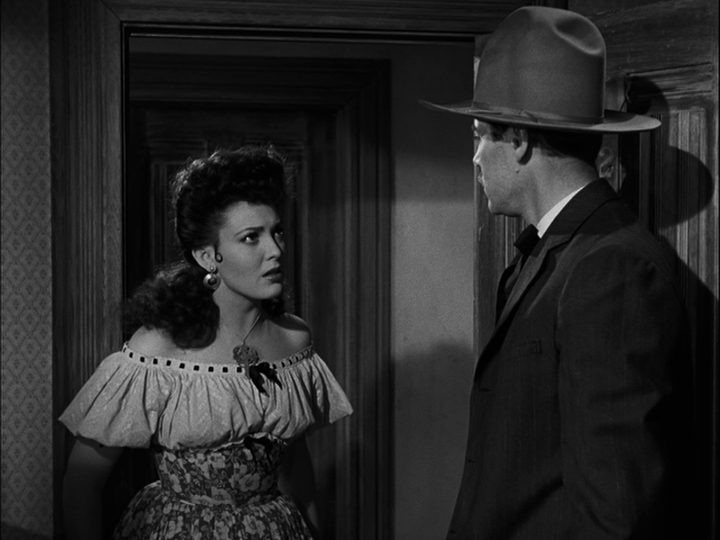
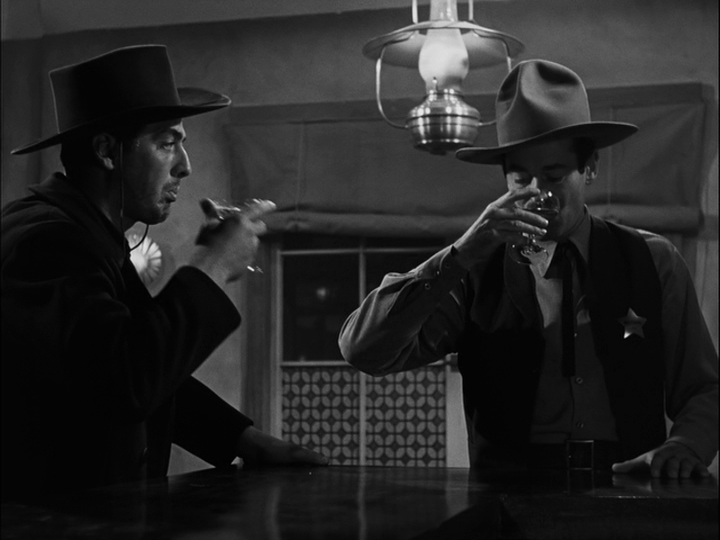
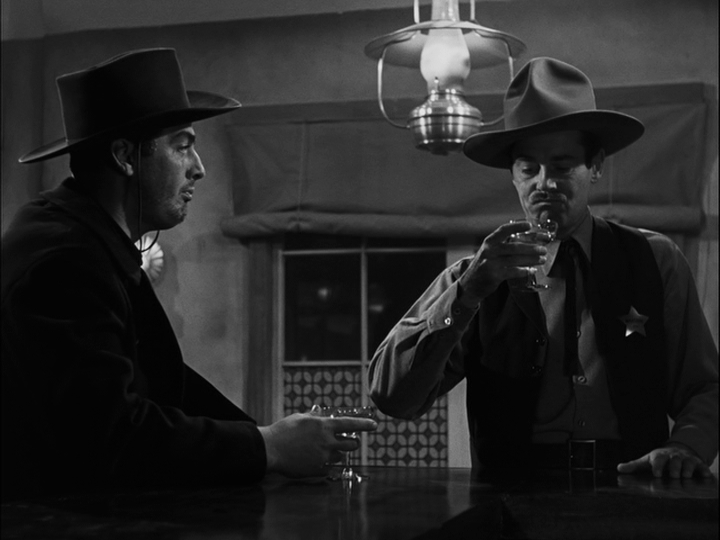
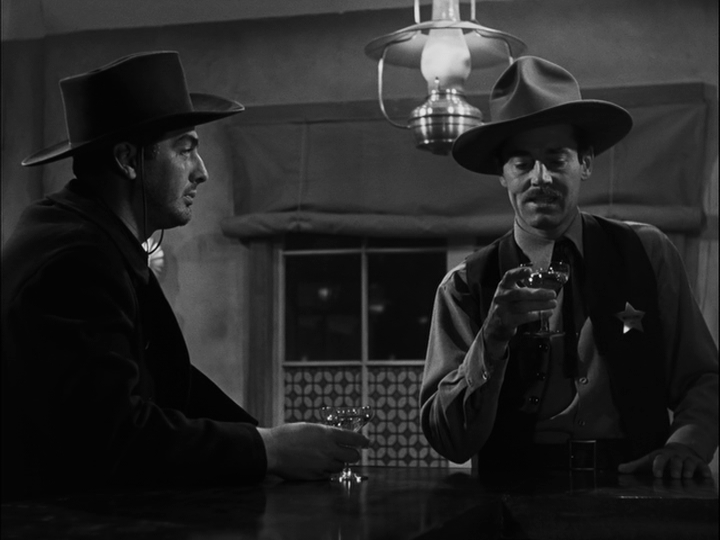
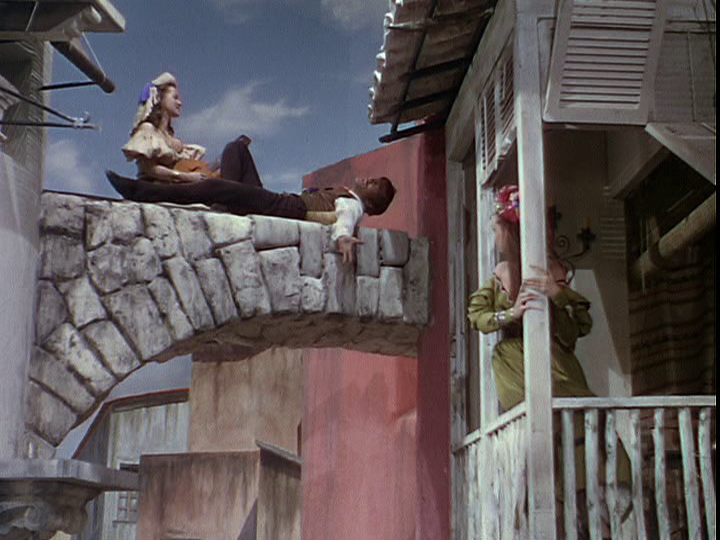
If those admittedly idiosyncratic resonances aren’t enough to convince you, I submit that you’ll never find a more perfect illustration of the “Rule of Thirds” than the piece of jewelry Linda Darnell’s Chihuahua wears in the scene below, which director John Ford makes sure we spot moments before Earp does:
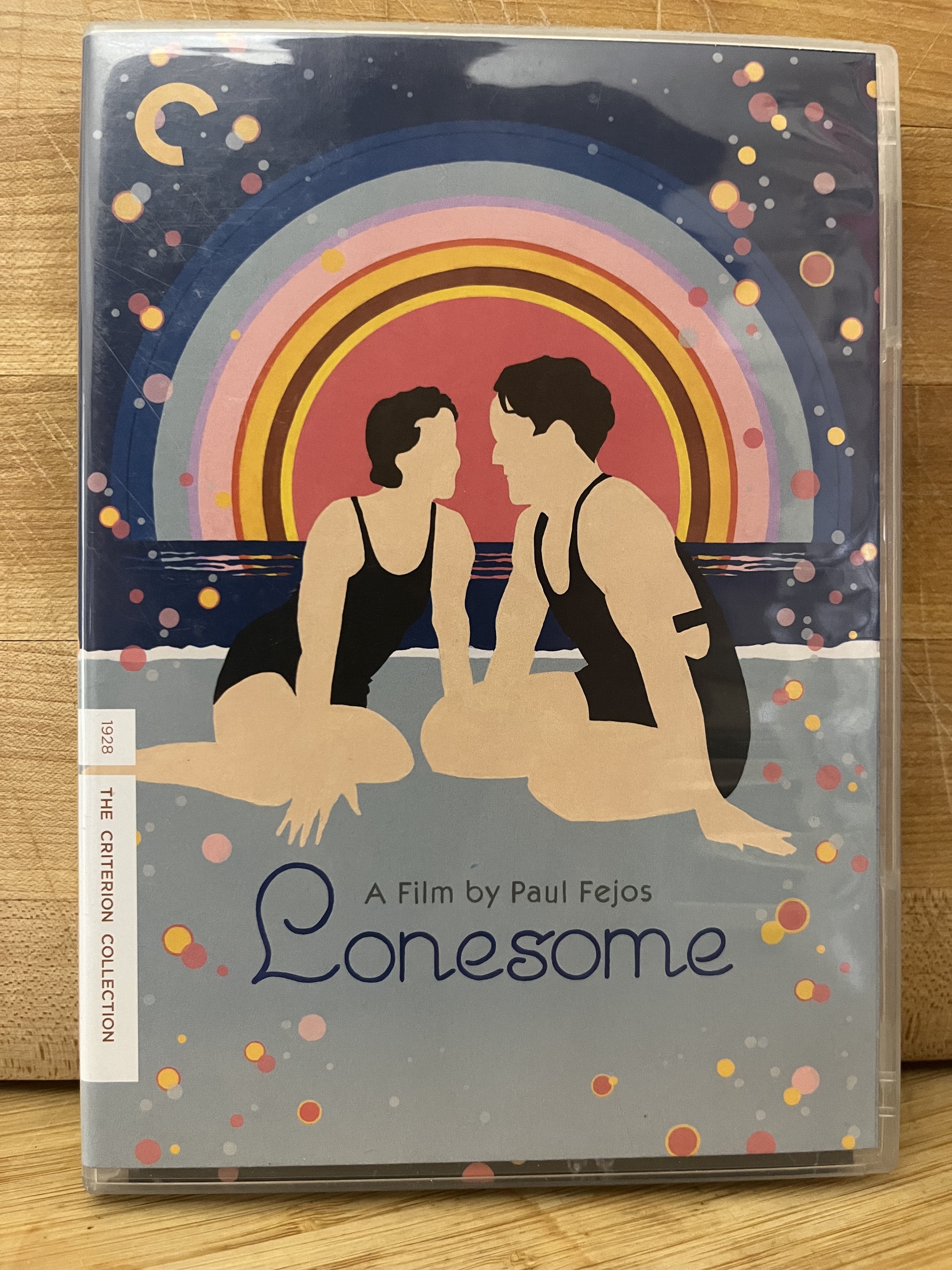
After writing about the Tour de France, blackcap bush in my backyard, and 2024 Paris Olympics in my first three July Drink & a Movie posts, I had two obvious places to look for inspiration for my last one. Rather than choose between the birthday celebrations of the two countries members of our household have citizenship in, though, I decided to leverage my penultimate “bonus” post (my goal is 54 in four years, so just one per month won’t quite cut it) to do both. It’s arriving a bit later than intended, but my follow-up to my Canada Day commemoration featuring Crimes of the Future therefore highlights what I think surely must be the greatest “3rd of July” film ever made, Lonesome. Here’s a picture of my Criterion Collection DVD copy:
As a film in the public domain, you can also easily find it streaming for free on platforms like Tubi. The beverage I’m pairing with it is the Sherry Tale Ending that Toronto-based bartender Colie Ehrenworth created for the fourth Canadian season of the Speed Rack bartending competition, which is included in the book A Quick Drink by its founders Lynnette Marrero and Ivy Mix. Here’s how to make it:
1 1/2 ozs. Reposado tequila (Espolòn) 3/4 oz. Amontillado sherry (Lustau) 1/2 oz. Lillet Blanc 1/4 oz. Maple-sugar syrup 3 dashes Angostura bitters
Make the maple-sugar syrup by combining equal parts by volume of maple syrup, turbinado sugar, and water in a small saucepan and stir over low heat until the sugar has fully dissolved. Remove from heat and cool completely. To make the cocktail, stir all ingredients with ice and strain into a chilled cocktail glass.
Normally I try to avoid repeating base spirits in consecutive months, but that actually doesn’t seem so inappropriate in an extra post arriving hot on the heels of its predecessor–think of it as a sort of “two for one” deal! I like the Canada connection for the same reason, which: Ehrenworth advises using maple syrup from Ontario and that definitely is the way to go, especially if like us you’re lucky enough to have family who make their own and are willing to share. This drink was specifically engineered to be a lower ABV nightcap by combining elements of the Adonis, a sherry-based classic cocktail, and a 50/50 Manhattan and yet another affinity between this month’s concoction and its predecessor is that the tequila is once again a supporting player. The dominant flavors here are instead dried fruit notes from the amontillado on the sip which gracefully give way to the candied citrus from the Lillet on the swallow. So it’s a sweet drink, yes, but an agave and dark molasses finish prevents it from ever coming across as cloying, making the Sherry Tale Ending a light but satisfyingly complex way to finish your night.
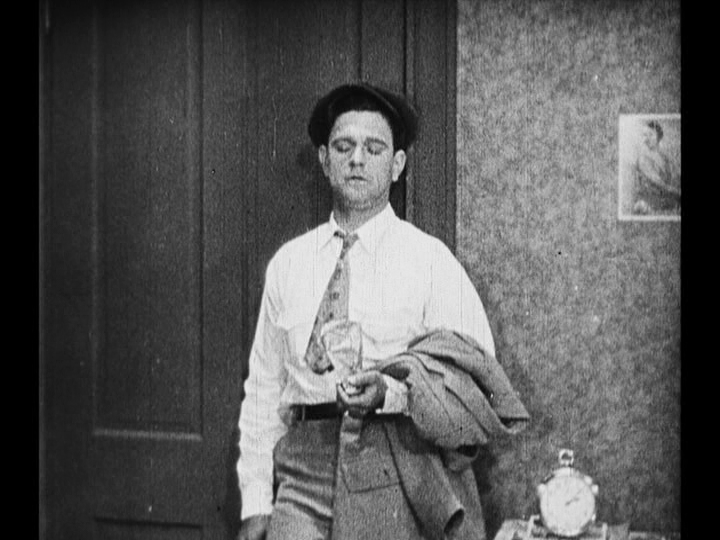
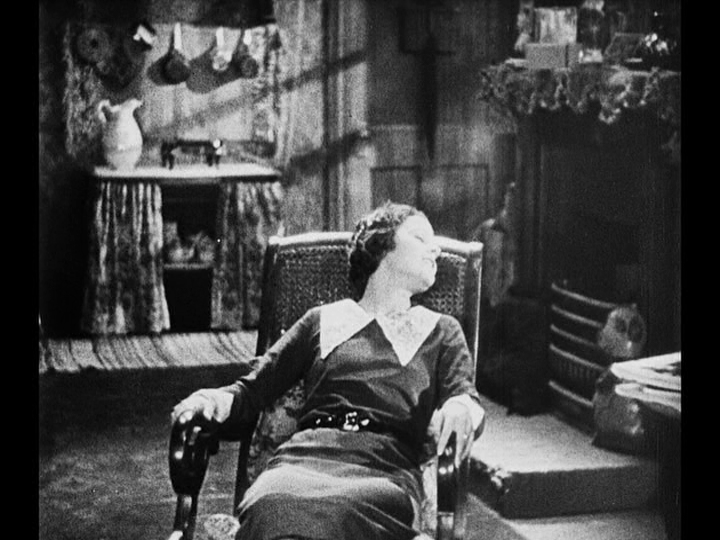
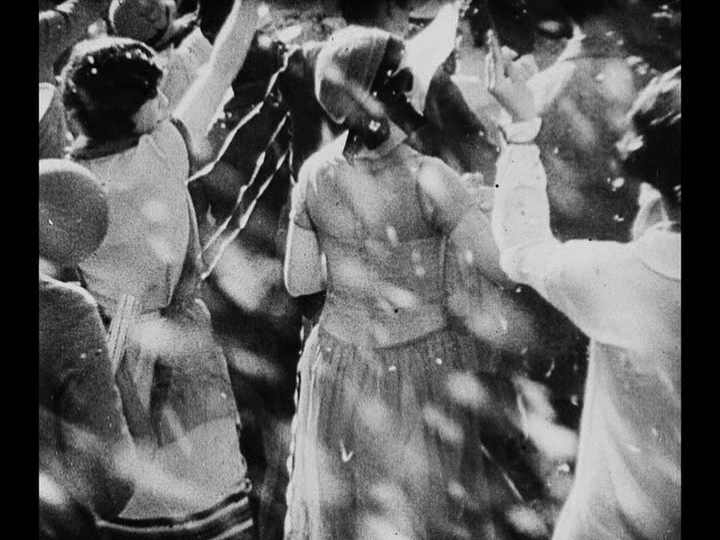
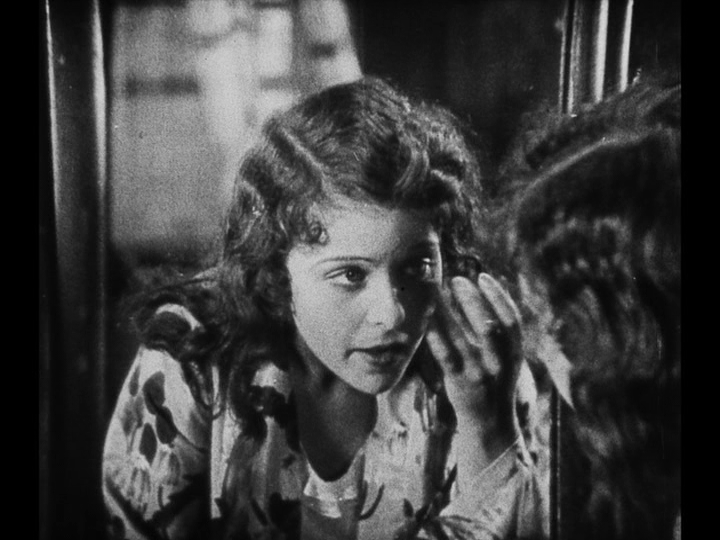
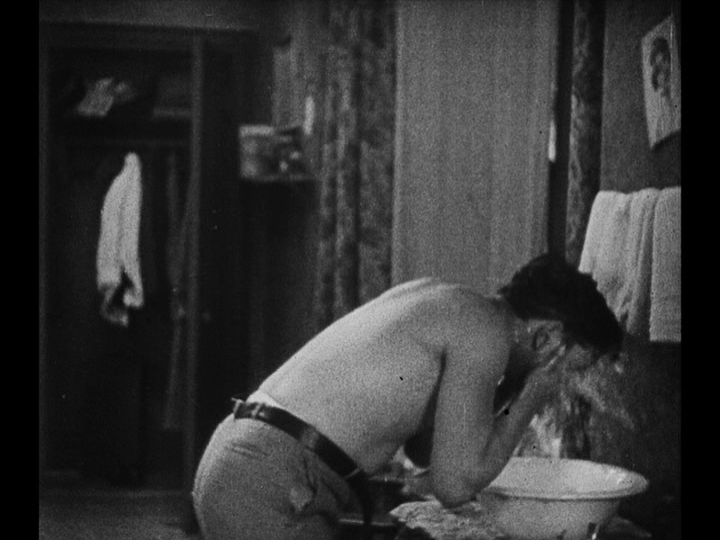
At just 69 minutes, Lonesome would also be a great way to unwind after an evening out. The plot is simple: lonely hearts Jim (Glenn Tryon) and Mary (Barbara Kent) arrive home to their respective empty apartments after a half-day at work feeling listless:
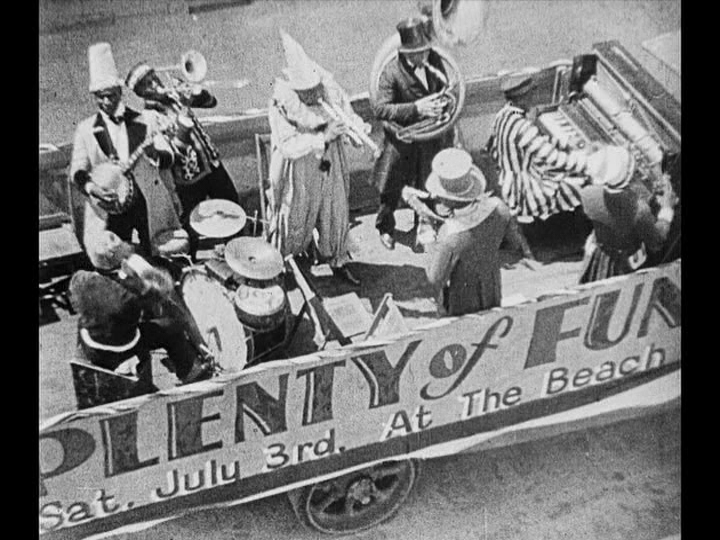
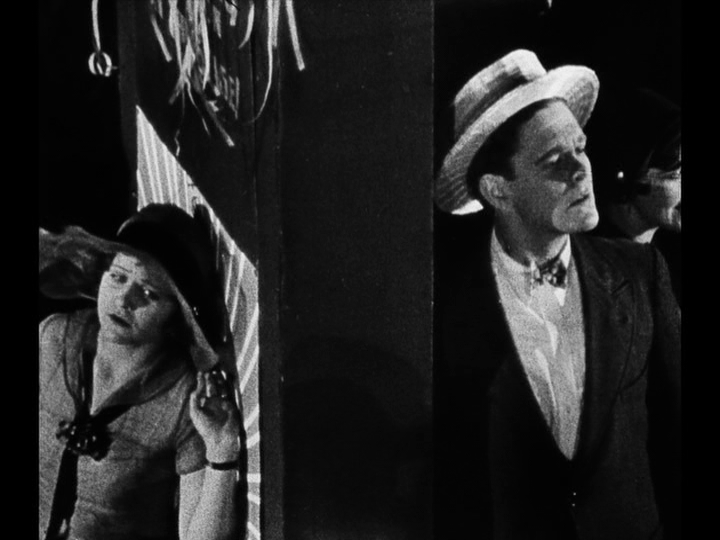
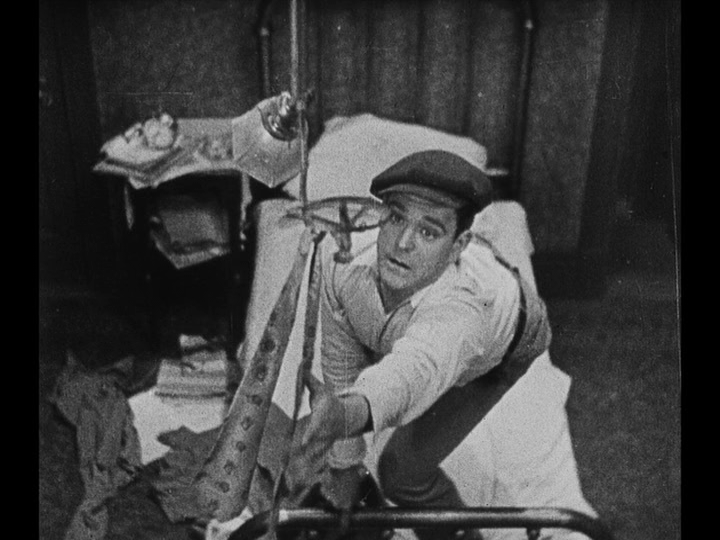
Suddenly, each hears this bandwagon as it passes by on the street below:
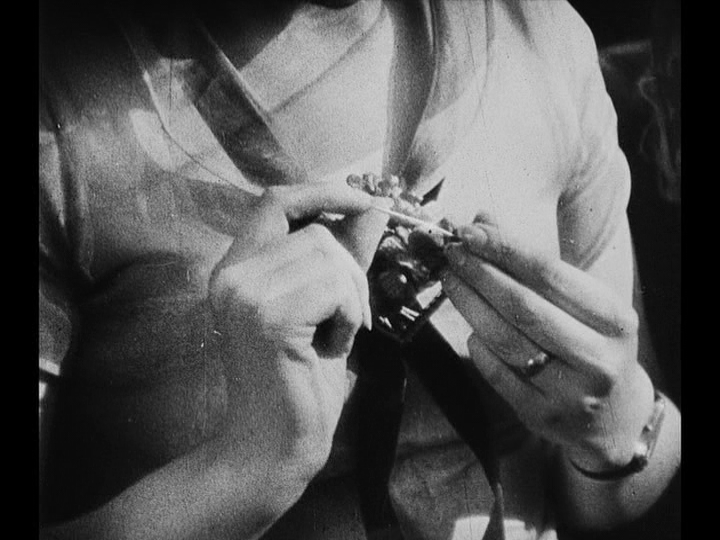
Lured by its siren song, both decide to head to Coney Island beach. Jim spies her on the bus ride there fending off a would-be Romeo with the implicit threat of brooch pin violence
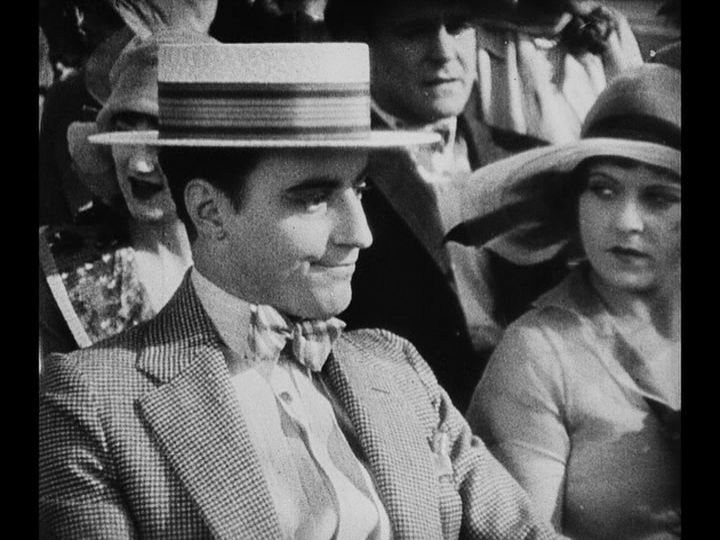
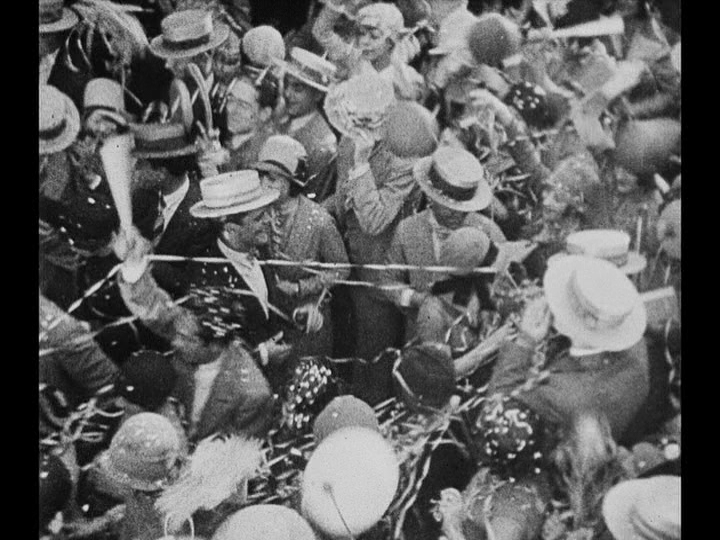
Impressed, he pursues her through the crowd upon arrival:
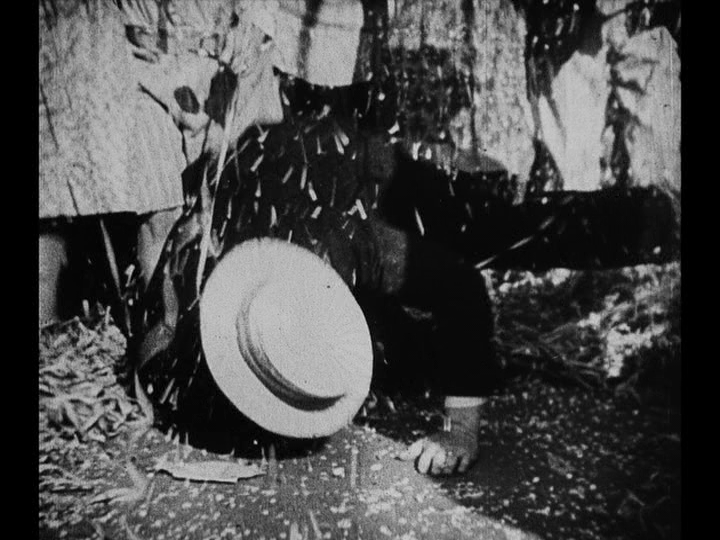
Undeterred by either a young hooligan who trips him:
Or her apparent disinterest in watching him perform feats of strength:
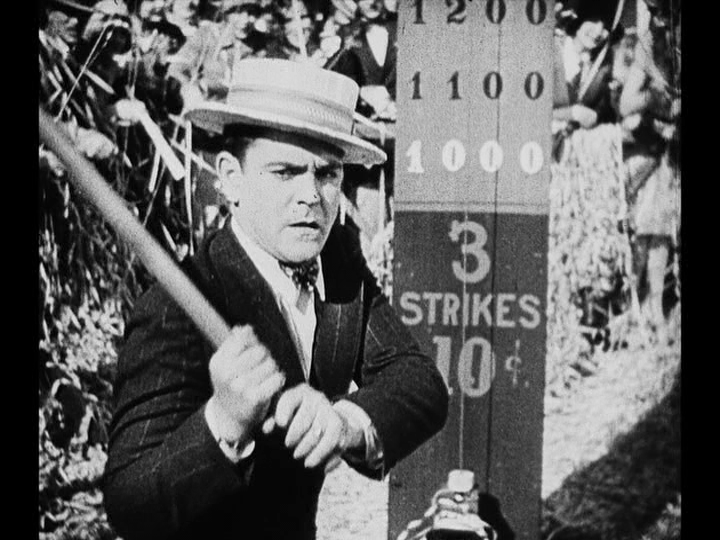
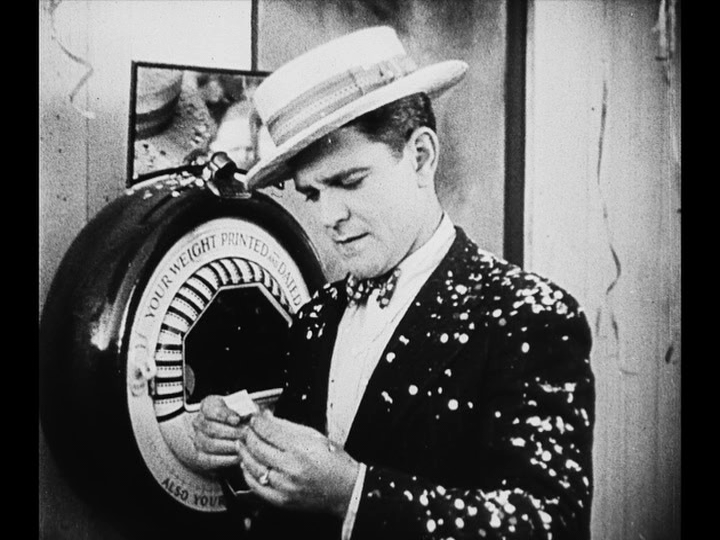
And with a bit of extra prompting from an auspicious fortune that reads “you’re about to meet your heart’s desire”:
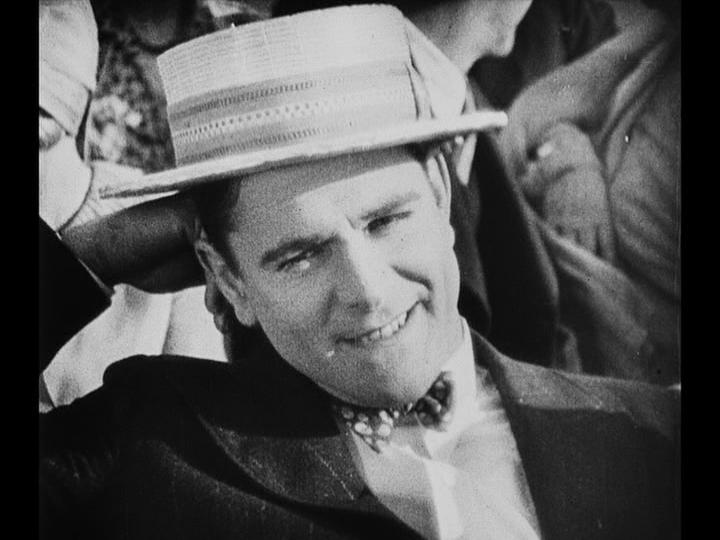
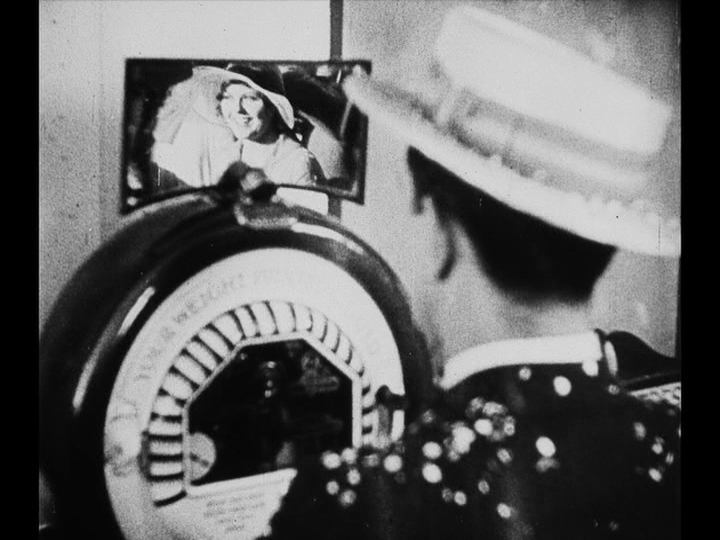
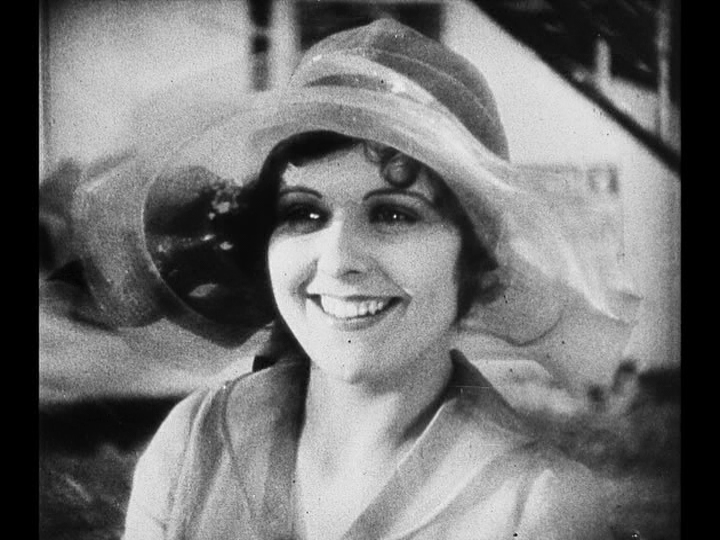
He finally succeeds in catching her eye in a very nice rack-focus shot:
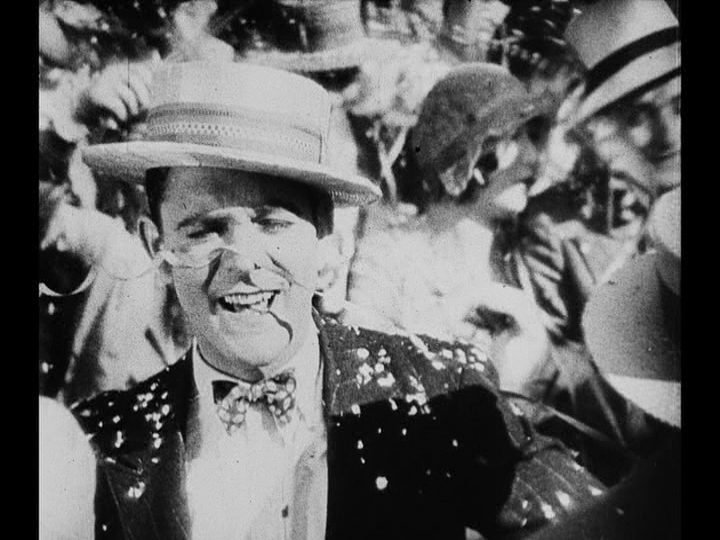
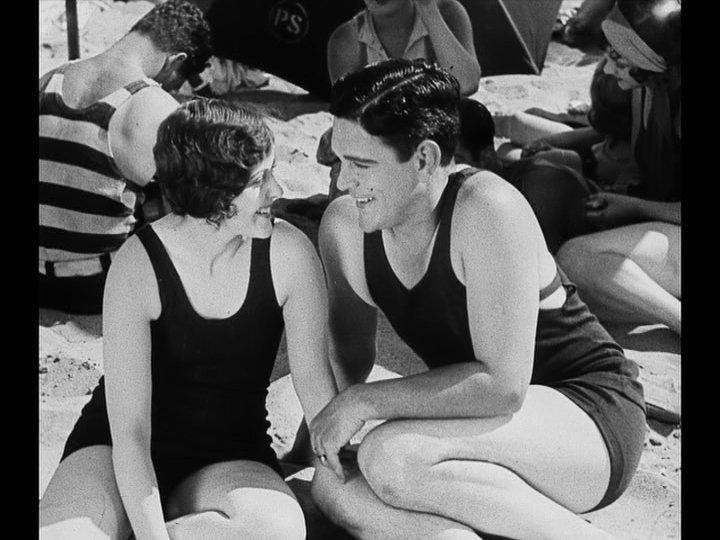
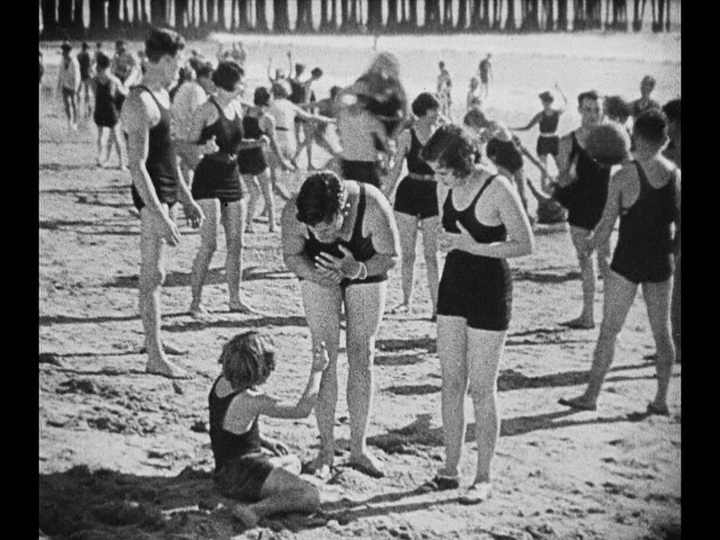
And before long they’re talking to each other on the beach:
Literally: while its first 29 minutes are silent (although they do feature a sophisticated sound mix timed to the action), Lonesome contains three dialogue sequences which most critics revile, but that Aaron Cutler argued in a blog post for Moving Image Source “add to the rest of the film largely because they are inconsistent with it.” Referring also to the final one, he continues:
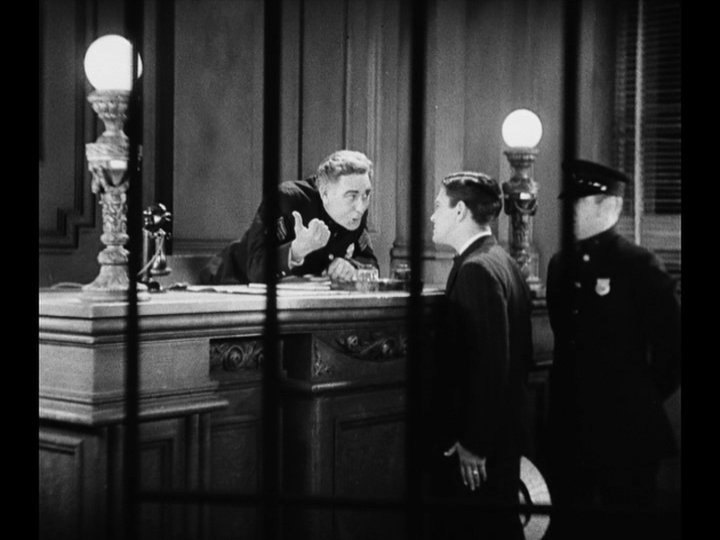
For the first time in their lives onscreen, Jim and Mary speak, and they do it because of each other. When Jim promises Mary that “We’ll never be lonesome anymore,” he says it in his own voice, out loud; when he later argues with a judge and police, he does so with the voice that Mary helped him find. Even after the lovers fall back into silence, we retain the sounds of their voices in our heads, distinguishing them as individuals.
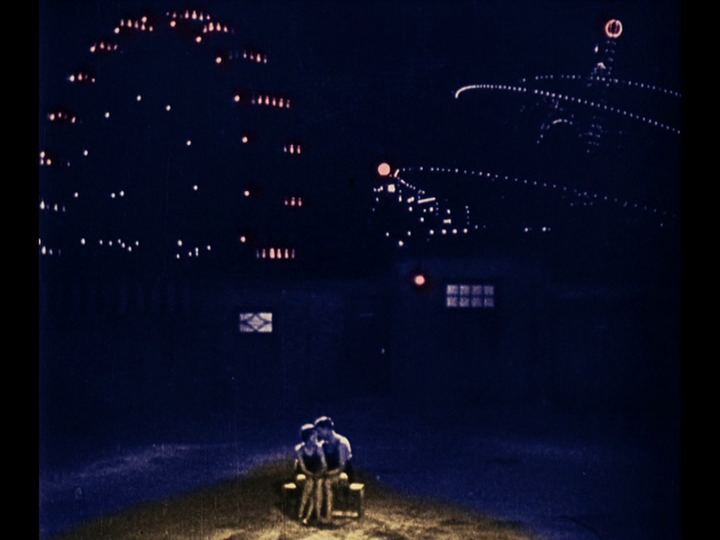
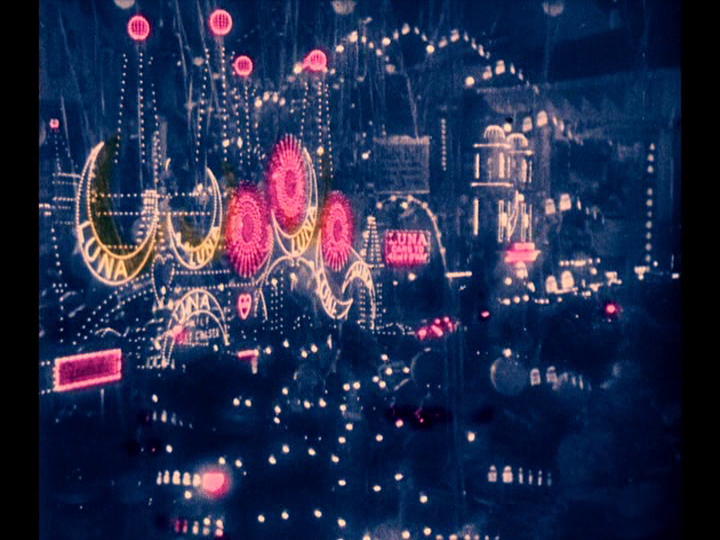
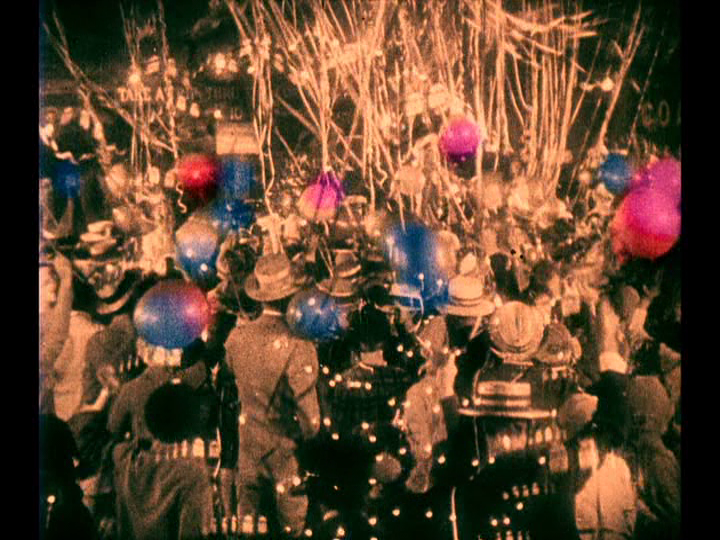
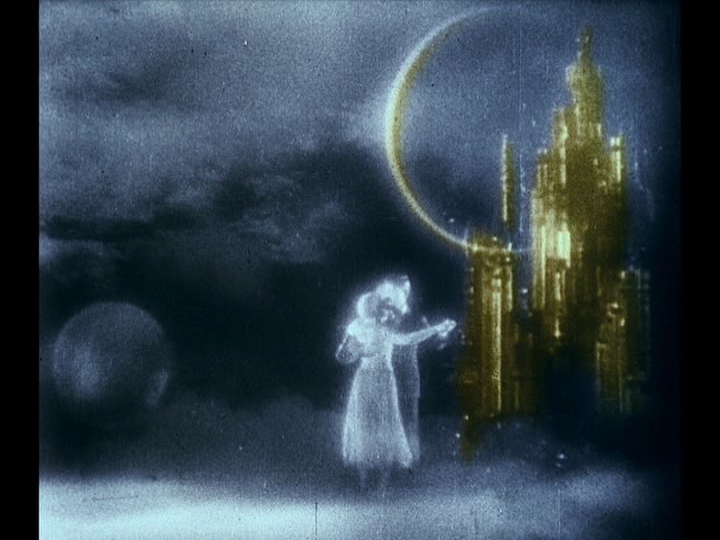
To Cutler the “brightly smeared” colors that suddenly make an appearance in the film’s 37th minute perform a similar function.
“Within a long-shot world,” he says, “Jim and Mary see each other in medium and close-up; within a black-and-white, silent world, they can see and hear each other in color and in sound.” Anyway, Jim and Mary have lots of fun together on the boardwalk after the sun goes down:
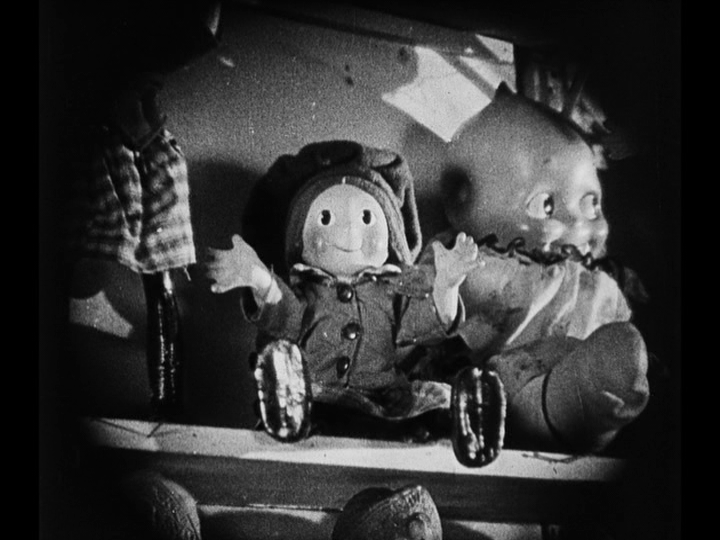
And he wins her a doll:
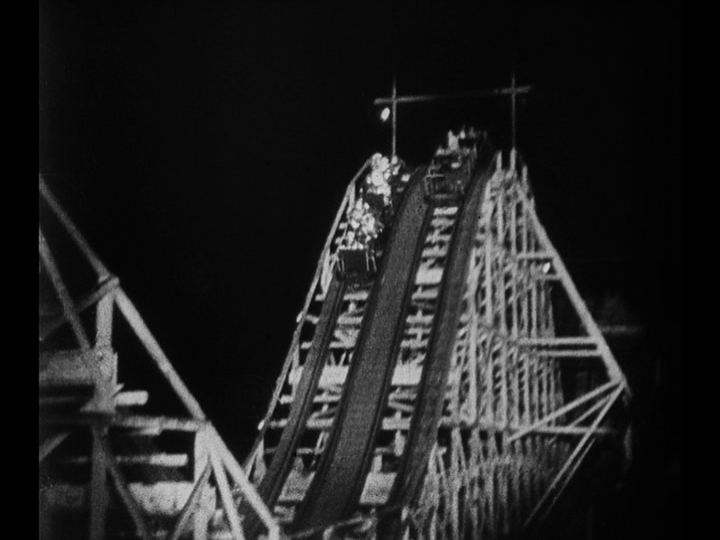
But the party ends during a ride on the dual-track Jackrabbit Racer roller coaster when a wheel on Mary’s car catches fire:
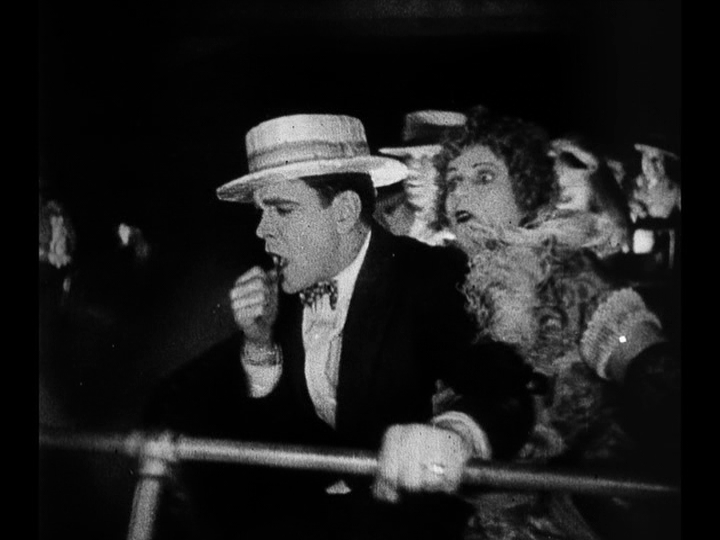
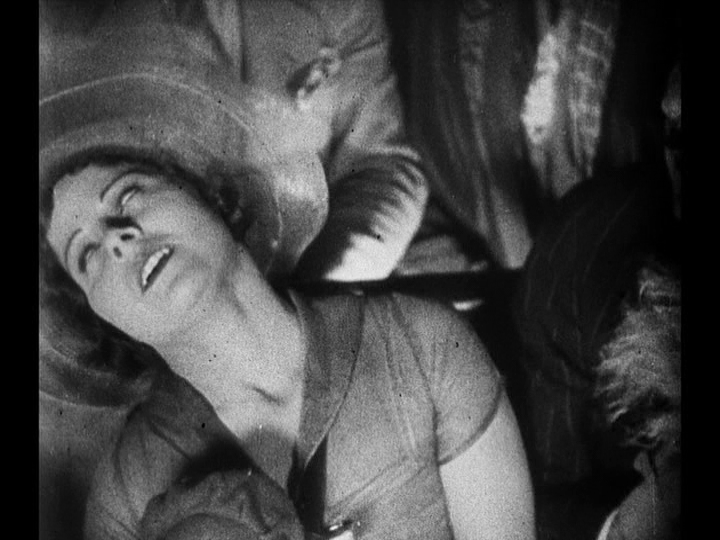
She faints:
And when Jim tries to come to her aid, he is arrested by a bizarrely aggressive cop, leading to the scene described by Cutler above in which his obvious passion earns him a reprieve:
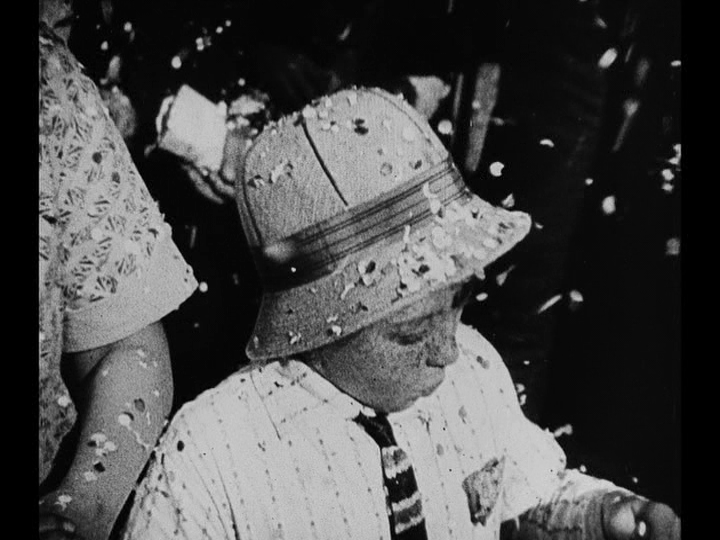
Alas, he and Mary are unable to locate each other again in the throng:
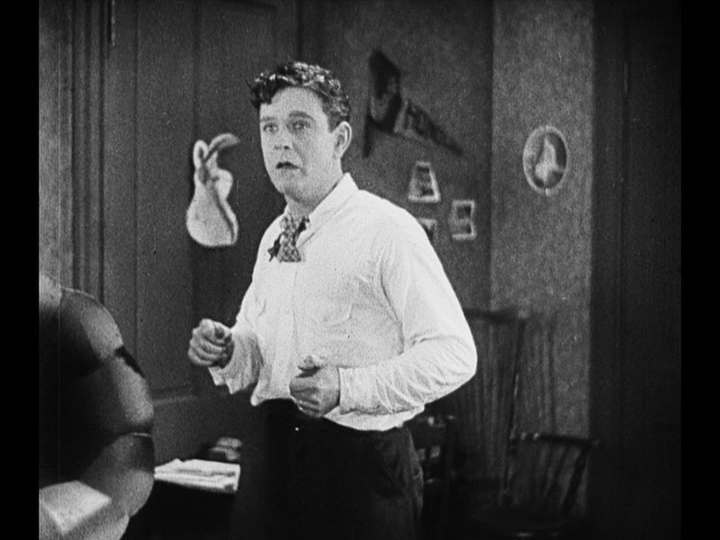
A squall suddenly blows up while they’re searching and, not having exchanged contact information, they return home despondent and alone. But wait! Jim puts on a record of the song he and Mary danced to earlier; in the next shot, she hears it coming through the walls and pounds on them, yelling for her neighbor to turn it off:
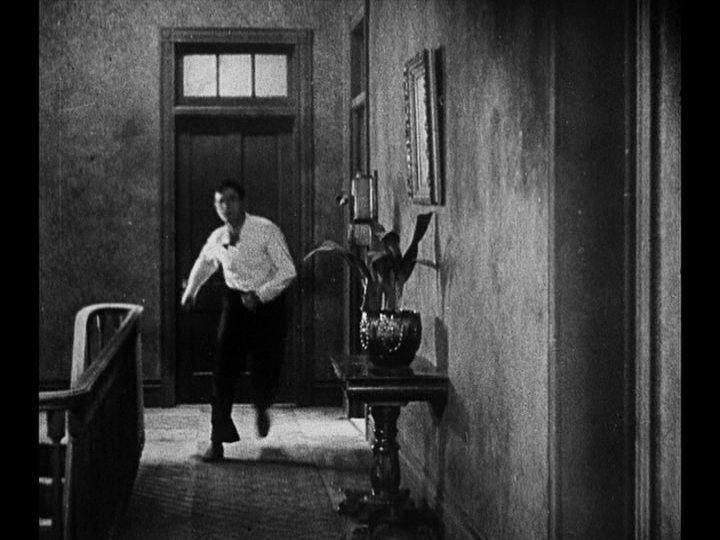
Jim recognizes Mary’s voice and rushes down the hall:
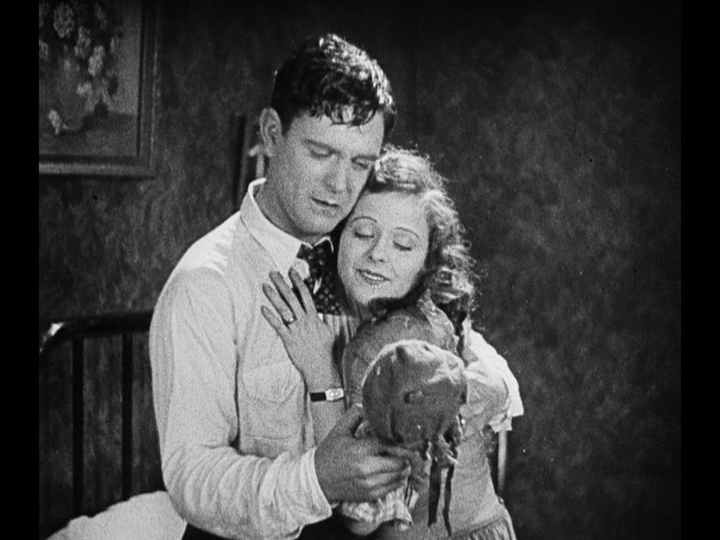
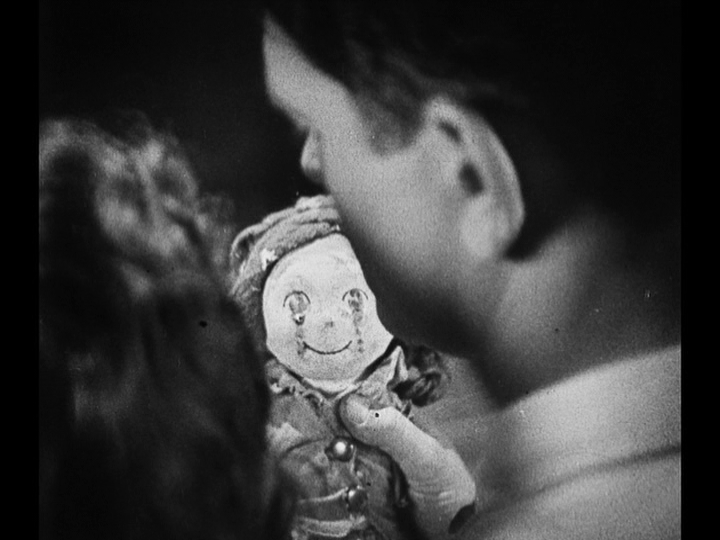
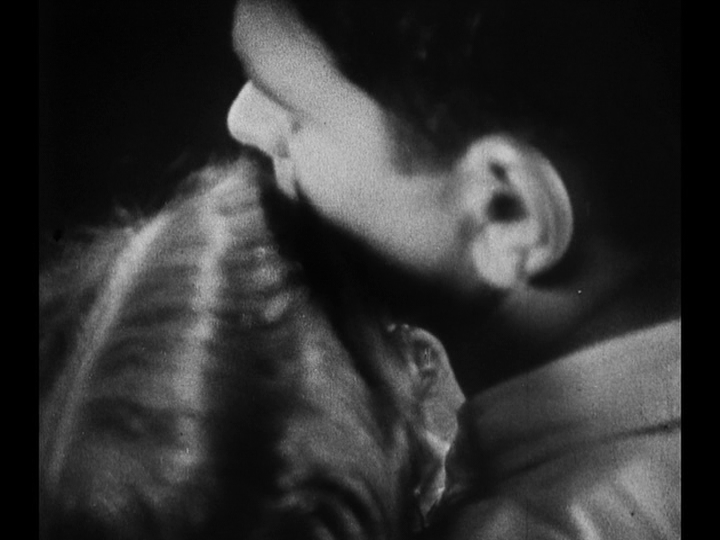
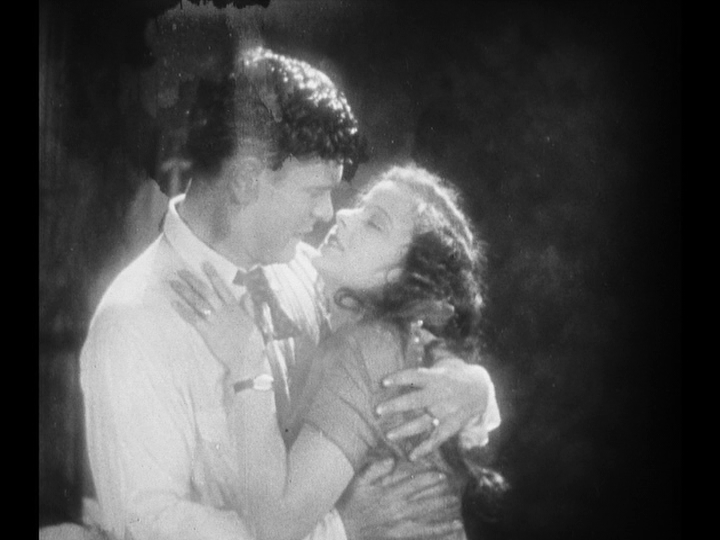
They’ve been living next to each other all along! As they embrace, the lovers contemplate Mary’s doll, which as Glenn Erickson noted in a Blu-ray review has had “its face half washed away in ‘tears'” by the storm, thus becoming a “physical ‘locator'” for the heartbreak they have just triumphed over:
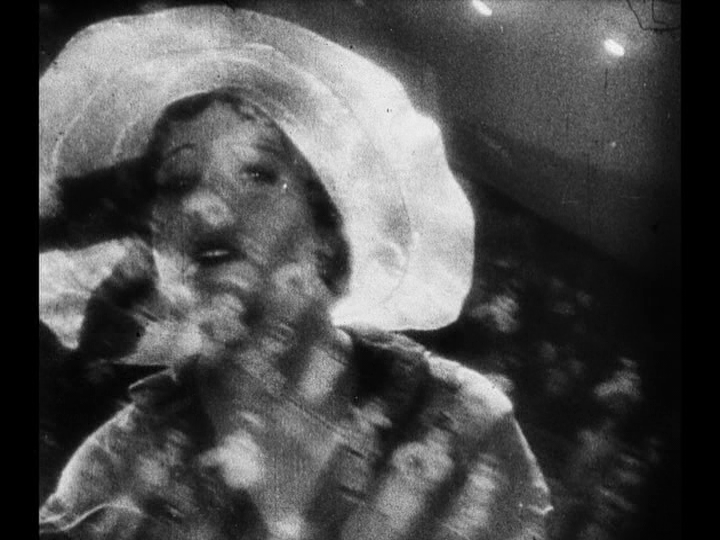
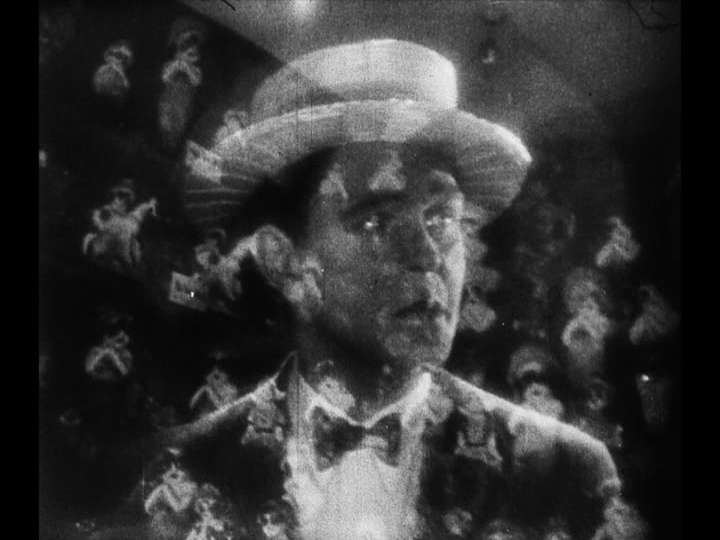
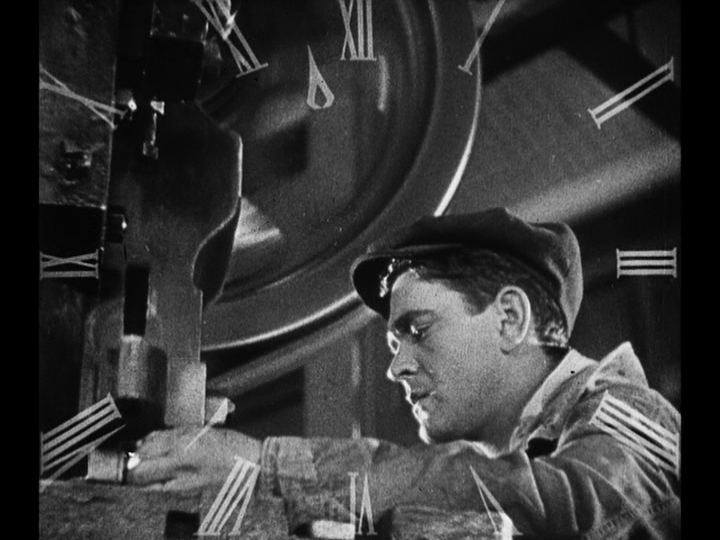
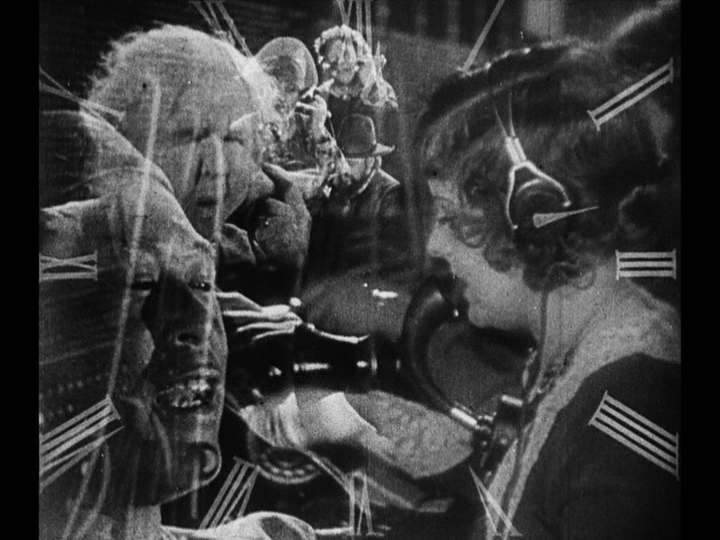
The end. Lonesome is brilliantly, restless inventive from start to finish and probably contains twice its running time’s worth of visual information if you count the many superimpositions, such as the clock face which accompanies shots of Jim and Mary at work and portraits of the people she is connecting to one another in her job as a switchboard operator:
As Richard Koszarski observes in his excellent DVD commentary track, even director Pál Fejös’s most ostentatious images are far more innovative than they appear:
When a shot of Mary at work seems to elbow a shot of Jim right out of the frame, we are seeing this new optical printing technology at work. The effect is not, as some historians have said, a panning shot in which the camera moves to the left or right, but a much more complicated technical exercise introduced to Hollywood only a few months before Fejös shot this film in which the optical printer and a new Kodak duplicating film stock could allow filmmakers the sort of flexibility in shaping the image that prefigures the development of digital cinema decades later.
Meanwhile, for the ostensibly more straightforward scenes that begin the film, cinematographer Gilbert Warrenton “developed a small mobile camera system that allowed him to follow the actors very closely as they moved within the cramped confines of their cold water flats”:
Fejös and company also make great use of a technique which was falling out of style with the advent of sound in the applied color sequences, which as Joshua Yumibe explains in his chapter for the book Color and the Moving Image were “proving difficult to apply in ways that did not interfere with soundtracks on prints.” Universal nonetheless approved their use here both to facilitate marketing the film in the company’s publicity journal Universal Weekly as “the first talking picture with color sequences” and because they “greatly enhance an already beautiful story.” Specifically, per Yumibe, color formally reinforces the narrative ambivalence he (riffing on Siegfried Kracauer) reads into Lonesome‘s insistence on tearing Jim and Mary apart before it allows them to be together by using “the same hues that previously colored their romance” for the flames that result in their separation.
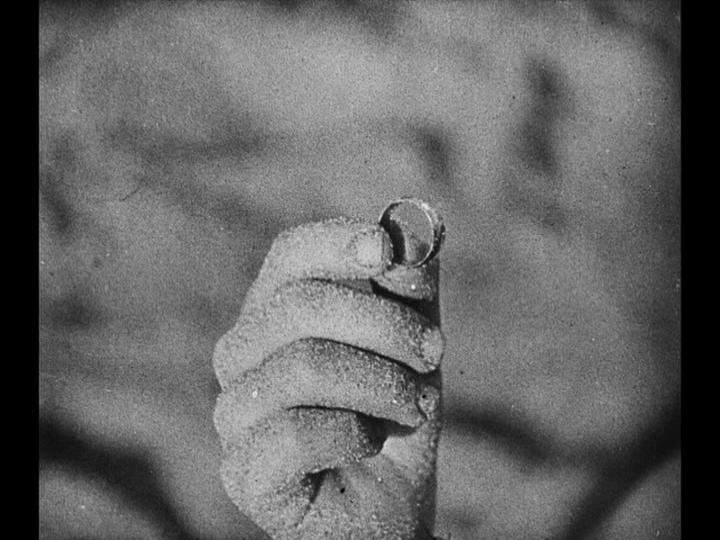
A sequence in which Jim and Mary search for a lost ring on the beach serves a similar function. Sure, they are ultimately successful:
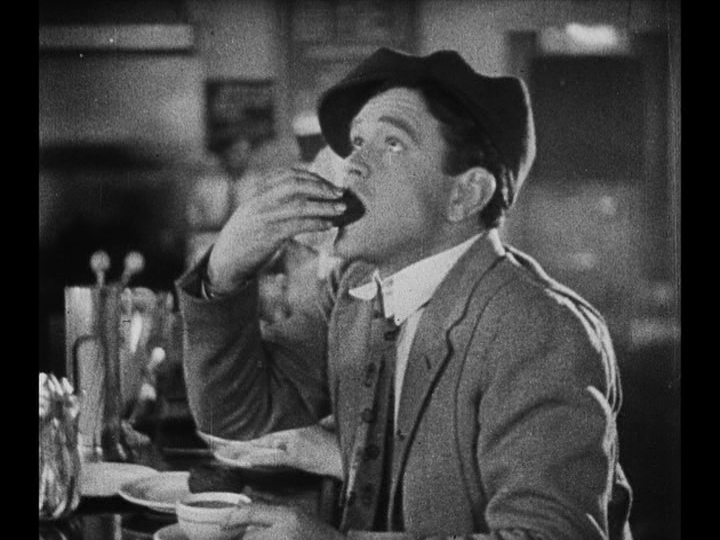
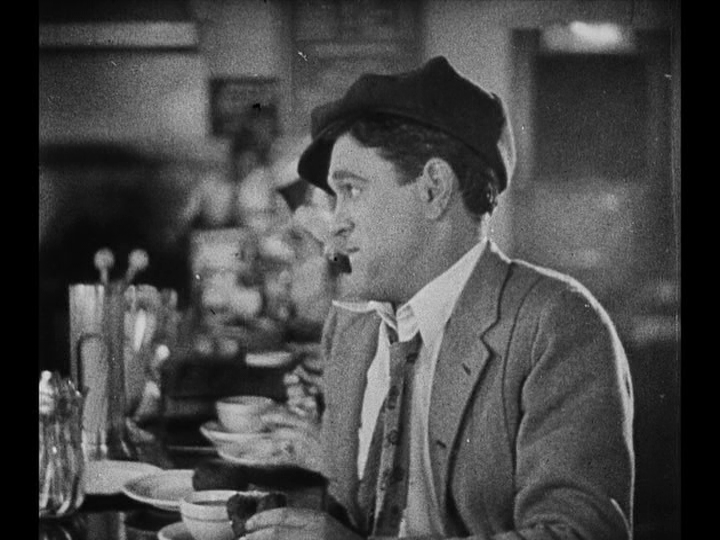
One of the best things about Koszarski’s commentary are when he points out places where, with his assistance, things obviously seem to be missing like a “gag title” to explain Jim’s exchange with the man who serves him coffee and doughnuts on his way to work:
Flaws like this are on of the reasons that David Cairns, another champion of Lonesome‘s dialogue scenes, provides for calling it “a magnificent one-off” in a 2016 blog post: “I wish the part-soundie era had lasted another five years. When the two leads abruptly start speaking to each other in live sound on the beach at Coney Island, the jarring transition from one medium to another is beautiful. You can’t get that in a perfect film, only in a makeshift masterpiece like this one, a superproduction assembled on shifting sands.” Talking about this moment:
He concludes by saying, “When the film reaches its tearful conclusion, sudden nitrate decomposition afflicts the footage, with PERFECT artistic timing — it drives home the fragility of what we’ve been watching.” It may be a bit of a stretch, but this strikes me as a possible callback to the delicate balance of the Sherry Tale Ending and even the holiday that occasioned this post. It’s great that the United States has made it to 249, but if we’re not careful it won’t still be around next year to mark its Semiquincentennial, let alone make it all the way to the year 2074.
Cheers!
All original photographs in this post are by Marion Penning, aka my loving wife.Links to all of the entries in this series can be found here.
What I’m Seeing This Week: ‘Tis the season for blockbuster fare that I’m not *that* interested in, but will see anyway for want of better options. This week that means Jurassic World: Rebirth and/or Superman, both of which are now playing at both Cinemapolis and the Regal Ithaca Mall.
Also in Theaters:The Phoenician Scheme, which continues its run at Cinemapolis, has now tied Sinners‘ Movie Year 2025 record for most consecutive weeks (four) as my favorite new release in local theaters. I also enjoyed 28 Years Later, which is there and at the Regal, and Mission: Impossible – The Final Reckoning, which is just at the latter. This week’s special events are highlighted by a screening of the film Open Country at Cinemapolis on Monday that benefits WRFI Community Radio and local publisher PM Press and features both live music and a Q&A with the filmmakers. Finally your best bet for repertory fare is One Flew Over the Cuckoo’s Nest, which is celebrating its 50th anniversary with showtimes at the Regal on Sunday and Wednesday.
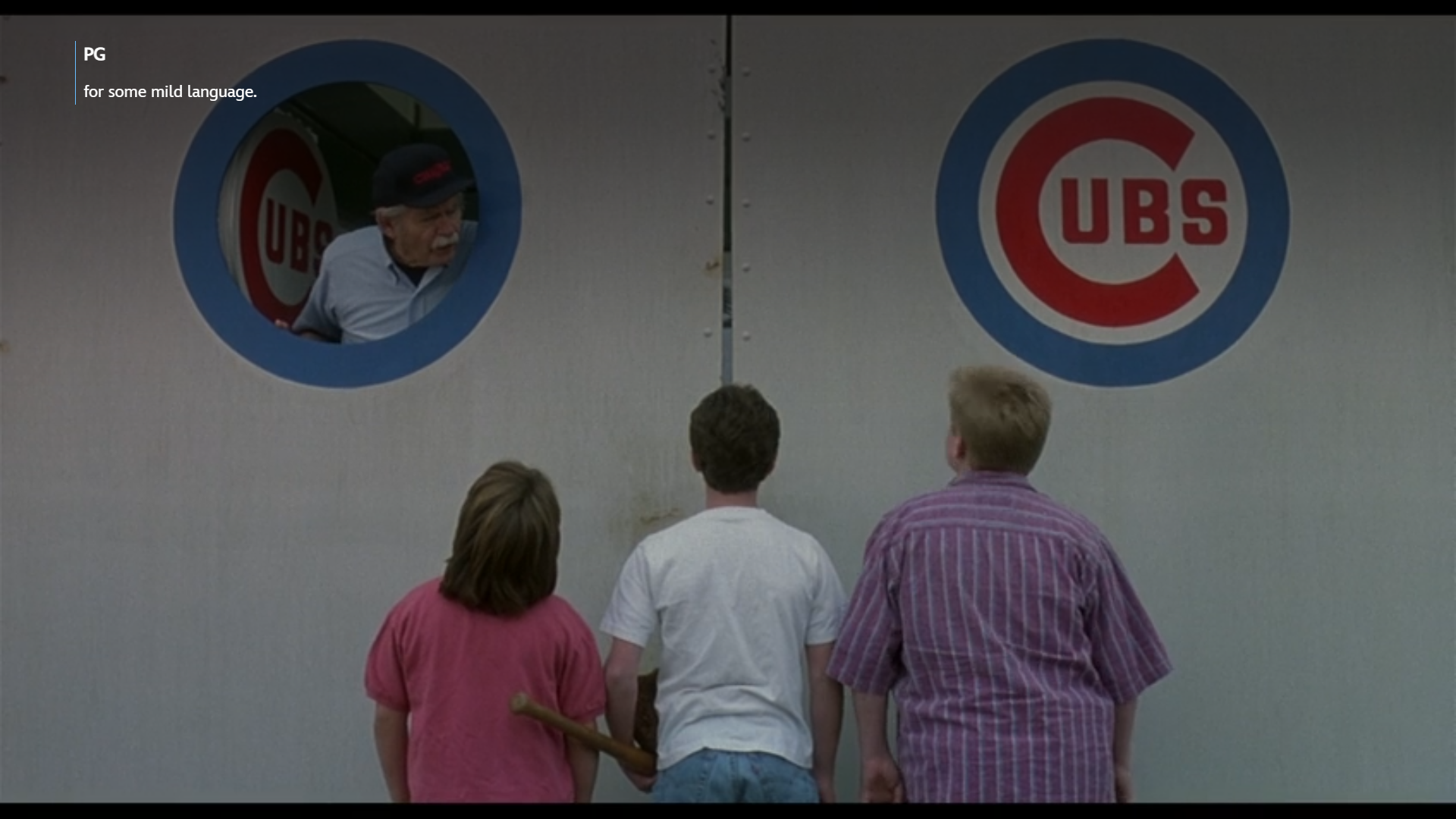
Home Video: The future is starting to look bright again for Mets fans as we head into the All-Star break following a Subway Series win over the Yankees and with Sean Manaea and Kodai Senga returning to action, but the month of June was a reminder that it doesn’t matter how good a team is if the entire pitching rotation is on the DL. No matter what this season has in store for us, one thing is certain: the ending won’t be as embarrassingly tragicomic as the final outs of the one depicted in the movie Rookie of the Year, which is currently streaming on Disney+.
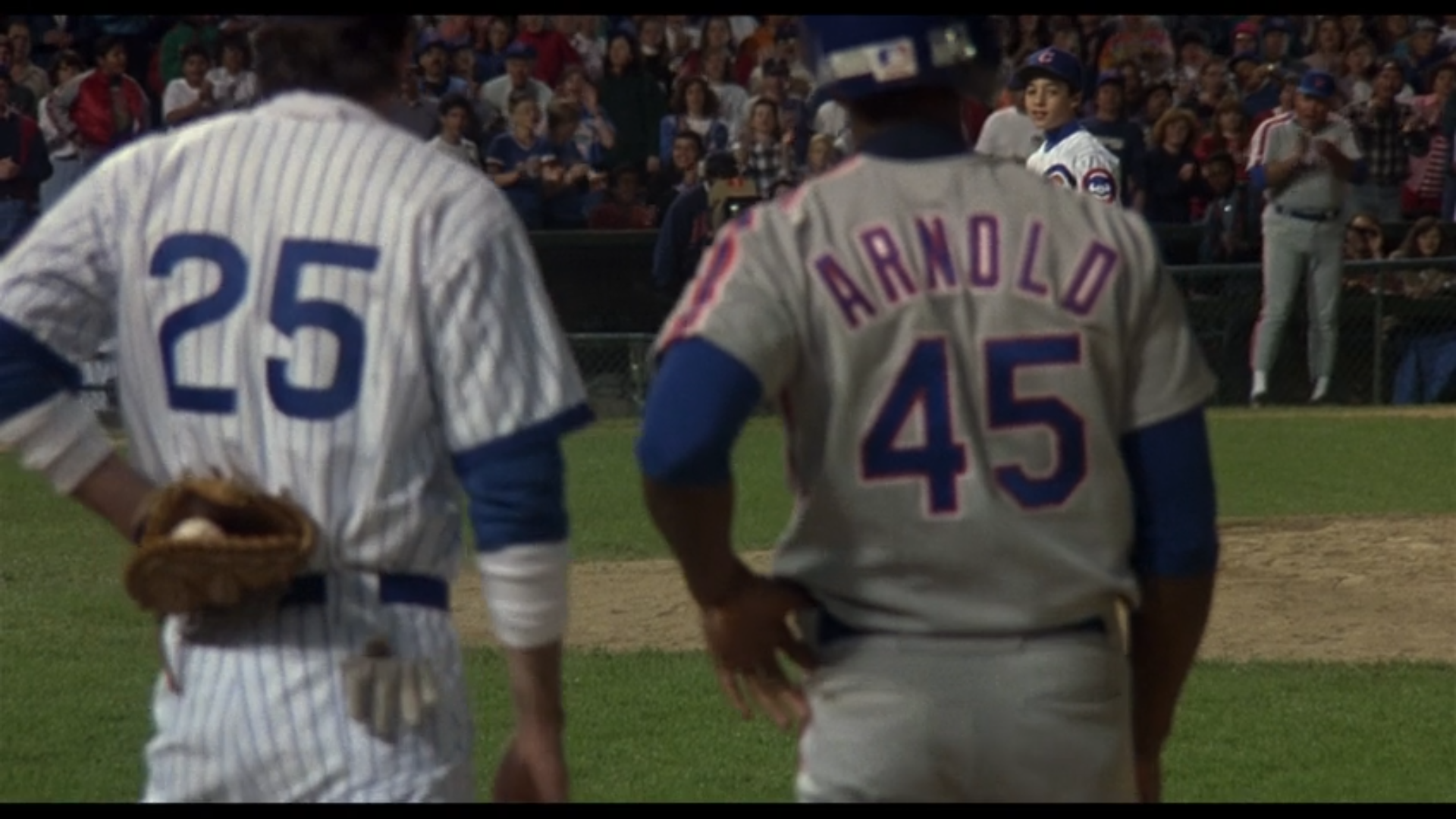
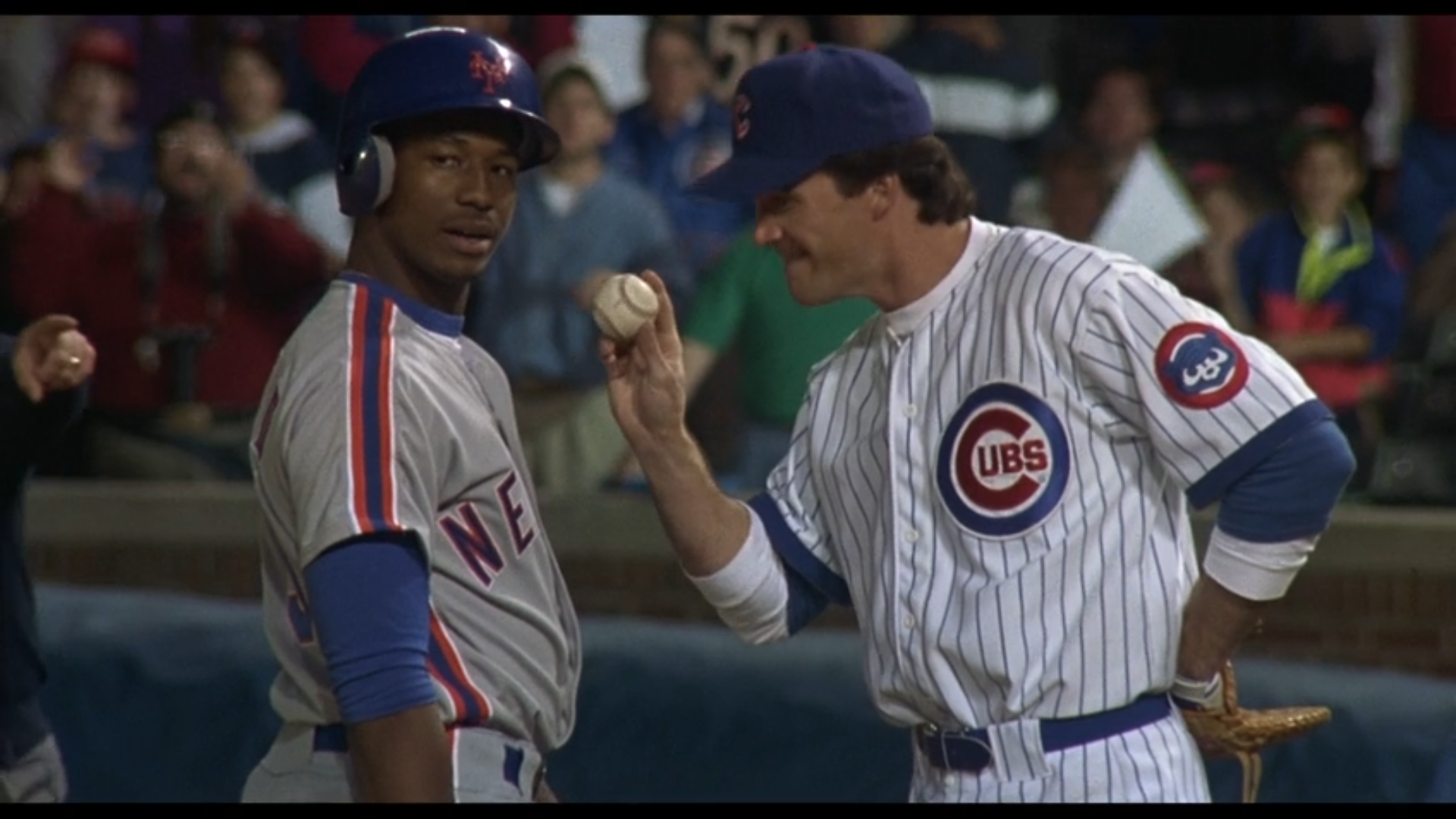
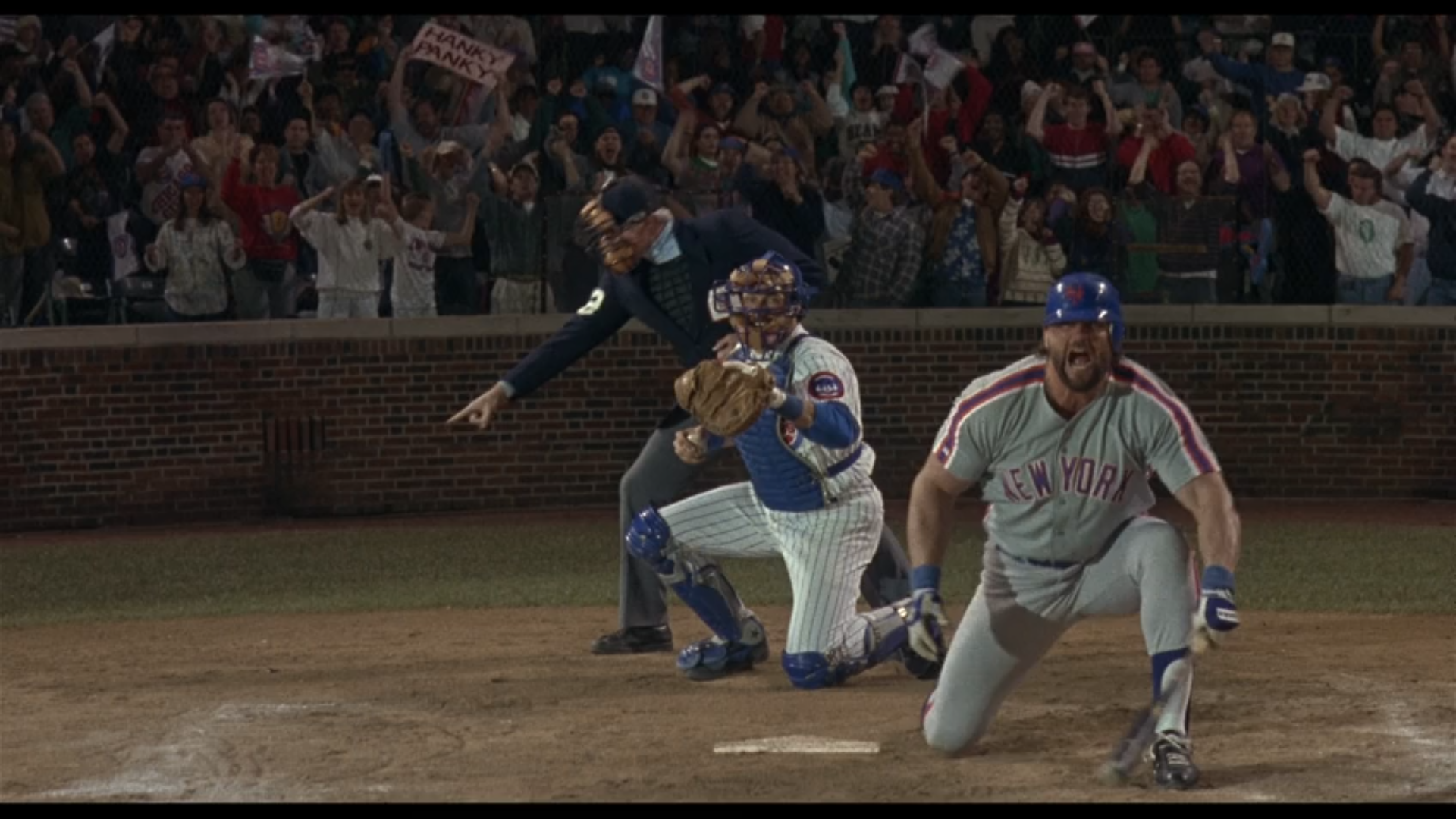
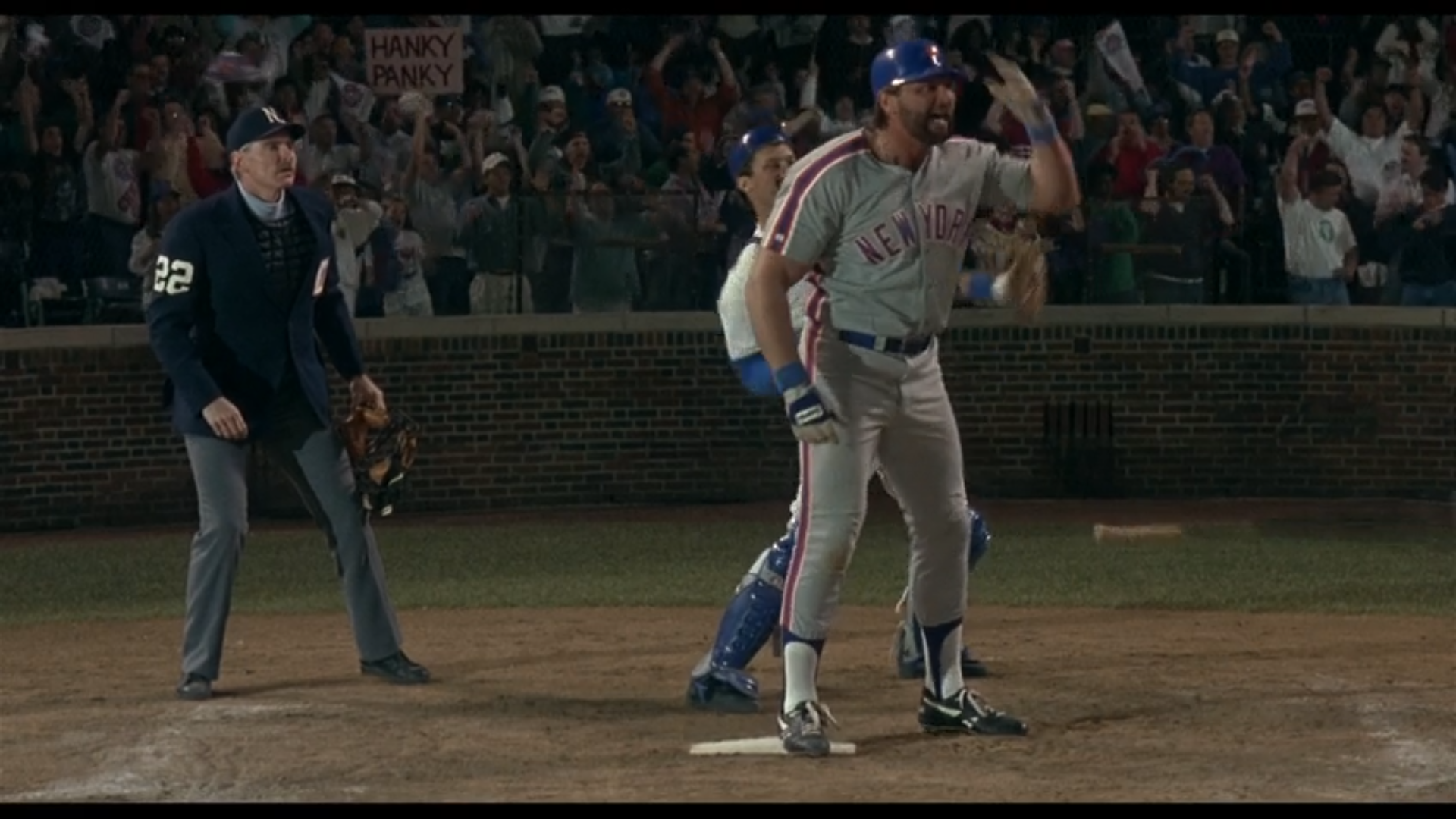
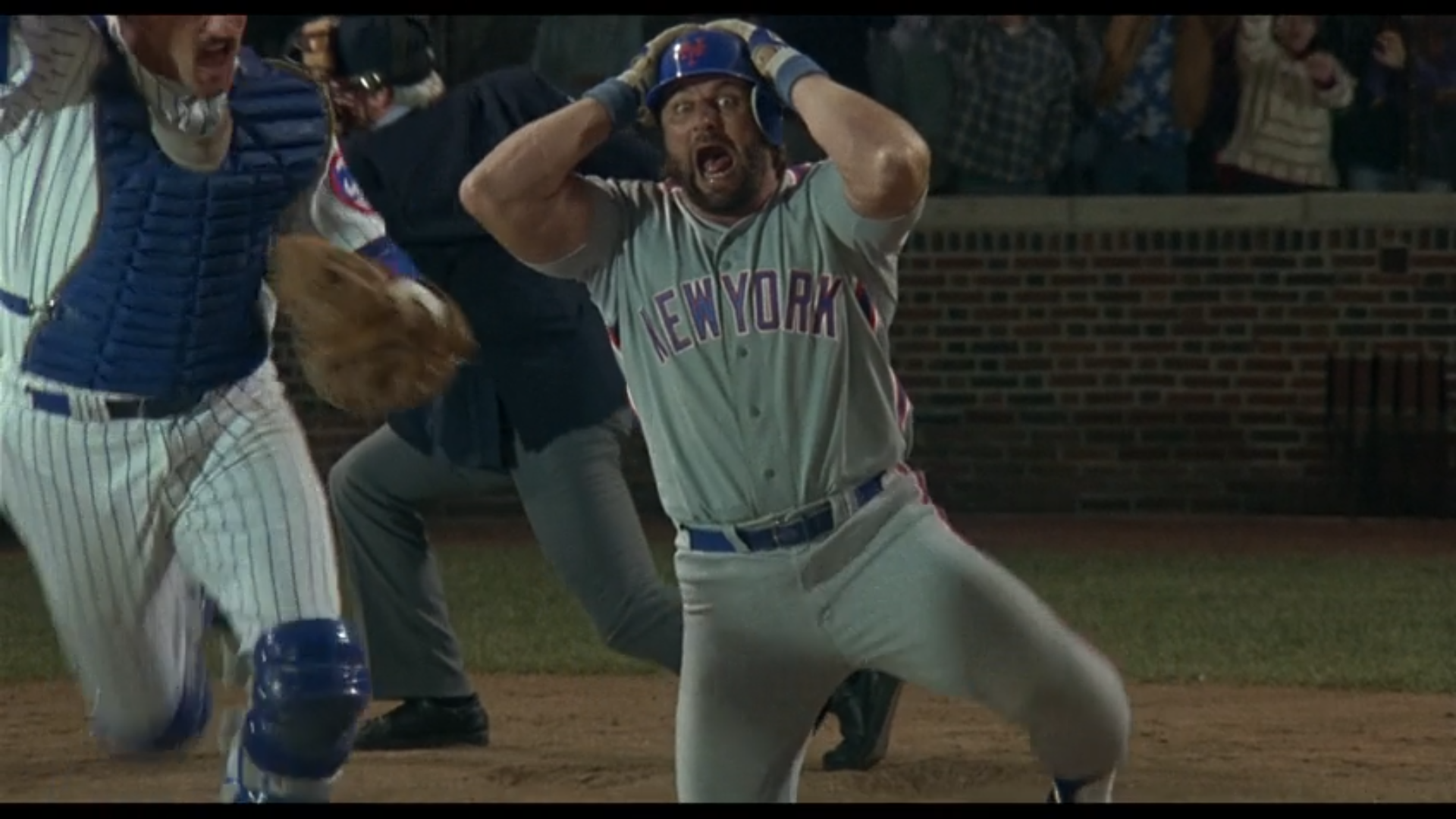
For those unfamiliar with the plot, Thomas Ian Nicholas plays a 12-year-old boy named Henry Rowengartner who recovers from a broken arm with the ability to throw a 100 mph fastball (which as Wikipedia helpfully notes “is well beyond the normal range of a Little League player”) and is signed by the Cubs. He leads them to within three outs of winning “the division,” which of course would earn them a berth in the World Series. Their opponent in the fateful final game of the season? My Metropolitans. When Henry slips on a baseball has he heads out onto the field to pitch the ninth and loses his supernatural abilities as suddenly as he gained them, the Mets seemed primed to advance to what would presumably be their first crack at a title since 1986. But that’s not how things go. Instead, leadoff hitter #45 Arnold (B.J. Sanabria) gets himself picked off following what is effectively an intentional walk to open the inning after falling victim to what John Candy’s announcer Cliff Murdoch refers to as “the old hidden baseball trick”:
Henry also gives a free pass to his teammate #16 White (Cristian Mendez), who even more frustratingly allows himself to be goaded into a foolish attempt to steal second by taunts of “chicken”:
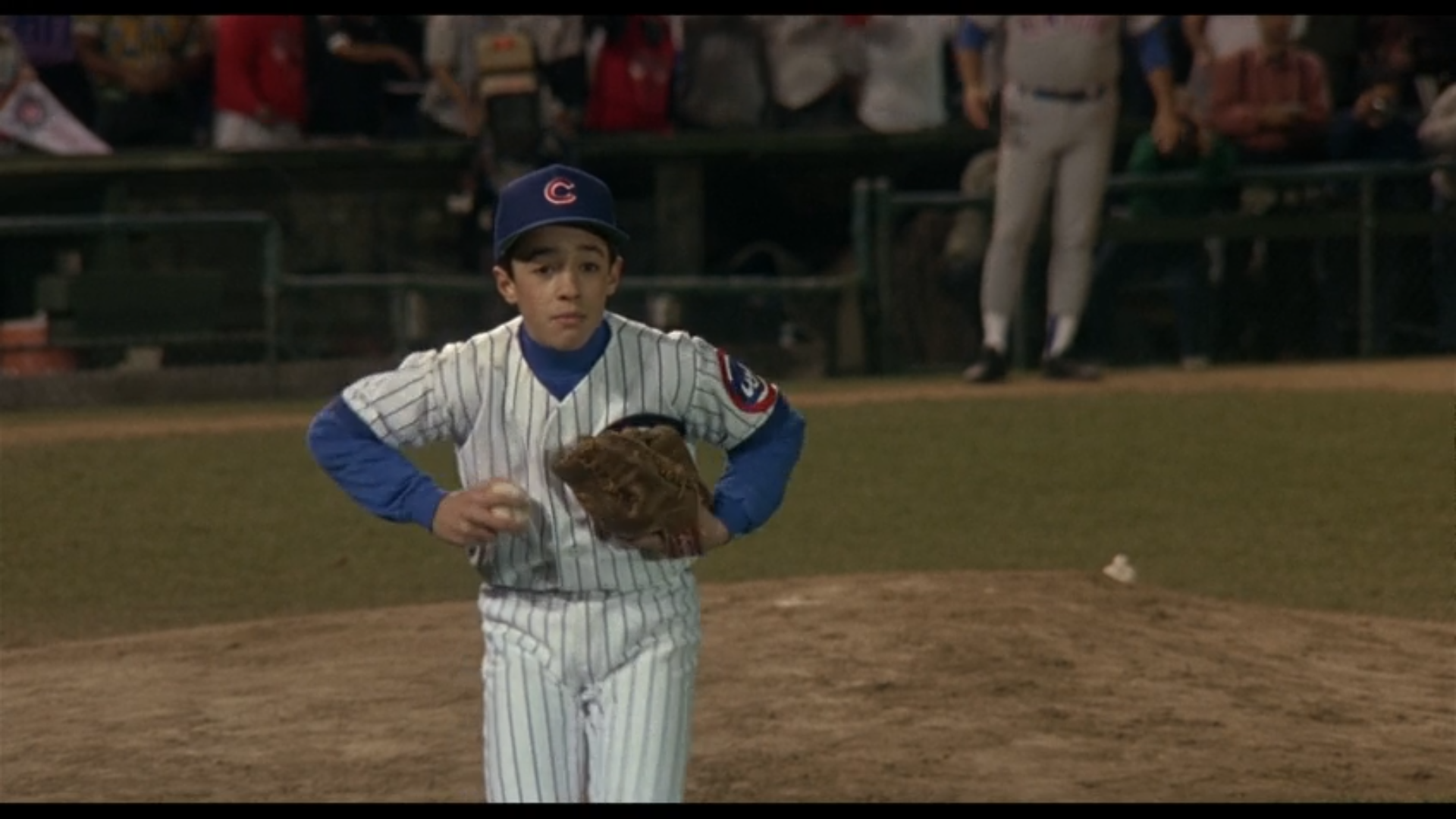
This sets up a rematch with #6 Heddo, the gargantuan power hitter who weeks earlier in the film welcomed Henry to the majors with a home run. But while he may “eat fastballs for breakfast,” he can’t handle to slow stuff, and Henry strikes him out on three straight pitches:
Roger Ebert called Rookie of the Year “pure wish-fulfillment” in a contemporaneous review that ended with him saying, “I really shouldn’t give it three stars, but I’m going to anyway.” It has actually aged pretty well, though, in large part because it never forgets it’s a fantasy, as demonstrated by this clever reference to The Wizard of Oz:
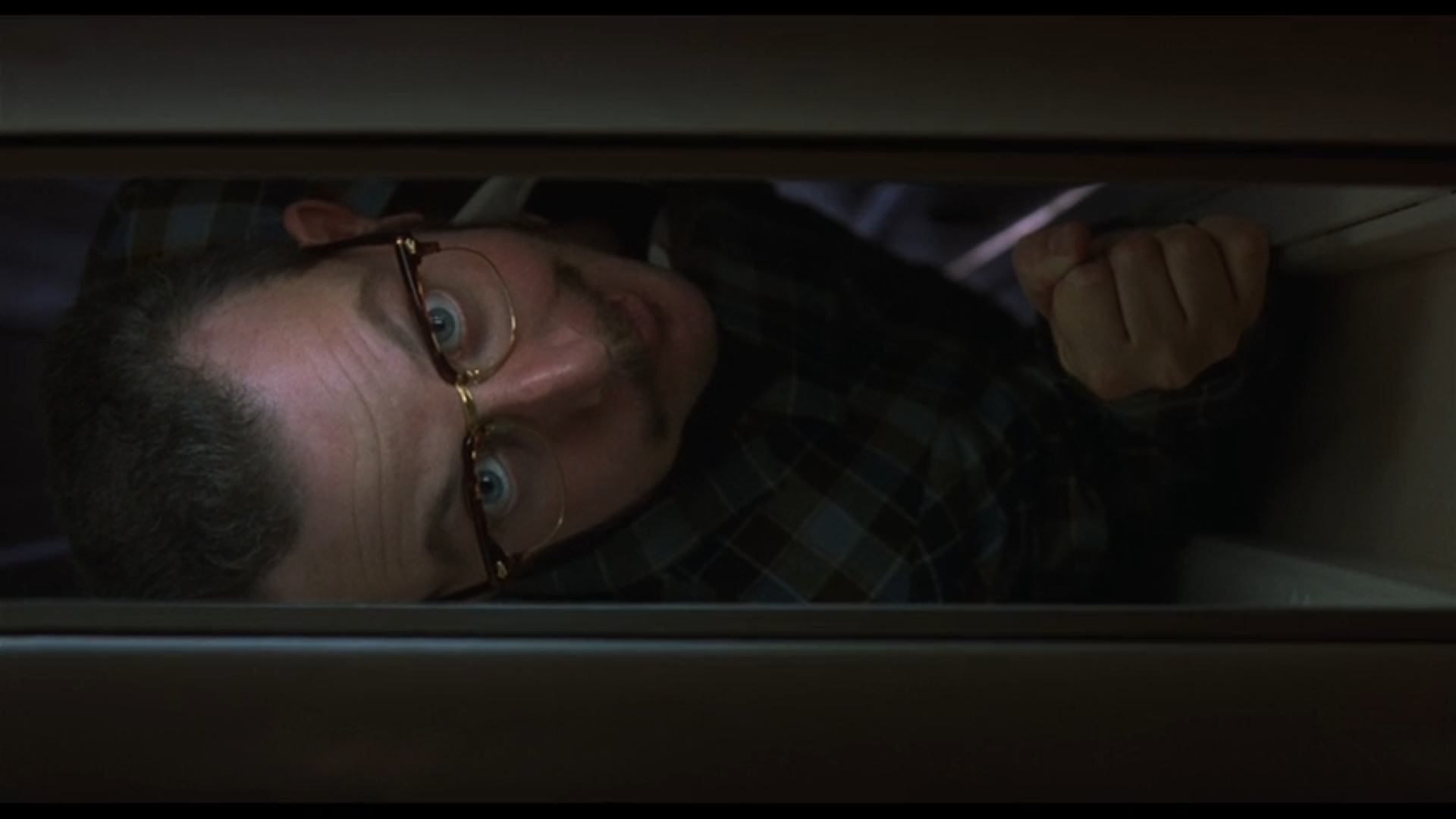
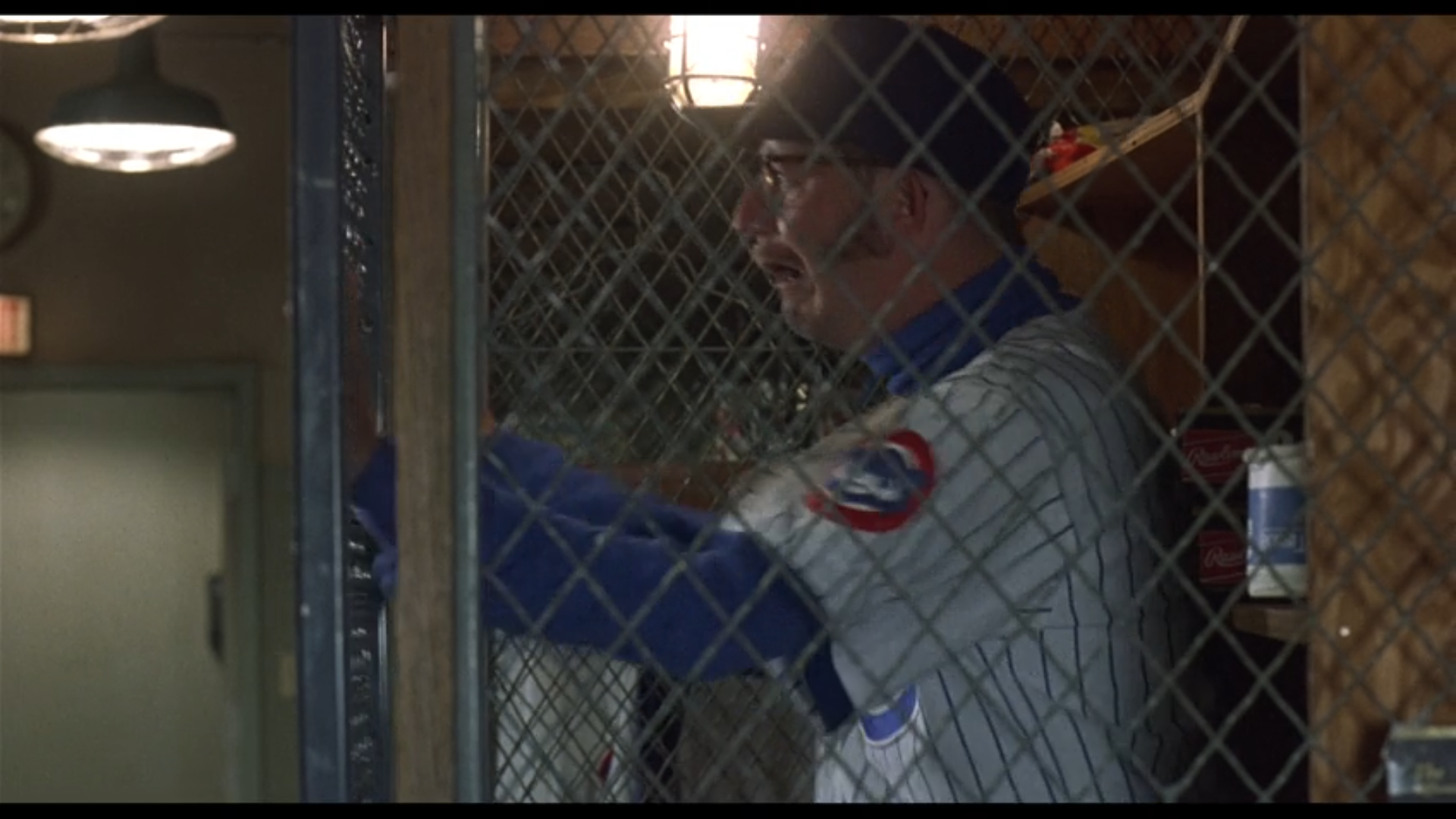
First- (and only-) time feature film director Daniel Stern makes lots of other interesting decisions, including devising a wide variety of ways to satisfy Twentieth Century Fox’s desire for him to play pitching coach Brickma but not actually appear on screen much by (as he told Kent Garrison in a 2020 interview for The Athletic) coming up with multiple gags where he misses games because he’s locked himself inside something, all of which somehow work:
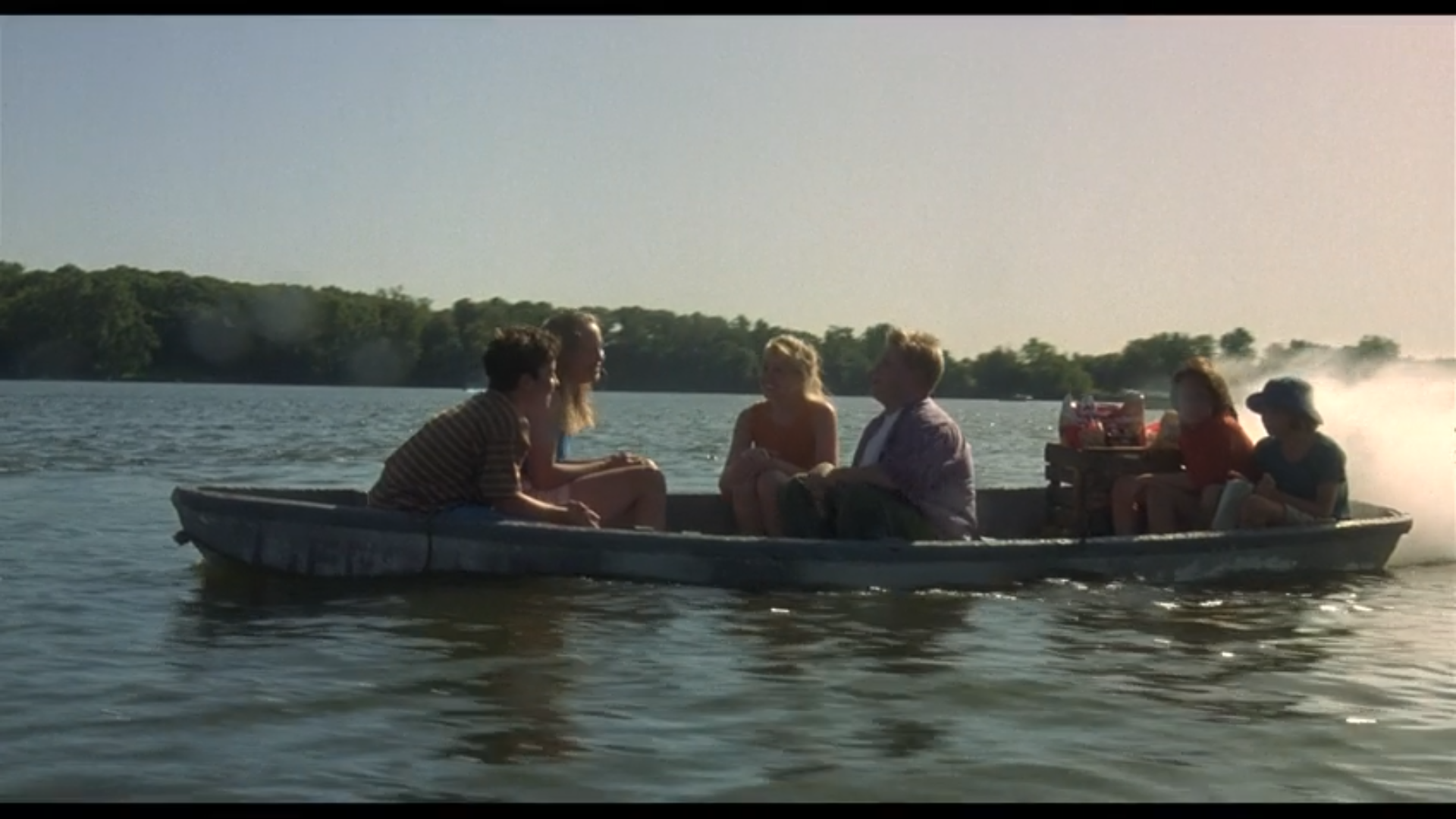
Anyway, as painful as the climax was for me as a fan of the losing team, and despite the fact that this overcrowded boat full of kids not wearing life jackets traumatized my loving wife the rowing coach:
Rookie of the Year made for one of our most enjoyable Family (née Friday) Movie Nights of the past year. There are surprisingly few good films about baseball considering that it’s the “national pastime” of the country that Hollywood is located in, so consider this one if you find yourself getting antsy as you wait for the games to resume next week!
Previous “Ithaca Film Journal” posts canbe found here.A running list ofall of my “Home Video” recommendations can be found here.
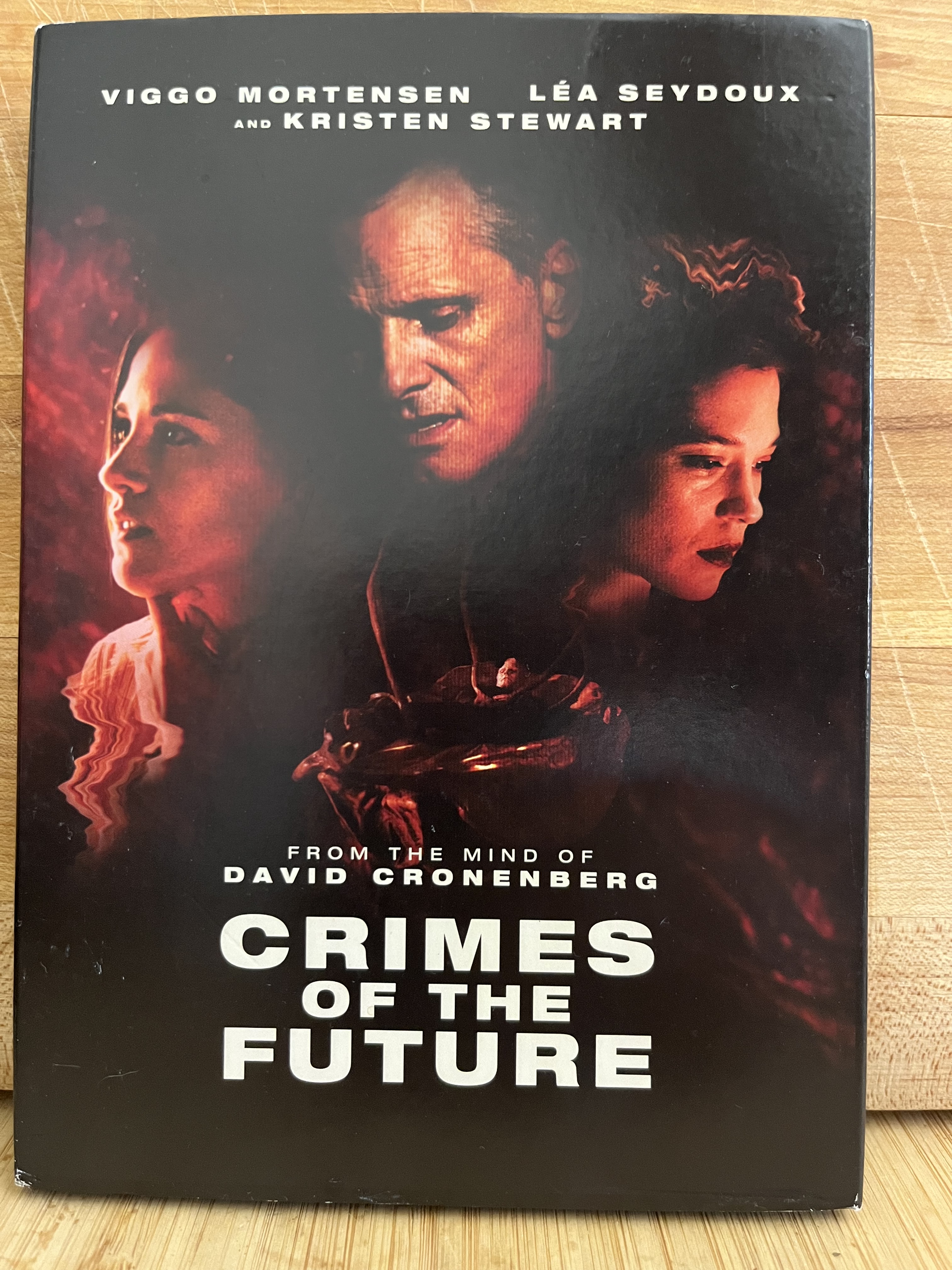
Happy Canada Day! This month’s post honors that country’s first citizen of cinema, David Cronenberg, and its de facto national cocktail, the Caesar. To begin with the former, here’s a picture of my Neon DVD copy of Crimes of the Future, one of *my* best movies of the 21st century so far:
It’s also currently available on Hulu with a subscription and via a number of other platforms for a rental fee, and some people may have access to it through Kanopy via a license paid for by their local academic or public library as well.
Everyone in my household except me is a Canadian citizen and we spend a lot of time north of the border, so Caesars are a staple of our holiday and other gatherings. I knew that I eventually wanted to write about a drink from the excellent book Caesar Country: Cocktails, Clams & Canada by Aaron Harowitz & Zack Silverman, which was published the same year this series began, and when I settled on Crimes of the Future as the movie I’d be pairing it with the choice became obvious. Here’s how to make our very slightly modified version of their ingenious Waltermelon:
1 1/2 ozs. Reposado tequila (Espolòn) 2 ozs. Watermelon juice 2 ozs. Caesar mix 1/4 oz. Simple syrup 1/4 oz. Lemon juice
Make the Caesar mix by roasting 4 1/2 lbs. halved Roma tomatoes cut-side down on a baking sheet lined with parchment paper or a Silpat mat with a seeded, stemmed, and halved jalapeño chili (skin-side up) and four whole cloves of garlic with their skins left on about 30 minutes until nicely browned. Let cool completely, then remove the skins from the garlic, add everything to a blender with two tablespoons fresh oregano (or two teaspoons dried), and blend until smooth. Add one cup of water, 1/2 cup clam juice, 1/4 cup lemon juice, 1/4 cup simple syrup, and two teaspoons sea salt and blend again to homogenize. Add 1/4 teaspoon cayenne powder, 1/4 teaspoon celery seed, 1/4 teaspoon freshly-ground black pepper, 1/4 teaspoon onion powder, and 1/4 teaspoon paprika and quickly blend again. Strain the mixture through a fine-mesh strainer and cheesecloth (you’ll need to squeeze, which can be messy if you’re not careful) and adjust the consistency with additional water as needed and/or seasoning with more salt. To make the cocktail, stir all of the ingredients with ice and strain into a chilled Collins or highball glass rimmed with kosher salt. Serve on the rocks garnished with cubes of feta cheese and watermelon on a skewer.
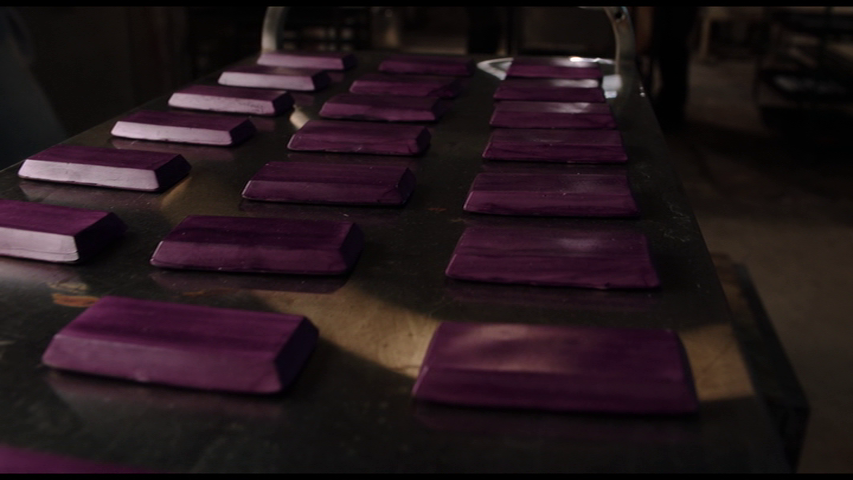
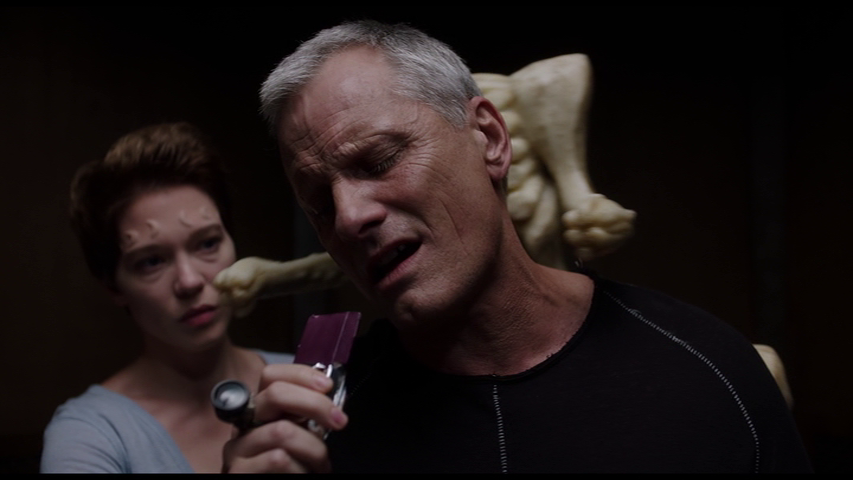
This beverage is certain to surprise and delight Caesar fans for sure, but even more so anyone who only knows its cousin the Bloody Mary. Thanks to the addition of watermelon juice, which per Harowitz & Silverman was inspired by an observation by chef José Andrés that “tomatoes with watermelon is a simple, refreshing, and perfectly balanced combination,” it’s sweeter and much lighter in body than the brunch staple you’re familiar with, which I personally find unpleasantly sludgy. Watermelon is also probably the flavor that will dominate your initial impression, but only because it’s unexpected: starting with the second sip, it feels like the world’s most natural companion to the umami-rich Caesar base. Finally, there’s a nice bit of heat on the finish, which is also where you finally pick up agave notes from the tequila and the oregano (one of the ingredients in the original Caesar created by Calgary bartender Walter Chell, as the book notes) we added as a second connection to Greece, where Crimes of the Future was shot. The first is of course the cubed feta garnish, which reminds me a bit of these trapezoidal purple “candy bars”:
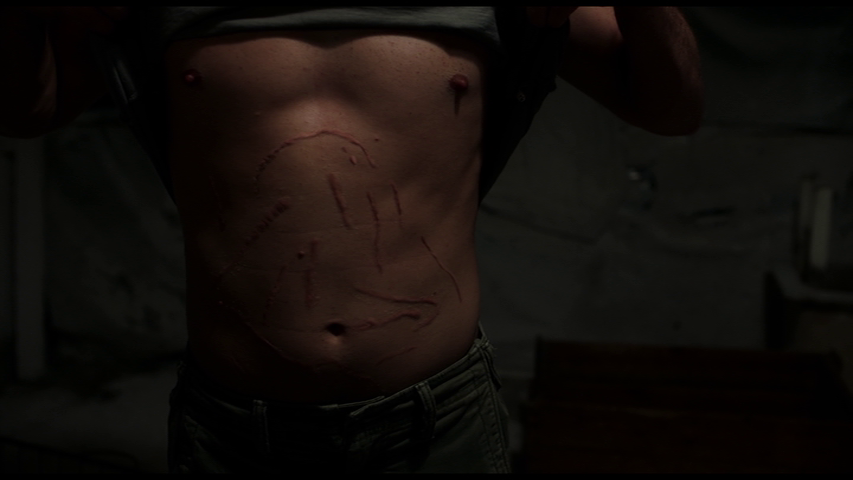
They aren’t actually candy, hence the scare quotes: this is, rather, what you eat after you get the elective surgery that leaves these scars:
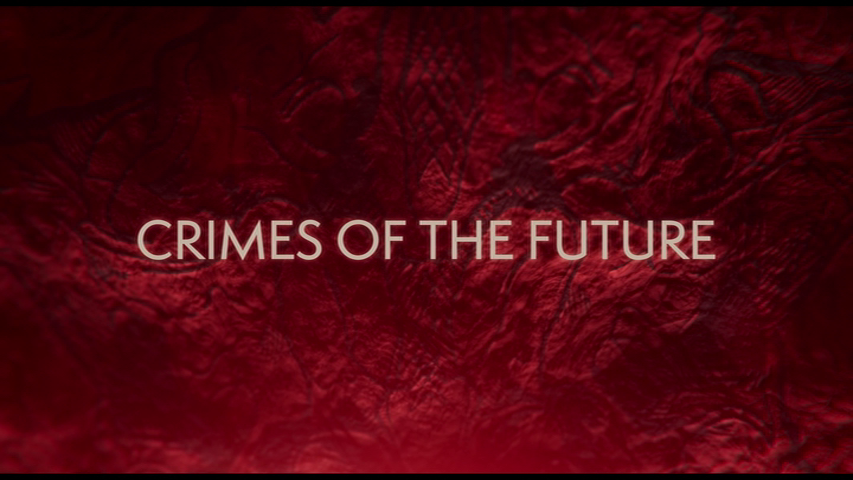
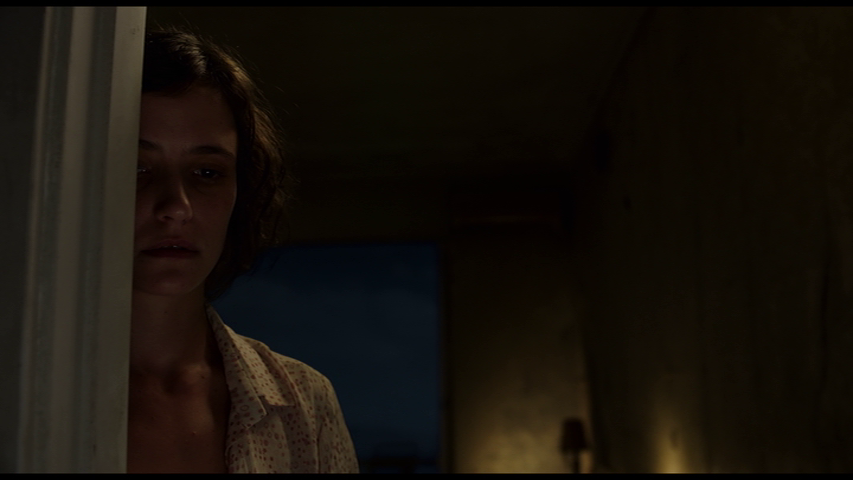
And replaces your digestive system with one capable of converting reprocessed industrial waste into energy. But we’re getting just a bit ahead of ourselves. Following the opening credits sequence that inspired this month’s drink photo:
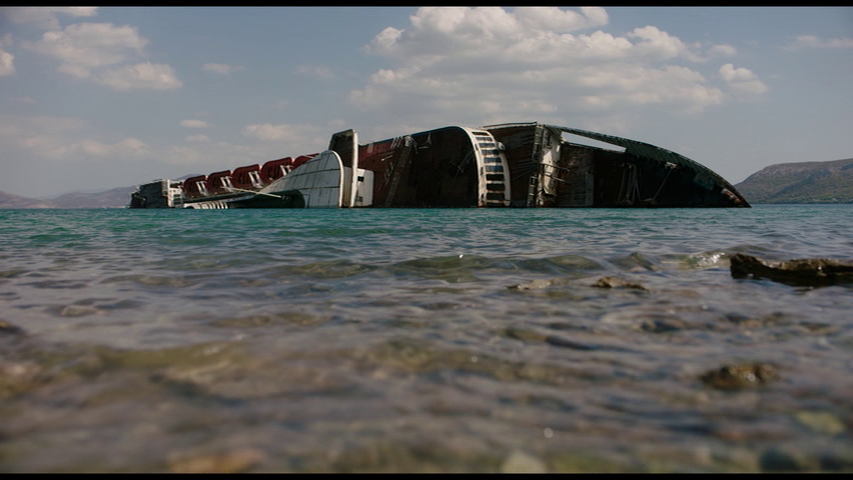
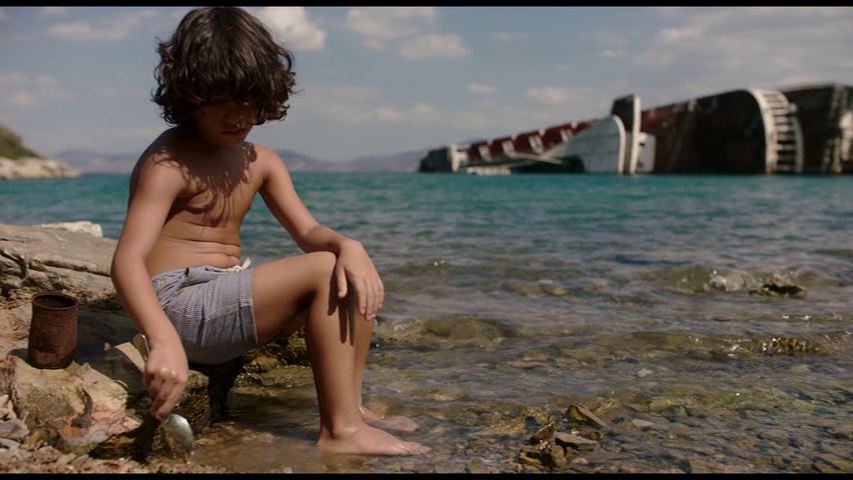
Crimes of the Future begins with a shot of a structure that looks simultaneously futuristic and decrepit viewed from the shoreline of a rocky beach:
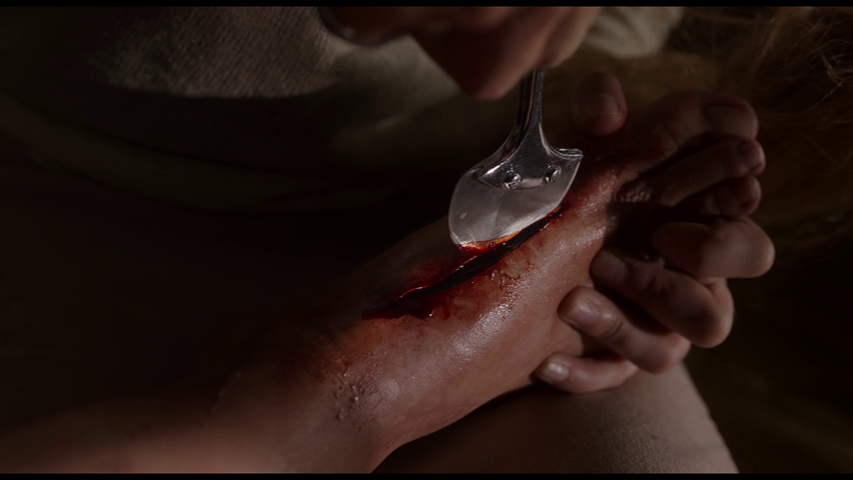
The camera pulls back to reveal a boy (Sotiris Siozos) sitting next to a rusty can and digging in the water with a spoon:
Then circles around to the right before tracking in, almost as if were studying him. A woman’s voice says “Brecken” and he looks up:
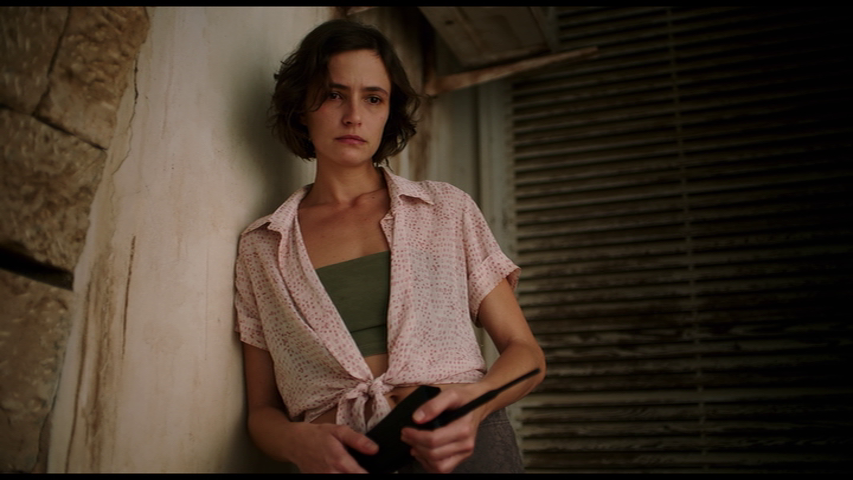
Cut to a long shot of the speaker, his mother Djuna (Lihi Kornowski): “I don’t want you eating anything you find in there, you understand me? I don’t care what it is.”
Cut back to Brecken, who rises, then back to a medium shot of Djuna as she mutters “I don’t care what it is” to herself a second time, her voice quavering.
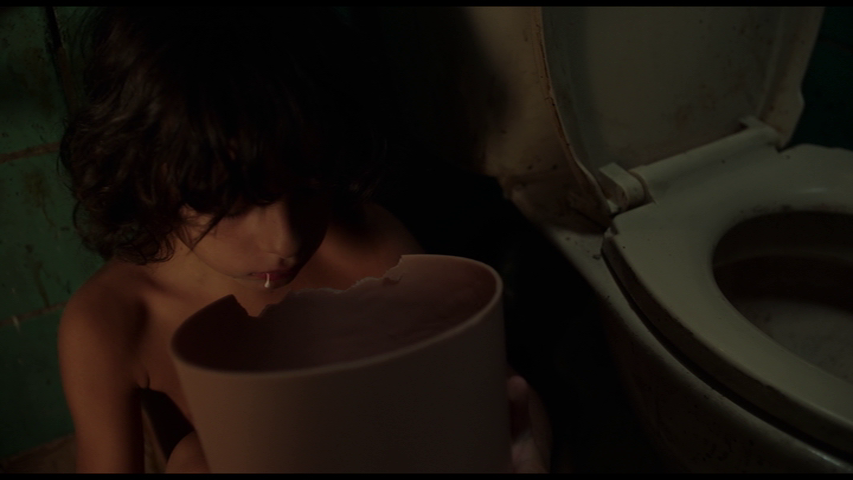
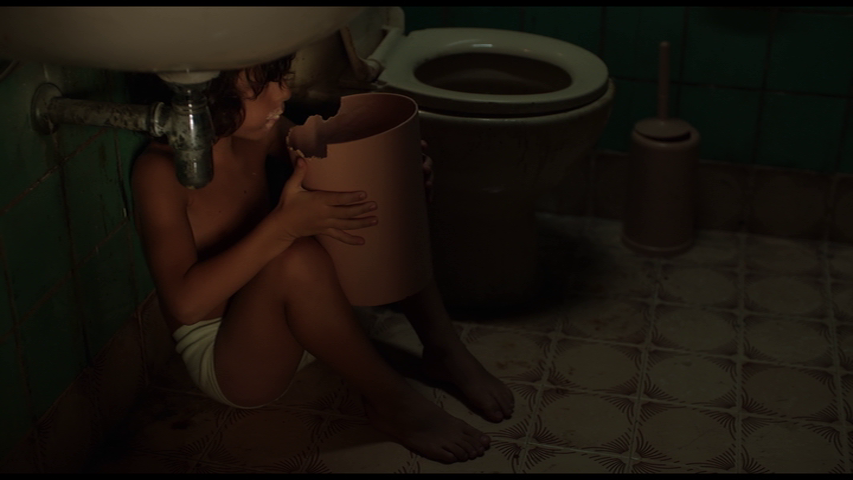
It’s an odd exchange and on a first viewing the logical assumption is that she’s concerned about him consuming marine animals or fish, possibly because the water is polluted? But the real cause of her duress is revealed about 30 seconds later when Brecken finishes brushing his teeth and begins to munch on a plastic wastebasket as Djuna looks on:
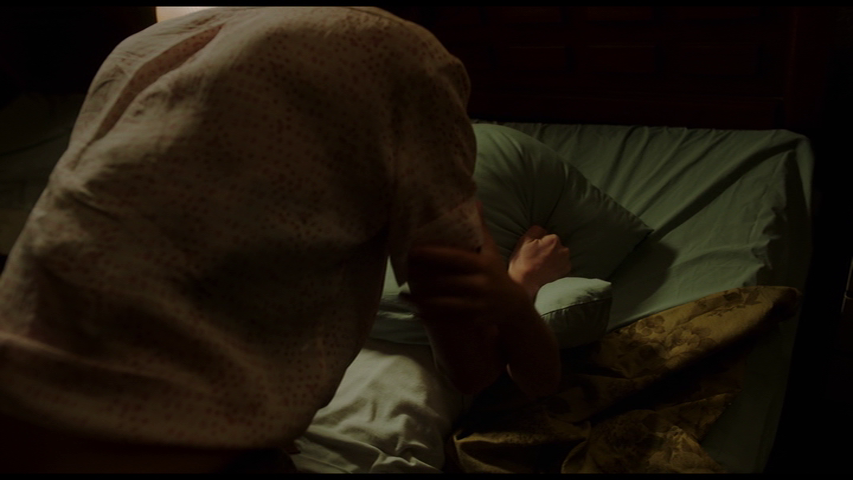
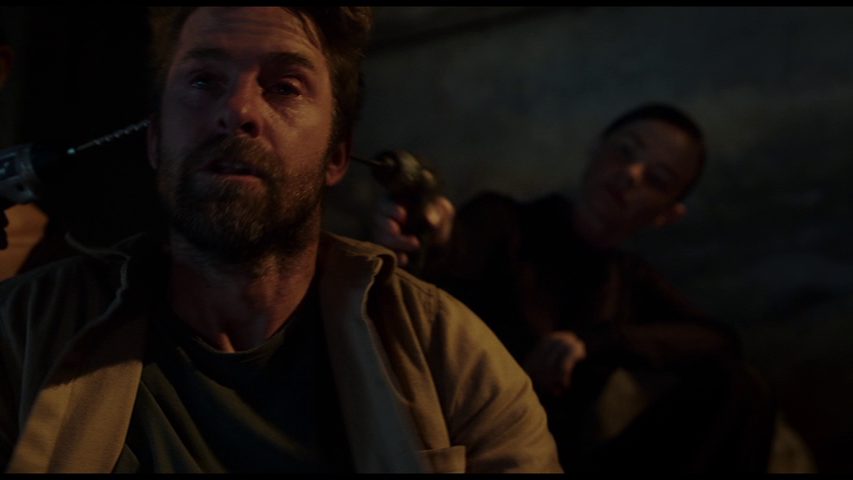
What happens next is even more shocking. As Brecken sleeps, Djuna smothers him with a pillow:
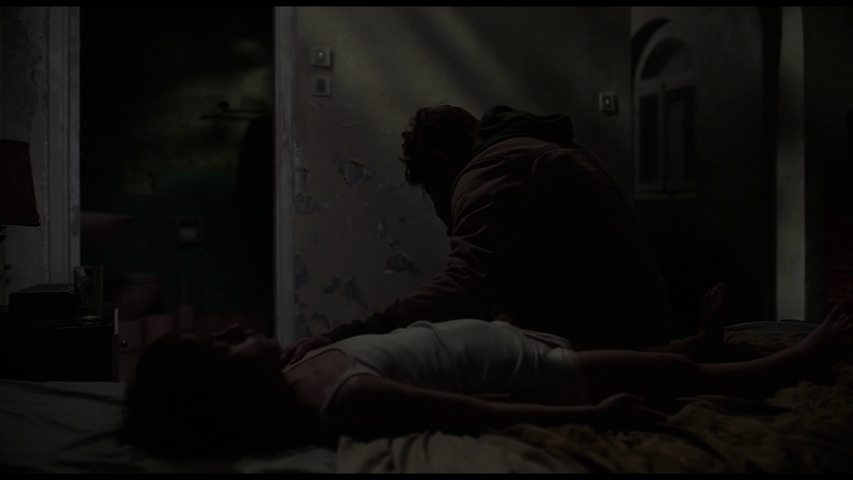
She confesses her crime over the phone in the scene that follows, and although her words are unrepentant (“yes, yes, I mean the Brecken thing”), there are tears in her eyes when she hangs up:
The person at the other end of the line is an associate of Djuna’s ex-husband Lang (Scott Speedman), who is understandably also reduced to sobs when he shows up to claim his son’s body:
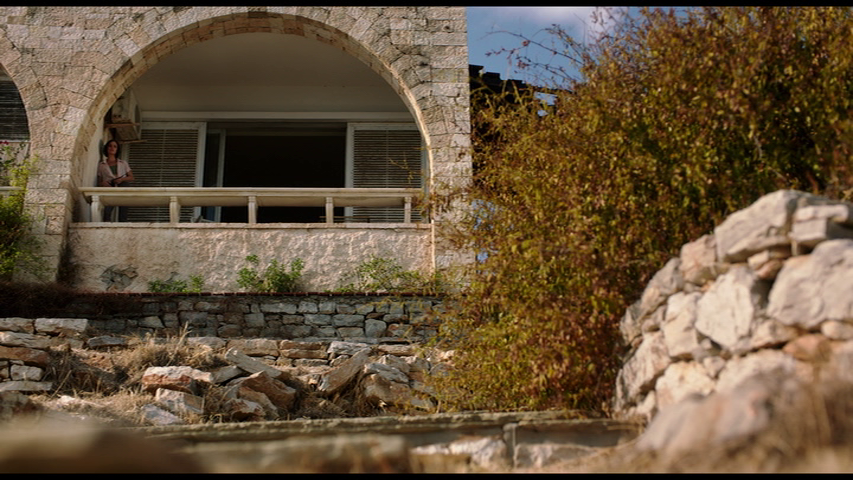
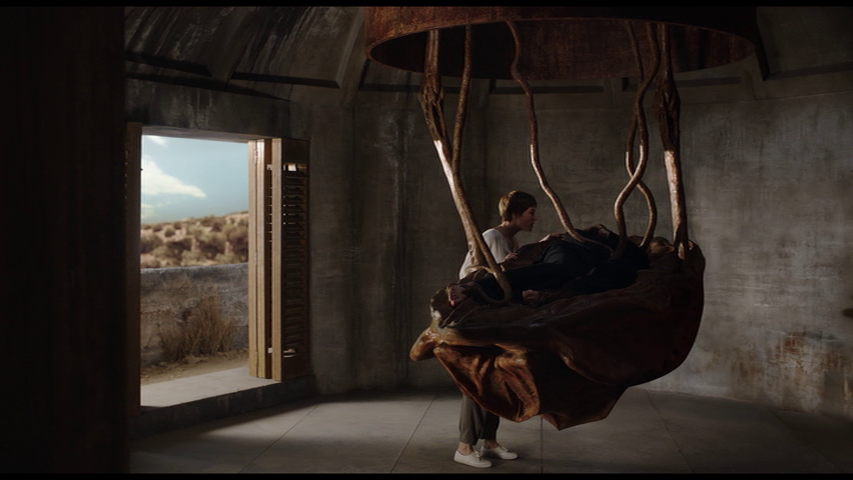
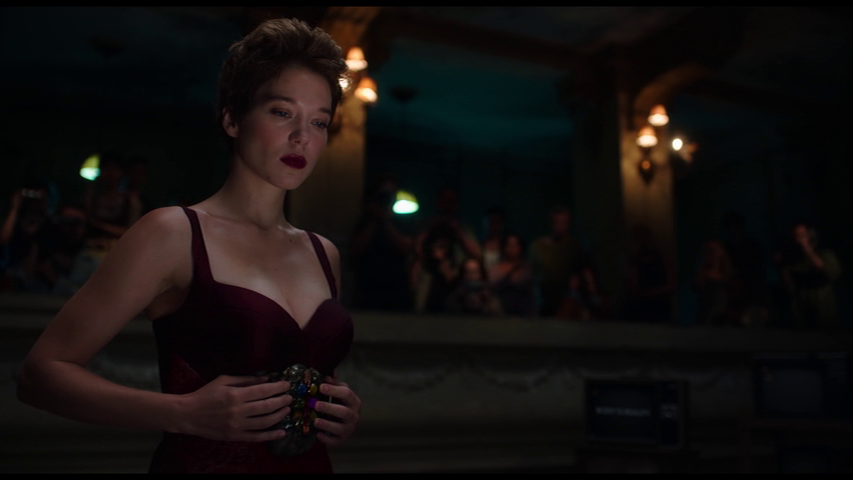
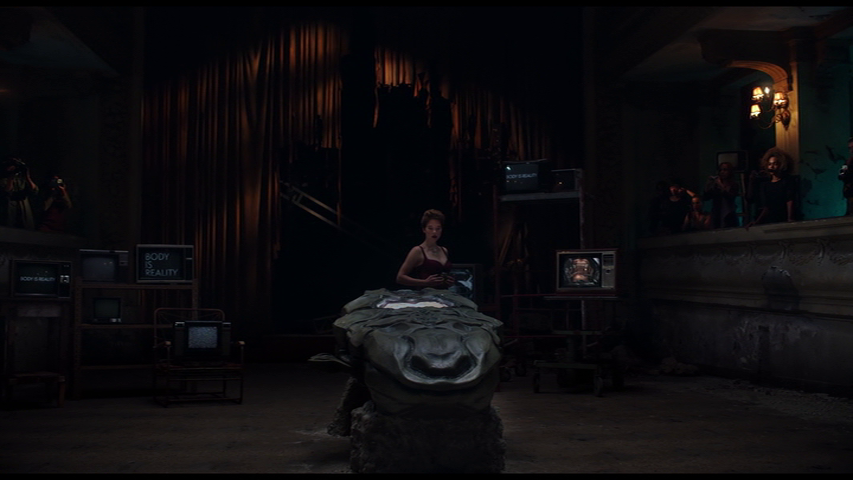
And with one murder in the books, we’re off. The next shot introduces us to Crimes of the Future‘s protagonists, Saul Tenser (Viggo Mortensen) and his partner Caprice (Léa Seydoux). She awakens him from a restless night in his LifeFormWare OrchidBed with good news: there’s a new hormone in his body!
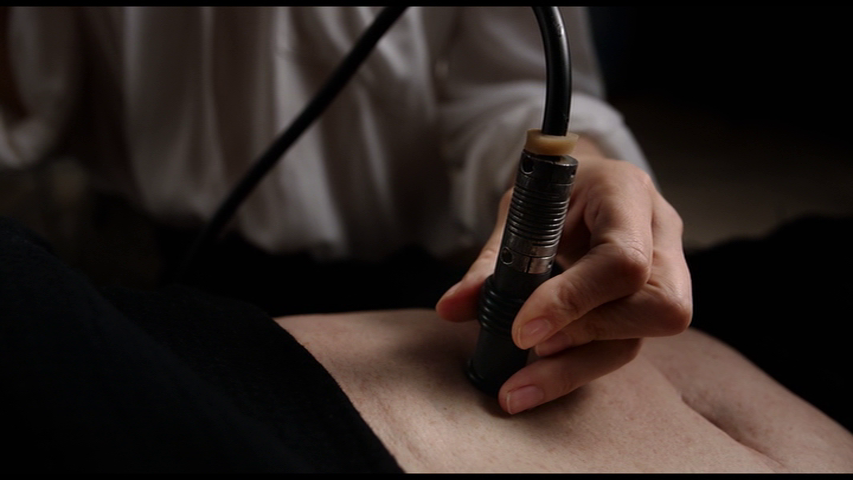
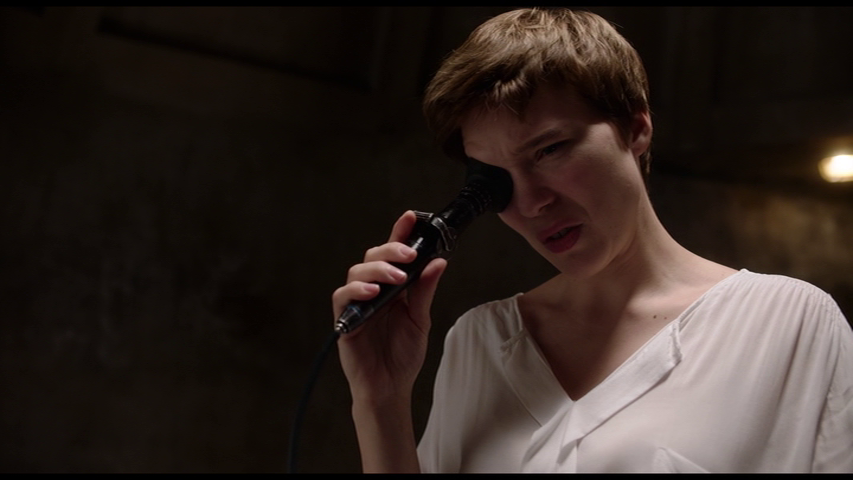
You see, he suffers from a condition called Accelerated Evolution Syndrome whereby his body produces new organs, which Caprice tattoos while they’re still in his body:
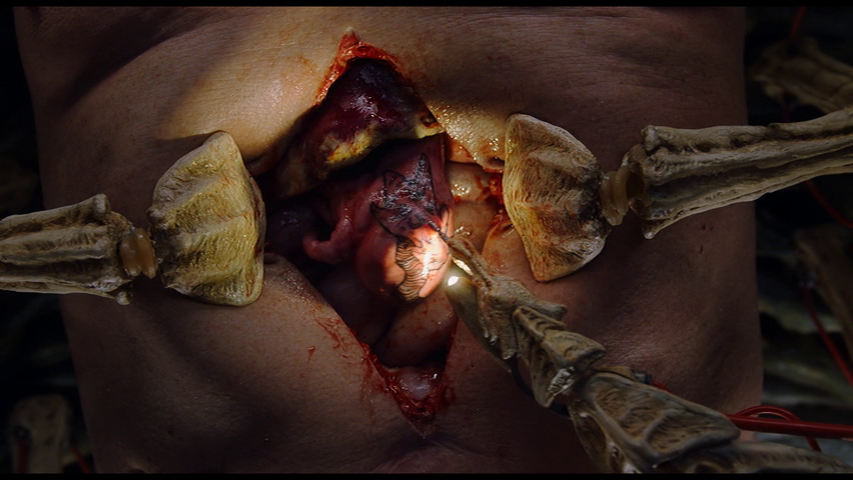
Then removes in front of a live audience using another LifeFormWare product, the Sark autopsy module, which has made them stars of the performance art world:
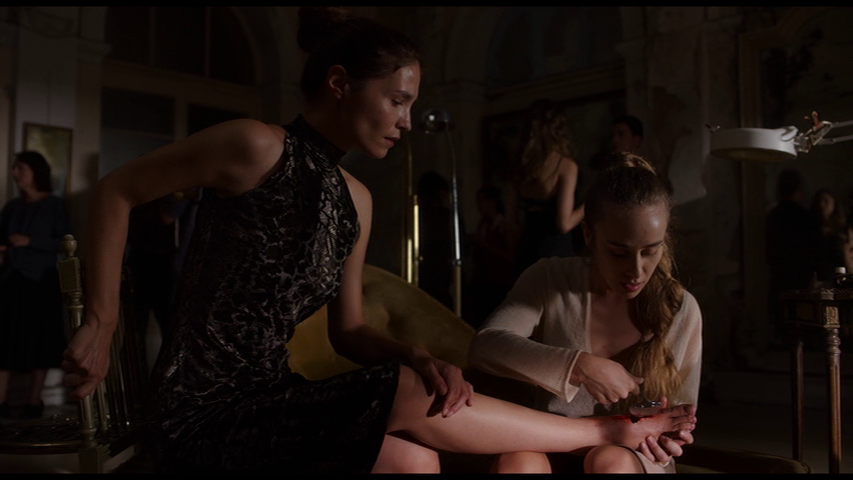
There’s no need for anesthesia or sterilization because human beings have ceased to feel pain except in their sleep and infections have disappeared for reasons unknown. People now get their thrills from a new fad called “desktop surgery,” which basically consists of cutting into each other:
And the entire situation is making the government nervous. As the two bureaucrats who staff the National Organ Registry it establishes in response explain, “human evolution is the concern. That it’s going wrong. That it’s . . . uncontrolled, it’s . . . insurrectional.”
Violet Lucca reads Crimes as being deeply autobiographical in her monograph on Cronenberg, but immediately goes on to note that there’s far more going on here than just taking stock and settling scores:
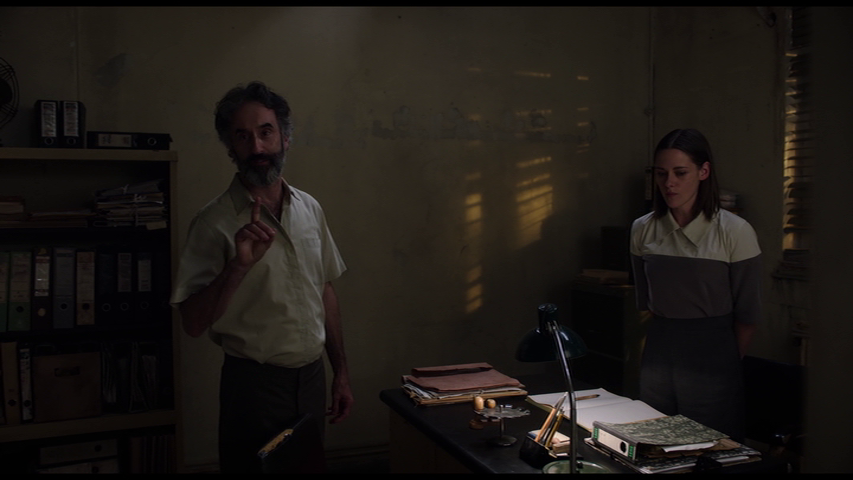
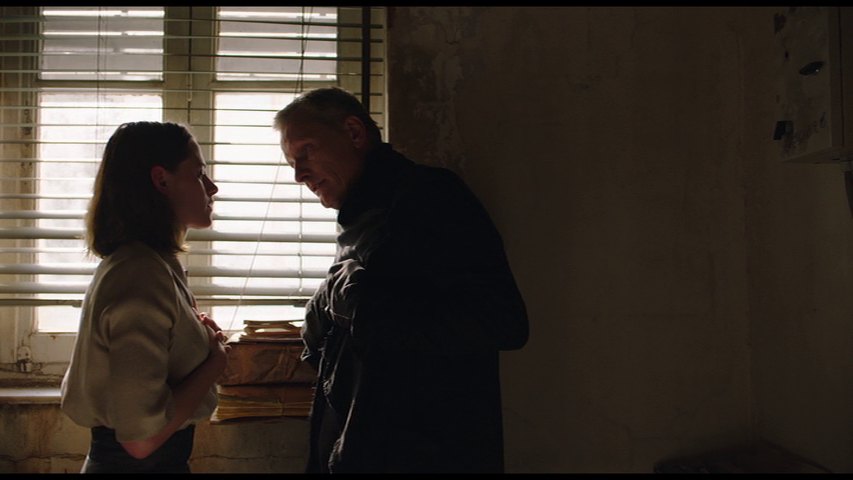
Saul is Cronenberg himself, performance art is cinema, “body art” is “body horror” (the questionable subgenre Cronenberg supposedly invented), the National Organ Registry stands in for TIFF and Telefilm Canada, and Timlin (Kristen Stewart) and Wippet (Don McKellar), the jittery geeks who work at the NOR, are a heady mix of film fans and people who work in film (critics, archivists, programmers, publicists, or whatever). However, the way in which these parallels are drawn–and Saul’s succinctly croaked objections to the various interpretations of his work, the state of performance art, and to the state of the world–are commentaries that are just as applicable to our reality as they are in the film’s. The government’s endeavors to control both art and body are meant to protect those who are already powerful, going so far as to deny nature and very clear biological warnings.
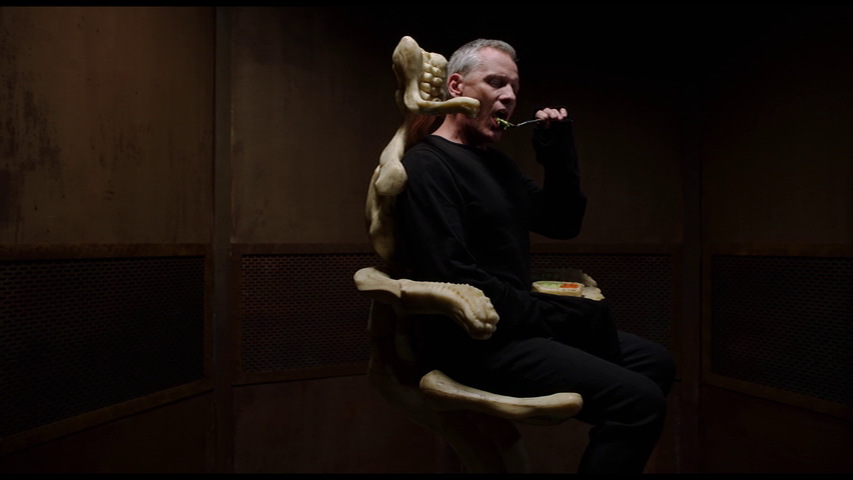
What takes the movie to the next level and makes it what Neil Bahadur calls on Letterboxd “one of the most visionary works of science fiction in the history of cinema” is how this is accomplished: “it deemphasizes technology for exploring changes in human habit, psychology, and physiology.” Deemphasizes is exactly the word–there’s plenty of tech in the movie, but like LifeFormWare’s Breakfaster Chair it’s shown to be unable to keep pace with the body’s endeavors to heal itself.
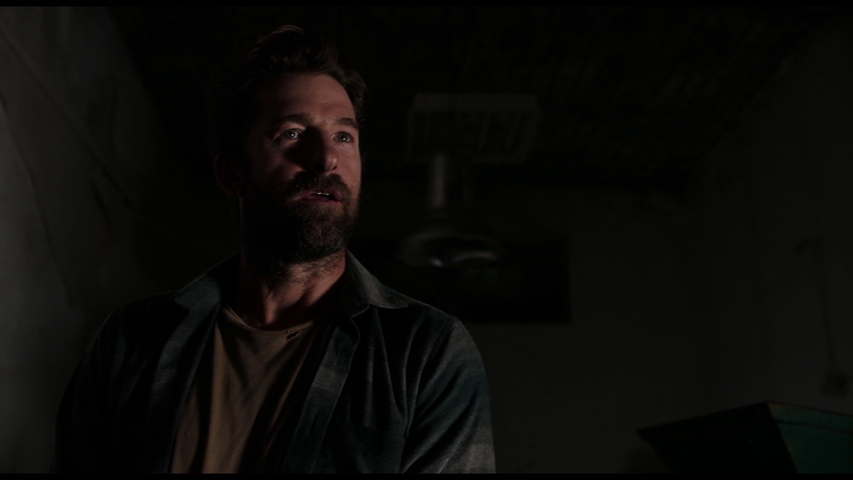
Enter Lang, who is not only Brecken’s father, but also the leader of the “plastic-eaters” mentioned above. He cannot explain how their body modifications came to manifest naturally in a new generation beyond referring to the boy as their “miracle child,” but approaches Saul and Caprice with the idea of performing a public autopsy on his son’s body “to show the world that the future of humanity existed and was good–was at peace and harmony with the techno world that we’ve created.”
Saul accepts under orders from his handler in the government’s New Vice Unit, which unbeknownst even to Caprice he works for as an undercover agent, ostensibly to earn Lang’s trust so that he can infiltrate his group, but really because they’ve already gotten to Brecken’s body:
Meanwhile, LifeFormWare is making plans of its own to ensure the continued viability of its products:
Crimes of the Future is also quite erotic, to the point where the album Pinkerton by Weezer could almost function as an alternative soundtrack to it, especially the tracks “Tired of Sex,” which matches well with this awkward encounter between Saul and Timlin:
“The Good Life,” which might as well be all about him, and “Butterfly,” our new accompaniment to the end titles that follow this brilliant final image:
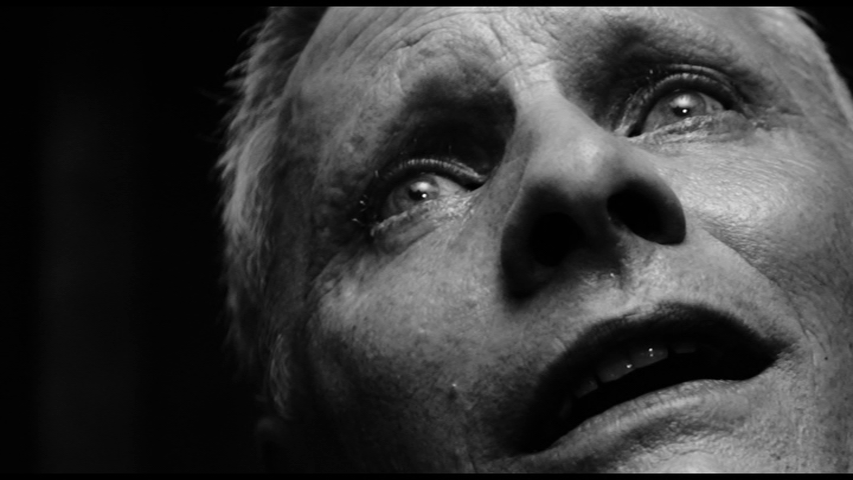
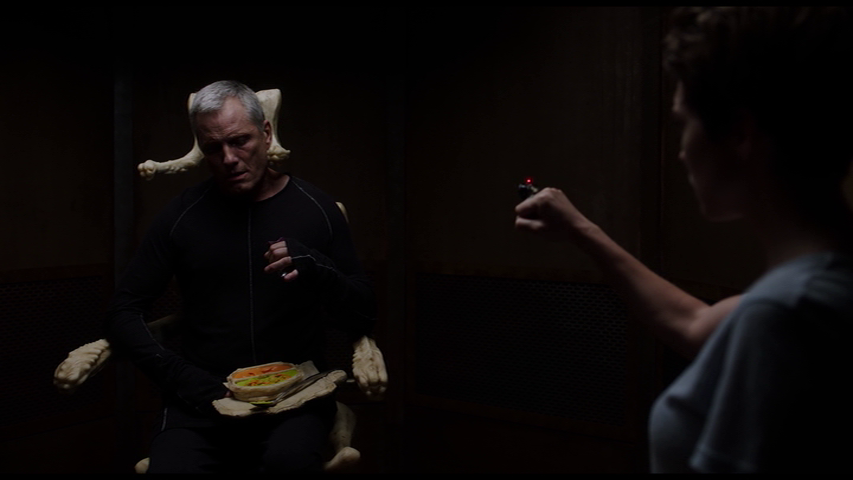
Speaking of which, many critics identify it as a reference to my February, 2023 Drink & a Movie selection The Passion of Joan of Arc, but it also marks the conclusion of a motif that started with the 14th and 15th screengrabs in this post by putting a new twist on it. Djuna and Lang both weep for things lost, in her case the familiar world she knew in her youth, and in his the unexpected delay of long-anticipated future he thought had already arrived. Saul’s tear, on the other hand, is like Joan’s a sign of acceptance. Caprice gives him a bite of Lang’s “modern food”:
The Breakfaster Chair stops moving:
And to paraphrase a different set of alternative rockers active in the 90s, it’s the end of the world as we know it–but he feels fine. To Bahadur, “Cronenberg’s deep fear here – as it should be to all of us – is of reactionaryism: that those who are deemed different are then deemed subhuman, if not human at all. The title is in reference to this alone: is difference or the new the crime of the future? Is it already the crime of the now?” Noel Vera similarly suggests in a blog post about Crimes that by the end for Saul “the coming apocalypse isn’t so much a calamity as a fascinating new condition to explore and exploit, even embrace.” He also observes in passing that his name might be a reference to Alfred Bester’s classic sci fi novel The Demolished Man, something that occurred to me as well, specifically this nonsense rhyme that Ben Reich learns to prevent his thoughts from being read in a future where telepathy is common:
 Eight, sir; seven, sir;
 Six, sir; five, sir;
 Four, sir; three, sir;
 Two, sir; one!
 Tenser, said the Tensor.
 Tenser, said the Tensor.
 Tension, apprehension,
 And dissension have begun.
What’s interesting is the way that story ends. It revolves around Reich’s attempts to commit the perfect crime and escape his world’s worst punishment, something with the threatening name of “Demolition.” But it’s not what we think it is, as we finally discover in the final pages:
Reich squalled and twitched.
“How’s the treatment coming?”
“Wonderful. He’s got the stamina to take anything. We’re stepping him up. Ought to be ready for rebirth in a year.”
“I’m waiting for it. We need men like Reich. It would have been a shame to lose him.”
“Lose him? How’s that possible? You think a little fall like that could–“
“No, I mean something else. Three or four hundred years ago, cops used to catch people like Reich just to kill them. Capital punishment, they called it.”
“You’re kidding.”
“Scout’s honor.”
“But it doesn’t make sense. If a man’s got the talent and guts to buck society, he’s obviously above average. You want to hold on to him. You straighten him out and turn him into a plus value. Why throw him away? Do that enough and all you’ve got left are the sheep.”
“I don’t know. Maybe in those days they wanted sheep.”
Harowitz & Silverman argue that a big part of what makes the Caesar a great drink is that it’s infinitely customizable: they define it as “a cocktail (alcoholic or non-alcoholic) made with a base of vegetable juice and an element of the sea.” It thus can be adapted to almost any dietary preference or restriction, so mix yourself up a Watermelon like we recommend or try something different: whether you do or don’t drink, are an omnivore or vegetarian, or even (judging from Crimes‘ first line) eat plastic, Caesar Country is your roadmap to a satisfying Canada Day concoction.
Cheers!
All original photographs in this post are by Marion Penning, aka my loving wife.Links to all of the entries in this series can be found here.


















 The Prodigal Cinephile