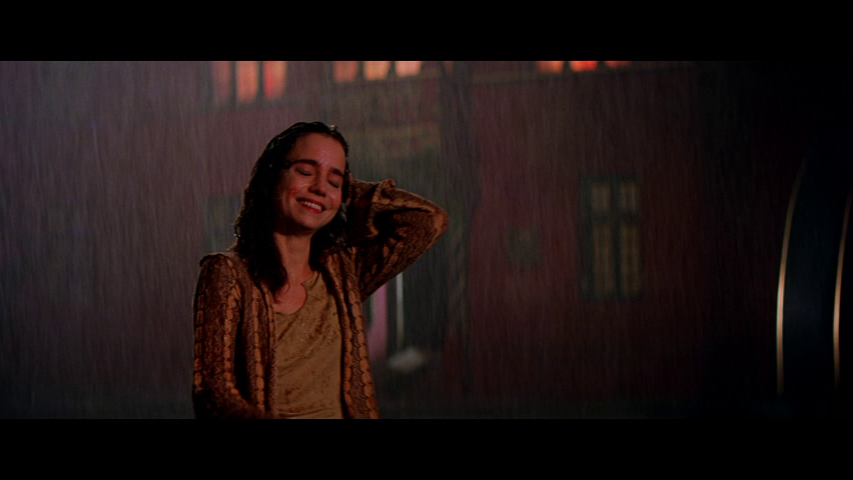
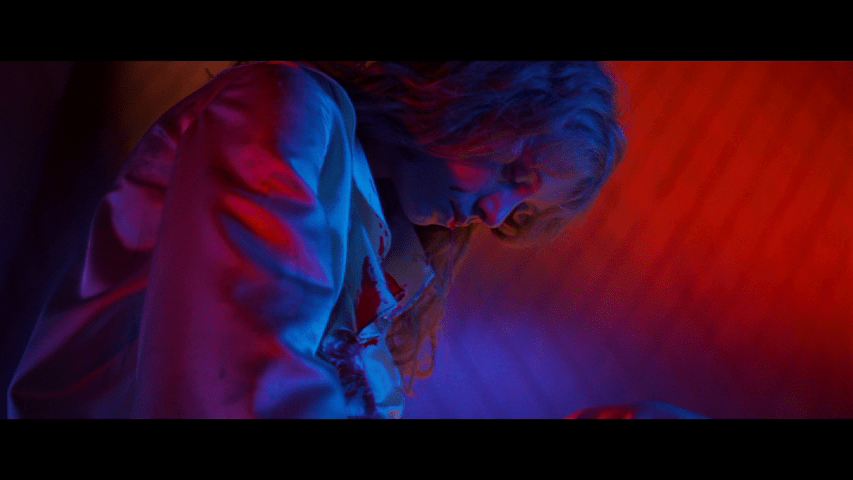
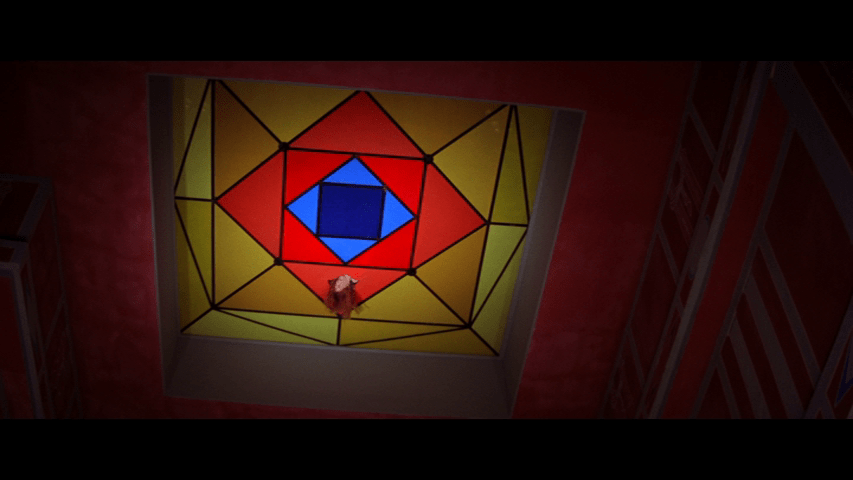
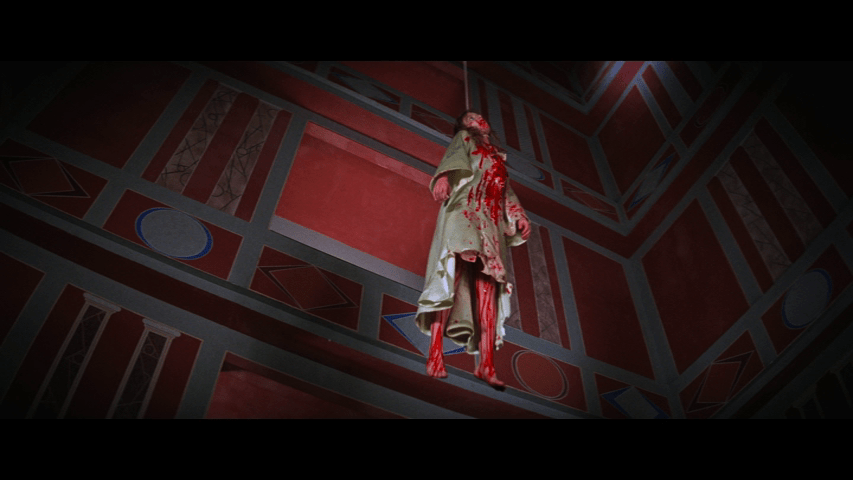
February, 2023 Drink & a Movie: Massagrand + The Passion of Joan of Arc

The Dead Rabbit Drinks Manual credits a recipe in Louis Muckensturm’s Louis’ Mixed Drinks as the inspiration for bartender Jack McGarry’s Massagrand:

When Jack first read Muckensturm’s recipe, he was reminded of the famed Café Brûlot, a postprandial staple of the grand French-Creole restaurants of New Orleans. Consisting of coffee, spices, sugar, and cognac, that drink is ignited tableside and ladled from a silver bowl.

The Massagrand has similar constituents, but is not intended to combust. The flavor structure is the same, but with stone fruit notes from eaux de vie and liqueurs, plus calamus, an interesting botanical that combines the qualities of cinnamon, nutmeg, and ginger.

Which, cool! But I happen to own a copy of Louis’ Mixed Drinks. Here’s what it lists as the ingredients for a Massagrand:

  • Take one teaspoon of sugar,
  • One-half a bar-glass of Kirschwasser, and
  • One breakfast-cup of strong black coffee

That’s it! But in McGarry’s hands this simple concoction became a cocktail with no less than nine ingredients including the (two) garnishes and a calamus tincture that needs to be prepared at least three days in advance. This is simultaneously exactly why I dig Dead Rabbit and why I don’t make drinks from it all that often: although it’s frequently the first place I turn when preparing for a special occasion, it isn’t a volume I reach for when I’m mixing just for me and my loving wife. The Massagrand may turn out to be an exception that proves the rule, though. Here’s how we make it:

1 1/2 ozs. Caffè Americano
1 1/2 ozs. Cognac (Rémy Martin VSOP)
1/2 oz. Cherry Heering
1/2 oz. Kirsch Eau de Vie (Alfred Schladerer Black Forest Kirschwasser)
1/2 oz. Mirabelle Eau de Vie (Trimbach Grande Réserve)
2 dashes Bittermens Transatlantic Bitters
2 dashes Angostura Bitters

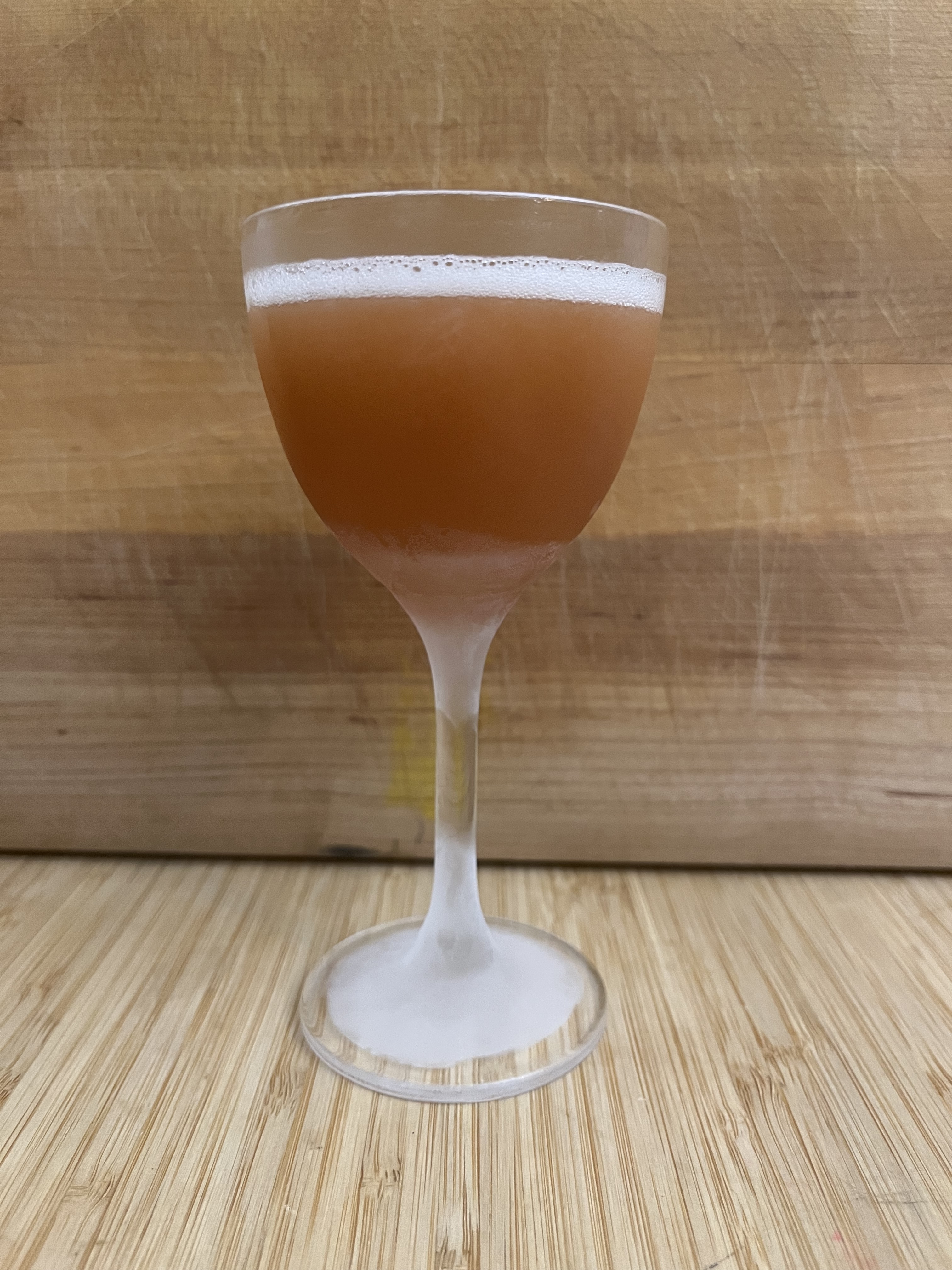
Stir all ingredients with ice and strain into a chilled wine glass. Garnish with freshly grated nutmeg and the oils from an orange twist.
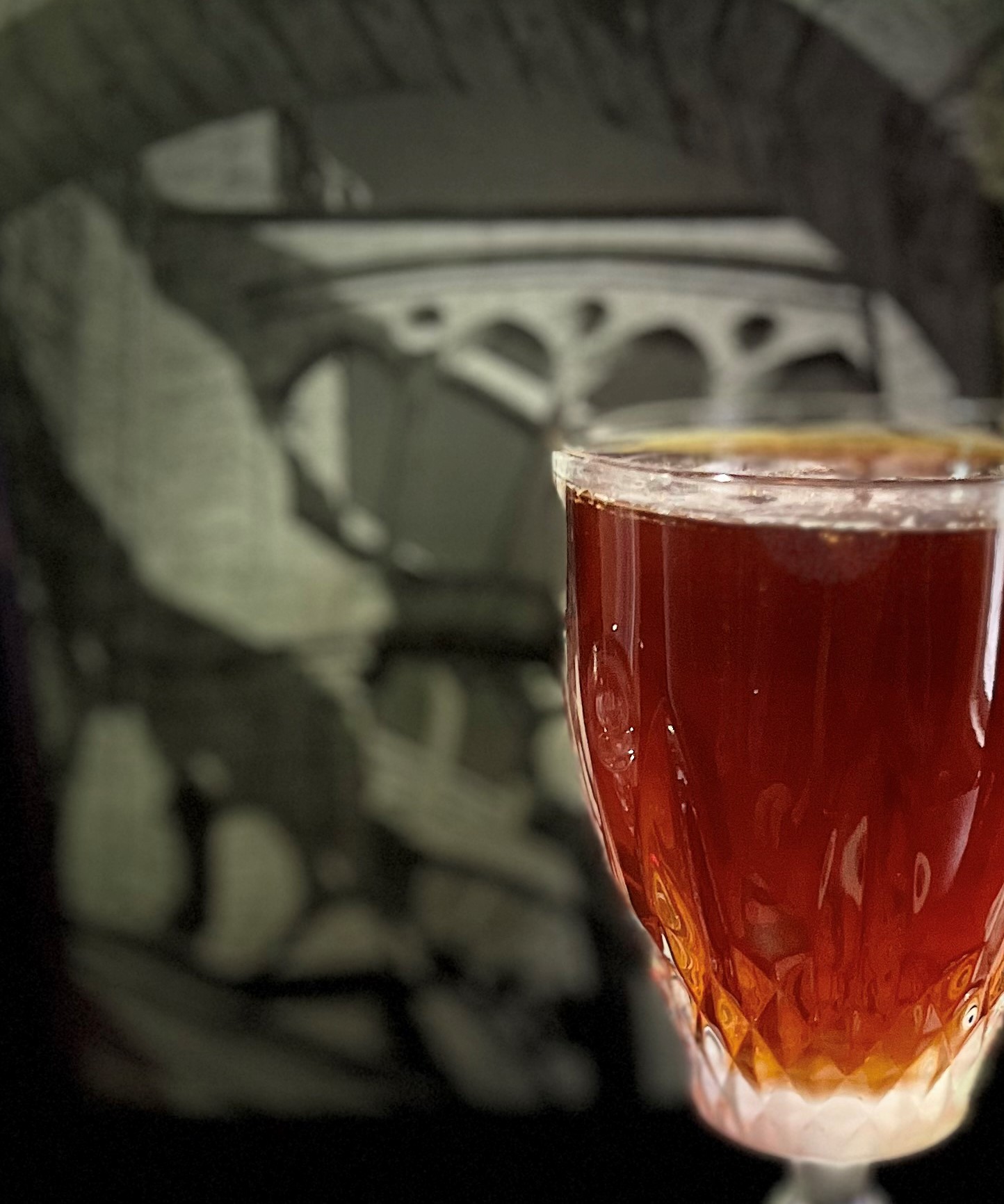
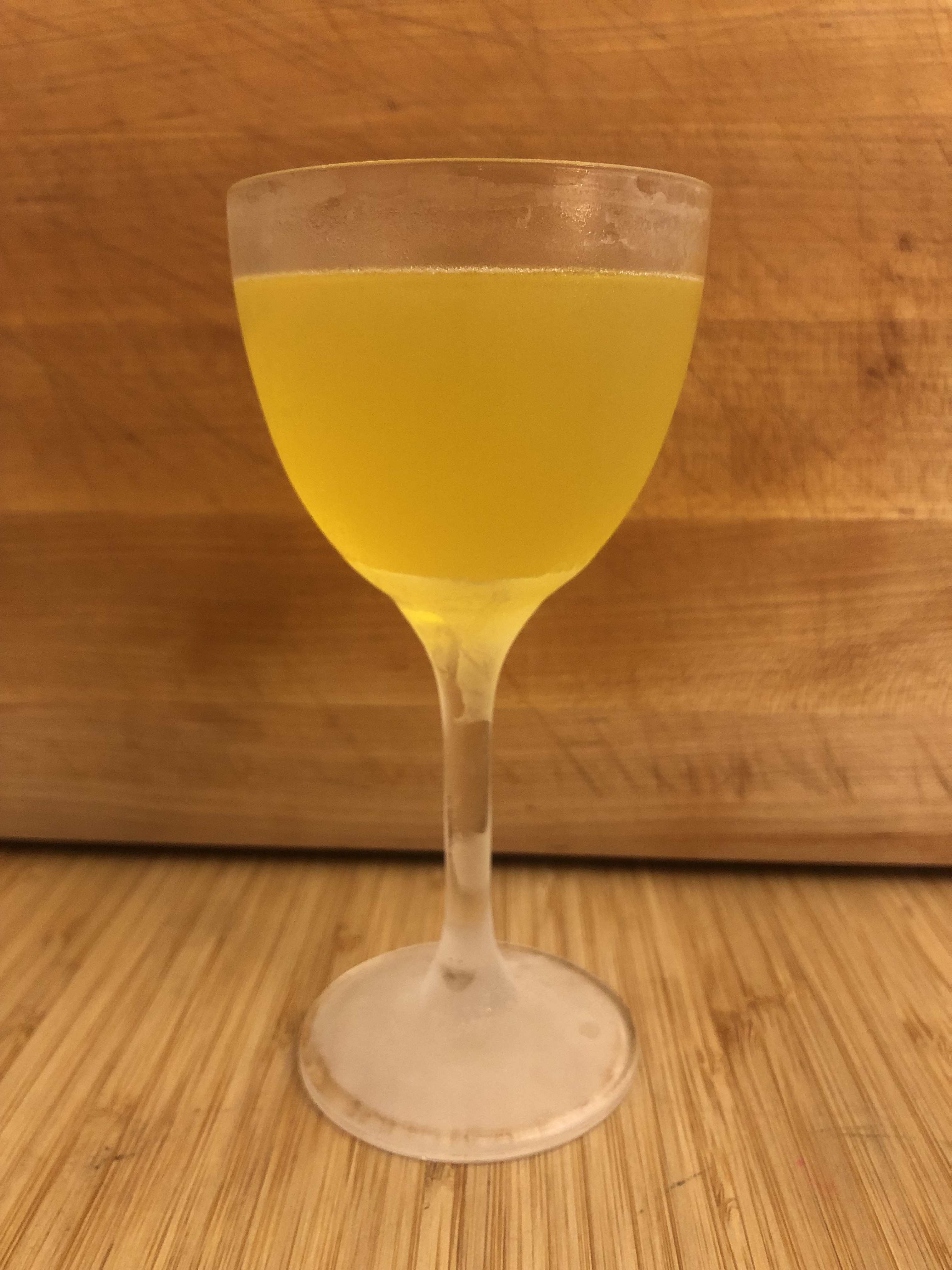
Massagrand in a wine glass

I was originally drawn to this drink by the combination of coffee, cherry liqueur, and bitters which I enjoyed in Rafa García Febles’s Dale Cooper. According to Dead Rabbit, “[i]f espresso for caffè americano is not available, your favorite strong coffee will do,” but it seems hard for me to believe that someone able to source all the other ingredients wouldn’t also have access to a Starbucks! One thing that really might be hard for you to come by is the Mirabelle eau de vie, which we had to special order.

The Massagrand is impressively balanced considering how many assertive components it has. Coffee and kirsch in particular tend to take over a drink, but play together nicely here. The word which immediately springs to mind as soon as I take a sip is “sophisticated”: you can tell that the Massagrand has been around, but it isn’t desperate to show off. And it isn’t nearly as hard to make as the long ingredient list might imply, either, especially assuming you’re substituting something else for the calamus tincture, which is classified as a “substance generally prohibited from direct addition or use as human food” by the FDA and thus isn’t easy to obtain in the United States. The team at Dead Rabbit responded to an email I sent them inquiring about alternatives within 24 hours (!) to recommend Bittermens’ Transatlantic bitters, a neat product that their website describes as follows:

We’ve merged the great bitters of the world to create an aromatic bitter that is useful in such a wide array of drinks.

  • From the most classic Aromatic bitters of Venezuela and Trinidad, we created a base that includes gentian, clove, allspice and cinnamon
  • From New Orleans style bitters, we blend in angelica and anise seed
  • From the iconic Italian Fernet, we fortify the bitterness in a touch of aloe and chicory
  • From the Alpine Amaro tradition, we add in chamomile and dandelion
  • From the tradition of German digestives, we incorporate cherry bark and licorice

In total, sixteen botanicals make up this unique aromatic offering.

If I had any doubts about what movie to select for this month’s pairing, this substitution clinched it. Dead Rabbit actually specifies eaux de vie by F. Meyer, a distillery in France, which is also of course where cognac hails from. The addition of Cherry Heering reminded me of The Passion of Joan of Arc, a French movie with a Danish director (Carl Theodor Dreyer) that also figures prominently in Jenny Hval’s song “American Coffee”! As if that wasn’t already enough, here’s how scholar David Bordwell describes the film in a 1973 monograph: “[i]n the context of film history, then, La Passion de Jeanne d’Arc becomes significant as a summation of many major film styles of the silent era.” Sounds like the movie version of Transatlantic bitters, right? What could be more perfect?

Anyway, here’s a picture of my Criterion Collection DVD release of The Passion of Joan of Arc:
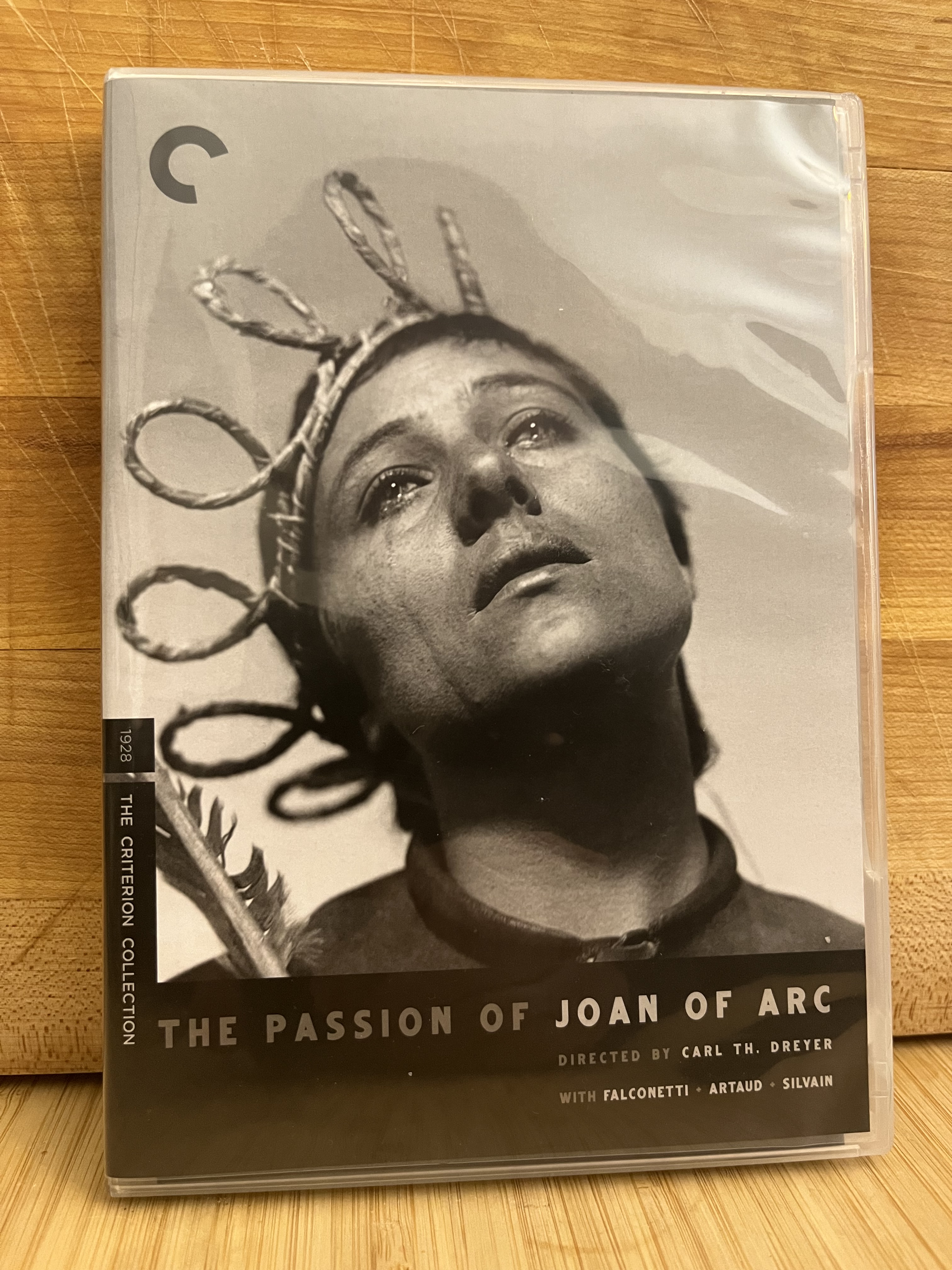
The Passion of Joan of Arc DVD

It can also can also be streamed via both the Criterion Channel and HBO Max with a subscription and on most other major streaming video platforms for a rental fee. Some people may have access to it through Kanopy via a license paid for by their local academic or public library as well. It will be interesting to see how many more places it might pop up next year when it enters the public domain (along with Steamboat Willie, by the way!) in the United States on January 1.

The Passion of Joan of Arc is one of just a handful of films that I know for certain I would have included on my hypothetical Sight & Sound Critics Poll ballot. In the book I quote from above, David Bordwell also notes that “[m]any viewers erroneously remember Jeanne d’Arc as a film composed entirely of close-ups,” which: this was definitely true for me for a long time! And to be sure, there are many such shots. Of Joan (Maria Falconetti), “suffering in black and white” (to quote Hval):

Close-up of Joan's tear-streaked face

The priests and soldiers who sit in judgement over her:

Extreme close-up of a judges face

And the people of France who watch her burn at the stake then rise up afterward:
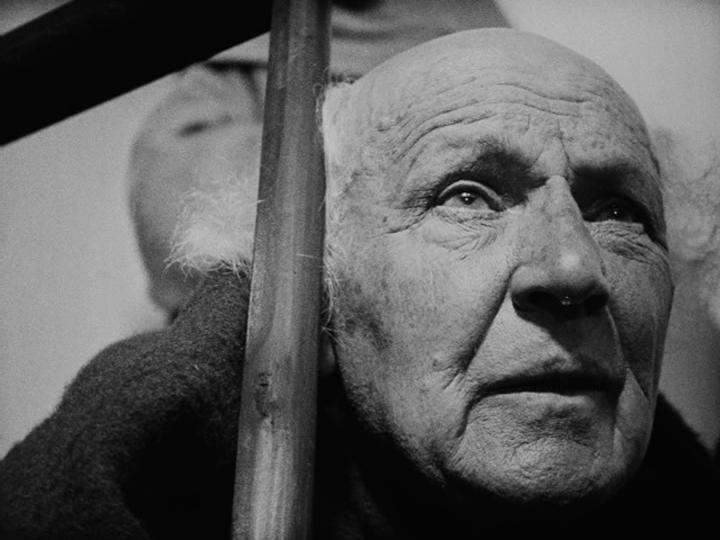
Close-up of a peasant watching Joan burn at the stake

The latter are almost exclusively shown as part of camera movements which include more than one person, whereas Joan and her tormenters are frequently depicted in single shots. These images are powerfully moving and/or disturbing, especially when faces seem to lunge at Joan like this soldier (whose uniform, according to scholar Stephen Larson, bore enough of a resemblance to those worn by British soldiers during World War I to upset that country’s censor) does:
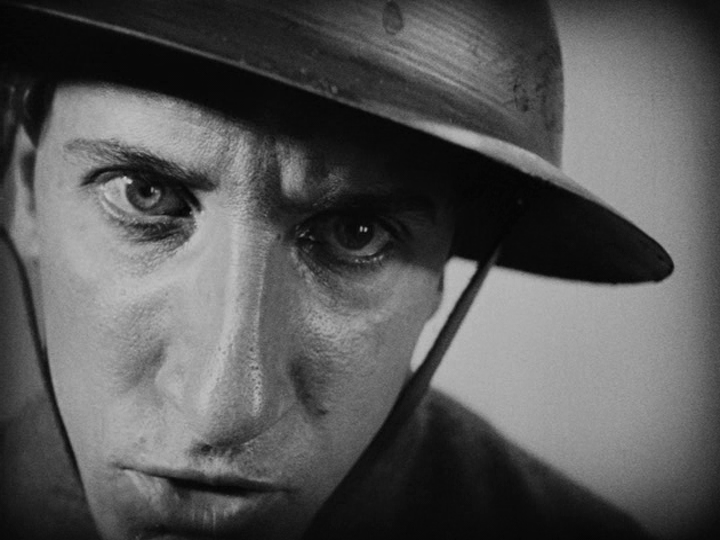
Close-up of an English soldier

Following my last few viewings, though, I’ve found myself thinking more about shots like the one of these mismatched windows:
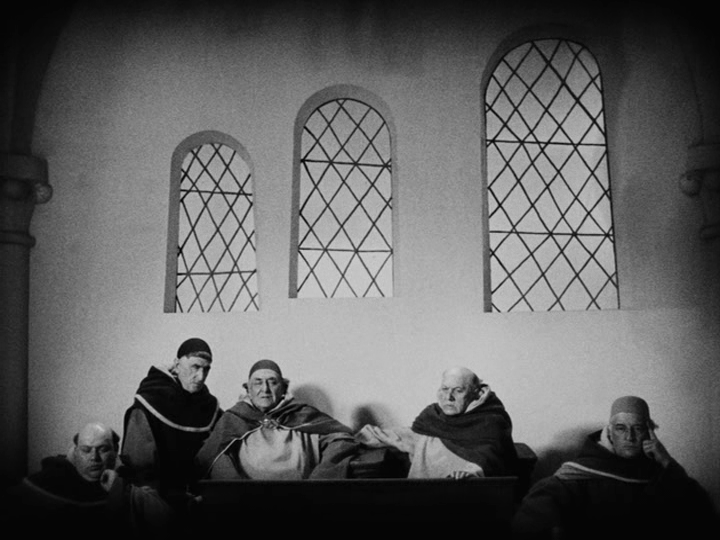
Shot of three differently-sized windows

Or this warped doorway, both of which show the influence of German Expressionism:
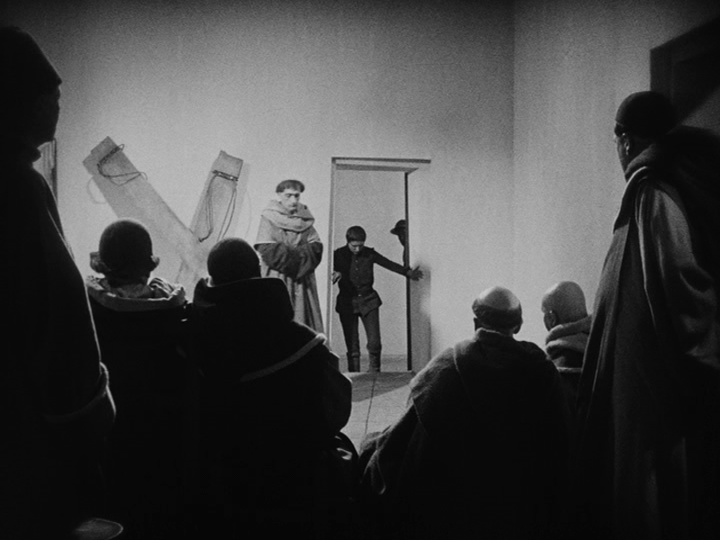
Shot of Joan entering a doorway which isn't perfectly rectangular

The Passion of Joan of Arc might be the most thorough application of the advice that John Ford (David Lynch) gives Sammy (Gabriel LaBelle) in The Fabelmans that when the horizon is at the bottom or top of the frame, it’s interesting, but “[w]hen the horizon’s in the middle, it’s boring as shit.” The fate of the lone priest who dares to defend Joan, for instance, is depicted by alternating shots of just the helmets and spears of the soldiers leading him away and the horrified reactions of his fellow judges:
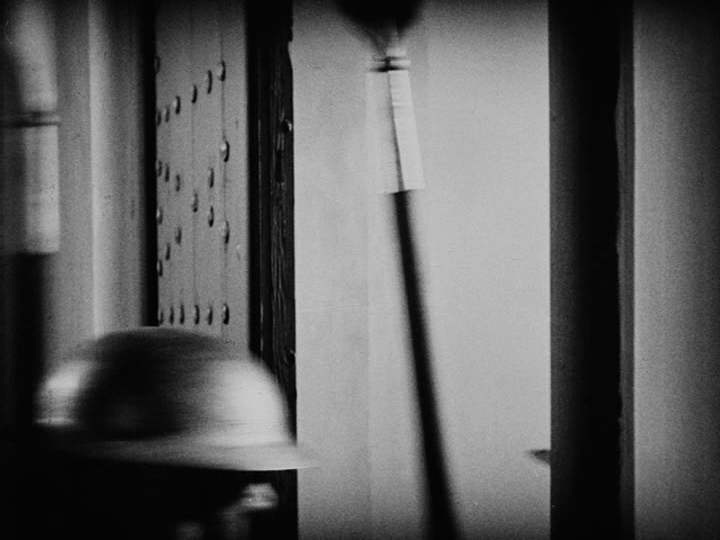
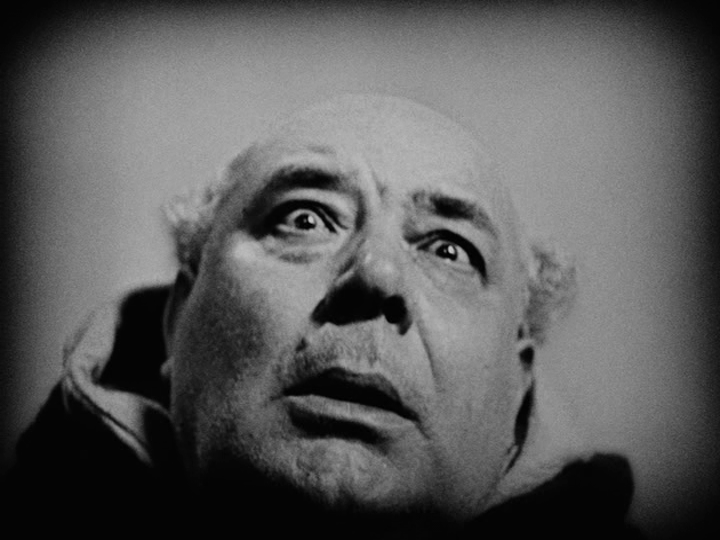
Shot of a soldier's helmet and the tip of their spear
Close-up of a judge's horrified
Another shot of a soldier's helmet and the tip of their spear
Close-up of another judge's horrified face

Or behold this shot of onlookers with Catherine Wheel:
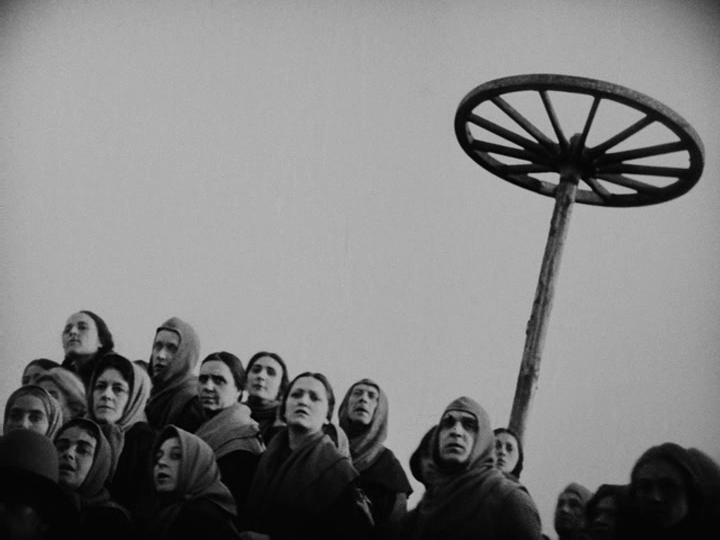
Shot of onlookers at the bottom of the frame with a Catherine Wheel behind them

There are interesting anachronisms like this fella’s glasses:
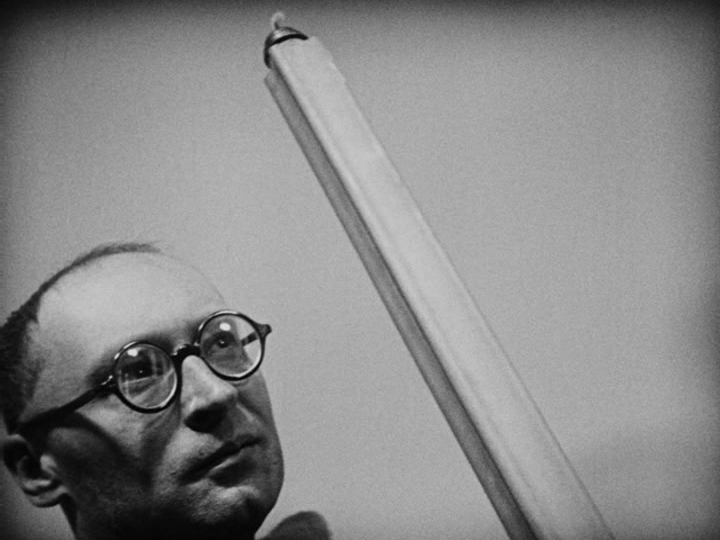
Shot of a priest wearing glasses which had not yet been invented when Joan of Arc was alive

And this cannon which swivels not because 15th-century cannons were actually able to do that, but rather because the ones in Battleship Potemkin could:
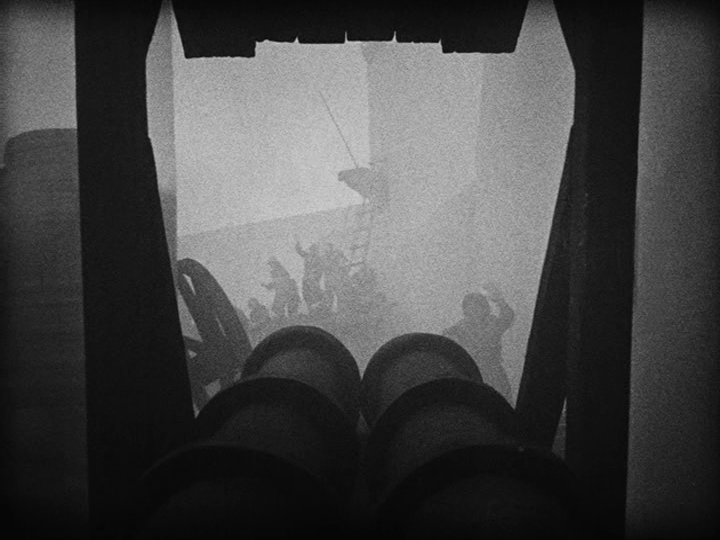
Shot of a canon which swivels like the ones in Battleship Potemkin

We are also occasionally treated to multi-level compositions like this one which shows off the skills of legendary cinematographer Rudolph Maté as well as anything else in the film:
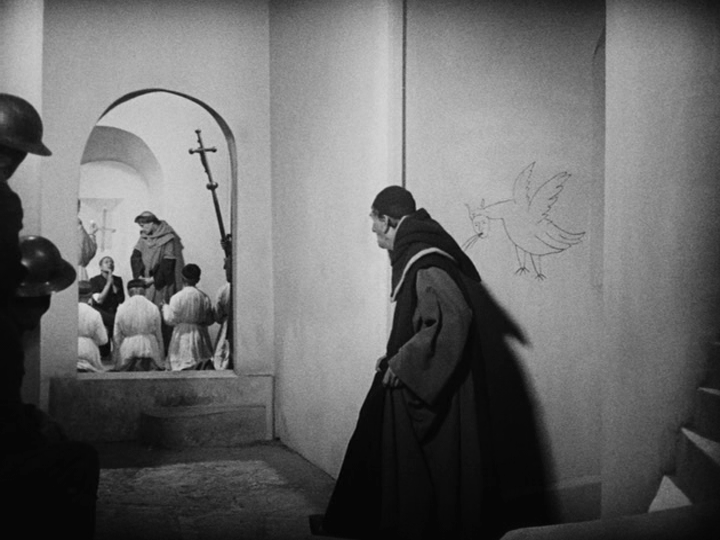
Multi-level composition showing a judge watching as Joan is given communion

Finally, for my money the film’s most haunting moments of all are images like this one:

Shot of Joan burning in silhouette

Now of course none of this is to say that The Passion of Joan of Arc‘s close-ups aren’t every bit deserving of their legendary status! Here are the lyrics from the “American Coffee” verse about the film:

I give you that time at the cinematheque (Give you that time)
I was watching La Passion de Jeanne d’Arc
While I was having a UTI
I stared into Jeanne’s face, suffering in black and white
I’m sure I saw her wink at me
Then I peed blood in the lobby bathroom
The blood color seemed so insanely alive
Too alive, too alive to be just mine

Like Anna Karina’s Nana in Vivre Sa Vie, Hval feels connected to Falconetti’s Joan (who is also the subject of her earlier song “Renée Falconetti of Orléans”). I think the wink she imagines is interesting because this is how the characters in The Passion of Joan of Arc communicate with one another throughout Joan’s trial, with winks and nods and other small gestures:
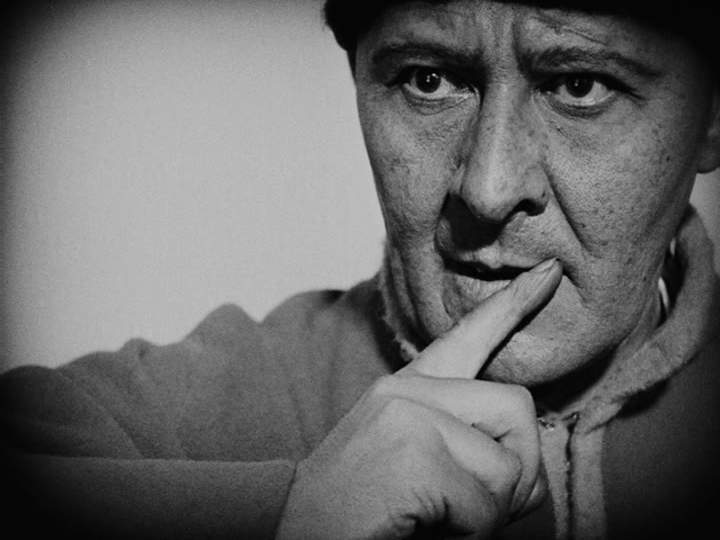
Shot of a judge cautioning Joan to be careful by placing a finger to his lips

One of the things that keeps me coming back to this film again and again is the mystery of when exactly the narrative shifts. Is this the precise moment when Joan realizes that Loyseleur (Maurice Shultz) is not really her ally or is the Kuleshov effect just doing its thing?
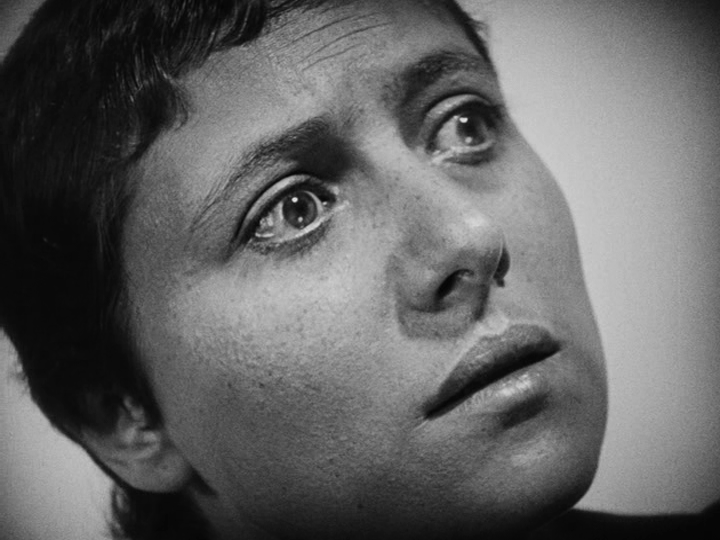
Joan maybe realizing that Loseleur is not her ally, or maybe not

But here’s the verse from “American Coffee” which immediately precedes the one excerpted above:

I wonder who I’d been if I never got to go
Get a fine arts degree and American coffee
With irrelevant quotes from French philosophy
And we’d meet in the climax of a clever sci-fi movie
But that would just be, but that would just be, be stupid

The Passion of Joan of Arc is often described as an emotional experience, but it’s an intellectual one, too. One doesn’t really happen upon a silent film in this day and age–you have to seek them out. Part of what makes The Passion of Joan of Arc great is that it provides a lot of bang for your buck. It’s a master class in the film traditions of the early 20th century, just like Transatlantic bitters are a world tour in a bottle. But your initial reaction to it is liable to be the same one-word sentence I predict you’ll speak after you try a Massagrand for the first time: “wow.”

Cheers!

All original photographs in this post are by Marion Penning, aka my loving wife. Other entries in this series can be found here.
January, 2023 Drink & a Movie: Finger Lakes Kir Royale + The Clock

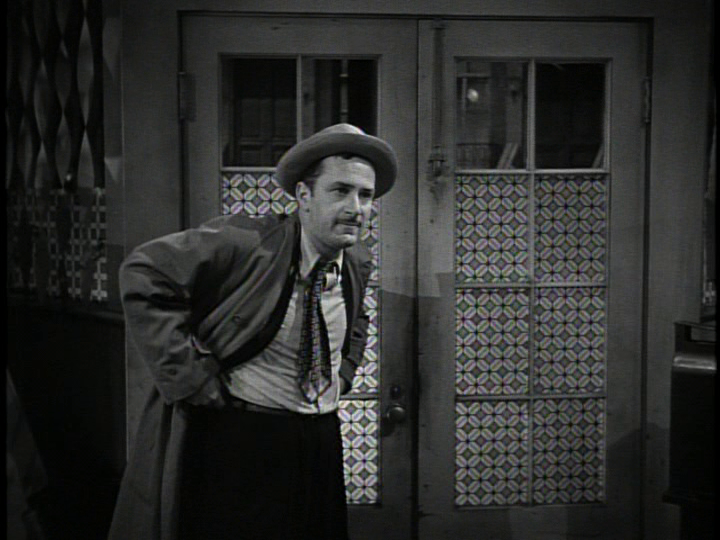
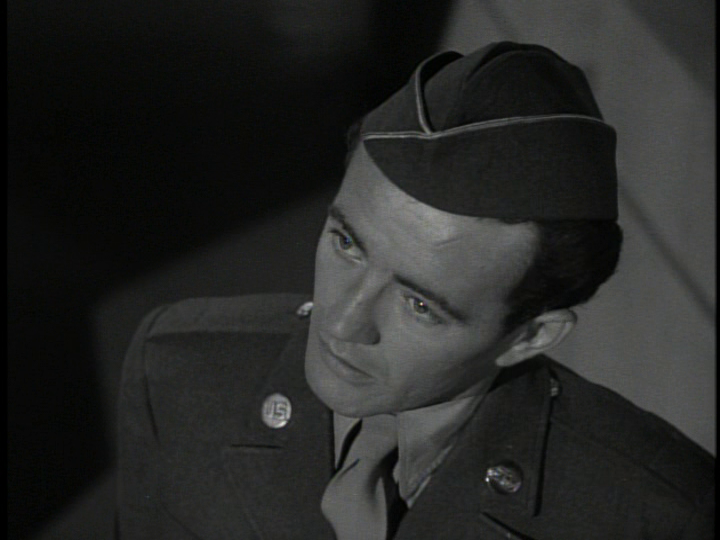
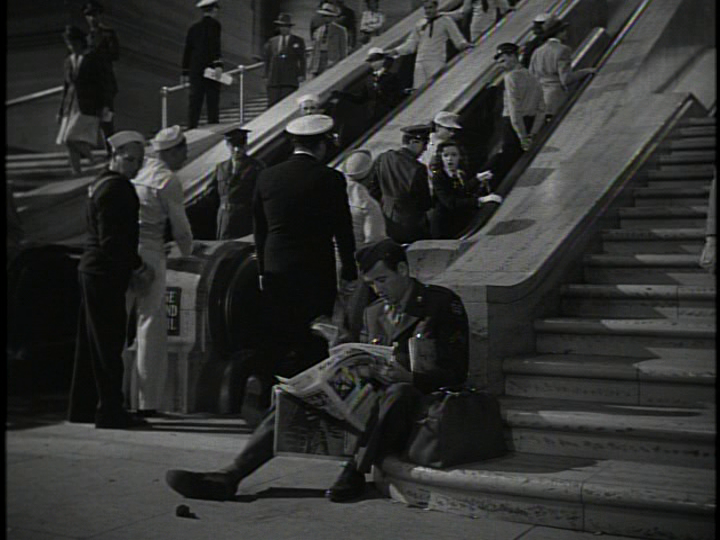
The subject of my first Drink & a Movie post of 2023 is brought to you by a character in Vincente Minnelli’s The Clock identified simply as The Drunk:

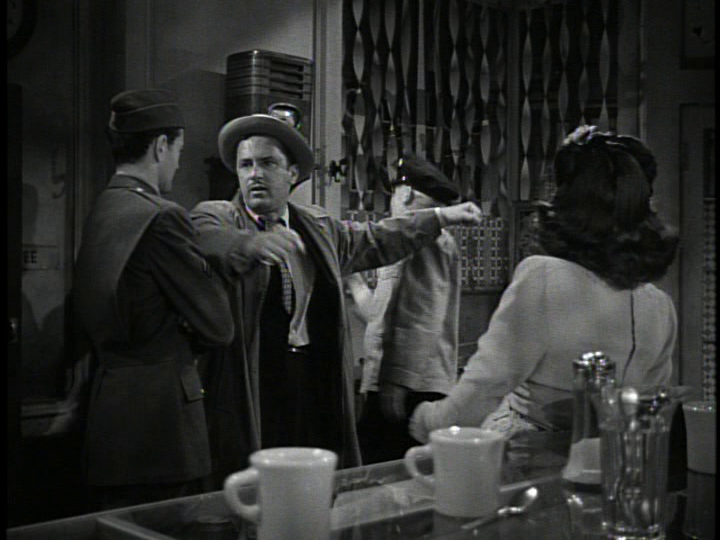
Played by Keenan Wynn, he appears in a single long take positioned halfway through the film. Our heroes Corporal Joe Allen (Robert Walker) and Alice Maybery (Judy Garland) and their milkman friend Al (James Gleason) encounter him in a lunch room that they’ve ducked into to call for help with a flat tire. “Would you care to join me in a vermouth, cassis, or champagne cocktail?” he asks despite the fact that alcoholic beverages aren’t actually served in this establishment. This makes his suggestion inappropriate for their setting, but the latter two ingredients go together perfectly in one of my favorite cocktails for January, a very slightly original drink made entirely with local spirits that I call a Finger Lakes Kir Royale. Here’s how you make it:

1/2 oz. Finger Lakes Distilling Cassis Liqueur
4 oz. Dr. Konstantin Frank Winery Célèbre Rosé

Add the cassis to a chilled champagne coupe and top with the sparkling rosé. Garnish with a lemon twist cut (we use linzer cookie cutters) in the shape of a fireworks burst.

Finger Lakes Kir Royale in a champagne coupe

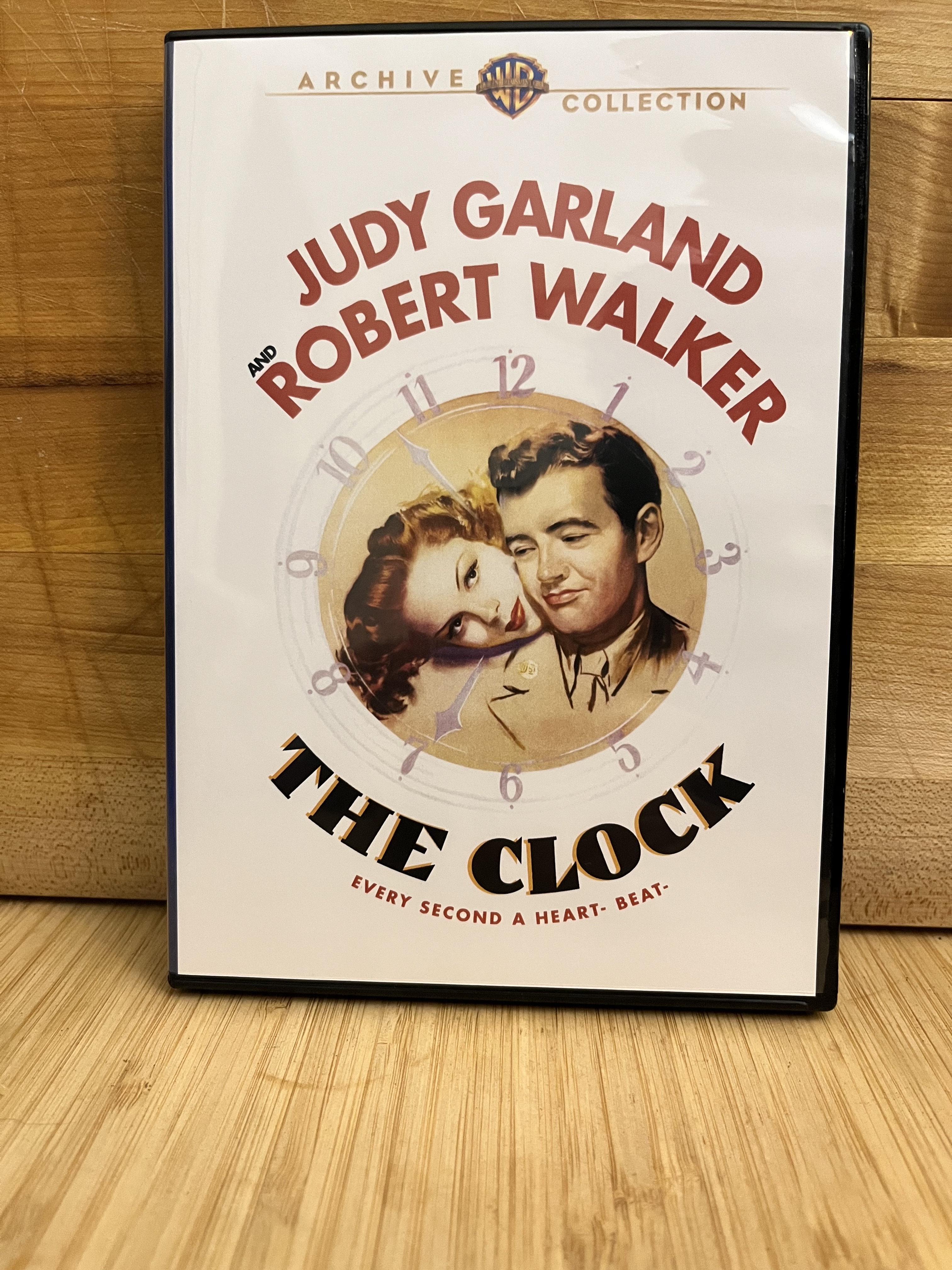
Célèbre Rosé was part of a case of local wines handpicked for us by David Sparrow shortly after we moved to Ithaca and has been a staple in our house ever since. It’s quite delicious, and together with the cassis it gives this drink a lovely pink color, but any good dry sparkling wine you have left over from the holidays will do just fine. This drink doesn’t necessarily improve upon a glass of plain bubbly, but it does take it in a bit of a different direction, which can be nice in the days and weeks after New Year’s Eve. Anyway, my screengrabs from The Clock are taken from my copy of the Warner Archives Collection DVD release of the film:

The Clock DVD case

It can also be streamed via Amazon Prime and Apple TV for a rental or purchase fee.

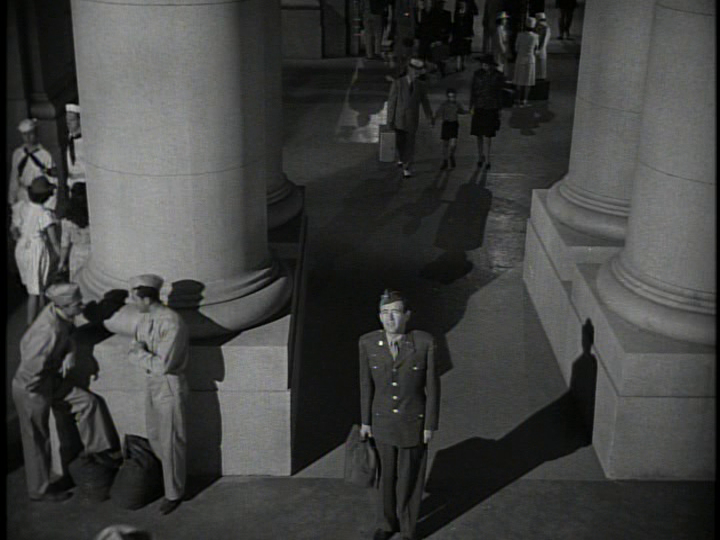
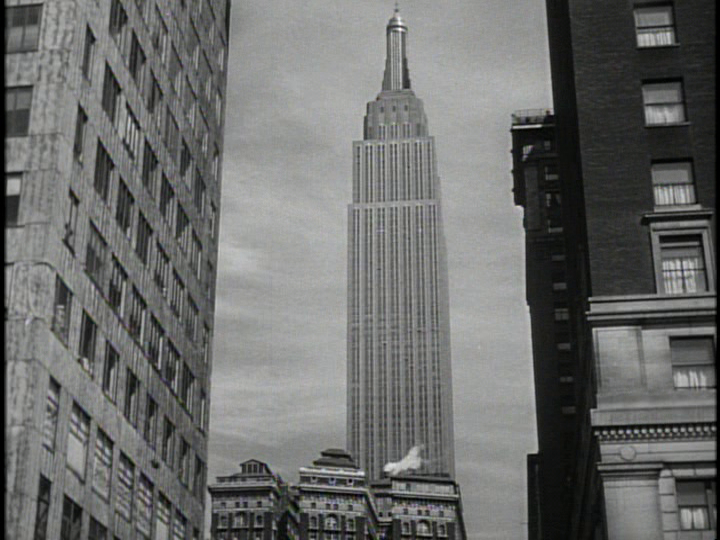
Joe is a soldier from Indiana spending a two-day leave in New York City before he ships out to Europe who reacts to the Empire State Building a bit differently from Buddy the Elf:

Screengrab from The Clock

Specific references and impressively accurate studio sets aside, the New York of The Clock is more of a generic Big City than a specific place and unlike Buddy, Joe doesn’t know what he’s looking for when he arrives there. He soon discovers that it’s Alice after she trips over his foot and loses the heel of her shoe:

Screengrab from The Clock

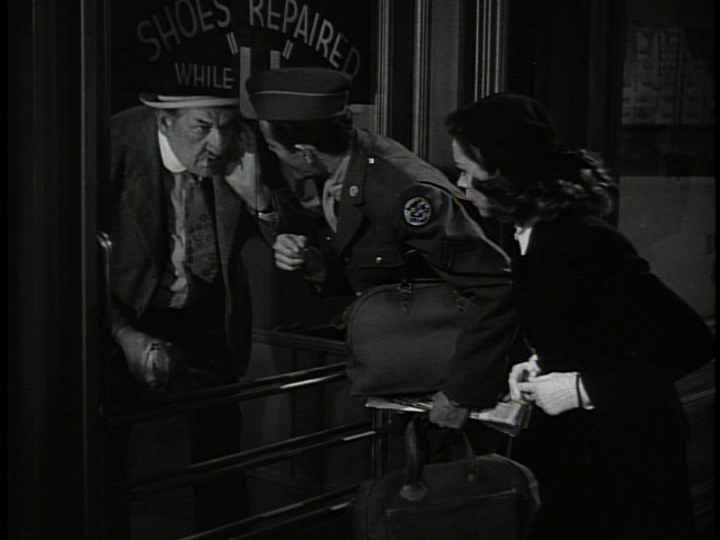
He convinces a cobbler to keep his shop open late to fix it:

Screengrab from The Clock

And she agrees to show him the sights in a sequence that features some pretty impressive back projection work:

Screengrab from The Clock

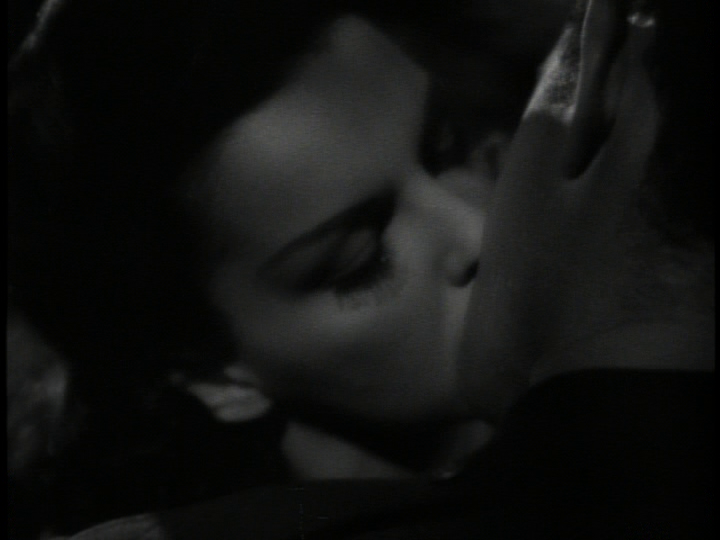
Joe spends the first third of the film’s ninety-minute run time being just charming enough to convince Alice to make and keep (over the warnings of her roommate about the dangers of being “picked up”) a date with him “under the clock at the Astor at seven.” They spend the next fifteen minutes falling in love, culminating in a kiss that Sheila O’Malley describes as having World War II in it:

Screengrab from The Clock

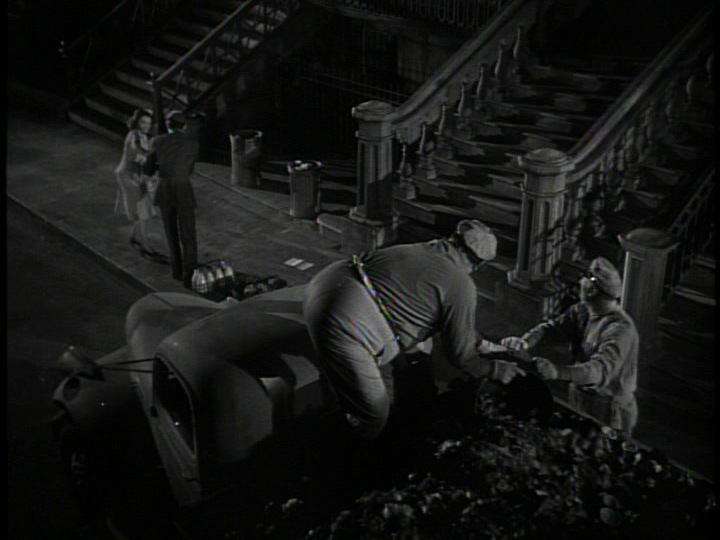
Frightened by what she is feeling, Alice hesitates. “I don’t know whether we ought to see each other again at all,” she tells Joe. Enter The Drunk. Alice and Joe realized that they’ve inadvertently stayed out past midnight and that the buses have stopped running. Luckily, Al appears and offers to give Alice a ride home in his milk truck. Alas, no good deed goes unpunished, and he winds up getting smacked in the face:

Screengrab from The Clock

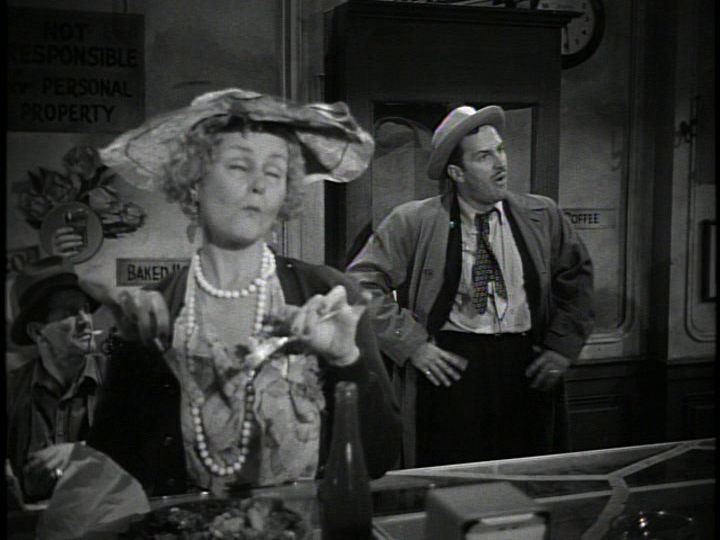
As described by Emmanuel Burdeau (via a translation by Bill Krohn) in Joe McElhaney’s book Vincente Minnelli: The Art of Entertainment, Keenan Wynn’s main function in the film is to provide Joe and Alice with an opportunity to “act as a team to save Al”: with him grappling with the effects of what in 2023 is obviously a concussion, they decide to work together to complete his shift. What makes The Drunk and to a large extent The Clock itself memorable, though, is Vincente Minnelli and company’s decision to give him three whole minutes of screen time to build up to this moment. Just for good measure, much of his rambling discourse is delivered around or to this lady (played by Moyna Macgill) who could care less because she is utterly lost in her own thoughts and rapturous enjoyment of her plate of food:

Screengrab from The Clock

The scenes which follow the one in the lunch counter are some of my favorites in the entire film. As the city’s working class bemusedly look on, Alice and Joe deliver milk:

Screengrab from The Clock

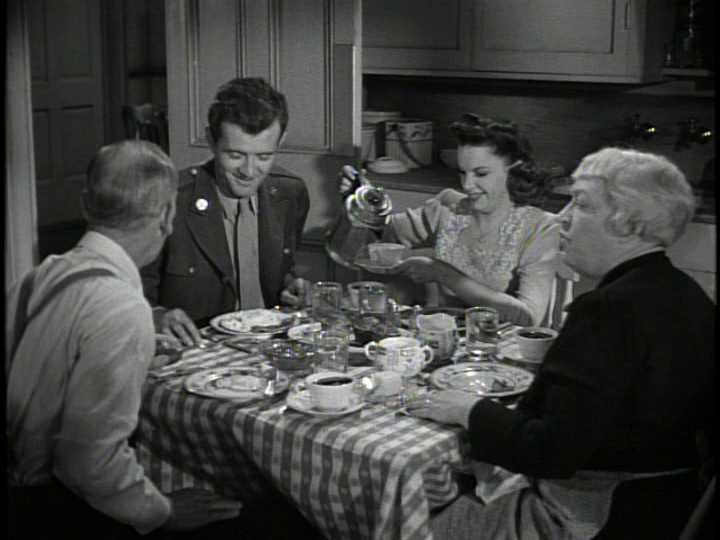
Per Burdeau, by the time the sun rises they will have shown “what they could be as a man-and-wife team performing a job together, making money, being economically grounded.” With their hearts and heads now in alignment, they decide to spend Joe’s final day of leave together, which is when the city that has brought them together conspires to show them what life apart would now feel like. Over breakfast with Al and his wife, both Joe and Alice express skepticism about servicemen getting married immediately prior to a tour of duty:

Screengrab from The Clock

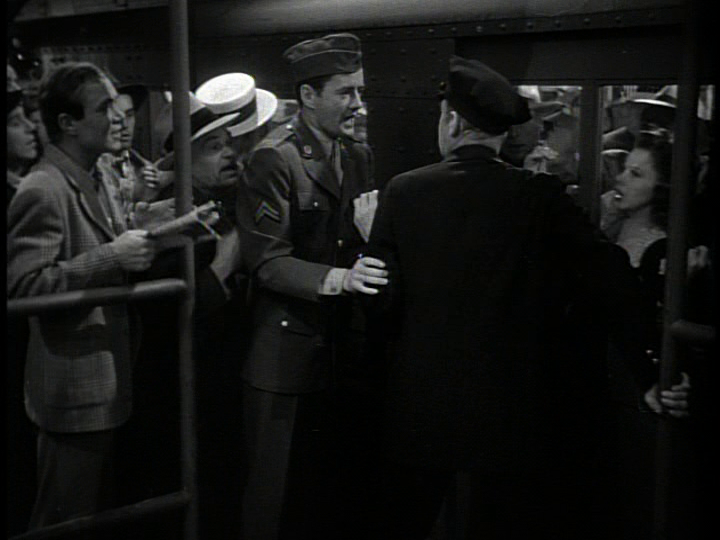
This all changes after they get separated on the subway a little while later:

Screengrab from The Clock

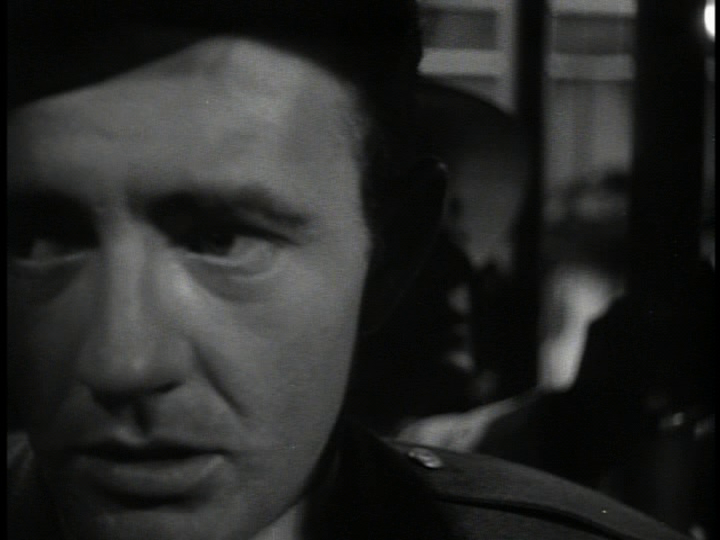
Joe tries to meet Alice at her next stop, but mistakenly boards an express instead of a local train. She is trying to find him as well and has left by the time he gets there. Joe’s face records his horror at what has befallen them:

Screengrab from The Clock

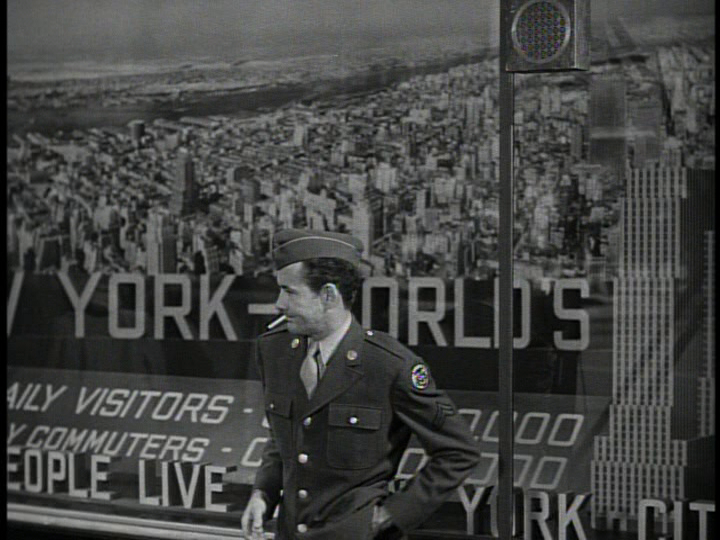
A window display proudly announcing the population of New York as 7,454,995 underscores the odds against them ever finding each other again:

Screengrab from The Clock

Especially when, as Alice humiliatingly admits to the USO official she seeks help from, they don’t even know each other’s last names:

Screengrab from The Clock

They finally do rediscover each other at the spot where they first met and realize that they already have all the information they need to decide to spend the rest of their lives together. The next six minutes of the film are another reason it reminds me of New Year’s Eve, featuring as it does shots of at least five different clocks, with one appearing in a shot every 30 seconds or so on average. Alice and Joe race all over town to successfully navigate a thicket of red tape and secure all the paperwork they need to officially wed at literally the last possible moment–the city clerk who performs their ceremony is getting into the elevator to leave for the day when they arrive.

The Clock concludes with Joe and Alice enjoying their first morning together as man and wife. The scene is nearly two and half minutes old before either of them speaks a word, which is not to say they aren’t communicating the entire time:

Screengrab from The Clock

This sequence, too, is another reason The Clock strikes me as a perfect movie with which to ring in the new year. It’s a time both for making bold, potentially life-changing resolutions, and for coming up with a plan to keep them; for marrying the man of your dreams, and for figuring out how he likes his coffee. Or, if I may, both for stocking up on champagne, and for finding creative uses for the bottles you don’t drink.

Cheers!

All original photographs in this post are by Marion Penning, aka my loving wife. Other entries in this series can be found here.

2022: The Mixtape, Vol. 2 + Year-End Musings

As mentioned previously on this blog, I have been creating mixtape-length (no more than 80 minutes each) Spotify playlists of new music I’ve been enjoying semi-annually since 2011. I’ve been posting links to them on Twitter since 2019, but in keeping with one of my New Year’s resolutions (see below), I’m going to begin spinning them into blog posts starting with this one. One of my favorite things about this project is the evidence it provides of just exactly how my music tastes are evolving. Previous trends I’ve noticed are the increasing prominence of country music (especially as written and performed by women) and jazz. Lately, more and more film music is creeping in to these mixes as well, which makes sense considering that I’m seeing more movies in theaters than I have in a decade. It has also been interesting to me to see how emo has continued to have a place in my life thanks to bands like The Wonder Years whose preoccupations are changing apace with my own. Where we used to spend way too much time mooning over crushes, now we fret about parenting in an age of global warming and gun violence. Anyway, without further ado, here’s a link to my 2022: The Mixtape, Vol. 2 playlist followed by the tracks included on it:

  1. Colin Stetson – Our Side or Theirs
  2. $ilkMoney – I Ate 14gs of Mushrooms and Bwoy Oh Bwoy
  3. quinn – you don’t gotta be here if you don’t wone’a
  4. Hildur Guðnadóttir – For Petra (vocal version)
  5. Hedvig Mollestad / Trondheim Jazz Orchestra – Do Re Mi Ma Ma
  6. The Wonder Years – You’re the Reason I Don’t Want the World to End
  7. Duval Timothy feat. Yu Su – Wood
  8. Taylor Swift feat. Lana Del Rey – Snow On The Beach
  9. Camp Cope – Running with the Hurricane
  10. Saul Williams – Pensent Comme Leurs Livres Disent (Think Like They Book Say)
  11. Alex G – Mission
  12. The Mountain Goats – Extraction Point
  13. Doja Cat – Vegas
  14. Porridge Radio – Back To The Radio
  15. Grace Ives – Shelly
  16. Craig Finn – The Amarillo Kid
  17. Carter Burwell – The Mystery of Inisherin
  18. Amanda Shires – Lonely At Night
  19. Sofie Royer – Feeling Bad Forsyth Street
  20. Weyes Blood – Children of the Empire

* * *

All over the world people are publishing lists of their favorite movies of 2022. For the first time in a decade, I’ve actually seen enough new films (I posted about ~40 on Twitter) to contemplate doing the same myself, which means it’s time to resurrect one of the better ideas I had during my first go-round as a film blogger, the movie year. You’ve heard of calendar and academic years, yes? This is the same basic concept. If you live in Los Angeles or New York, by now you’ve had an opportunity to see most of the year’s major releases, especially if you’ve also attended a few film festivals or regularly receive screeners. None of this applies to me or most of the other people I know who live in what the trades may or may not still refer to as “flyover country.” I’ve seen many of the most significant films of 2022, sure, but quite a few more will arrive in Ithaca between now and March, in part because distributors time their releases around the Academy Award nominations they hope to receive. At the risk of according too much significance to the ceremony itself, Oscar night therefore makes MUCH more sense as a time to look back on the previous year for someone like me than New Year’s Day or Eve, so that’s what I’m gonna do. I’ll share my thoughts on how appropriate the the Top Ten List format is for non-professional film writers (spoiler alert: it ain’t) at that time as well. Stay tuned!

* * *

What I will post now are a few New Year’s resolutions. As announced in July, I’ve decided to keep my Drink & a Movie series going four full years because I’m having loads of fun and there’s stuff I want to do with it after I have enough posts for a 52-week-long film series. This idea started as a way of achieving last year’s New Year’s resolution to blog more, and part of the way I accomplished it was by pushing myself to get each month’s post up by the first or second Saturday of each month. Now that I’ve successfully gotten back into the habit of writing regularly, though, I’m going to be less rigid with the timing and concentrate on trying to say something original about each film I tackle. On the drink front, my loving wife and I are also going to focus more on presentation, including garnishes.

That’s all intentionally somewhat vague. More concretely, I hereby resolve to follow up the tweets I’ve been posting announcing which screenings I’m planning to attend (which are intended to promote my local theaters, help me keep track of what I’ve seen, and give people a chance to say “I’ll meet you there!”) with a “one tweet take” on everything by way of becoming more comfortable sharing my opinions on things I haven’t yet had an opportunity to think deeply about and hopefully engaging in more conversations about them. Last but not least, I’m going to sprinkle more additional content like this in amongst my Drink & a Movie posts. On that same note, I’ve actually got a post about film criticism (a topic that I hope to revisit a few times in 2023) about half finished, so it’s not inconceivable that I could be back tomorrow or Saturday. I’m not going to rush, though, so: Happy New Year, and thanks for reading!

December, 2022 Drink & a Movie: The Grinch + Elf

As anyone who knows me would presumably tell you, I am not a sentimental person. It may therefore surprise some readers of this blog to learn that I am absolutely nuts about Christmas music! My family maintains a holiday playlist on our home computer which has grown to include nearly a thousand songs that we add to every year, and I turn it on every time I go downstairs in the morning and come home from work in the evening from the day after Thanksgiving clear through the end of the year. We’re also big on Christmas movies in our house. There are about 20 that we watch every single year, which doesn’t leave a lot of time for other films during the month of December.

I actually think this is part of the appeal for me–I try to keep up my one theatrical screening per week regimen, but otherwise am happy to take a bit of a breather from new movies. The very fact that I’m *not* super emotional is also a factor: cinema provides a safe space where people like me can experience feelings like hope and and sadness and goodwill for our fellow human beings without fear that letting our guard down in such a way will immediately lead to our inevitable demise. Christmas movies are particularly well-suited to this sort of thing–the fact that they often reference one another and are chock full of holiday music creates a sort of “force multiplier” effect.

There are plenty of drinks that I make this time every year as well, and in keeping with last month’s resolution to continue highlighting local spirits, my December pairing features my favorite way to use Finger Lakes Distilling’s Riesling Grappa, a concoction by Boston-based bartender Misty Kalkofen (creator of the In Vida Veritas cocktail I wrote about in March) called The Grinch. As fellow Cornellian Frederic Yarm notes in his Cocktail Virgin Slut post about it, Kalkofen actually renamed it Mistaken for Strangers in order to prevent it from being confined just to holiday menus, but I prefer the original appellation, not least because it really is the same color as the Dr. Seuss character! Here’s how to make it:

1 oz. Grappa (Finger Lakes Distilling Riesling Grappa)
1 oz. Green Chartreuse
1/2 oz. Lime juice
1/2 oz. Simple syrup

Shake all ingredients with ice and strain into a chilled rocks glass. No garnish.

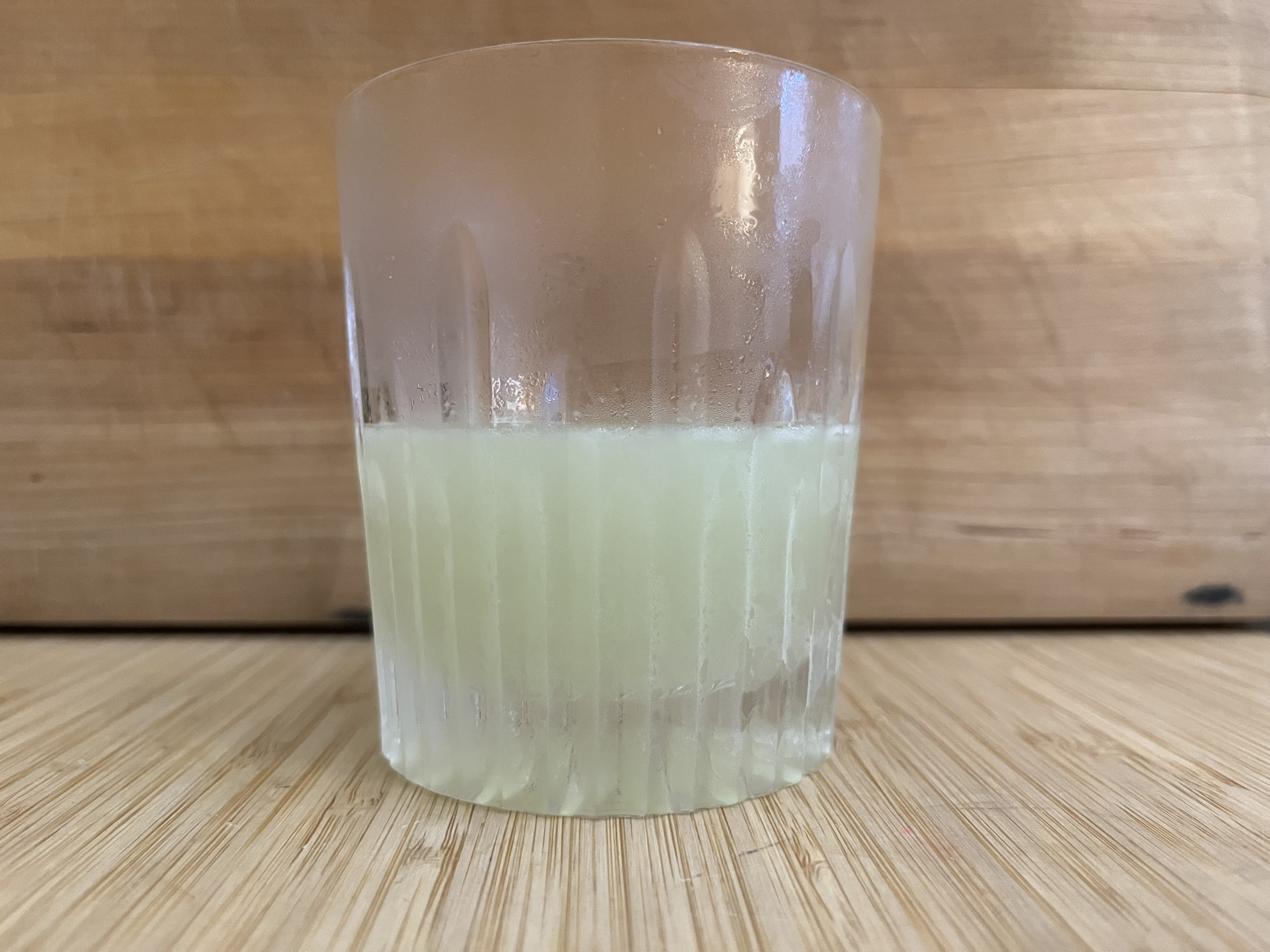
The Grinch in a rocks glass

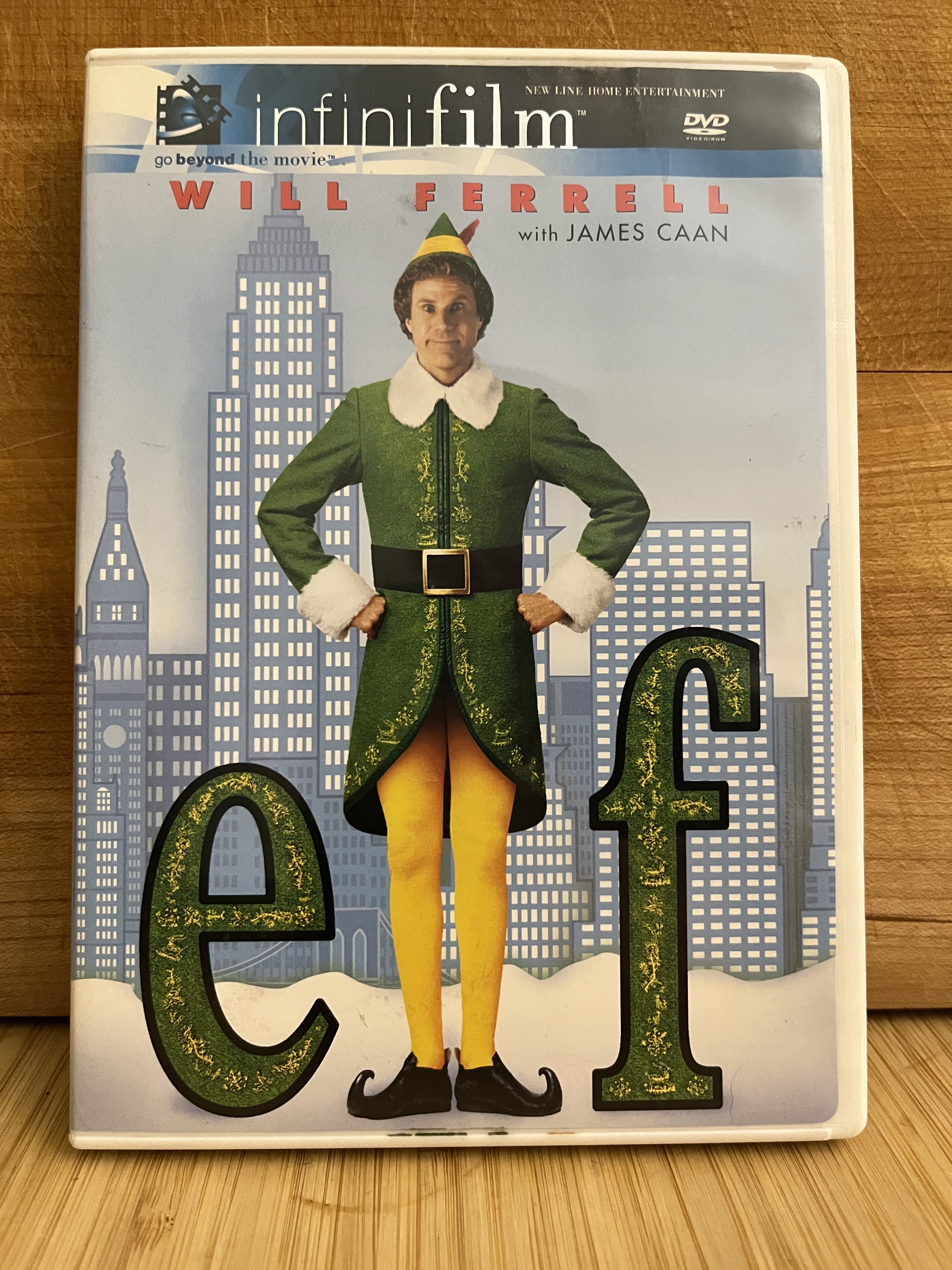
Finger Lakes Distilling’s grappa is flavorful, but pretty mellow compared to some I’ve known (such as the one responsible for me and my loving wife flipping a canoe in the middle of the night the evening we got engaged–but that’s a story for another day!) and it shines in mixed drinks like this one because it’s substantial enough to stand up to other potent ingredients, but doesn’t take over. The first thing to hit you here are actually herbs and sweetness from the Chartreuse and syrup, and I believe it might make The Grinch a perfect introduction to grappa for people who think they don’t like it. The movie I’m pairing it with is one of my two or three Christmas movies of all time, Jon Favreau’s Elf. Here’s a picture of my copy of New Line Home Entertainment’s “Infinifilm” (the less said about that terrible idea, the better) DVD release of the film:

Picture of Elf DVD case

Elf can also be streamed via HBO Max with a subscription and can be rented or purchased from most major consumer platforms, including Amazon Prime and Apple TV.

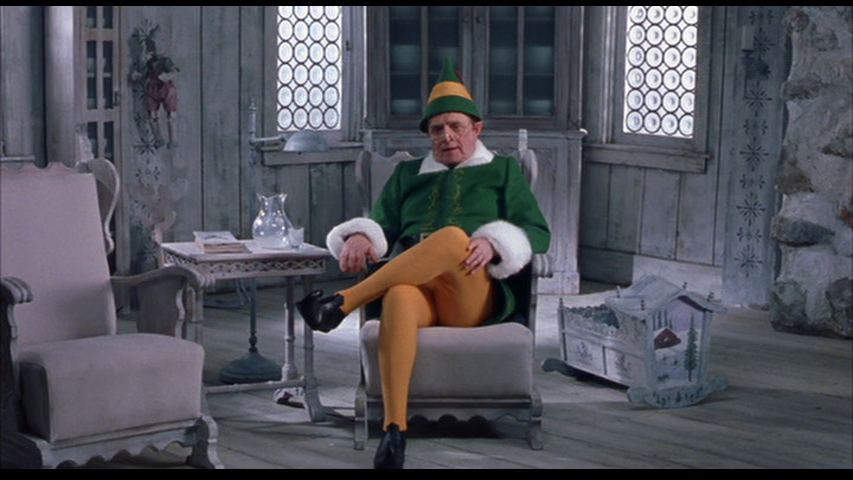
My love affair with this film goes all the way back to the first time I saw it in either 2006 or 2007. My roommates and I got to the end and immediately watched it again! There are five main things that make this a legitimately good movie. First, there are the gorgeous North Pole costumes, sets, and old school special effects. The film opens with a dissolve from a children’s book-style rendition of Bob Newhart playing Papa Elf to the man himself:

Screengrab from Elf

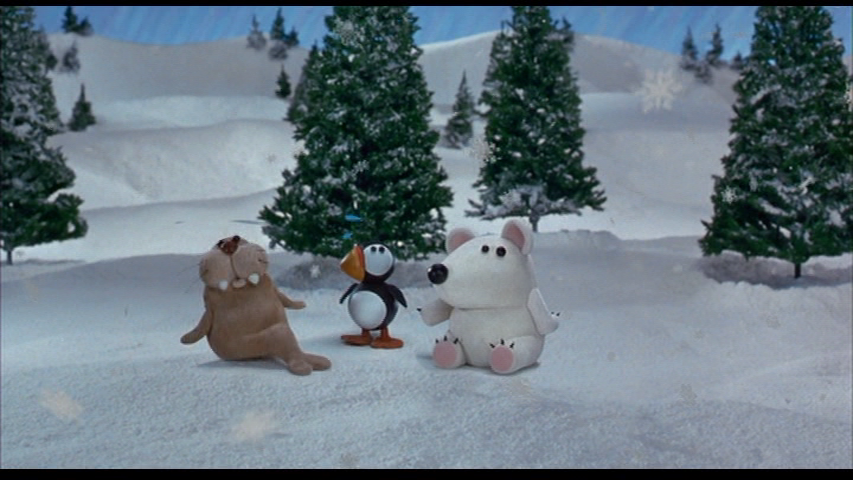
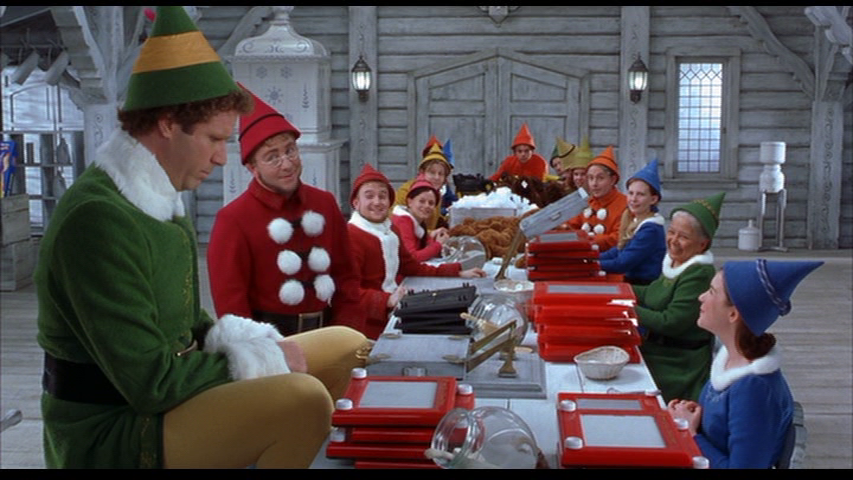
He is, of course, wearing an exact replica of the clothes the Head Elf wears in Rudolph the Red-Nosed Reindeer, and like all the elf costumes it looks outstanding against the monochrome gray stone and wood that the elves apparently use for all their non-toy construction projects. This is followed by an opening credits sequence that features these delightful stop-motion animated arctic creatures, including one (the polar bear cub) voiced by legendary special effects artist Ray Harryhausen:

Screengrab from Elf

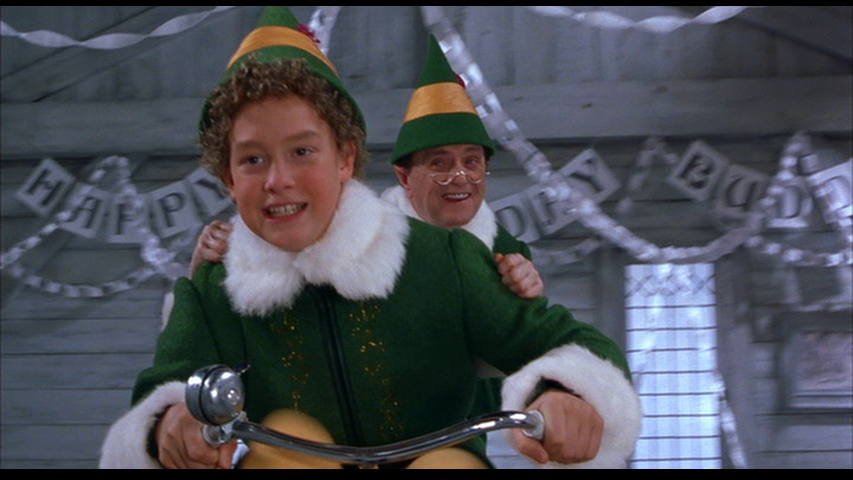
The film proper begins with the story of how Will Ferrell’s Buddy the Elf, who is actually a human, climbed out of his crib at an orphanage and into Santa’s sack of presents, in which he was transported to the North Pole and ultimately adopted by Papa Elf. Forced perspective is used effectively throughout this whole opening sequence, and although it occasionally looks obvious in freeze frame:

Screengrab from Elf

Elsewhere the joins between the human- and elf-sized sets are nearly impossible to spot even upon close inspection:

Screengrab from Elf

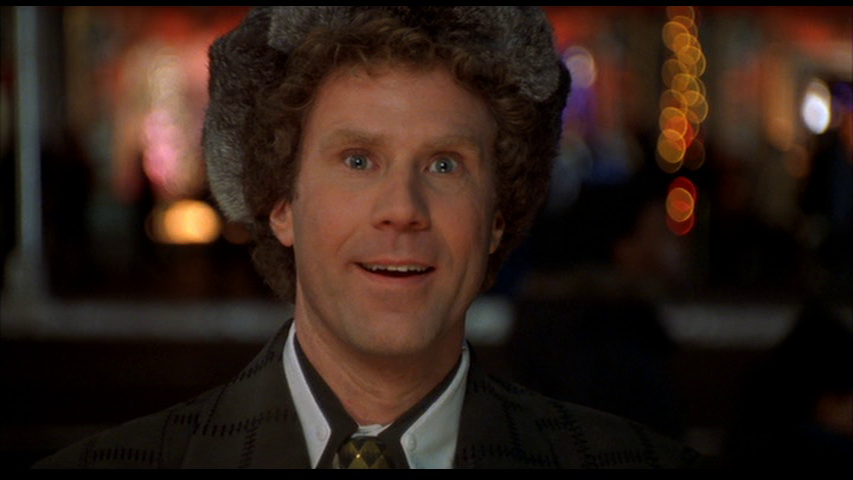
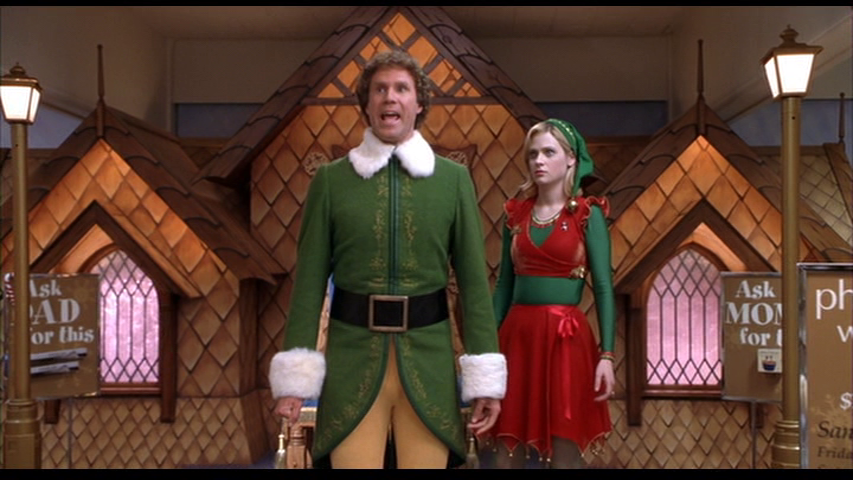
The next great thing about Elf is Will Ferrell’s acting. You could write an entire blog post just on his reaction shots. Here he is devastated to find out that his biological father is on the naughty list:

Screengrab from Elf

And here entranced by the Rockefeller Center Christmas tree:

Here he is utterly disgusted by an imposter Santa:

Screengrab from Elf

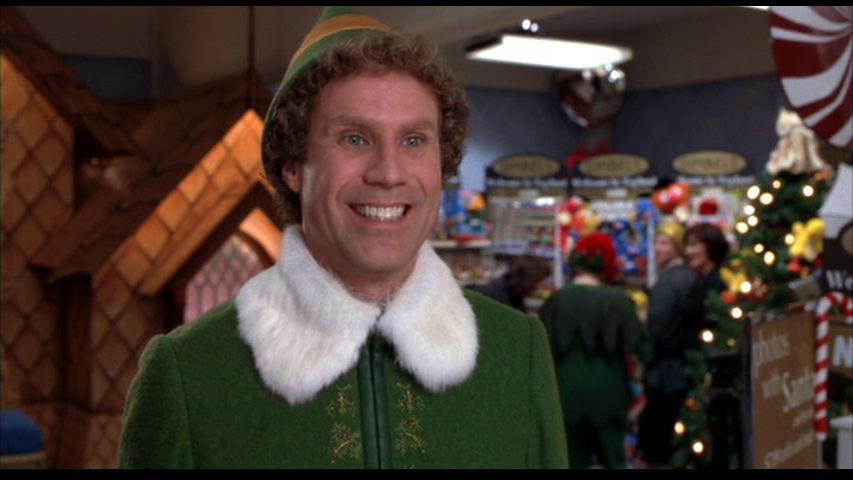
And here smiling is his favorite:

Screengrab from Elf

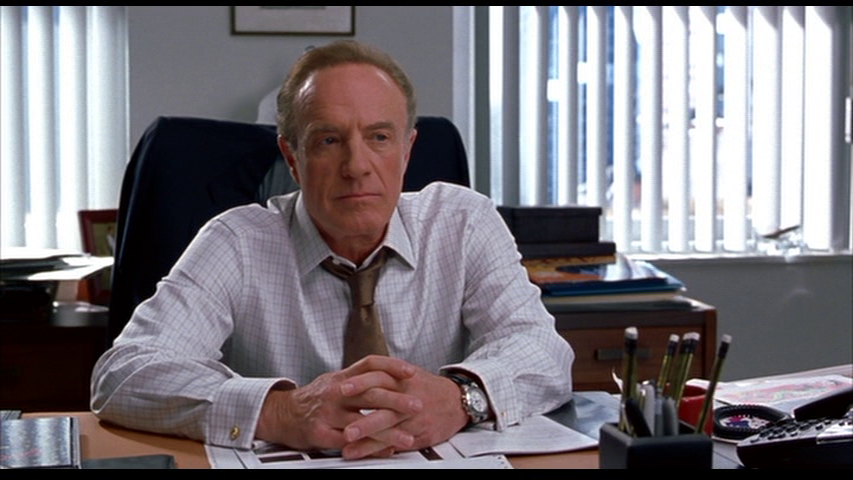
The rest of the casting is brilliant, too. If Ferrell is the grappa in The Grinch, James Caan’s Walter Hobbs is definitely the lime, adding an essential astringent element to the proceedings:

Screengrab from Elf

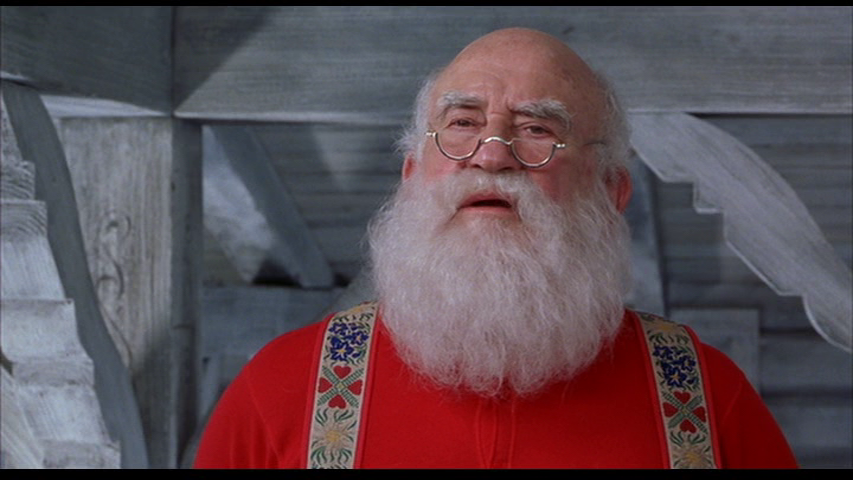
That’s as far as I’m going to take this analogy, but Ed Asner’s down-to-earth Santa also deserves a shout out:

Screengrab from Elf

As does Zooey Deschanel’s portrayal of Buddy’s love interest Jovie:

Screengrab from Elf

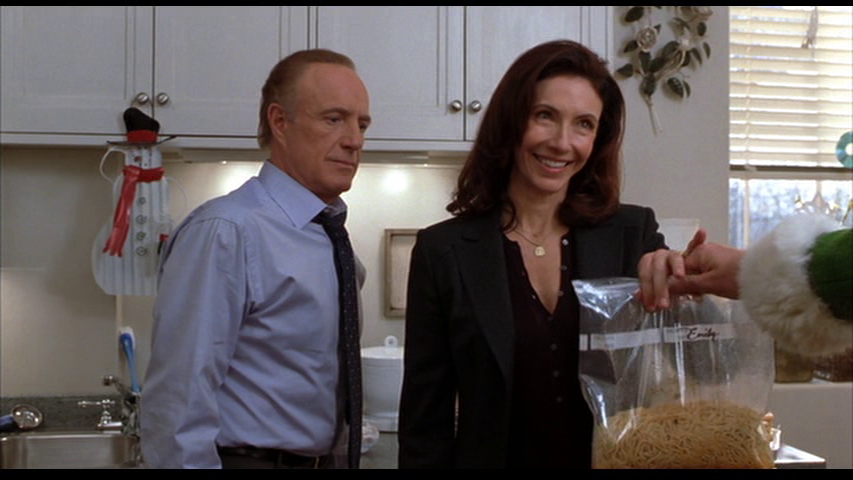
And Mary Steenburgen in the role of Walter’s wife Emily:

Screengrab from Elf

Deschanel and Steenburgen play their roles more or less straight, which in the latter case makes Walter’s eventual redemption believable, since we presume she never would have married him if he was really a bad person. But both help us see the practical value of Buddy’s irrepressible enthusiasm.

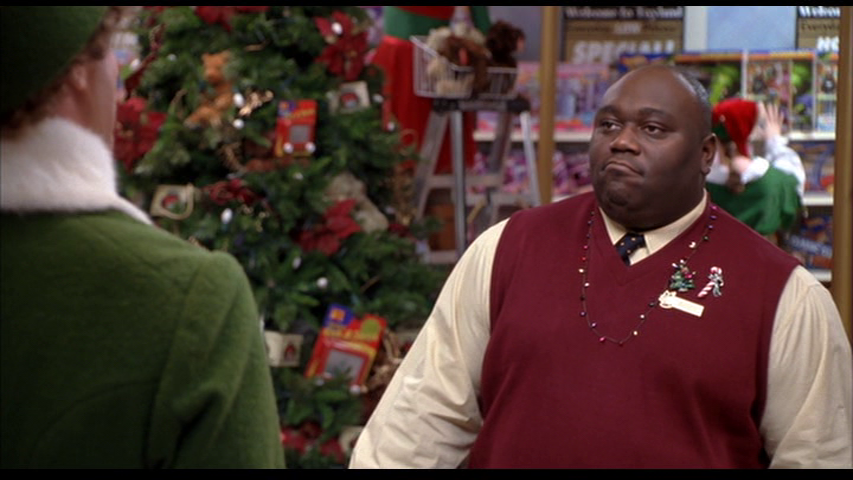
Memorable performances are also contributed by Peter Dinkledge as children’s book author Miles Finch, Amy Sedaris as Walter’s secretary Deb, Peter Billingsley (of A Christmas Story fame) as Ming Ming the elf, and my personal favorite Faizon Love as a department store manager named Wanda:

Screengrab from Elf

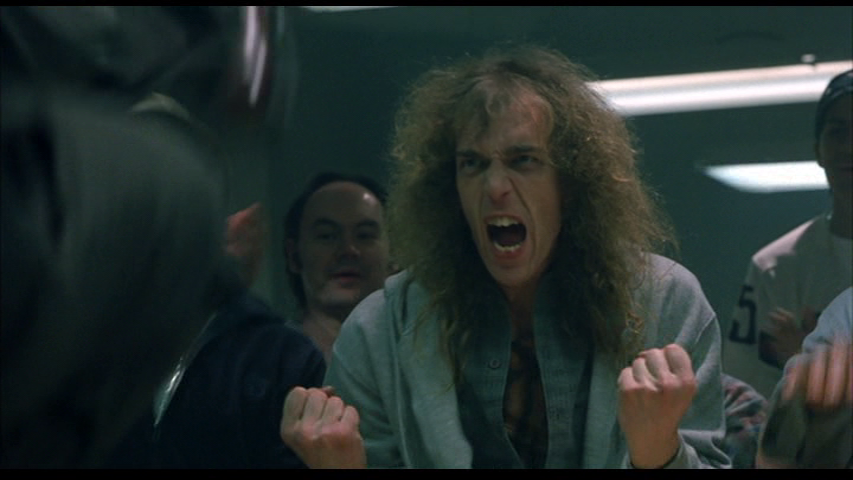
Oh! And who could forget this guy?

Screengrab from Elf

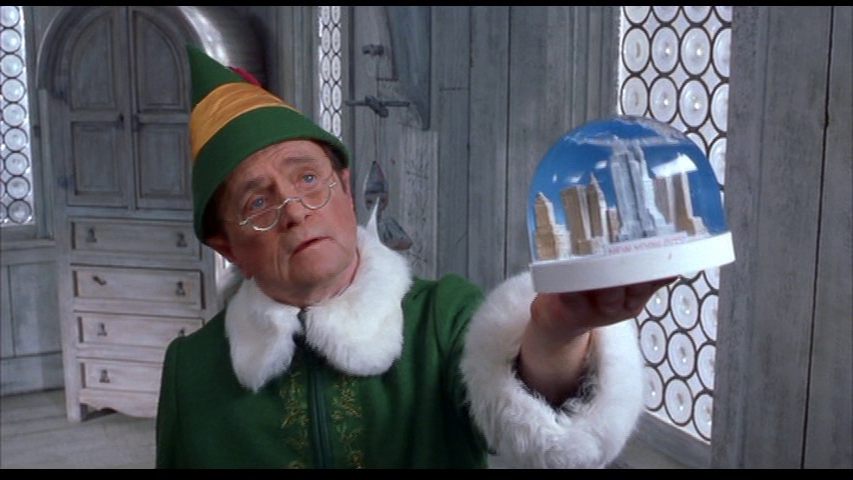
Praiseworthy element number four is the music, both the soundtrack and John Debney’s underrated score. I’m particularly fond of “Buddy’s Theme,” which I consider to be one of our best contemporary Christmas melodies alongside John Williams’s “Somewhere in My Memory” from Home Alone. Last but not least, when Papa Elf hands Buddy an Empire State Building snow globe and says his biological lives in “a magical land called New York City,” it isn’t just a joke!

Screengrab from Elf

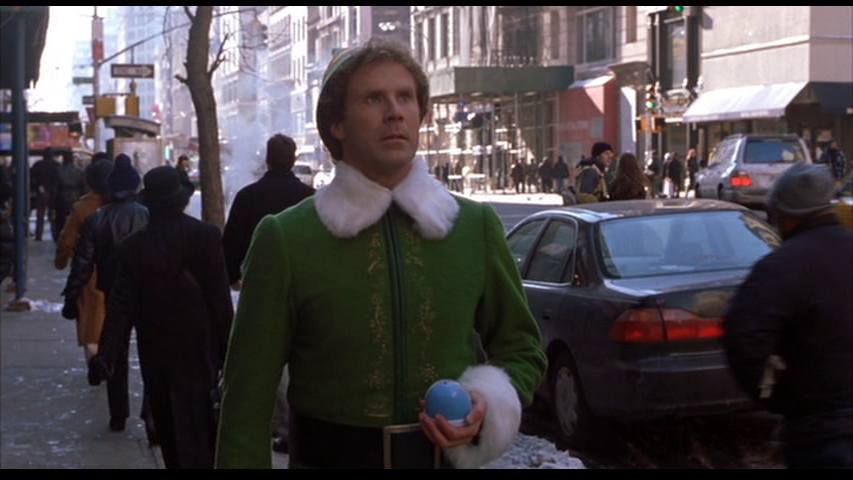
Jon Favreau has spoken in interviews about how Elf was filmed not long after the 9/11 attacks on the World Trade Center as being part of a deliberate effort to “reclaim” Manhattan, and a huge part of the movie’s charm for me is its obvious affection for the city. There’s both an appreciation for its grandeur:

And even more importantly a successful effort to look at its more quotidian wonders through fresh eyes that see the buttons in an elevator as beautiful:

Screengrab from Elf

Escalators as a challenge:

Screengrab from Elf

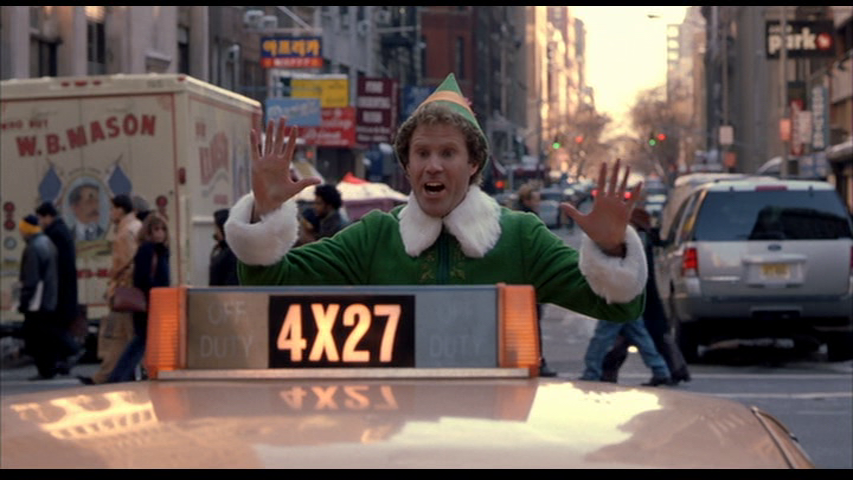
and classify taxi cabs as “yellow ones” that “don’t stop”:

Screengrab from Elf

I would in fact submit that the montage sequence set to Louis Prima’s “Pennies From Heaven” is one of the best cinematic representations of New York ever, without any additional qualifications. Which, this is a excellent example of what makes Elf stand out from some of the other movies I only watch in December: like The Grinch/Mistaken for Strangers, it deserves to be appreciated year round!

Cheers!

All original photographs in this post are by Marion Penning, aka my loving wife. Other entries in this series can be found here.
Bonus Drink & a Movie Post #2: Halekulani Cocktail + Lilo & Stitch

My family has engaged in a cooking competition during the holidays every year since 2010. This oddball tradition began as a fun way to evenly distribute the labor of getting Thanksgiving dinner on the table: everyone made a course, then we scored each dish based on creativity, taste, and presentation. The rules quickly grew quite complicated after that. 2011 wasn’t too bad: it consisted of a series of Chopped-style showdowns using “basket” ingredients. In 2012, though, we all had to cook a dish which: 1) corresponded to a specific course (appetizer, entree, or dessert), 2) was inspired by a specific Christmas carol, 3) included a secret ingredient purchased by another competitor which was linked to one of the carols, and 4) also utilized a specific kind of breakfast cereal. This more or less culminated in 2017 and three rounds of head-to-head matchups based on the cooking show Knife Fight in which we cooked as many things as we desired featuring sets of three secret ingredients during two-hour-long cooking sessions. I won that year, and if I remember correctly prepared 13 separate dishes during my six total hours in the kitchen.

We chilled out a bit after that, and the requirements of recent editions have been as simple as making Christmas cookies (first round) and a casserole (second round) in 2019 and creating an edible tableau which was judged solely on appearance and description in 2020 when we couldn’t gather in person because of the pandemic. This year’s rules were similarly straightforward: with everyone gathering in a crazy pirate-themed house in Davenport, Florida for a rare pre-Thanksgiving family vacation, we decided to each make a snack inspired by a Disney movie. My partner Lucy and I selected Dean DeBlois and Chris Sanders’s Lilo & Stitch, which, fun fact, appeared on my very first official top ten list for The Pitt News. Here’s a picture of the Disney “2-Disc Big Wave Edition” DVD that I don’t remember picking up, but obviously acquired sometime after 2009 when it was released:

Picture of Lilo & Sitch DVD case

You can also stream Lilo & Stich via Disney+ with a subscription or from most major streaming video services for a rental fee. We dubbed the salty-sweet concoction we created in its honor Hurricane Elvis Popcorn. It’s basically a mash-up between the Hurricane Popcorn recipe from the food blog Delicious Not Gorgeous, the Perfect Popcorn recipe from the food blog Simply Recipes, and an Elvis sandwich. Here’s how you make it:

12 ozs. diced thick-cut bacon
1 2.7 oz. bag Bare® Simply Banana Chips
2 oz. arare, broken into bite-sized pieces if necessary
1/8 cup furikake
1 tsp. kosher salt
1/2 cup popcorn kernels
2 Tbsp. salted butter
2 Tbsp. roasted peanut oil (not to be confused with regular peanut oil: you want a finishing oil like La Tourangelle that punches you in the nose with the smell of roasted peanuts when you open it)

  1. Cook the bacon in a skillet until crisp. Remove to a paper towel-lined plate using a slotted spoon.
  2. Strain 4 1/2 ounces of bacon fat into a large saucepan. Warm over medium high heat, adjusting temperature downward as necessary to keep it from smoking.
  3. Put three or four popcorn kernels into the pot and wait for them to pop. Remove them to a large bowl with a slotted spoon when they do.
  4. Add the rest of the kernels to the pot in an even layer, remove from heat, and cover.
  5. Count to 30 slowly, then return the pan to the heat until nearly all the kernels have popped, gently moving the pan back and forth over the burner to prevent burning.
  6. Remove the popped corn to a large bowl.
  7. Immediately add salted butter to the still-hot pan you cooked the popcorn in and melt it. A little browning is a good thing–it adds flavor! Once the butter is melted, add the peanut oil. Set aside.
  8. Toss the popped corn, melted butter/peanut oil mixture, crispy bacon, and remaining ingredients in a very large bowl or plastic bag (see below). Season with additional salt as necessary and serve.
Hurricane Elvis popcorn

I mentioned a bag in the instructions above: part of the reason we went this route was because we didn’t know quite what kind of kitchen we’d be cooking in. At home we have a HUGE metal mixing bowl which works great for this, but down in Florida we found a plastic bag to be the best tool available:

Mixing up a batch of Hurricane Elvis Popcorn

The young man in this picture is my nephew Pete, who kindly offered to help us out with this part. Although we only finished in fifth place, we’re quite proud of our handiwork! Here’s a photo of Lucy and me with the finished product:

The inventors of Hurricane Elvis Popcorn posing with their creation

It seemed like a waste not to turn this into another bonus Drink & a Movie post, so I selected a drink to pair with the movie and snack, the Halekulani Cocktail from Martin and Rebecca Cate’s Smuggler’s Cove book about their legendary San Francisco rum bar. Here’s how to make it:

1/2 oz. lemon juice
1/2 oz. orange juice
1/2 oz. pineapple juice
1/2 oz. demerara syrup
1/2 teaspoon grenadine
1 1/2 ozs. bourbon (Hudson Whiskey Bright Lights, Big Bourbon)
1 dash Angostura bitters

Combine all ingredients and shake with ice. Strain into a chilled coupe or Nick and Nora glass. Garnish with an edible orchid flower if you have one handy, or leave the drink unadorned like we do here:

Halekulani Cocktail in a coupe glass

We made this with Smuggler’s Cove’s house demerara syrup (which is thicker than most of the ones I’m familiar with) and grenadine, recipes for both of which can be found in the book, but I feel like any ones you like would work fine here. The Cates explain that this drink originated at the House Without a Key lounge in Waikiki Beach in the 1930s and call for it to be made with bourbon, but decline to recommend a specific brand. I first tried one of my go-tos, Elijah Craig Small Batch, but felt that the result, although extremely well-balanced, lacked character. Then I read a Punch article by Chloe Frechette which notes that the Halekulani Cocktail would originally have been made with “[t]he only native spirit of Hawaii, okolehao, commonly known as oke, [which] is, in essence, Hawaiian moonshine,” and realized that New York’s own Hudson Whiskey’s Bright Lights, Big Bourbon would work perfectly here. Despite the fact that it’s aged for a minimum of three years, it still tastes a bit on the young side to me, but that’s a feature, not a bug in this particular application and many others–whereas the Elijah Craig just sort of disappeared into the drink, the taste of this spirit shines through.

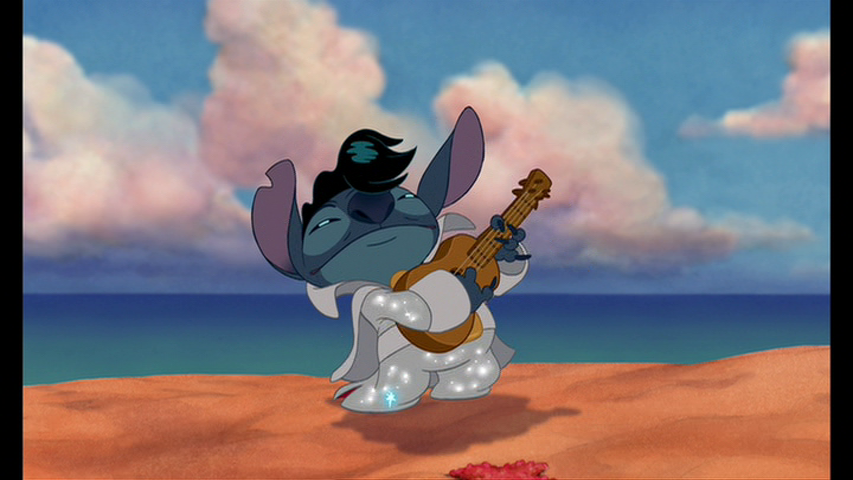
For anyone not familiar with the film, an alien on the run from the Galactic Federation voiced by director Chris Sanders crash lands on the island of Kaua’i, where he masquerades as a stray dog to avoid being recaptured. He is adopted by a little girl named Lilo (voiced by Daveigh Chase) who names him Stitch. In an effort to turn him into a “model citizen,” she encourages him to emulate Elvis Presley:

Screengrab from Lilo & Stitch

Hurricane Popcorn is a popular Hawaiian snack, Hurricane Elvis is the popular name of a severe storm that hit Memphis, Tennessee in 2003, and the Halekulani is a famous Hawaiian hotel with more than a century of history. So that’s how everything connects. I actually don’t have a heck of a lot to say about Lilo & Stitch that wasn’t covered in Bilge Ebiri’s recent definitive oral history of the film, but to echo a few points made there, the film contains absolutely gorgeous watercolor backgrounds of a sort that literally had not been seen in a Disney movie in sixty years:

Screengrab from Lilo & Stitch 2

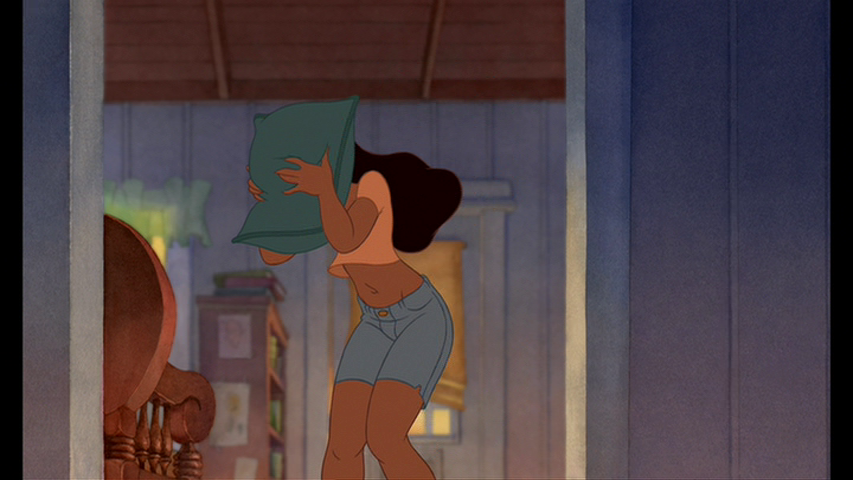
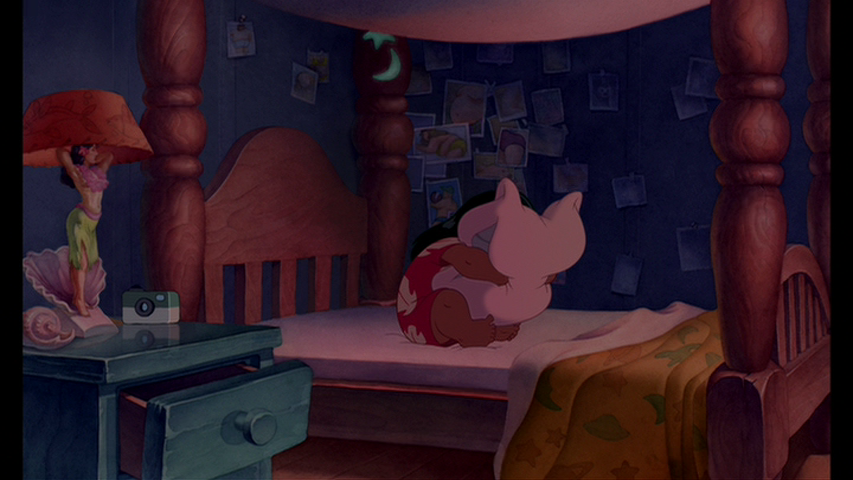
The interactions between Lilo and her sister-turned-guardian Nani (voiced by native Hawaiian Tia Carrere), capture both the extreme frustration:

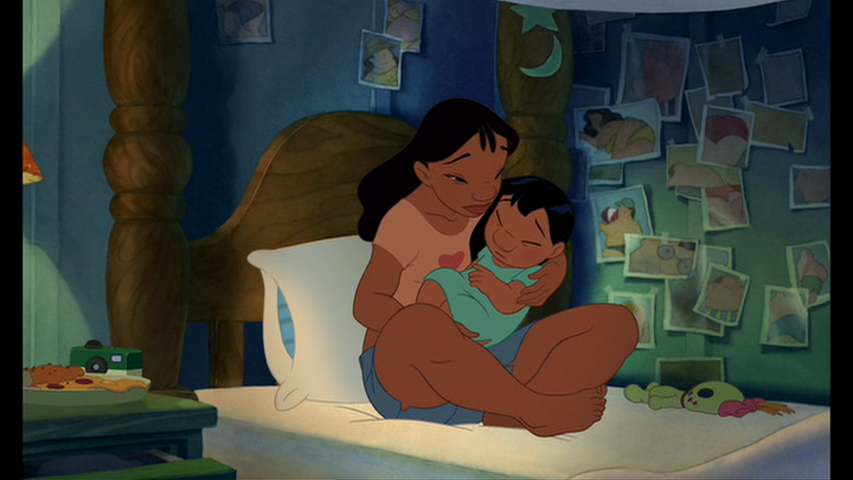
And intimacy that can emerge from such a complicated relationship:

Screengrab from Lilo & Stitch

Art Director Ric Sluiter is 100% right that the pink sea foam in the surfing scenes looks incredible:

Screengrab from Lilo & Stitch

And designing a social worker around Marsellus Wallace and then actually casting Ving Rhames to voice him really was a stroke of genius:

Screengrab from Lilo & Stitch

I’ve also always loved Pudge the Fish who controls the weather:

Screengrab from Lilo & Stitch

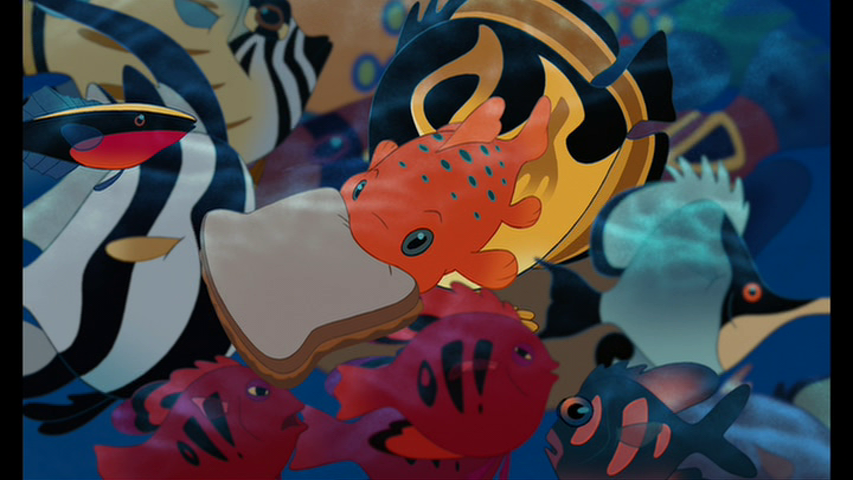
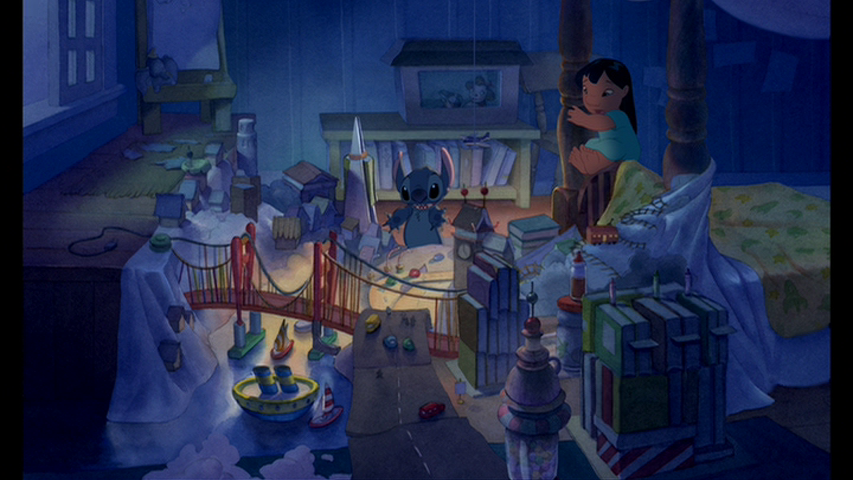
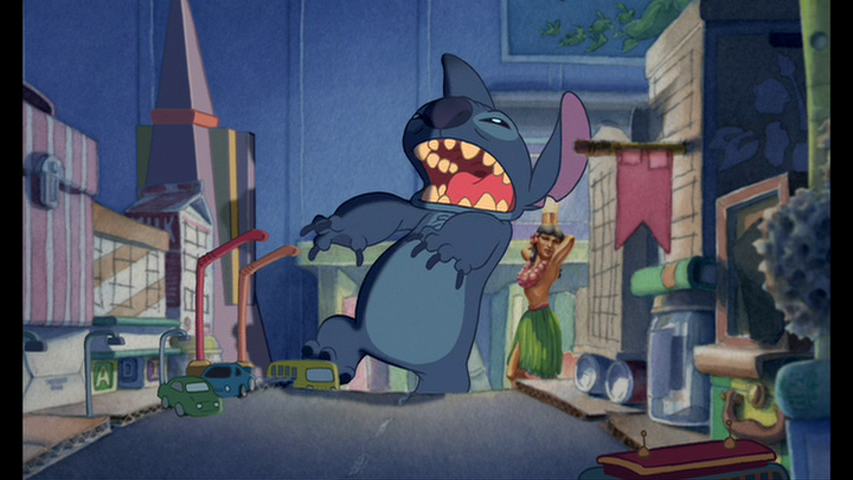
And the scene in which Stitch builds a model of San Francisco just so that he can run amuck over it:

Goodness knows I don’t stand by my 22-year-old self’s writing style, but it’s nice to see some signs of the adult human being he would eventually grow into in his work. Now if I could just get my real-life daughters to actually *watch* Spirited Away. . . .

Cheers!

All original photographs in this post are by Marion Penning, aka my loving wife, except the one me and Lucy wearing pirate hats, which was taken by my mother. Other entries in this series can be found here.
November, 2022 Drink & a Movie: Cereal Milk Punch + Yeelen

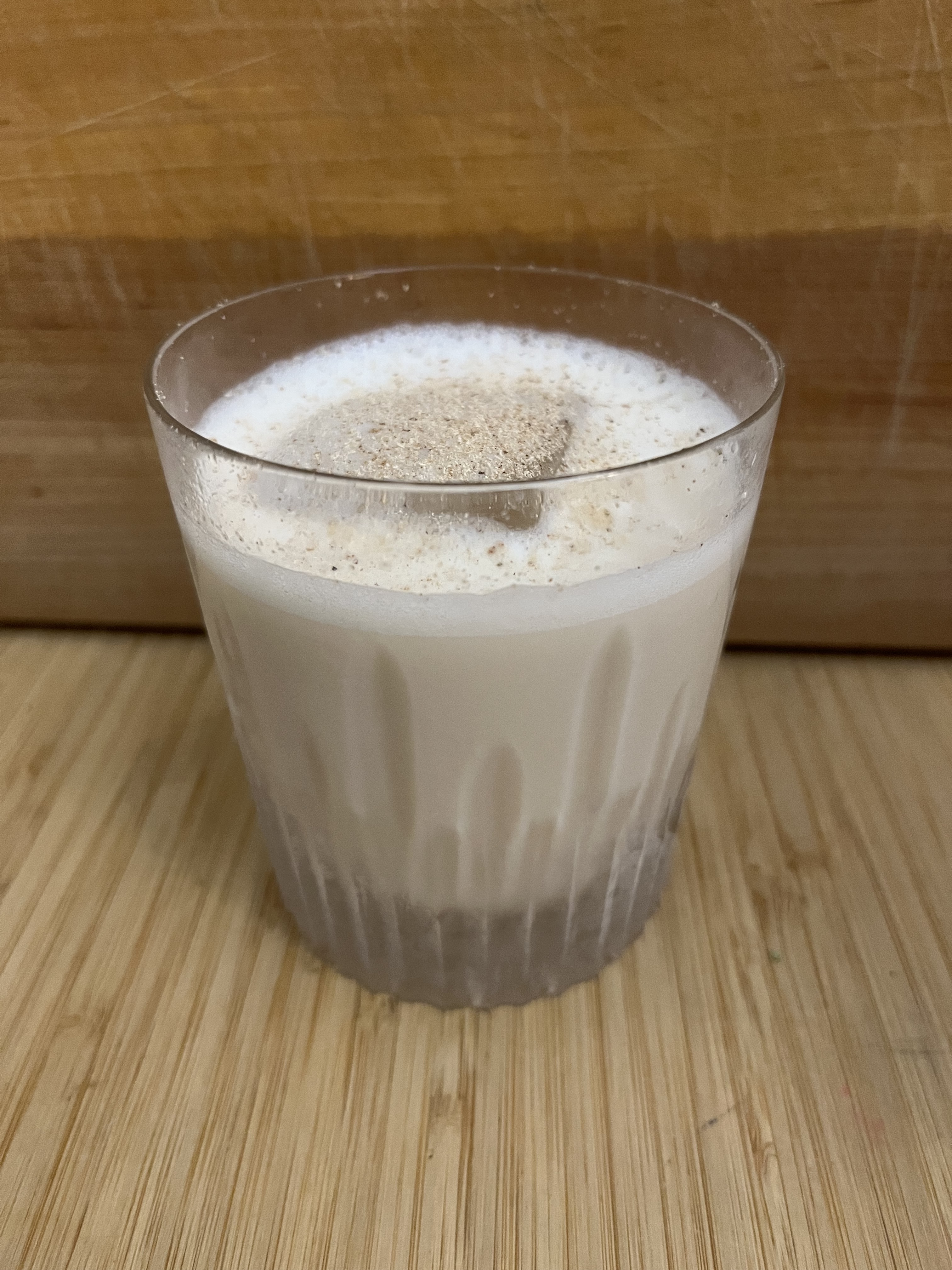
I enjoyed highlighting local (upstate New York) spirits in each of my last two “Drink & a Movie” posts, and have therefore resolved to keep the streak going through January! I talked about Harvest Spirits’ Cornelius Applejack in September and Myer Farm Distillers‘ Cayuga Gold Barrel Gin in October; this month’s drink features Glen Thunder corn whiskey, which the Finger Lakes Distilling website describes as having an aroma “reminiscent of pulling back the husk from an ear of sweet summer corn.” My mind goes more toward popcorn, but whatevs: the distinction doesn’t really matter in my favorite concoction to use it in, cereal milk punch. The recipe for it appears in this New York magazine article, which attributes it to mixologist Jeff Bell of one of this blog’s favorite bars, PDT in New York City. Here’s how to make it:

2 oz. Momofuku Milk Bar cereal milk
1 1/4 oz. Bernheim wheat whiskey
3/4 oz. Glen Thunder corn whiskey
1/2 oz. Bärenjäger

Shake with ice and strain into a chilled rocks glass containing one large ice cube. Garnish with grated nutmeg. 

Cereal milk punch in a rocks glass

You might be able to buy genuine Momofuku Milk Bar cereal milk wherever you live, but we prefer to make our own using this recipe published on Serious Eats. If you have a dog, don’t neglect the parenthetical note about what to do with your cornflake remains–they’re one of the four-legged member of our family’s favorite treats!

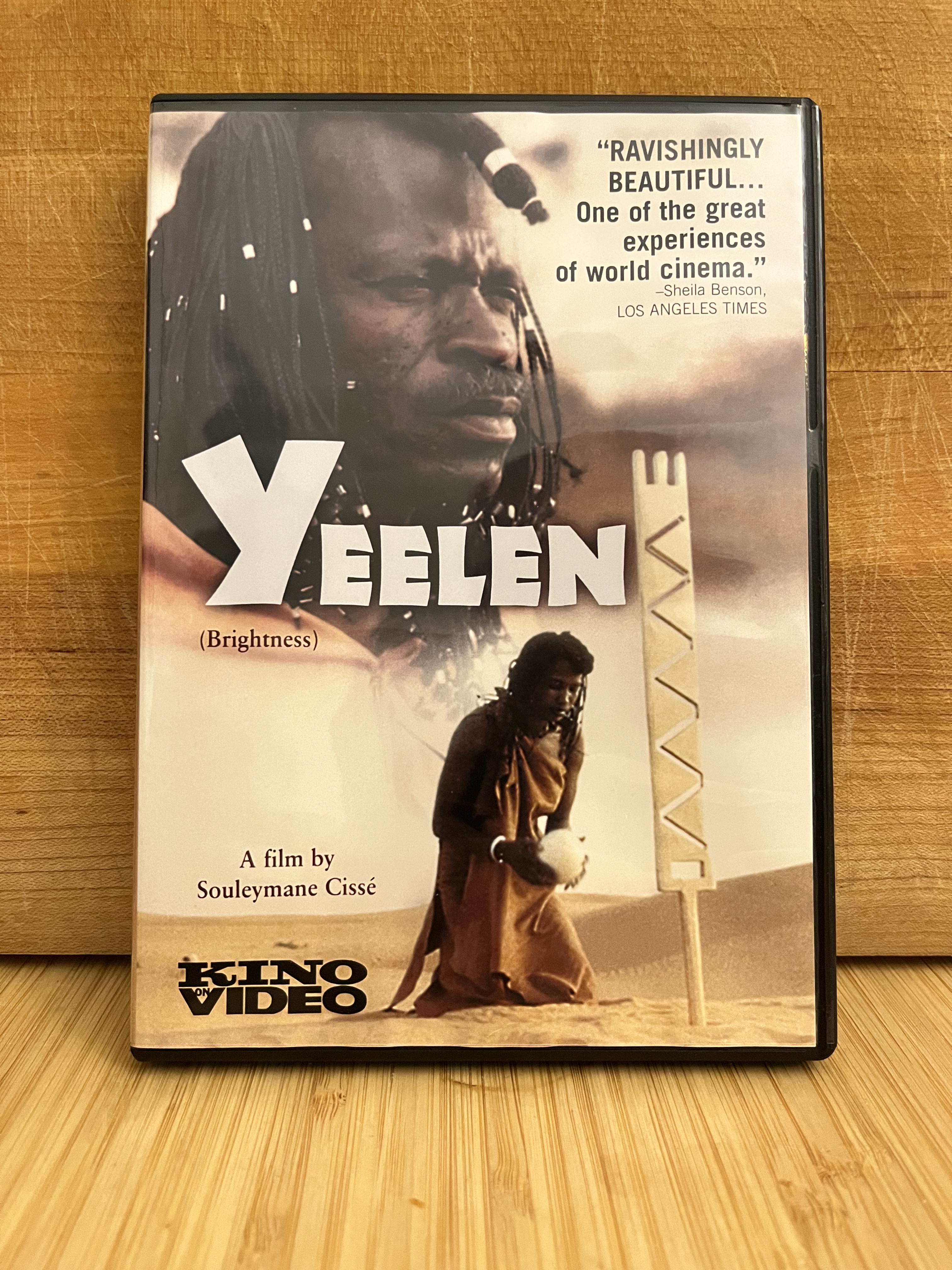
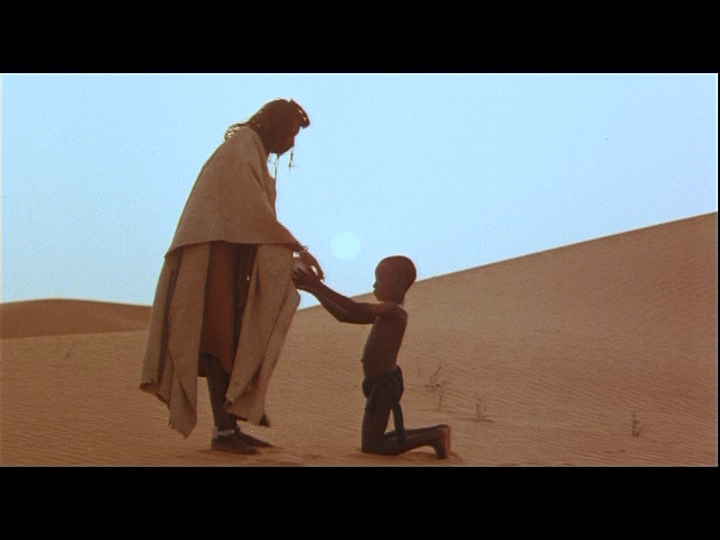
I love how this drink combines cereal milk with spirits that taste distinctly like different grains to remind the imbiber what the stuff that comes out of the box was originally. It’s also so good that you may be tempted to say you want to bathe in it, which brings us to this month’s movie, Souleymane Cissé’s masterpiece Yeelen. Here’s a picture of my copy of Kino Lorber’s DVD release of the film:

Picture of Yeelen DVD case


Although Yeelen doesn’t appear to currently be widely available to stream, some people may have access to it through Kanopy via a license paid for by their local academic or public library.

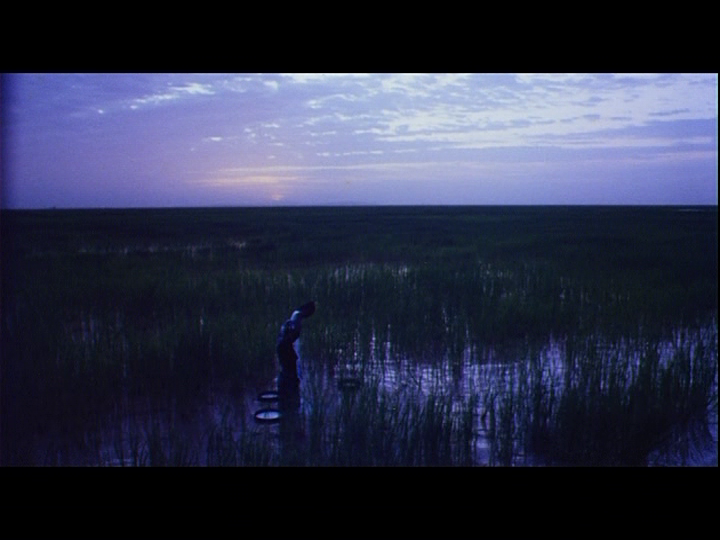
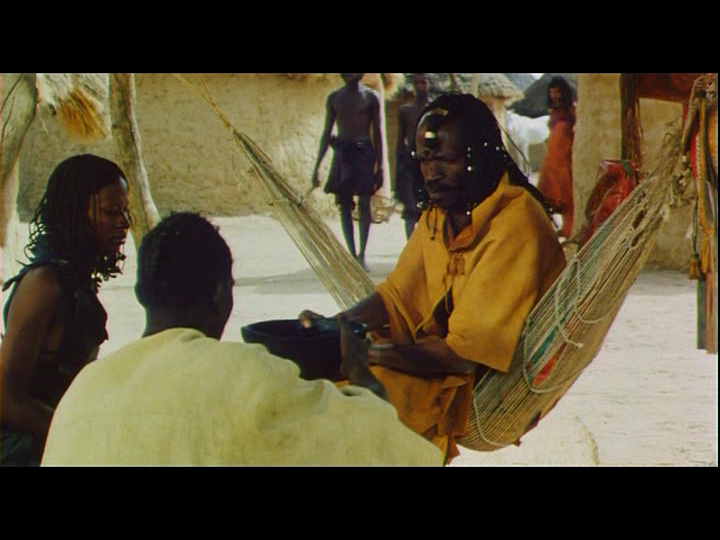
Early in the film, the hero’s mother (Soumba Traore) wades into a marsh and pours a bowl of milk over her head as part of a ritual prayer for her son’s protection:

Screengrab from Yeelen showing Nianankoro's mother pouring milk over her head

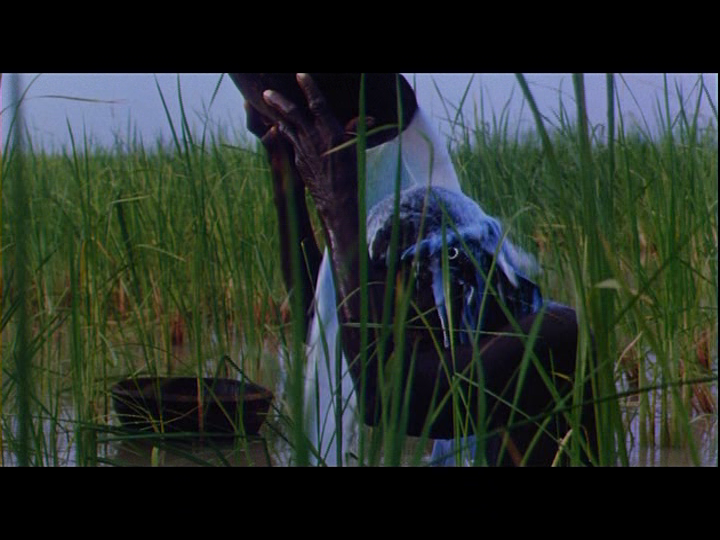
“Do you hear this forlorn creature?” she cries. “Goddess of the waters! Hear me, mother of mothers! Hear this helpless mother. Save my son! Keep him from harm! Save this land from ruin! Don’t let the weeds overgrow the house of the Diarra.” Then she lets the contents of another bowl rain down over her:

Screengrab from Yeelen showing Nianankoro's mother pouring another bowl of milk over her head.

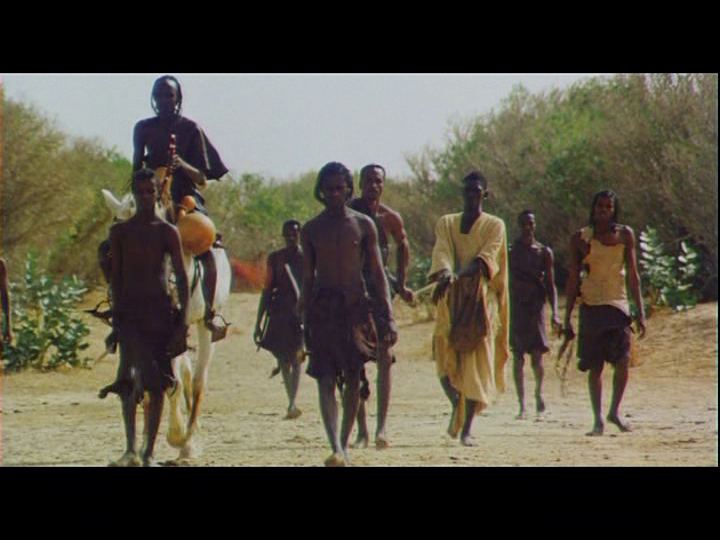
Milk appears in the very next scene as well. Our hero, whose name is Nianankoro (Issiaka Kane), has been captured as a suspected cattle thief:

Screengrab from Yeelen showing Nianankoro being led somewhere by the men who have captured him as a suspected cattle thief

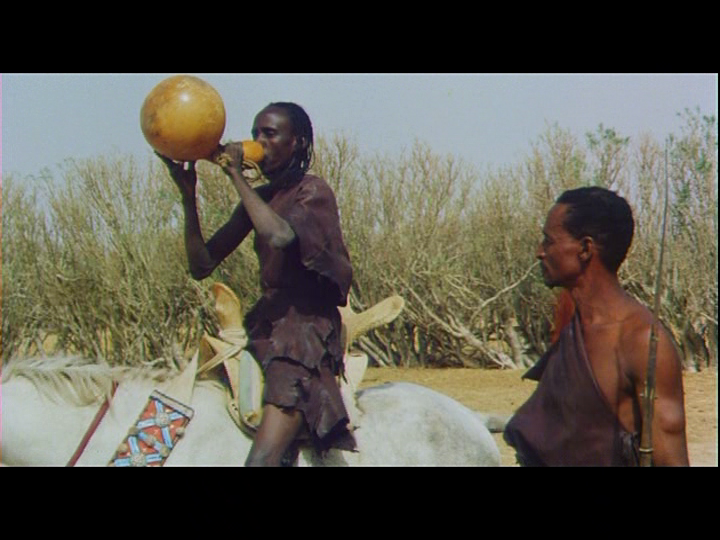
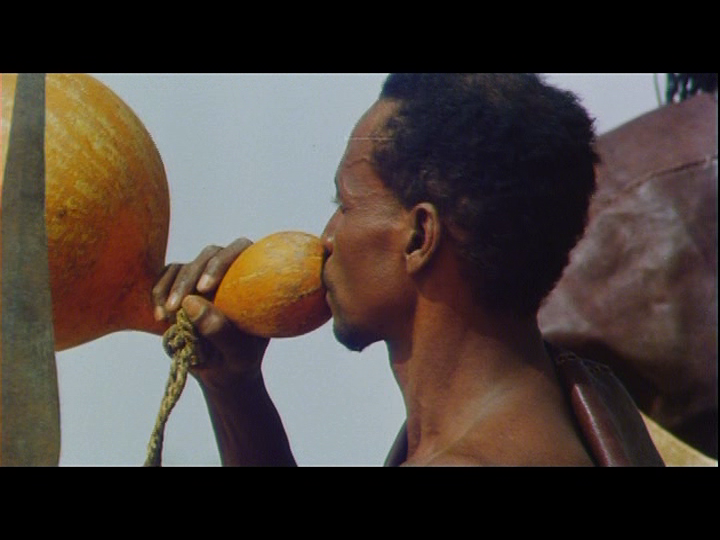
The leader of the men taking him to their king lifts a gourd canteen to his lips and takes a swig:

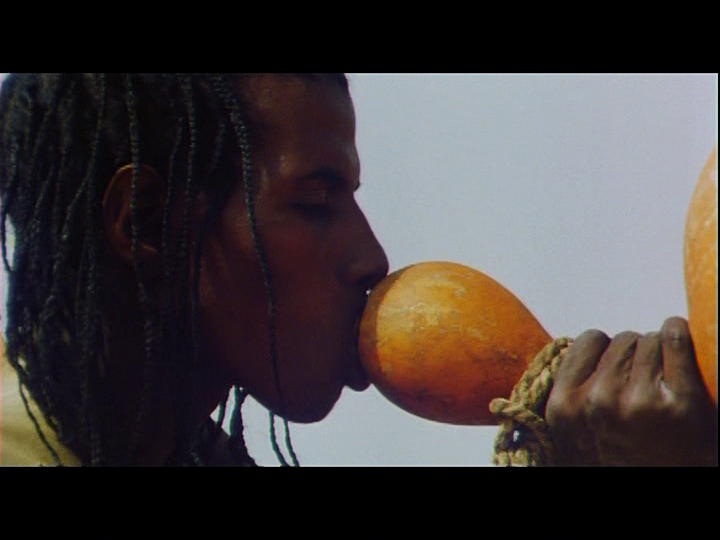
He turns to a comrade and says, “here is milk. Drink it.” This guard hands it to another member of the band:

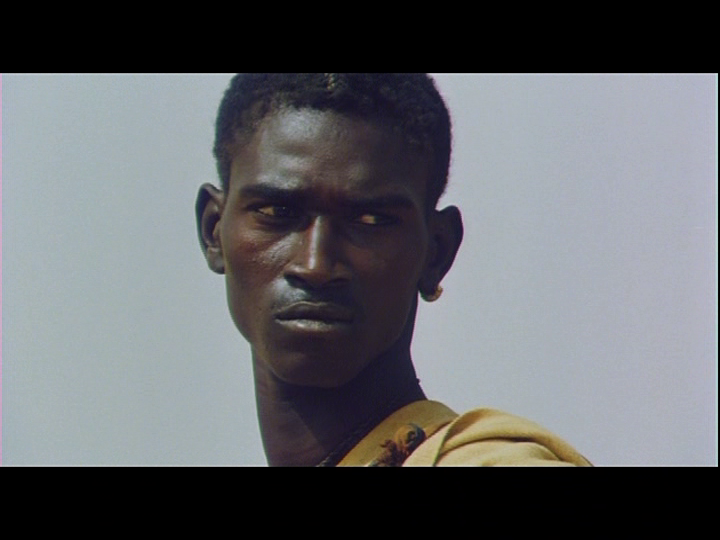
And so on until only Nianankoro is left to go thirsty:

Screengrab from Yeelen showing Nianankoro looking on while his captors all whet their thirst.

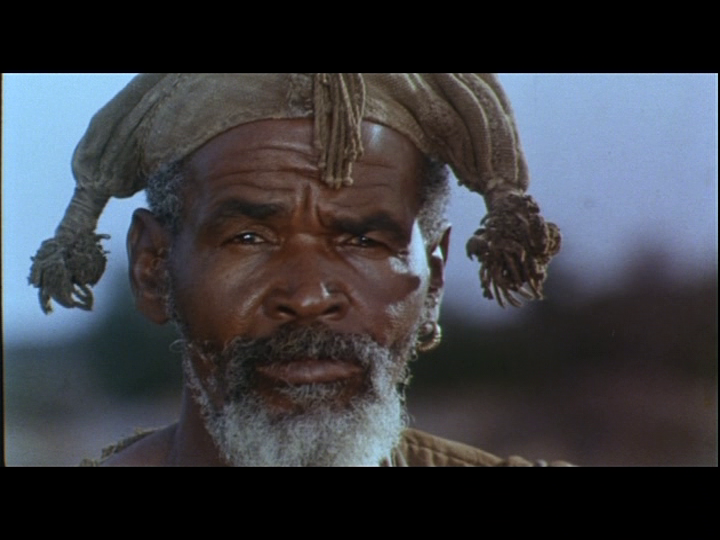
Contrast this with the third appearance of milk a little while later, when the same king (Balla Moussa Keita) Nianankoro was being taken to as a prisoner personally offers him a drink:

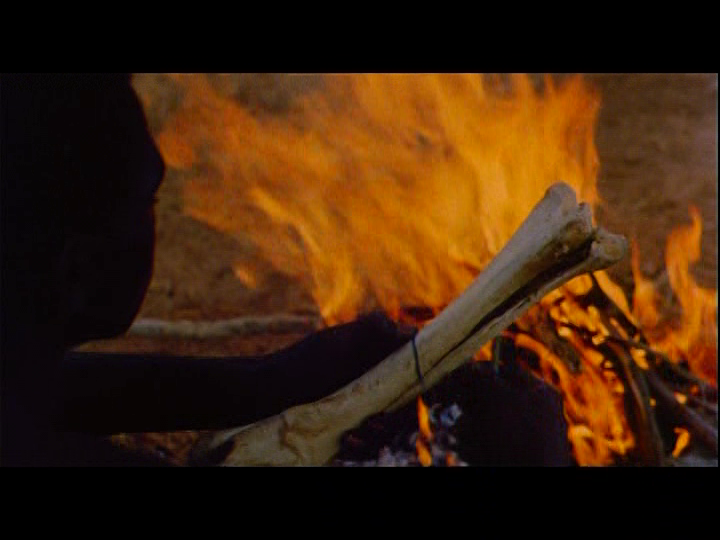
What has changed in the intervening scenes is that Nianankoro has revealed himself to be a powerful sorcerer and, using the right leg-bone of a horse:

Screengrab from Yeelen showing Nianankoro conjuring magic with the right leg-bone of a horse.

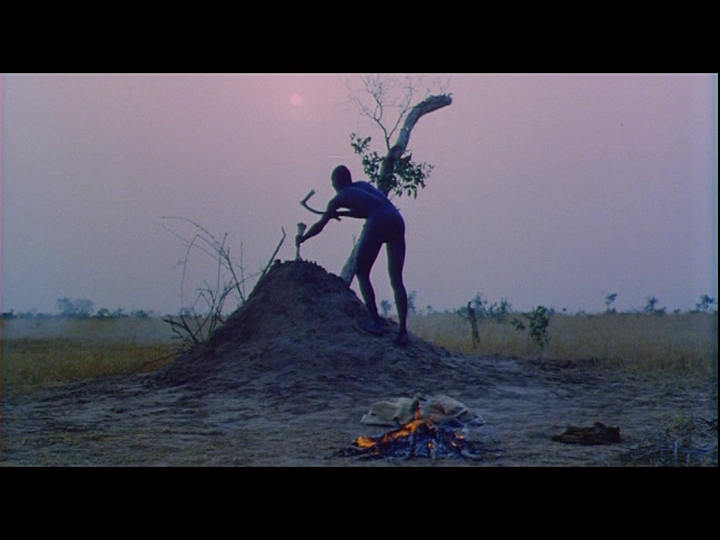
That he buried in a termite mound:

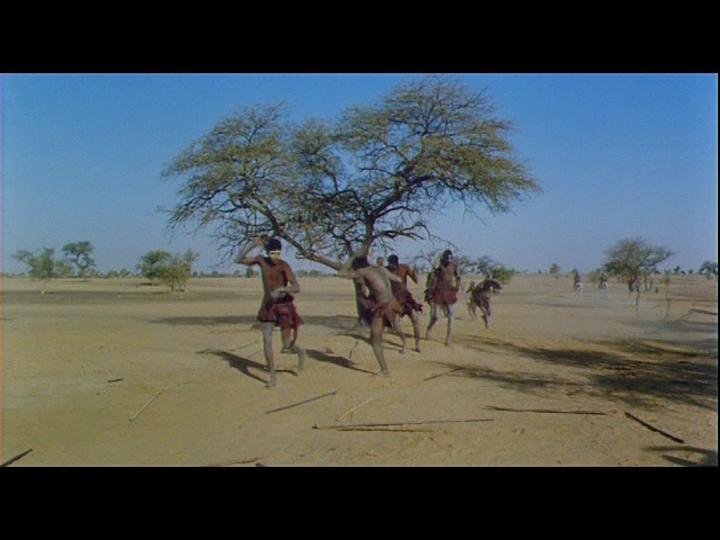
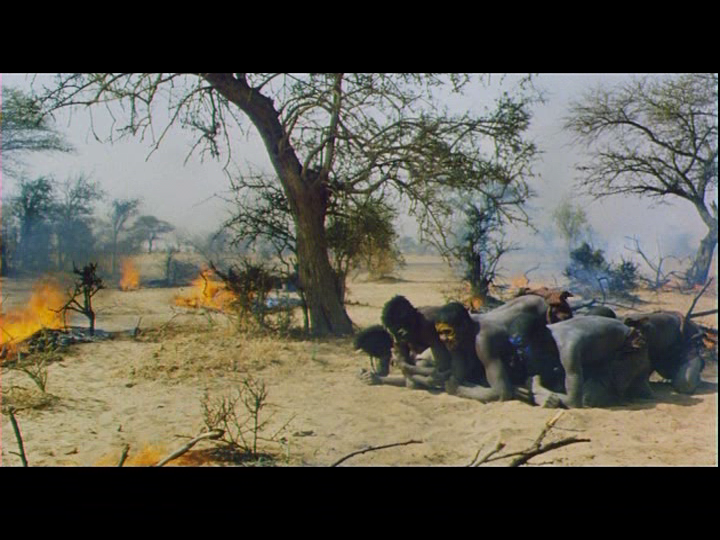
Has conjured bees and fire to defeat an invading army:

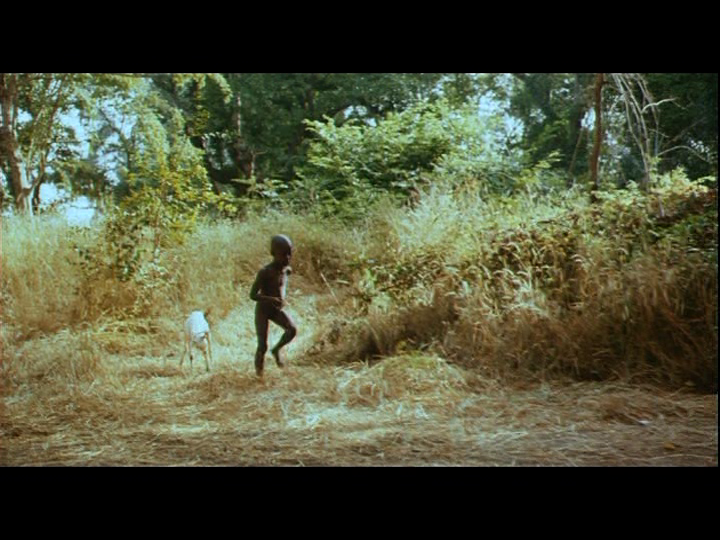
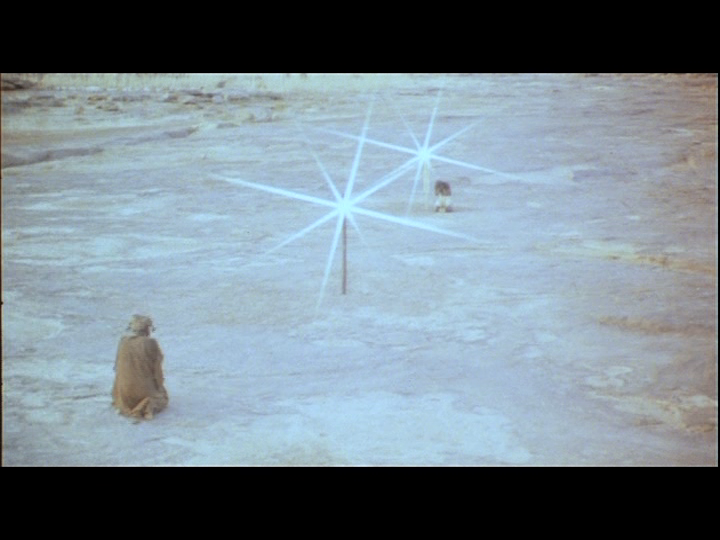
This is another reason for this month’s drink and a movie pairing: cereal milk is the Proust madeleine of my generation, with power to transport people back to the breakfast tables of their childhoods. In other words, it’s magic! The passage of time factors into Yeelen‘s narrative strategy as well, as represented by the image of a boy (Youssouf Tenin Cissé) who we eventually realize is Nianankoro’s son and a goat that appears at both the beginning and end of the film:

Screengrab from Yeelen showing Nianankoro's son leading a goat by a roap.

The best part of Yeelen has got to be the epic wizard duel between Nianankoro and his father Soma (Niamanto Sanogo), who has spent the entire movie trying to track him down and kill him. It contains some stare songs (to bastardize a lovely turn of phrase by Richard T. Jameson) straight out of the oeuvre of Sergio Leone:

Screengrab from Yeelen showing Soma staring down Nianankoro.

And two killer dissolves:

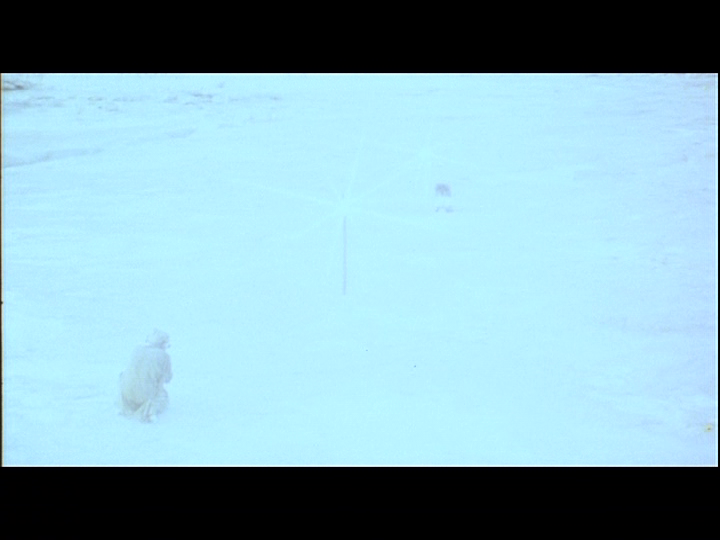
Before concluding with both characters being subsumed into the “brightness” (the English translation of the Bambara word “yeelen”) of the film’s title:

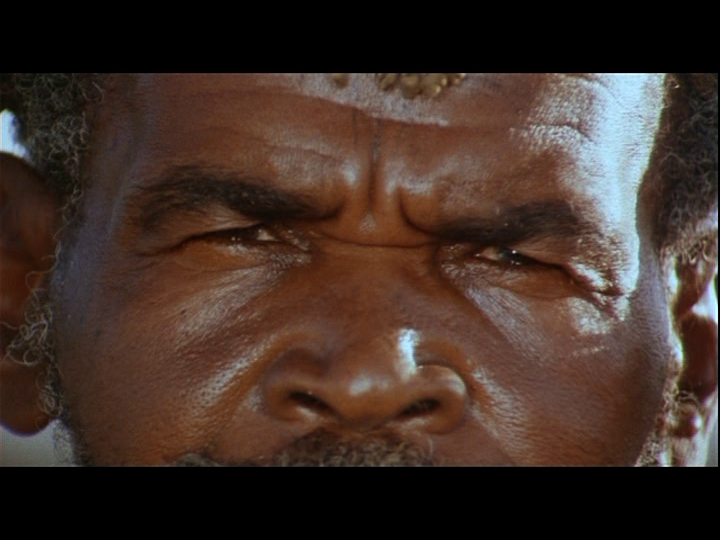
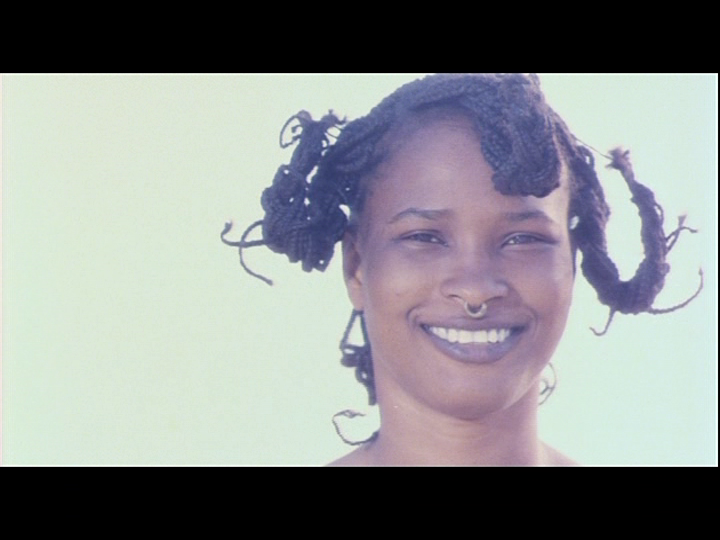
Another one of my favorite moments in Yeelen is this closeup of Nianankoro’s future wife Attu (Aoua Sangare):

Screengrab from Yeelen showing Attu in closeup

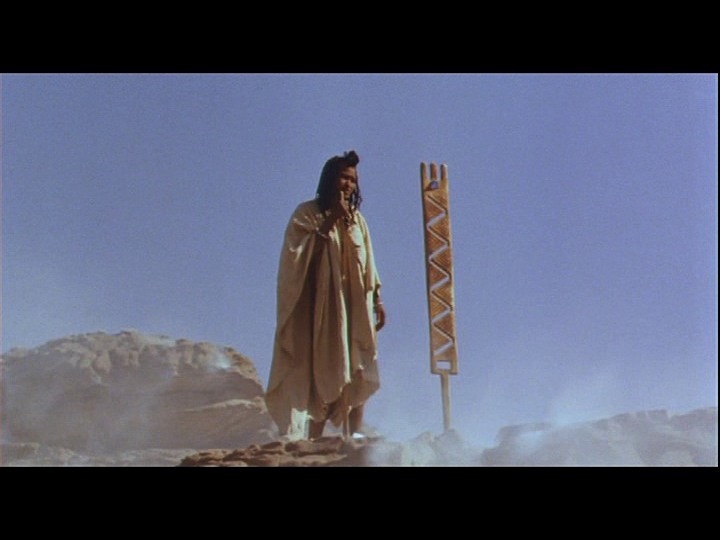
They meet when the king mentioned above asked Nianankoro to cure her of infertility. Which he certainly does do, but then he and Attu give into their lust for one another, ultimately leading to their exile. This single beautiful load-bearing image tells an impressively large portion of that story. And then, finally, there is the movie’s ending. Years (I assume) later, Attu returns to the scene of Nianankoro’s battle with Soma to retrieve the Kore wing (the scepter of the 7th and final Bambara initiation society per the titles which precede the film) which was her husband’s weapon during it:

Screengrab from Yeelen showing Attu contemplating Nianankoro's Kore wing.

Meanwhile her son finds two ostrich eggs buried in the sand nearby:

Screengrab from Yeelen showing Nianankoro's son finding two ostrich eggs in the sand.

He retrieves one and presents it to his mother:

Screengrab from Yeelen showing Nianankoro's son presenting an ostrich egg to his mother.

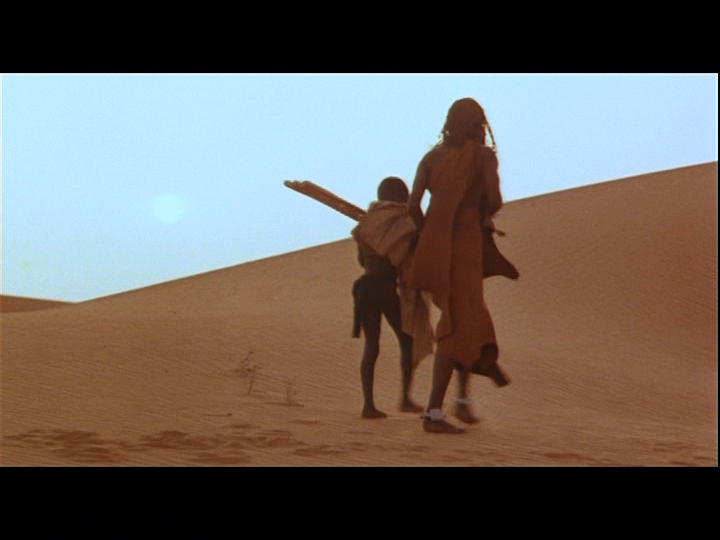
She re-buries it at the spot where the Kore wing stands, then gives it to her son along with Nianankoro’s clock. They walk away together bearing both objects:

Screengrab from Yeelen showing Attu and her son walking away with the Koro wing and Nianankoro's cloak

There is a closeup of the remaining ostrich egg alone in the sand:

Screengrab from Yeelen showing a single ostrich egg in the sand

And then a shot of Nianankoro’s son striding confidently into the future with the Kore wing and his father’s cloak:

For a breakdown of exactly what’s happening here, see Suzanne H. MacRae’s Research in African Literatures article Yeelen: A Political Fable of the Komo Blacksmith/Sorcerers.” It doesn’t take extensive knowledge of Malian history to understand that this represents Nianankoro’s triumph over Soma, though. Or, to translate this into cocktail terms: like cereal milk punch, it’s good on both the sip and the swallow!

Cheers!

All original photographs in this post are by Marion Penning, aka my loving wife. Other entries in this series can be found here.
October, 2022 Drink & a Movie: Yellow Cocktail + Suspiria

Two Father’s Days ago, my loving wife gave me a copy of David Lebovitz’s Drinking French as a present. It’s a terrific book filled with wonderful recipes, but far and away our favorite thing in it is the Yellow Cocktail created by Franck Audoux of the Paris bar Cravan. Here’s the recipe

3/4 oz. London dry gin (Cayuga Gold Barrel Gin)
3/4 oz. Suze
3/4 oz. Yellow Chartreuse
3/4 oz. Freshly squeezed Lemon juice

Add all ingredients to a cocktail shaker and shake with ice until well chilled. Strain into a chilled coupe glass and garnish with the oils from a lemon twist.

Yellow Cocktail in a coupe glass

Lebovitz calls for London dry gin, but we prefer to use one of our favorite local spirits, Myer Farm Distillers‘ Cayuga Gold Barrel Gin, which has a similar golden hue to the other ingredients. “Autumnal,” the person at Red Feet Wine Market who sold us our last bottle said, which really is the perfect way to describe it. With that connection made, it was pretty much inevitable that I would end up choosing a movie directed by master of the giallo (Italian for “yellow”) film Dario Argento to go with it, although I decided not to select something from that genre. Instead I’m keying in on the drink’s vibrant yellow color and pairing it with Suspiria. Here’s a picture of my copy of Synapse Film’s DVD release of the film:

Picture of Suspiria DVD case

Suspiria doesn’t appear to be streaming many places, but some people may have access to it through Kanopy via a license paid for by their local academic or public library.

I mention color above, and that is what I like most about this film. Maitland McDonagh describes it as a “big, bright, nightmare fairy tale” set in “a psychedelic world of swirling red, yellow, and blue jewel-tones” in her book Broken Mirrors/Broken Minds: The Dark Dreams of Dario Argento, and I wouldn’t dare try to say it better myself. When I was an undergraduate film studies student, I remember numerous occasions when I fell in love with the idea of a movie based on the pictures in my text books, only to be disappointed by the reality of it, usually because it was either disappointingly conventional outside of the extraordinary moments captured by the stills that inspired me to see it, or because the film didn’t really work. Suspiria avoids these traps by using a simple narrative structure as a stable scaffold for pervasive formal audacity.

On the first front, voice-over dialogue informs us during the opening credits that once upon a time a dancer named Suzy Bannion (Jessica Harper) “decided to perfect her ballet studies in the most famous school of dance in Europe.” Alas, the “celebrated academy of Freiburg” turns out to be a front for a coven of witches. Through pluck and courage she triumphs over their leader and brings the whole place down House of Usher style. That’s about it for the story. But my Godard (RIP), the images! We can begin as the film (almost) does, with shots drenched in primary colors. This one comes first:

Screengrab from Suspiria

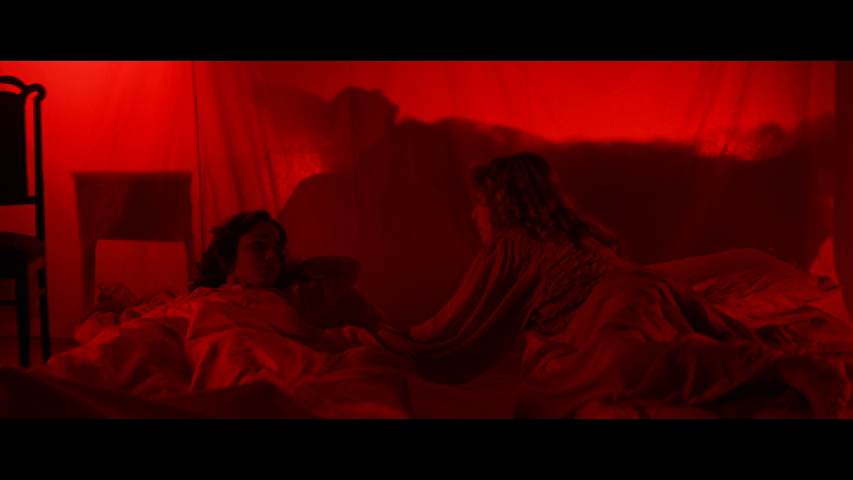
But this one is even more red:

Screengrab from Suspiria

Beautiful right? But not terribly innovative. That’s true of this shot as well, which reminds me of the oft-mentioned-on-this-blog Chicago bar The Violet Hour:

Screengrab from Suspiria

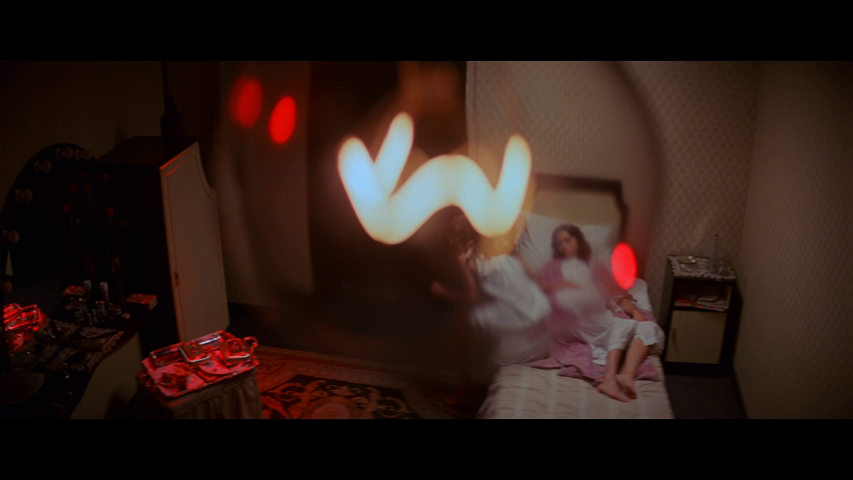
What really makes the film interesting are all the moments that it isn’t quite possible to capture. Take this one:

Screengrab from Suspiria

This is a murderer stalking his prey shot from behind, and it doesn’t last long enough to get a screengrab that shows him clearly enough to figure this out without a prompt. Or how about this shot?

Screengrab from Suspiria

I’m sure you’ll agree that it is very green. But there’s something else funny about it as well, yeah? It’s not an unusual lens–rather, the camera is set up behind a light bulb:

Screengrab from Suspiria

Far from being a film comprised of beautiful tableaus loosely connected by a plot, Suspiria is much greater than the sum of its (occasionally breathtaking, to be sure!) parts. Sometimes this is accomplished via gimmicks, as in the case of this unmotivated reaper-shaped shadow:

Screengrab from Suspiria

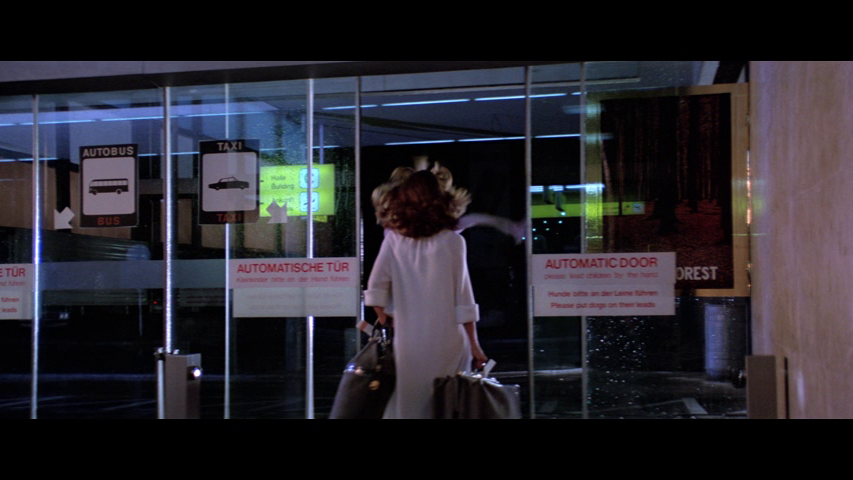
I thought something similar was going on in the opening scene at the airport. It features two extreme close-ups of the inner workings of an automatic door, and I assumed that in at least one of them the machinery was switched out for a knife. But no:

Screengrab from Suspiria

Why go to the trouble if just the metal and the motion achieve the same effect? In any event, it’s everything else going on around these shots that really count. To deal with the latter scene first, the juxtaposition of ambient noise when Suzy is inside the airport:

Screengrab from Suspiria

with Italian band Goblin’s eerie prog rock score whenever we catch a glimpse of the world outside kicks everything off on an extremely unsettling note. See also this awesome use of a wind machine:

Screengrab from Suspiria

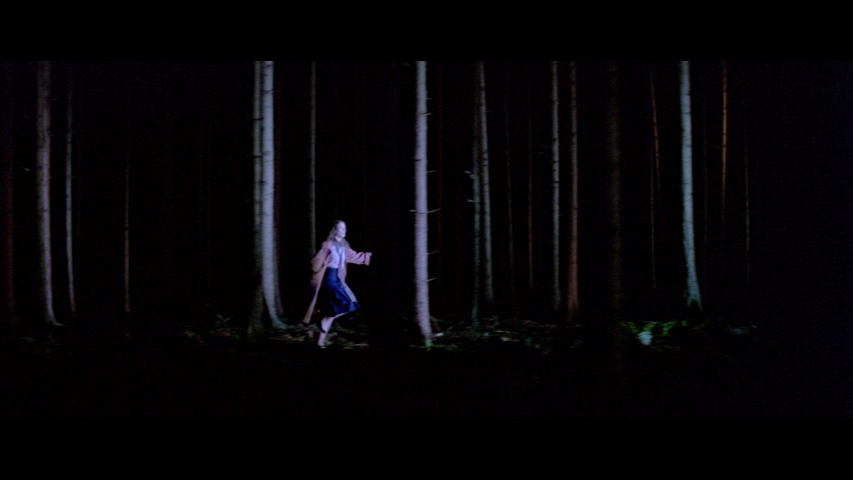
In the case of the forest where the above shadow appears, what I really remember is the haunting image of Eva Axén’s Pat Hingle running through it as seen by Suzy through the window of a cab:

Screengrab from Suspiria

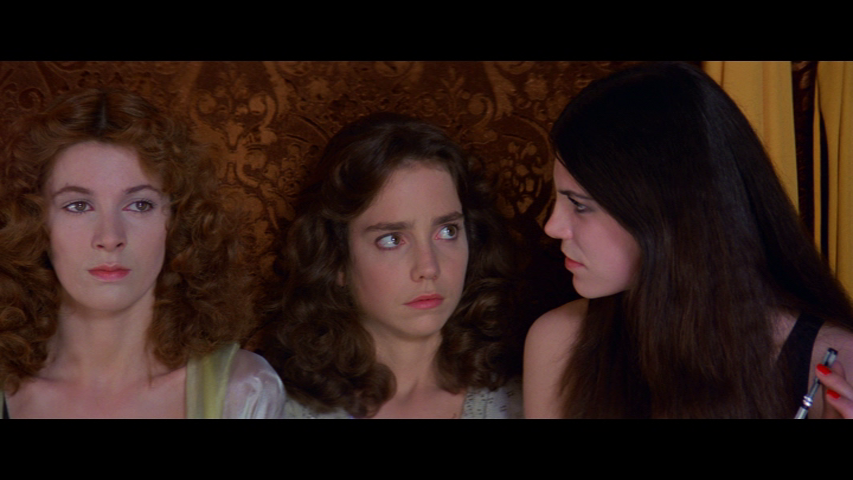
My single favorite part of Suspiria is probably the ridiculous statement Barbara Magnolfi’s Olga (right) makes to Suzy (middle) and Stefania Casini’s Sara (left) which I think I heard sampled in Atmosphere’s “Bird Sings Why The Caged I Know” before I ever saw the movie: “I once read that names which begin with the letter ‘S’ are the names of snakes!” Look at these faces!

Screengrab from Suspiria

Suzy’s palpable relief during her happily ever after moment at the end of the film is pretty great, too:

Screengrab from Suspiria

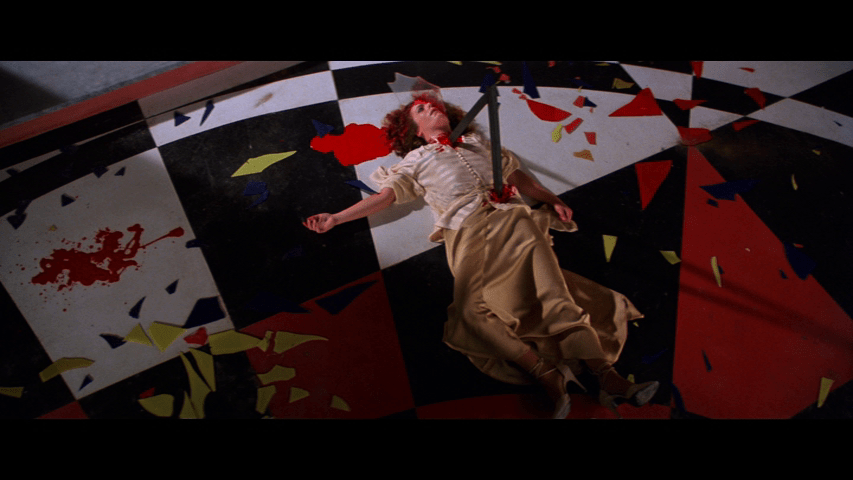
I’m no connoisseur of horror films, but the opening murder surely has to be one of the most aesthetically striking ones in movie history:

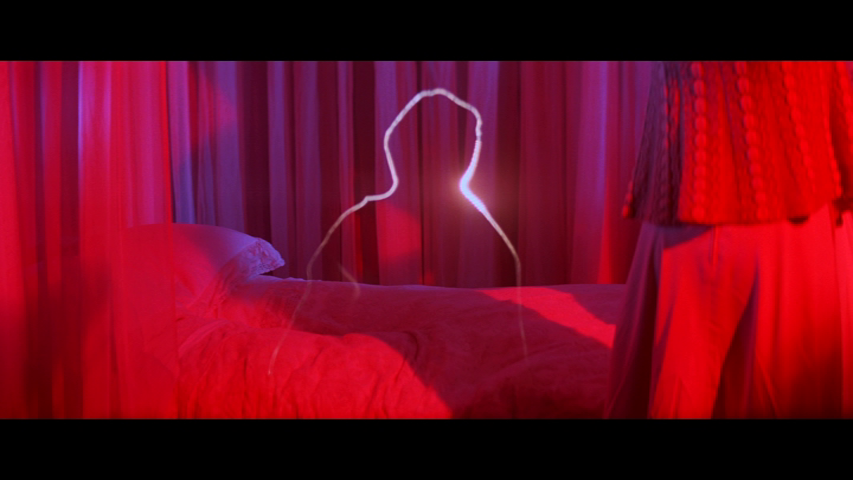
And I love the way Helena Markos’s invisibility is rendered near the end of the film:

Screengrab from Suspiria

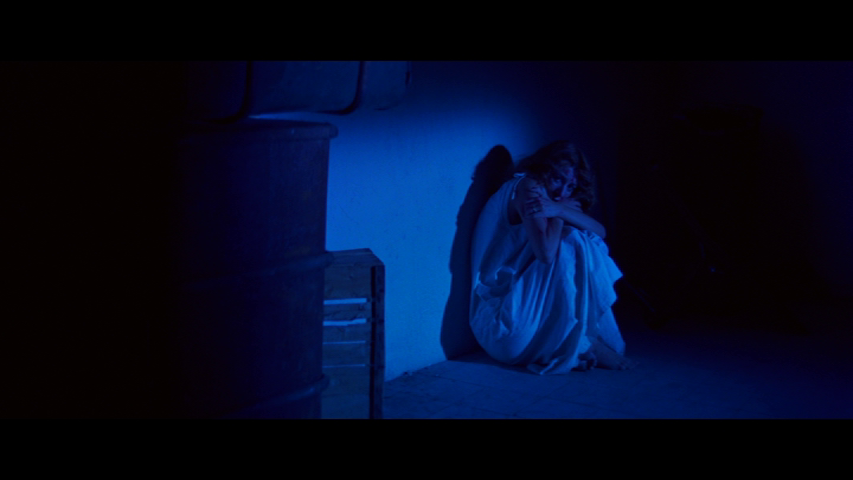
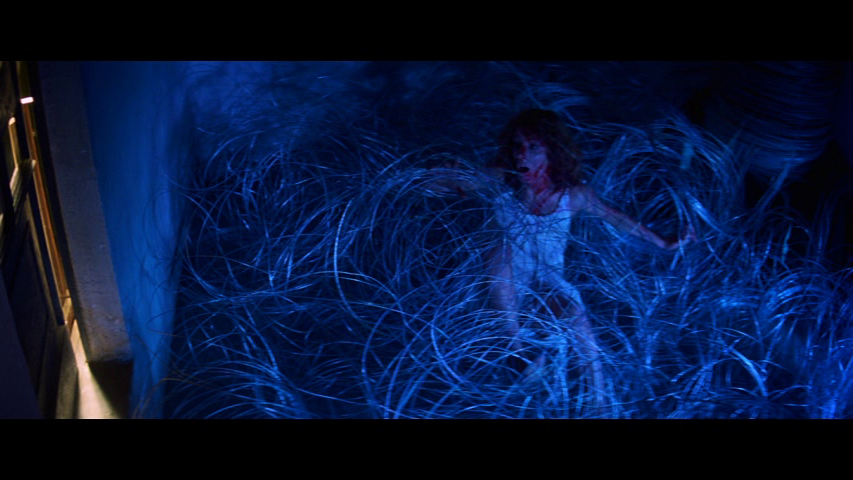
But I think the very best SCENE of all is the one which ends in poor Sara’s demise. She’s the figure in the shot bathed in green light above, and the man in yellow in the screengrab above it is the person who will eventually killer her. She attempts to take shelter in a locked room:

Screengrab from Suspiria

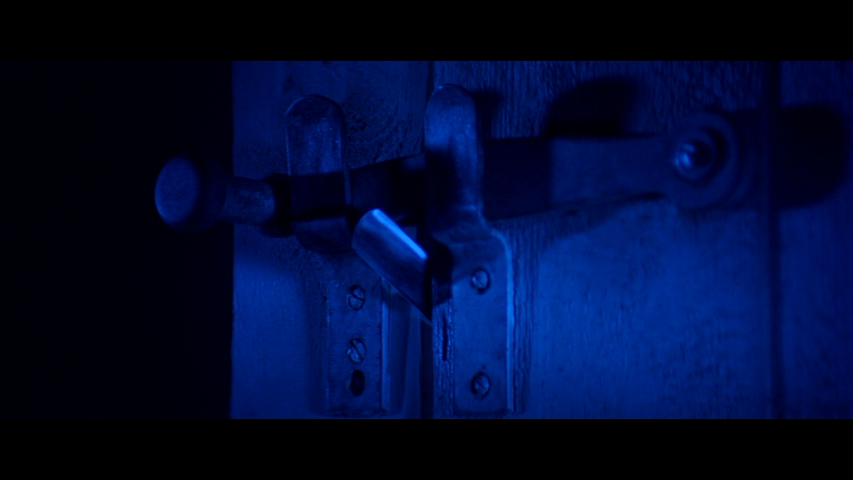
But the straight razor worrying the latch on the door suggests that this isn’t a viable long-term solution:

Screengrab from Suspiria

Suddenly she looks up:

Screengrab from Suspiria

The camera follows her gaze to salvation in the form of cheery yellow light streaming through a window:

Screengrab from Suspiria

She climbs up to and out of it:

Screengrab from Suspiria

And into this room:

Screengrab from Suspiria

The decor maybe should have cued Sara into the fact that all is not well, but she is understandably focused on the doorway in front of her which appears to lead to freedom and safety:

Screengrab from Suspiria

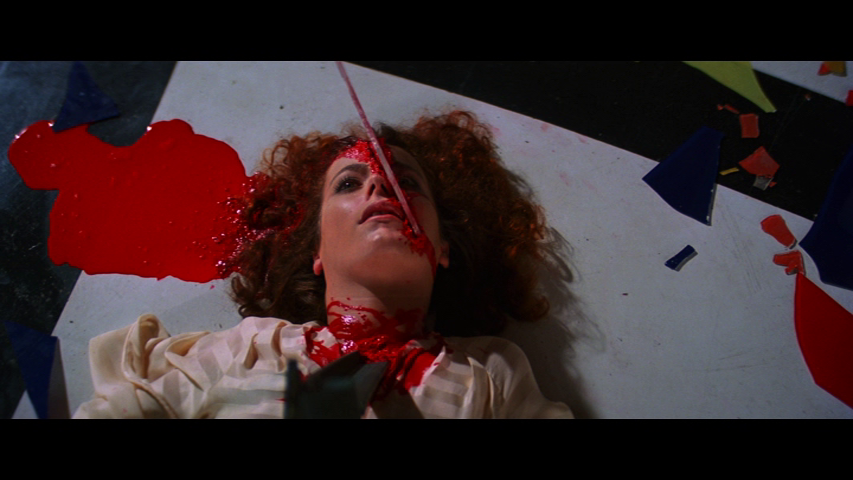
She leaps! But it, uh, doesn’t end well:

Screengrab from Suspiria

Many of the colors in Suspiria seem to exist only for us, the audience: I doubt that the idea at the beginning of this sequence is that Sara sees herself as being surrounded by green light, for instance. But this yellow window lures her to her doom! In that respect it is not at all like the Yellow Cocktail, which rewards one with bracing minerality, a pleasing sweet-tart balance, and warm spices. Unless you drink too many of them, I suppose, which might make your head feel like this:

Screengrab from Suspiria

Cheers!

All original photographs in this post are by Marion Penning, aka my loving wife. Other entries in this series can be found here.
September, 2022 Drink & a Movie: Sweet New Year + Hester Street

Ten years ago (wow that makes me feel old!) I emailed myself a link to a recipe by Rachel Tepper for a cocktail called the Sweet New Year. Serious Eats appears to have removed it (and many others, including most tragically this one for pasta with Meyer lemon and basil that we make for dinner at least once or twice a month) from their website at some point for unknown reasons, but thankfully the Internet Archive’s Wayback Machine captured it for posterity in 2012. Here’s how you make this drink:

1 1/2 oz. Applejack (Cornelius)
1/2 oz. Bärenjäger
1/4 teaspoon Demerara sugar
Handful of mint

Muddle mint and sugar in a cocktail shaker. Add spirits and stir to combine. Strain into a chilled rocks glass and garnish with one nice-looking sprig of mint.

Sweet New Year in a rocks glass

As described by Tepper, the Sweet New Year is a simple but elegant play on the traditional Rosh Hashanah dish of apples dipped in honey, which is the main reason I chose it for this month’s drink. It’s also a beautiful showcase for one of my favorite New York spirits, Harvest Spirits’ Cornelius Applejack, my current go-to host/hostess gift. I like the addition of mint, too, both for the complexity it contributes and because I can harvest it out of my own herb garden throughout late summer and early fall.

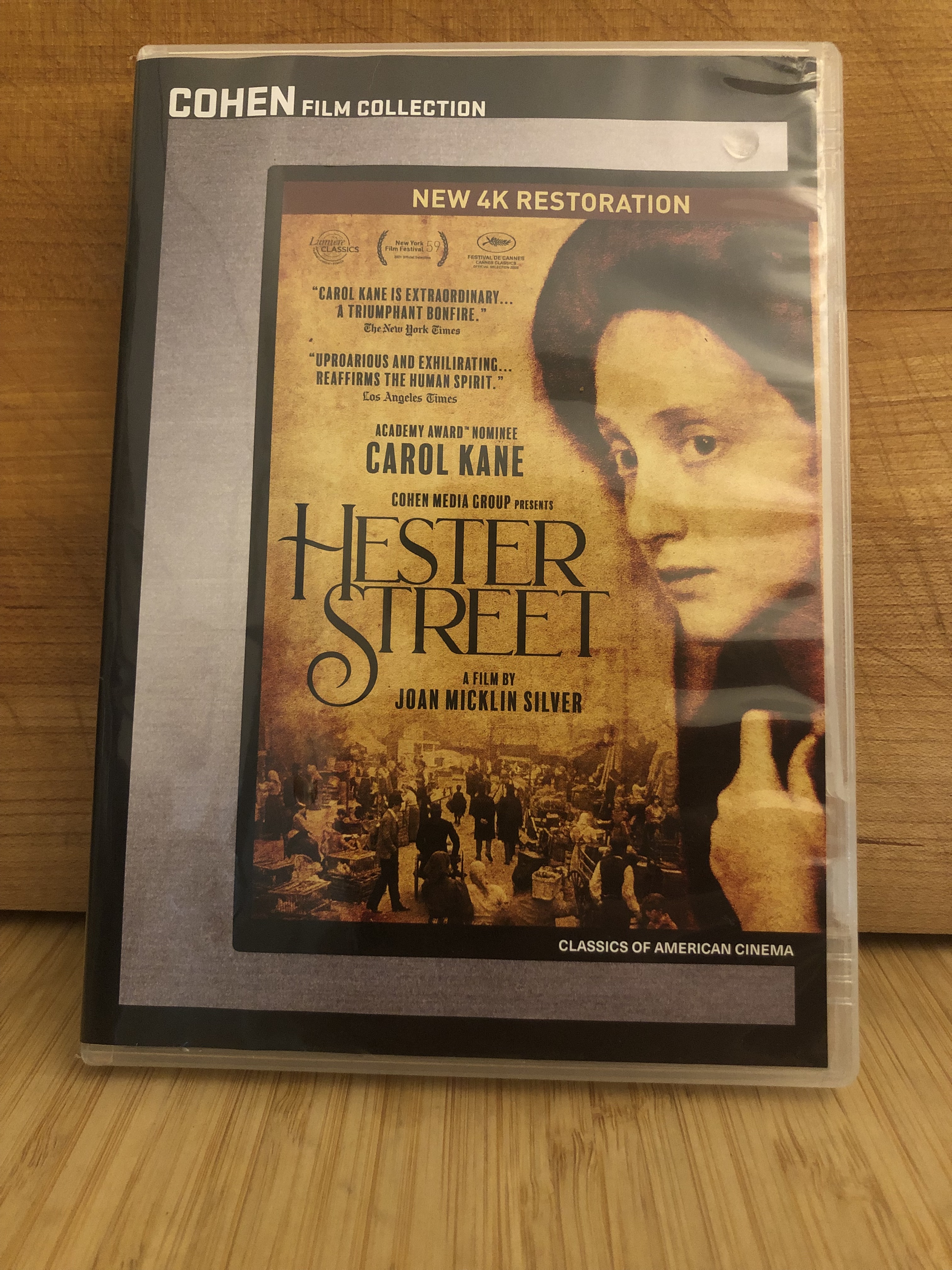
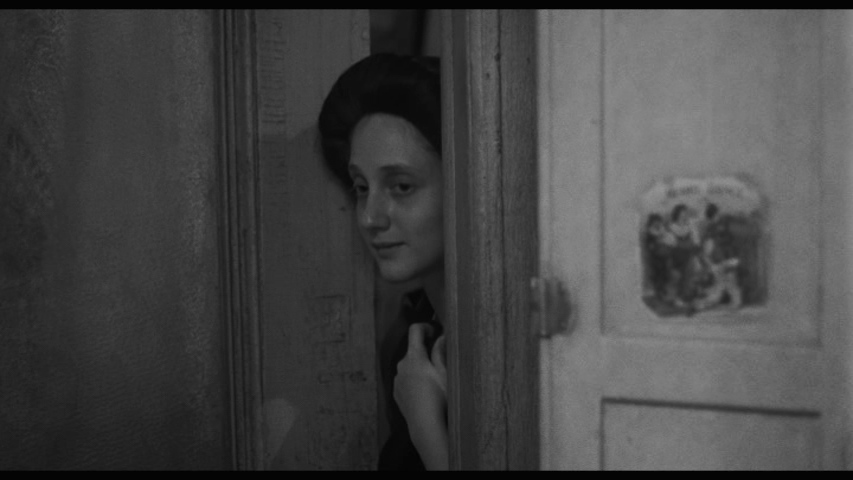
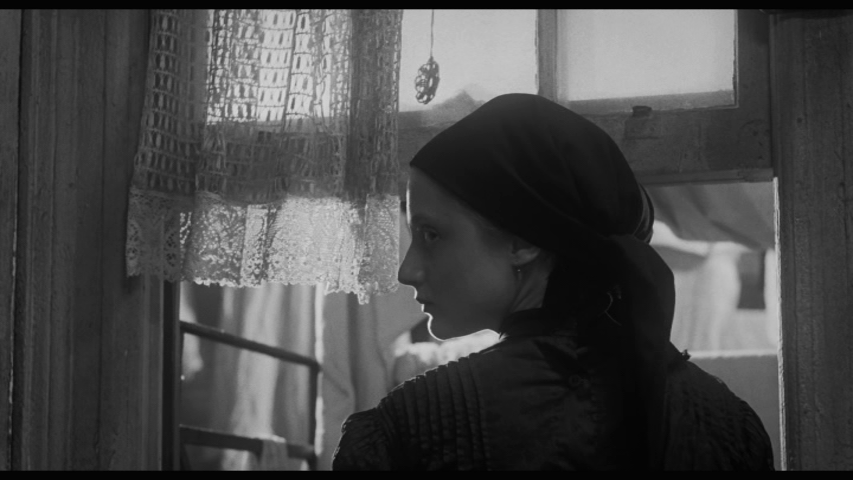
The movie I’m pairing this drink with is Joan Micklin Silver’s Hester Street. Here’s a picture of my copy of the Cohen Film Collection DVD release of the film:

Picture of Hester Street DVD case

Hester Street can also be streamed via Amazon Prime and Apple TV for a rental fee, and some people may have access to it through Kanopy via a license paid for by their local academic or public library as well.

Based on a novella by Abraham Cahan called Yekl (my library’s copy of which is available for free via the Internet Archive), the film tells the story of a family of Jewish immigrants living in New York’s Lower East Side in 1896. Steven Keats’s Jake (nee Yekl) is already living there when the story begins, enjoying the life of an apparent bachelor. This all changes when he sends for his wife Gitl (Carol Kane) and son Jossele (Paul Freedman) following the death of his father. Dismayed by their failure to embrace their new country as enthusiastically as he has, he begins neglecting them in favor of the people he had been keeping company with before they arrived, most notably a woman named Mamie (Dorrie Kavanaugh).

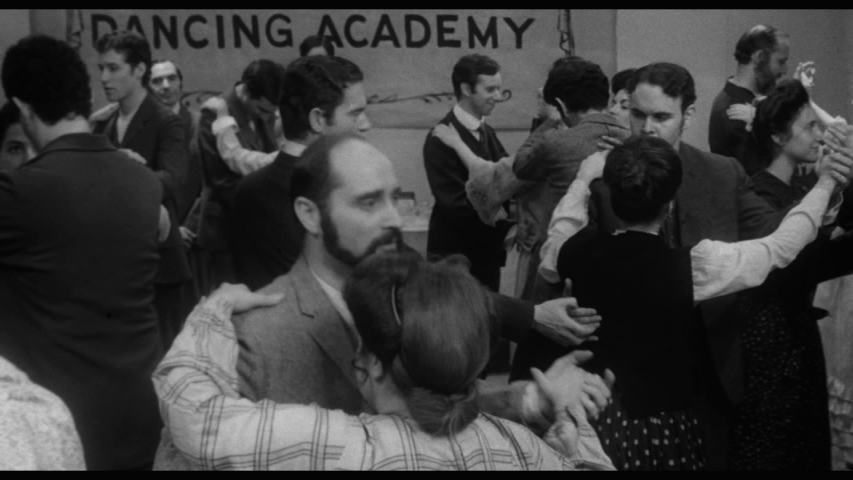
What I admire most about the film is the ingenuity on display in it. When people talk about “movie magic,” they’re often referring to things like huge sets, original costumes, intricate models, and armies of extras that Hollywood studios use to create whole worlds from scratch. Micklin Silver and company are wizards of a different sort: despite having access to few such resources, they nonetheless spin a convincing depiction of the nineteenth century out of locations, objects, and people readily available on the streets of 1970s New York. Call them alchemists. They understand that whether you are shooting an interior scene:

Screengrab from Hester Street showing a dancing academy session

Or an exterior one:

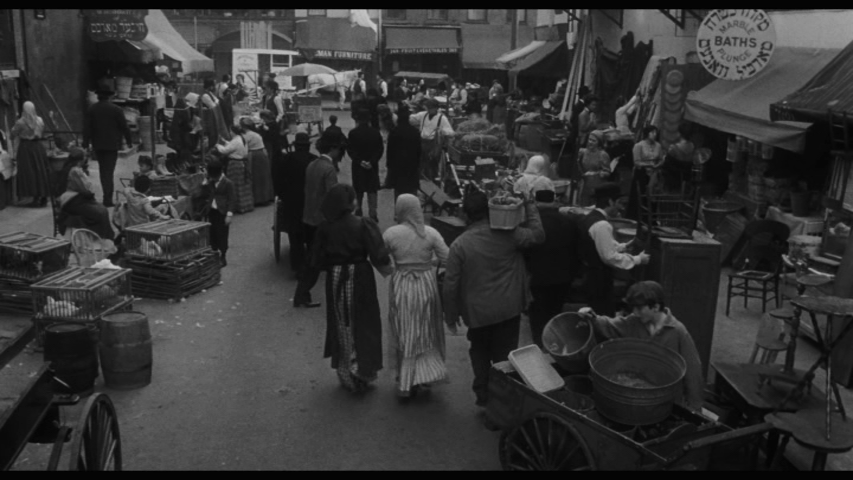
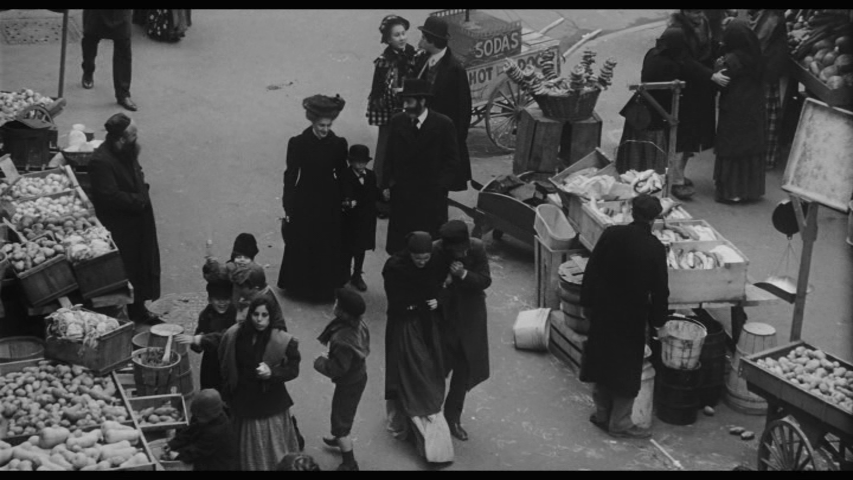
Screengrab from Hester Street showing a busy street scene

The number of extras you have to work with is less important for creating a feeling of crowdedness than how well you fill the frame with them. You can also get a lot of mileage out of a well-placed reaction shot:

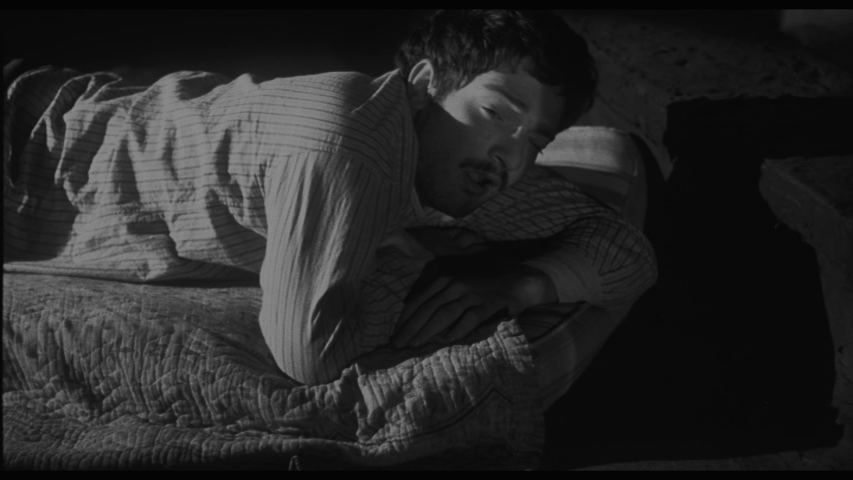
Screengrab from Hester Street showing a man reaction to something offscreen

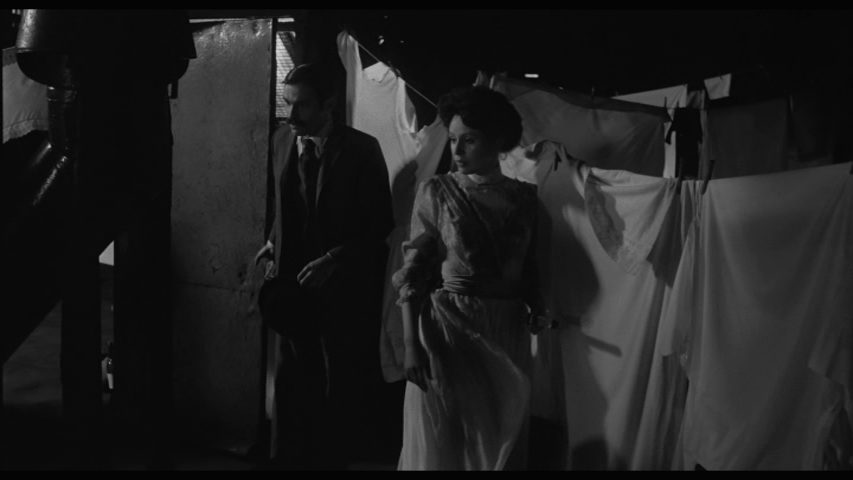
The only reason this sleepy fella is even in the picture is because Mamie and Jake need to ascend to the roof of Mamie’s building among the wash hanging out to dry for even a bit of privacy.

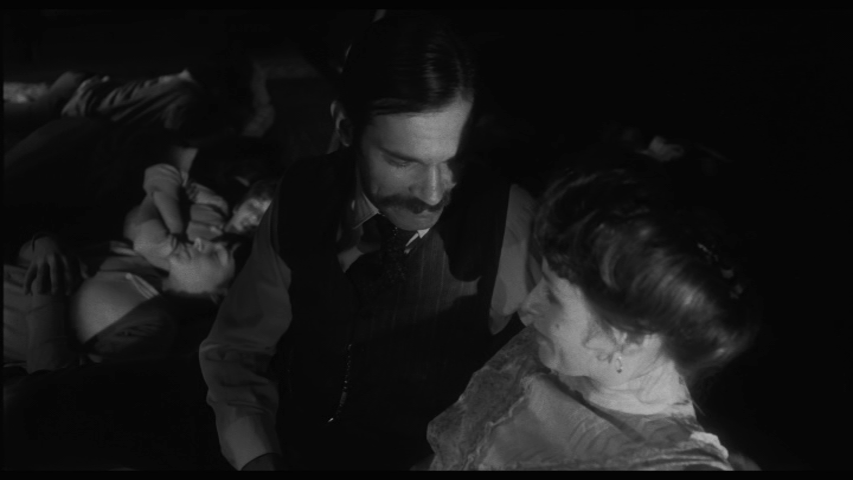
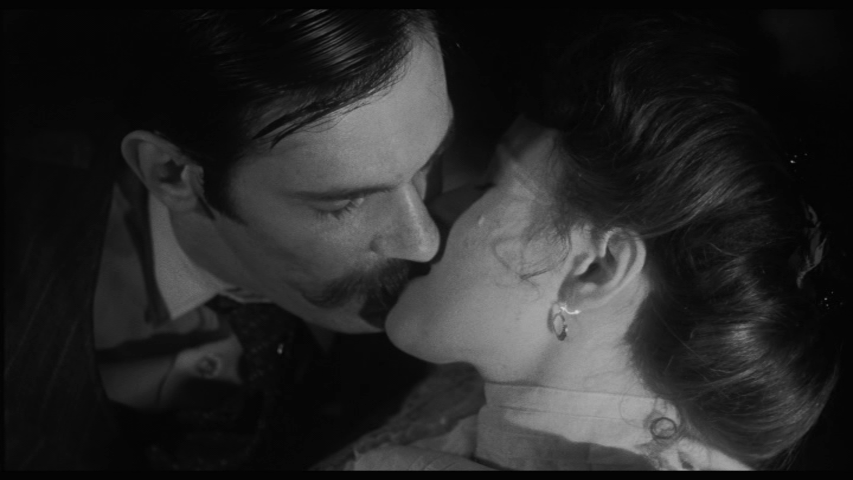
If you can so effectively establish the idea of a crowded tenement, are you really losing anything by not actually being able to show one? This scene is also a good example of another kind of economy–Silver and her editor Katherine Wenning cut away the INSTANT Jake’s lips touch Mamie’s.

Screengrab from Hester Street showing Jake and Mamie kissing

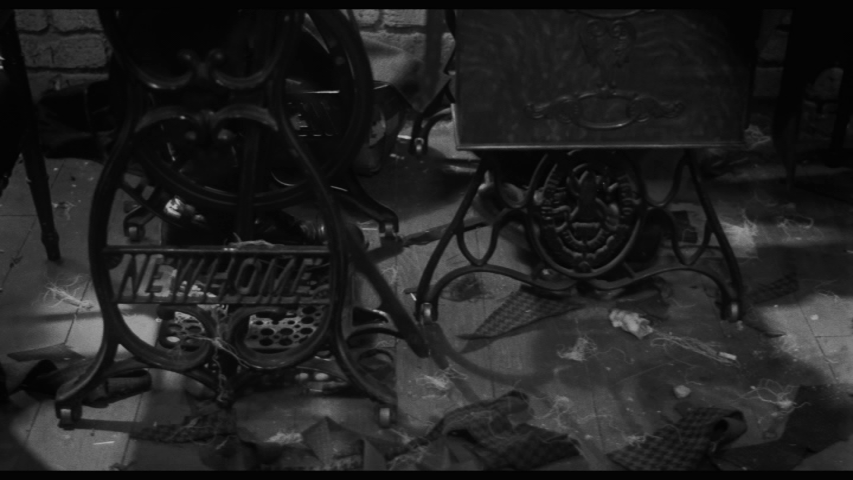
What do they cut to? This close up of a sewing machine:

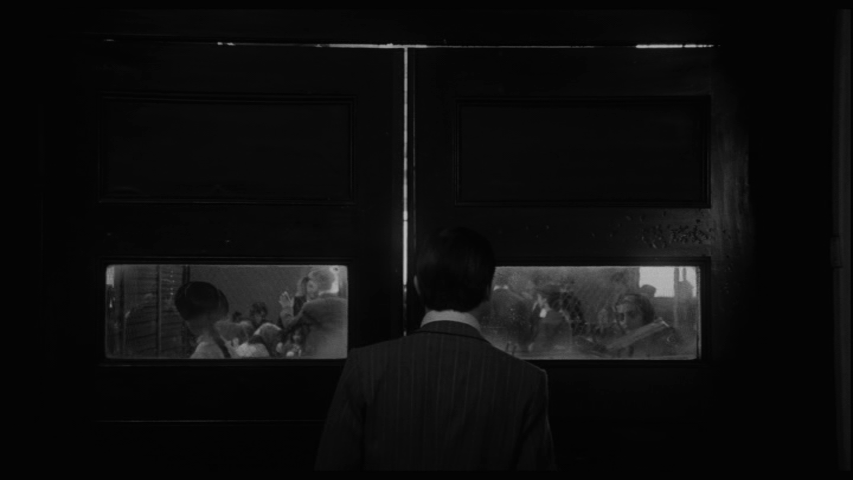
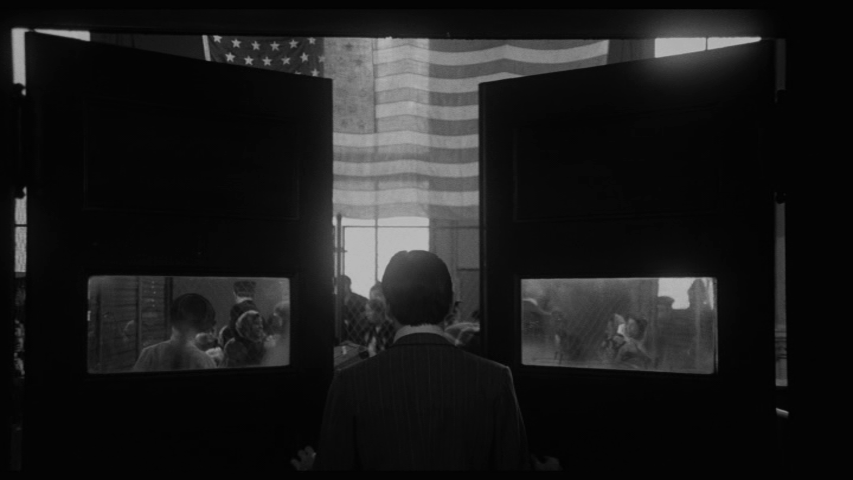
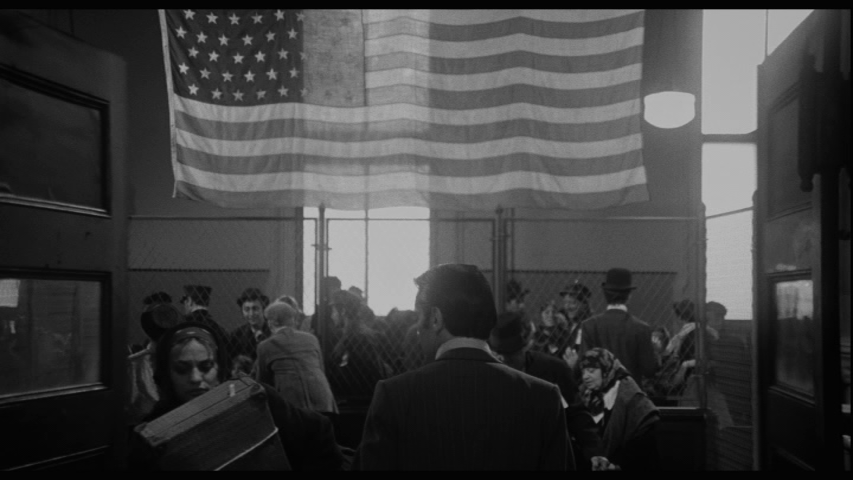
When you only have a limited number of period-authentic props to work with, you’ve got to make every second with them count! Similarly, when you don’t have the budget to recreate Ellis Island, you’ve got to use things like lighting and sound to create a sense of chaos and grandeur. I submit that the film does a fine job of this:

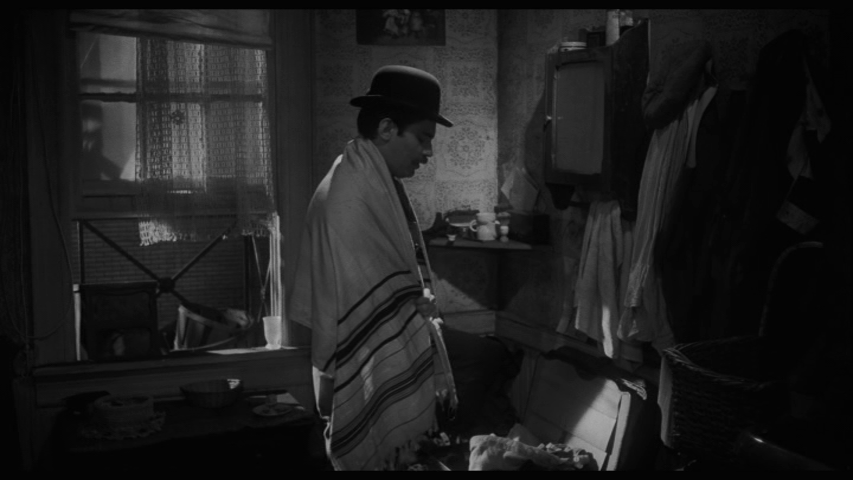
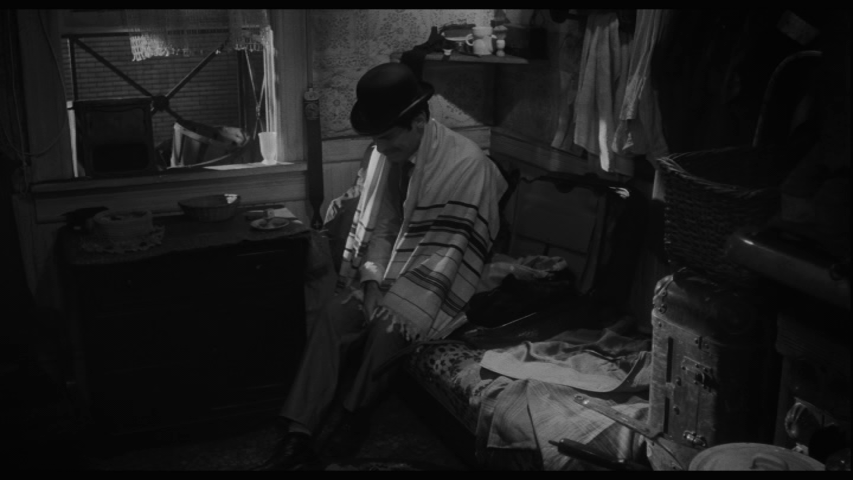
Hester Street isn’t perfect: most notably, I don’t think Keats and Silver succeed in showing us what’s going on inside Jake’s mind, which makes their version of the character much less interesting than Cahan’s. Whereas the novella describes him as being “in a flurry of joyous anticipation” on his way to meet Gitl and Jossele at Ellis Island, but then goes on to say that “his heart had sunk at the sight of his wife’s uncouth and un-American appearance,” the Jake of the film just seems put out by how much they’re crimping his style from the word go. It’s the difference between a man who wants to do the right thing but is so intoxicated by his ideal of America that he can’t and one who is just kind of a jerk. It also renders some scenes unintelligible, which Micklin Silver herself seems acknowledge in one case on the commentary track on my DVD copy of the film. She notes that this scene showing Jake awkwardly praying for his deceased father was meant to convey the idea that he’d never even gotten around to unpacking his tallit:

Screengrab from Hester Street showing Jake praying

I think I see now how they’re trying to accomplish this by having Jake use the stylish bowler hat we saw him buy a few scenes earlier as a head covering and ending the scene with him expressing frustration:

Screengrab from Hester Street showing a frustrated Jake

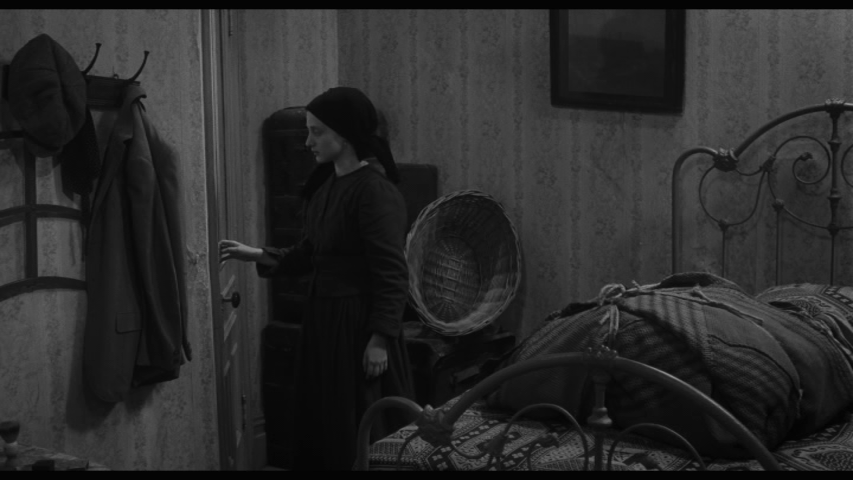
I’m not sure I ever would have gotten there on my own, though, since you could also interpret this whole scene as just showing Jake grieving. Of course, Hester Street isn’t *about* Jake the same way Yekl is. The single best thing about Micklin Silver’s film is without doubt Carol Kane’s Oscar-nominated performance as Gitl. Whether she’s trying to make sense of her husband’s baffling decision to go out the night she arrives in America after more than three years apart from him:

Screengrab from Hester Street showing a confused Gitl

Gleaning from a small, absent-minded gesture that her lodger Bernstein (Mel Howard, a non-professional actor who is also quite good here) is in love with her:

Screengrab from Hester Street showing Bernstein stroking Gitl's shawl

Realizing while watching him teach her son how to read that she returns his affection:

Screengrab from Hester Street showing Gitl watching Bernstein teaching her son how to read

Or extracting a king’s ransom from the lawyer sent by Jake and Mamie to secure a divorce without ever saying a word:

Screengrab from Hester Street showing Gitl "negotiating" with a lawyer

She communicates deep wells of emotion with little more than subtle changes in expression. Especially when contrasted with the hammy antics of Steven Keats’s Jake, it’s a masterclass in minimalist acting.

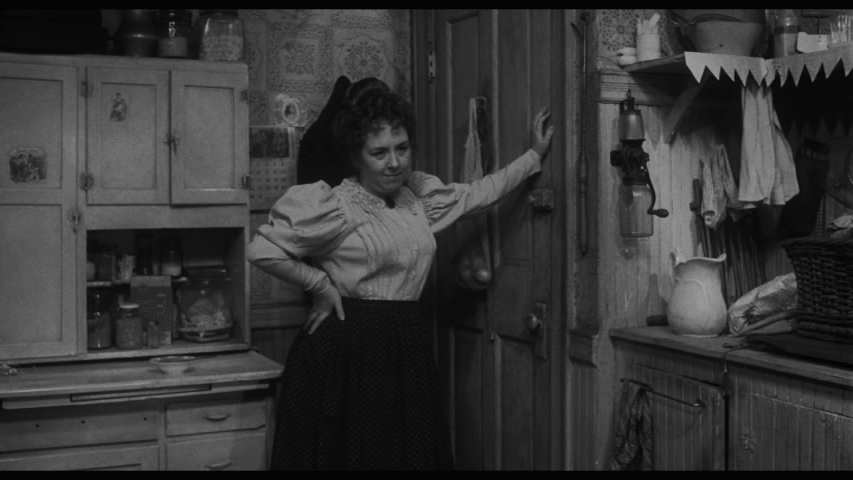
Speaking of performances, I’d be remiss if I didn’t mention Doris Roberts’ entertaining turn as Jake and Gitl’s landlady Mrs. Kavarsky.

Screengrab from Hester Street showing Mrs. Kavarsky

“You can’t pee up my back and make me thinks it’s rain!” she says at one point, and she spends the entire film embodying the essence of a person for whom this represents a philosophy of life.

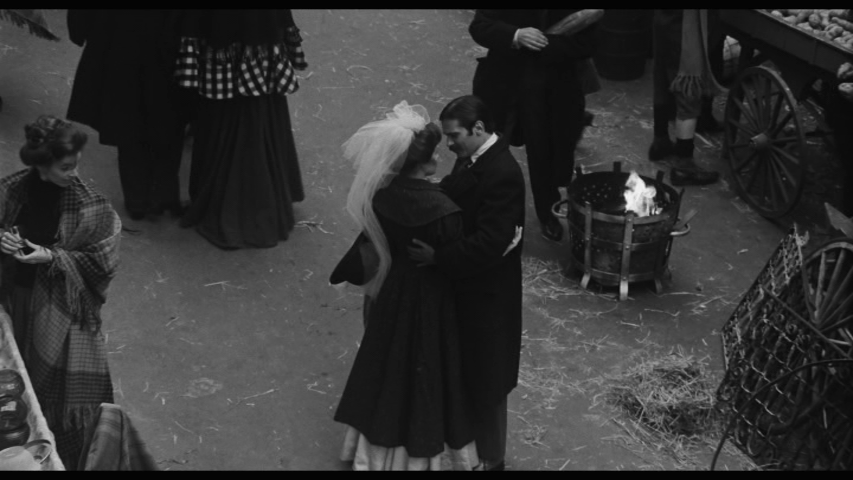
Rosh Hashanah is never mentioned in either Hester Street or Yekl, but the way the former ends calls to mind the traditional wishes for a “sweet year” that the drink featured in this blog post is named after. The rabbi who presides over their divorce cautions Gitl that she must wait ninety full days before she remarries, but says to Jake, “you, young man, may wed even today if you desire.” A subsequent crane shot of him walking down the street with a veiled Mamie suggests he might well have done so! Although their conversation is all about how spending Mamie’s life savings to buy off Gitl has altered their plans for the future, it does end with a kiss and an embrace:

Screengrab from Hester Street showing Jake and Mamie hugging

The next scene is the film’s last, and it depicts a parallel conversation between Gitl and Bernstein in which they talk about how they’ve invested that same sum of money in a grocery store that she will work in while he studies the Torah in the back.

Screengrab from Hester Street showing Gitl and Bernstein walking down the street talking

I personally choose to believe both couples will be happy. Which: mazel tov!

Cheers!

All original photographs in this post are by Marion Penning, aka my loving wife. Other entries in this series can be found here.
August, 2022 Drink & a Movie: Benton’s Old-Fashioned + Horse Feathers

It’s right around this time every summer that I start to really look forward to the start of football season. By now I’ve usually finished reading the Football Outsiders Almanac, I’m catching bits and pieces of CFL games on ESPN2, and I’m starting to prepare for my family/friends fantasy football league draft, which usually takes place over Labor Day weekend. This month’s drink selection is therefore a tribute to the pigs who so generously donate their skins to our true national pastime each year, the Benton’s Old-Fashioned from The PDT Cocktail Book, which was created by Don Lee in 2007:

2 oz. Benton’s Bacon Fat-Infused Four Roses Bourbon
1/4 oz. Maple Syrup
2 dashes Angostura Bitters

Stir with ice and strain into a chilled rocks glass filled with one large cube. Garnish with an orange twist.

To “fat-wash” the bourbon: combine 1.5 ozs. molten Benton’s bacon fat and one 750 ml bottle of Four Roses bourbon (the one folk used to refer to as “yellow label” before the bottle got a facelift in 2018) in a large nonreactive container and stir. Infuse for four hours, then place the container in the freezer for two hours. Remove solid fat, fine-strain the bourbon through a terry cloth or cheesecloth, and bottle.

Benton's Old-Fashioned in a rocks glass

I know what you’re thinking: didn’t the whole bacon cocktail thing run its course a decade ago? The bourbon in this drink isn’t just bacon fat-infused, though, it’s Benton’s bacon fat-infused. We are talking about a product that tastes so much like a campfire that my children, six and four years old as of this writing, refuse to eat it. The drink was originally made with Benton’s country ham, which is also delicious. The point is, not just any cured pork product will do. I’m sure there are plenty of others that would work here, but make sure you taste the original first so that you know exactly what you’re looking for. We buy ours at The Wine Source when we’re visiting family in Baltimore, but you can also order it online.

The spirit which results from the marriage of Benton’s bacon fat and bourbon is savory with a rich mouthfeel and a predominant flavor of smoke, which puts me more in the mind of pechuga mezcal than breakfast, even after you add maple syrup. Speaking of which: most recipes for this drink that you can find online call for “Grade B” syrup, but such a thing no longer exists as of 2015. The equivalent new rating is “Grade A Dark Robust,” but you should just use the best syrup you can get your hands on. We are fortunate to have relatives in Ontario who make their own! Add in Angostura bitters for complexity and essential oils from the orange twist for brightness, and what you have is a clever, endlessly quaffable concoction that I’m not at all surprised turned out to be one of PDT’s all-time best sellers.

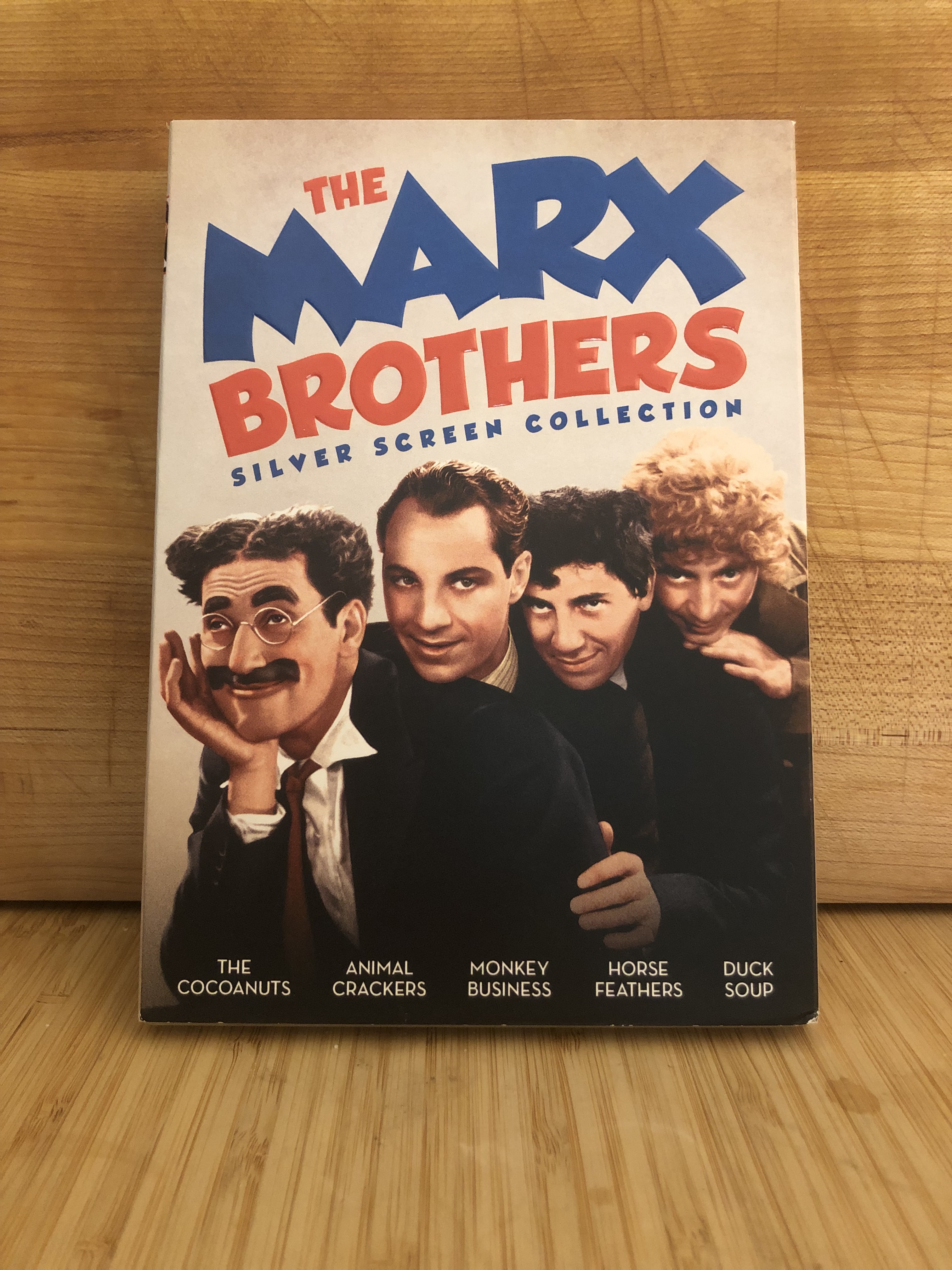
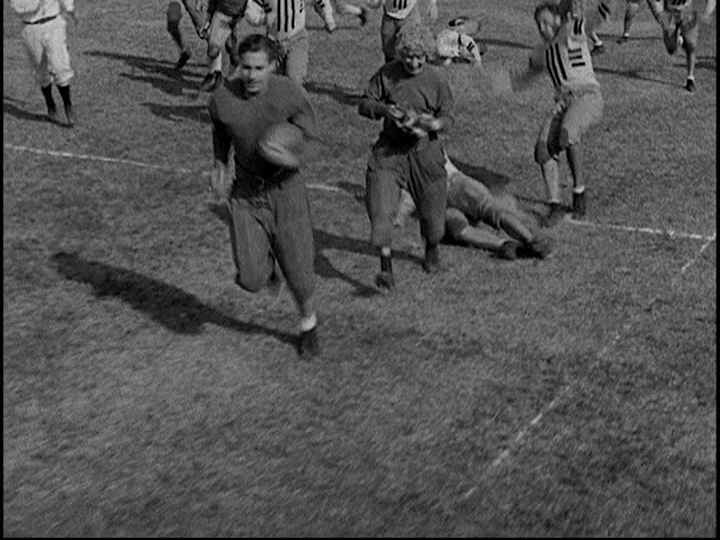
The movie I’m pairing this drink with takes everything I love about football and turns it on its head: the Marx brothers film Horse Feathers, which exactly no one attributes to director Norman Z. McLeod. Here’s a picture of my copy of Universal’s “The Marx Brothers: Silver Screen Collection” DVD set:

Picture of The Marx Brothers: Silver Screen Collection DVD set

The film begins with Groucho Marx’s Professor Quincy Adams Wagstaff outlining his leadership philosophy (“whatever it is, I’m against it!”) for the assembled faculty and students of Huxley College.

Screengrab from Horse Feathers showing Professor Wagstaff making a speech

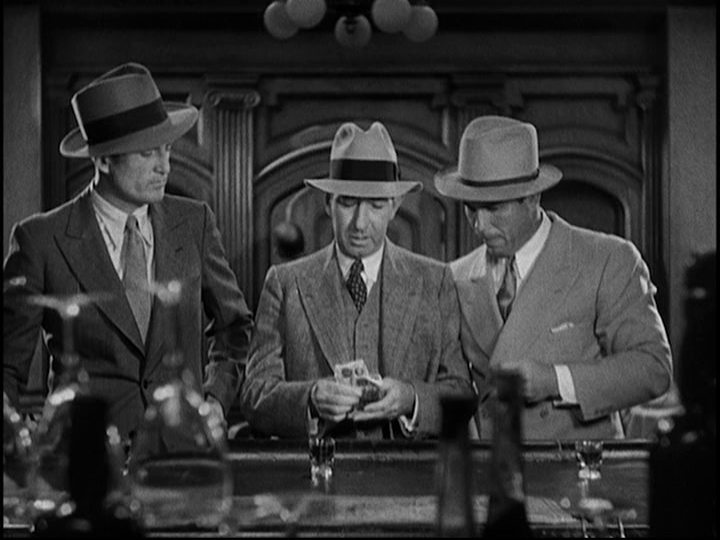
We soon learn that his son Frank (Zeppo Marx) is a 12th-year senior at Huxley who somehow still has football eligibility. Frank informs his father that Huxley has had a new president every year since 1888, which might explain why someone as obviously unqualified as Wagstaff was able to get the job, although perhaps not why his predecessor made such a big deal about leaving. Huxley also hasn’t won a football game during this time, and Frank, who clearly hasn’t taken a statistics course yet, thinks this must surely be a causal relationship. He tells his father that two of the best football players in the country hang out at the local speakeasy, and Wagstaff sets out to recruit them to play in the upcoming rivalry game against Darwin College. Unfortunately, a gambler named Jennings (David Landau) who’s betting on the opposition has beat him to the punch:

Screengrab from Horse Feathers showing Jennings recruiting ringers to play football for Darwin College

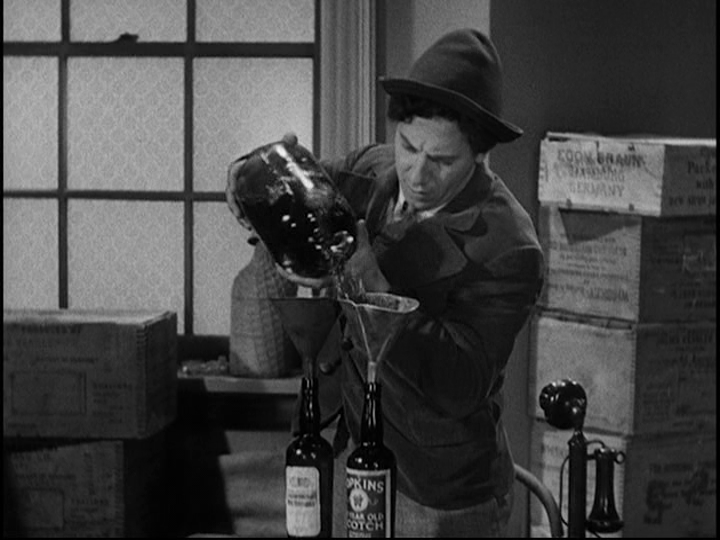
About this guy: if Huxley hasn’t won a game in 40 years, surely there’s no way they’re the favorites in this contest, right? So if Jennings is going to go to the trouble of fixing the game, why wouldn’t he do so on behalf of the underdogs to maximize his profits? Worst gambler ever! Anyway, Wagstaff mistakes speakeasy employees Baravelli (Chico Marx) and Pinky (Harpo Marx) for the real football players Frank mentioned and recruits them instead. Many hijinks ensue over the course of the 45 minutes of screen time leading up to the climactic football sequence, including this shot of Baravelli filling an order for one quart of Scotch and one quart of rye from a common source, which hurts my soul as a lover of fine spirits:

Screengrab from Horse Feathers showing Baravelli filling orders for two different kinds of liquor from the same bottle

And this one of Pinky, who by the way is also a dog catcher, gleefully shoveling books into a fire, which pains me as a librarian:

Screengrab from Horse Feathers showing Pinky shoveling books into a fire

Finally, it’s game time. Baravelli and Pinky arrive late after their attempt to kidnap Darwin’s new best players goes awry and they end up locked in a bedroom instead. Despite the deck being stacked in their favor, Darwin is only up 12-0 heading into the fourth quarter, which: maybe Jennings was on to something after all! Suddenly, the tide begins to turn. First, Professor Wagstaff enters the game mid-play and makes a crucial tackle along the sideline:

Screengrab from Horse Feathers showing Professor Wagstaff charging onto the football field to make a tackle

Then one of Darwin’s ringers suffers a finger injury when Pinky decides it would make an excellent substitute for the hot dog he lost during the previous play and bites down:

Screengrab from Horse Feathers showing Pinky biting an opposing player's finger

Huxley soon turns the ball over, but this gives Pinky the chance to tie a string to it:

Screengrab from Horse Feathers showing Pinky tying a string to the ball

Which leads directly to a pick-six. Huxley converts the extra point to pull within five. Let us pretend (since it doesn’t really matter for plot purposes) that Huxley doesn’t then receive the subsequent kickoff despite being the team that scored, and that we instead see Darwin punt to give the ball back to Huxley, implying that the latter team’s defense did its job instead of that the folks who cut this film don’t know the rules of football. As Professor Wagstaff lights a cigar and Pinky munches on a banana, they snap the ball to begin the next play:

Sceengrab from Horse Feathers showing the characters played by the Marx Brothers getting ready to snap the ball

The call is a left end run by Frank, and it has all the appearances of being a game winner thanks to Pinky’s innovative use of banana peels to prevent Darwin’s players from making a tackle:

Screengrab from Horse Feathers showing Pinky tripping Darwin defenders with banana peels

Alas, Frank makes the mistake of saying “nice work, Pinky!” while the play is still in progress, which of course prompts Pinky to trip him shy of the end zone. Luckily there’s still enough time on the clock for another play. This time the ball goes to Pinky and he’s running free up the middle when a dog bursts onto the field. Pinky reverses direction to try to catch it, but is convinced by the characters played by the other Marx Brothers to abandon his pursuit and instead jump with them into the horse-drawn garbage chariot he had arrived at the game in earlier and apparently parked in the field of play. They all race up the field for the game-winning score.

Screengrab from Horse Feathers showing the characters played by the Marx Brothers charging up the field in a horse-drawn garbage chariot

Just for good measure, Pinky’s teammates toss him three more balls which he also places on the ground in the end zone:

Screengrab from Horse Feathers showing Pinky placing multiple balls down in the end zone

The scorekeeper diligently awards Huxley six points each time, making the final score 31-13.

I grew up rooting for the New York Mets and watching big events like the Olympics, Super Bowl, and World Cup, but didn’t become a general sports fan until college. Attending a Division I school (the University of Pittsburgh) with a proud football history during its basketball program’s Golden Age (RIP the Jamie Dixon era!) helped, as did living in a hockey- and football-mad city at a time when its teams in both sports lucked into a series of franchise-altering talents (Ben Roethlisberger, Evgeni Malkin, Sidney Crosby) who won them multiple championships. This is why I root for Pitt, the Penguins, and the Steelers. It doesn’t quite explain why I reliably watch three to five NFL games every week between the months of August and January no matter who’s playing. For that, we must turn to the Peyton Manning Colts. I can remember sitting in a crowded bar ignoring everyone I came there with in favor of a TV on silent showing Manning playing chess with the opposing team’s defensive coordinator, altering plays and lofting passes to spots where only his gifted wide receivers Marvin Harrison and Reggie Wayne could catch them. They’d then proceed to defy the laws of physics and contort their bodies in impossible ways to get both of their feet down in bounds with the ball.

This combination of strategy and graceful athleticism is what fascinates me about football: throw in analytics and the salary cap, and in the modern passing era it’s more like watching two ballet companies compete against each other in a full-contact version of something like the Eschaton game from David Foster Wallace’s Infinite Jest than the battle of brute strength that I used to assume it was. I enjoy football movies like Oliver Stone’s Any Given Sunday and Peter Berg’s Friday Night Lights enough to return to them from time to time, but I’ve never seen a film that gets *this* aspect of the sport right. Unless, that is, you count Horse Feathers. When I remember great NFL moments like Santonio Holmes’s game winning touchdown catch in Super Bowl XLIII, I don’t just think about the play itself, but also the drive that made it possible, the offseasons that brought the players involved in it to Pittsburgh, and the ruling on the field that yes, this really was a completion. But what counts as a catch and what doesn’t in the NFL is based on rules that at the end of the day are essentially arbitrary and subject to change, as indeed they have multiple times since that February night in 2009!

Horse Feathers understands this fundamental truth about football, even as it’s indifferent to it otherwise except as a platform for jokes. Baravelli announcing the play that Huxley is about to run (“Humpty Dumpty sat on the wall, Professor Wagstaff gets the ball!”) is basically the exact opposite of Peyton Manning calling out audibles at the line of scrimmage. Either way, you’ve got adults play[act]ing something that started out as a children’s game. I’d argue that in both cases the principles have elevated what they’re doing to the status of art, but if you aren’t having fun watching them, you’re doing it wrong.

Cheers!

All original photographs in this post are by Marion Penning, aka my loving wife. Other entries in this series can be found here.
Bonus Drink & a Movie Post #1: Woolworth Manhattan + The Simpsons S3E4 “Bart the Murderer” and The Menu

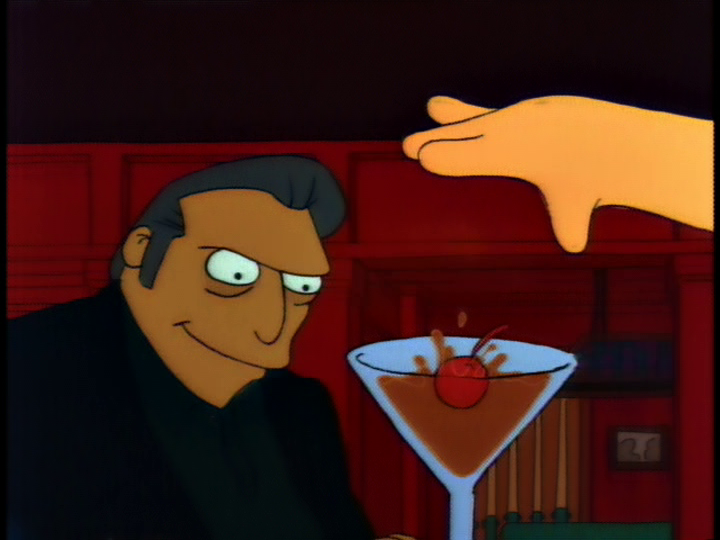
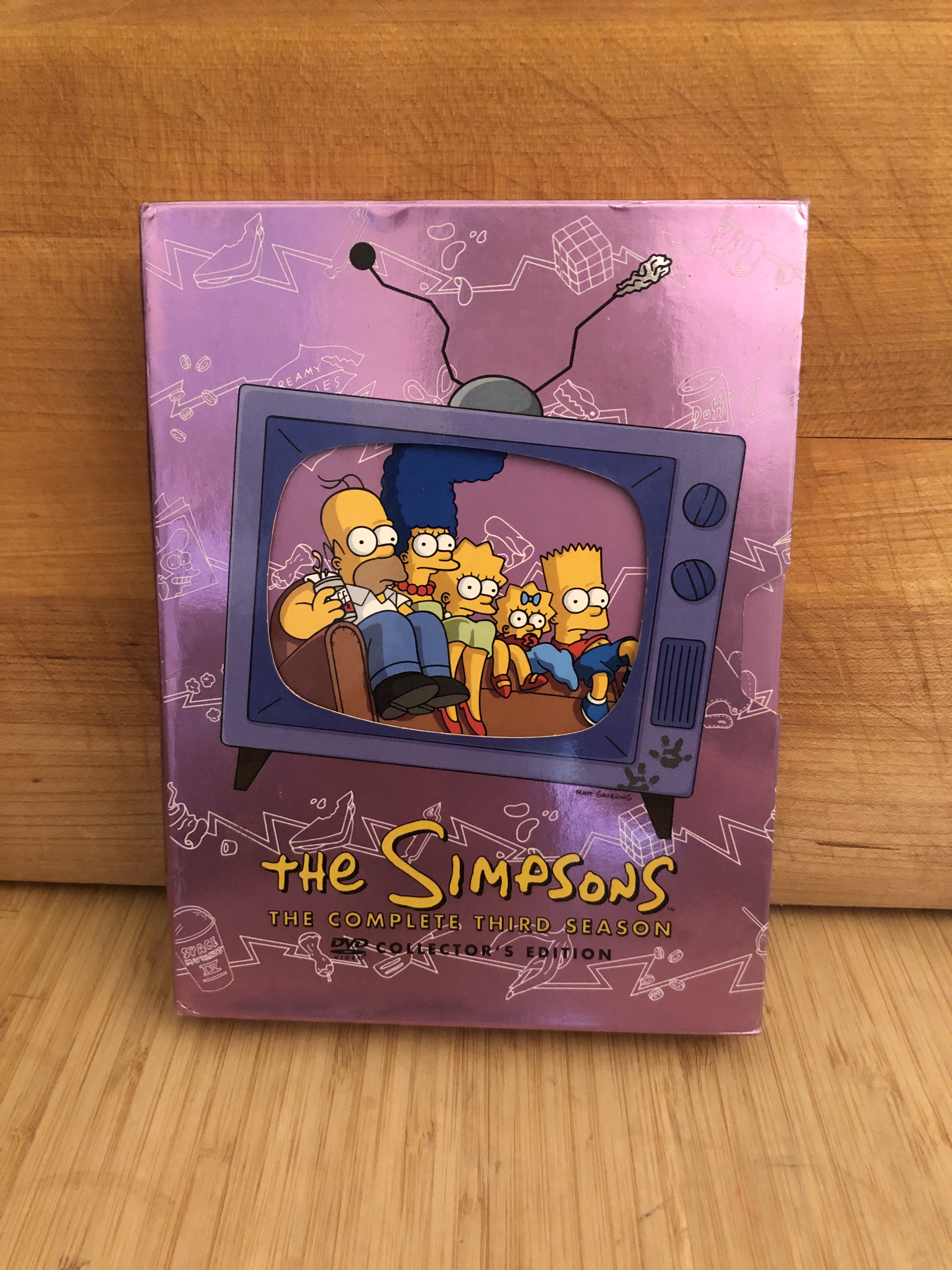
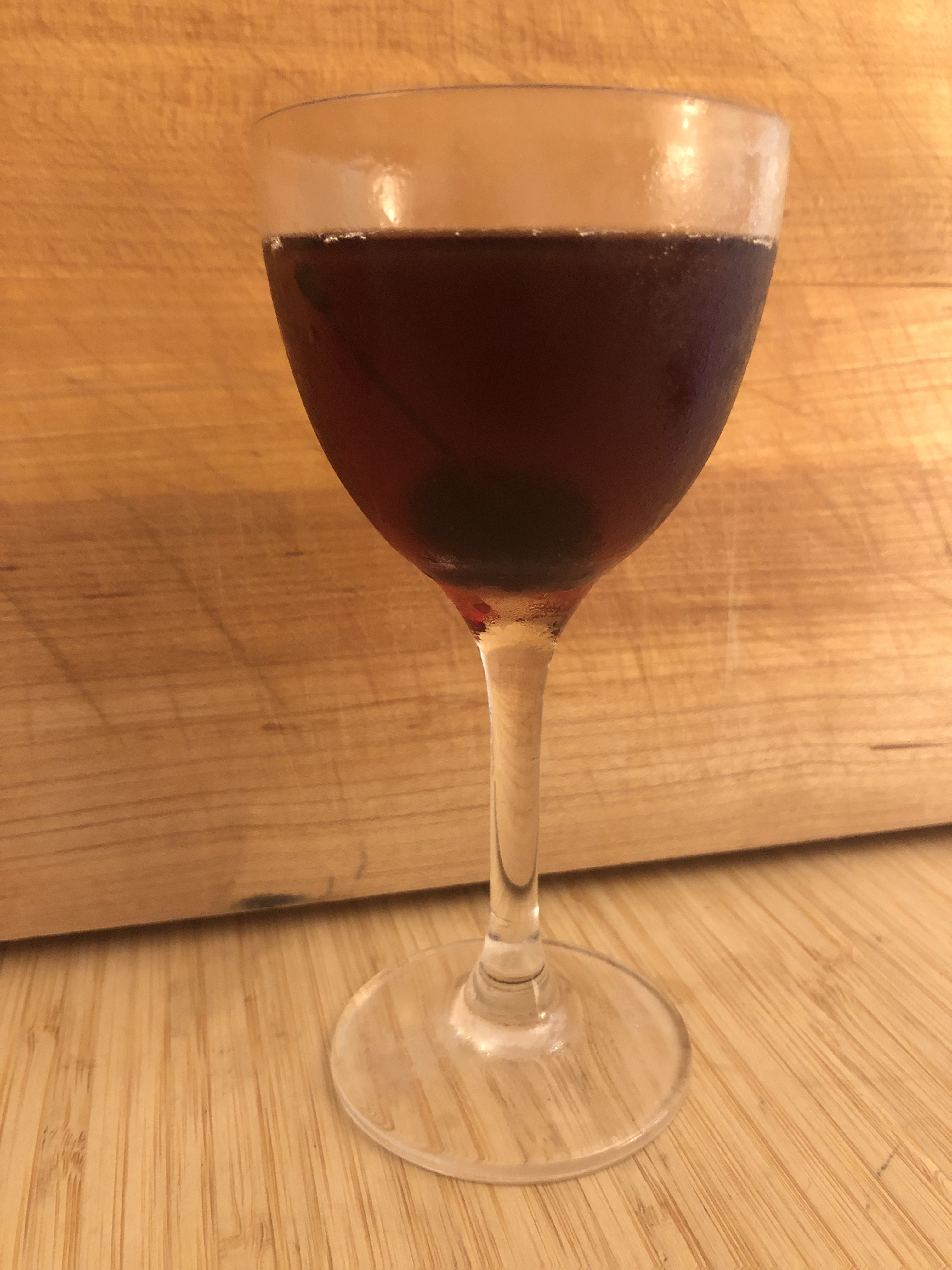
I’ve been enjoying writing monthly Drink & a Movie posts a lot. So much so, in fact, that I’m going to try to keep the series going for four full years, since I’ll have then just about programmed a year-long weekly film series. To get me all the way there, I’ll need to throw in four bonus posts. There’s no time like the present, and I figured that a good place to begin would be with the drink that started it all, a Manhattan from The Simpsons Season 3, Episode 4 “Bart the Murderer.” No, not this flat, flavorless one that gets Fat Tony the kiss of death from a fellow mob boss:

Screengrab from The Simpsons S3E4 "Bart the Murderer" showing one of the Manhattans made during the episode

But this “superb” one that Bart makes earlier in the episode:

Screengrab from The Simpsons S3E4 "Bart the Murderer" showing another Manhattan made by Bart

It’s so good that it gets him a part-time job working in Fat Tony’s Legitimate Businessman’s Social Club. The episode contains any number of hilarious jokes based on this premise, as well as a cameo from Neil Patrick Harris and two of my favorite Simpsons lines to randomly quote, “well observed!” and “I don’t have an appointment with any large men!” The funniest thing about it to me now, though, might be this drink. First, the Manhattan is of course a stirred (containing as it does only spirits and bitters) drink, but Bart shakes it, which: if you want flat, this is a great way to start! Then he drops the maraschino cherry (the ice cream sundae kind, not these treasures) garnish into it from a downright reckless height. I’d never, ever do either of these things. And yet: the “plop!” sound that the cherry makes somehow still sounds inviting to me even now!

I watched the first ten seasons of The Simpsons front to back at least four times in the years surrounding my completion of graduate school. Here’s a picture of my trusty season three box set, which is still going strong even after all that usage:

Picture of The Simpsons Season Three DVD box set

You can also stream “Bart the Murderer” via Disney+ with a subscription or via Amazon Prime for a rental fee. This is probably as good a place as any to address the Stampy in the room: yes, I know that many people wouldn’t consider an episode of a television show to be a “movie.” I’m the programmer here, though, and in the immortal words of Sir Robert Eversley, I’ll do what I like! Anyway:

At some point during this era in my life I visited my best friend Anthony in Chicago, and he took me to legendary cocktail lounge The Violet Hour. It was only natural that with memories of Bart the Mixologist bouncing around in my brain, I would order the Woolworth Manhattan created by Michael Rubel circa 2008 on my first visit. The rest, as they say, is history. I was delighted to see this drink included in the recently published The Bartender’s Manifesto by Toby Maloney and the Violet Hour’s other bartenders, and even more so by the note that “if you’re using a vermouth that doesn’t have as much body (and soul) as Carpano, you might need to add a little Demerara syrup to boost the Textural qualities.” The reason being that I clearly remember asking the person who served it to us what gave the drink its body and being served a small amount of Carpano Antica in response, which I thought was just about the coolest thing ever. We also definitely got the whole spiel about how the drink was inspired by Proustian recollections of lunch counter cheeseburgers and fountain root beers! Here’s how you make it:

2 oz. Buffalo Trace Bourbon (Four Roses Small Batch)
3/4 oz. Carpano Antica Vermouth
1/4 oz. Cynar (Cynar 70)
9 drops Angostura Bitters

Stir with ice and strain into a chilled coupe (Nick and Nora) glass. Garnish with a cherry and 12 drops of Bittercube Root Beer Bitters.

Woolworth's Manhattan in a Nick and Nora glass

I’d make it with Buffalo Trace now for authenticity’s sake if I could, but I can’t ever seem to find it anymore. If you, like me, live a place where Carpano Antica costs nearly twice as much as other quality vermouths, do consider playing around with Demerara syrup! A 2:1 ratio of sugar and water is recommended elsewhere in The Bartender’s Manifesto. This might be one cocktail worth splurging on, though: I’m happy to report that even after more than ten years, it still strikes me as just about perfect. As does season three of The Simpsons, for that matter!

Cheers!

All original photographs in this post are by Marion Penning, aka my loving wife. Other entries in this series can be found here.
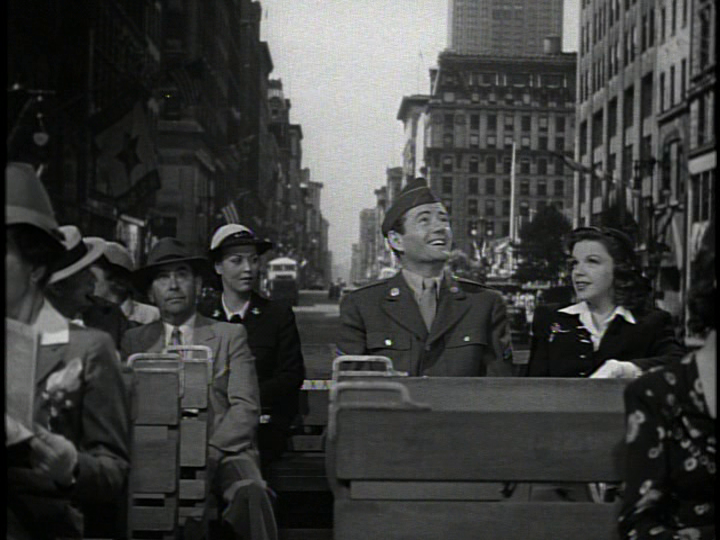
1/18/23 Update:

It has always nagged at me that I didn’t pick a feature film to go along with The Simpsons episode for the “& a Movie” half of this pairing. Luckily Mark Mylod’s The Menu came along and bailed me out! The Woolworth Manhattan was inspired by bartender Michael Rubel’s memory of fountain root beer served alongside “an expertly griddled double cheeseburger with endlessly caramelized edges” served atop a toasted sesame bun. Behold this masterpiece by chef Julian Slowik (Ralph Fiennes):
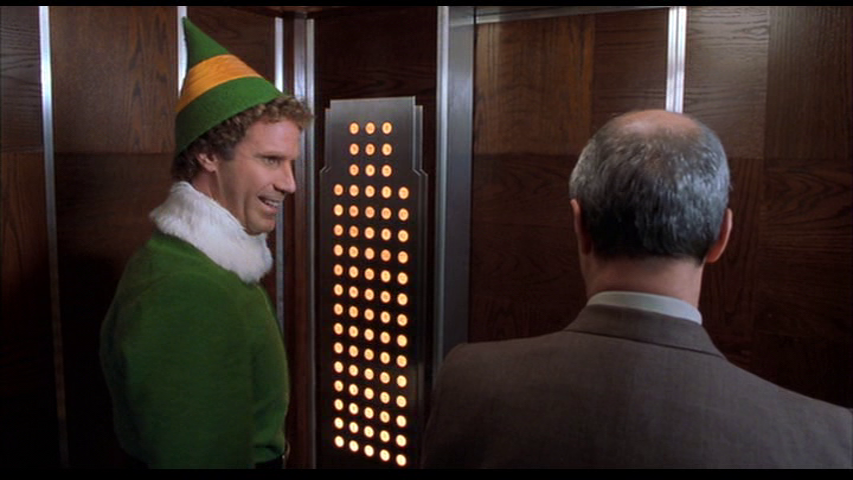
Screengrab from The Menu

The fact that it looks gorgeous is hardly a surprise, considering it’s clearly one of the food shots contributed by Chef’s Table creator David Gelb. Slowik’s application of thinly-sliced onions to the top of the patty immediately before it’s flipped is a nice touch as well, as is the way he presses down on the top of the bun when he plates it–perhaps those were contributions from chief technical consultant Dominique Crenn? Anyway, this photograph that our hero Margot (Anya Taylor-Joy) finds in Slowik’s cottage even establishes this “well-made cheeseburger” as something of an origin story:

Screengrab from The Menu

What better film could I therefore choose to flesh this out into a proper screening?