The April showers represented by The Hole have turned to May flowers here at ye olde blog, specifically Roberto Rossellini’s The Flowers of St. Francis. Pictured here is the used DVD copy of the Criterion Collection release of the film that I bought off Amazon a month or two ago:
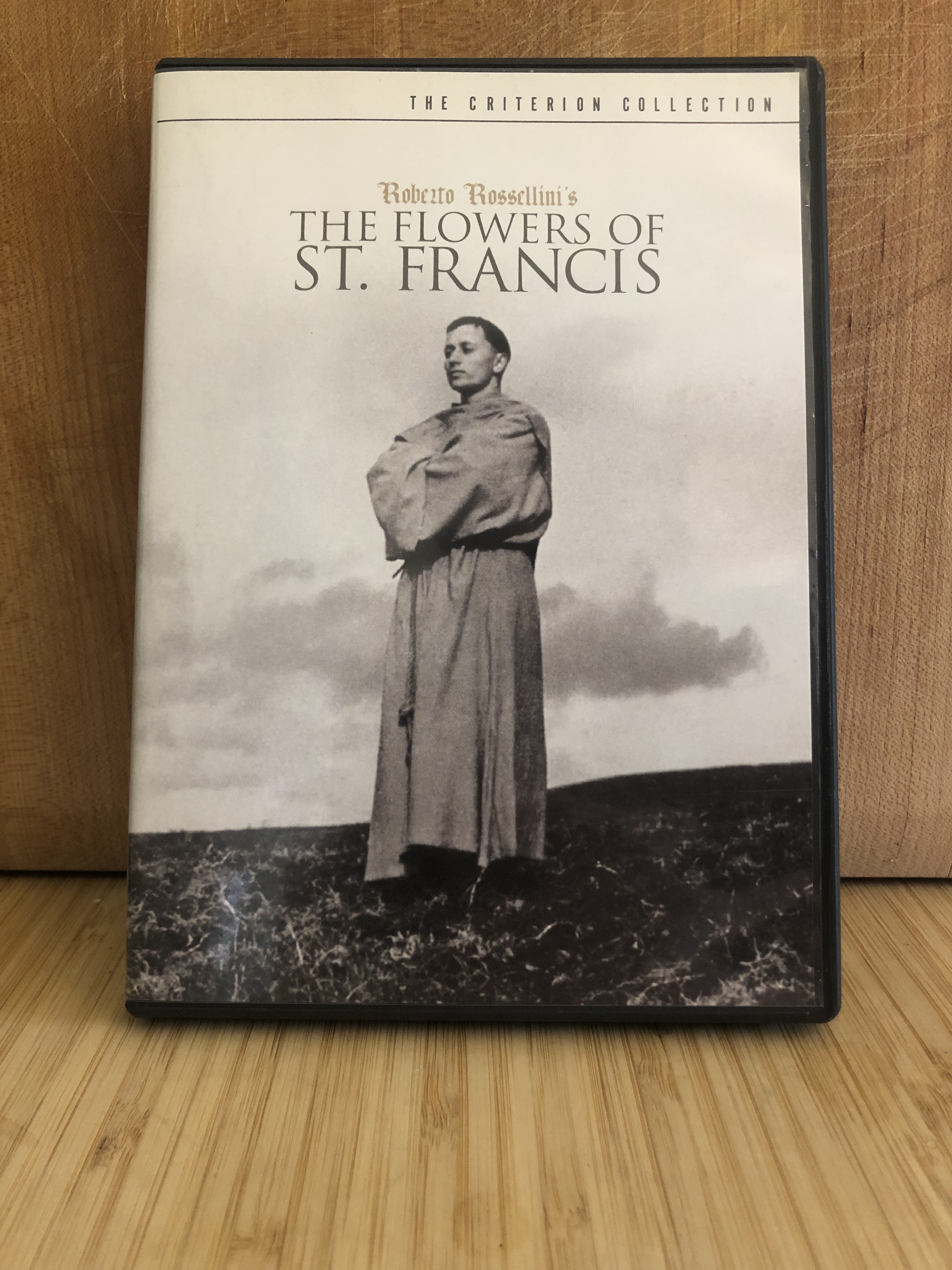
Not pictured are the helpful definitions of underlined words and phrases that the previous owner scribbled into the 36-page booklet which accompanies it (“neo: in a new way,” they wrote under “neorealism”). According to the Criterion Collection Store, this title is merely out of stock, not out of print, so new copies will hopefully be available soon. In the meantime, The Flowers of St. Francis can also be streamed via both the Criterion Channel and HBO Max with a subscription. Some people may have access to it through Kanopy via a license paid for by their local academic or public library as well.
The drink I chose to accompany it is an original (albeit HIGHLY derivative) concoction crying out for an upgrade from its working title, the Lilac-Elderflower Prosecco Cocktail. The idea for it began with a batch of lilac sugar that My Loving Wife made last year using flowers from the bush in our front yard. Although tasty, we weren’t able to find a ton of uses for it, and so had quite a bit left over. I mixed it with an equal amount of water by weight, brought it to a simmer over medium heat and whisked to combine, cooled it down, and then strained out the flowers to make lilac simple syrup.
For further inspiration, I next turned to my trusty copy of Amy Stewart’s The Drunken Botanist, where I found a recipe for a Lavender-Elderflower Champagne Cocktail. I cut back on the syrup and St-Germain elderflower liqueur and substituted Prosecco for the Champagne in a nod to the country that both Rossellini and St. Francis called home and lilac blossoms for the lavender spring garnish for reasons that I hope are obvious, and suddenly had a lovely, floral drink that felt like it would go beautifully with brunch. My final tweak was to switch out the Prosecco for Prosecco rosé, which is an actual official thing as of just a couple of years ago:
1/4 oz. lilac simple syrup
1/4 oz. St-Germain
4 oz. Prosecco rosé
Lilac blossoms
Add the syrup and St-German to a Champagne coupe and top with Prosecco rosé. Garnish with the lilac blossoms.
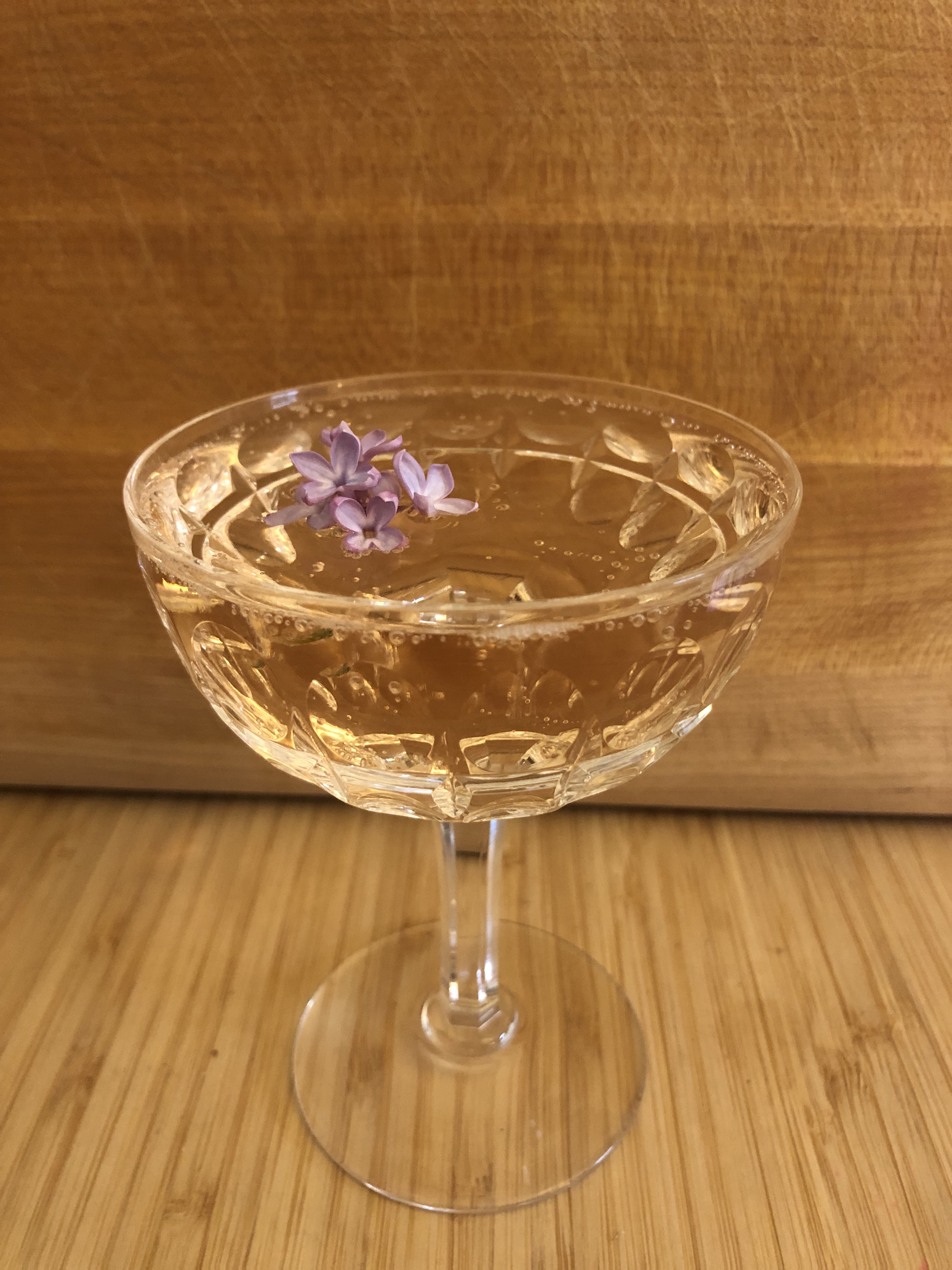
Although this drink isn’t quite as dry as I usually like, that seems like a virtue when we’re talking about pairing it with a movie about a man who, per the voiceover with which The Flowers of St. Francis begins, made himself contemptible and humble in order to vanquish the world by spreading the power of his meekness and “sweet love of peace.”
What stuck with me most from my first viewing of this film goodness knows how many years ago was the way Francis and his followers run everywhere they go, whether that be to:

Fro:

Or with bells on:

Much has been made of the fact that Francis himself is indistinguishable from his followers in many ways and arguably isn’t even the main character of the second half of the film. Which: I can dig it! Nazario Gerardi (who famously was an actual Franciscan monk, not a professional actor) definitely does turn in a memorable performance in the lead role, though. What I like most is his sense of humor, evident here in a scene in which he forbids Brother Ginepro (Severino Pisacane) from giving away his tunic to the poor (which he seems to do every time he goes into town) without permission. Note how Francis casts knowing glances at the brothers to his left:

Then his right:

And then smiles beatifically at Ginepro:

Gerardi’s acting and Rossellini’s direction turn a few seconds of screen time into an eloquent sermon about what it means to be meek.
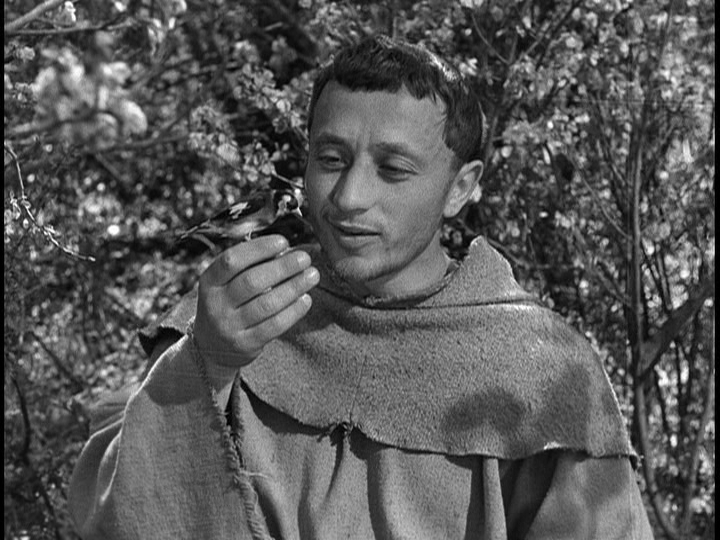
I also love the scene in which Francis asks some birds to please quiet down so that he can pray, particularly the moment after one settles on his shoulder.

Gerardi reaches for it in what I assume was originally meant to be a single graceful gesture, but drops the poor thing and has to quickly grab it again.


At last he is successful and raises the bird in front his face so that he can address it:
I didn’t mention it in my February Drink & a Movie post, but there’s a scene in Downhill Racer where Gene Hackman trips over his words while lecturing Robert Redford that I like for the same reason as this one. Apparently Hackman was upset when he realized this made it into the film, but director Michael Ritchie thought it felt real, and I agree. Lists of the Best Kisses in Movie History and whatnot proliferate because one of the things film does for us is give us templates for what “perfect” moments look and sound like. When we get them right, our lives feel like a movie; it’s nice to also to have cinematic referents to reassure us that even when we inevitably screw up, we haven’t ruined anything.
My favorite part of The Flowers of St. Francis might be Brother Juniper’s visit to the camp of the tyrant Nicolaio (Aldo Fabrizi). First, you have to admire Severino Pisacane (who like Nazario Gerardi was a monk, not an actor) for being willing to let his body be used as a jump rope:
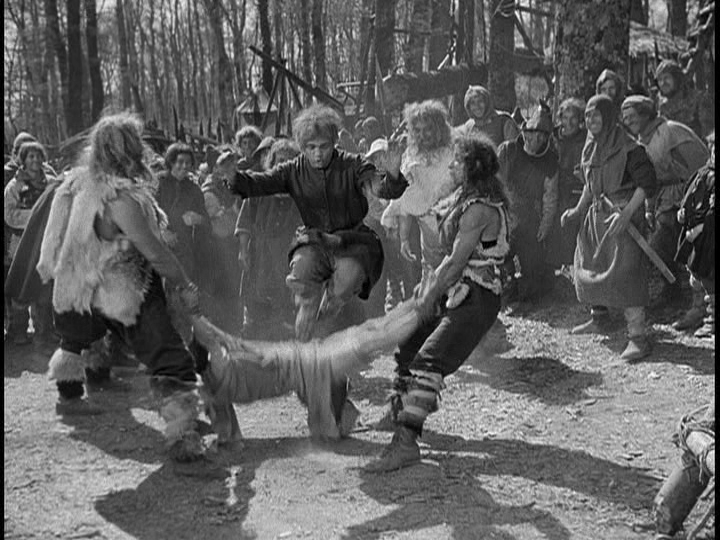
Next, praise be to Rossellini for giving us the pricelessly ridiculous image of a man who is practically lost inside armor much too big for him:
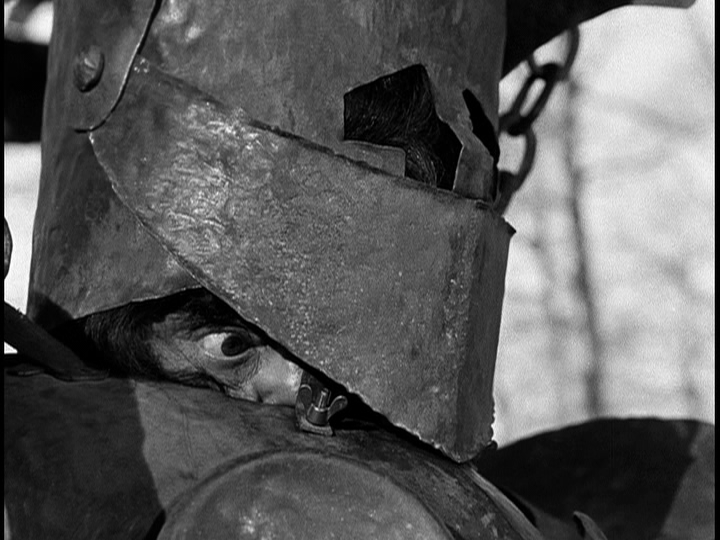
Best of all is Nicolaio’s subsequent confrontation with Brother Juniper in his tent, which begins with Nicolaio intending to kill him and ends with him abruptly deciding to lift his siege of the town of Viterbo. Critic Noel Vera has a wonderful theory to describe what happens:
And then, perhaps, it might have occurred to Nicolaio that watching his thumbs squeeze the man’s eyeballs out of their sockets and listening to the screams would have been pointless–that there is more to man, to this man at least, than mere meat and quivering jelly. And that the concept of immateriality–of an immortal spirit, a (dare we say it?) soul–was so startling to the brute that he decide to lift the siege and ponder it further. Viterbo he could always massacre later; this mystery demanded his complete and undivided attention.
Brilliant. As are the long shots which follow showing Brother Juniper wandering about gazing at the tremendous commotion his actions have caused:

Another thing I appreciate a lot more after spending time with this film is the way it ends with not one:
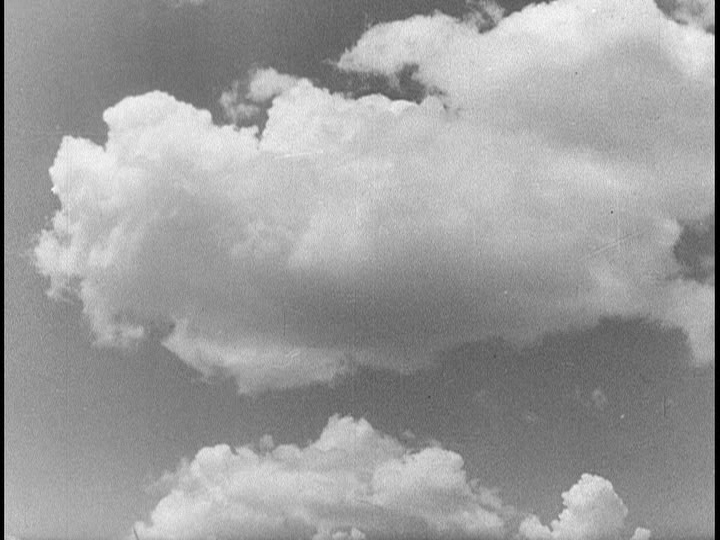
Not two:

But four consecutive shots of clouds:


The key to what Rossellini is doing her can be found much earlier in the film in the section titled “How Francis, praying one night in the woods, met the leper.” In a terrific close reading of this scene, film scholar Justin Ponder argues that a point-of-view shot near the beginning of the sequence establishes that Francis actually sees God in the sky:


And that this connection is solidified by the upward pan which ends this sequence:
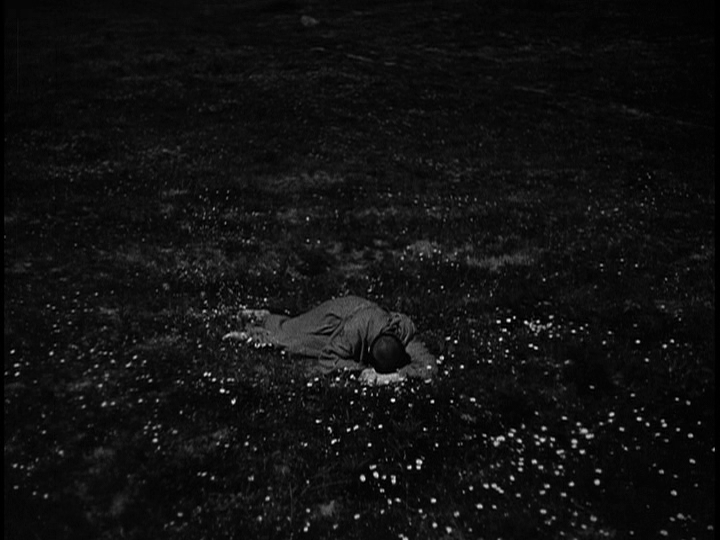
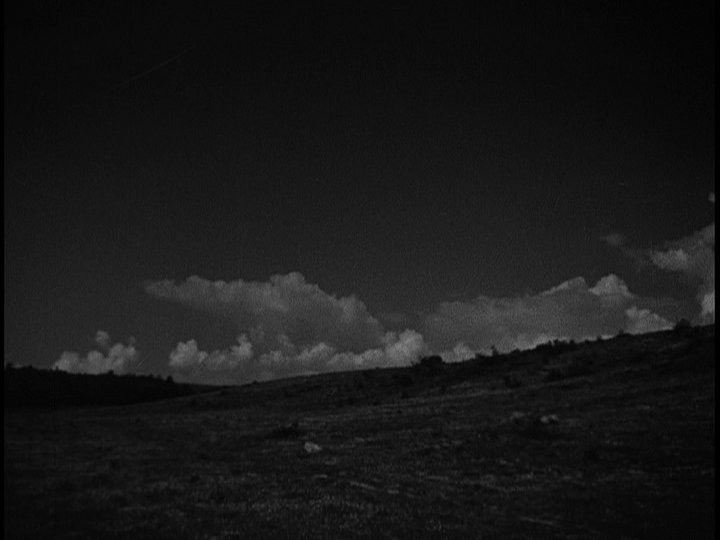
What’s really exciting about this interpretation to me personally is that it offers a possible new way of looking at the beginning of another one of my favorite movies:

Last but not least, I have a bonus food suggestion to go along with this month’s drink and movie. Dave Kehr observes in a review collected in his book When Movies Mattered that “[t]he closest St. Francis comes to offering a genuine miracle is when Ginepro trundles off to borrow a large pot from a neighboring group of shepherds. Ginepro returns, running down the hillside, with the gigantic pot bouncing along at his heels like a faithful puppy.”

In my house we have very much been enjoying the spring herbs soup with fregola and pancetta that appeared in the May, 2021 issue of Food & Wine magazine lately. I mentioned previously that my Lilac-Elderflower Prosecco Cocktail seemed like a perfect accompaniment to brunch. Well, this is what you want to eat with it. The herbs stirred in at the end echo the “lots of greens” in Brother Ginepro’s soup, it contains chicken stock to also make your body humble like Ginepro’s hens, and the pancetta recalls the foot generously donated by Brother Pig. I definitely think it’s likewise “good for the brain” as well:

Throw in a nice hunk of bread and some good butter, and you’ve got the makings of a pretty wonderful spring Saturday or Sunday afternoon here.
Cheers!
All original photographs in this post are by Marion Penning, aka My Loving Wife. Other entries in this series can be found here.
 The Prodigal Cinephile