Ithaca Film Journal: 8/21/25

What I’m Seeing This Week: I’m going with Americana at the Regal Ithaca Mall and Relay at Cinemapolis.

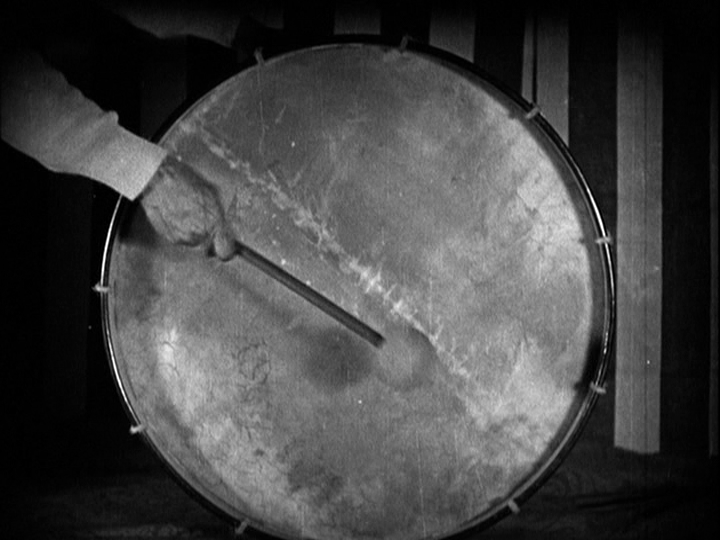
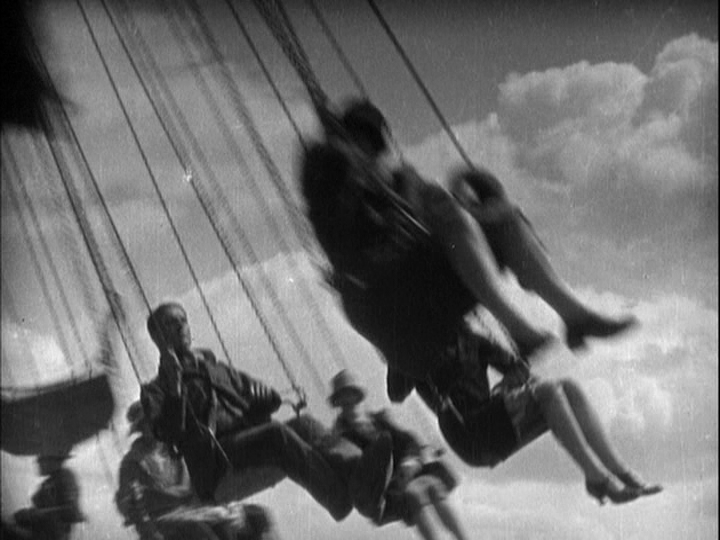
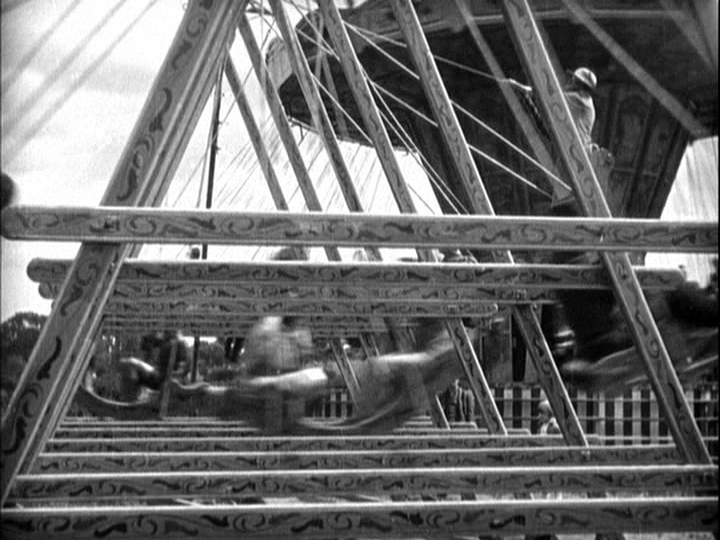
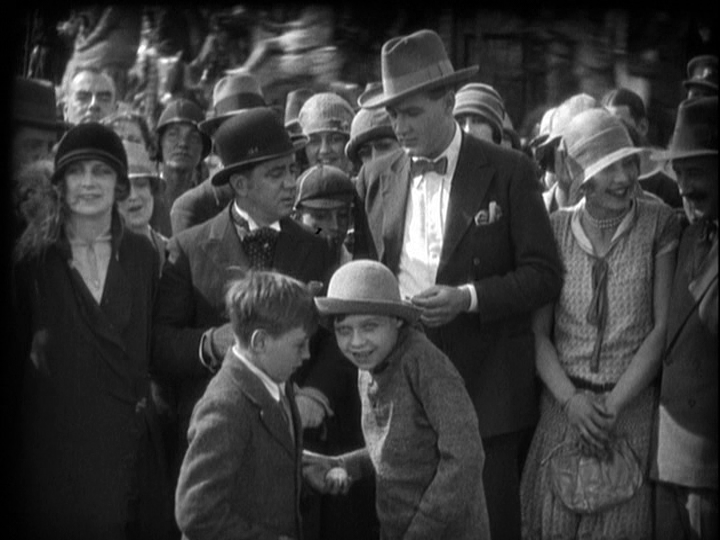
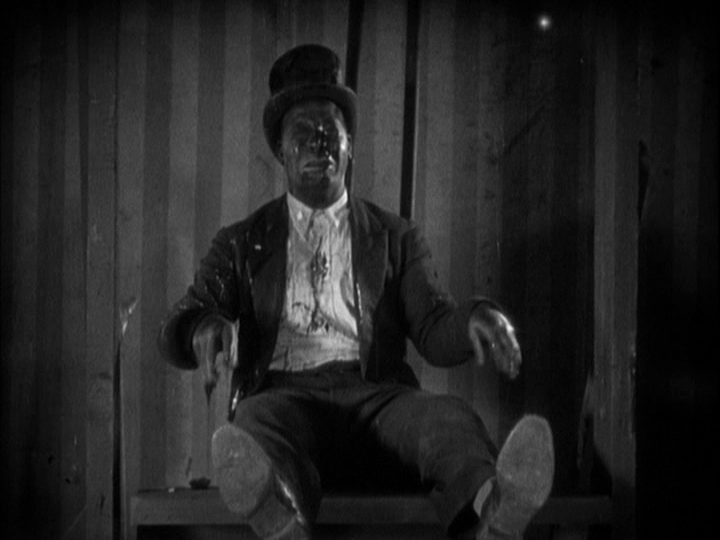
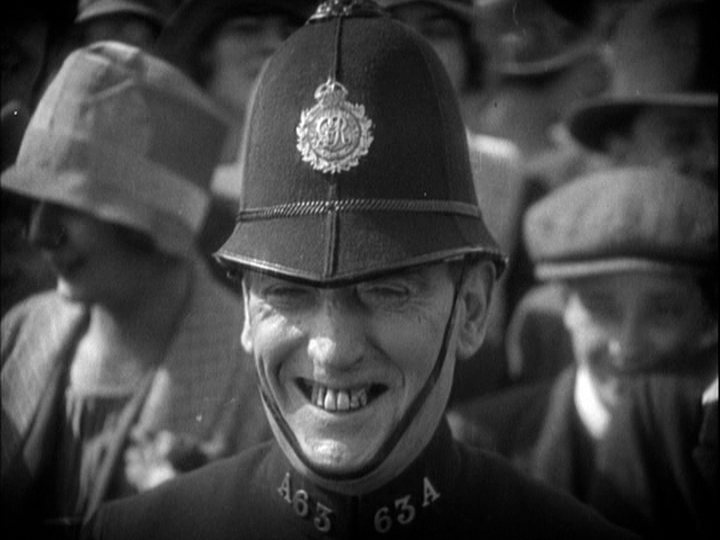
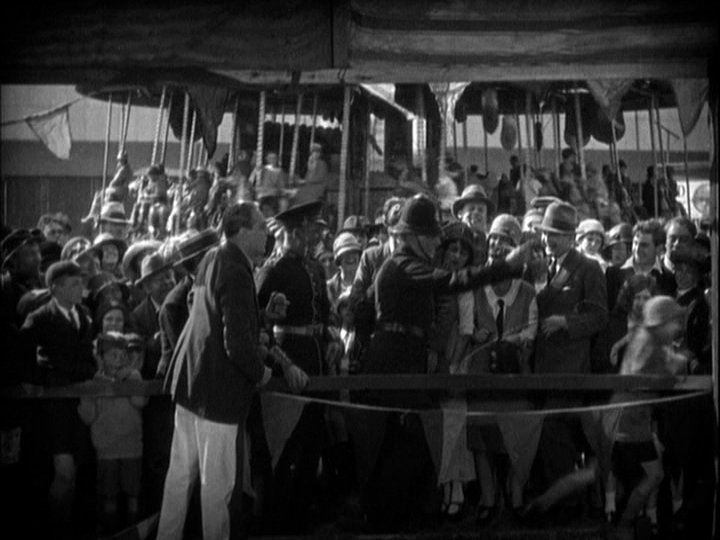
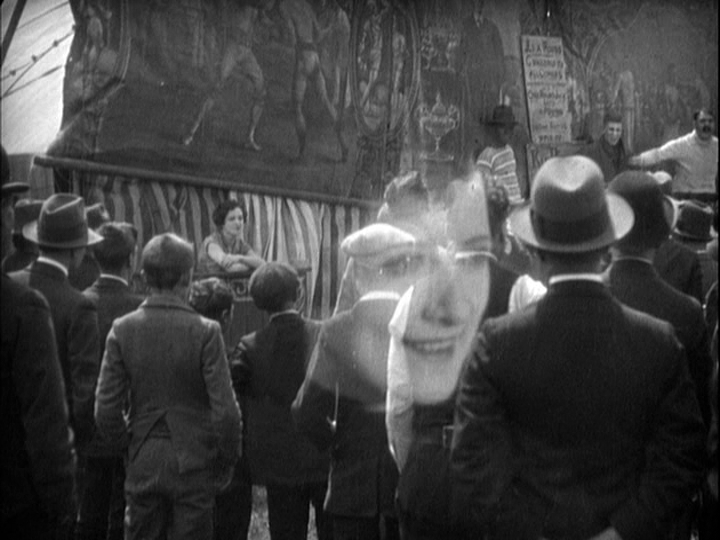
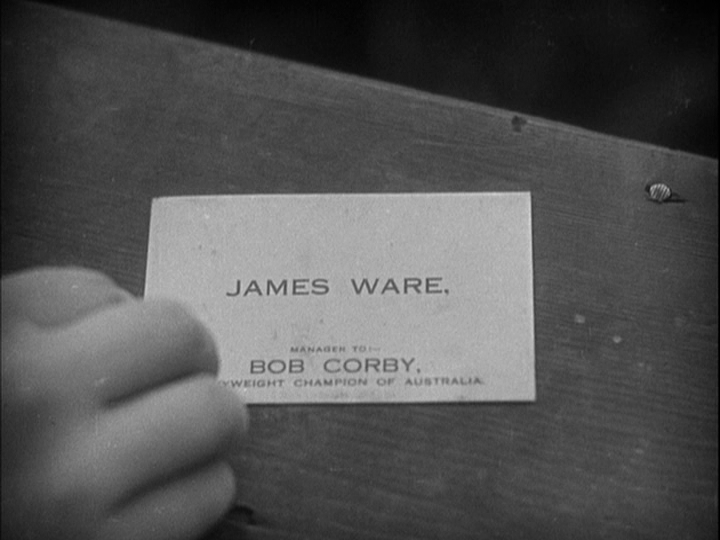
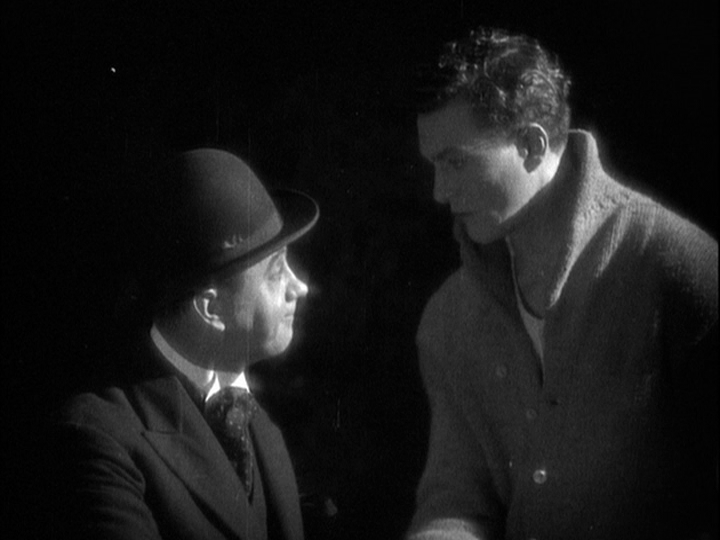
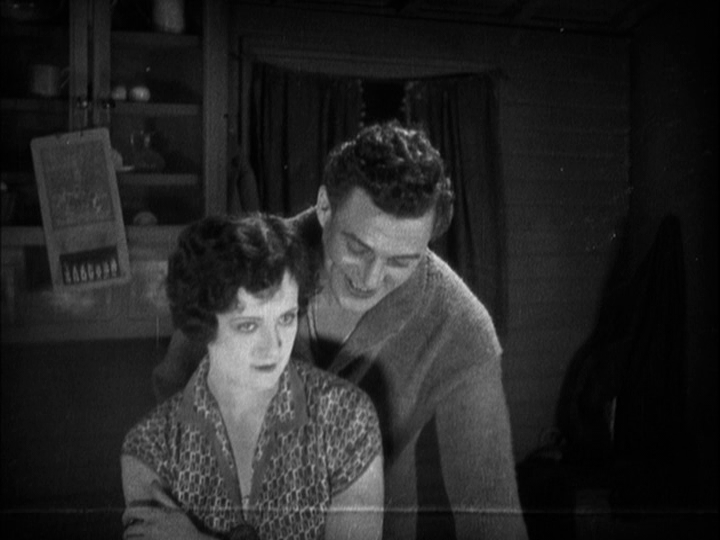
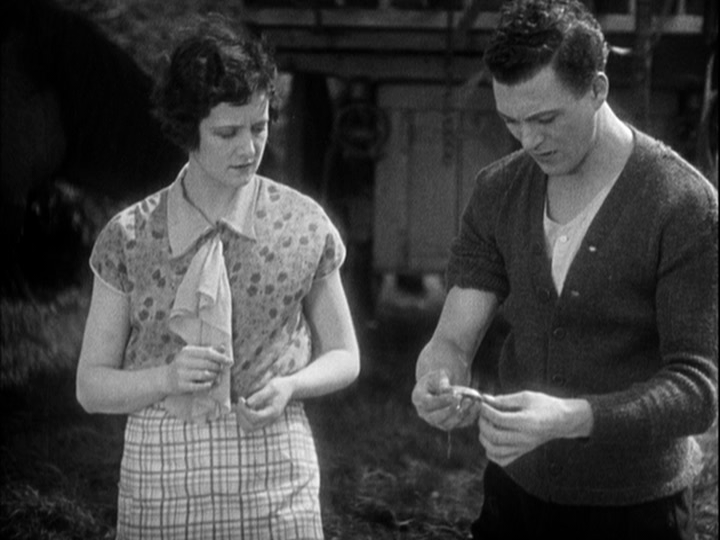
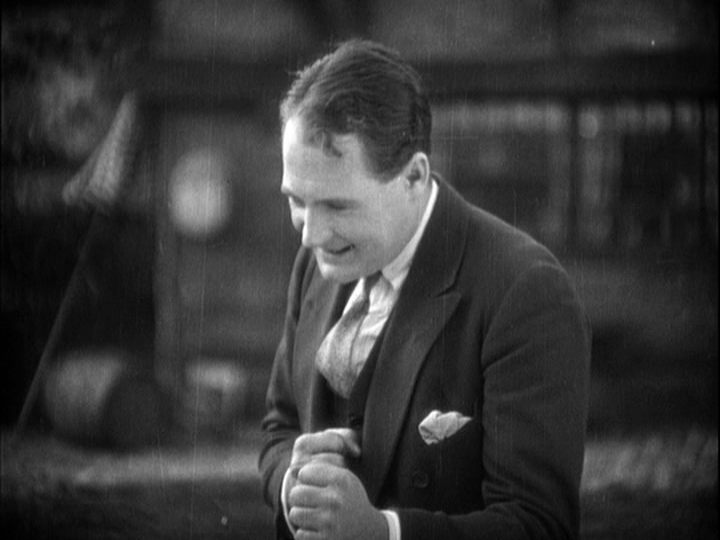
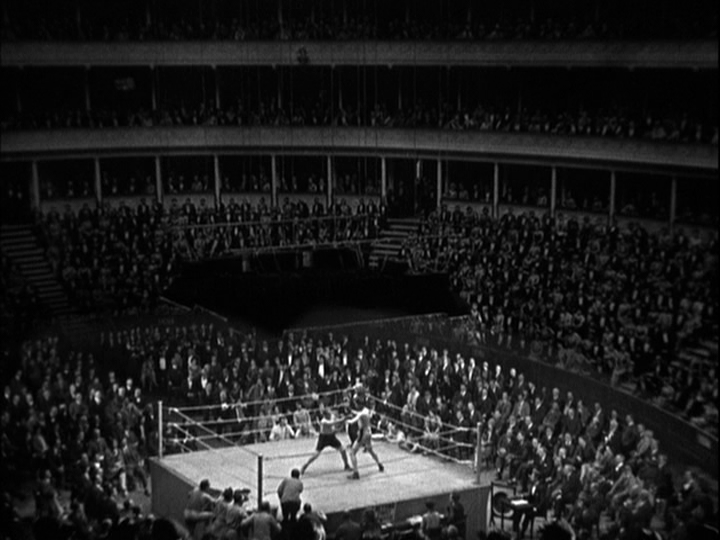
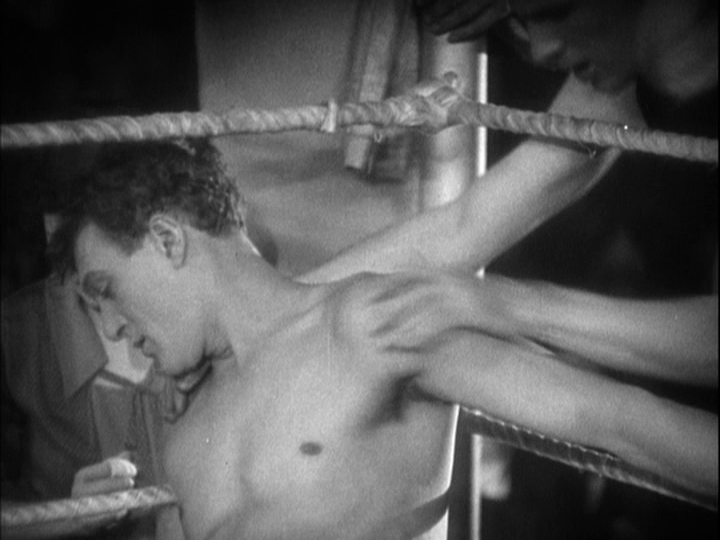
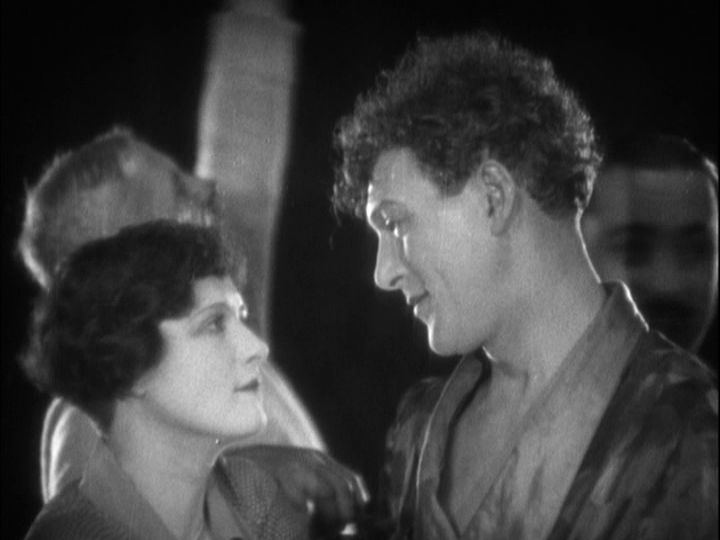
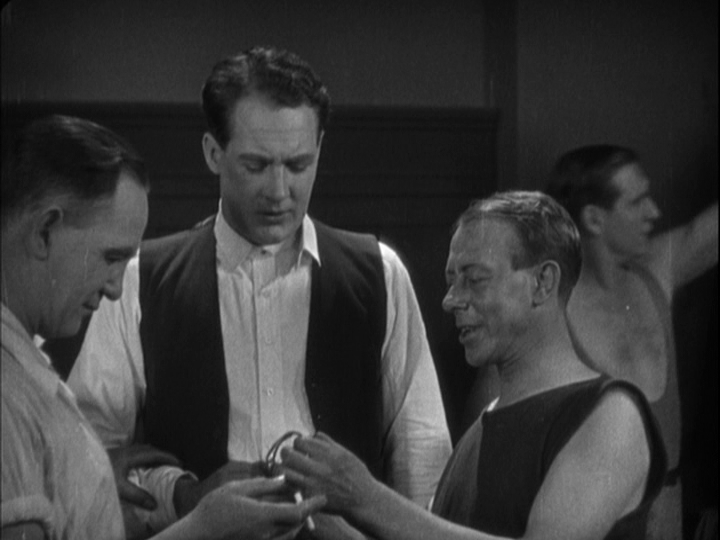
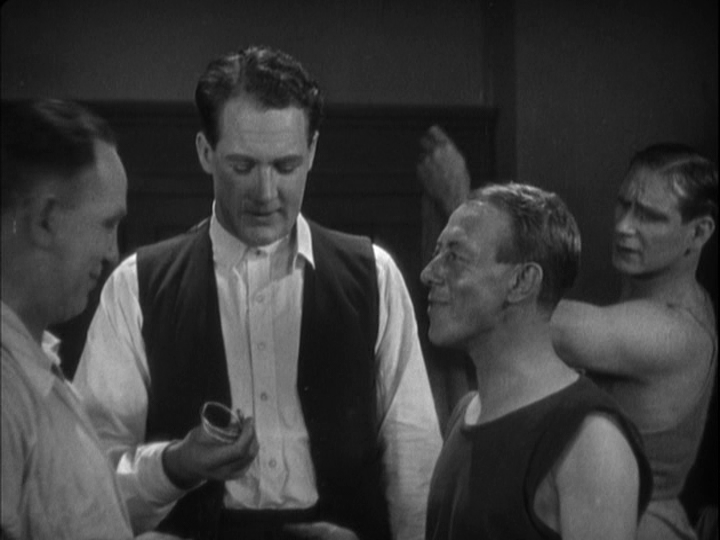
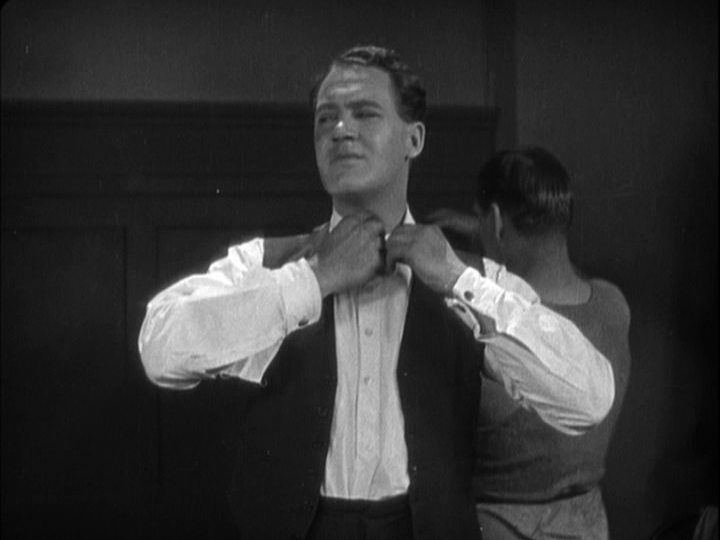
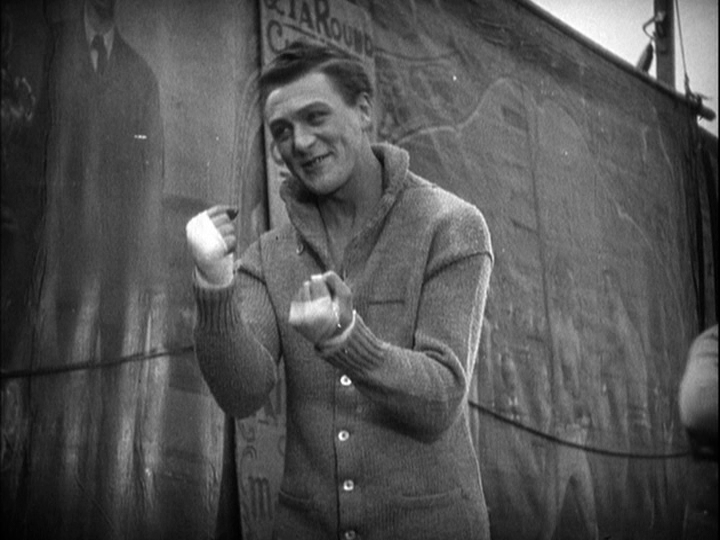
Also in Theaters: It seems fitting that a movie year which will see the Criterion Collection release The Beat That My Heart Skipped, one of my favorite remakes ever, also features Spike Lee repatriating Akira Kurosawa’s adaptation of the Ed McBain novel King’s Ransom in Highest 2 Lowest, which continues its run at Cinemapolis. Similar to how director Jacques Audiard ran the plot of Fingers through his camera backwards and upside down, Lee relies on our familiarity with High and Low to appreciate the notes he’s not playing, most notably when he switches out Kurosawa’s wide-angle look at Japanese society for a close-up on one record mogul’s relationship with African-American culture. In the battle of new horror films, I prefer Together, which remains at the Regal (although it’s down to just one screening per day), to Weapons, which is both there and at Cinemapolis, but they’re both fun. Other first-run fare at the Regal I enjoyed includes Sketch, The Naked Gun, The Fantastic Four: First Steps, and Superman in approximately that order. I’m also hoping to see Honey Don’t!, which opens at Cinemapolis today, and maybe Ne Zha II, which is there and at the Regal, depending on what I think about the original Ne Zha after I get a chance to check it out on Peacock. This week’s special events highlight is definitely the free “Silent Movie Under the Stars” screening of The Eagle in Upper Robert Treman State Park on Saturday, but the KPop Demon Hunters “Sing-Along Event” at the Regal on Saturday and Sunday may be of even more interest if that’s your thing. Finally, your best bets for repertory fare are Tampopo, which plays Cinemapolis on Wednesday as part of their “Food on Film” August staff picks series, and Ponyo, which has showtimes at the Regal on Saturday, Sunday, and Wednesday.

Home Video: I recently reviewed Youth (Hard Times) and Youth (Homecoming), the second and third installments in a nearly ten-hour-long documentary trilogy directed by Wang Bing, for Educational Media Reviews Online. To my very great surprise, this experience resonated with another time-consuming cinema project I was already in the middle of, working my way through the first decade or so of the Marvel Cinematic Universe with my loving wife. Did you know, for instance, that the collective runtime of the first four Avengers movies is almost exactly the same as the Youth cycle? And this isn’t the only thing they have in common! As I said on Letterboxd after re-watching Hard Times, it and Avengers: Endgame are each “more enjoyable if you also watch the movie that preceded it, but both also render that film largely superfluous.” Meanwhile, Homecoming is in a lot of ways an extended coda. The main challenge of “durational” cinema for me isn’t its length per se but rather the opportunity cost it represents, which as I mentioned a few months ago is the reason I don’t go for TV series–after all, including collections, I have almost a hundred films on my Criterion Channel watchlist that I could be watching instead. And so, just as I intend to propose a “cheater’s MCU” as soon as I’m caught up, I’m here today to tell you that if you’re merely *curious* about the Youth trilogy, you can totally get a good sense of what it’s all about just by watching Hard Times! And then, if you really dig it, you can go back and watch all three movies in a row, which even in the absence of definitive testimony from Bing (which might not alter my opinion regardless) is how I think they’re MEANT to be seen. Current Cornell University faculty, staff, and students have access to this film through a subscription to Docuseek paid for by the Library and it’s also available for rental from Prime Video.

Previous “Ithaca Film Journal” posts can be found here. A running list of all of my “Home Video” recommendations can be found here.

Ithaca Film Journal: 8/14/25

What I’m Seeing This Week: I’m going with Highest 2 Lowest at Cinemapolis and Weapons either there or at the Regal Ithaca Mall.

Also in Theaters: My favorite new movie now playing Ithaca that I’ve already seen remains Sketch, which continues its run at the Regal. I also got a kick out of how much fun Together has with relationship cliches that are quite horrifying when literalized and enjoyed The Naked Gun, a throwback to the immature, laugh-a-minute staples of the sleepovers I attended as a child in the 80s and early 90s that they should totally release on VHS: I’d buy a copy! The former is at both Cinemapolis and the Regal, while the latter is just at the Regal. Other new releases I’m happy to endorse if they sound interesting to you include Eddington (Cinemapolis), Superman (Cinemapolis & the Regal), and The Fantastic Four: First Steps (Regal). It’s another quiet week on the special events and repertory fronts, but things will pick up soon when Cornell Cinema kicks off their Fall 2025 season, so get your All-Access pass today! At just $25 (for grad students) to $40 (general public), it’s the local arts scene’s absolute best value in the opinion of this cinephile. In the meantime, two short documentaries directed by Les Blank will screen at Cinemapolis on Wednesday as part of their “Food on Film” staff picks series: Yum, Yum, Yum! A Taste of Cajun and Creole Cooking and Garlic Is as Good as Ten Mothers.

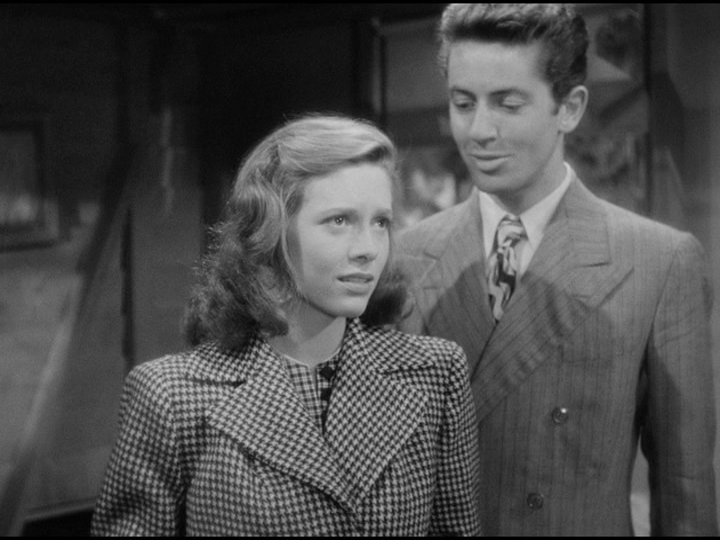
Home Video: Movie Year 2025 has been just fine so far! I’ve definitely seen at least five Top Ten-worthy films, and that’s all you can really ask for at the halfway point. The highlight of the past six months for me has been the older fare I watched for the first time and absolutely loved, though. One recent example is The Tall Target, which is available on Watch TCM until September 5 and is representative of what is classically regarded as extremely fertile ground for new discoveries: movies by great directors that aren’t typically talked about as their best work. Here’s what I said about it on Letterboxd:

Made in 1951, Anthony Mann directs Dick Powell in a taut thriller that would have done Alfred Hitchcock proud as Detective John Kennedy, who’s trying to save President-elect Lincoln from assassination in 1861, but the film (most of which is set on a train) looks and sounds like something from the 1960s. Yet another example of how the canon is still at least a century or so away from being fully calibrated, because: !

Previous “Ithaca Film Journal” posts can be found here. A running list of all of my “Home Video” recommendations can be found here.

All-Time Top Ten Favorite Movies

I don’t do this very often, but I unexpectedly find that I all of a sudden know exactly what would be on my hypothetical Sight and Sound Critics Poll ballot and feel compelled to share it:

  1. Intolerance (1916; dir. D.W. Griffith)
  2. The Passion of Joan of Arc (1928; dir. Carl Theodor Dreyer)
  3. Wife! Be Like a Rose! (1935; dir. Mikio Naruse)
  4. Germany Year Zero (1948; dir. Roberto Rossellini)
  5. Pyaasa (1957; dir. Guru Dutt)
  6. Le Bonheur (1965; dir. Agnès Varda)
  7. Stalker (1979; dir. Andrei Tarkovsky)
  8. Groundhog Day (1993; dir. Harold Ramis)
  9. Spirited Away (2001; dir. Hayao Miyazaki)
  10. The Strange Case of Angelica (2010; dir. Manoel de Oliveira)

Ithaca Film Journal: 8/7/25

What I’m Seeing This Week: I audibled to She Rides Shotgun last week on Bilge Ebiri’s recommendation after I realized it was going to close at the Regal Ithaca Mall after just one week, so Together (which continues its run there and at Cinemapolis) remains first up on my list. I’m also planning to catch The Naked Gun at the Regal.

Also in Theaters: I want to see Weapons, which is opening at Cinemapolis and the Regal, before it closes as well. The best new movie now playing Ithaca that I’ve already seen is Sketch, which continues its run at the Regal. Here’s what I said about it on Letterboxd:

I can’t wait to watch this again with my kids, who are approximately the same ages as Amber (Bianca Belle) and Jack Wyatt (Kue Lawrence) and like them possessed of a wealth of kindness, prodigious artistic talent (that they didn’t get from their parents, by the way: genetics are weird), and disconcertingly advanced vocabularies–my seven-year-old actually even trotted out “that tracks!” the other day. Anyway, Sketch represents an even more successful attempt to create a modern classic for the offspring of us children of the 80s to grow up with than Movie Year 2025’s The Legend of Ochi, which to be clear I also liked! Content and form are better married here, though–it’s going to scare the girls without giving them nightmares, and if it isn’t exactly blazing new trails with its moral compass, well, neither is my parenting style.

I also enjoyed Eddington, which is at Cinemapolis; The Fantastic Four: First Steps, which is at the Regal; and Superman, which is at both. And She Rides Shotgun, which as Ebiri notes features terrific lead performances by Taron Egerton and Ana Sophia Heger and has one final showtime at the Regal at 11:05 this morning. There don’t appear to be any noteworthy special events this week, but your best bet for repertory fare is the delectable Big Night, which stars legendary trencherman Stanley Tucci and screens Cinemapolis on Wednesday as part of their “Food on Film” August staff picks series.

Home Video: Rewatch season has begun! Here’s what I posted to Letterboxd after I saw Eephus, which is now available on Mubi with a subscription, for the first time at Cinemapolis in March:

Fictional chronicle of the last baseball game ever played on an unnamed Massachusetts (it was shot in Douglas) town’s Soldier Field which coyly hints at veering off into the mythology of W.P. Kinsella’s novel The Iowa Baseball Confederacy but wisely never does because it doesn’t need to: every hit, out, and other component part of a baseball game at any level is a “Glory Days” conflation of past, present, and future waiting to happen. Some stories that rattled through my head included: getting tossed out of a Little League game by my father the umpire for arguing a called third strike a tad too vociferously, keeping score for his church league softball team, and most recently running out onto my back porch like a madman and screaming into the Ithaca, NY night “Pete did it!” during Game 3 of last year’s NL Wild Card round. Fun apropos fact: the building I took most of my film studies classes in at the University of Pittsburgh was built on the spot of Forbes Field and you can stand on its home plate to this day! Humorous not because it’s a comedy, but because its characters are, and every bit as attuned to the fascinating things athletes do when no one is looking as Zidane: A 21st Century Portrait. First serious contender to top my Top Ten Movies of 2025 list.

After a second viewing I’m now thinking it might even be the single best film ever made about baseball, so yeah: this is one clubhouse leader that’s going to be hard to beat!

Previous “Ithaca Film Journal” posts can be found here. A running list of all of my “Home Video” recommendations can be found here.

August, 2025 Drink & a Movie: Shady Lane + Tokyo Drifter

We planted red shiso in our herb garden a couple of years ago as a novelty. It unexpectedly came back the following spring and basically took over, which we soon discovered poses a bit of a challenge because it has such a distinctive color and flavor that most recipes you find it in use only a small quantity, so it’s hard to dispatch in bulk. Luckily, although it still pops up all over our yard, the amount competing for space with other edible plants is now more or less under control and it has returned to being a valued occasional guest on our summer meal plans in dishes like Marc Matsumoto’s twist on capellini pomodoro and as one of the “fresh tender herbs” in our house salad dressing, Food & Wine magazine’s whole lemon vinaigrette.

Shiso plant growing wild in middle of our yard

Like the mint we also grow, though, the place it really shines is a drink component and garnish. Our favorite such beverage is the Shady Lane from Brad Thomas Parsons’ Bitters book, which has long been part of our home mixology library but somehow hasn’t yet made an appearance on this blog. Here’s how to make it:

1 1/2 ozs. Gin (Roku)
3/4 oz. Lillet Rouge
1/2 oz. Blackberry-lime syrup
1/2 oz. Lime juice
2 dashes Scrappy’s Lime bitters
3 Blackberries, plus more for a garnish
3 Shiso leaves, plus more for a garnish
Club soda

Make the blackberry-lime syrup by combining one cup of blackberries with one cup each of sugar and water and the zest of two limes and bring to a simmer, stirring occasionally and mashing the berries with a wooden spoon. Remove from heat, cool completely, and strain, reserving the solids. To make the cocktail, muddle the blackberries and shiso leaves in the bottom of a shaker with the syrup. Add ice and all of the other ingredients except the club soda and shake, then strain into a chilled rocks glass. Top with club soda and garnish with additional blackberries and a shiso leaf.

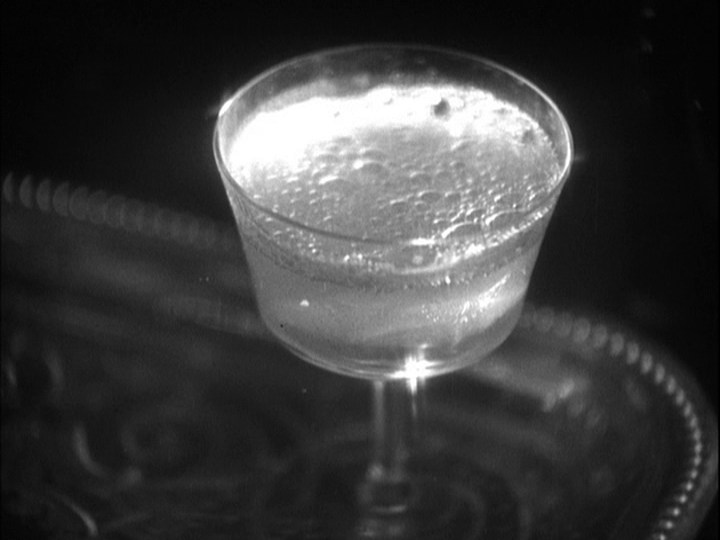
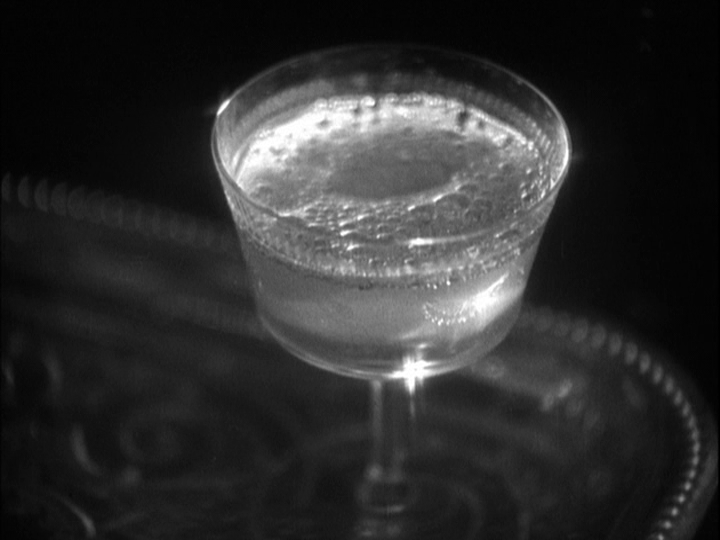
Shady Lane in a rocks glass

First off, despite what Parsons says, DO NOT DISCARD THE SOLIDS AFTER MAKING THE SYRUP: hey are absolutely delicious with yogurt and granola! Shiso is a difficult flavor to describe to people not already familiar with it. Writing for the New York Times in 1995, Mark Bittman went with “it has a mysterious, bright taste that reminds people of mint, basil, tarragon, cilantro, cinnamon, anise or the smell of a mountain meadow after a rainstorm,” which, sure, I guess, but the quote by Jean-Georges Vongerichten four paragraphs later also gets the job done: “I like it a lot.” Whichever way you want it, that’s what dominates the first sip of a Shady Lane, but this immediately slides gracefully into dark fruit, lime zest, and juniper. The drink’s balance is absolutely perfect–it doesn’t register as particularly sweet or tart–and the effervescence from the club soda and spiciness of the Japanese gin make it a great summer sipper. Parsons explains that he named this concoction after the classic Pavement song, so it would be a great choice to pair with the film about them that recently debuted on Mubi, but its brilliant purple hue reminded me of the garish colors of Tokyo Drifter, so that’s what we’re going with. Here’s a picture of my Criterion Collection DVD copy:

Tokyo Drifter DVD case

It’s also currently streaming on the Criterion Channel with a subscription and available via a number of other platforms for a rental fee.

As Tom Vick writes in his book Time and Place are Nonsense: The Films of Seijun Suzuki, “Tokyo Drifter begins with a gesture more at home in experimental than commercial cinema: grainy, high-contrast, black-and-white opening scenes that were shot on expired film stock.” A man wearing a light-colored suit with white shoes and gloves walks toward the camera along a railroad track:

Tokyo Drifter's opening shot

He is “Phoenix” Tetsu (Tetsuya Watari) and until recently none dared mess with him or his yakuza boss Kurata (Ryûji Kita). They’ve gone straight, though, and Kurata’s rival Otsuka (Eimei Esumi) has decided to test Tetsu’s resolve by ambushing him:

Two men hold Tetsu in the center of the frame while a third winds up to punch him and a fourth man watches from the left of the frame
Continuation of the previous shot: Tetsu reels from the blow

Otsuka watches from a nearby car:

Extreme close-up of Otsuka wearing sunglasses

And predicts that Tetsu will “get knocked down three times, then rise up like a hurricane” in a voiceover that accompanies the brief color fantasy sequence that Criterion chose as the basis for their cover art:

A pink light flashes as Tetsu, clad in a yellow sports coat, shoots his gun at something offscreen facing left against a black background
Tetsu faces right as he crouches and aims his gun
Tetsu dives to the ground and rolls while aiming his gun at a gray-suited figure in the foreground

But when Tetsu stubbornly refuses to fight back he says, “I see. So we can do anything we want.” The sequence ends with another splash of color when Tetsu, having staggered to his feet after his beating, looks down and spies a broken gun which is obviously a prop and glows red against a monochrome background:

Overhead close-up of a red gun lying in pieces on a railroad tie next to Tetsu's shoe

Which Peter Yacavone contends “promotes a consciousness of cliché” in his book Negative, Nonsensical, and Non-Conformist: The Films of Suzuki Seijun. Whatever Otsuka wants turns out to be stealing a building from Kurata by forcing his business partner Yoshii (Michio Hino) to sign a sizeable debt over to him at gunpoint:

Close up of a hand holding a gun balanced on a stack of money in front of contracts and a deck of cards

Then shooting him:

Otsuka, out of focus in the left foreground, points a gun at Yoshii, who is opening a door in the right third of the frame

Tetsu arrives moments too late to help:

Tetsu opens a door and Yoshii's body falls out on the right side of the frame; the left is dominated by a purple wall

And is knocked out in the skirmish that follows:

Overhead shot of Tetsu lying unconscious at the bottom of an elevator shaft in the middle of the frame

He revives in time to save Kurata from signing over the building to Otsuka:

Medium shot of Tetsu smiling as he holds a gun

But not before Kurata accidentally kills Yoshii’s secretary Mutsuko (Tomoko Hamakawa) while trying to shoot Otsuka:

Close up of a drop of blood dribbling down Mutsuko's breast as she lies on the ground in front of a red background

Tetsu confronts Otsuka’s henchman Tatsu “the Viper” (Tamio Kawachi) in a junkyard sequence that includes a largely gratuitous depiction of a car being demolished:

Medium shot of a car in front of an incinerator
Continuation of the previous shot: the car is now burning
The car, which is now burnt, being dumped out onto the ground

As well as Tetsu singing the movie’s insanely catchy titular theme song:

Medium shot of Tetsu in a blue suit singing in the middle of the frame

Tetsu informs Tatsu that he intends to take the rap for Mutsuko’s murder should Otsuka attempt to finger his boss, and that if he is arrested he’ll let the police know who killed Yoshii. Otsuka responds by sending an emissary to Kurata to propose a trade: if he hands over Tetsu, they’ll return the deed to his building. He refuses:

Medium shot of Kurata in front of a lime green background

And moved by his gesture, Tetsu, who overheard the conversation, decides to leave town:

Medium shot of Tetsu in front of a lime green background

Tony Rayns, writing in the book Branded to Thrill: The Delirious Cinema of Suzuki Seijun, argues that “the ultimate fascination of Tokyo Drifter is that despite the apparently wilful ‘deconstruction’ of the genre, it none the less works as a thriller.” One great example of both parts of this proposition is a duel fought in front of a train speeding down on the combatants shortly after Tetsu arrives in Shonai, home of one of Kurata’s allies, with Otsuka’s men hot on his heels. When they attack he signals his presence by again singing the film’s theme song as he walks through the snow:

Long shot of Tetsu walking through a snowy landscape singing
Medium shot of Tetsu in a snow flurry, still singing

Then joins the fray. As he takes cover behind some bales of hay, voiceover narration signals his thoughts: “my range is under ten yards.”

Close-up of Tetsu crouching behind a bale of hay

Suddenly, he spots a pair of geta in a shaky cam POV shot:

Blurry POV shot from Tetsu's perspective, indicating that the camera is in motion
Continuation of the previous shot: a pair of geta have appeared in the bottom-left corner of the frame
Close-up of the geta

The idea, of course, is that they are ten yards away from Tetsu’s enemies, which explains why he leaps toward them moments later:

Long shot of Tetsu lying on the ground on the right side of the frame firing his gun toward the camera next to the geta from the previous image, which occupy the left side of the frame

Fast forward to the next scene. It begins with Tetsu trudging through a field covered in snow, which cinematographer Shigeyoshi Mine and production designer Takeo Kimura identify as the movie’s true protagonist in a delightful anecdote about an alcohol-fueled creative session by director Seijun Suzuki that I’m grateful to Vick for including in Time and Place are Nonsense:

Kimura has confidence in Mine’s talent, with whom he is able to create an image like a sumi-e [a traditional ink-wash painting]. But the characters of the two men do not harmonize well. Mine is impulsive, Kimura is complex. One trait they have in common is that they are both egotists. … When they are drinking sake, their ego emerges with greater force. …They discuss the photography of [Tokyo Drifter], in which the snow is the protagonist of the story. I’m being canny. I wait until they stop arguing. Sometimes they turn to me, but I don’t respond, because for me it is enough to decide at the time when the camera has to be set up. The snow already has provoked something in these men, whichever image of the snow will eventually transpire.

Anyway, as Tetsu walks he realizes he’s being followed:

Long shot of Tetsu standing in the middle of a snowy field looking at the camera

No explanation is offered for either the way he vanishes from his pursuer Tatsu’s sight in between shots or the apparently nondiegetic triangular shadow that appears at the same time:

Medium shot of Tatsu checking his gun
POV shot from Tatu's point of view of the now-empty field where Tetsu just was with the top left corner of the frame covered by a translucent shadow

But the next thing we know Tetsu has gone from prey to predator and awaits Tatsu under a bridge:

Close-up of Tetsu hiding behind a concrete pillar
Extreme long shot of Tatsu crossing a bridge while Tetsu watches him from below

There’s a close-up of Tatsu standing in front of a railway signal:

Close-up of Tatsu standing in front of a railway signal and pyramidal shadow over a white background

Followed by one of a train:

Close-up of a train

And suddenly the Viper is aiming his gun at the Phoenix:

Long shot of Tetsu in the foreground with his back to camera facing off against Tatsu, who aims a gun at him in the middleground

In quick succession there’s a close-up of Tatsu, followed by one of Tetsu, followed by a shot of a steam engine’s boiler:

Close-up of Tatsu pointing his gun offscreen to the right
Close-up of Tetus looking offscreen to his left
Close-up of a steam engine's boiler

Still Tatsu waits:

Another long shot of Tatsu standing with his back to the camera in the foreground holding a gun on Tetsu in the background; there's now a train approaching him from behind

As the train continues to draw closer to Tetsu, Suzuki switches to wonderfully artificial-looking back projection:

Close-up of Tetsu in front of a back-projected train

Cut to a POV shot from Tetsu’s perspective as he counts railway ties: “15 yards, 14, 13, 12 . . . 10.” The end of the list is marked by a red line in the snow defining what we learned earlier is the limit of his range:

As Tetsu makes his move, Tatsu finally starts to fire:

Long shot of Tatsu firing his gun toward the camera in a POV shot from Tetsu's perspective

Tetsu runs toward him and dives to the ground, shooting back:

Extreme long shot of Tetsu running toward the red line mentioned above in front of a train
Tetsu dives to the ground as he reaches the line in a continuation of the previous shot
Tetsu's gun flashes orange in a continuation of ther previous shot

Cut first to close-up of the train, then to a long shot of Tetsu walking away, apparently having won:

Yacavone writes that this all “plays like deliberately orchestrated nonsense,” but also concedes that it’s “exciting on its own terms,” which I think is basically the same thing Rayns is saying and goes double for Tokyo Drifter‘s highly-stylized climactic shootout. It follows Kurata betraying Tetsu in the scene that most directly inspired this month’s drink photo:

Kurata and Otsuka who occupy the left and right ends of the frame respectively, sit across from each other in a room with purple walls; two other men occupy the middle of the frame, one in the foreground with his back to the camera and one in the background mostly covered up by him

And features the latter first taking cover behind a slim column:

Tetsu hides behind a column on the right side of the frame as one of Otsuka's henchmen shoots at him from behind another column on the left side of the frame

Then throwing his gun into the air, catching it, and shooting the man who sold him out in one smooth motion:

Medium shot of Tetsu throwing his gun into the air in the middle of the frame
Close-up of Kurata looking offscreen up and to the left
Close-up of a gun suspended in mid-air
Long shot of Tetsu catching his fun and firing it at Kurata from the background in the left third of the frame as the latter grabs his chest in the right foreground

I appreciate Yacavone’s writing on this film because he draws attention to details I suspect I might have missed otherwise, such as the absence of any “visual trace of prewar central Tokyo” from the title sequence featuring a montage of tourist attractions built in preparation for the 1964 Summer Olympics:

Shot of the Tokyo Tower at sunrise
Shot of the Yoyogi Olympic gymnasium
Shot of the San-ai building at night

The way it “exploits the recessed paneling of Tokugawa architecture to suggest an infinite depth that is equated with tradition” and “suggest that in its own way Yamagata, reminiscent of an age of duty, aristocracy, and self-sacrifice, is just as deathly and alienating as Tokyo”:

Deep focus long shot composition featuring Tetsu on the left side of kneeling on a tatami mat on the left side of the frame in front of his host who does the same on the right

Or even just the simple fact that Hideaki Nitani’s character Shooting Star has the same initials as Suzuki.

Exterior long shot of Shooting Star standing in the snow in the center of the frame with his back to the camera

But the overall contours of Tetsu’s journey are easily discernible even to the uninitiated through universal devices like a low-angle shot of a tree in front of a darkening sky that charts his withering loyalty to Kurata:

Shot of a tree in front of a blue sky
Shot of the same tree in front of a gray sky
Shot of the same tree in front of a black night sky

And when the final showdown ends with Tetsu rejecting the woman who loves him (Chieko Matsubara) on the grounds that he “can’t walk with a woman at [his] side” and exiting through a vaginal hallway, we understand that he has been reborn into the world as a truly independent Tokyo drifter:

Medium shot of Tetsu on the right side of the frame in an all-white room walking away from Chiharu in the middle of the frame in front of a marble statue holding a doughnut-shaped object lit in yellow
Long shot of Tetsu walking away from the camera in the middle of the frame down a narrow pentagonal hallway

Which strikes me as representing a level of meta complexity worthy of Pavement’s immortal lyrics “you’ve been chosen as an extra in the movie adaptation of the sequel to your life.”

Cheers!

All original photographs in this post are by Marion Penning, aka my loving wife. Links to all of the entries in this series can be found here.

Ithaca Film Journal: 7/31/25

What I’m Seeing This Week: I am hoping to catch Sketch at the Regal Ithaca Mall and Together either there or at Cinemapolis.

Also in Theaters: My favorite new release now playing Ithaca that I’ve already seen is Sorry, Baby, a strong debut feature by director Eva Victor (who also stars) which does wonderful things with windows, especially its variations on the postcard-perfect cozy yellow glow of lit rooms as seen from outside on a cold night and which continues its run at Cinemapolis. I also enjoyed Eddington, which you can see there as well; The Final Four: First Steps, which is at the Regal; and Superman, which is at both. As someone who was born in 1981 and grew up watching the original The Naked Gun at sleepovers, I’m definitely intrigued by the reboot with the same name which opens at the Regal today, but also kind of terrified. It’s garnering strong reviews, though, so I’m going to try to see it before it closes. This week’s special events highlight is the free Continuum Film Showcase for local filmmakers at Cinemapolis on Sunday, which I unfortunately won’t be able to attend, but you should! There’s also a free screening of the documentary Counted Out there on Saturday. Finally, your best bets for repertory fare are Spirited Away, which I would have included on *my* Best Movies of the 21st Century ballot and which plays Cinemapolis on Wednesday as part of their “Food on Film” August Staff Picks series, and Sunset Boulevard, which celebrates its 75th birthday with screenings at the Regal on Sunday and Monday.

Home Video: I recently observed that My Darling Clementine features Henry Fonda’s Wyatt Earp reacting to a sip of champagne almost exactly the same way Bill Murray’s Phil Connors responds to sweet vermouth in Groundhog Day. As I noted on Letterboxd, the scene in which the scene in which Earp and Victor Mature’s Doc Holliday happen upon Alan Mowbray’s Granville Thorndyke reciting the “To be, or not to be” speech from Hamlet also echoes this description of Hazel from Madeline Miller’s 2022 introduction to the 50th anniversary edition of Watership Down, which I’m currently reading:

His notable traits are his gentleness, his quiet conviction in doing what’s right and his willingness to listen to things others would dismiss, including his strange, mystic friend Fiver. Yet still, the others trust him and choose him to lead. Why? He isn’t the best fighter (Bigwig), the fastest (Dandelion), the best storyteller (Dandelion again), the cleverest (Blackberry), the farthest seeing (Fiver), or the most authoritative (Holly). But he has several tremendous gifts, first and foremost his humility. Like Socrates, he knows what he doesn’t know. When Blackberry figures out how to float the rabbits across the river, Hazel scarcely understands what’s happening, but he has the ability to see that Blackberry understands–and gives the order to go forward.

If those admittedly idiosyncratic resonances aren’t enough to convince you, I submit that you’ll never find a more perfect illustration of the “Rule of Thirds” than the piece of jewelry Linda Darnell’s Chihuahua wears in the scene below, which director John Ford makes sure we spot moments before Earp does:

My Darling Clementine is available on Blu-ray and DVD from the Criterion Collection and can be streamed for a rental fee via Apple TV+ and Prime Video.

Previous “Ithaca Film Journal” posts can be found here. A running list of all of my “Home Video” recommendations can be found here.

Ithaca Film Journal: 7/24/25

What I’m Seeing This Week: For reasons we’re beginning to question as exhaustion sets in, my loving wife and I recently decided to finally immerse ourselves in the Marvel Cinematic Universe we’d both previously skipped aside from a handful of titles each. Although we’re still a few films shy of caught up, we are nonetheless planning a date night outing to the Regal Ithaca Mall to see The Fantastic Four: First Steps. I’m also hoping to catch Sorry, Baby at Cinemapolis.

Also in Theaters: The Phoenician Scheme is enjoying one final day as my favorite new movie now playing Ithaca that I’ve already seen before it closes at Cinemapolis and passes that torch to Eddington, a beautifully-shot (by Darius Khondji) revisionist history of the United States during the pandemic if everyone really was as terrible as the people who disagreed with them on issues like masking said they were. It’s at both Cinemapolis and the Regal. I also enjoyed Superman, which is at the same two theaters. Finally, your best bet for repertory fare is In the Mood for Love, which continues its run at Cinemapolis.

Home Video: I would take Superman over the three Guardians of the Galaxy films James Gunn directed for Marvel in part because of what I called (to “coin a Norman phrase”) its “Superman-tricity” on Letterboxd:

The kryptonite (if you will) of many MCU movies is that the bad guy is portrayed as being COMPLETELY UNSTOPPABLE . . . until the plot requires them to be stopped by whomever our hero happens to be this month. Here Nicholas Hoult’s Lex Luther has spent the better part of his life focused on the single-minded goal of defeating this one guy, so when he creates a “pocket universe” to imprison his enemy in, it bolsters his resume without straining credibility since we aren’t also being asked to believe that he’s the greatest threat to intelligent life as we know it since, you know, the last one.

It follows a very similar formula otherwise, though, and if you too need a break from superhero movies, you’d therefore be far better served by Out of the Fog, which I recently watched on the Criterion Channel after new Ithaca resident (!) Zach Campbell recommended it on X, and Rancho Notorious, which is available on HBO Max. The former is an atmospheric ode to the supporting actor featuring John Qualen, Thomas Mitchell, Leo Gorcey, and Eddie Albert among others that was alert to the symptoms of fascism in the American body politic as far back as 1941, but whose message is “the Lord helps those who help themselves”–no assistance from the “first Avenger” required! Meanwhile, while the latter’s protagonist Vern Haskel (Arthur Kennedy) is every bit as much “consumed by vengeance” as his counterparts in Captain America: Civil War and Black Panther: Wakanda Forever, director Fritz Lang pointedly declines to provide any compelling evidence that either he or society is worse off when he chooses the path of “hate, murder, and revenge” as Ken Darby’s lyrics to the memorable opening credits song “Legend of Chuck-A-Luck” has it.

Previous “Ithaca Film Journal” posts can be found here. A running list of all of my “Home Video” recommendations can be found here.
Ithaca Film Journal: 7/17/25

What I’m Seeing This Week: I’m excited to see A Romance of the Air, which was shot and produced in Ithaca in 1918, at Cinemapolis on Saturday! This screening is free and will be accompanied by live music by Emmett Scott. I didn’t make it to Superman, which continues its run at Cinemapolis and the Regal Ithaca Mall, last week, so that’s next up on my list. I’m hoping to catch Eddington at one of those two theaters as well.

Also in Theaters: Congratulations to The Phoenician Scheme, which by extending its run at Cinemapolis has broken Sinners‘ Movie Year 2025 record of four consecutive weeks as my top-recommended new release in Ithaca theaters! I also enjoyed 28 Years Later, which closes at Cinemapolis today but remains at the Regal, and Mission: Impossible – The Final Reckoning, which continues to hang on there as well. Special events highlights include a presentation of two in-progress documentaries called Eyes on Ukraine and Creative Resolve: Making Human Development and Social Progress at Cinemapolis on Monday that features a post-screening discussion with the filmmakers and a free screening of the film Plastic People there on Tuesday. Last but not least, there are TONS of great repertory options to choose from thanks in part to a weekend-long series called “Gathering at the Terror Vault” at Cinemapolis that includes (to single out two personal favorites) Event Horizon and Under the Skin. You can also see In the Mood for Love there all week, and the beloved children’s classic My Neighbor Totoro is at the Regal Saturday-Wednesday.

Home Video: I recently reviewed the beer documentary Bottle Conditioned for the publication Educational Media Reviews Online, which is primarily aimed at academic librarians. To give you an idea of what this means, I recommended it as “an obvious fit for collections serving culinary arts programs and related fields like brewing and food science.” This particular title, which follows three groups of brewers and blenders that work with the lambic style native to Belgium’s Zenne Valley through a period of growth, will also appeal to any craft beer lover who likes to think about what they drink, though, especially those who have access to the bottles from 3 Fonteinen and Cantillon featured in the movie. I’m actually not sure whether or not that describes people in Ithaca, but I happened to be attending a conference in Philadelphia while working on this and my friend Anthony took my loving wife and me to an establishment called Monk’s Café with an extensive selection, and everything we tried was delicious. Anyway, current Cornell University faculty, staff, and students have access to Bottle Conditioned through the platform Docuseek via a license paid for by the Library and home video options for everyone else can be found on the film’s website.

Previous “Ithaca Film Journal” posts can be found here. A running list of all of my “Home Video” recommendations can be found here.