I started smoking my freshman year of college, as one does, and continued to inhale a pack or two a week for the next ten years or so. I stopped when my oldest daughter was on the way, but the first thing I do whenever she and her sister and My Loving Wife Marion go out of town for more than a few days is pop across the street to buy a pack of Pall Malls. The ability to “take it or leave it” that I tell myself this represents was always the ideal for my relationship with alcohol as well, but like many people I started to imbibe more during the pandemic and never recalibrated until the waning days of my “Drink & a Movie” project, when I decided that my liver had earned a six-month vacation.
In this regard I was not unlike the four friends in Another Round, which interestingly took home the Academy Award for Best International Feature Film at the ceremony most closely associated with COVID. Although it opens with a pre-credit sequence depicting inebriated high schoolers competing in a “lake race” that requires each team to consume an entire case of beer and wreaking havoc on Copenhagen’s public transit system:
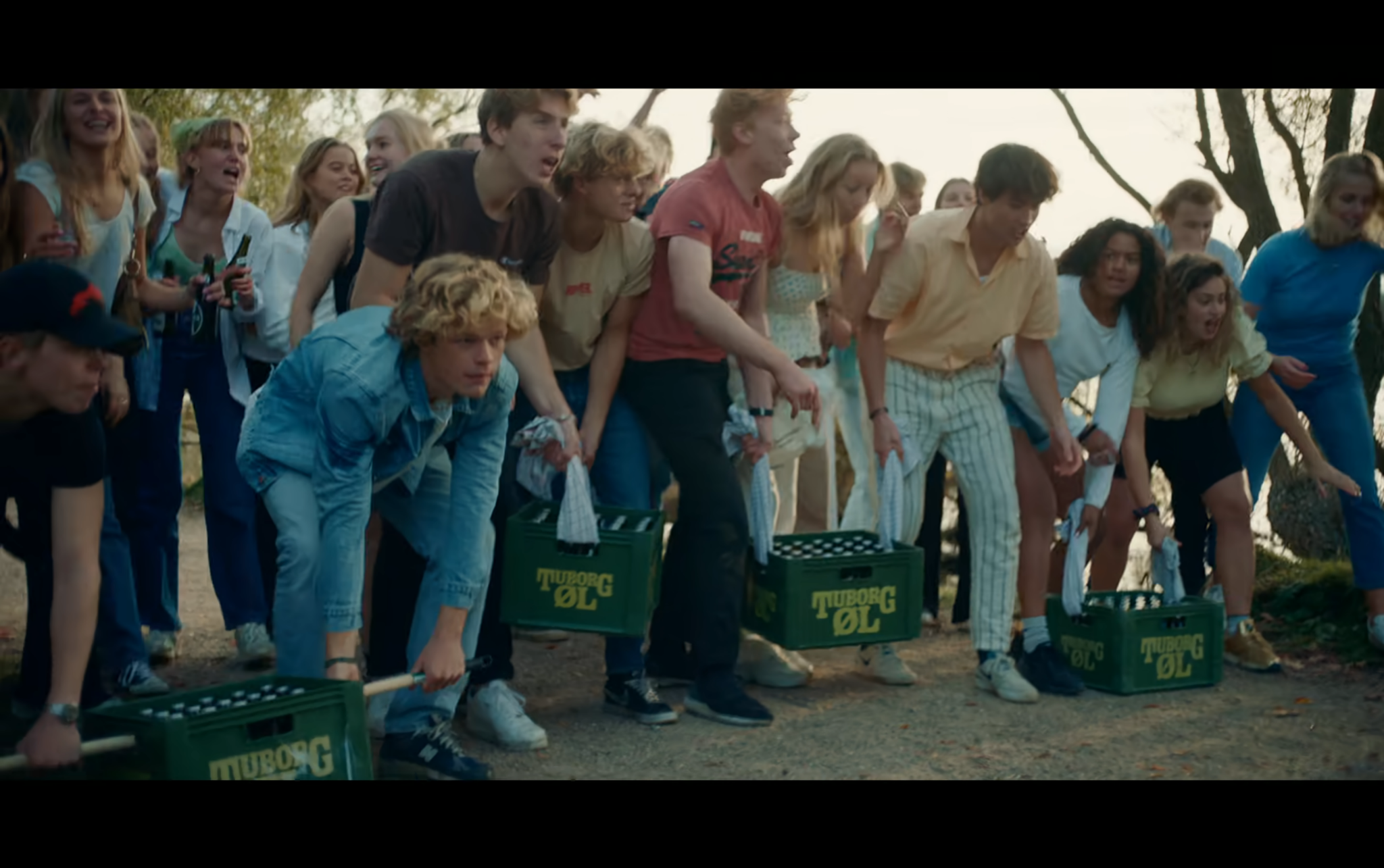
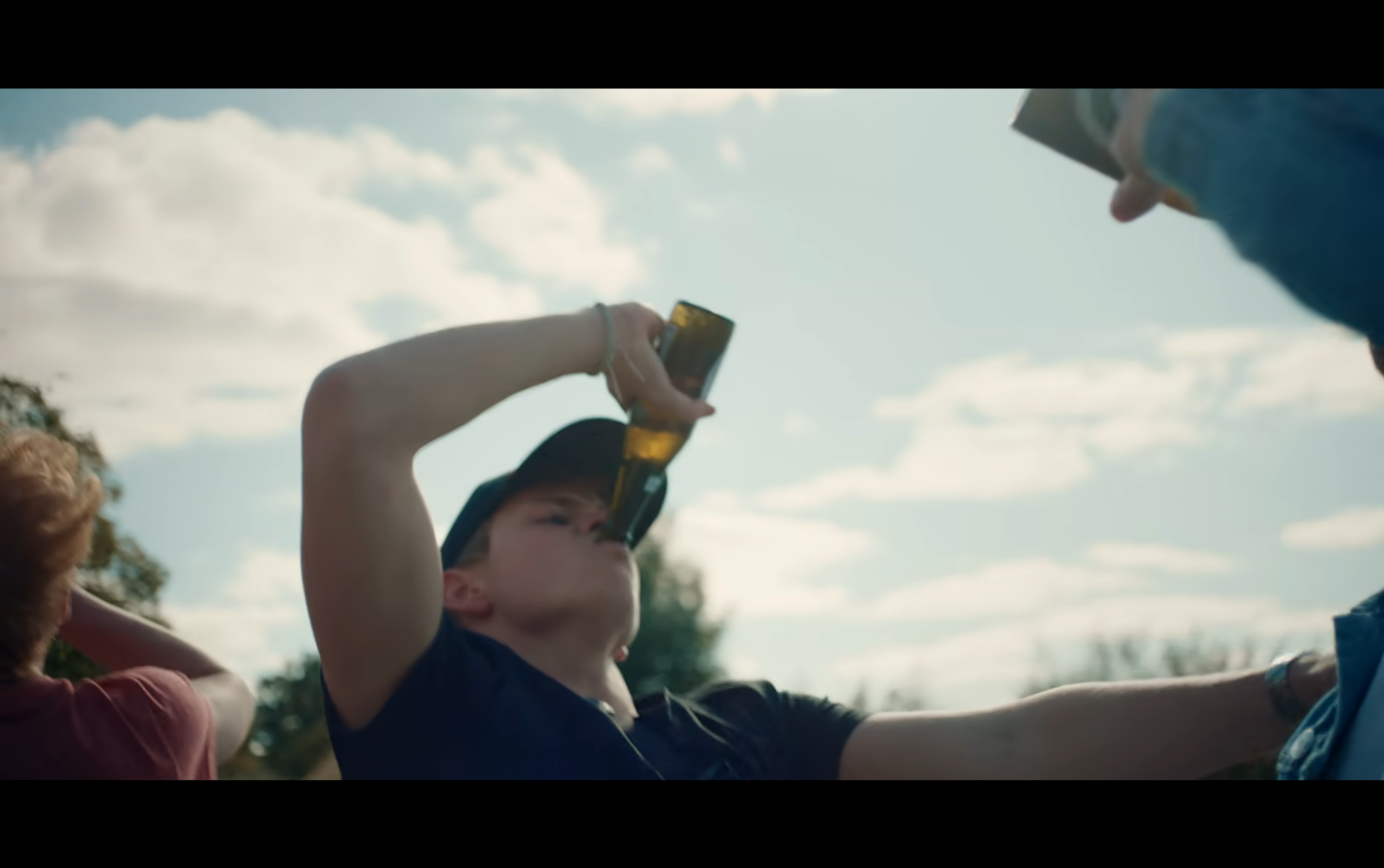
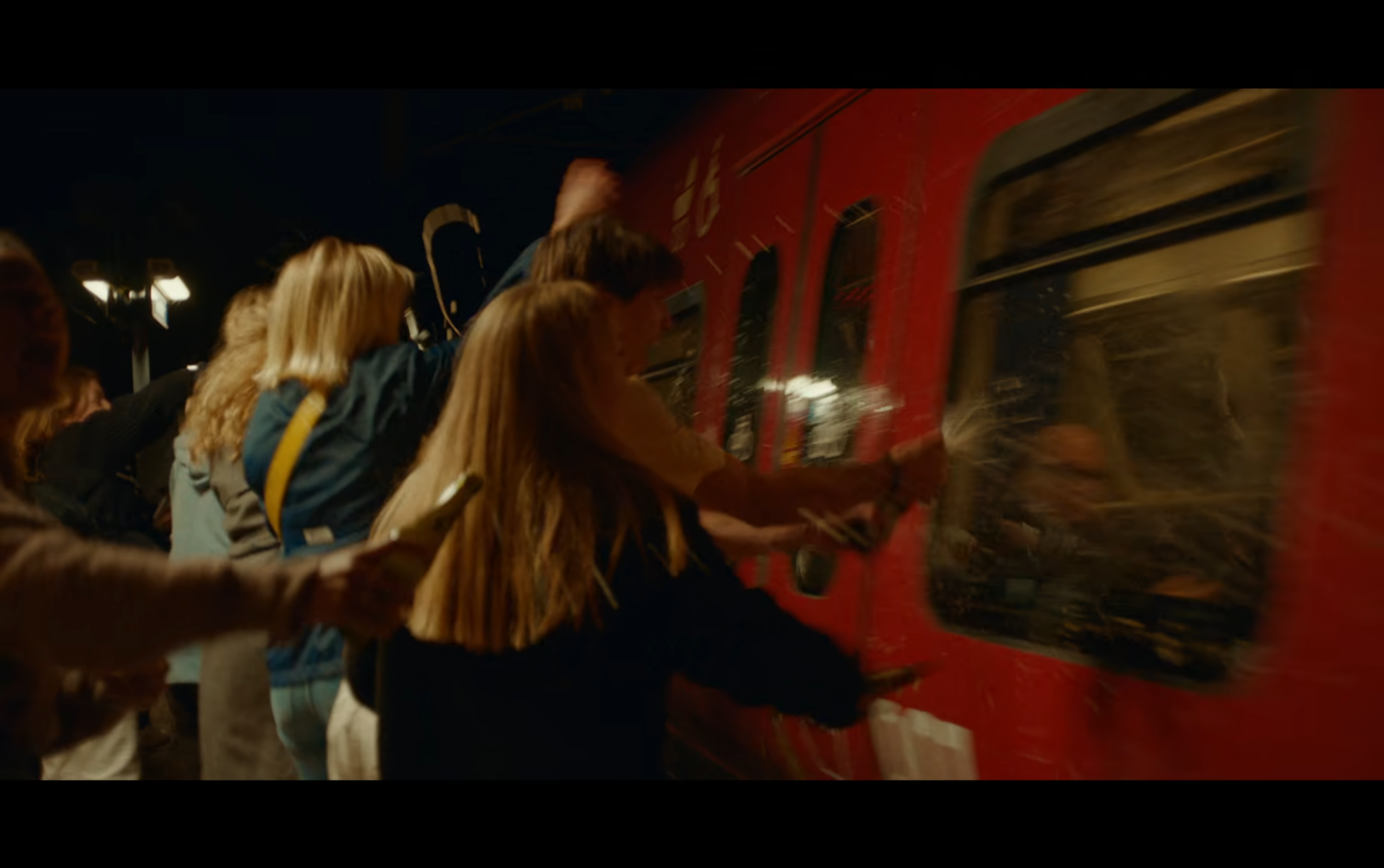
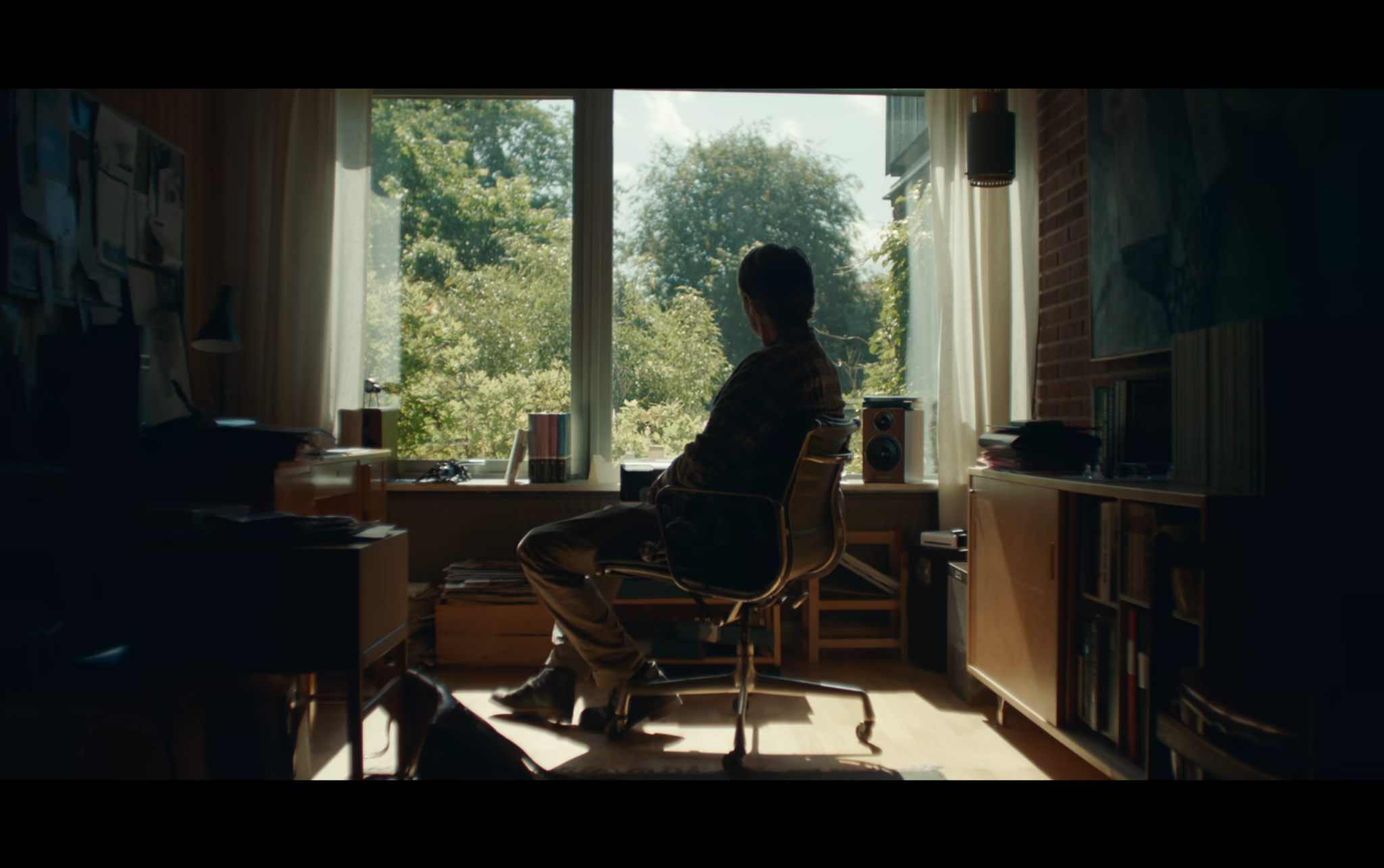
The plot starts with Mads Mikkelsen’s Martin declining to drink at a 40th birthday celebration for his fellow teacher Nikolaj (Magnus Millang). It has previously been established that he has become a shadow of his younger self:
“Too bad you’re so sensible,” says their friend Peter (Lars Ranthe). “But the question is, what’s sensible?” asks Nikolaj and leaps into an account of what he describes as a “theory” by the Norwegian philosopher and psychiatrist Finn Skårderud that “humans are born with a blood alcohol content (BAC) that’s 0.05% too low.”
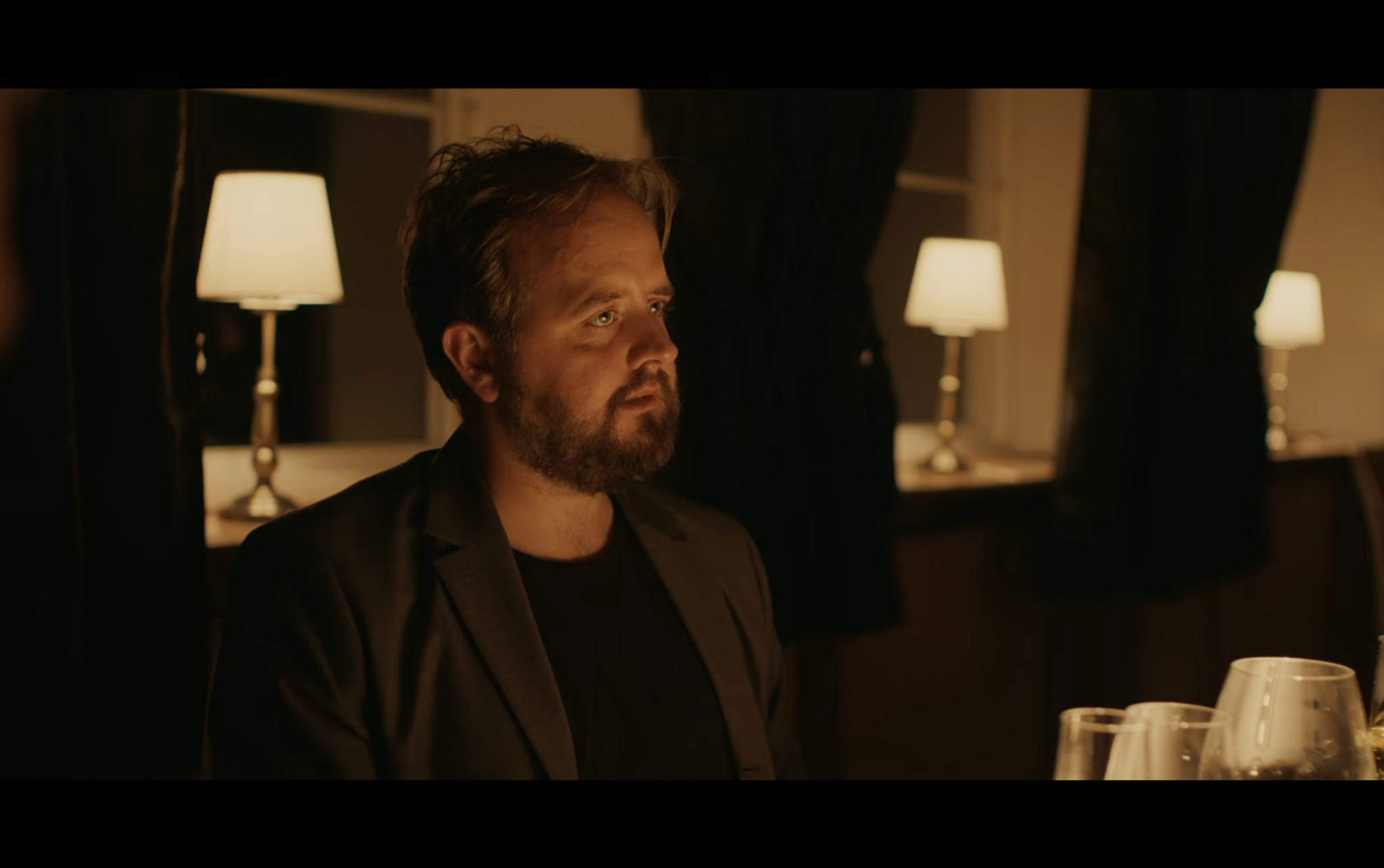
Which, Skårderud later told the Norwegian Broadcasting Corporation, is “fake news,” although he noted in the same interview that he served “as a sort of consultant” on the film at the request of director Thomas Vinterberg and characterized its depiction of drinking as “balanced.” Anyway, Martin’s resolve breaks down during a caviar service that includes vodka that per their sommelier “would put a smile on the Tsar’s face”:
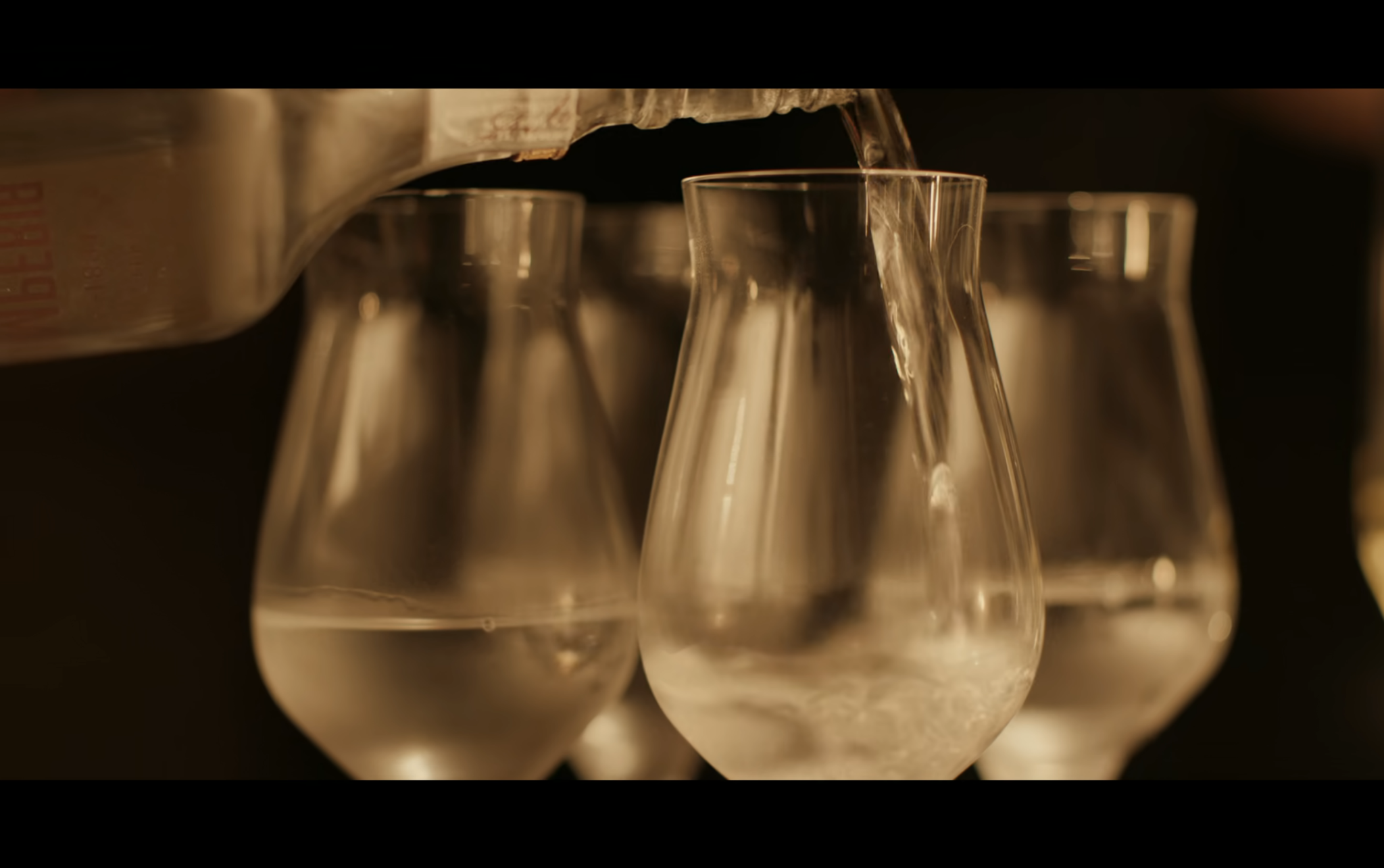
And after Nikolaj takes the liberty of ordering a “really, really good glass of wine for Martin” prior to the arrival of the main course, then another when he downs it in one gulp:
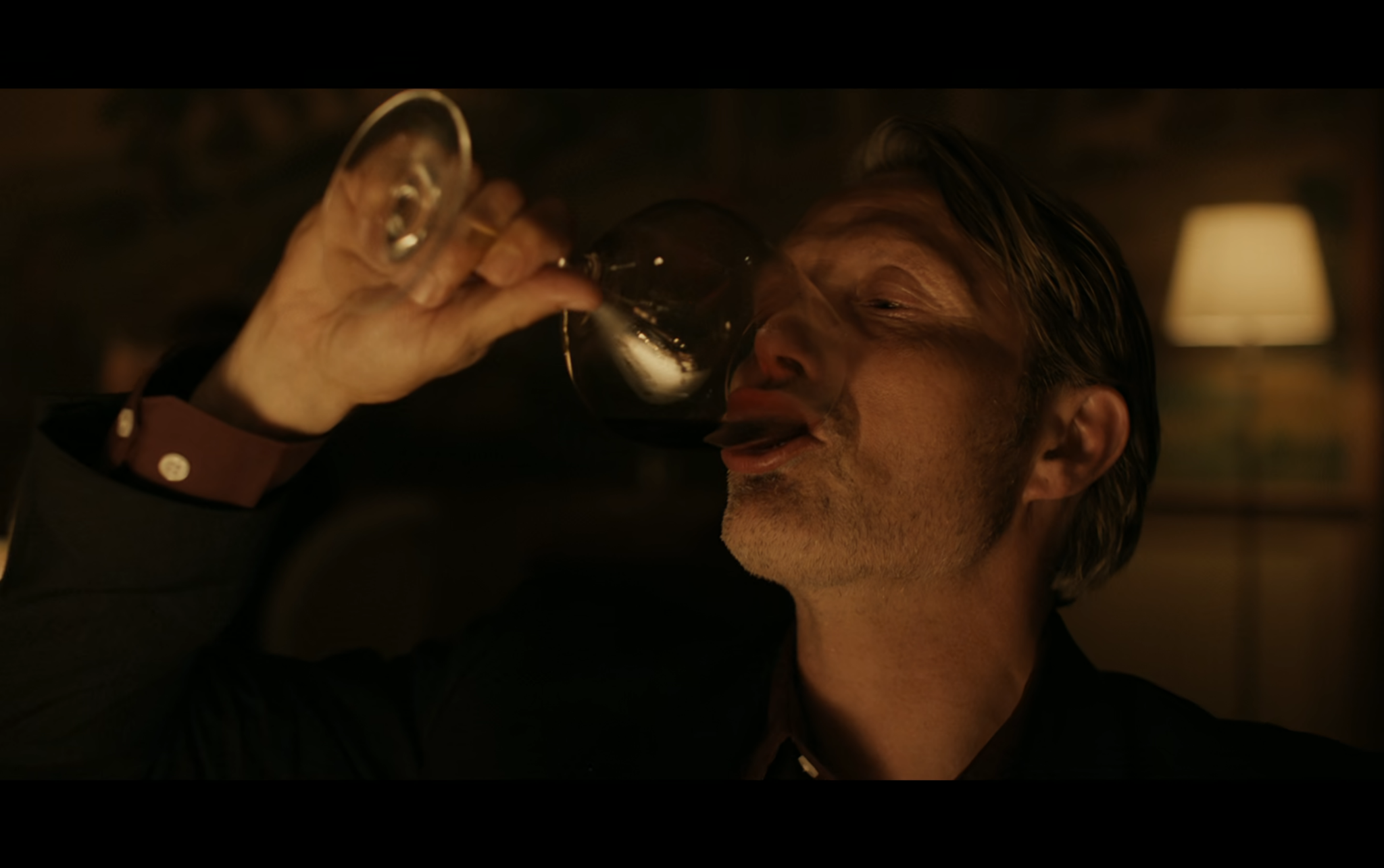
The evening turns into a bacchanal that’s more fun than he’s had in years. Martin decides to put Skårderud to the test the next weekday by bringing a fifth of Smirnoff to school:
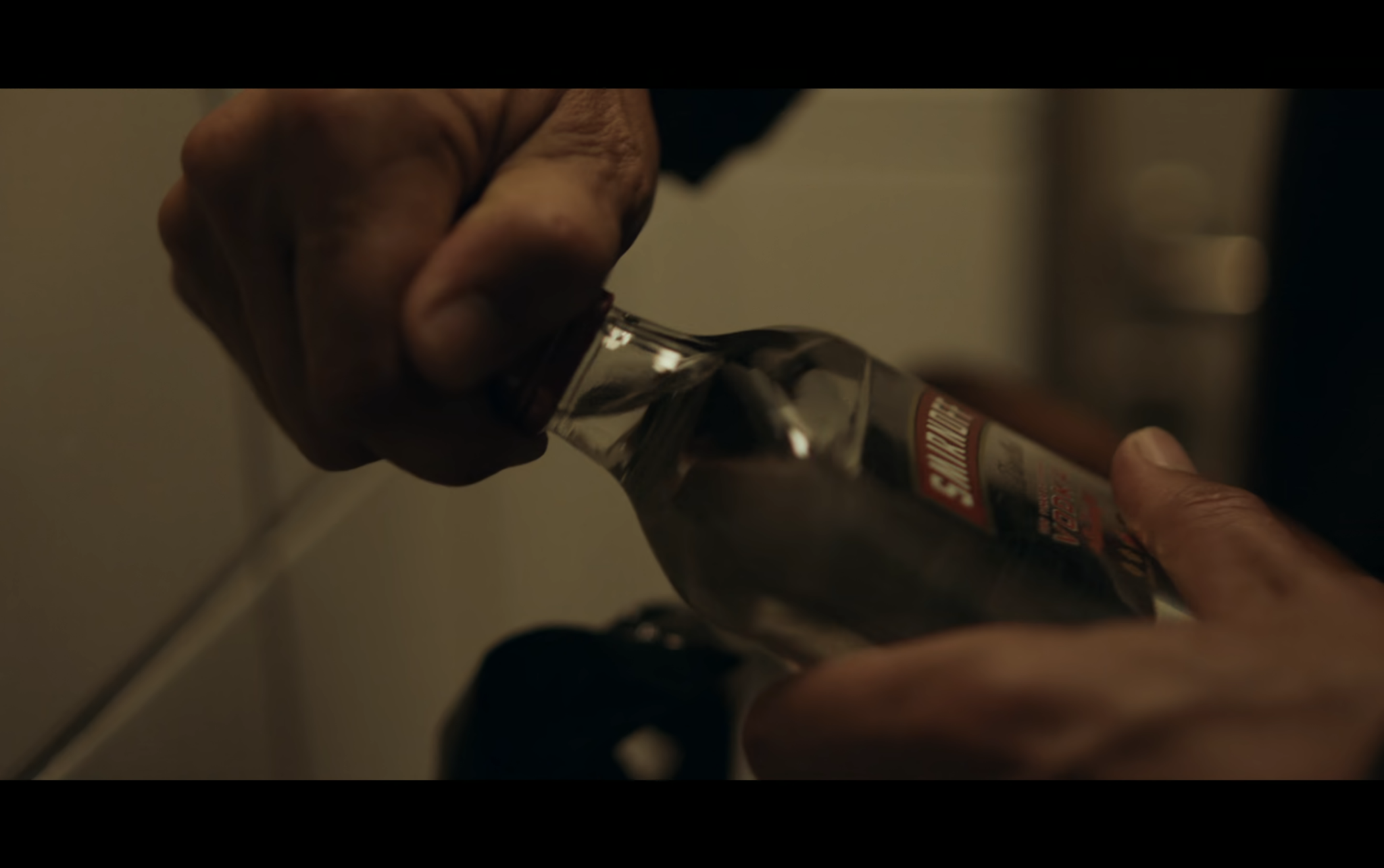
Nikolaj finds out when Martin asks him for a ride home and immediately calls Peter and their fourth dinner companion Tommy (Thomas Bo Larsen) to propose an experiment: they will drink during working hours in quantities that will help them maintain Skårderud’s supposed 0.05% BAC ideal, stopping each day at 8pm and taking weekends off, with the goal of collecting evidence of “increased social and professional performance.” They, too, decide to clothe their project in literary aspirations, although whereas for me “Drink & a Movie” was a means to the end of writing more, the “brilliant psychological essay” they are ostensibly going to produce is more transparently an academic justification for behavior their employer and families presumably wouldn’t approve of. Crucially, they also neglect to define a time limit like I did early on, and thus fail to pace themselves, first increasing their target BAC to .1% on a very flimsy pretext, and then impulsively deciding to “examine the entire spectrum of alcohol” by deliberately drinking to the point of “total oblivion,” which has predictable results:
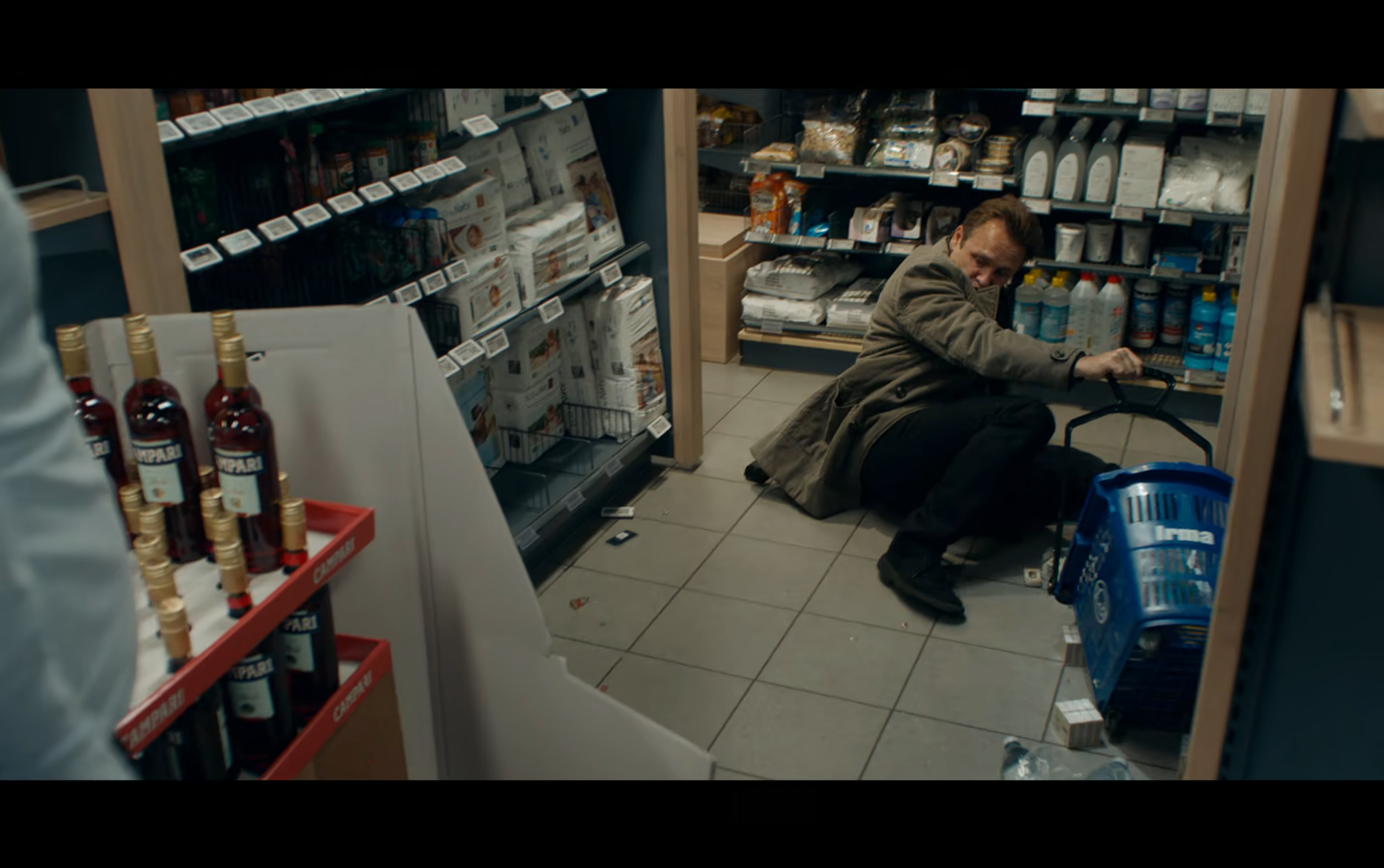
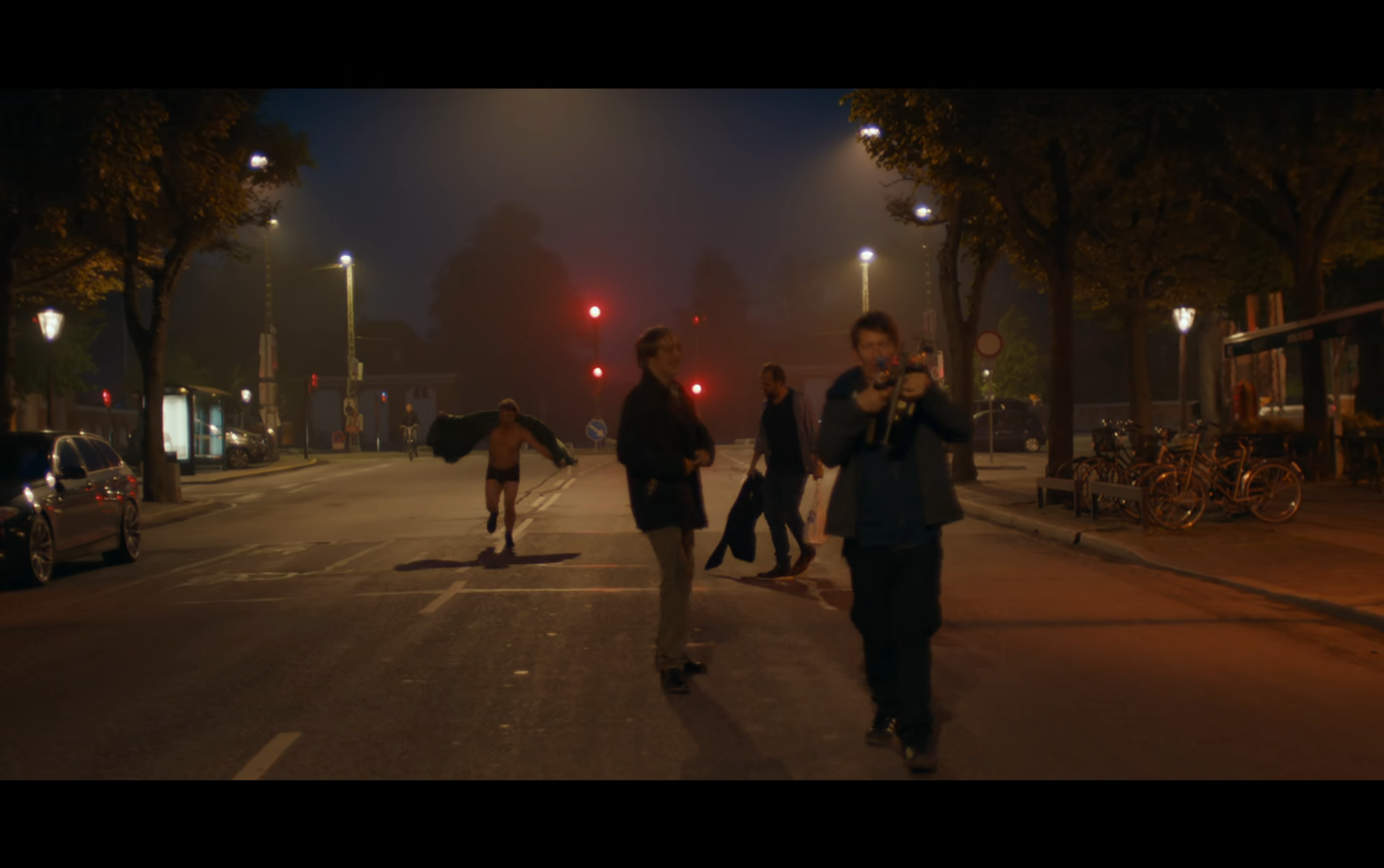
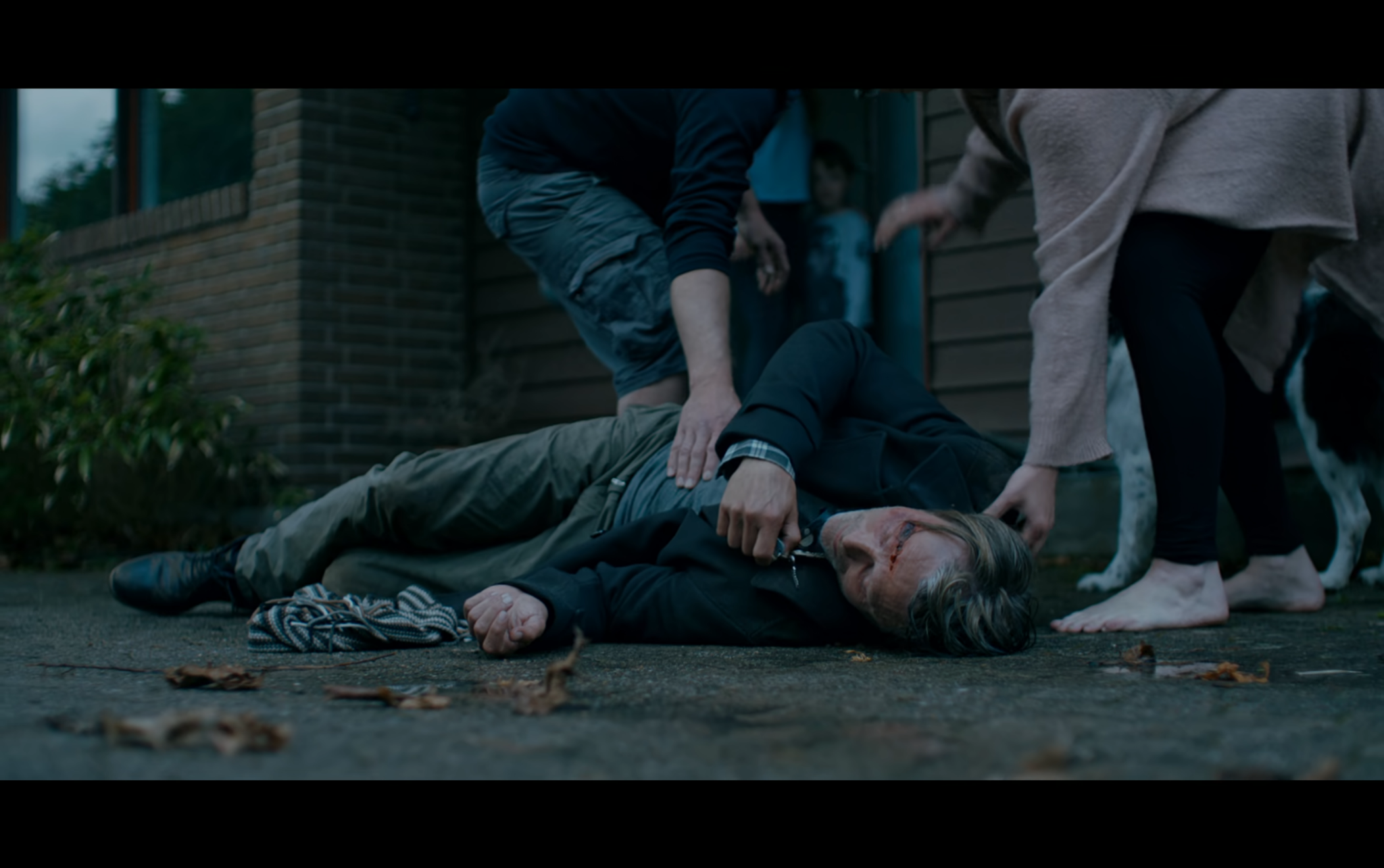
My project never got out of hand like this, but I definitely was ready for it to be over long before it was scheduled to end. While my intention was never to quit for good, I hope I haven’t ever come off like Anders Mossling’s asshole art gallery owner from The Love That Remains, who ruins a business lunch by droning on and on about a research study that he claims proved that it was healthy to drink up to an entire bottle of wine a day, but remains virtually unknown because its findings are “politically incorrect.”
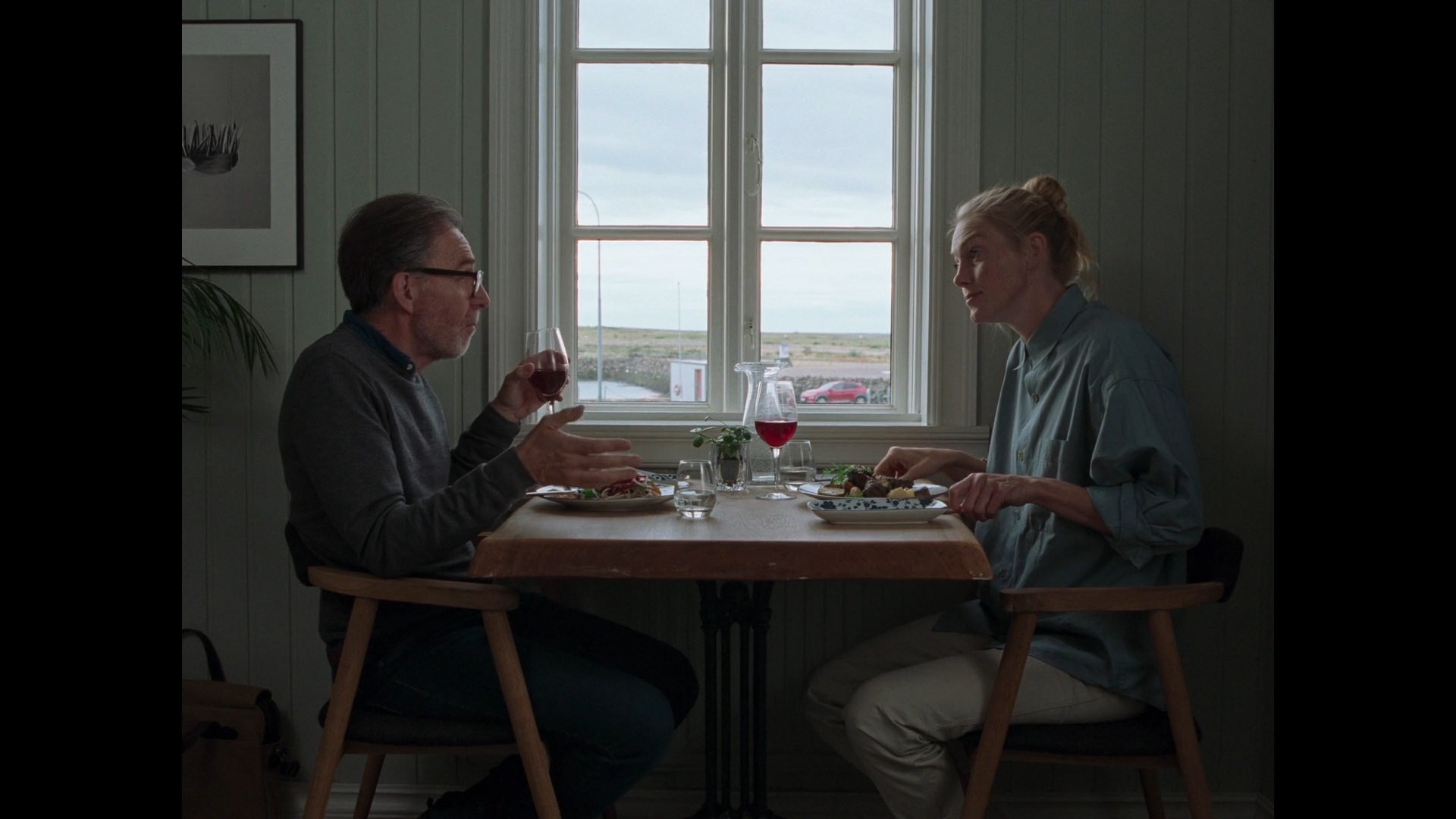
Alcohol is a vice, and much the same way that I don’t see a contradiction between betting on sports while supporting increased regulations, I’m glad to see society continuing to grow out of self-destructive norms like those depicted in the mid-century period piece Propeller: One-Way Night Coach:
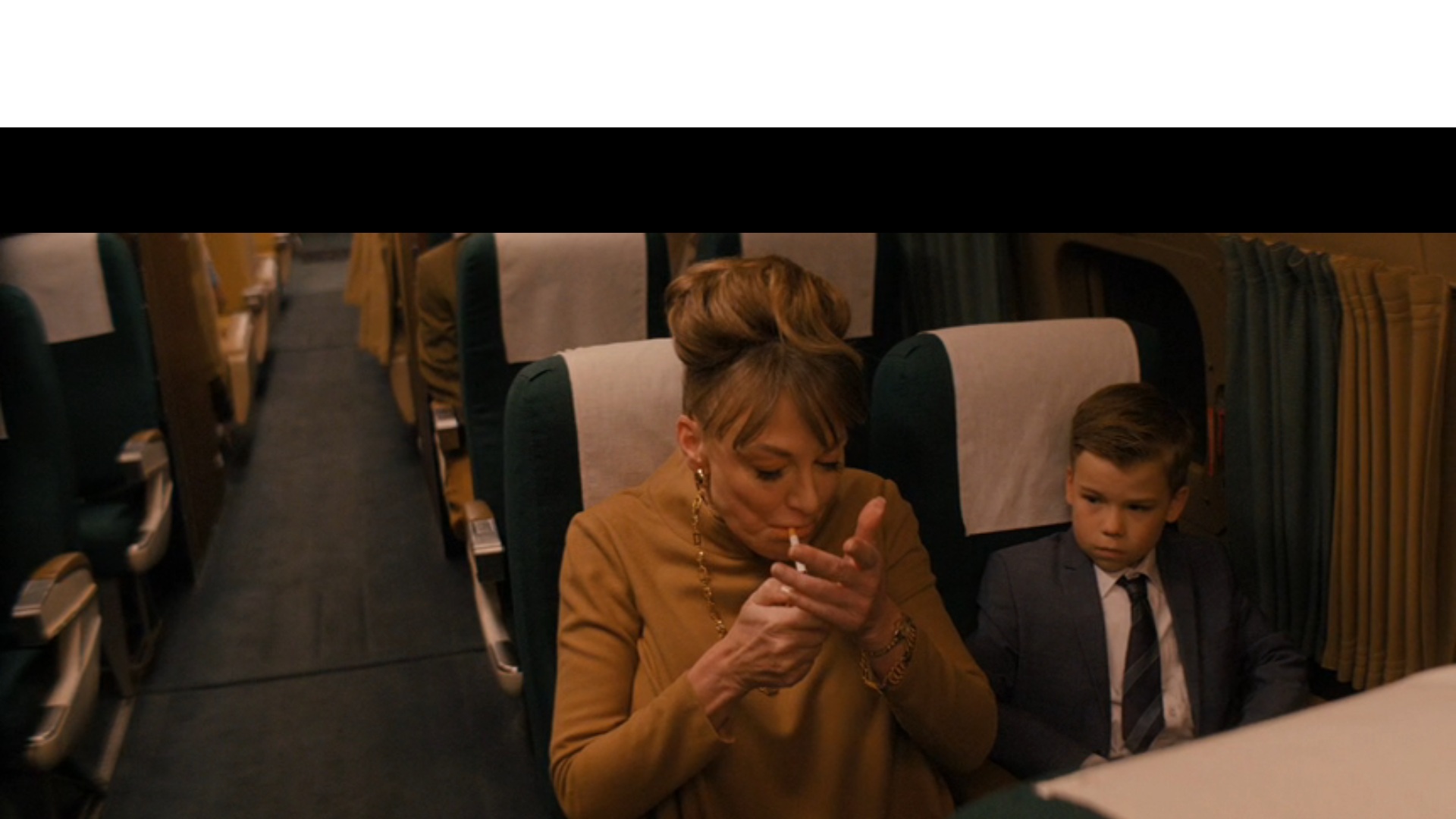
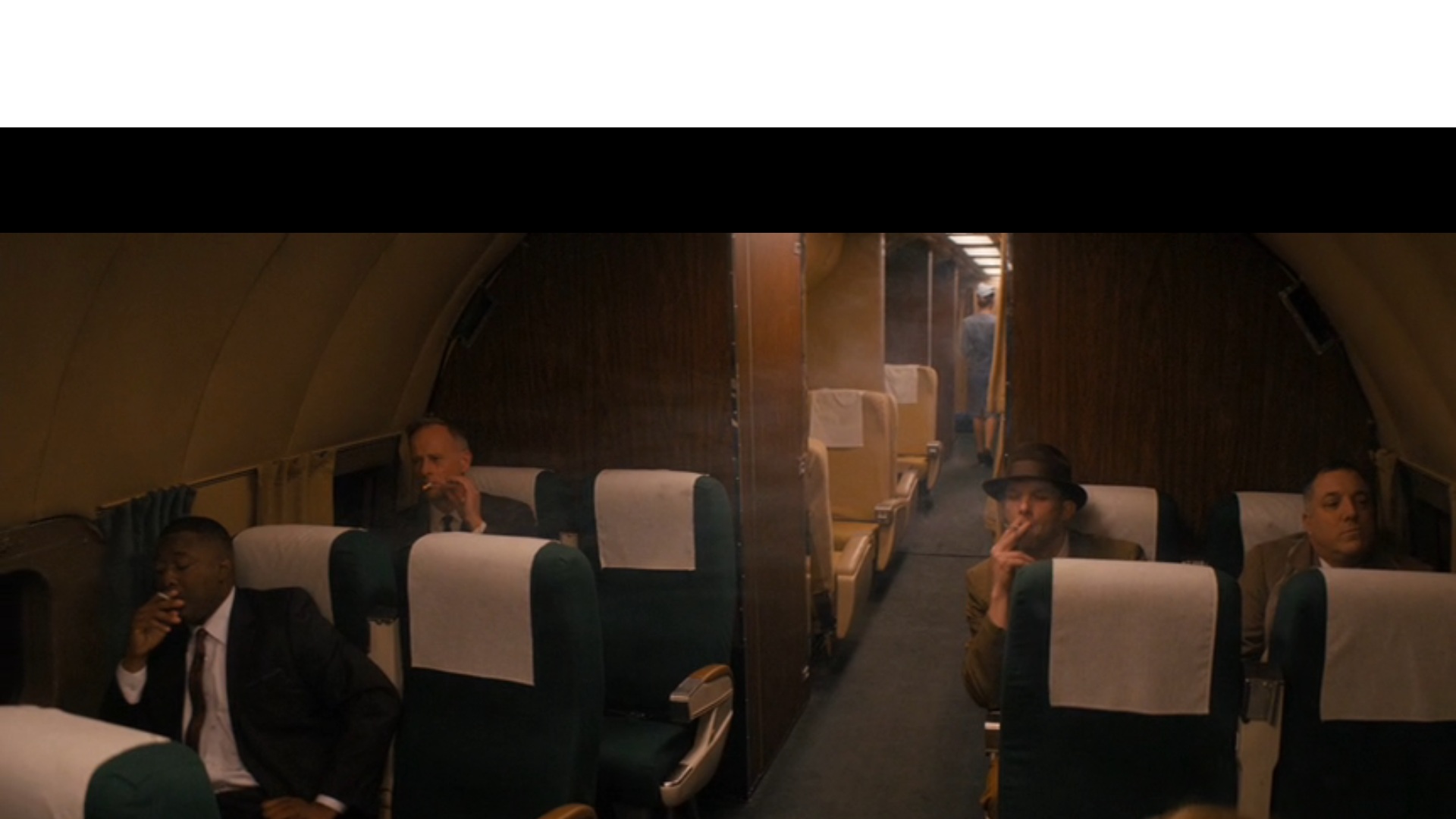
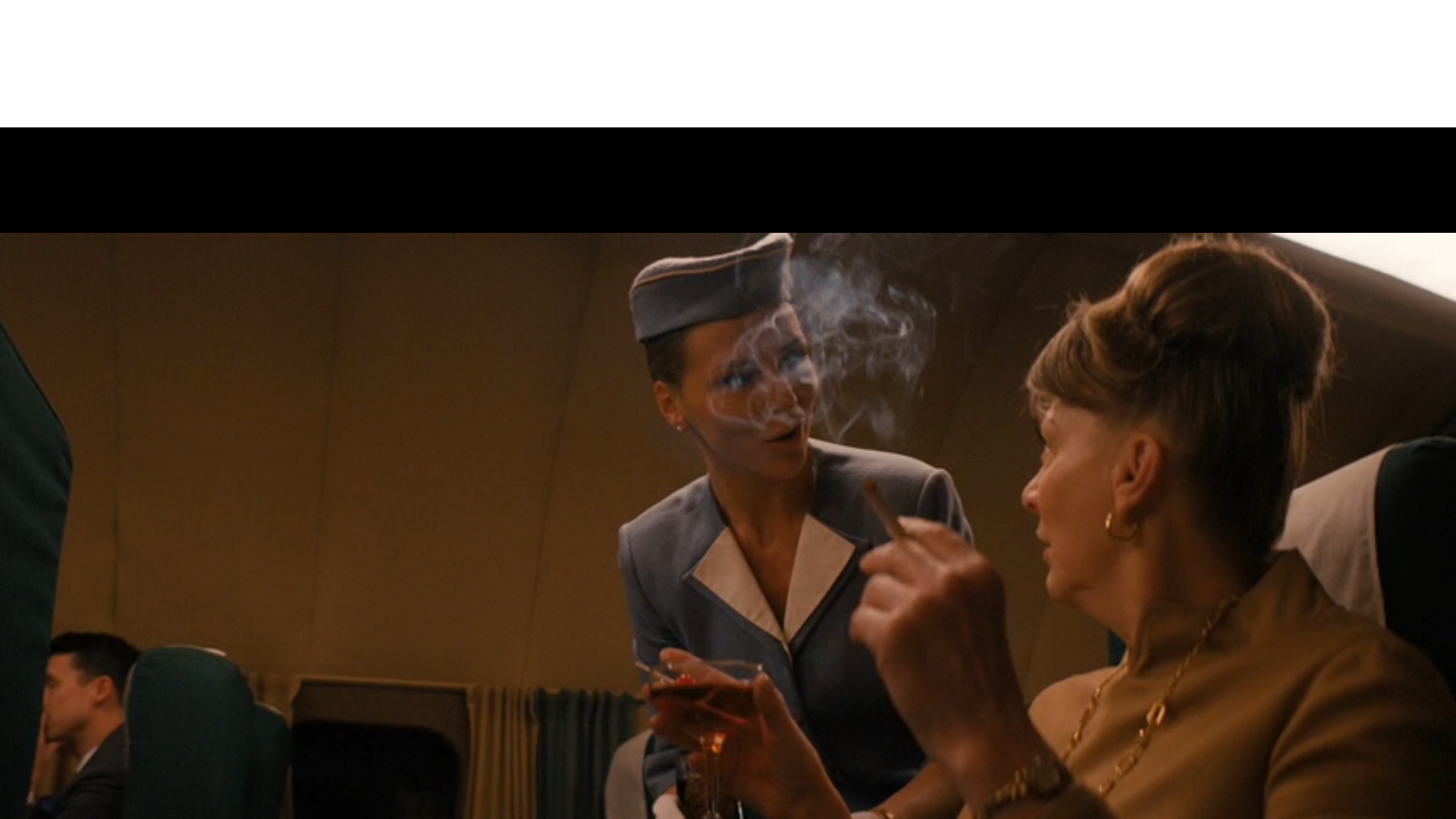
Even as I’m envious of the drink service Kelly Eviston-Quinnett’s Helen receives while flying coach:
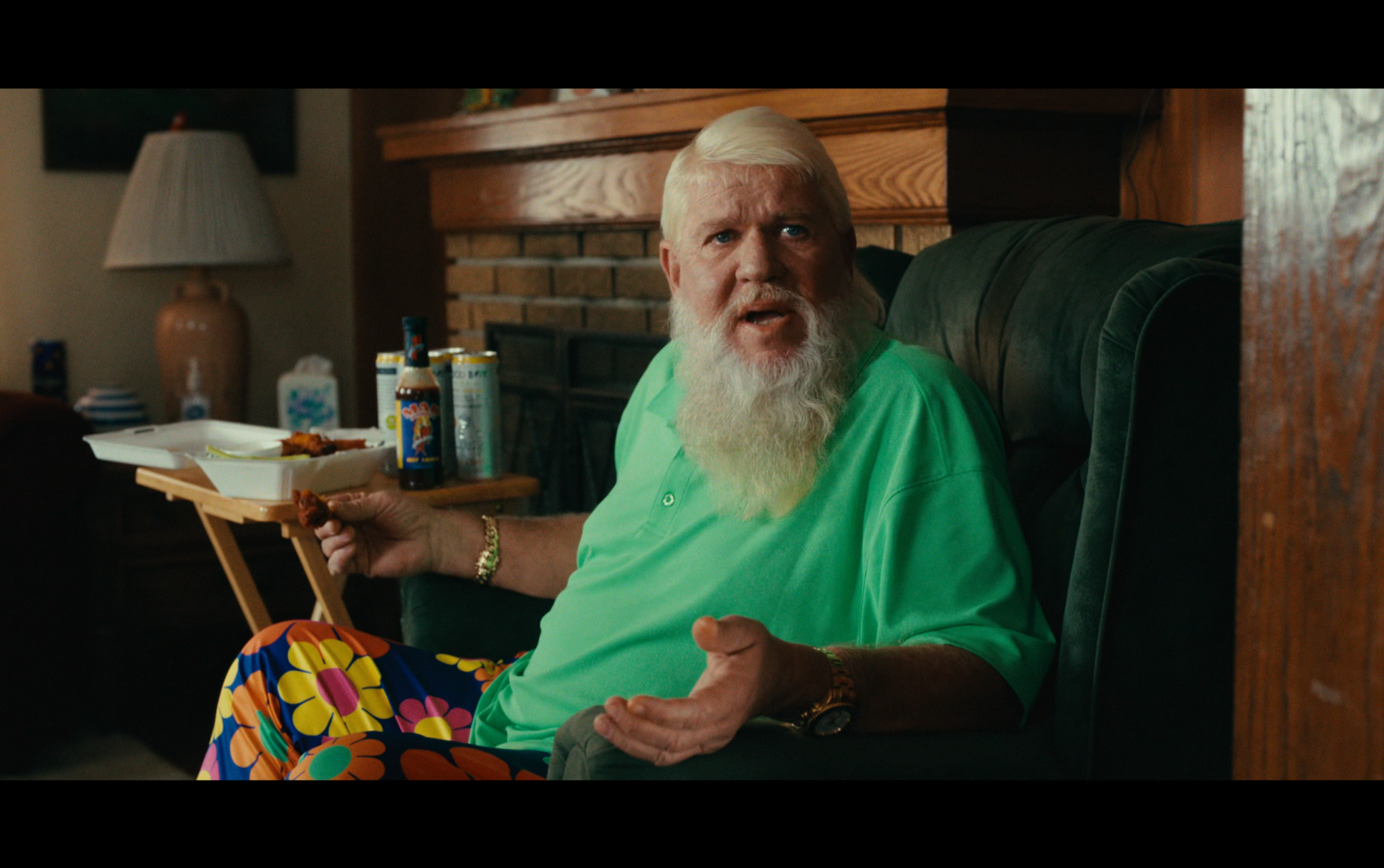
Just because I choose to drink doesn’t mean I feel the need to make a virtue out of it or that I’m entitled to do so whenever and wherever I want! After all, the main lesson my time off taught me is that much more of my caloric intake from alcohol than I ever imagined was truly “empty” in the sense that it wasn’t coming from beverages I prepared for myself because I wanted them, but rather ones I made simply as a result of not having anything better to do. What drove this home for me was a scene from Happy Gilmore 2. Adam Sandler’s titular protagonist has retired from golf and started drinking as an escape from accidentally killing his wife Virginia (Julie Bowen) with an errant drive. Forced to stop after an incident involving public drunkenness, he takes the sport back up again to earn money to put his daughter (Sunny Sandler) through ballet school when John Daly (who is hilarious playing himself) convinces him that it will be worth all the practice time required to shake off the rust by arguing, “what else are you going to do, sober boy? You can’t drink no more.”
I also discovered that not having the option of making a cocktail regularly led to me doing something completely unrelated and useful, such as going for a run. Again and again I’d find myself thinking, “I’d normally be drinking right now, but I don’t miss it.” Abstinence just as often resulted in me choosing to go with a sugary soft drink instead, though, and as Tony Leung and Sylvester Groth’s characters find in Silent Friend, there’s a lot to be said for the way booze can make boredom itself productive:
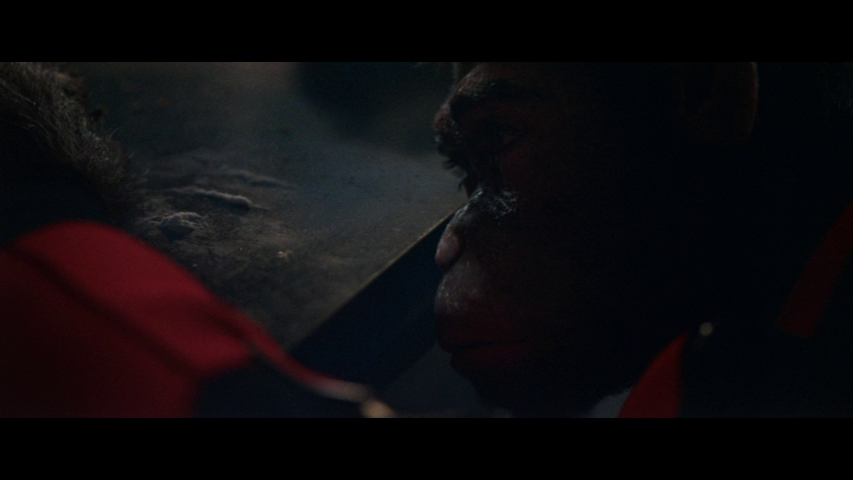
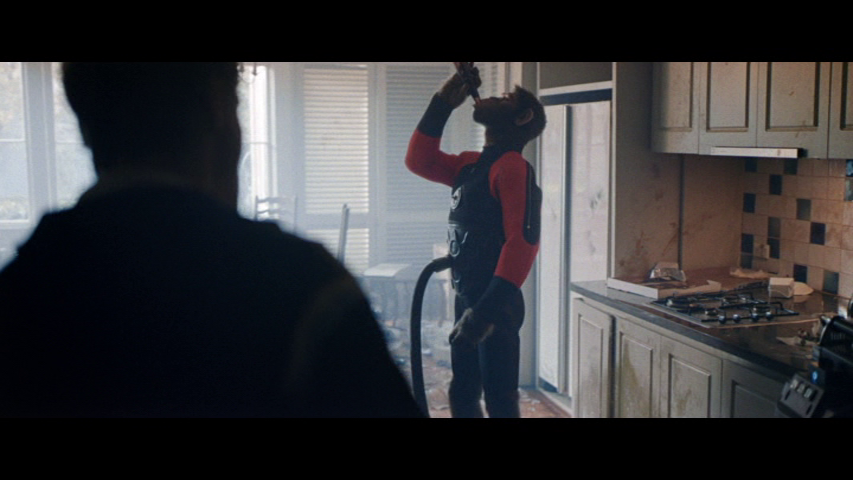
The main thing, I think, is not to deceive oneself, which is a note for the people behind the camera, too. François Truffaut famously once told Gene Siskel that “every film about war ends up being pro-war,” and to pick on a movie I like, the “Come Undone” sequence from Better Man is a good demonstration of how trying to make drinking look dangerous always carries the risk of portraying it as tragically glamorous instead:
To its credit, the film does course-correct by depicting Robbie Williams’ rock bottom as, in the words of Clint Worthington, “a monkey weeping over lines of coke while dressed in a space-age fat-sucking vacuum suit”:
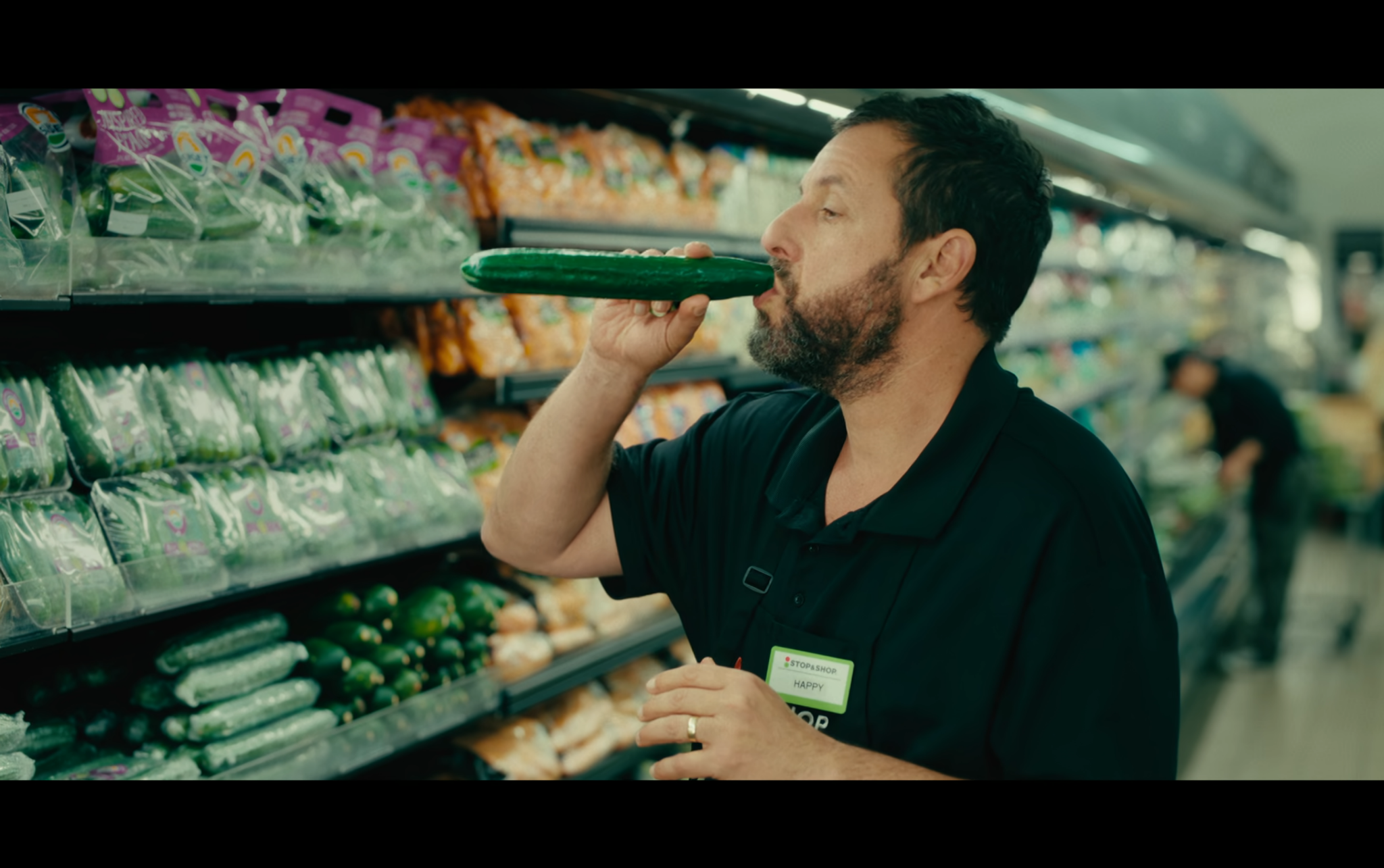
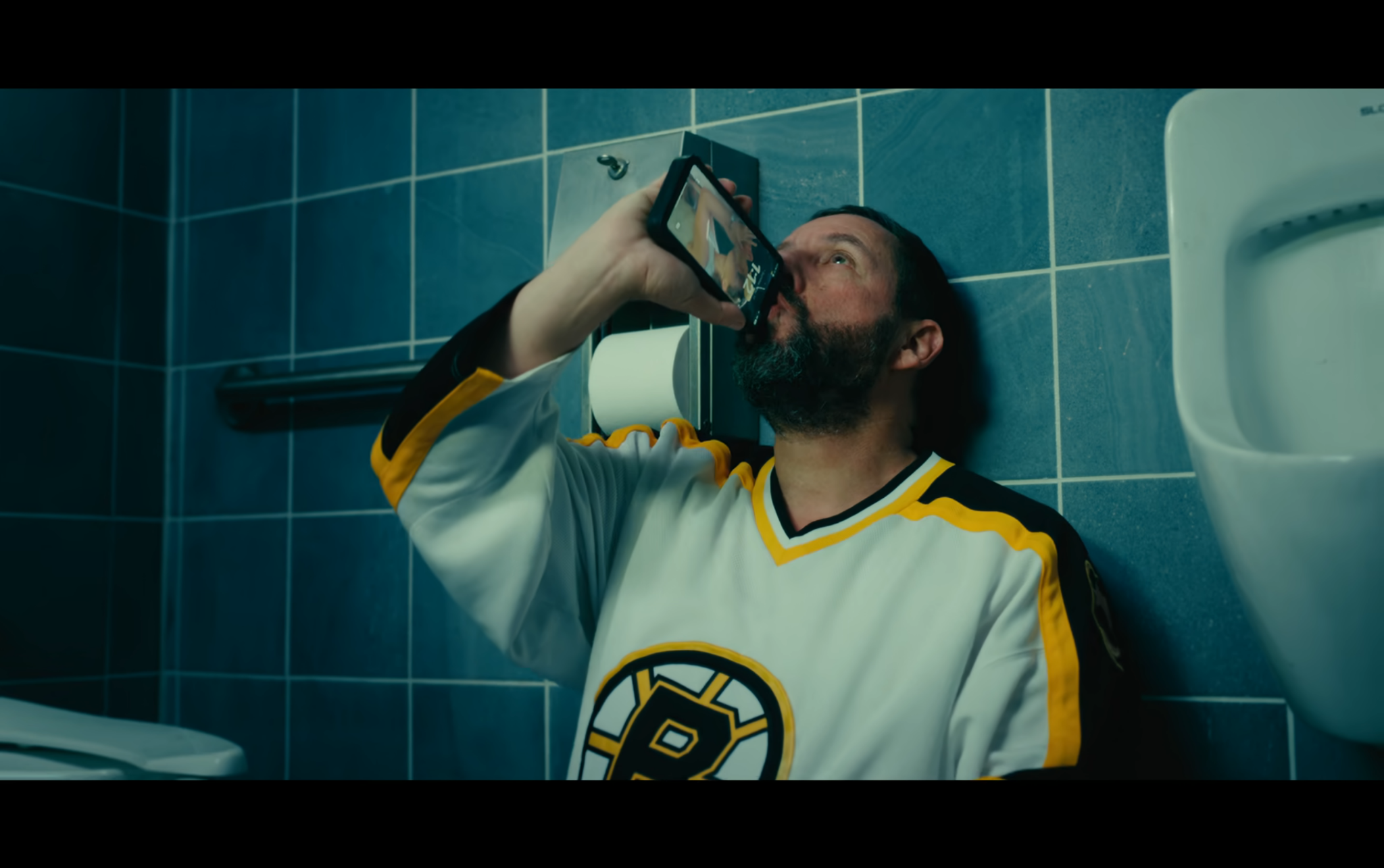
Much the same way that Happy Gilmore 2 chooses to make its hero’s problem drinking into a running joke about how he can turn literally anything into a flask:
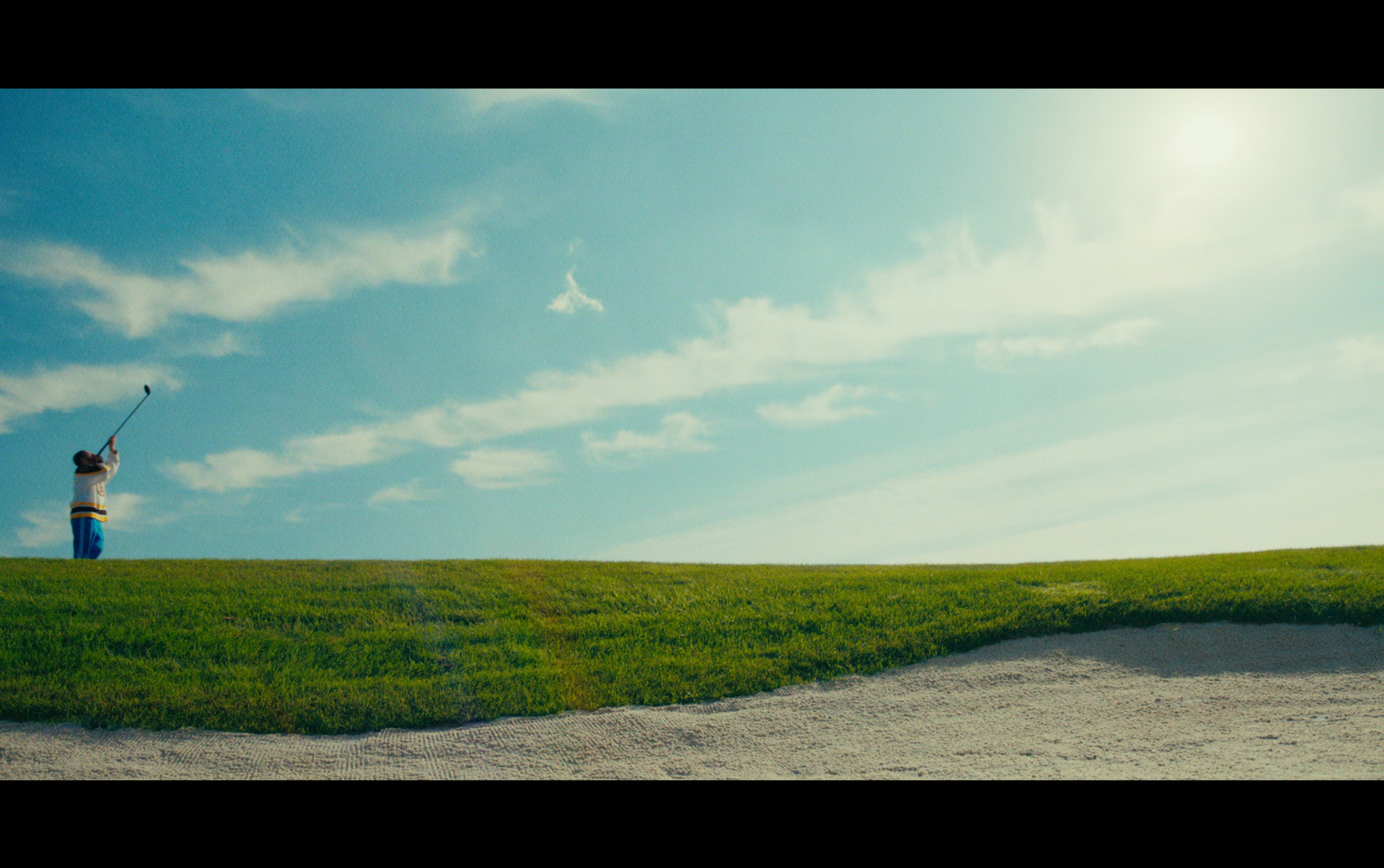
But while I absolutely do not mean to argue that the topic should be considered off-limits for any movie that chooses to tackle it, I am intrigued by the way Power Ballad replaces the spirits that would typically lead to its hero questioning his life choices with non-alcoholic beer, which pointedly renders booze irrelevant.
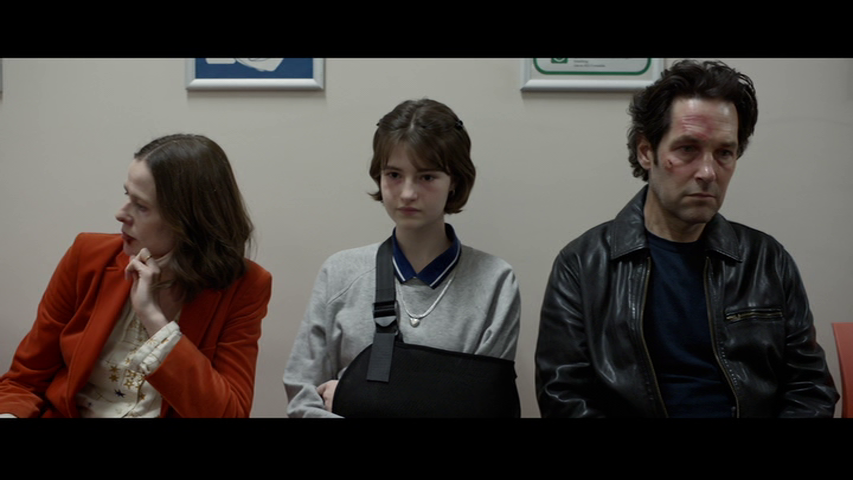
Such scenes are perhaps best saved for ones that take substance abuse as their actual subject, like If I Had Legs I’d Kick You, which channels Cormac McCarthy’s post-apocalyptic novel The Road in a cautionary tale I now take even more to heart about how there’s a proper time and a place to imbibe. That whole movie can be read as a feature-length gloss on these two sentences: “he’d found four quarts of bonded whiskey still in the paper bags in which they’d been purchased and he drank a little of it in a glass with water. It made him dizzy before he’d even finished it and he drank no more.” The argument of Legs being that when the time and place are never and nowhere like they are for Rose Byrne’s Linda, that’s a problem with the world, not any individual trying to live within it.
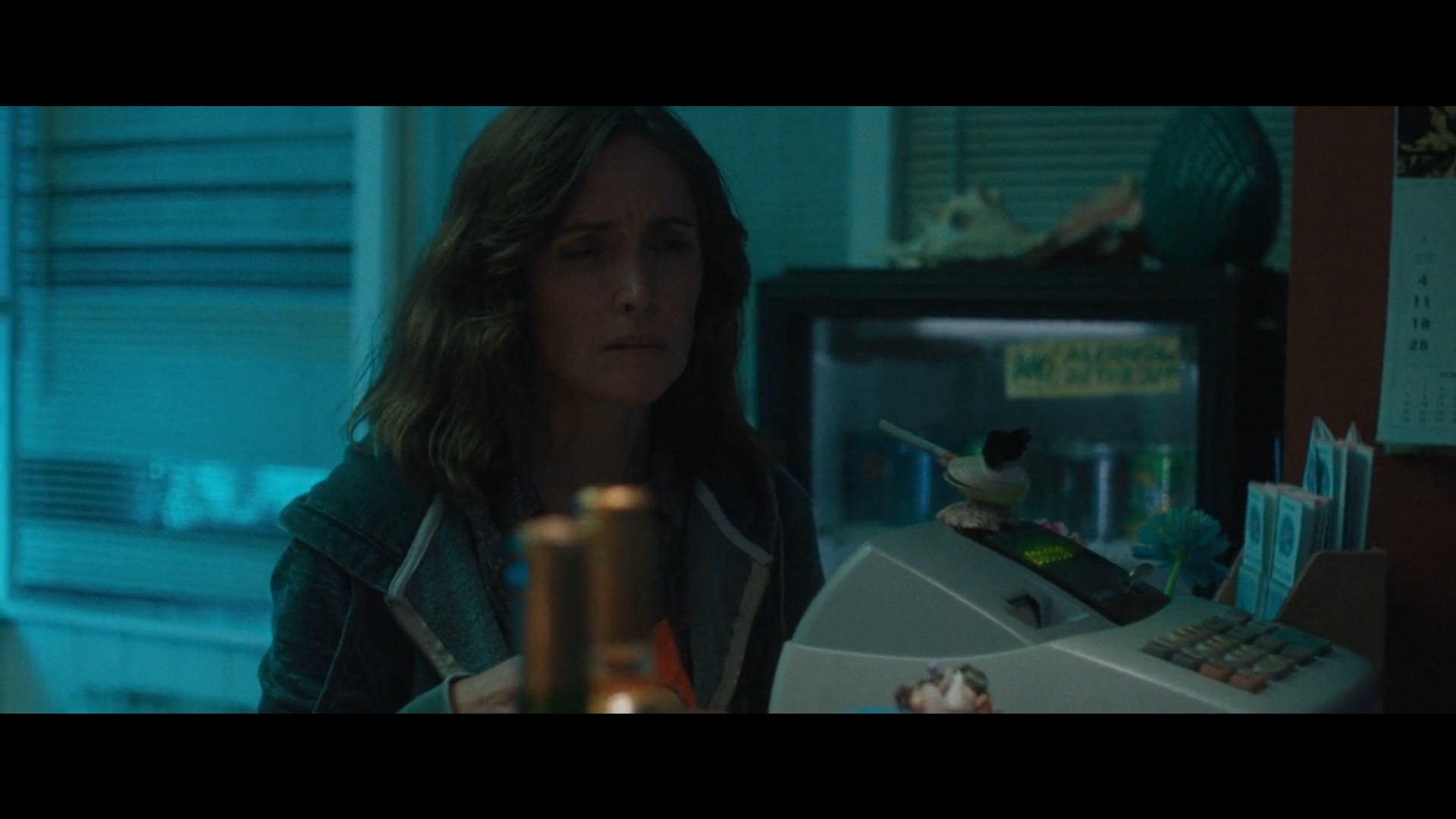

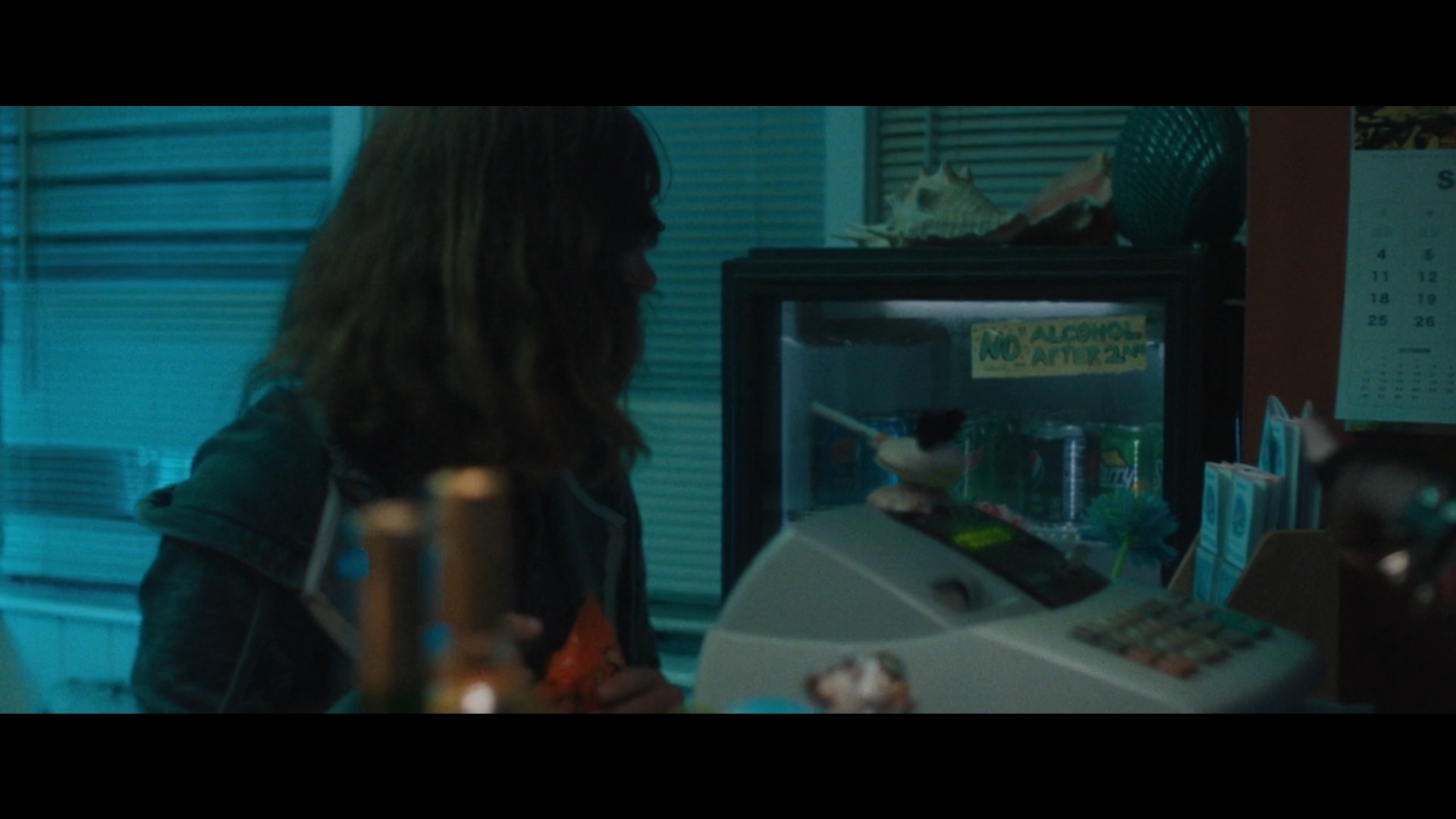
This thankfully isn’t the case for me, but even though my kids are getting older and don’t require constant attention like Linda’s daughter, I’m finding myself waiting until after they go to bed to fix a drink now that I’m no longer conditioned to head straight to our bar as soon as I hear the clock strike five. After all, as director Paul Feig said to the BBC last year, cocktails are one of the great perks of the adult world.
That word “adult” brings us back to Another Round and the binge-drinking youths it begins with. Supergirl similarly starts out with Milly Alcock’s Kara getting plastered as a rite of passage:

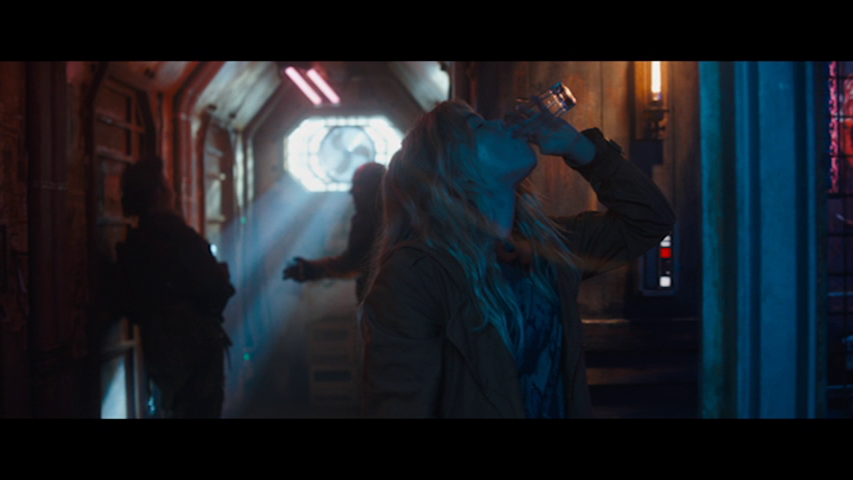

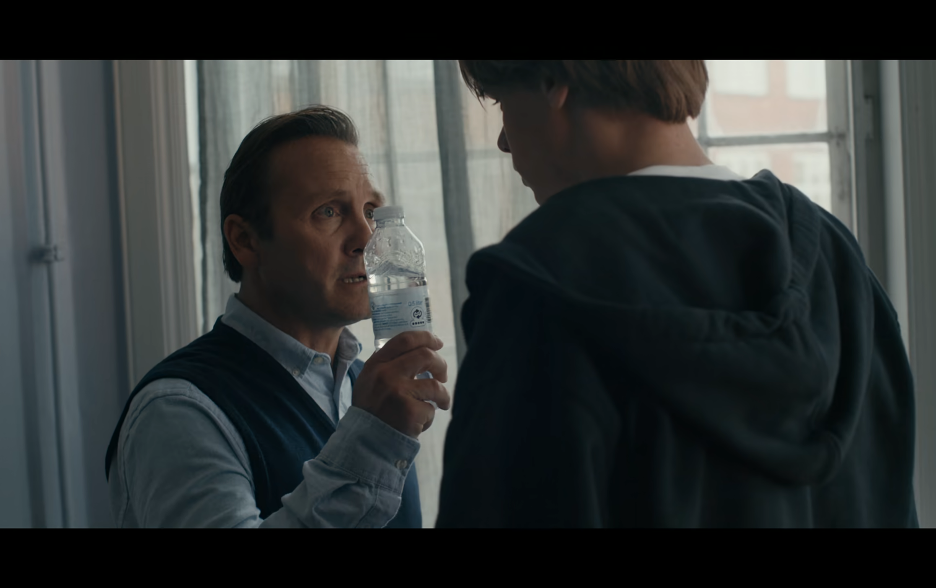
But where the only real consequences for her are hangovers that she can easily shake off with a shot of yellow sun, Martin and his pals represent a range of eventual outcomes for their students. Nothing all that bad ever happens to Peter, and he even helps a student pass his oral exams by irresponsibly (“don’t make a habit of it,” he says) encouraging him to take swigs from a bottle of “water” to calm his nerves:
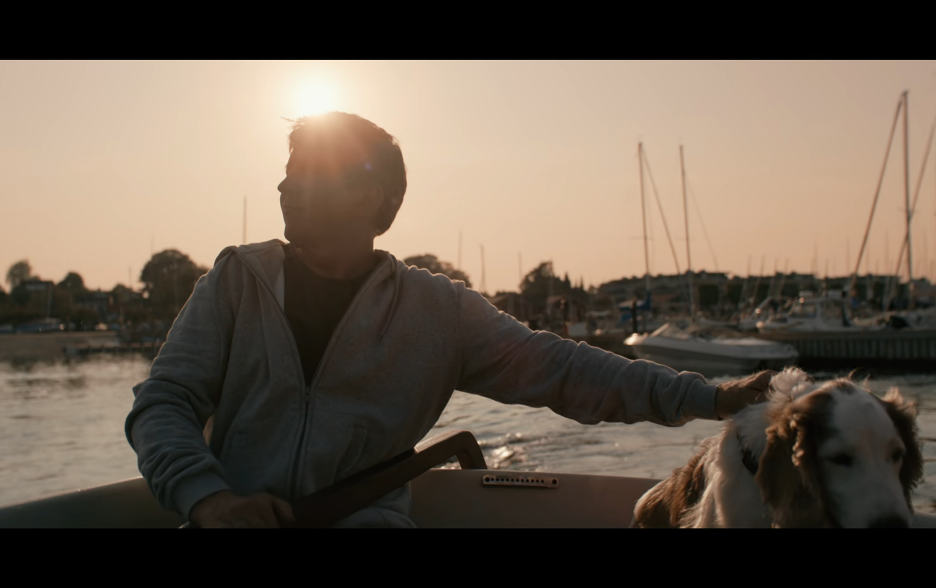
On the other side of the spectrum is Tommy, who meets the same fate as Icarus:
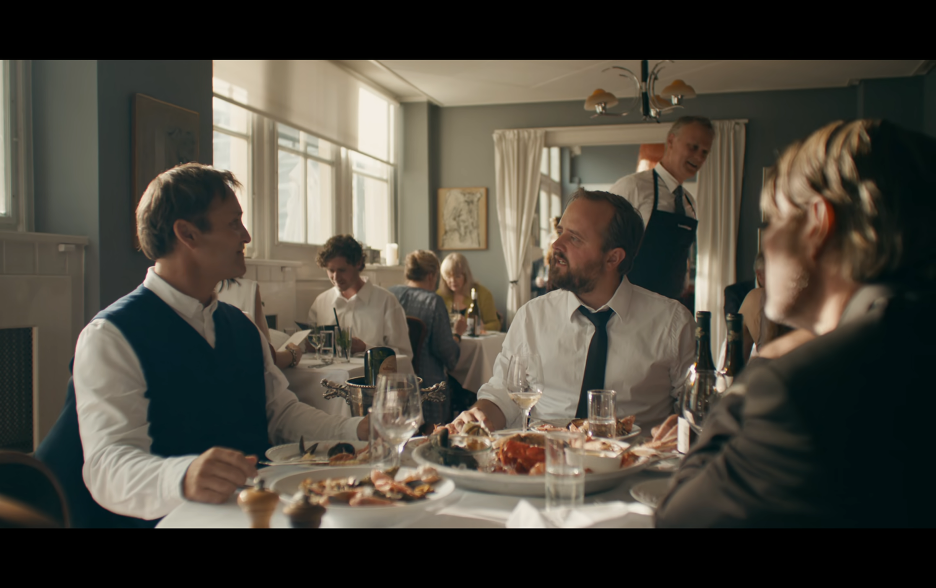
Nikolaj’s incontinence leads to a separation, but he reports that in its aftermath he and his wife “have a new kind of connection”:
While Martin progresses in the opposite direction, first rekindling his own marriage and career, but then pushing his wife away and falling back into a malaise at work when the buzz wears off:
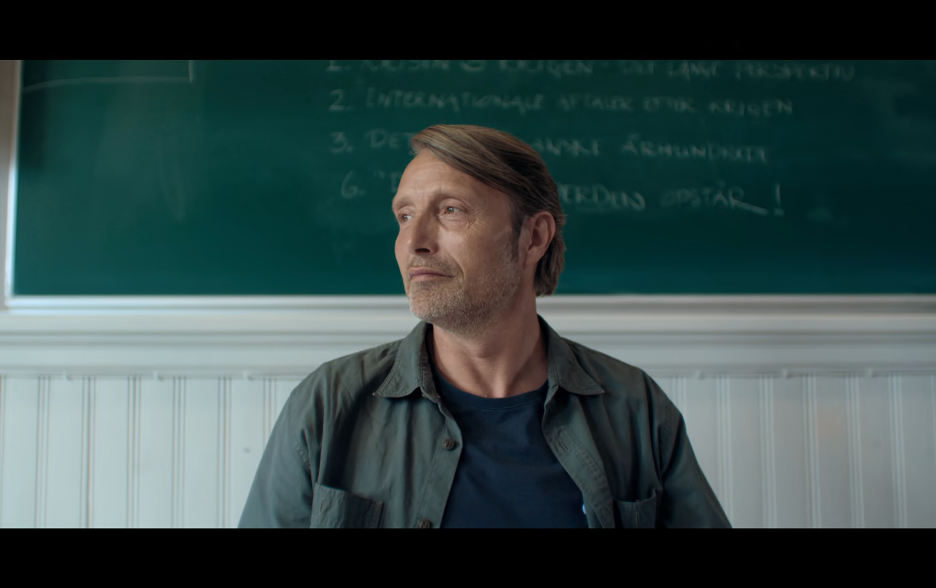
The movie concludes with him receiving a series of texts from her that say “I miss you too . . . a lot,” though, indicating that hope is far from lost.
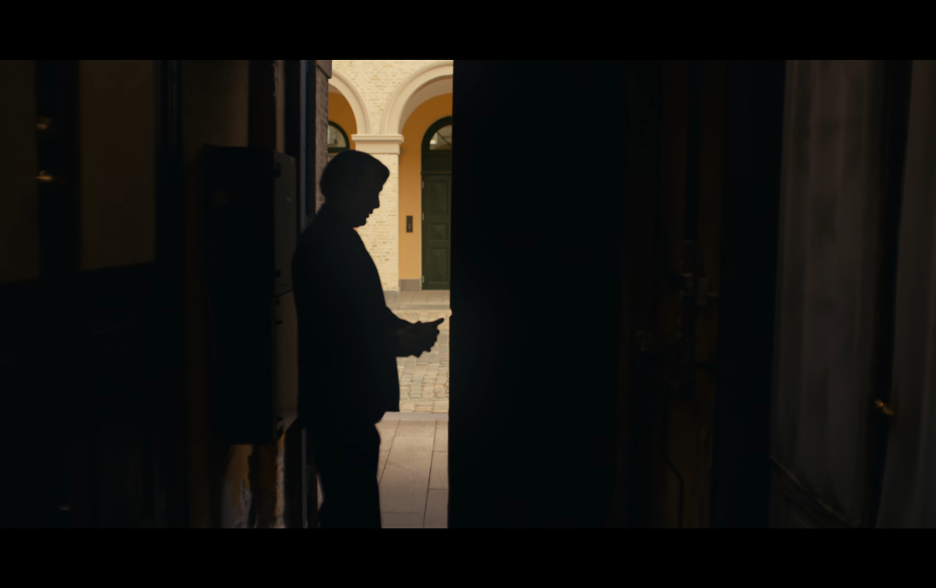
In these final moments he reminds me a bit of Ralph Fiennes’ David Henninger from The Forgiven, who accepts an ice-cold beer from Mourad Zaoui’s previously skeptical butler Hamid as a reward for what they both see as a “noble gesture,” agreeing to accompany the father (Ismael Kanater) of the Berber fossil hunter he ran over with his car on a voyage to bury the boy in the deserts of southern Morocco where he was born. Along with the shirt David purchases on the way back and wears to dinner that night:
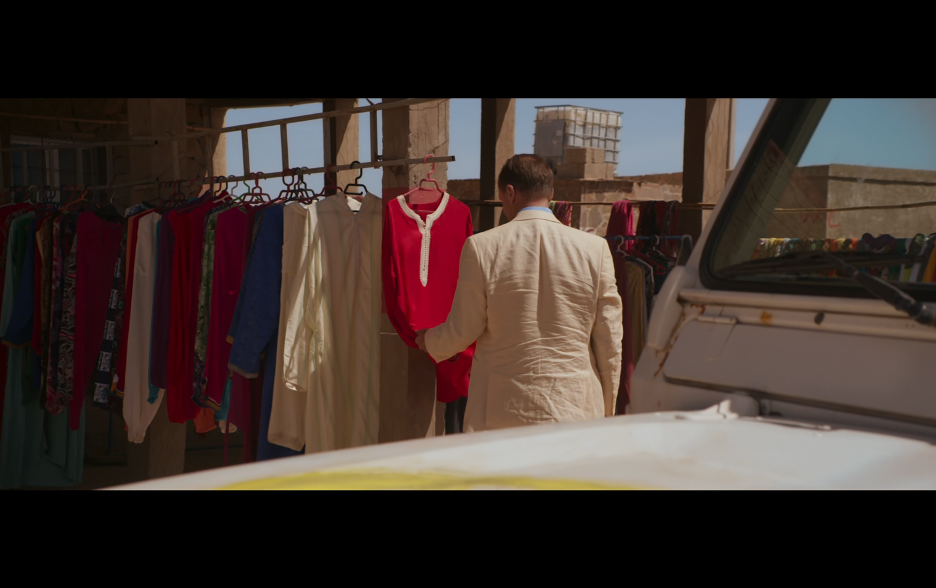
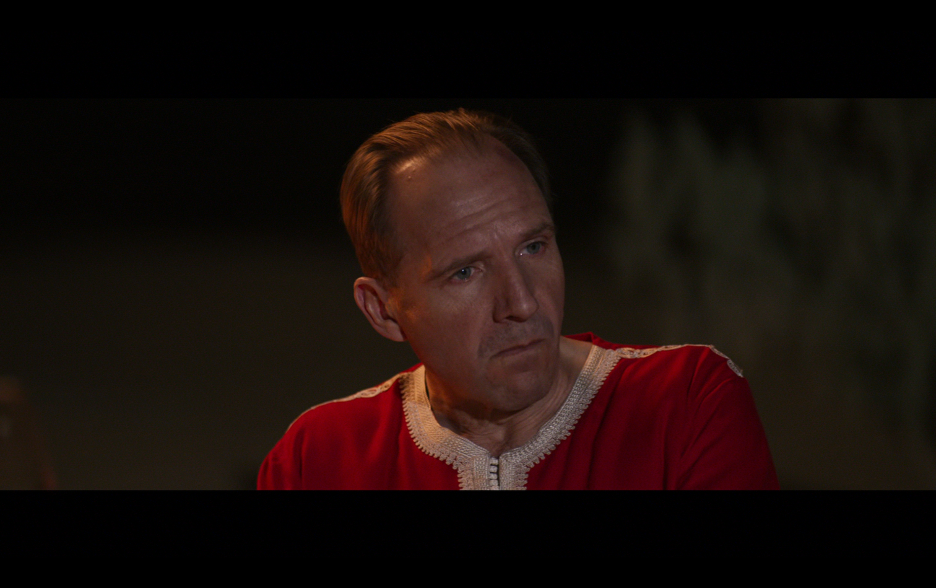
The greedy satisfaction he takes in this pint does a pretty amazing job of capturing the decidedly uncinematic note that Lawrence Osborne finishes the novel that the film was adapted from on: “it never occurred to him why he had not been forgiven, because he had forgiven himself.”
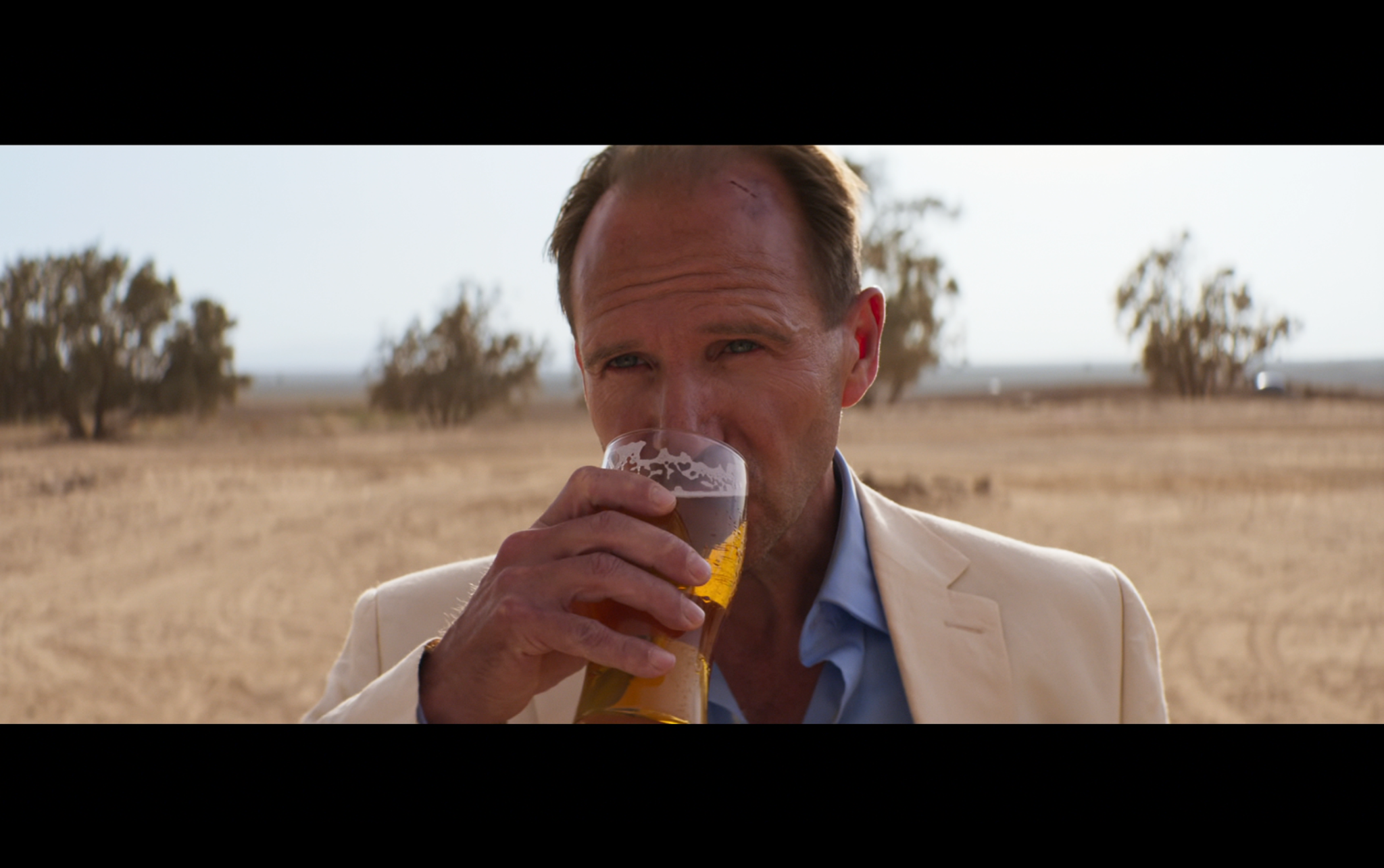
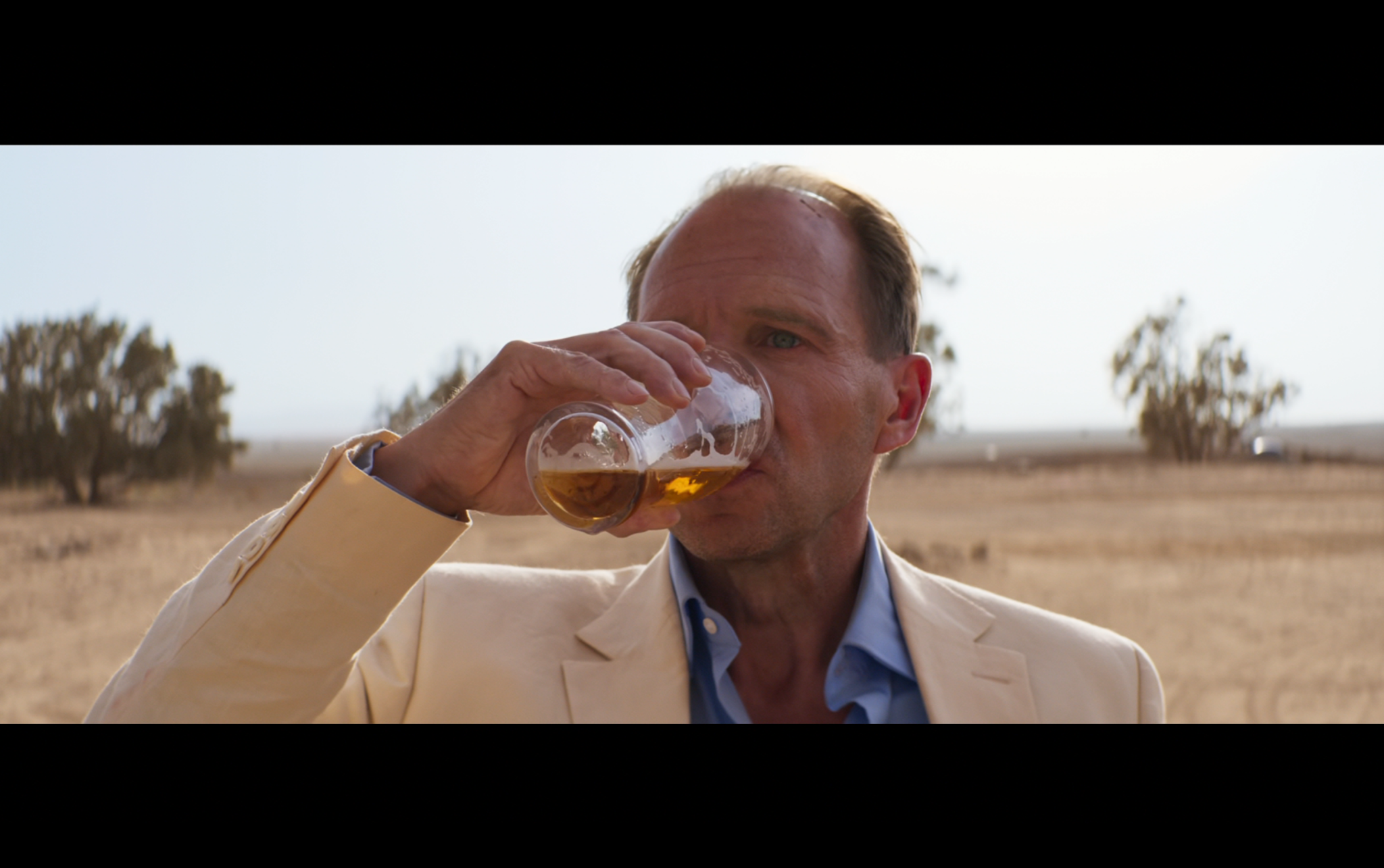
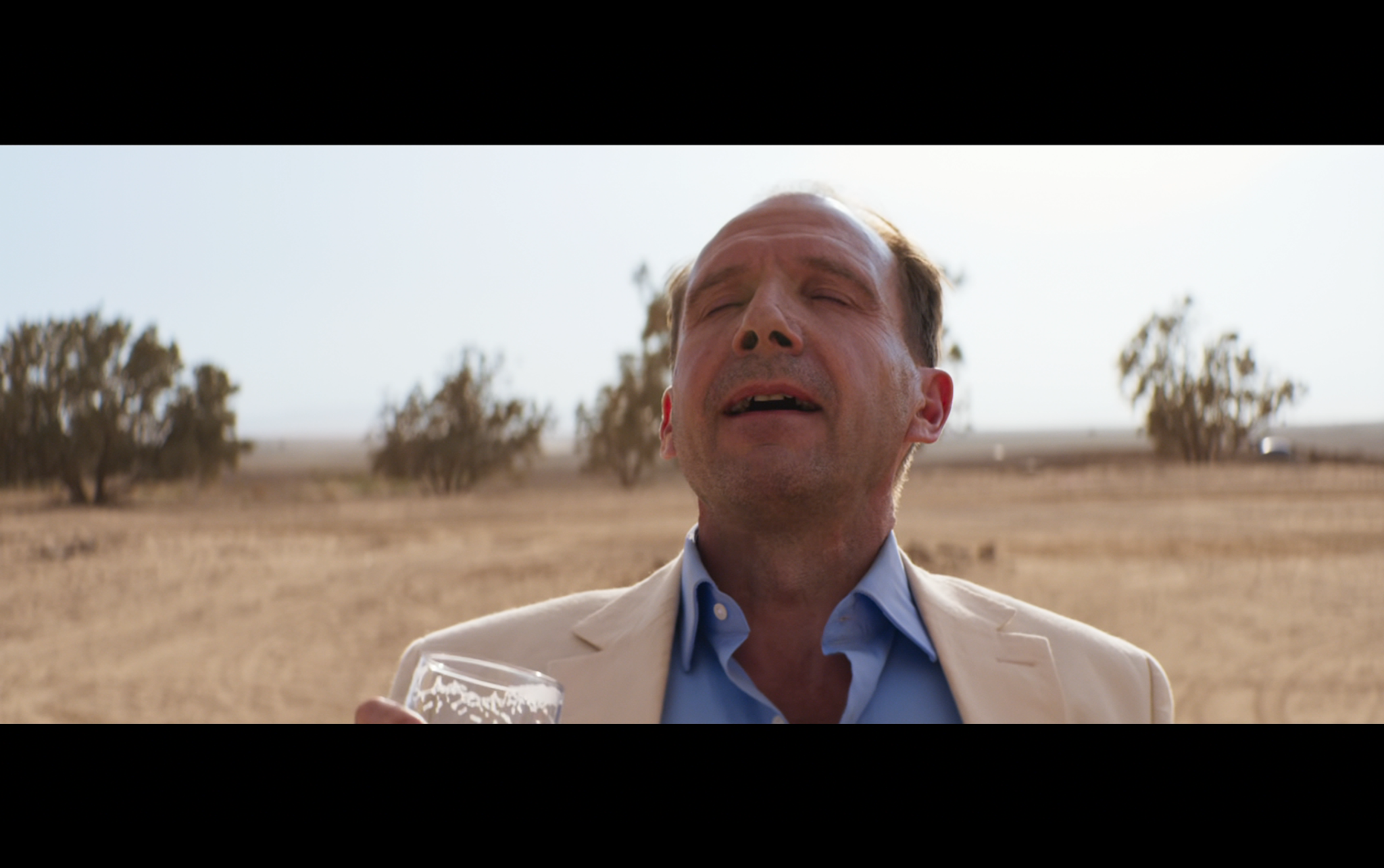
It’s too bad that director John Michael McDonagh didn’t have the good sense to realize it! But the Hollywood ending which follows doesn’t matter for our purposes. What does is the pleasure David so obviously takes in this would-be benedictory tipple. He is perhaps being too generous to himself, but this is in part because Hamid gives him permission in the form of a smile:

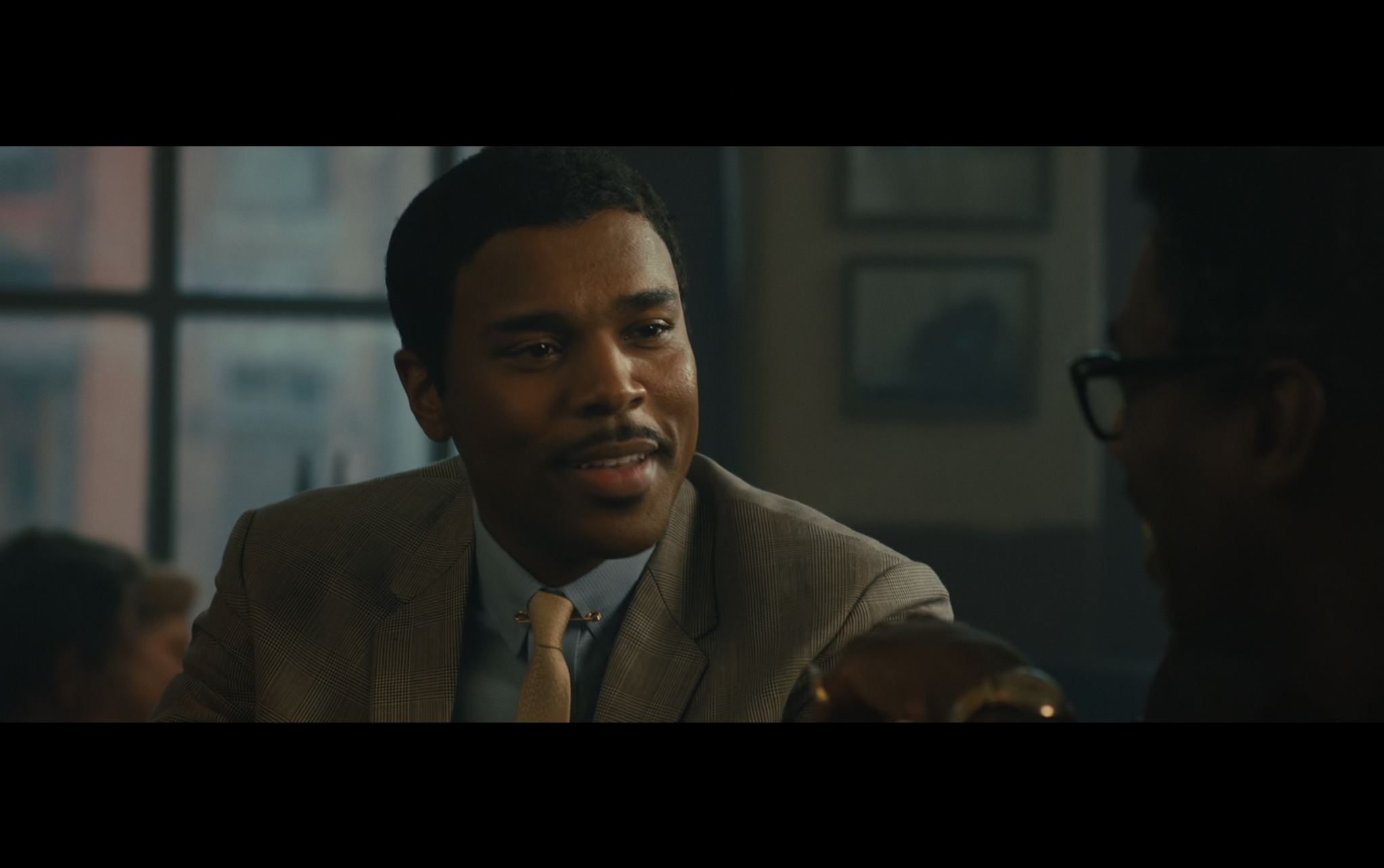
It’s an act of hospitality, which even more than wearing the right thing and having the right glass is what makes an adult beverage the special moment Paul Feig says cocktails in particular should always be. Such is the case with the Manhattan that Colman Domingo’s titular protagonist orders in Rustin to usher a drinking companion into a new world. “After two you’ll be a changed man,” he says:
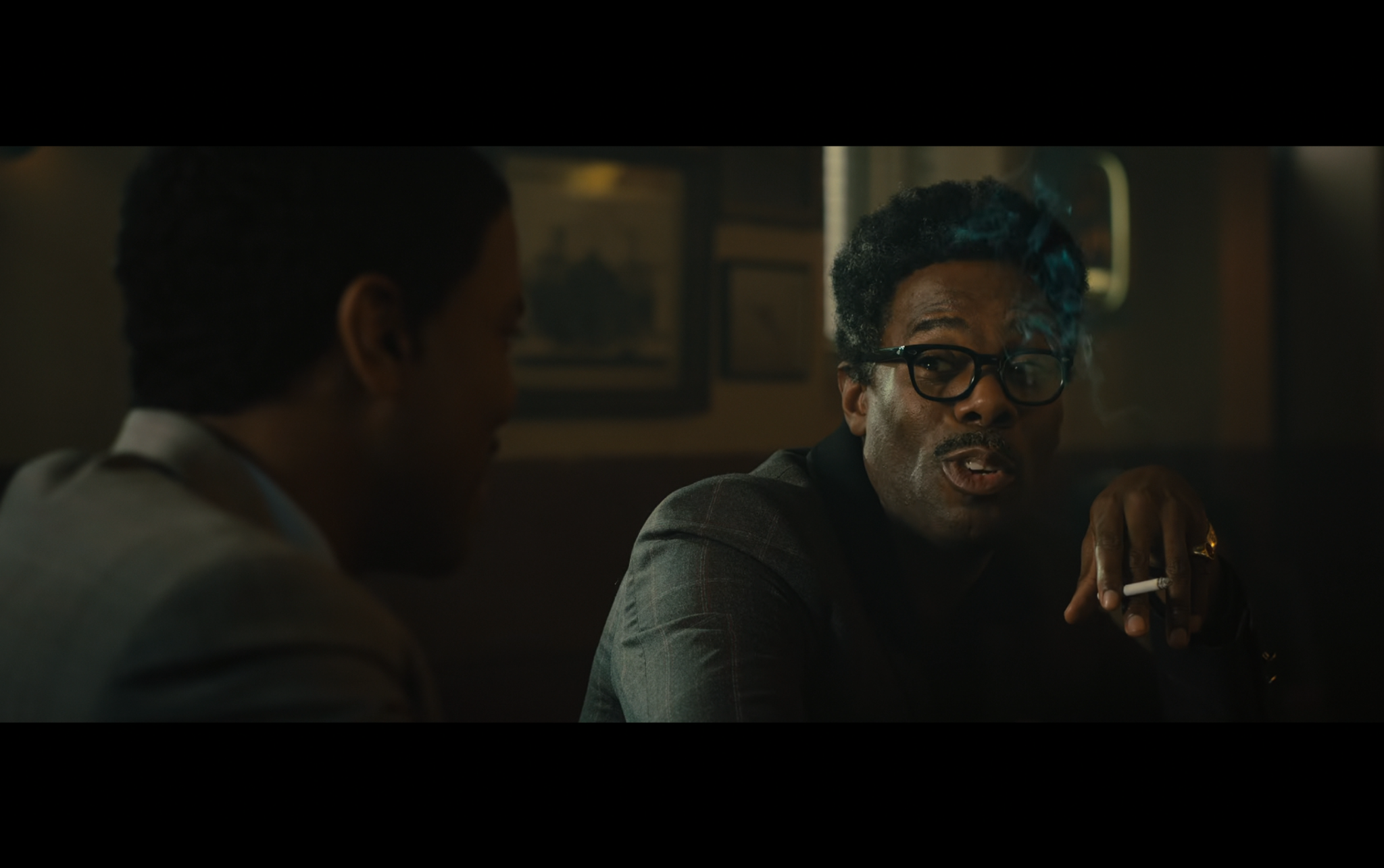
To which Johnny Ramey’s Elias Taylor replies, “well in that case give me three”:
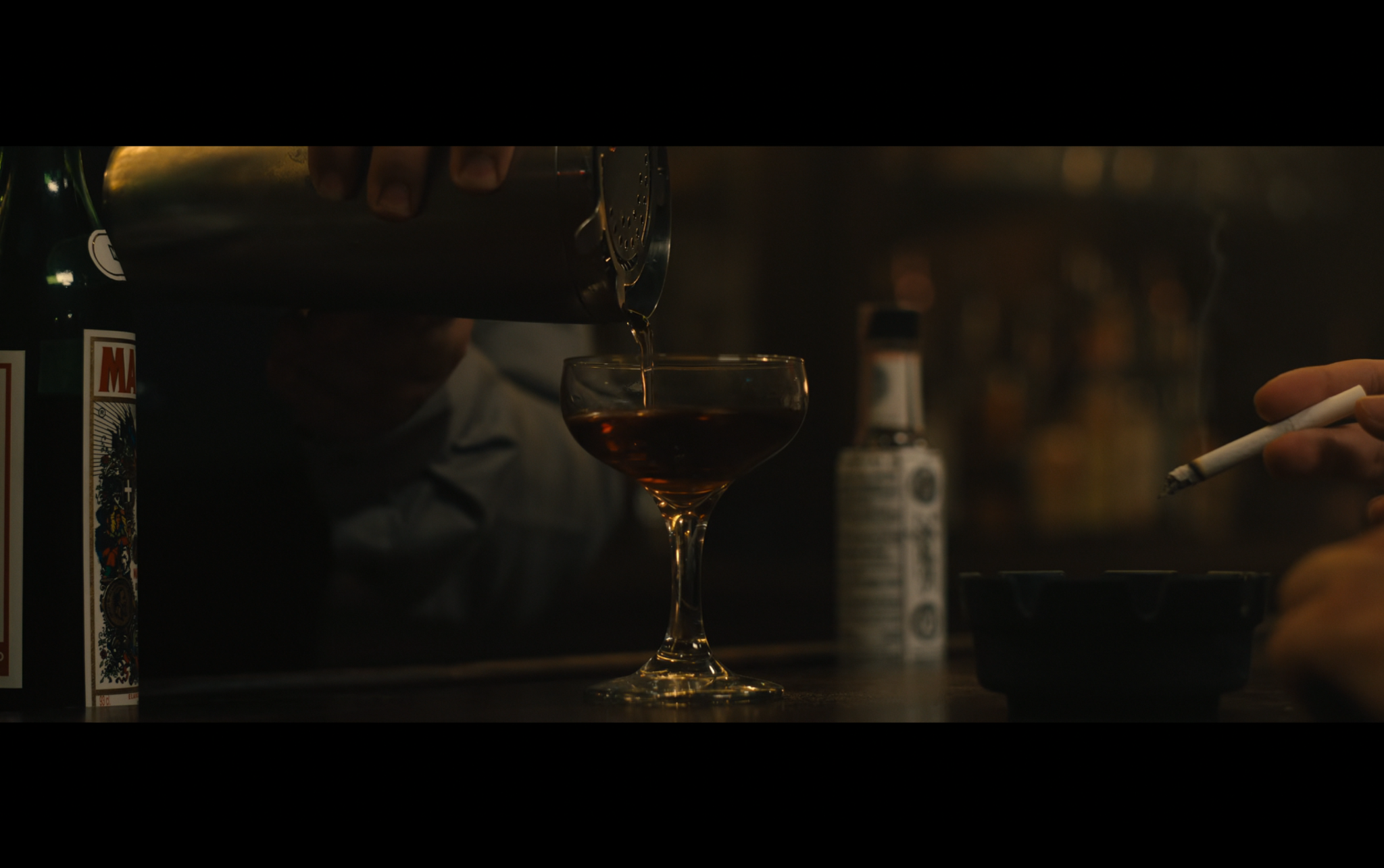
There have been at least that many great versions of this favorite concoction in my own life, most recently the “house” Manhattan that Marion and I finally perfected last month. Years in the making, it’s designed to be shared. We drink them plenty often when it’s just us, to be sure, but even then each one is cause for celebration.
Another Round ends with Martin sending his spouse one last text which reads, “I think Tommy is rooting for you.” When she replies with a message that says, “me too,” he joins his friends in celebrating their students’ graduation with them in the street, throwing himself into a euphoric dance that culminates in a leap into Copenhagen Harbour:

The movie leaves him suspended in mid-air because it’s too early to say whether or not he, unlike Henninger, has said what he had to. In this moment, it doesn’t matter. The lyrics of the Scarlet Pleasure song which plays over this scene go, “fuck what they are saying, what a life.” But there’s another way to express this sentiment, and it’s the same way I capped off all my Drink & a Movie posts:
Cheers!


Love it.Meghan RafteryOn Sep 12, 2026,
LikeLike