The Equalizer 2 ends with an homage to one of the most iconic moments in American cinema, the final shot of my November, 2024 Drink & a Movie selection The Searchers:
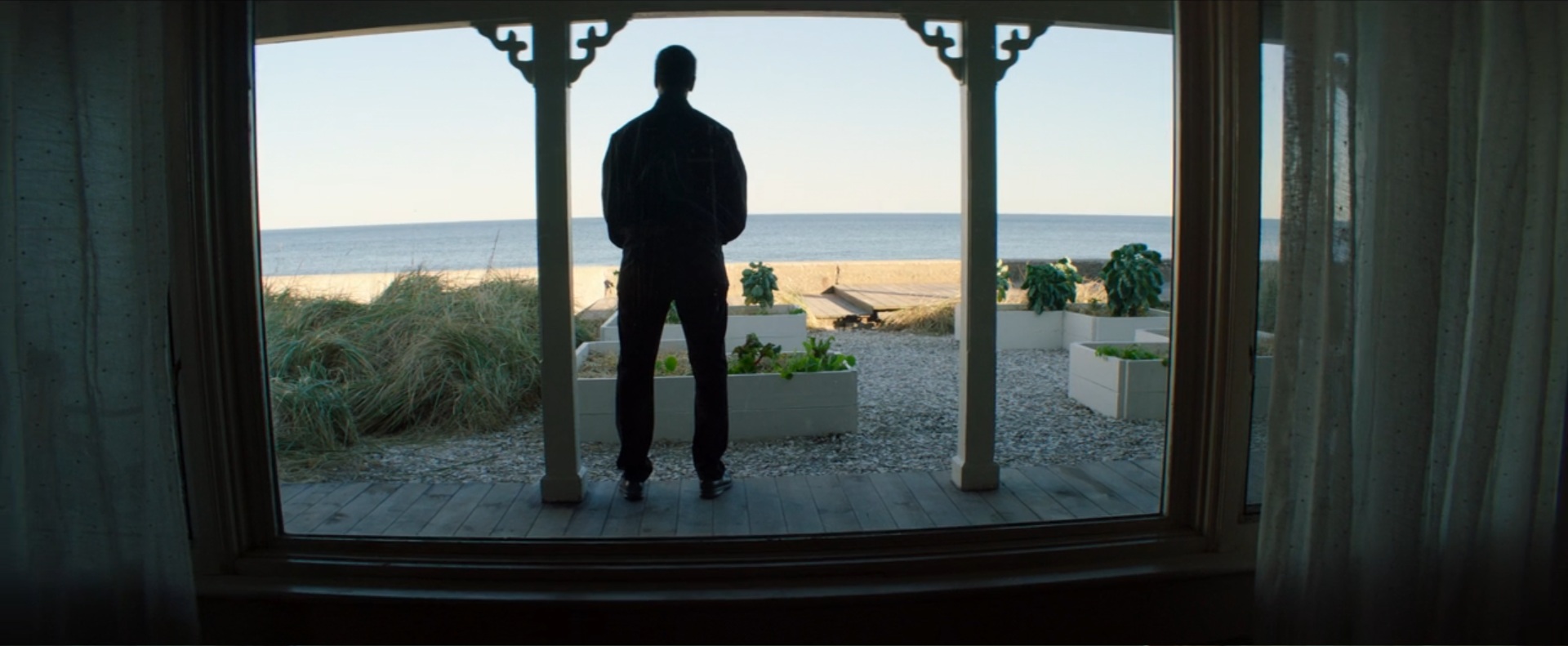
Writing for the New York Times, Manohla Dargis was typical of contemporaneous reviewers in being unimpressed: “the allusion is more ritualistic nod than anything else,” she argued, “and there’s little otherwise in ‘The Equalizer 2’ that connects it to ‘The Searchers’ other than the bluntly obvious: the near-mythic status of its stars and our very American love of violence.” With all due respect to one of my must-read critics, I beg to differ. By picking up where that film and another one of director John Ford’s masterpieces, The Man Who Shot Liberty Valance, leave off, the Equalizer franchise actually answers a question which has long vexed me: just what the hell did John Wayne’s character in the latter film do with himself during the decades that separate its main flashback narrative from the framing device scenes that begin and end it?
This mystery doesn’t really exist in the Dorothy M. Johnson short story that Liberty Valance is based on, which begins with the following lines:
Bert Barricune died in 1910. Not more than a dozen persons showed up for his funeral. Among them was an earnest young reporter who hoped for a human-interest story; there were legends that the old man had been something of a gunfighter in the early days. A few aging men tiptoed in, singly or in pairs, scowling and edgy, clutching their battered hats–men who had been Bert’s companions at drinking or penny ante while the world passed them by. One woman came, wearing a heavy veil that concealed her face. White and yellow streaks showed in her black-dyed hair. The reporter made a mental note: Old friend from the old District. But no story there–can’t mention that.
A mystery is exactly what Ford deliberately and very effectively creates when he replaces Johnson’s funeral with a rough-hewn box that the county was about to bury without ceremony:

Has the editor of the Shinbone Star Maxwell Scott (Carleton Young) declare that there’s no mention whatsoever of the man whose remains it houses, whose name is significantly now the Irish-sounding Tom Doniphon, in his newspaper’s backfiles while demanding to know what brought the famous Senator Ransom Stoddard (James Stewart) all the way from Washington to bury him:

Then dramatizes Stoddard’s answer in the form of a flashback to Shinbone’s infancy which lasts most of the rest of the movie’s runtime and establishes within a few minutes that Doniphon (John Wayne) was basically the most popular and highly-respected guy in town.
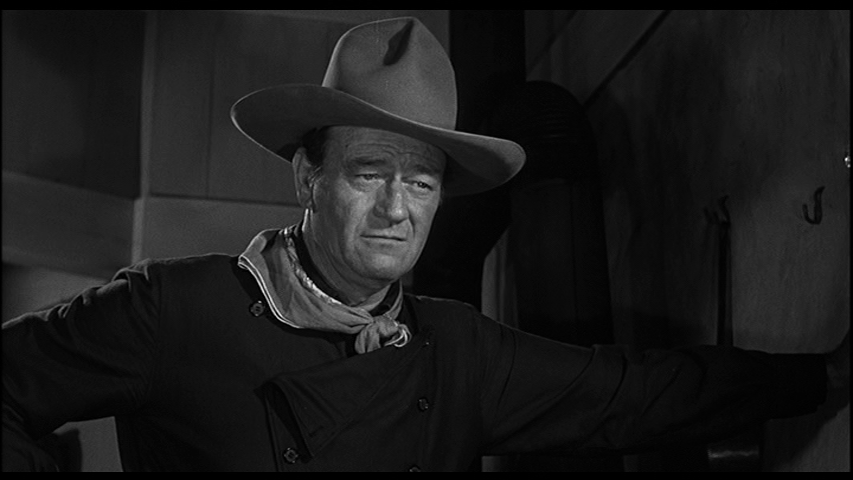
Watching Liberty Valance for the first time, My Loving Wife actually paused it to demand an explanation! Part of the problem is undoubtedly that the actors are portraying younger versions of themselves without the benefit of today’s totally uncontroversial de-aging technology, initially suggesting that much less time has passed than the 20+ years implied by the list of offices Stoddard will go on to hold which Scott rattles off near the end of the film: “three terms as governor, two terms in the Senate, Ambassador to the Court of St James, back again to the Senate.” Regardless of how long we’re talking about exactly, it’s shocking that such a prominent man could be forgotten so entirely.
* * *
The first The Equalizer works with a different palette of visual references than its successor:
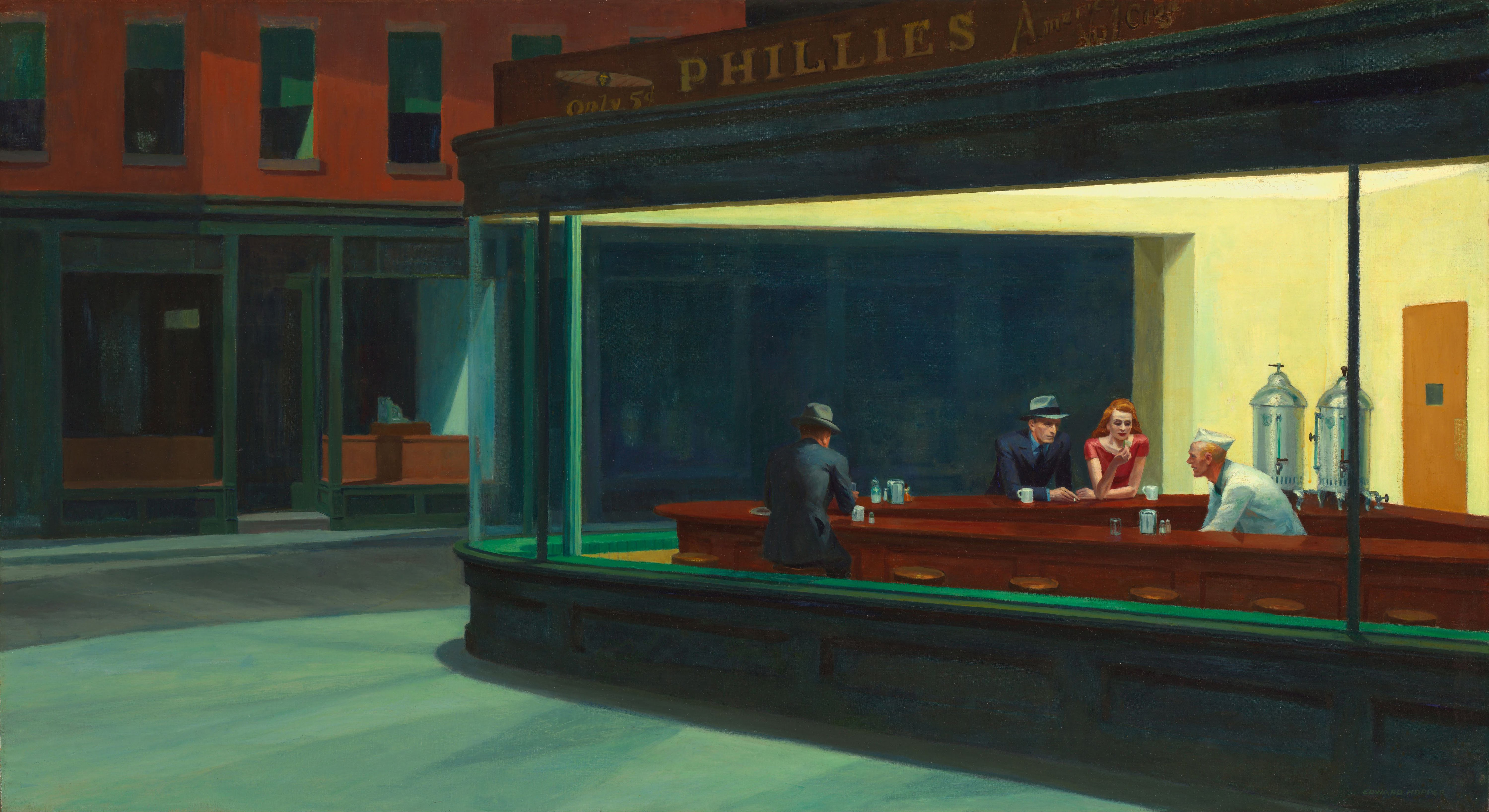
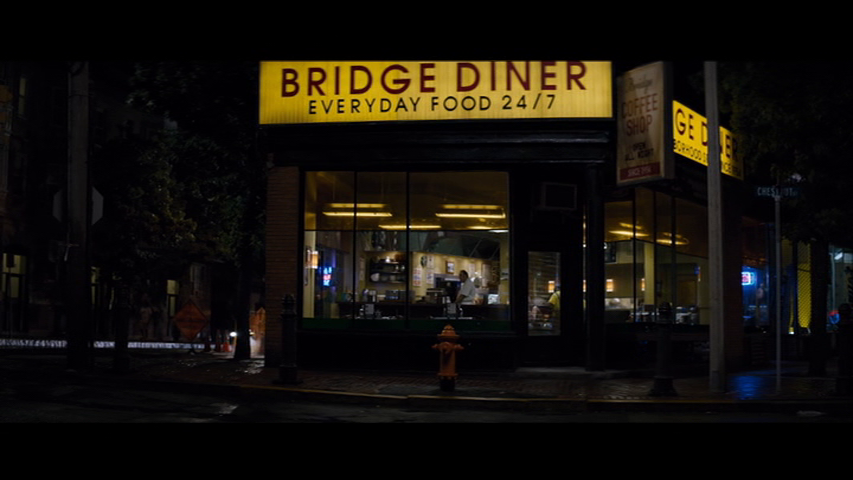
And it would be a stretch to connect Denzel Washington’s titular protagonist Robert McCall to Ford’s heroes based on this movie alone. Details begin to emerge right from the start, though, which will take on significance in the sequel. Just as Stoddard describes himself as going west with “a bag full of lawbooks and my father’s watch,” which he is relieved of by the outlaw Liberty Valance (Lee Marvin) moments after his younger self appears onscreen:

So too does our introduction to McCall include shots of first an alarm clock, then a digital watch, establishing both men as “right on time” cogs in a clockwork design bigger than themselves.
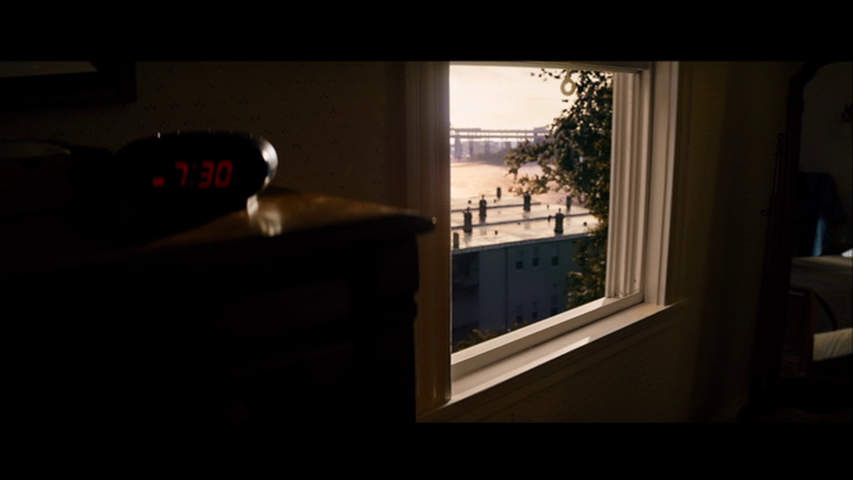
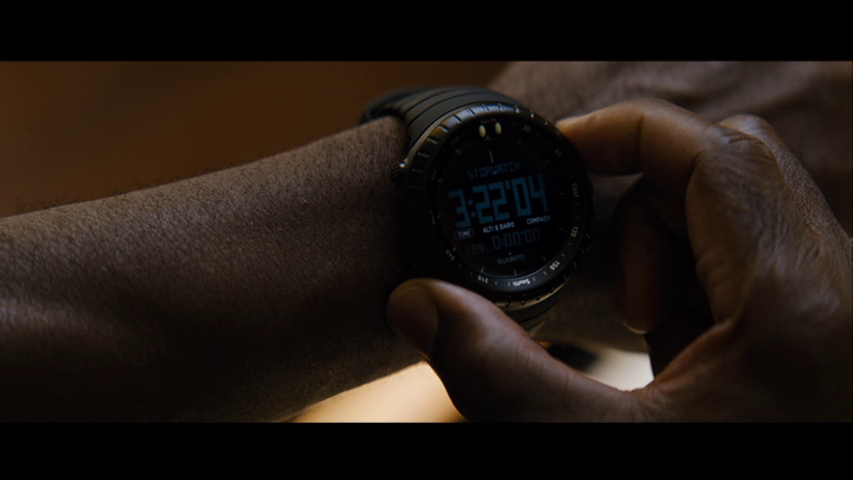
McCall works in a big-box store in the first Equalizer movie and as a Lyft driver in the second, which also makes him professionally adaptable like Stoddard, who as David Coursen observes “is shown or referred to as a lawyer, dishwasher, waiter, reporter, schoolteacher, election official, gunman and convention delegate-elect.” Like Ethan Edwards from The Searchers, we learn in The Equalizer 2 that McCall is a decorated former soldier:

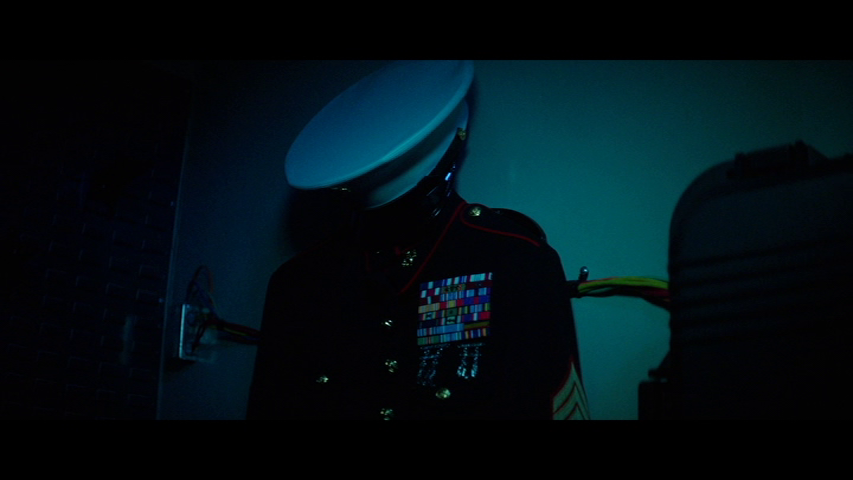
Although unlike him McCall doesn’t care who women in his life sleep with as long as their partners treat them well. Meanwhile, a big difference between McCall and Doniphon is that whereas Robert B. Pippin notes in his book From Hollywood Westerns and American Myth that “we get some indication later that it is precisely because [the latter] feels so self-sufficient and independent that he sees no need for adopting a civic role,” McCall uses his “very particular set of skills” (to borrow a quote from another revenge/rescue fantasy) to help a co-worker train for a security guard test and serves as a mentor to young people in his community even before he confides to a colleague from his former life (Melissa Leo) that he has embarked on a vendetta against the men who nearly killed one of those women he cares for because “one day somebody does something unspeakable to someone else to . . . someone you hardly knew, and you . . . do something about it because you can.”
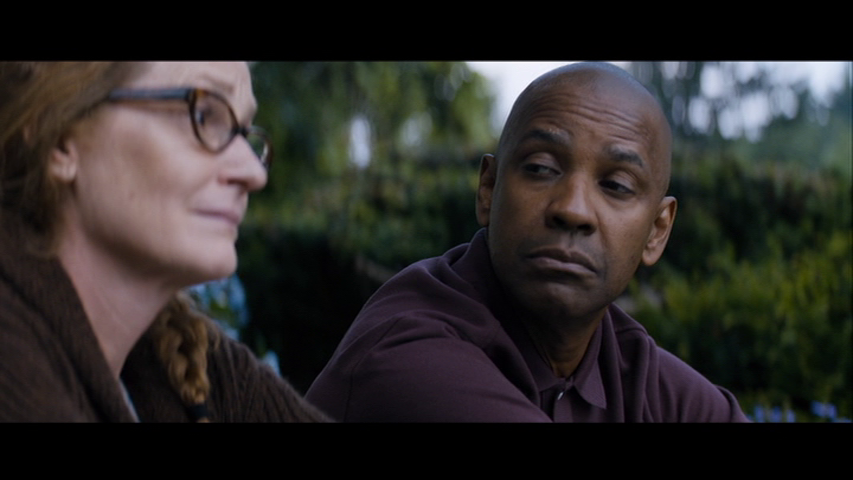
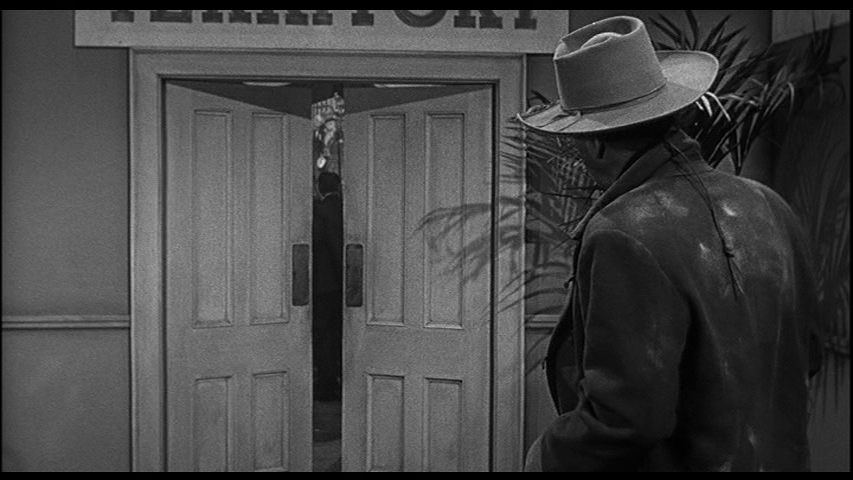
Finally, like Doniphon he loses his one true love, although in his case to death instead of another man, and instead of wallowing, it ultimately sets him to “wandering” like Edwards. Which just about brings us back to our first image, but first here’s the last shot from Liberty Valance‘s flashback, which binds that film more tightly to The Searchers by showing how Doniphon lets the door close on any future he might have in politics in much the same way that Edwards decides to “turn his back on home” in the song by Stan Jones that this post’s title comes from:

* * *
Joshua Foa Dienstag writes in an article for the journal Political Theory called “A Storied Shooting: Liberty Valance and the Paradox of Sovereignty” that the people of Shinbone were faced with a “Hobbesian” dilemma. Tom Doniphon had the ability to dispose of Valance on their behalf any time he pleased, but in doing so “he would be taking it under his protection, putting it under his own rule,” and this “is a responsibility he has no desire for”; Stoddard, on the other hand, had the desire “to bring democratic law to the town,” but lacked the power to do so. “What,” Dienstag asks rhetorically, “is it that combines law and power? And can they combine in some way that is not arbitrary or despotic?” The answer he proposes is Hallie, who “articulates the active desires of the demos” and “is not (as she might be in other films) a token passed between the two men but a live participant in a three-pointed relationship that endures even after her ultimate marriage to Stoddard.”
Robert McCall represents an attempt to unite all this in a single character. With his late wife as his conscience, he has both the power and the desire to stand up for the little guy, and the check on his would-be despotism is Pippin’s observation that “a civilized order must view itself as founded by heroic and unproblematic violence,” which necessitates that upon exercising his power, he must move on lest facts emerge to cast a shadow on his legend. If this sounds too good to be true, that’s because it is, and to its credit The Equalizer 2 acknowledges this by turning McCall into a “superhero character” created by the aspiring artist he steered away from the corners:

And THAT, at long last, brings us back to the final days of Tom Doniphon. Liberty Valance gestures at a descent into alcoholism, but the math doesn’t add up. He drinks five shots in quick succession in the aftermath of Valance’s demise, then dispenses with the glassware and goes straight for the bottle:

After busting up a saloon and drunk driving his buckboard back to his ranch:
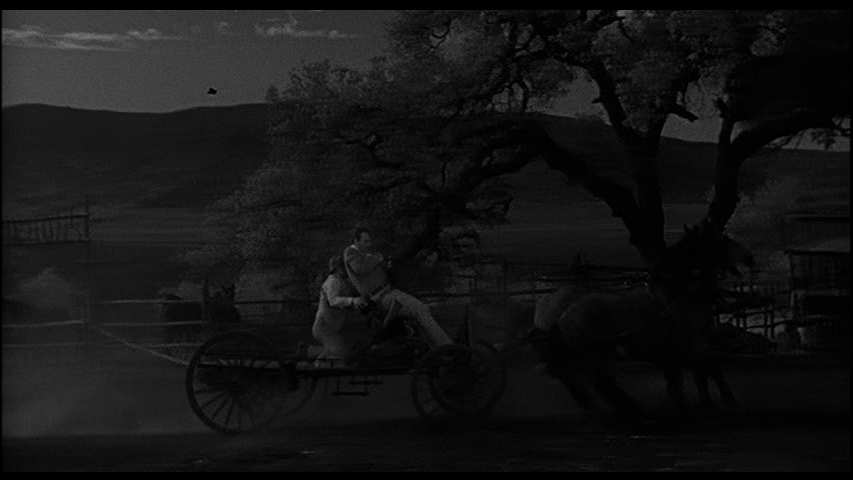
He proceeds to set it on fire in a suicide attempt thwarted by his “boy” Pompey (Woody Strode):
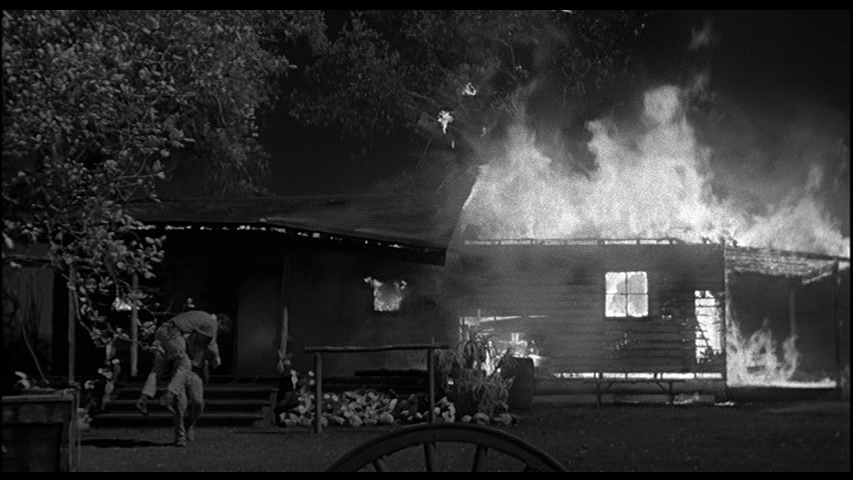
Continuing to carry on like this he would have killed long before the year of 1910 when Johnson’s play begins and Ford’s movie probably does too because there aren’t any indications that it doesn’t. Nor do I think a man with this much Ethan Edwards in him could have just stayed in Shinbone and moldered away regardless.
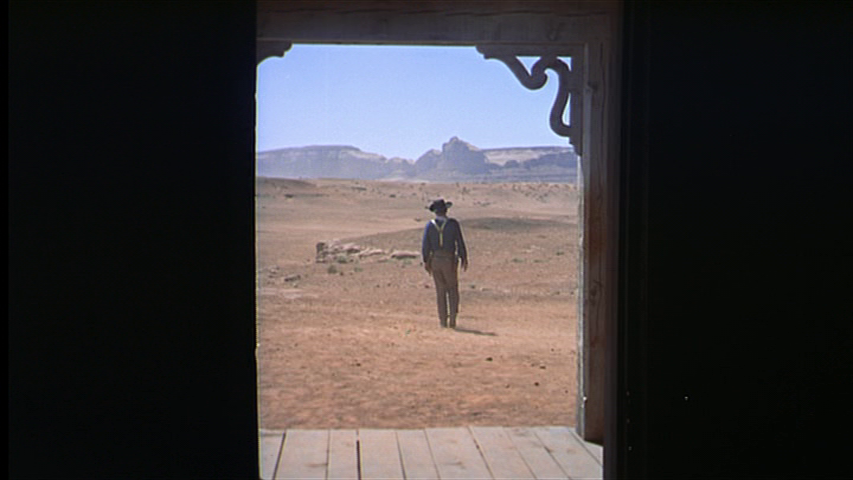
“What makes a man to wander,” to answer Stan Jones, is other people, “the living and the dead.” The ones who would make of you an idol, and the ones whose memories you can’t shake. If you’re a good man at heart–and troubled though some of them may be, I think the heroes of these films all are–you stay and try to help as long as you can stand it, and when you can’t any more you move on. But then you come back and the cycle repeats. And each time it does there are less around who remember you, until one day there’s nothing left to run from and you quit, no matter what kind of critter you are.


