The Dead Rabbit Drinks Manual credits a recipe in Louis Muckensturm’s Louis’ Mixed Drinks as the inspiration for bartender Jack McGarry’s Massagrand:
When Jack first read Muckensturm’s recipe, he was reminded of the famed Café Brûlot, a postprandial staple of the grand French-Creole restaurants of New Orleans. Consisting of coffee, spices, sugar, and cognac, that drink is ignited tableside and ladled from a silver bowl.
The Massagrand has similar constituents, but is not intended to combust. The flavor structure is the same, but with stone fruit notes from eaux de vie and liqueurs, plus calamus, an interesting botanical that combines the qualities of cinnamon, nutmeg, and ginger.
Which, cool! But I happen to own a copy of Louis’ Mixed Drinks. Here’s what it lists as the ingredients for a Massagrand:
- Take one teaspoon of sugar,
- One-half a bar-glass of Kirschwasser, and
- One breakfast-cup of strong black coffee
That’s it! But in McGarry’s hands this simple concoction became a cocktail with no less than nine ingredients including the (two) garnishes and a calamus tincture that needs to be prepared at least three days in advance. This is simultaneously exactly why I dig Dead Rabbit and why I don’t make drinks from it all that often: although it’s frequently the first place I turn when preparing for a special occasion, it isn’t a volume I reach for when I’m mixing just for My Loving Wife and me. The Massagrand may turn out to be an exception that proves the rule, though. Here’s how we make it:
1 1/2 ozs. Caffè Americano
1 1/2 ozs. Cognac (Rémy Martin VSOP)
1/2 oz. Cherry Heering
1/2 oz. Kirsch Eau de Vie (Alfred Schladerer Black Forest Kirschwasser)
1/2 oz. Mirabelle Eau de Vie (Trimbach Grande Réserve)
2 dashes Bittermens Transatlantic Bitters
2 dashes Angostura Bitters
Stir all ingredients with ice and strain into a chilled wine glass. Garnish with freshly grated nutmeg and the oils from an orange twist.
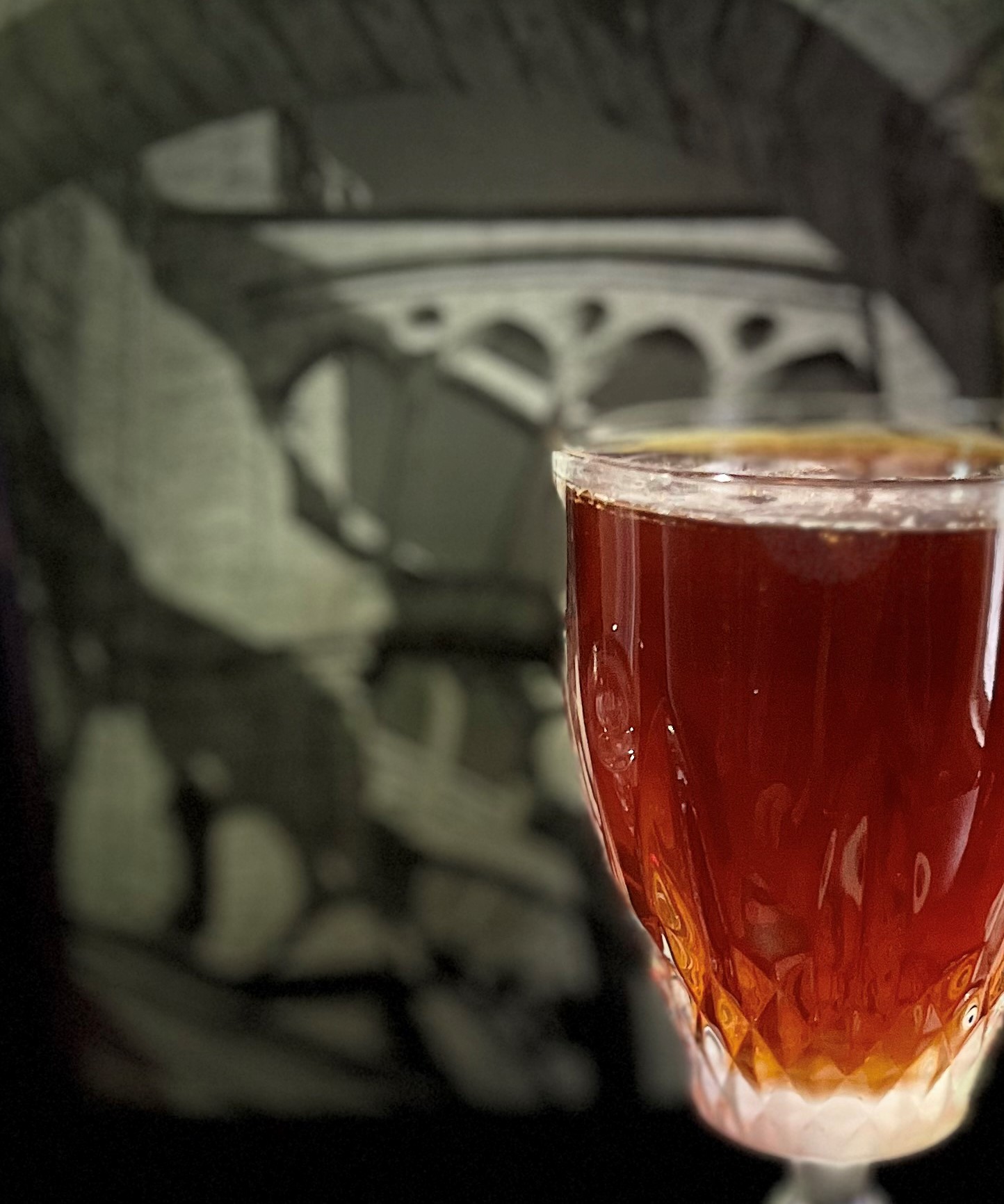
I was originally drawn to this drink by the combination of coffee, cherry liqueur, and bitters which I enjoyed in Rafa García Febles’s Dale Cooper. According to Dead Rabbit, “[i]f espresso for caffè americano is not available, your favorite strong coffee will do,” but it seems hard for me to believe that someone able to source all the other ingredients wouldn’t also have access to a Starbucks! One thing that really might be hard for you to come by is the Mirabelle eau de vie, which we had to special order.
The Massagrand is impressively balanced considering how many assertive components it has. Coffee and kirsch in particular tend to take over a drink, but play together nicely here. The word which immediately springs to mind as soon as I take a sip is “sophisticated”: you can tell that the Massagrand has been around, but it isn’t desperate to show off. And it isn’t nearly as hard to make as the long ingredient list might imply, either, especially assuming you’re substituting something else for the calamus tincture, which is classified as a “substance generally prohibited from direct addition or use as human food” by the FDA and thus isn’t easy to obtain in the United States. The team at Dead Rabbit responded to an email I sent them inquiring about alternatives within 24 hours (!) to recommend Bittermens’ Transatlantic bitters, a neat product that their website describes as follows:
We’ve merged the great bitters of the world to create an aromatic bitter that is useful in such a wide array of drinks.
- From the most classic Aromatic bitters of Venezuela and Trinidad, we created a base that includes gentian, clove, allspice and cinnamon
- From New Orleans style bitters, we blend in angelica and anise seed
- From the iconic Italian Fernet, we fortify the bitterness in a touch of aloe and chicory
- From the Alpine Amaro tradition, we add in chamomile and dandelion
- From the tradition of German digestives, we incorporate cherry bark and licorice
In total, sixteen botanicals make up this unique aromatic offering.
If I had any doubts about what movie to select for this month’s pairing, this substitution clinched it. Dead Rabbit actually specifies eaux de vie by F. Meyer, a distillery in France, which is also of course where cognac hails from. The addition of Cherry Heering reminded me of The Passion of Joan of Arc, a French movie with a Danish director (Carl Theodor Dreyer) that also figures prominently in Jenny Hval’s song “American Coffee”! As if that wasn’t already enough, here’s how scholar David Bordwell describes the film in a 1973 monograph: “[i]n the context of film history, then, La Passion de Jeanne d’Arc becomes significant as a summation of many major film styles of the silent era.” Sounds like the movie version of Transatlantic bitters, right? What could be more perfect?
Anyway, here’s a picture of my Criterion Collection DVD release of The Passion of Joan of Arc:
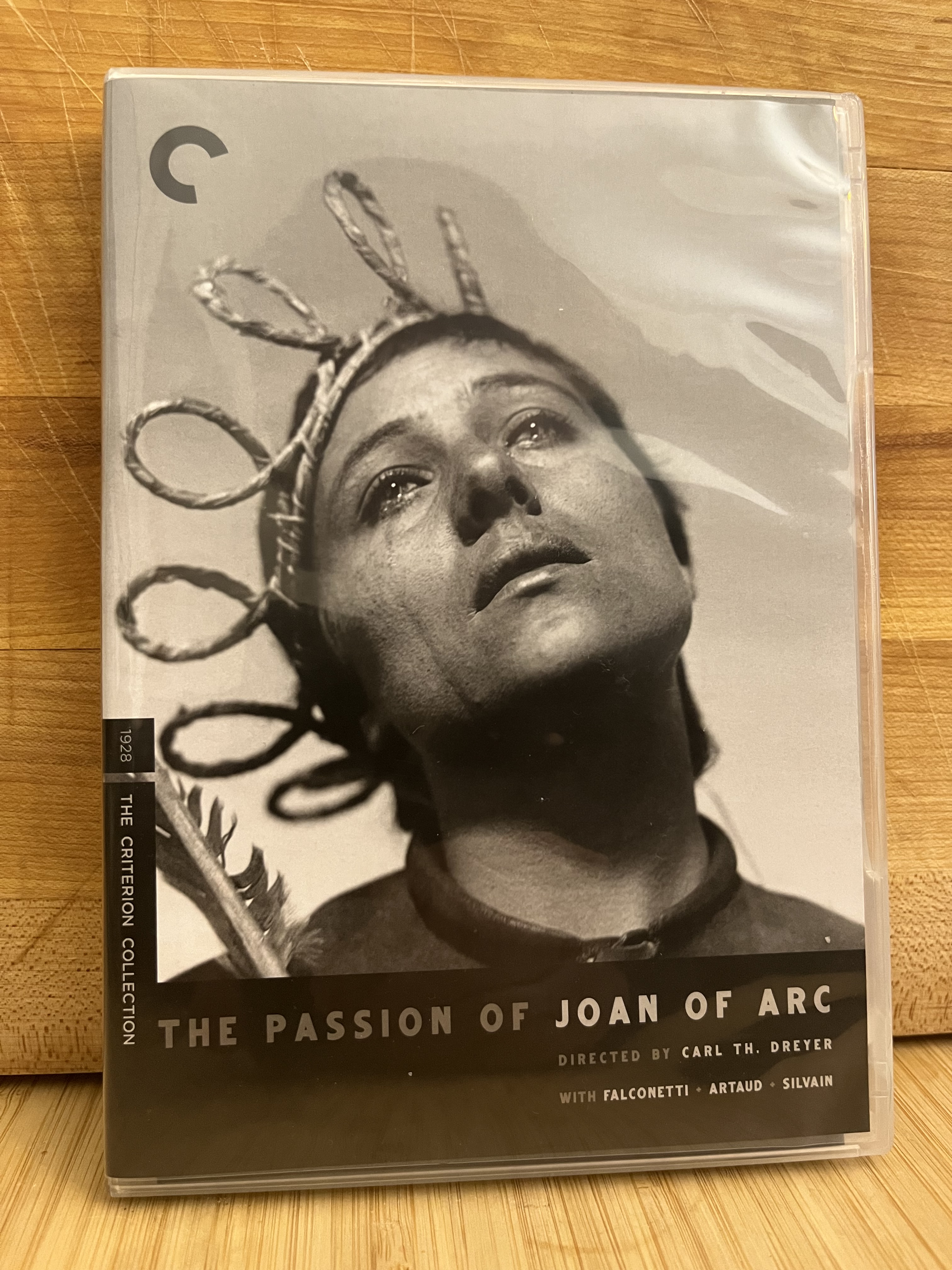
It can also can also be streamed via both the Criterion Channel and HBO Max with a subscription and on most other major streaming video platforms for a rental fee. Some people may have access to it through Kanopy via a license paid for by their local academic or public library as well. It will be interesting to see how many more places it might pop up next year when it enters the public domain (along with Steamboat Willie, by the way!) in the United States on January 1.
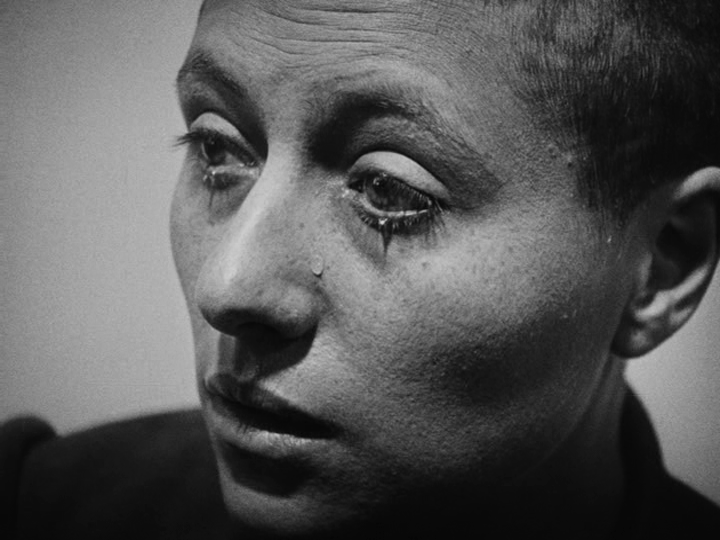
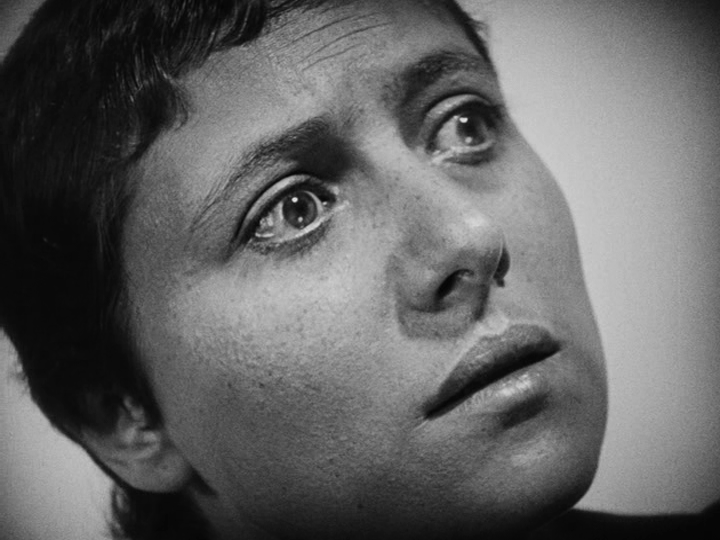
The Passion of Joan of Arc is one of just a handful of films that I know for certain I would have included on my hypothetical Sight & Sound Critics Poll ballot. In the book I quote from above, David Bordwell also notes that “[m]any viewers erroneously remember Jeanne d’Arc as a film composed entirely of close-ups,” which: this was definitely true for me for a long time! And to be sure, there are many such shots. Of Joan (Maria Falconetti), “suffering in black and white” (to quote Hval):
The priests and soldiers who sit in judgement over her:

And the people of France who watch her burn at the stake then rise up afterward:
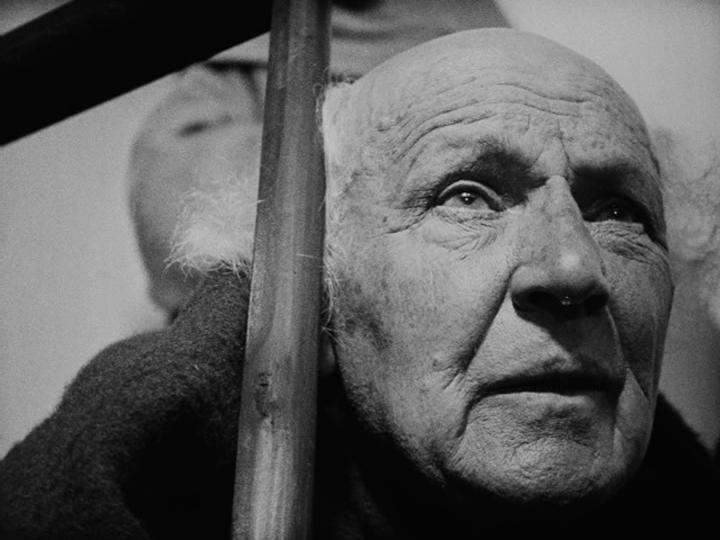
The latter are almost exclusively shown as part of camera movements which include more than one person, whereas Joan and her tormenters are frequently depicted in single shots. These images are powerfully moving and/or disturbing, especially when faces seem to lunge at Joan like this soldier (whose uniform, according to scholar Stephen Larson, bore enough of a resemblance to those worn by British soldiers during World War I to upset that country’s censor) does:
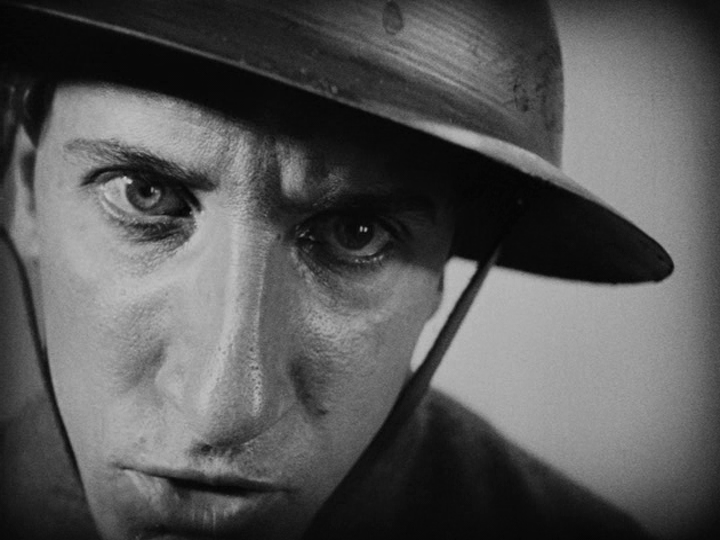
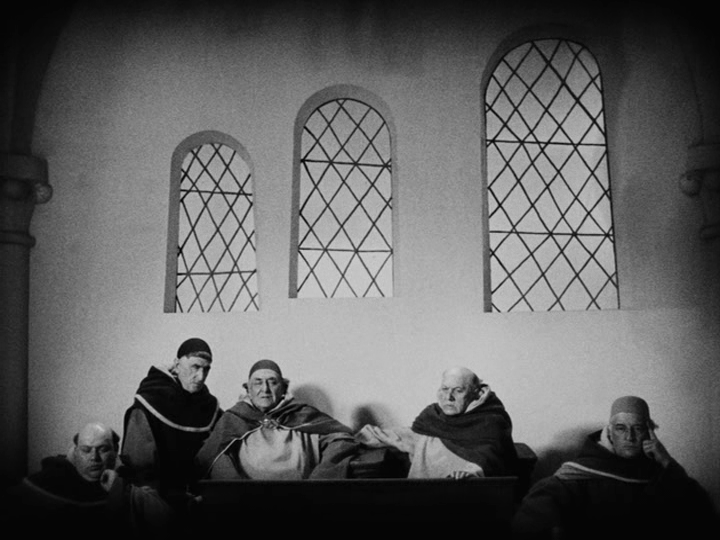
Following my last few viewings, though, I’ve found myself thinking more about shots like the one of these mismatched windows:
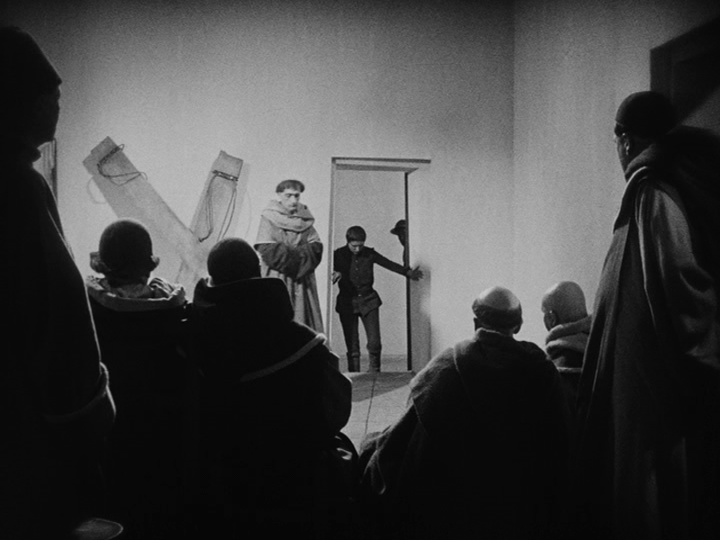
Or this warped doorway, both of which show the influence of German Expressionism:
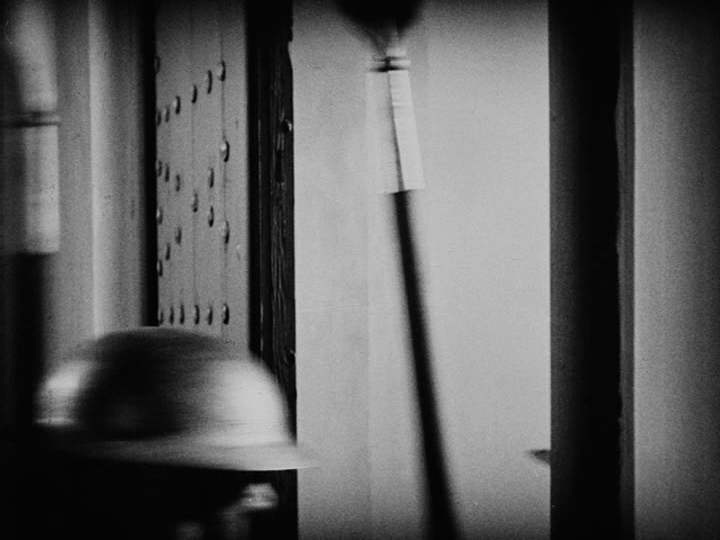
The Passion of Joan of Arc might be the most thorough application of the advice that John Ford (David Lynch) gives Sammy (Gabriel LaBelle) in The Fabelmans that when the horizon is at the bottom or top of the frame, it’s interesting, but “[w]hen the horizon’s in the middle, it’s boring as shit.” The fate of the lone priest who dares to defend Joan, for instance, is depicted by alternating shots of just the helmets and spears of the soldiers leading him away and the horrified reactions of his fellow judges:
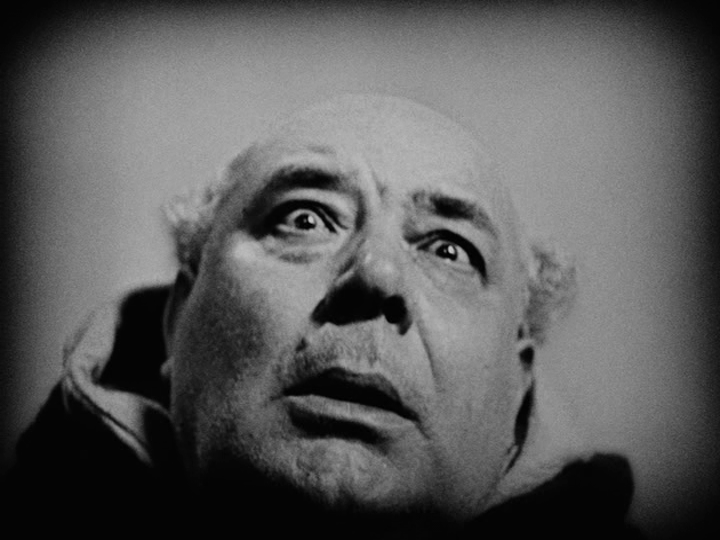
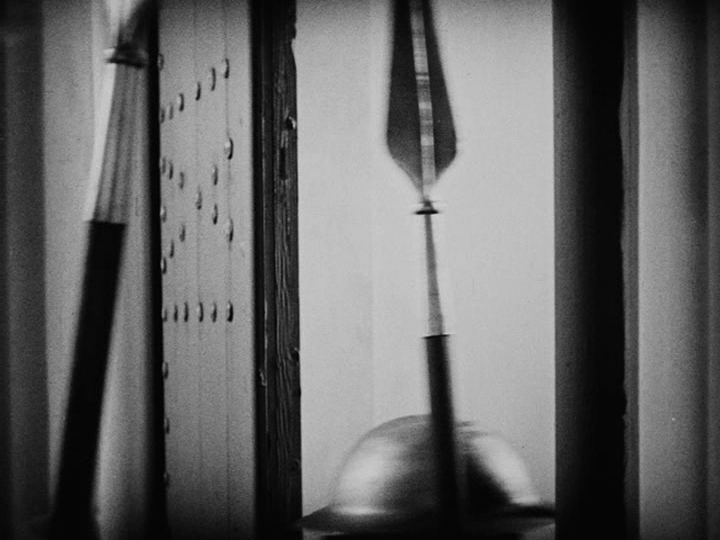

Or behold this shot of onlookers with Catherine Wheel:
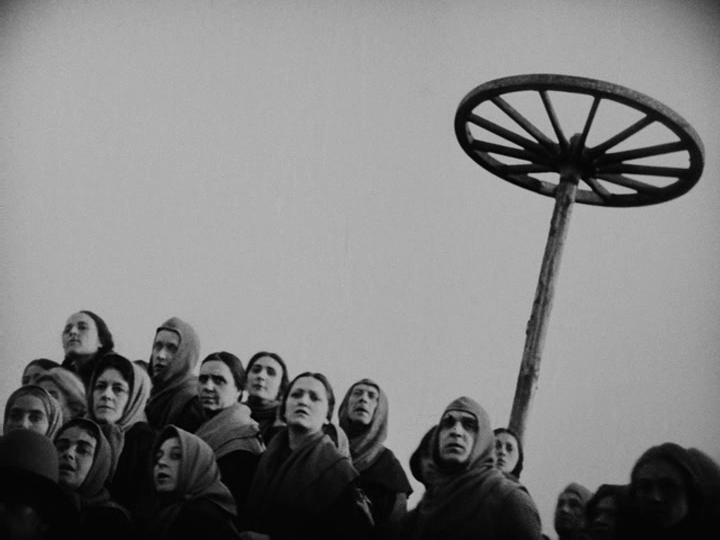
There are interesting anachronisms like this fella’s glasses:
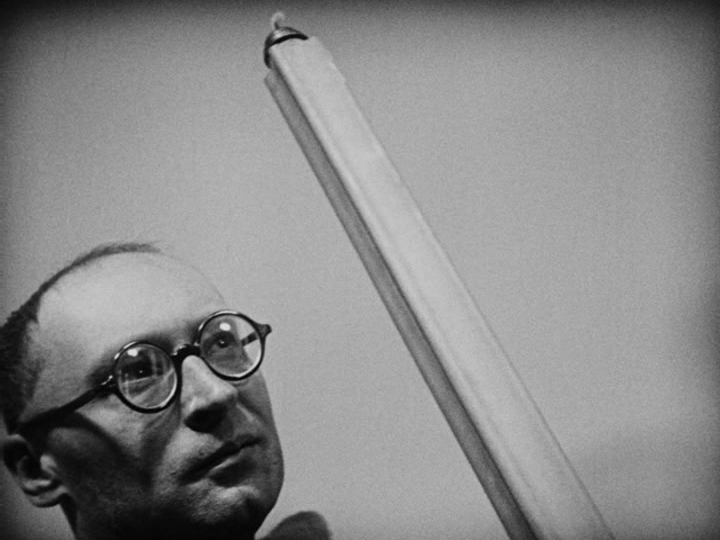
And this cannon which swivels not because 15th-century cannons were actually able to do that, but rather because the ones in Battleship Potemkin could:
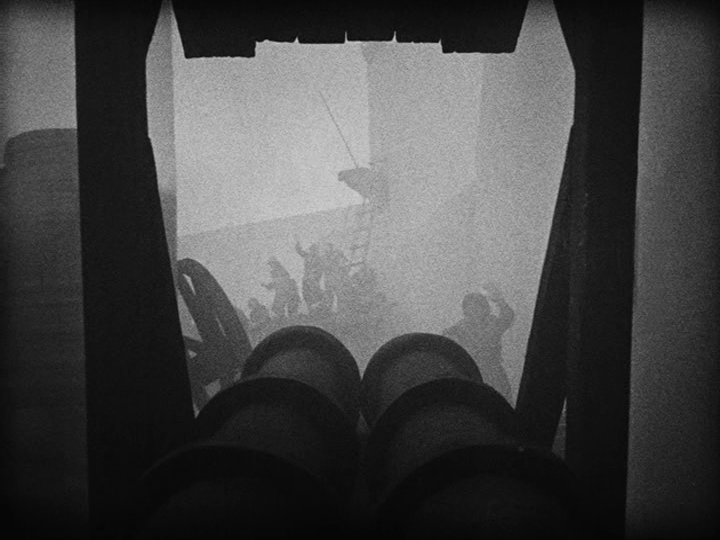
We are also occasionally treated to multi-level compositions like this one which shows off the skills of legendary cinematographer Rudolph Maté as well as anything else in the film:
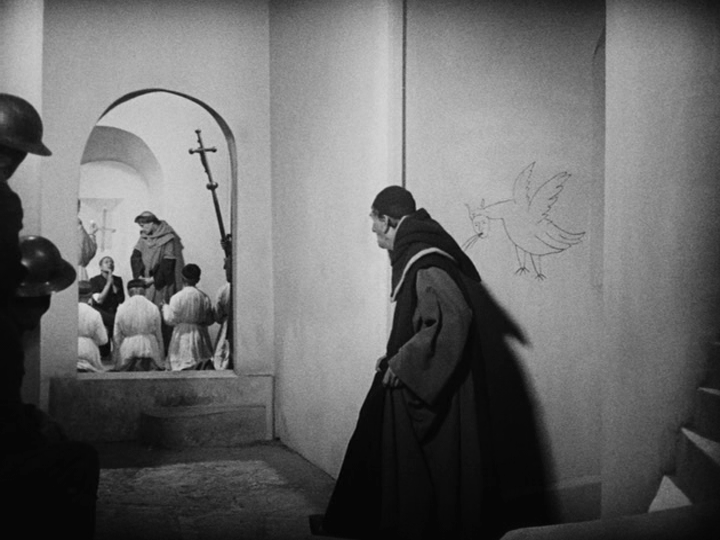
Finally, for my money the film’s most haunting moments of all are images like this one:
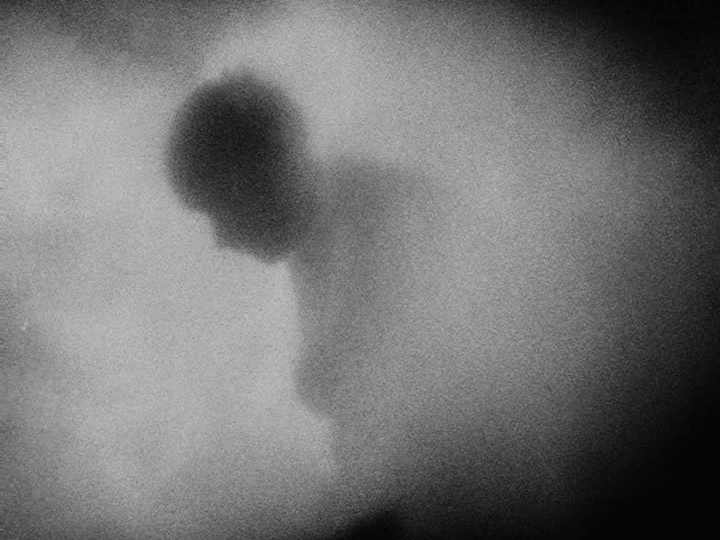
Now of course none of this is to say that The Passion of Joan of Arc‘s close-ups aren’t every bit deserving of their legendary status! Here are the lyrics from the “American Coffee” verse about the film:
I give you that time at the cinematheque (Give you that time)
I was watching La Passion de Jeanne d’Arc
While I was having a UTI
I stared into Jeanne’s face, suffering in black and white
I’m sure I saw her wink at me
Then I peed blood in the lobby bathroom
The blood color seemed so insanely alive
Too alive, too alive to be just mine
Like Anna Karina’s Nana in Vivre Sa Vie, Hval feels connected to Falconetti’s Joan (who is also the subject of her earlier song “Renée Falconetti of Orléans”). I think the wink she imagines is interesting because this is how the characters in The Passion of Joan of Arc communicate with one another throughout Joan’s trial, with winks and nods and other small gestures:
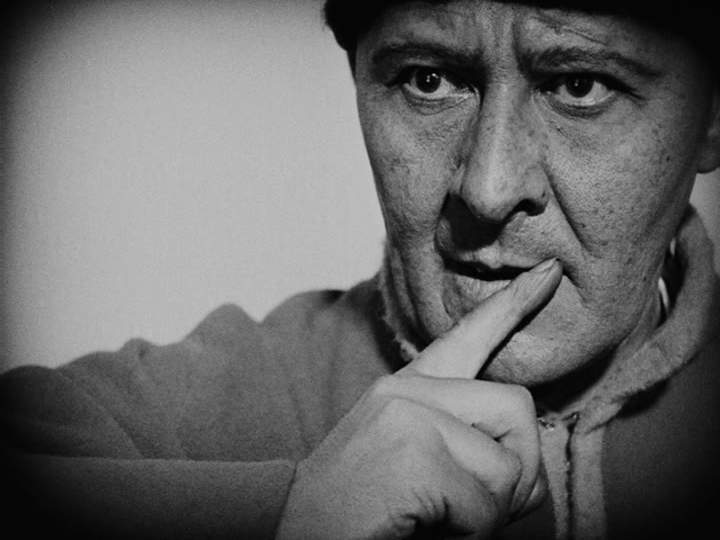
One of the things that keeps me coming back to this film again and again is the mystery of when exactly the narrative shifts. Is this the precise moment when Joan realizes that Loyseleur (Maurice Shultz) is not really her ally or is the Kuleshov effect just doing its thing?
But here’s the verse from “American Coffee” which immediately precedes the one excerpted above:
I wonder who I’d been if I never got to go
Get a fine arts degree and American coffee
With irrelevant quotes from French philosophy
And we’d meet in the climax of a clever sci-fi movie
But that would just be, but that would just be, be stupid
The Passion of Joan of Arc is often described as an emotional experience, but it’s an intellectual one, too. One doesn’t really happen upon a silent film in this day and age–you have to seek them out. Part of what makes The Passion of Joan of Arc great is that it provides a lot of bang for your buck. It’s a master class in the film traditions of the early 20th century, just like Transatlantic bitters are a world tour in a bottle. But your initial reaction to it is liable to be the same one-word sentence I predict you’ll speak after you try a Massagrand for the first time: “wow.”
Cheers!
All original photographs in this post are by Marion Penning, aka My Loving Wife. Other entries in this series can be found here.

 The Prodigal Cinephile