With the 2022 Winter Olympics now officially under way, the second installment in my new Drink & a Movie series was a no-brainer.
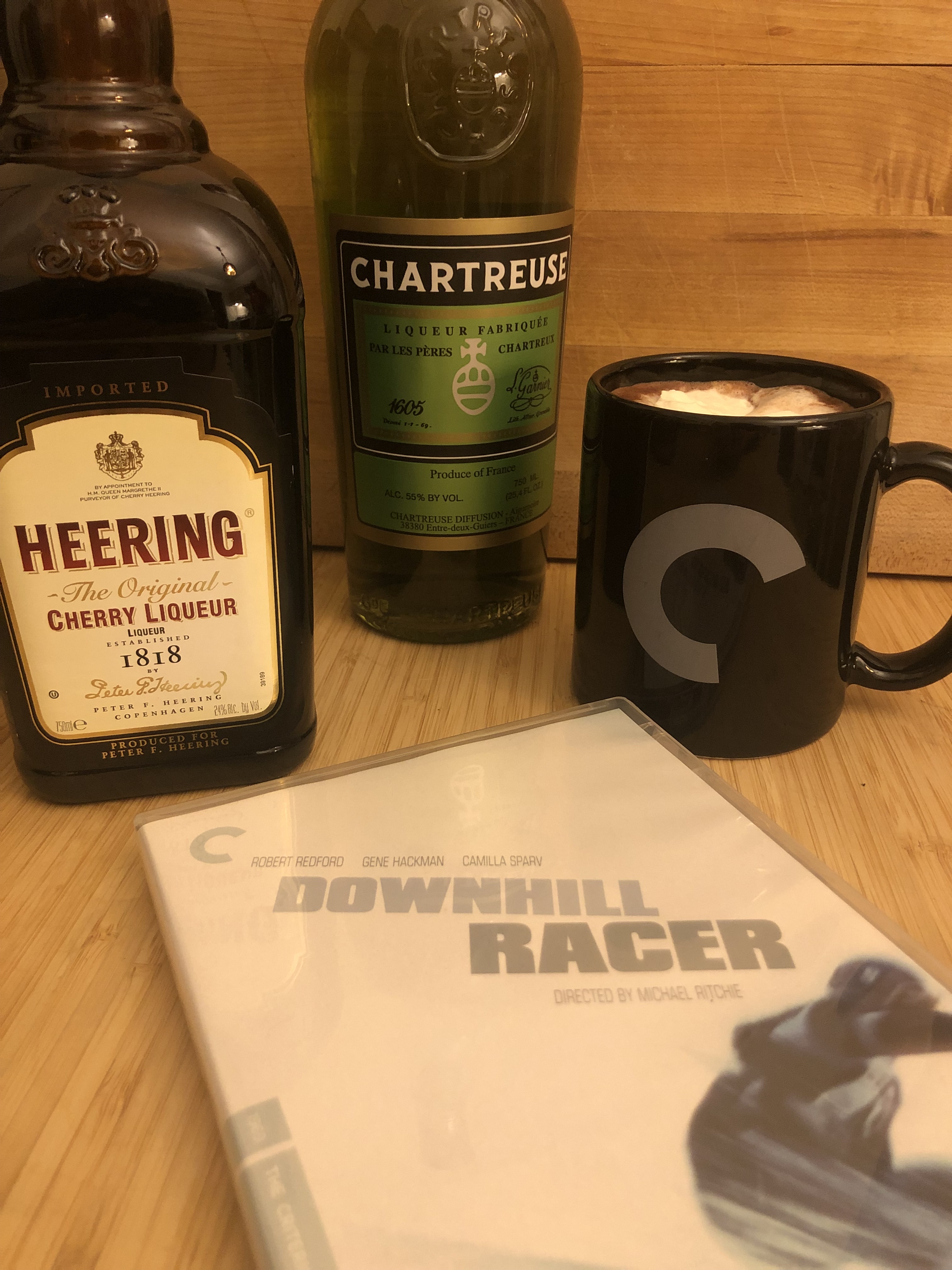
Pictured here is the Blu-ray copy of Michael Ritchie’s Downhill Racer I bought a while back from the Criterion Collection store, where it’s still available on both DVD and Blu-ray. The images in this post came from a Criterion DVD that I checked out from my library. Downhill Racer can also currently be streamed via the Criterion Channel with a subscription or Amazon Prime for a rental fee. The drink I chose to go with it is a Brigadier, which Paul Clarke attributed to San Francisco bartender Neyah White when he wrote about it for Serious Eats. Here’s the recipe as I make it:
8 oz. Hot Chocolate
1/2 oz. Green Chartreuse
1/2 oz. Cherry Heering
Sweetened, Chartreuse-spiked whipped cream
Add the booze and hot chocolate to a mug and stir to combine. Top with the whipped cream, being sure not to let the mug overflow, unless of course you like that sort of thing. Drink while piping hot!
Dead simple, right? I like the hot chocolate recipe on pages 172-173 of J. Kenji López-Alt’s The Food Lab for this, both because it’s not too sweet (you get a lot of extra sugar from the spirits) and to keep things in the Serious Eats family. For the whipped cream, I made myself measure and it turns out that I use about two tablespoons of confectioners’ sugar and a 1/2 ounce (aka one tablespoon) of Chartreuse per one cup of heavy cream. The consistency doesn’t really matter, since the whipped cream will melt in the heat of the cocoa pretty quickly, but I go for something dollop-able. As far as ratios are concerned, Clarke mentions that you can use up to one ounce each of the two spirits, but I find that half is plenty, especially with the extra hit of Chartreuse from the whipped cream. I highly recommend experimenting, though!
This drink is exactly what I would want to be handed should I ever find myself stepping into a chateau in the French Alps after a day of downhill skiing. It’s warm and rich and the Chartreuse (one of my very favorite things in the whole world) hails from the Aiguenoire distillery in Isère, France, one of the locations where Downhill Racer was filmed. Speaking of which: Downhill Racer may be best known for the POV footage shot by Joe Jay Jalbert, which was cutting edge for its time (see this interview with him by Hillary Weston for more details).

Starting with the very first images, a close up of the wheels on a ski lift followed by dramatic mountain landscapes, Ritchie and his production team (including cinematographer Brian Probyn and editor Richard Harris) also do a wonderful job of capturing the experience of competing in and watching downhill skiing events by serving up grand and granular views of the sport in perfect proportion to one another:


The same attention to detail is brought to scenes of a skier being treated in a hospital following a crash:


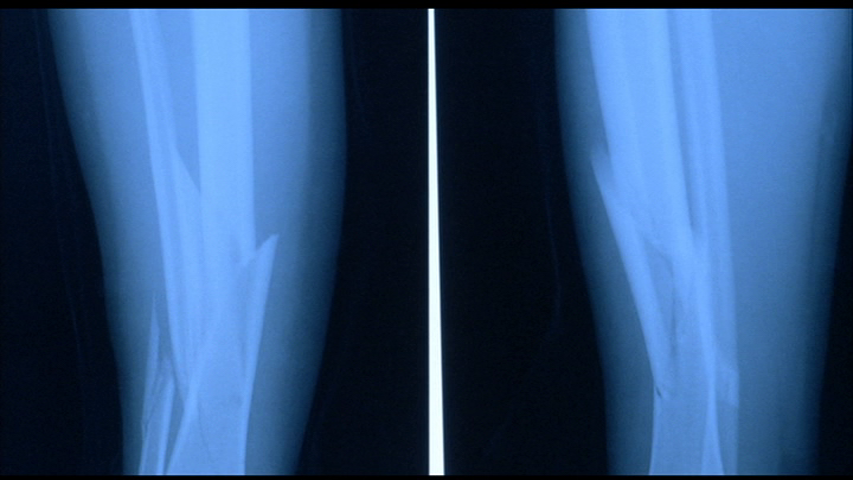
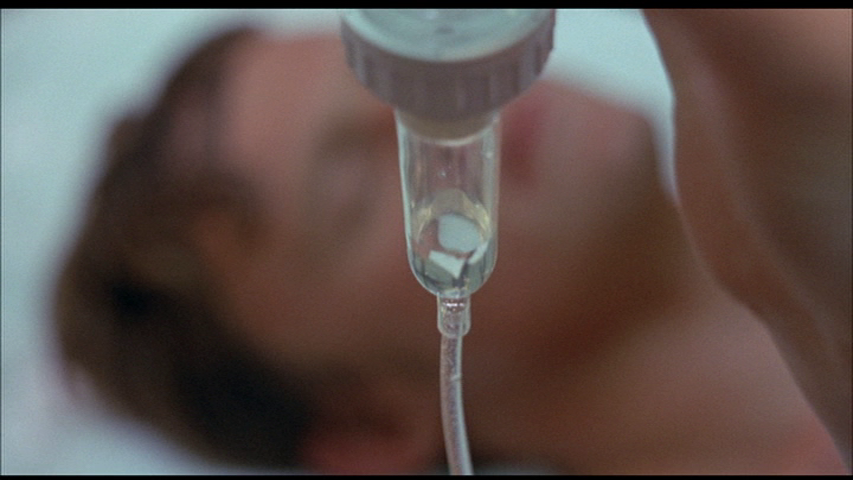
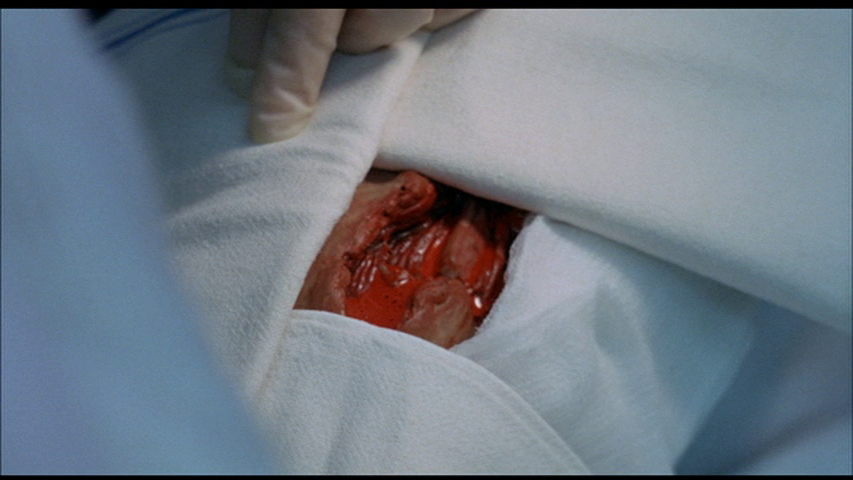
And to the television broadcasts of the various skiing events shown in the film:
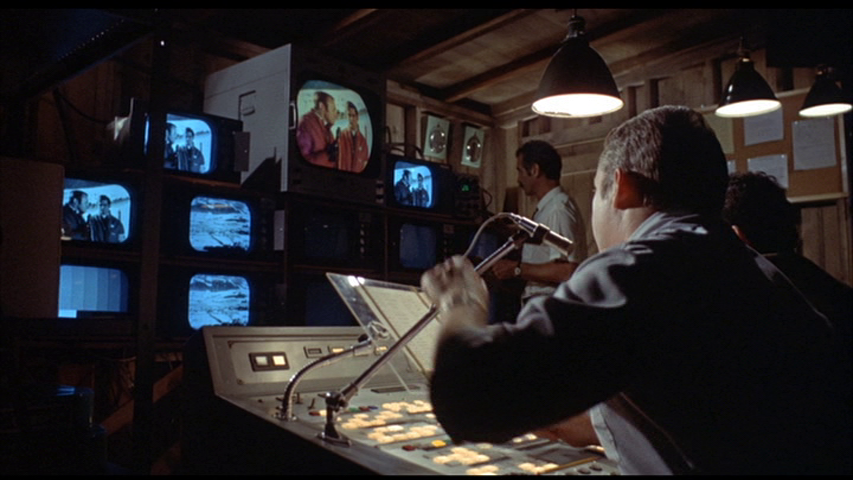
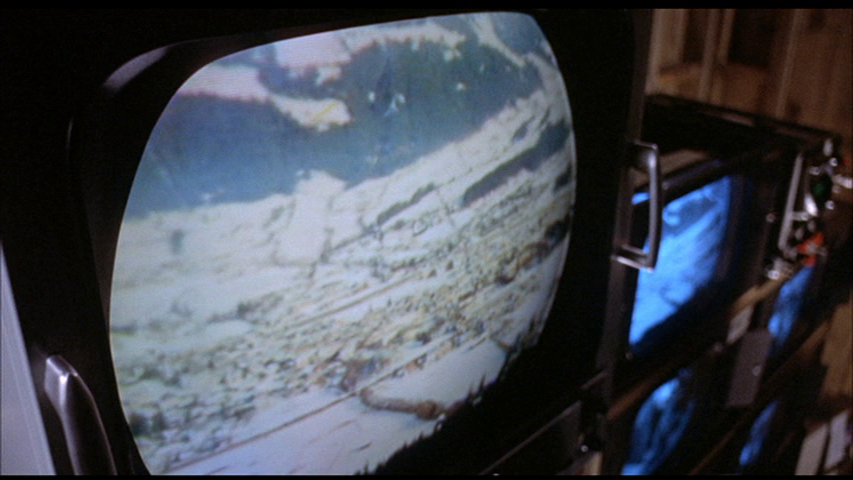

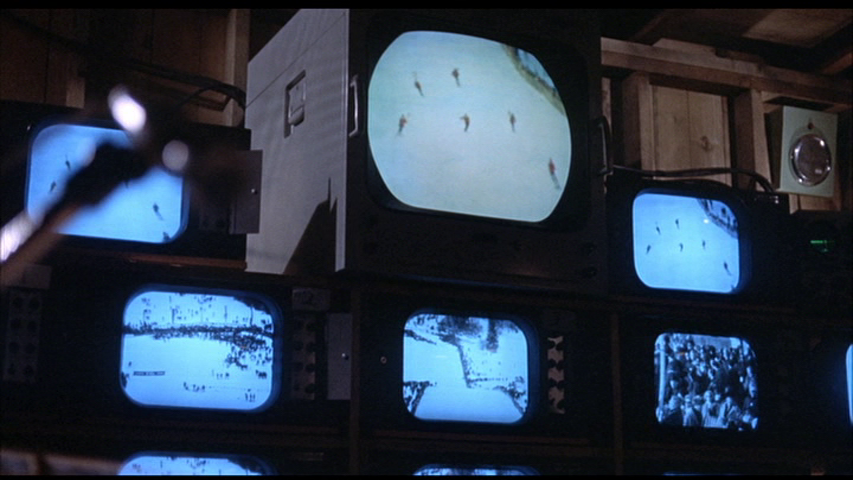
It’s the latter in particular that make this a perfect film to watch right now. Downhill Racer‘s subject isn’t just skiing or sports in general, but rather how sport is mediated through television, which is how I’m assuming everyone reading this blog will experience the 2022 Winter Olympics. It may be enough for a sports fan to say that the best athlete won the race, but networks pay a lot of money for the broadcast rights to events like the Olympics in the hope that they can convince more than just sports fans to tune in. The way they do this is by relentlessly mining for the meaning behind each gold. What I like most about Downhill Racer is the way it shuffles through the same sort of narrative explanations for Dave Chappellet’s (Robert Redford) eventual triumph that we’ll hear again and again over the course of the next two weeks without really appearing to subscribe to any single one. There are at least five by my count:
- Chappellet is talking to his coach Eugene Claire (Gene Hackman) after the last race of the season. Chappellet, who had the best time through the first half of the course but then crashed, is saying that he could have won if he had been given a better starting position. “No,” says Claire. “What do you mean ‘no’?” asks Chappellet. “You just weren’t good enough, that’s all,” says Claire. “You lost your strength, and then the bumps took you out, that’s it. You’ve got to have your strength right up to the end. These guys aren’t amateurs, they’re national heroes. You’re trying to beat them out of their way of life. You’re just not strong enough.” The very next scene shows Claire’s fellow coach Alec Mayo (Dabney Coleman) making Chappellet run extra laps during offseason training. Chappellet starts to actually win races the following season.
- Back home in Idaho Springs, Colorado, Chappellet’s father (Walter Stroud) says, “I just hope you don’t end up asking yourself the same question some folks ask me: ‘what’s he do it for?'” Chappellet says it’s because he’ll be famous and a champion. “World’s full of ’em,” his father replies.
- Shortly before the Olympics, Chappellet’s girlfriend Carole (Camilla Sparv) abandons him over Christmas, prompting Chappellet to end things in a terrific bit of acting involving a car horn. Is this the moment when he finally dedicates himself fully to skiing?
- Or is it maybe when Claire chews him out for challenging his teammate to a race after practice which results in the latter crashing? “It comes from a certain consideration for the sport,” Claire says,” a desire to learn. That’s something you never had. You never had a real education, did you? All you ever had were your skis, and that’s not enough.”
- But no, it surely has to be when that same teammate crashes again during their next race and suffers an injury that will cause him to miss the Olympics, right? After all, what could be more powerful motivation than the desire to win one for the Gipper?
The film’s point isn’t that none of these explanations are true or that it doesn’t matter: it’s that it can’t possibly be so simple. At the end of the day all we really know for sure is that Chappellet didn’t win a championship during his first season in Europe because he crashed, and that he does win a gold medal two years later because an unnamed German fails to capitalize on his own blazing-fast start for the same reason. Chappellet briefly catches that skier’s eye after the race:
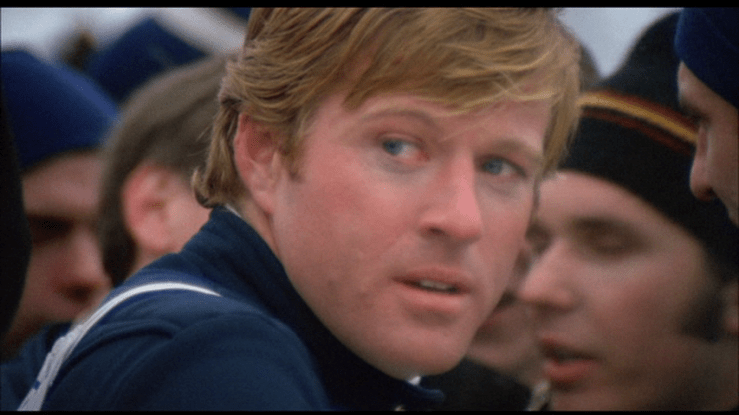
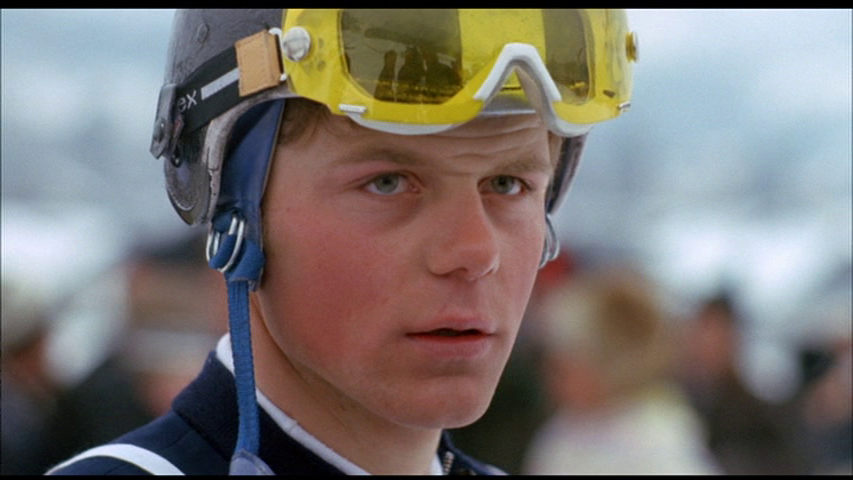
But the film ends with the crowd hoisting Chappellet on its shoulders:
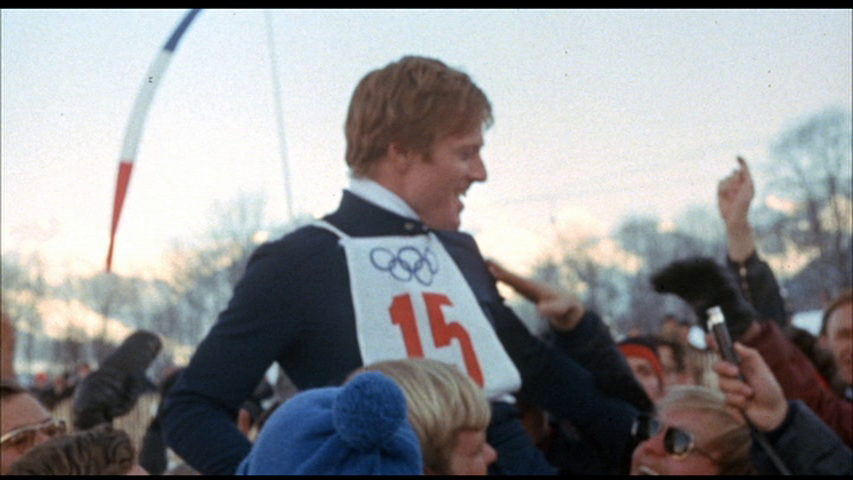
It’s not so much that we only care about him because he won: rather, if it wasn’t for the good people at NBC, most of us wouldn’t even know that there was a human being named Dave Chappellet who we could choose to care about or not in the first place.
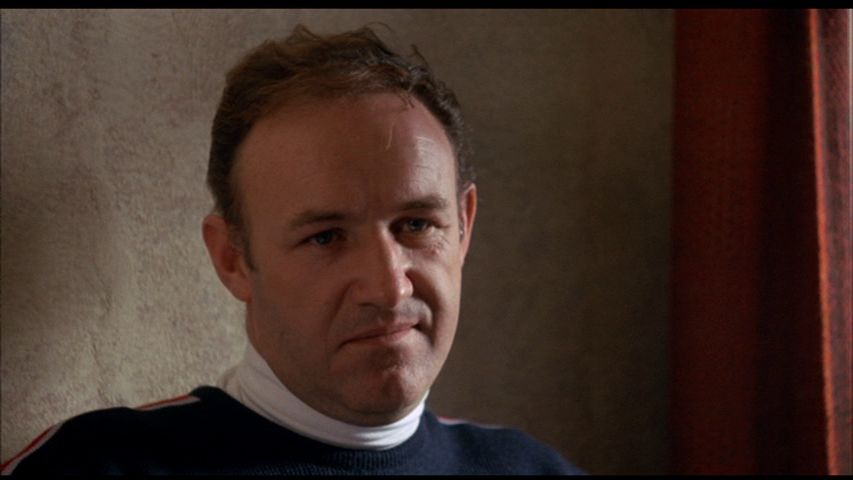
I would be remiss if I didn’t include at least one screengrab featuring Gene Hackman, since his smirks are one of my very favorite things about Downhill Racer. Here’s one:
And actually, here’s another one from one of the scenes showing him hustling for funding for the U.S. national ski team, which I also enjoy:

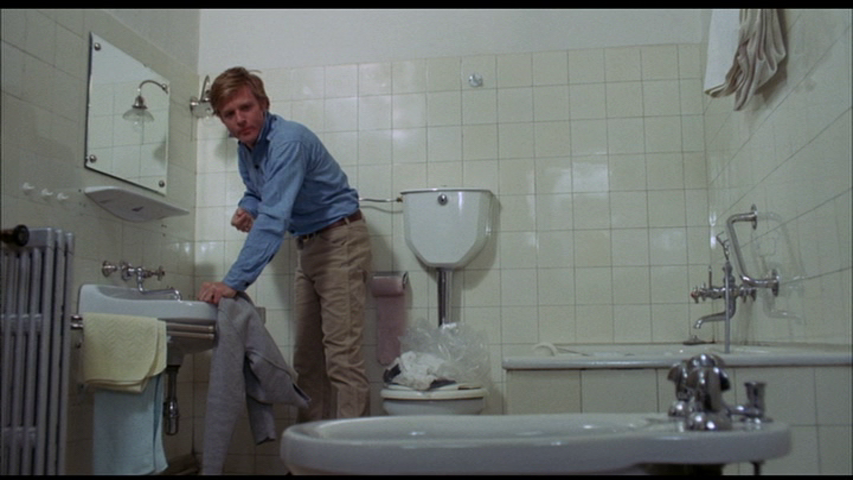
Last but not least, here’s Robert Redford contemplating a bidet:
Cheers!
All original photographs in this post are by Marion Penning, aka My Loving Wife. Other entries in this series can be found here.

 The Prodigal Cinephile